Rziza (رزيزة) — Moroccan Honeyed Braided Pastry Threads, Richly Buttery
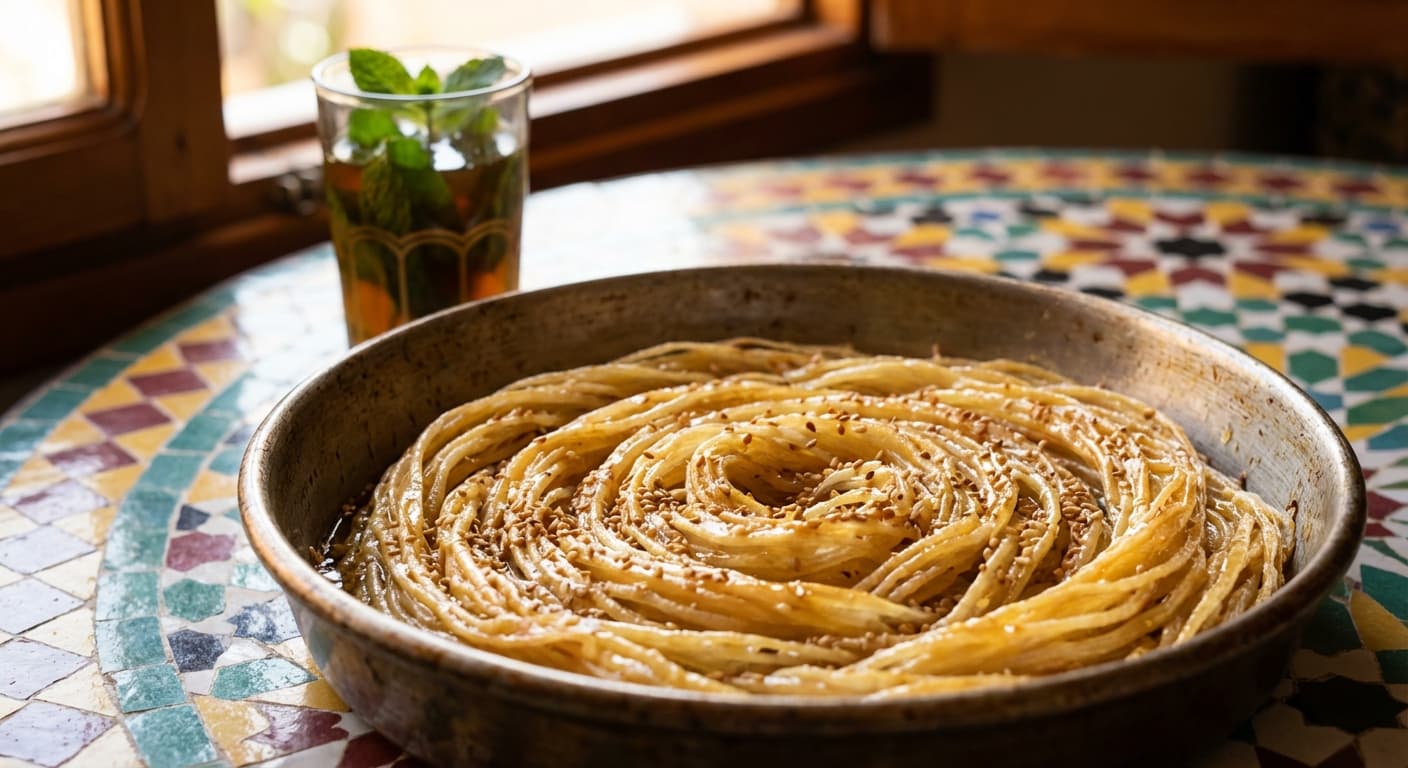
Rziza is a Moroccan celebration pastry made from ultra-thin, braided dough strands baked until crisp, then soaked in warm honey syrup. It’s especially beloved with mint tea, where the buttery layers and floral sweetness feel both festive and comforting.
Printable Recipe Card
Servings: 10 · Total: 95 min · Difficulty: hard
Ingredients (quick list)
- 500 g All-purpose flour
- 80 g Fine semolina (Adds bite and helps the strands stay distinct)
- 25 g Granulated sugar
- 6 g Fine sea salt
- 6 g Baking powder
- 260 ml Warm water (Aim for 38–40°C for easier kneading)
- 10 ml White vinegar (Helps tenderness and extensibility)
- 30 ml Neutral oil
- 220 g Unsalted butter (Melted and kept warm (not hot))
- 320 g Honey
- 120 ml Water
- 10 ml Orange blossom water
+ 2 more in the full ingredients section below.
Steps (summary)
- Make the dough base by mixing flour, fine semolina, sugar, salt, and baking powder in a large bowl until evenly combined. Add t…
- Knead the dough for 10 minutes until it becomes smooth, elastic, and only slightly tacky. If it feels dry and resists stretchin…
- Divide the dough into 10 equal pieces (about 90 g each) and roll each into a tight ball. Coat each ball lightly with a thin fil…
- Prepare the lamination fat by mixing the melted butter with 80 ml neutral oil in a small bowl and keeping it warm. Line a large…
- Stretch one dough ball at a time into a very thin sheet using oiled hands and gentle pulling from the edges. Keep working until…
- Brush the entire sheet with about 1 1/2 tbsp (22 g) of the butter-oil mixture, reaching the edges so the layers separate in the…
+ 6 more steps in the full instructions section below.
Cultural Background
Rziza is a festive Moroccan pastry often prepared for family gatherings and special tea tables, where intricate hand-stretched dough signals care and hospitality. The honey and orange blossom finish reflects the Maghrebi love of floral sweets shared communally.
Equipment
💡 Tips
- Keep the butter-oil mixture warm (around 35–40°C) so it brushes on thinly and doesn’t clump, which can cause uneven layering.
- If the dough snaps back while stretching, cover it and rest that piece for 10 more minutes; forcing it will create thick, tough strands.
- Bake to a deep golden color before syruping; the extra browning prevents the final texture from turning gummy.
⚠️ Common Mistakes
❌ Threads tear repeatedly during stretching and won’t go translucent.
✅ Fix: Rest the dough longer (10–15 minutes) and ensure it is lightly oiled; also add 10–20 ml water during kneading next time for a softer dough.
❌ Final pastry turns soggy and heavy after syruping.
✅ Fix: Bake deeper golden and use warm (not boiling) syrup poured in stages so absorption is gradual and controlled.
❌ Layers fuse instead of separating into strands.
✅ Fix: Brush fat between folds more evenly and keep the sheet thin; thick spots behave like bread rather than laminated pastry.
🧊 How to Store
Store covered at room temperature for up to 24 hours to keep the outer edges crisp. For longer storage, refrigerate up to 4 days; reheat at 160°C for 8–10 minutes to revive flakiness, then rest 10 minutes before serving.
📅 Make Ahead
You can mix and knead the dough up to 12 hours ahead and refrigerate it lightly oiled and covered. Bring to room temperature for 45 minutes before stretching, and make the syrup up to 3 days ahead and warm it gently before soaking.
🍽️ Pairs Well With
- Moroccan mint tea
- toasted almonds
- fresh orange segments
- a pinch of extra sesame on top.
Regional Variations
- Some Moroccan homes shape rziza as individual nests rather than a single large spiral, making it easier to portion for guests.
- In certain regions, a small amount of ground anise or cinnamon is added to the dough for a warmer, spiced aroma.
- A sprinkle of crushed fried almonds or sesame is used as a garnish when serving with tea during celebrations.
Ingredients
- 500 gAll-purpose flour
- 80 gFine semolina (Adds bite and helps the strands stay distinct)
- 25 gGranulated sugar
- 6 gFine sea salt
- 6 gBaking powder
- 260 mlWarm water (Aim for 38–40°C for easier kneading)
- 10 mlWhite vinegar (Helps tenderness and extensibility)
- 30 mlNeutral oil
- 220 gUnsalted butter (Melted and kept warm (not hot))
- 320 gHoney
- 120 mlWater
- 10 mlOrange blossom water
- 15 mlFresh lemon juice (Balances sweetness and keeps syrup glossy)
- 25 gToasted sesame seeds (Optional but traditional)
🔄 Substitutions
- Orange blossom water→ Rose water
- Fine semolina→ All-purpose flour (additional 80 g)
- Honey→ Light golden syrup (320 g) + 5 ml extra lemon juice
Instructions
- 1
Make the dough base by mixing flour, fine semolina, sugar, salt, and baking powder in a large bowl until evenly combined. Add the warm water, vinegar, and 30 ml oil, then mix until a shaggy dough forms and no dry flour remains.
- 2
Knead the dough for 10 minutes until it becomes smooth, elastic, and only slightly tacky. If it feels dry and resists stretching, add 10 ml water and knead again for 1 minute; the dough must be supple to pull into threads.
- 3
Divide the dough into 10 equal pieces (about 90 g each) and roll each into a tight ball. Coat each ball lightly with a thin film of oil, cover well, and rest for 20 minutes so the gluten relaxes and the dough stretches without tearing.
- 4
Prepare the lamination fat by mixing the melted butter with 80 ml neutral oil in a small bowl and keeping it warm. Line a large tray or work surface with a light smear of this mixture so the dough can be stretched thinly without sticking.
- 5
Stretch one dough ball at a time into a very thin sheet using oiled hands and gentle pulling from the edges. Keep working until the sheet is nearly translucent and roughly 50–60 cm across; if it tears, pinch the tear closed and continue, because it will still bake well.
- 6
Brush the entire sheet with about 1 1/2 tbsp (22 g) of the butter-oil mixture, reaching the edges so the layers separate in the oven. Fold the sheet into a long strip about 6–7 cm wide, brushing a little more fat between folds to create distinct, flaky layers.
- 7
Roll the strip into a thin rope by gently stretching it lengthwise, then fold it back and twist lightly to form braided ‘threads’ rather than a smooth cord. Coil the rope into a loose spiral (like a nest) and place it in a greased round pan, leaving small gaps for expansion.
- 8
Repeat stretching, buttering, folding, and coiling with the remaining dough balls, arranging the spirals snugly in the pan to create a full tray. Once assembled, brush the top with 1 tbsp (15 g) of the remaining butter-oil mixture so the surface bakes evenly and deeply golden.
- 9
Bake in a preheated 190°C oven for 30–35 minutes until the rziza is uniformly deep golden and crisp at the edges. Rotate the pan at minute 20 for even color, and avoid underbaking because the honey soak will soften the pastry.
- 10
While it bakes, make the syrup by heating honey and water in a saucepan over medium heat until it reaches a gentle simmer. Simmer for 3 minutes, then turn off the heat and stir in lemon juice and orange blossom water so the aroma stays bright.
- 11
As soon as the rziza comes out of the oven, let it cool in the pan for 5 minutes so the structure sets. Pour the warm syrup evenly over the hot pastry in 3 additions, waiting 2 minutes between each addition so it absorbs without pooling.
- 12
Rest the rziza for 45 minutes before serving so the honey distributes through the braided layers. Finish with 25 g toasted sesame seeds, then cut into wedges or lift out individual coils for a more traditional presentation.
🪪 Recipe Passport
Cultural Background
Rziza is a festive Moroccan pastry often prepared for family gatherings and special tea tables, where intricate hand-stretched dough signals care and hospitality. The honey and orange blossom finish reflects the Maghrebi love of floral sweets shared communally.
Regional Variations
Researched from multiple sources and validated by the Zaffaron editorial team. Every recipe is tested for accuracy, measurements, and cultural authenticity.
Nutrition per serving
Pairs well with
If you enjoyed this recipe, here are a few related Zaffaron recipes to try next.
- Calentica (كالنتيكا) — Moroccan Chickpea Flan Street Food, Peppery and Warm
- Sardines Chermoula (سردين شرمولة) — Moroccan chermoula-marinated sardines, pan-fried
- Tajine Kefta b Bid (طاجين كفتة بالبيض) — Moroccan Meatballs in Tomato Sauce with Eggs
- Basbousa (بسبوسة) — Moroccan-Style Semolina Cake with Orange Blossom Syrup
Does your family make this differently?
Every family has their own version. Maybe your grandmother adds a secret ingredient, or your aunt has a completely different technique. Preserve your family's version — with their name on it, forever.
You Might Also Like
Marrakeshi Harira (حريرة مراكشية) — Moroccan Lamb and Chickpea Soup
Moroccan · Soups · 175 min
Moroccan Chicken Briouat (بريوات) — Crispy Phyllo Rolls with Chicken and Vermicelli
Moroccan · Appetizers · 80 min
Meloui (ملوي) — Moroccan Spiral-Layered Pan-Fried Flatbread
Moroccan · Breads · 60 min
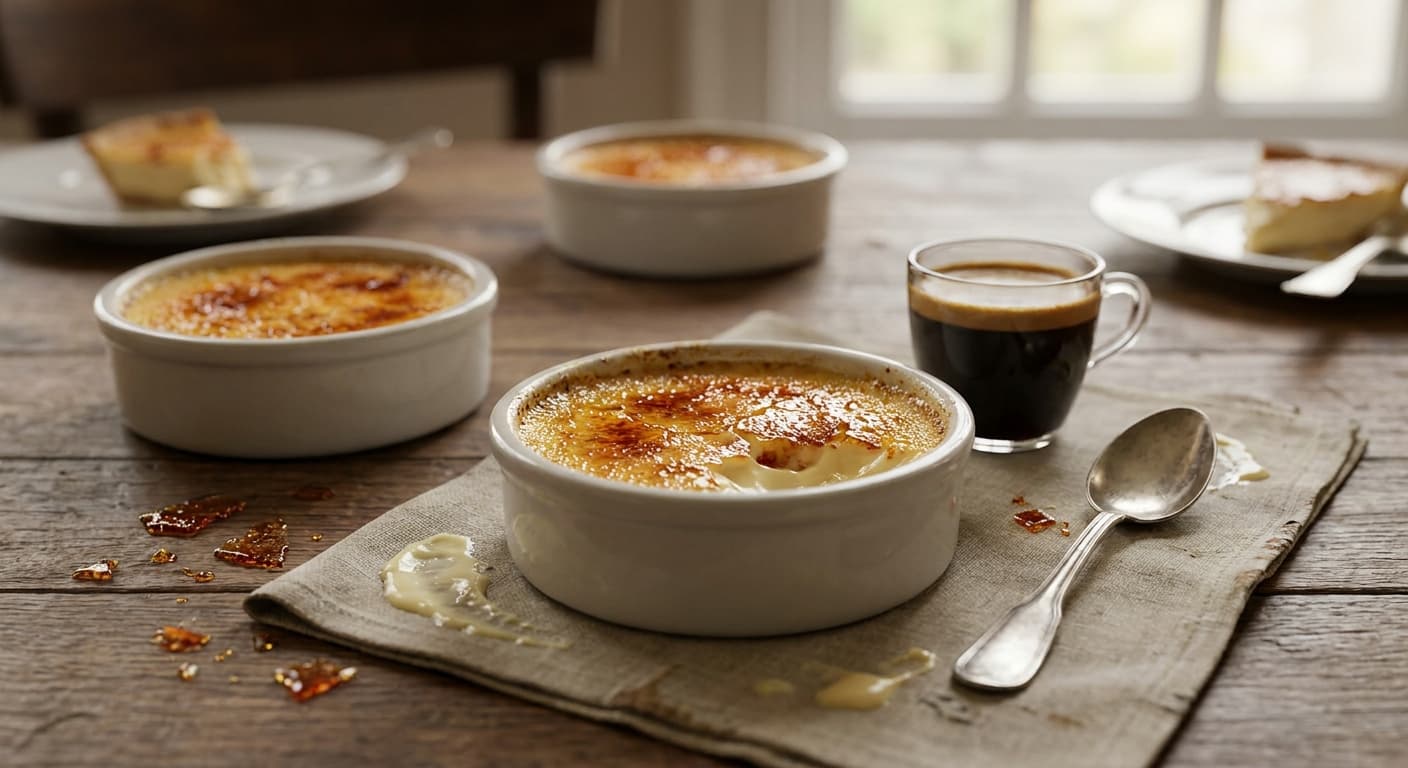
Crème Brûlée (Crème brûlée) — Classic Vanilla Custard with Caramelized Sugar
French · Desserts · 60 min
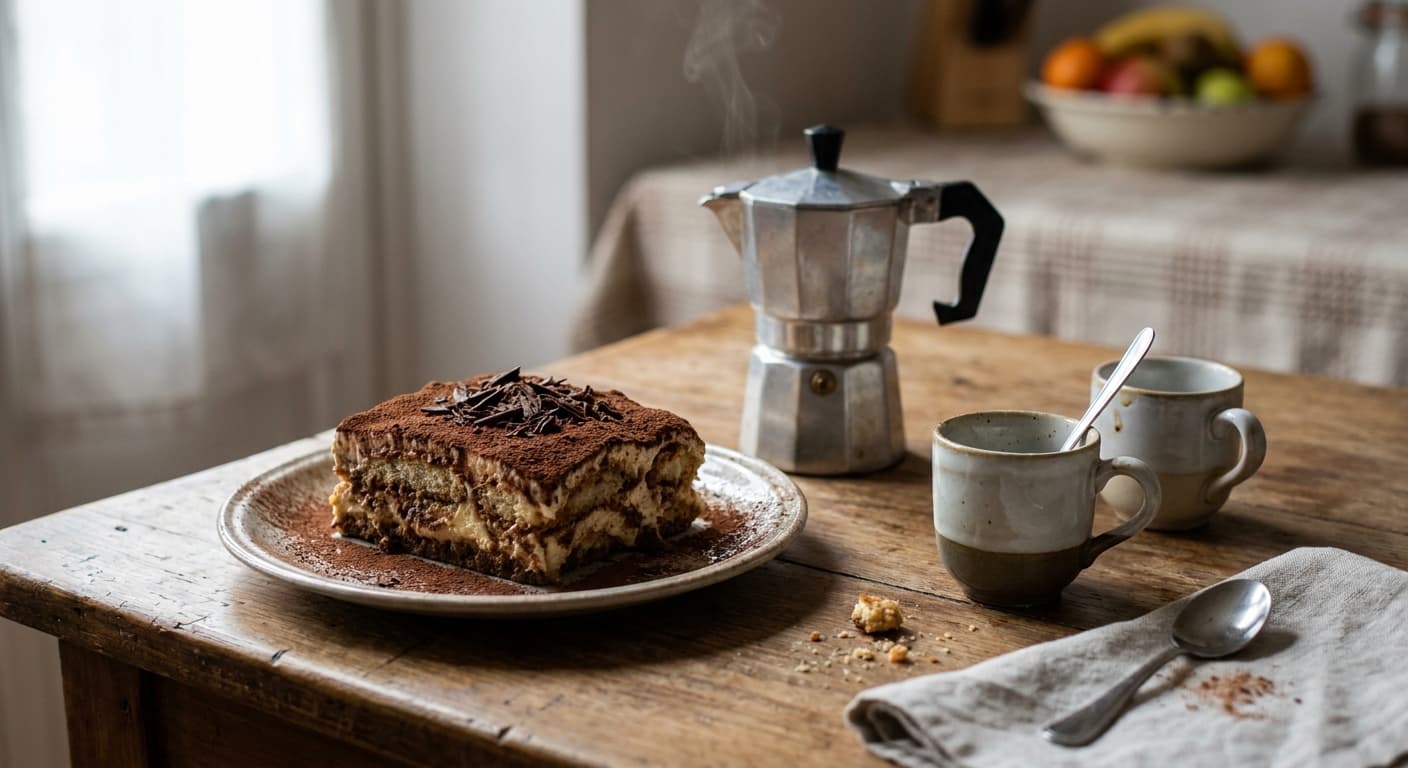
Tiramisu (Tiramisù) — Classic Coffee-Mascarpone Layered Dessert
Italian · Desserts · 35 min
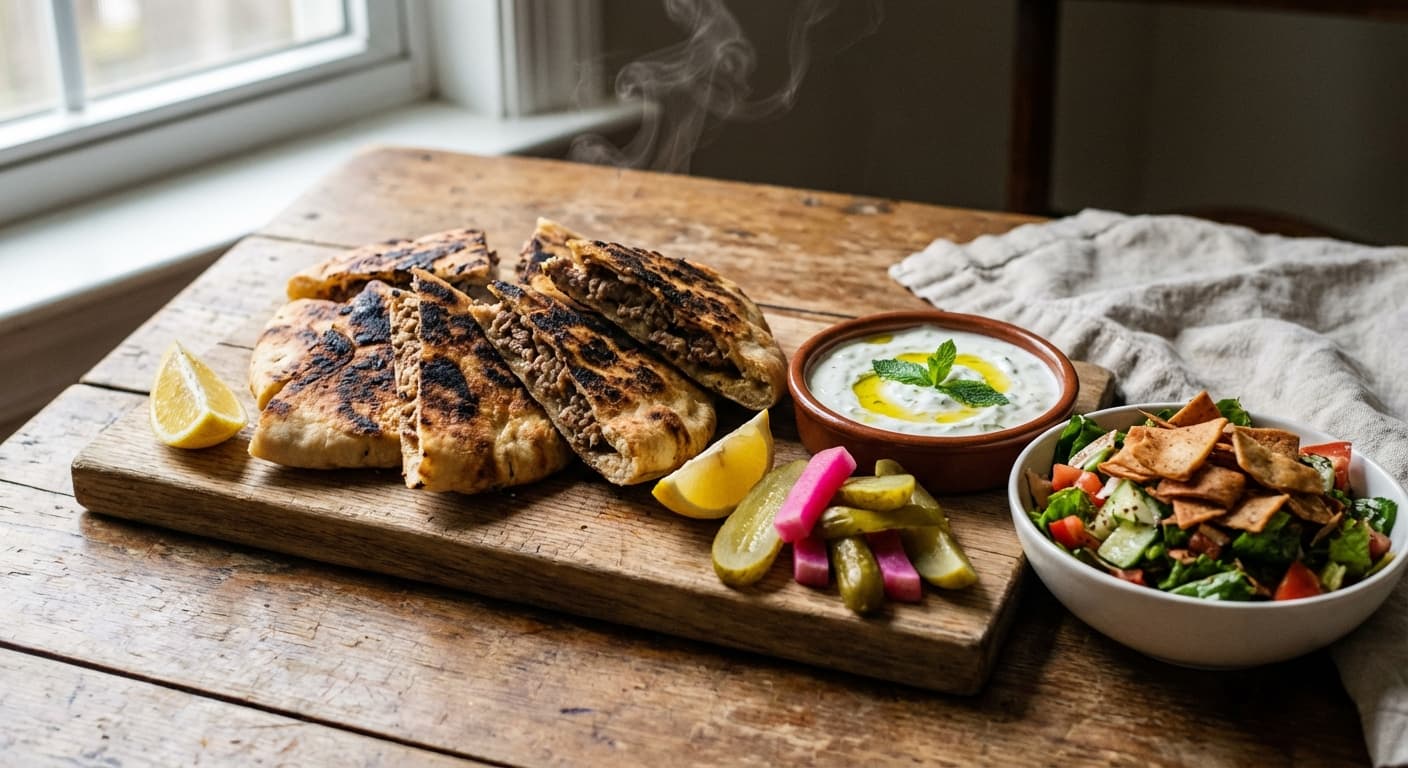
Arayess (عرايس) — Lebanese Grilled Stuffed Pita with Spiced Meat
Lebanese · Kebabs · 34 min
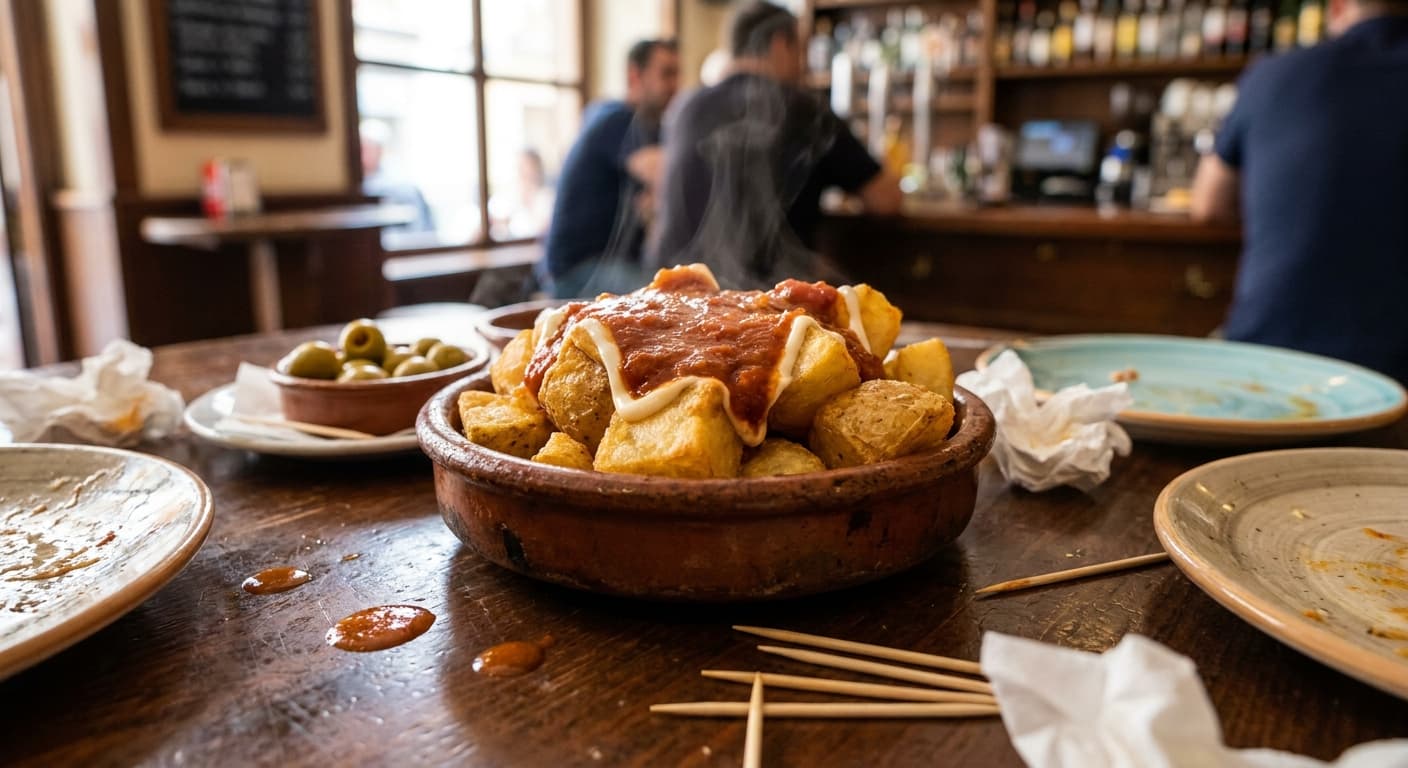
Patatas Bravas (Patatas bravas) — Crisp Spanish Tapas Potatoes with Spicy Brava Sauce
Spanish · Appetizers · 55 min
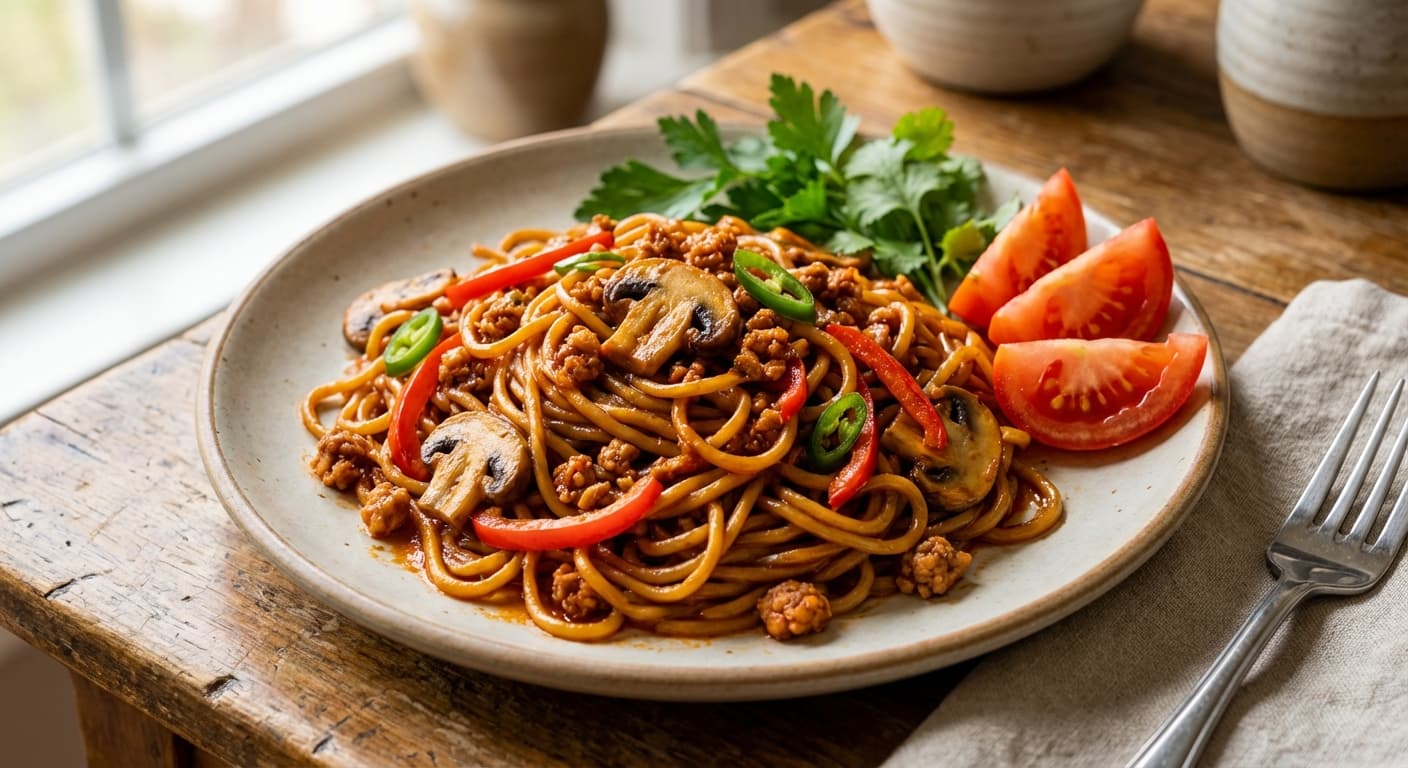
Noodles with Soy and Peppers (نودل با سویا و فلفل) — Persian-Style Spicy Tomato Soy Noodle Stir-Fry
Persian · Main Courses · 40 min
Reviews
Cooked this recipe?
Tap the stars to rate it — that's all it takes. A few words are welcome but optional.
No ratings yet. Cooked this one? Be the first to rate it — it takes one tap.