Kuku-ye Gojeh Farangi (کوکو گوجه فرنگی) — Persian Tomato Frittata
A vibrant Persian tomato frittata with sautéed onion, fresh herbs, and turmeric. Fluffy yet juicy, it’s a comforting, everyday home dish that’s quick to make and globally approachable.

Printable Recipe Card
Servings: 4 · Total: 40 min · Difficulty: easy
Ingredients (quick list)
- 500 g Tomatoes, ripe (grated on the large holes or finely chopped; about 4 medium)
- 200 g Onion, yellow (finely diced; about 1 large)
- 45 ml Vegetable oil (divided, plus extra if needed; neutral oil such as sunflower or canola)
- 2 tsp Turmeric powder
- 1.25 tsp Sea salt (divided, to taste)
- 0.75 tsp Black pepper (freshly ground)
- 6 Eggs, large (room temperature if possible)
- 20 g All-purpose flour (about 2 1/2 tablespoons, sifted to prevent lumps)
- 20 g Fresh parsley (finely chopped; about 1/2 cup loosely packed)
- 10 g Fresh dill (finely chopped; about 1/4 cup loosely packed)
- 10 g Fresh cilantro (finely chopped; about 1/4 cup loosely packed)
Steps (summary)
- Prepare the vegetables: grate or finely chop the tomatoes and dice the onion. Heat a 25–28 cm nonstick skillet over medium heat…
- Build the tomato base: add turmeric, 3/4 teaspoon salt, and black pepper to the onions and stir for 30 seconds to bloom the spi…
- Mix the eggs: in a bowl, whisk eggs for 45–60 seconds until foamy. Whisk in flour and the remaining 1/2 teaspoon salt until smo…
- Combine: reduce the heat under the tomato base to low. Pour the egg-herb mixture evenly over the tomatoes and gently stir 3–4 t…
- Flip and finish: run a silicone spatula around the edges. Slide the kuku onto a plate, add the remaining 15 ml oil to the skill…
Cultural Background
Kuku is a family of Persian egg-based dishes commonly made at home for quick meals, picnics, and light dinners. Tomato kuku is valued for using everyday pantry ingredients and seasonal tomatoes, balancing bright acidity with herbs and warm spices in a familiar comfort-food format.
Equipment
💡 Tips
- Cook the tomatoes until thick; excess moisture is the main reason tomato kuku turns watery and breaks when flipped.
- Whisking the eggs until foamy helps create a lighter, soufflé-like texture without baking powder.
- Keep the heat low once eggs are added to avoid a browned exterior with an undercooked center.
- For clean slices, rest the kuku 5 minutes so the steam redistributes and the structure firms up.
⚠️ Common Mistakes
❌ Adding eggs before the tomato mixture is reduced
💡 Why: Watery tomatoes release steam and prevent the eggs from setting, leading to a soggy, fragile kuku.
✅ Fix: Simmer tomatoes until thick and mostly dry; you should be able to drag a spoon through and see the pan briefly.
❌ Cooking on high heat after adding the eggs
💡 Why: The bottom browns quickly while the center stays undercooked, making flipping difficult and causing a rubbery texture.
✅ Fix: Cover and cook on low heat; use low-medium only briefly after flipping to finish setting.
❌ Skipping the flour or not whisking it smooth
💡 Why: Without a binder, the kuku can crumble; flour lumps create uneven texture.
✅ Fix: Sift the flour and whisk into eggs until fully smooth; let stand 2 minutes to hydrate.
❌ Flipping too early
💡 Why: If the top is still very wet, it can tear and spill during the turn.
✅ Fix: Wait until edges are set and the center is only slightly jiggly; then flip using a plate and add a little oil before returning to the pan.
🧊 How to Store
Cool to room temperature within 2 hours. Refrigerate airtight for up to 3 days. Reheat in a covered skillet over low heat for 4–6 minutes or microwave in 30-second bursts until hot. Not ideal for freezing due to tomato moisture and egg texture changes.
📅 Make Ahead
You can cook the tomato-onion base up to 2 days ahead and refrigerate. Rewarm it in the skillet until hot and thick again, then add the freshly whisked egg-herb mixture and cook as directed for the best texture.
🍽️ Pairs Well With
- Warm flatbread or toasted bread
- Plain yogurt or strained yogurt
- Fresh herbs and sliced cucumbers
- Pickles and olives
- A simple salad with lemon and olive oil
Regional Variations
- Northern Iran (Caspian-influenced home cooking)Often heavier on fresh herbs and sometimes includes chopped garlic or scallions for a sharper aroma; the texture may be slightly looser and more omelet-like.
- Tehran-style everyday kitchensCommonly kept simple with onion, turmeric, and a modest amount of herbs; cooked thicker in a covered skillet and flipped for an evenly set, sliceable round.
Ingredients
- 500 gTomatoes, ripe (grated on the large holes or finely chopped; about 4 medium)
- 200 gOnion, yellow (finely diced; about 1 large)
- 45 mlVegetable oil (divided, plus extra if needed; neutral oil such as sunflower or canola)
- 2 tspTurmeric powder
- 1.25 tspSea salt (divided, to taste)
- 0.75 tspBlack pepper (freshly ground)
- 6Eggs, large (room temperature if possible)
- 20 gAll-purpose flour (about 2 1/2 tablespoons, sifted to prevent lumps)
- 20 gFresh parsley (finely chopped; about 1/2 cup loosely packed)
- 10 gFresh dill (finely chopped; about 1/4 cup loosely packed)
- 10 gFresh cilantro (finely chopped; about 1/4 cup loosely packed)
🔄 Substitutions
- Fresh tomatoes (500 g)→ Crushed canned tomatoes (400 g) + 1 tablespoon tomato paste (15 g)
- All-purpose flour (20 g)→ Chickpea flour (20 g)
- Mixed fresh herbs (parsley, dill, cilantro)→ 2 tablespoons chopped scallions (about 20 g) + 1 tablespoon dried dill (3 g)
Instructions
- 1
Prepare the vegetables: grate or finely chop the tomatoes and dice the onion. Heat a 25–28 cm nonstick skillet over medium heat for 2 minutes, then add 30 ml oil. Add onion and cook 8–10 minutes, stirring, until soft and lightly golden; lower heat if browning too fast.
- 2
Build the tomato base: add turmeric, 3/4 teaspoon salt, and black pepper to the onions and stir for 30 seconds to bloom the spice. Add tomatoes and cook 10–12 minutes over medium heat, stirring often, until thick and jammy and most liquid has evaporated; the pan should look mostly dry, not soupy.
- 3
Mix the eggs: in a bowl, whisk eggs for 45–60 seconds until foamy. Whisk in flour and the remaining 1/2 teaspoon salt until smooth, with no dry pockets. Fold in parsley, dill, and cilantro. Let the mixture stand 2 minutes so the flour hydrates for a fluffier, more cohesive kuku.
- 4
Combine: reduce the heat under the tomato base to low. Pour the egg-herb mixture evenly over the tomatoes and gently stir 3–4 times to marble the mixture without fully blending. Cover with a lid and cook on low for 10–12 minutes, until the edges set and the center is just slightly jiggly.
- 5
Flip and finish: run a silicone spatula around the edges. Slide the kuku onto a plate, add the remaining 15 ml oil to the skillet, then invert the kuku back into the pan. Cook uncovered 4–6 minutes on low-medium until fully set (center reaches 71°C/160°F). Rest 5 minutes before slicing.
🪪 Recipe Passport
Cultural Background
Kuku is a family of Persian egg-based dishes commonly made at home for quick meals, picnics, and light dinners. Tomato kuku is valued for using everyday pantry ingredients and seasonal tomatoes, balancing bright acidity with herbs and warm spices in a familiar comfort-food format.
Regional Variations
Researched from multiple sources and validated by the Zaffaron editorial team. Every recipe is tested for accuracy, measurements, and cultural authenticity.
Nutrition per serving
Pairs well with
If you enjoyed this recipe, here are a few related Zaffaron recipes to try next.
- Polo Makhlout (پلو مخلوط) — Saffron-Scented Mixed Rice with Spiced Meat
- Persian Tomato & Mushroom Omelette (املت گوجه فرنگی) — Rustic Iranian breakfast omelet with tomatoes and mushrooms
- Persian Winter Leek and Spinach Kuku Sabzi (کوکو سبزی) — Herb Frittata with Leeks and Spinach
- Piyaz Shekam Por (پیاز شکم پر) — Persian Stuffed Onions
Does your family make this differently?
Every family has their own version. Maybe your grandmother adds a secret ingredient, or your aunt has a completely different technique. Preserve your family's version — with their name on it, forever.
You Might Also Like

Persian-Style Pizza-Chips (خوراک چیپس و پنیر) — Street-Food Chip Bake with Chicken and Mozzarella
Persian · Main Courses · 45 min
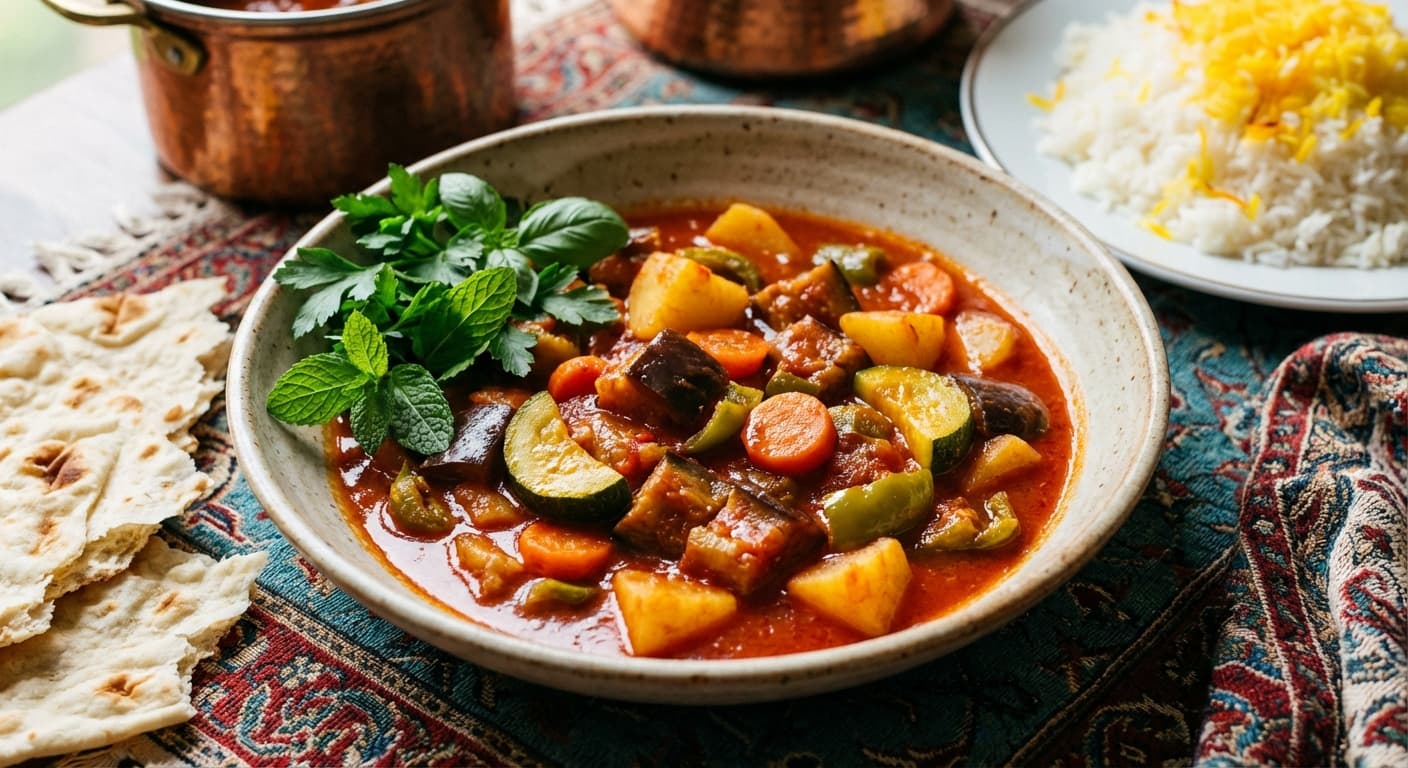
Yatimcheh (یتیمچه) — Persian Slow-Cooked Summer Vegetable Stew
Persian · Stews · 100 min
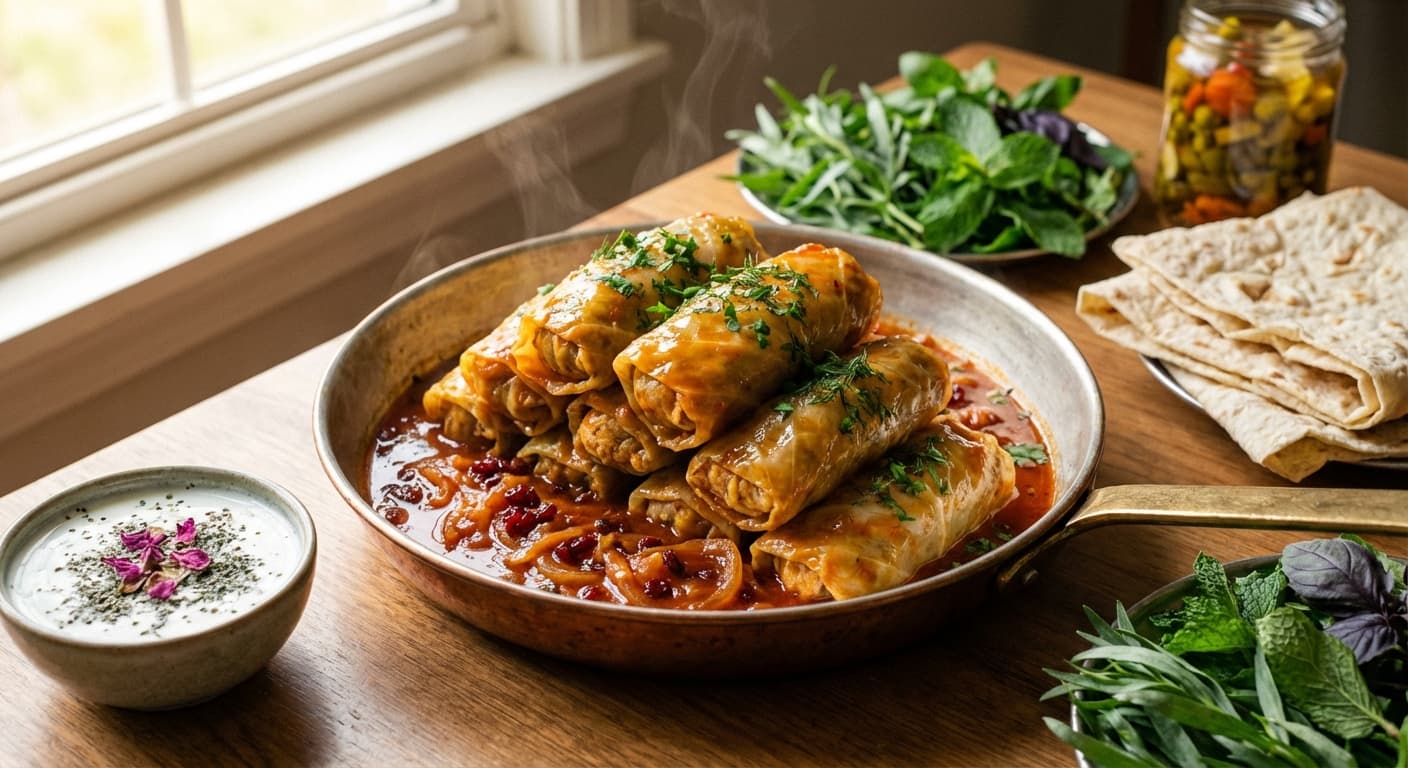
Chicken Stuffed Cabbage Rolls (دلمه کلم با مرغ) — Herb-Scented Persian Dolmeh in Tomato Saffron Sauce
Persian · Main Courses · 90 min
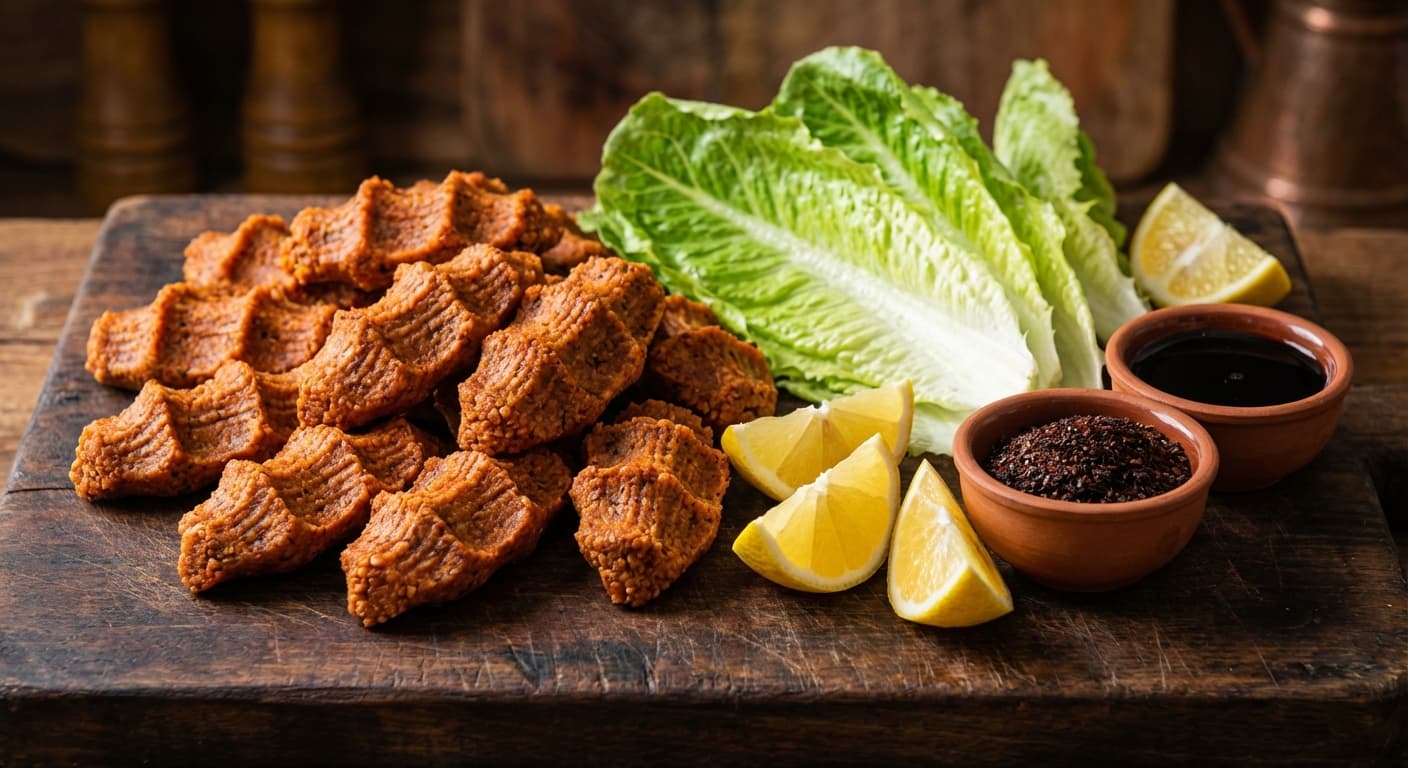
Cig Kofte (Çiğ Köfte) — Isot-kissed bulgur kneaded and served in lettuce
Turkish · Appetizers · 25 min
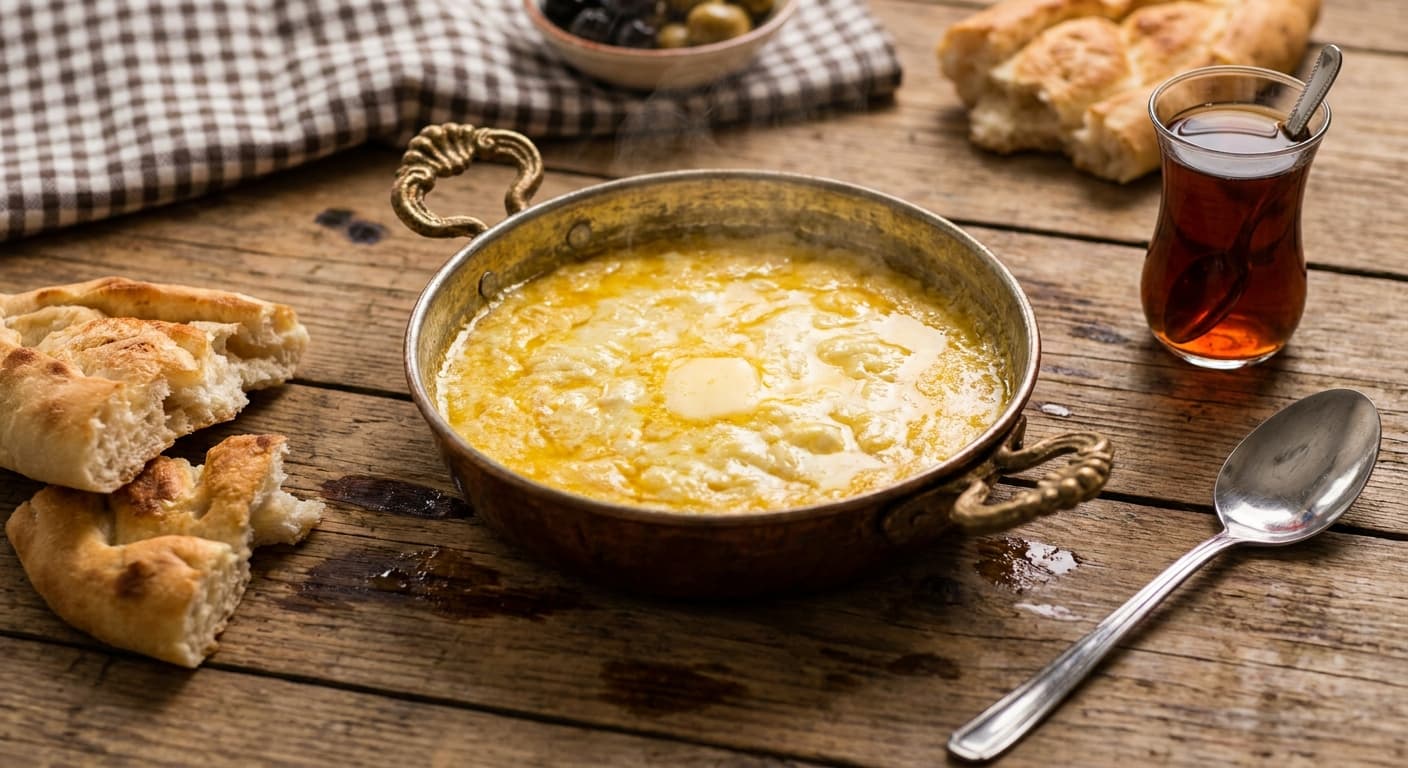
Mıhlama (Mıhlama) — Black Sea Cornmeal and Cheese Skillet
Turkish · Main Courses · 25 min

Amygdalota (Αμυγδαλωτά) — Chewy Greek Almond Cookies with Orange and Almond
Greek · Desserts · 38 min
Nokhod Polo (نخود پلو) — Saffron Chickpea Rice with Warm Spices
Persian · Rice Dishes · 80 min

Golden Turmeric Potato and Spinach Casserole (غراتان سیبزمینی و اسفناج) — Mediterranean-Inspired Layered Gratin
Persian · Main Courses · 70 min
Reviews
Cooked this recipe?
Tap the stars to rate it — that's all it takes. A few words are welcome but optional.
No ratings yet. Cooked this one? Be the first to rate it — it takes one tap.