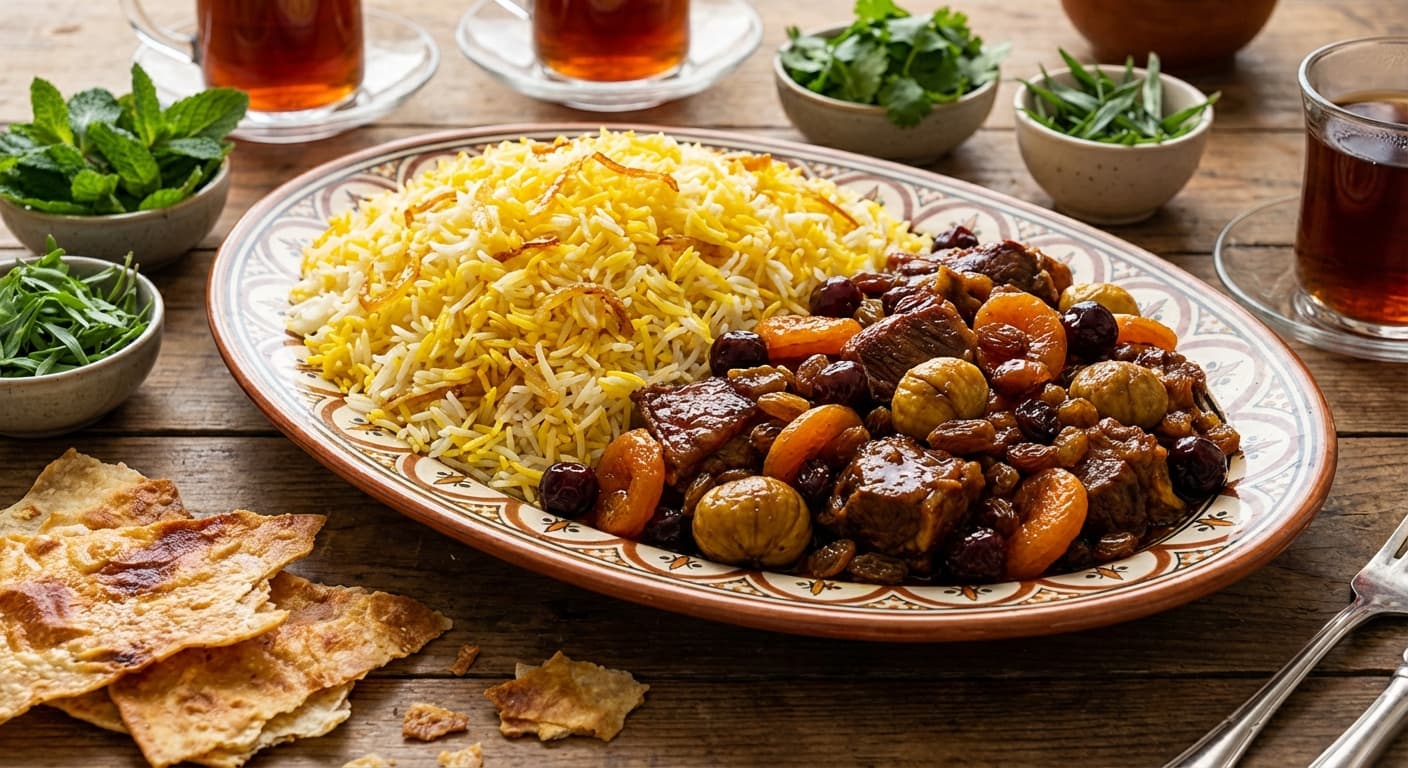
Plov with Chestnuts (شاه پلو) — Azerbaijani saffron rice with lamb, chestnuts, and dried fruit
Azerbaijani plov layers fragrant saffron rice over a tender lamb and chestnut stew, often finished with a crisp qazmaq crust. It’s a celebratory centerpiece across the Caucasus, balancing savory meat with sweet-tart dried fruit.
Printable Recipe Card
Servings: 6 · Total: 150 min · Difficulty: hard
Ingredients (quick list)
- 500 g Basmati rice (Rinsed until water runs mostly clear)
- 2500 ml Water (For boiling rice (plus extra for soaking if desired))
- 18 g Fine salt (For salting boiling water)
- 0.3 g Saffron threads (Steeped for color and aroma)
- 60 ml Hot water (About 80–90°C to bloom saffron)
- 90 g Unsalted butter (Melted, for drizzling and crust)
- 1 Lavash bread (Round or large sheet to line the pot)
- 700 g Lamb shoulder (Cut into 3 cm cubes)
- 250 g Onion (Thinly sliced)
- 30 ml Neutral oil (Sunflower or grapeseed)
- 2 leaf Bay leaf
- 1 tsp Ground black pepper
+ 7 more in the full ingredients section below.
Steps (summary)
- Bloom the saffron by crushing the threads lightly and pouring 60 ml hot water over them in a small cup. Cover and let it steep…
- Rinse the basmati rice in several changes of cool water until the water is mostly clear. Let it drain in a sieve for 10 minutes…
- Start the lamb stew by heating 30 ml neutral oil in a heavy pot over medium-high heat. Add the sliced onion and cook for 8–10 m…
- Add the lamb cubes and sear for 6–8 minutes, turning to brown multiple sides. Stir in black pepper, turmeric, and bay leaves, t…
- Cover and braise the lamb on low heat for 45 minutes, stirring once or twice to prevent sticking. Add the remaining 200 ml wate…
- Add the chestnuts, dried apricots, raisins, and dried sour cherries to the lamb pot and stir gently so the fruit stays intact.…
+ 6 more steps in the full instructions section below.
Cultural Background
Plov is a hallmark of Azerbaijani hospitality, traditionally served at weddings and holiday tables with rice kept separate from the stew-like topping. Saffron and qazmaq signal celebration, while chestnuts and dried fruit reflect the region’s love of sweet-savory pairings.
Equipment
💡 Tips
- For cleaner, longer grains, soak the rinsed rice in 1000 ml cool water with 10 g salt for 30 minutes, then drain before boiling.
- If your chestnuts are raw, score them and boil 20 minutes, then peel while warm; use 350 g raw to yield about 300 g peeled.
- Keep the lamb stew slightly saucy, not dry; aim for about 150–200 ml thickened liquid so it coats the fruit and chestnuts.
⚠️ Common Mistakes
❌ Boiling the rice until fully cooked before steaming
✅ Fix: Parboil only 6–8 minutes so the center stays firm; steaming finishes it without breaking grains.
❌ Burning the qazmaq crust
✅ Fix: After 5 minutes on medium to build steam, reduce to low and keep the lid towel-dry so moisture doesn’t drip and scorch.
❌ Fruit dissolving into the sauce
✅ Fix: Add dried fruit only after the lamb is tender and simmer briefly so it plumps without falling apart.
🧊 How to Store
Cool rice and stew separately within 2 hours, then refrigerate in airtight containers for up to 3 days. Reheat rice covered with 30 ml water in a pot on low for 10–12 minutes; warm the stew gently with 30–60 ml water to loosen the sauce.
📅 Make Ahead
Braise the lamb with onions up to 2 days ahead and refrigerate, then rewarm and add chestnuts and dried fruit just before serving. Rinse and soak the rice up to 1 hour ahead, then parboil and steam close to mealtime for best texture.
🍽️ Pairs Well With
- Fresh herbs platter
- cucumber-tomato salad
- pickled vegetables
- plain yogurt with garlic
- black tea.
Regional Variations
- Some Azerbaijani kitchens use qazmaq made from an egg-yogurt-flour batter instead of lavash for a thicker, cake-like crust.
- In Baku-style festive versions, slivered almonds or candied orange peel may be added alongside the dried fruit.
- A lighter home-style plov may replace lamb with chicken thighs and reduce butter to 60 g.
Ingredients
- 500 gBasmati rice (Rinsed until water runs mostly clear)
- 2500 mlWater (For boiling rice (plus extra for soaking if desired))
- 18 gFine salt (For salting boiling water)
- 0.3 gSaffron threads (Steeped for color and aroma)
- 60 mlHot water (About 80–90°C to bloom saffron)
- 90 gUnsalted butter (Melted, for drizzling and crust)
- 1Lavash bread (Round or large sheet to line the pot)
- 700 gLamb shoulder (Cut into 3 cm cubes)
- 250 gOnion (Thinly sliced)
- 30 mlNeutral oil (Sunflower or grapeseed)
- 2 leafBay leaf
- 1 tspGround black pepper
- 300 gCooked peeled chestnuts (Vacuum-packed or home-boiled and peeled)
- 120 gDried apricots (Halved)
- 80 gGolden raisins
- 60 gDried sour cherries (Or dried barberries if available)
- 1 tspGround cinnamon
- 0.5 tspGround turmeric
- 15 mlLemon juice (Brightens the dried fruit)
🔄 Substitutions
- Lamb shoulder→
- Dried sour cherries→
- Lavash bread→
Instructions
- 1
Bloom the saffron by crushing the threads lightly and pouring 60 ml hot water over them in a small cup. Cover and let it steep for 15–20 minutes so the color turns deep amber and the aroma becomes floral.
- 2
Rinse the basmati rice in several changes of cool water until the water is mostly clear. Let it drain in a sieve for 10 minutes so the grains cook evenly and stay long and separate.
- 3
Start the lamb stew by heating 30 ml neutral oil in a heavy pot over medium-high heat. Add the sliced onion and cook for 8–10 minutes, stirring often, until golden and sweet-smelling.
- 4
Add the lamb cubes and sear for 6–8 minutes, turning to brown multiple sides. Stir in black pepper, turmeric, and bay leaves, then pour in 400 ml of the water and bring to a gentle simmer.
- 5
Cover and braise the lamb on low heat for 45 minutes, stirring once or twice to prevent sticking. Add the remaining 200 ml water as needed to keep a shallow braising liquid, then add 8 g salt and continue cooking 15–25 minutes until the lamb is tender.
- 6
Add the chestnuts, dried apricots, raisins, and dried sour cherries to the lamb pot and stir gently so the fruit stays intact. Simmer uncovered for 10–12 minutes to thicken the sauce slightly, then stir in cinnamon and 15 ml lemon juice and remove from heat.
- 7
Boil the rice by bringing 2500 ml water to a strong boil in a large pot and dissolving 18 g salt in it. Add the drained rice, stir once, and boil 6–8 minutes until the grains are softened on the outside but still firm in the center.
- 8
Drain the rice in a colander and rinse quickly with 200 ml warm water to wash off surface starch. Let it drain well for 2 minutes so excess water does not steam the rice into mush.
- 9
Prepare the qazmaq crust by melting 90 g butter and brushing 15 g of it over the bottom and sides of a nonstick or well-seasoned pot. Line the base with the lavash, trimming so it sits flat and climbs slightly up the sides for a full crust.
- 10
Layer the rice by adding one-third of the parboiled rice over the lavash, then drizzle 1–2 tablespoons of the saffron water across the surface. Add the remaining rice in two more layers, drizzling the remaining saffron water and the melted butter evenly so the rice perfumes as it steams.
- 11
Steam the rice by covering the lid with a clean towel and placing it tightly on the pot to catch condensation. Cook on medium heat for 5 minutes to build steam, then reduce to low and steam 35–40 minutes until the rice is fully tender and aromatic.
- 12
Rest the rice off heat for 10 minutes so the grains set and the crust releases more easily. To serve, mound the saffron rice on a platter, spoon the lamb-chestnut-fruit mixture alongside or on top, and break the crisp lavash qazmaq into pieces for everyone to share.
🪪 Recipe Passport
Cultural Background
Plov is a hallmark of Azerbaijani hospitality, traditionally served at weddings and holiday tables with rice kept separate from the stew-like topping. Saffron and qazmaq signal celebration, while chestnuts and dried fruit reflect the region’s love of sweet-savory pairings.
Regional Variations
Researched from multiple sources and validated by the Zaffaron editorial team. Every recipe is tested for accuracy, measurements, and cultural authenticity.
Nutrition per serving
Pairs well with
If you enjoyed this recipe, here are a few related Zaffaron recipes to try next.
Does your family make this differently?
Every family has their own version. Maybe your grandmother adds a secret ingredient, or your aunt has a completely different technique. Preserve your family's version — with their name on it, forever.
You Might Also Like
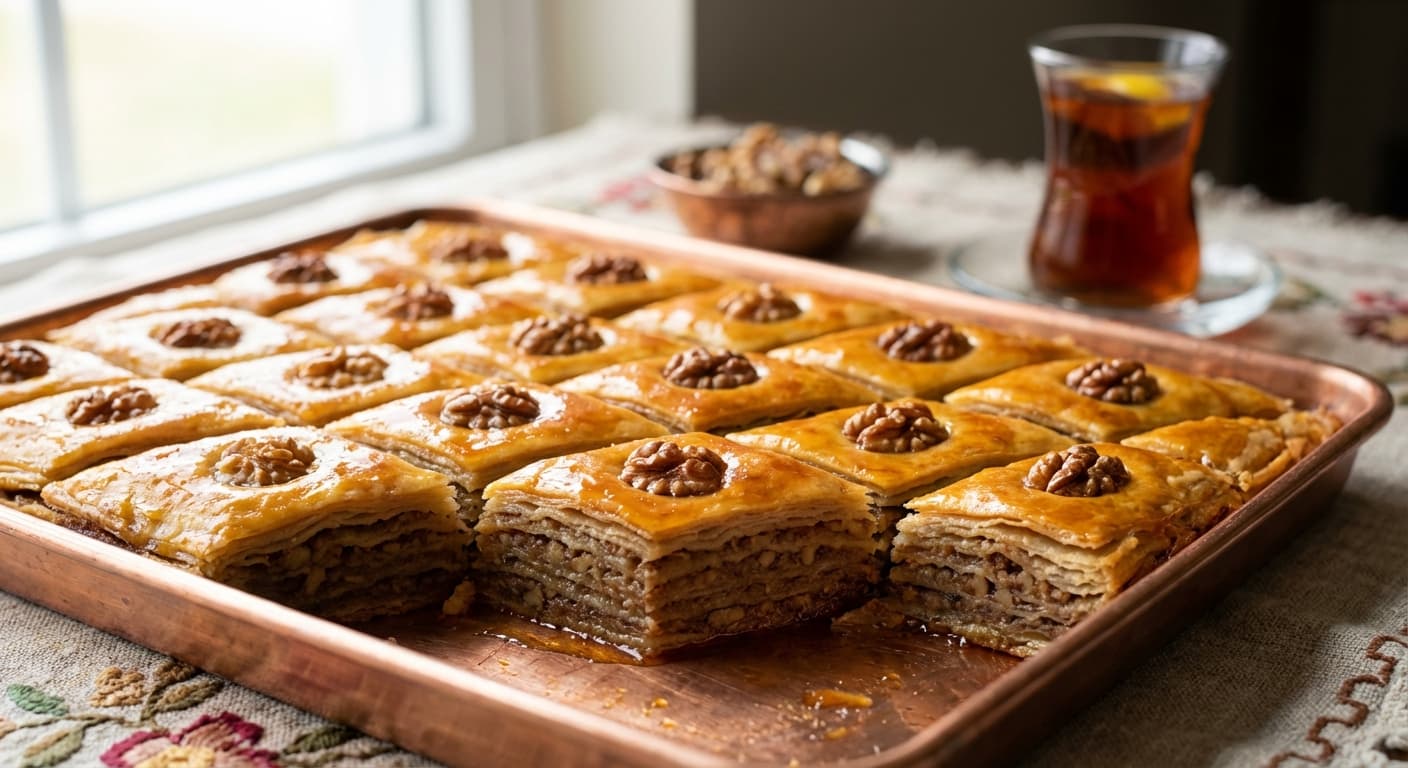
Baku Pakhlava (باكو پخلاوا) — Azerbaijani Diamond-layer pastry with nuts and saffron syrup
Azerbaijani · Desserts · 115 min
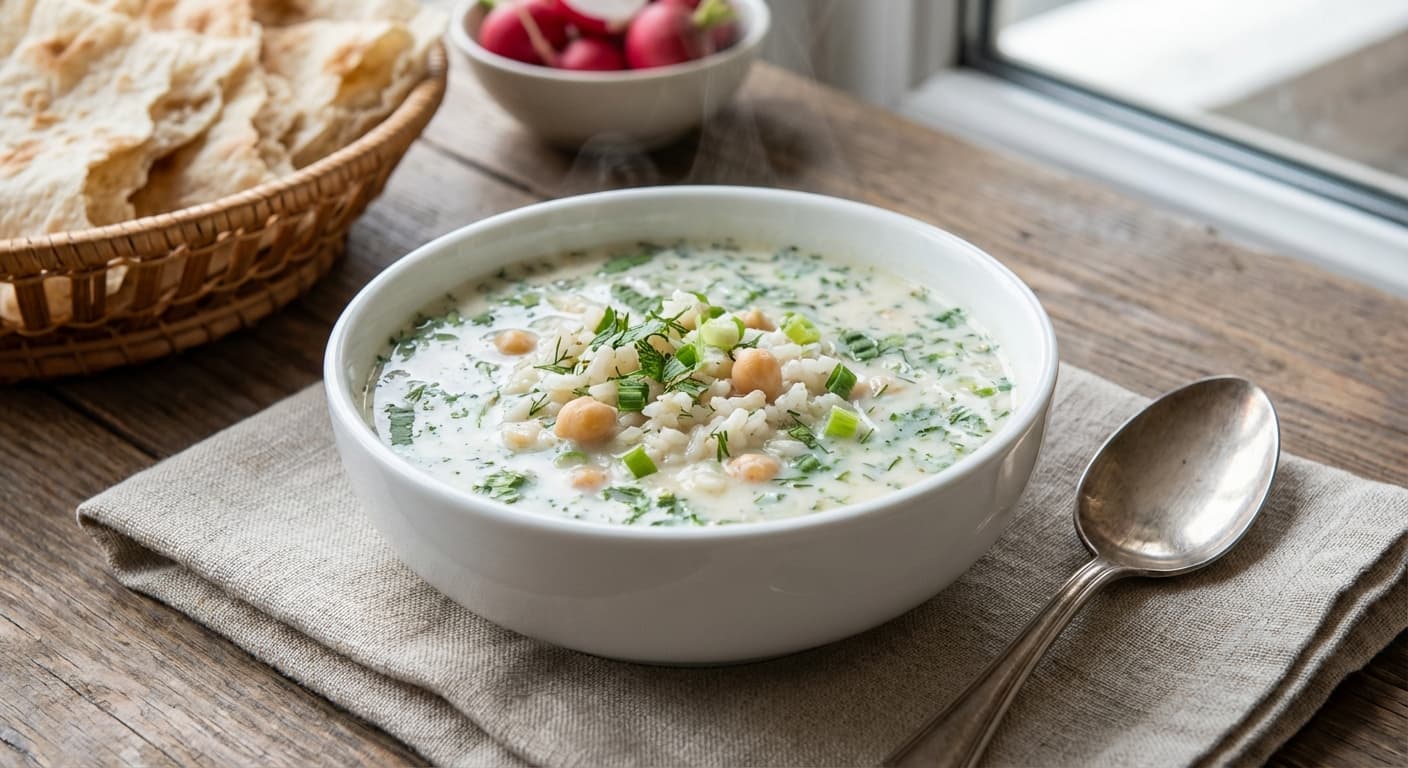
Hot Dovgha (دوغا) — Azerbaijani Warm Yogurt-Herb Soup with Rice and Chickpeas
Azerbaijani · Soups · 55 min
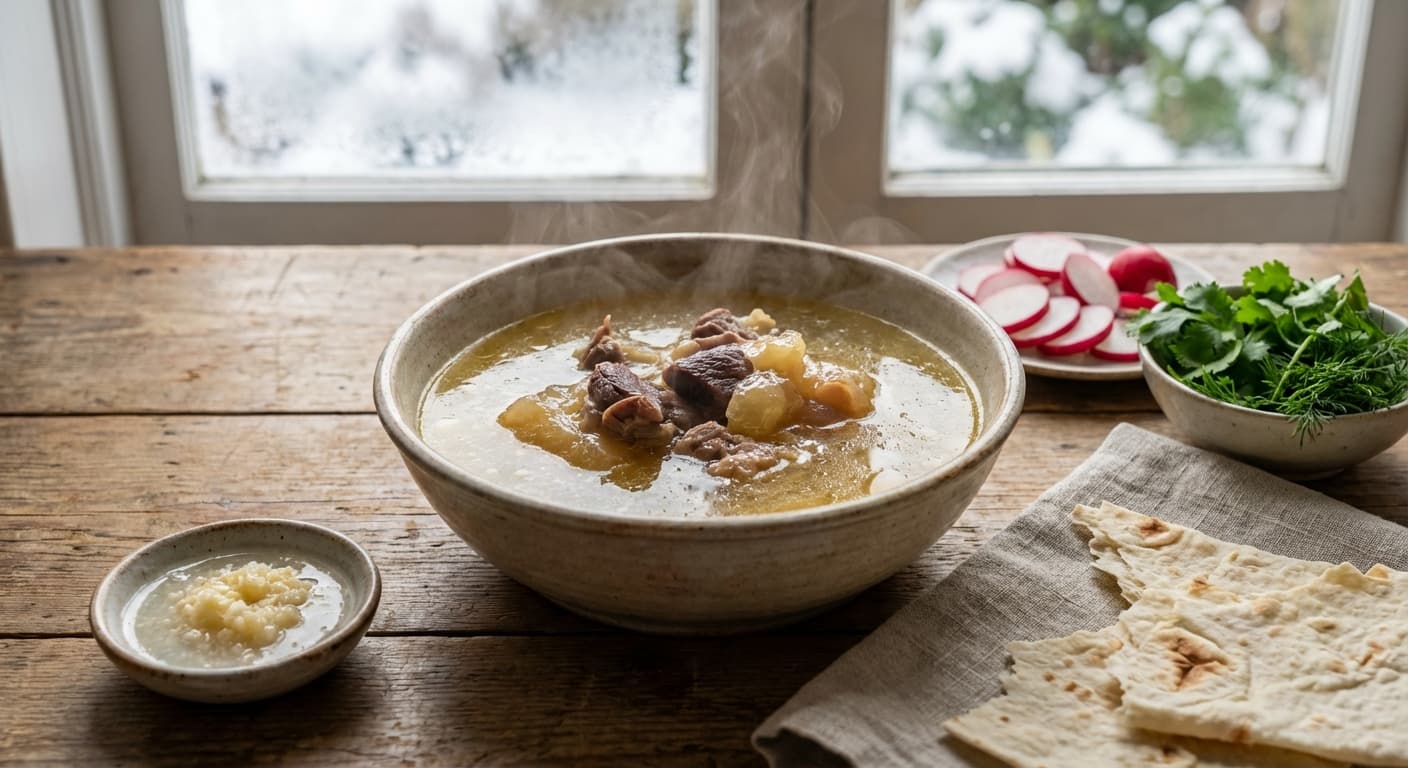
Khash (خاش) — Azerbaijani Long-simmered Trotters Breakfast Soup
Azerbaijani · Soups · 525 min
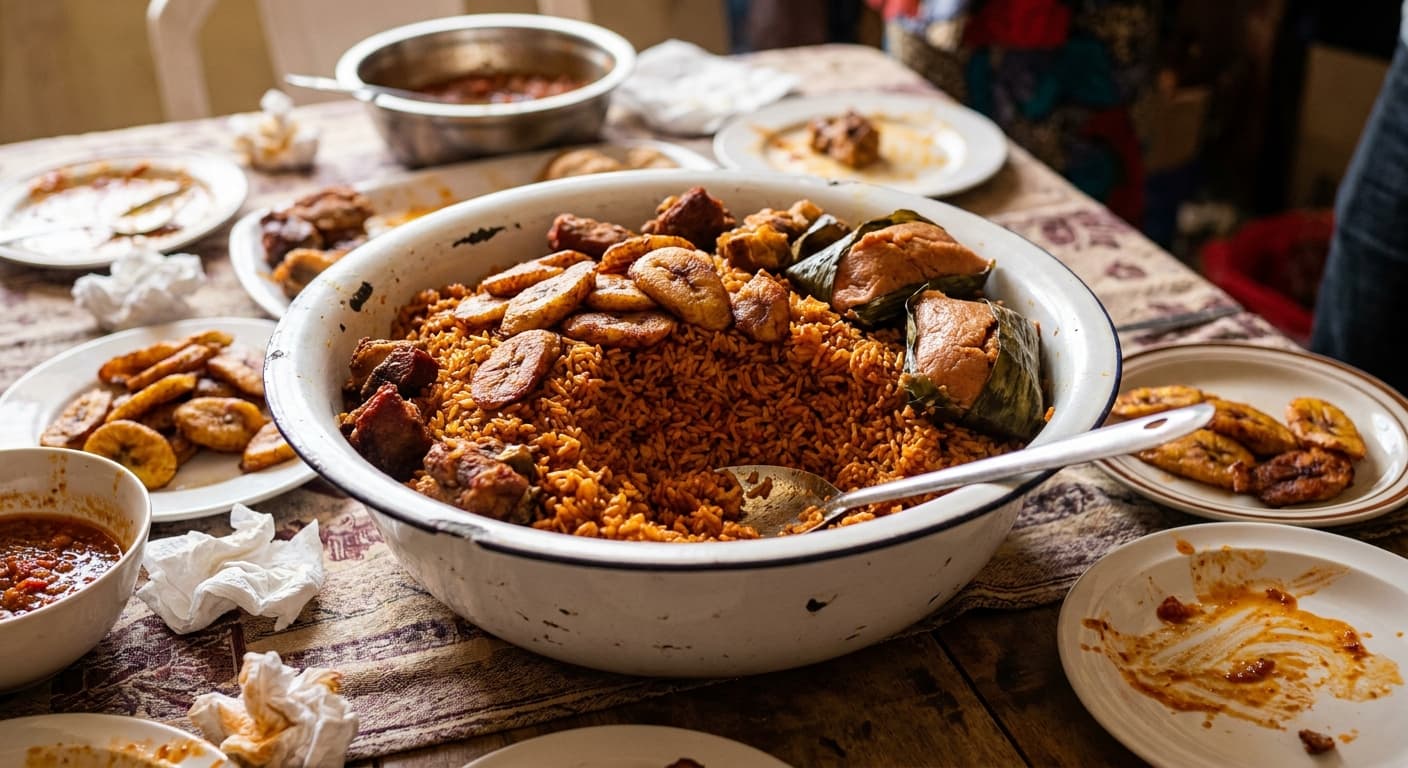
Nigerian Jollof Rice (Jollof Rice) — Smoky Party-Style Tomato Rice
West african · Rice Dishes · 80 min
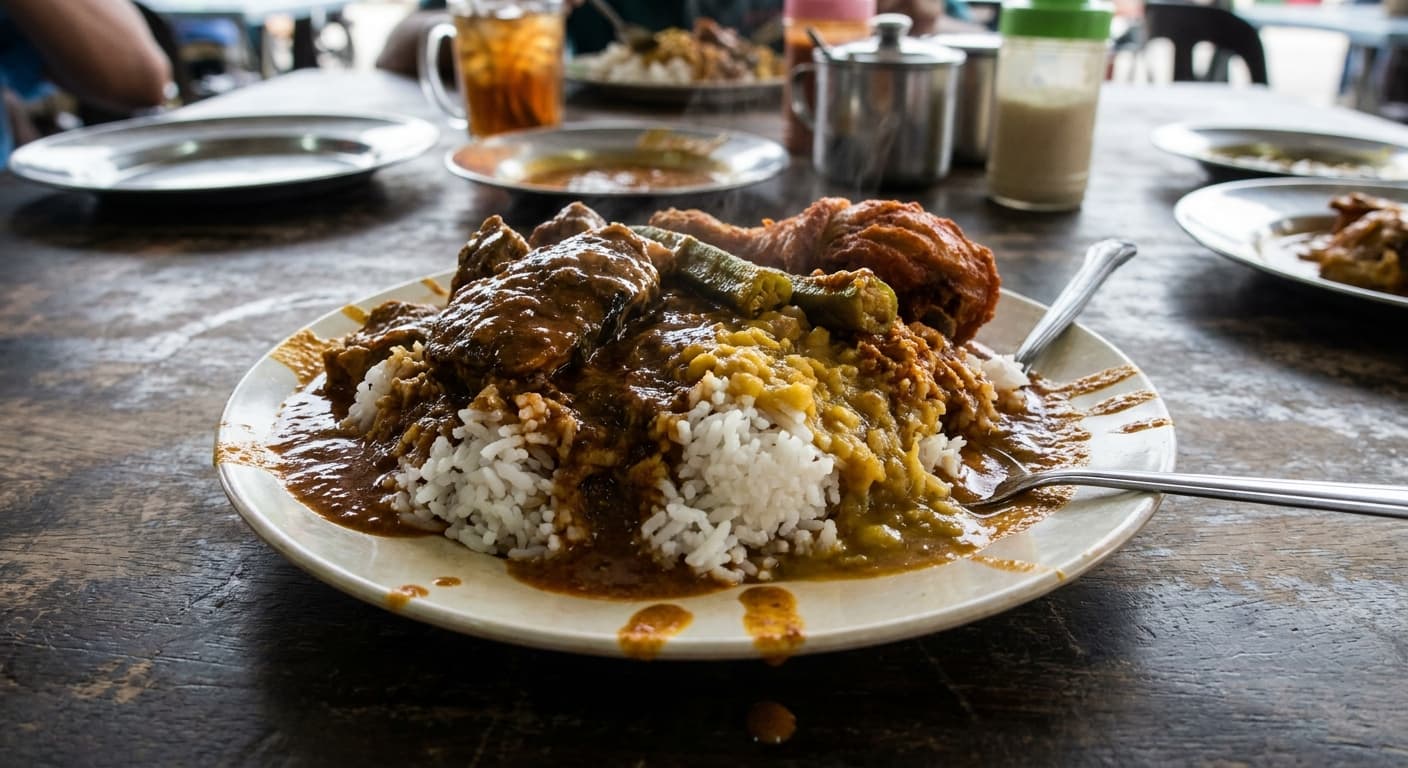
Nasi Kandar (Nasi Kandar) — Penang Mamak Curry Rice Plate
Malaysian · Rice Dishes · 110 min
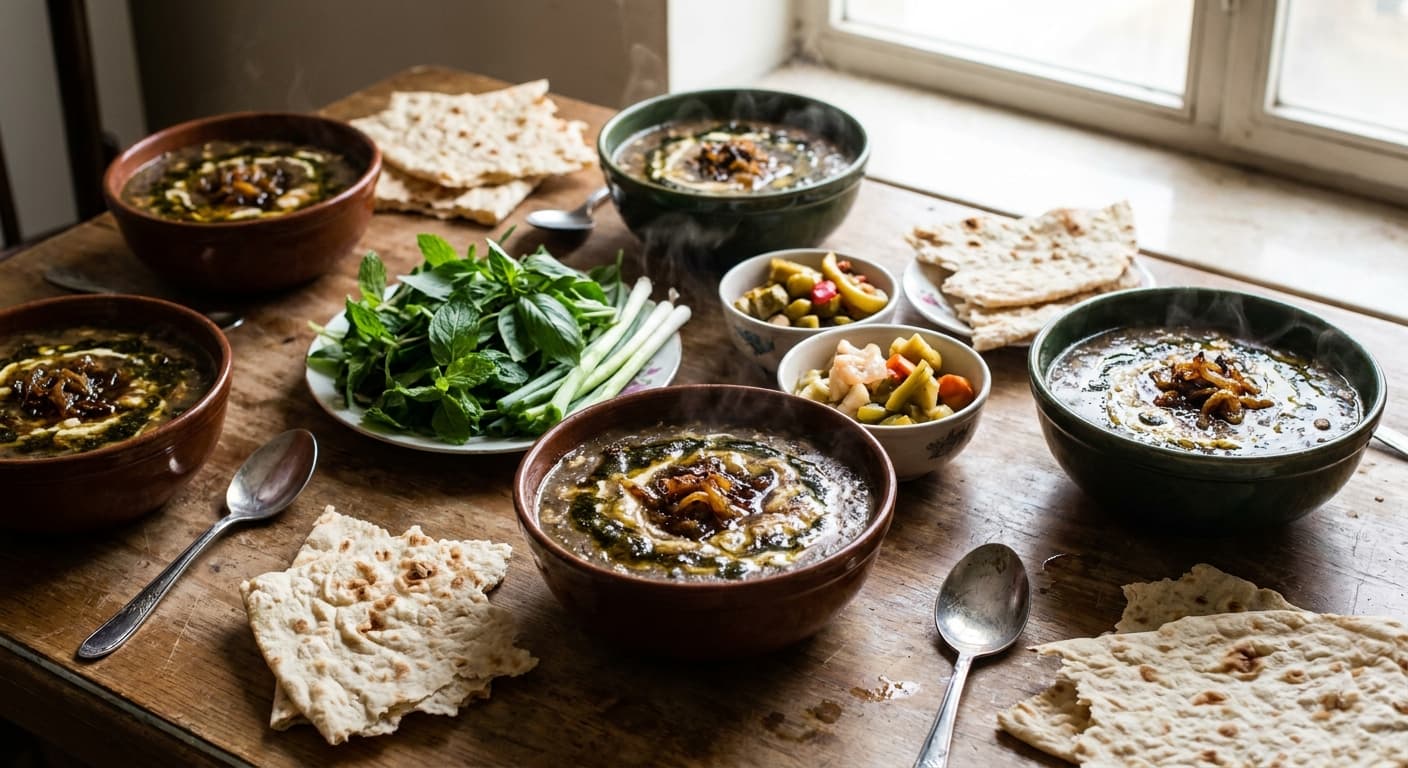
Ash-e Torsh (آش ترش) — Sour Herb and Legume Soup
Persian · Soups · 145 min
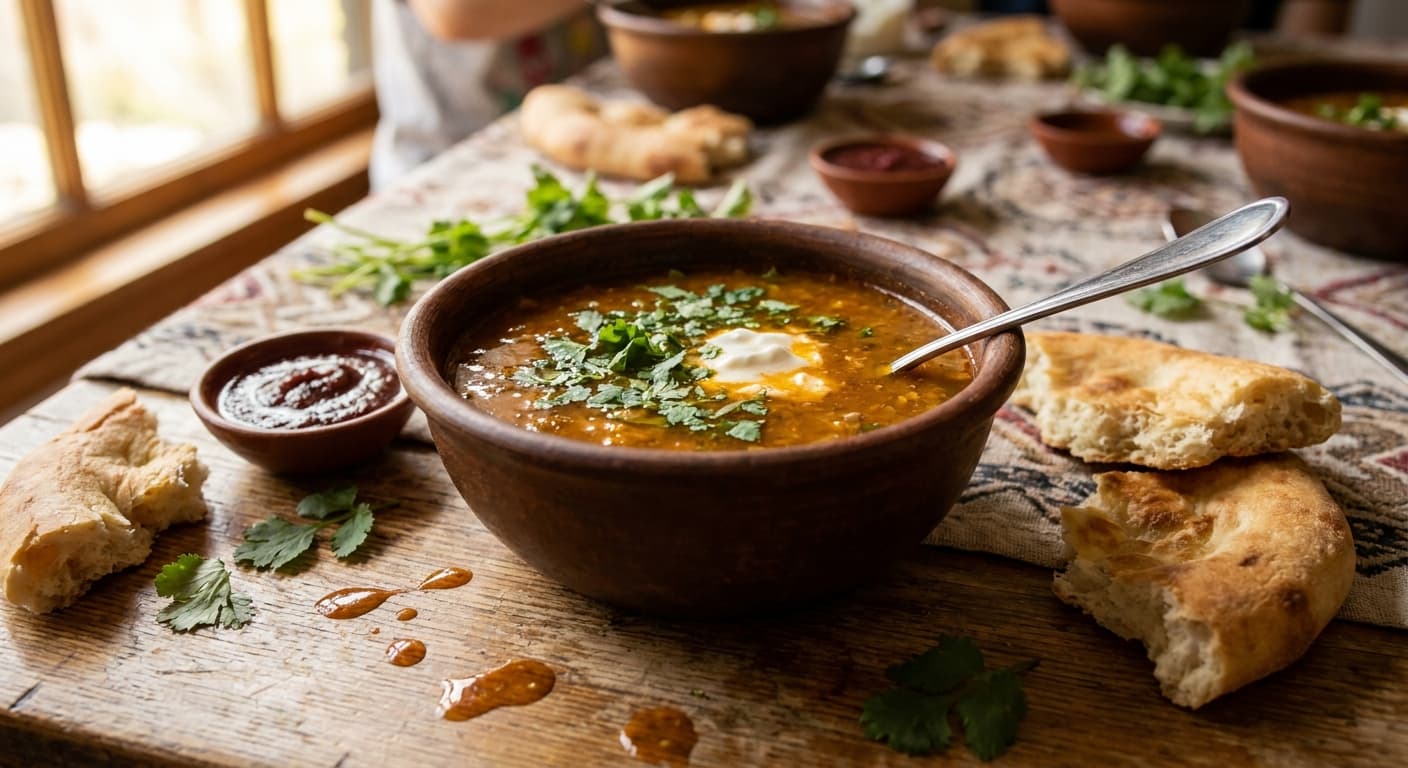
Kharcho (ხარჩო) — Georgian Beef, Walnut, and Sour Plum Soup
Georgian · Soups · 145 min
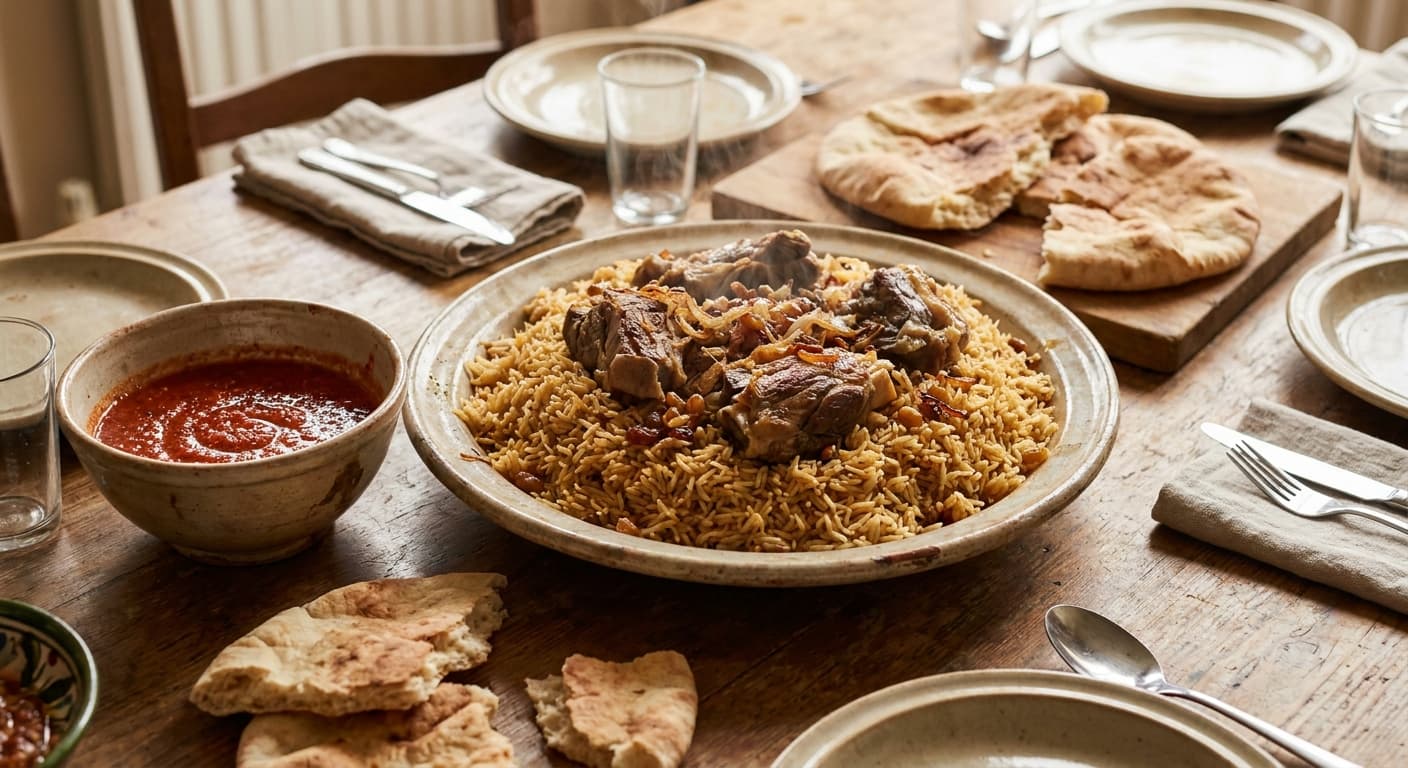
Yemeni Mandi (مندي) — Smoke-Scented Spiced Rice and Lamb
Yemeni · Main Courses · 170 min
Reviews
Cooked this recipe?
Tap the stars to rate it — that's all it takes. A few words are welcome but optional.
No ratings yet. Cooked this one? Be the first to rate it — it takes one tap.