Piti (پیتی) — Azerbaijani Lamb and Chickpea Stew in Clay Pot
Piti is a beloved Azerbaijani clay-pot stew traditionally slow-cooked with lamb, chickpeas, and saffron. Served in two stages—broth first, then the hearty solids—it’s iconic in the Sheki region and prized for its deep, gentle richness.
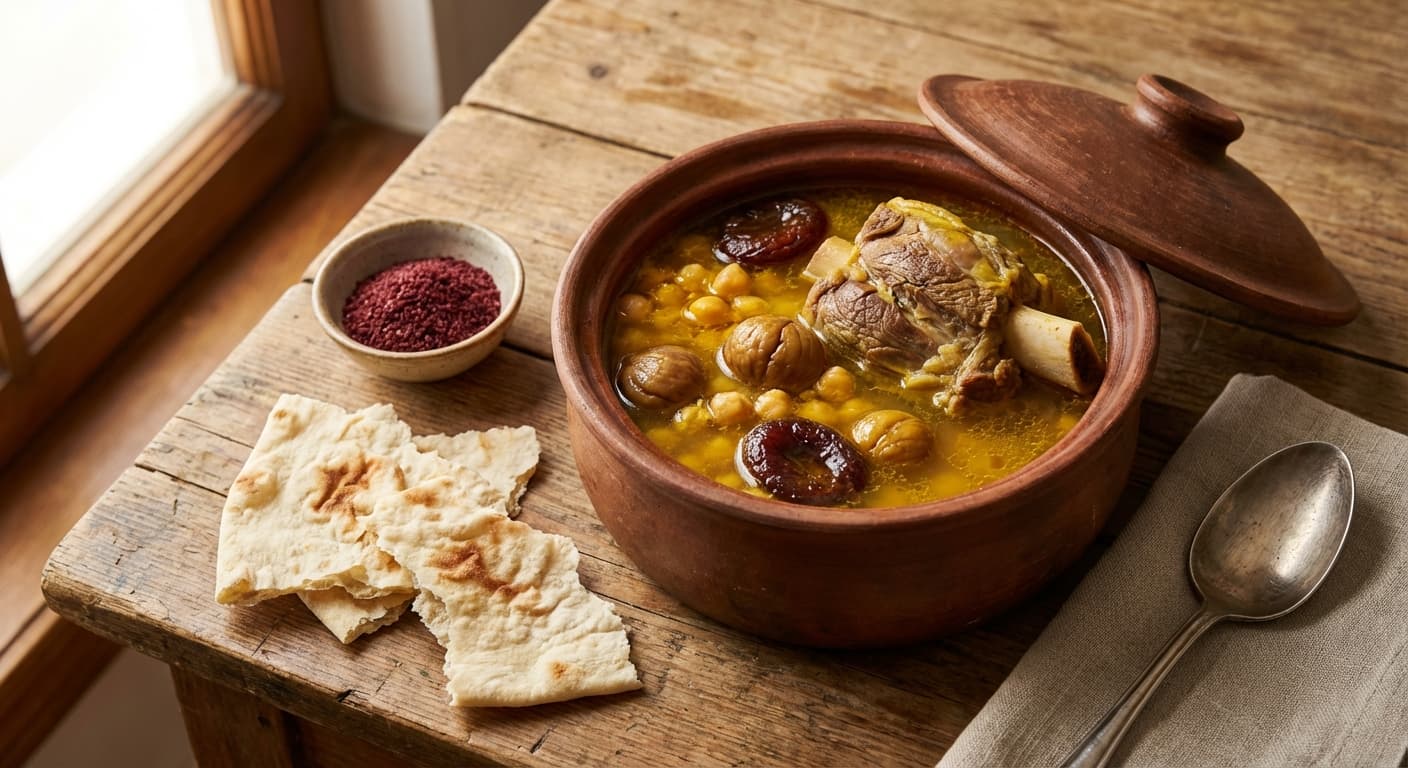
Printable Recipe Card
Servings: 4 · Total: 200 min · Difficulty: medium
Ingredients (quick list)
- 240 g dried chickpeas (soak 12 hours, then drain)
- 800 g lamb shoulder, boneless (cut into 4 large pieces)
- 40 g lamb fat tail or lamb fat (optional but traditional; cut into 4 pieces)
- 200 g yellow onion (sliced)
- 200 g chestnuts, cooked and peeled (whole; vacuum-packed or pre-cooked)
- 80 g dried apricots (preferably tart; leave whole)
- 0.25 tsp saffron threads (bloom in hot water)
- 60 ml hot water (for blooming saffron)
- 1200 ml water (plus more if needed to keep ingredients submerged)
- 8 g fine sea salt (about 1 1/2 tsp)
- 1 tsp ground black pepper (added at the end)
- 2 tsp ground sumac (for the broth and solids)
+ 1 more in the full ingredients section below.
Steps (summary)
- Soak the chickpeas in plenty of cold water for 12 hours, then drain and rinse well. This softens the chickpeas and helps them c…
- If using individual clay pots, place them in cool water for 10 minutes to gently hydrate the clay, then drain. This reduces the…
- Bloom the saffron by crushing the threads lightly and stirring them into 60 ml hot water. Let it stand for 10 minutes so the co…
- Divide the drained chickpeas among 4 clay pots, or add them to one large clay pot or Dutch oven if that is what you have. Nestl…
- Add the sliced onion, chestnuts, and dried apricots, distributing them evenly so each portion gets sweetness and body. Place on…
- Pour in 1200 ml water, keeping the contents just submerged, then add the salt and the bloomed saffron (including its liquid). B…
+ 4 more steps in the full instructions section below.
Cultural Background
Piti is a signature Azerbaijani dish, especially associated with Sheki, where it’s traditionally cooked and served in small clay pots. The two-stage serving ritual—broth first, then the mashed solids—reflects a communal, unhurried style of hospitality.
Equipment
💡 Tips
- Keep the simmer extremely gentle; a hard boil can toughen lamb and make chickpeas split, clouding the broth.
- Add black pepper at the end for a cleaner, more floral pepper aroma in the finished stew.
- If the broth tastes flat, stir in 30 ml hot water and 1/4 tsp sumac per bowl rather than adding extra salt.
⚠️ Common Mistakes
❌ Boiling the stew vigorously from the start, which makes the broth cloudy and can toughen the lamb.
✅ Fix: Start with a gentle simmer and bake at 160°C; keep bubbles small and occasional for a clear, silky broth.
❌ Not soaking chickpeas long enough, leaving them firm when the lamb is already tender.
✅ Fix: Soak 12 hours and use hot water additions during cooking; if still firm, cook 20–30 minutes longer before seasoning heavily.
❌ Adding black pepper early, which dulls its aroma during long cooking.
✅ Fix: Add pepper only at the end, then rest the stew 10 minutes covered to let the seasoning bloom.
🧊 How to Store
Cool leftovers within 2 hours, then refrigerate in a sealed container for up to 3 days. Reheat gently in a saucepan over low heat with 60–120 ml water, covered, until steaming hot; avoid boiling hard so the lamb stays tender and the chickpeas don’t break.
📅 Make Ahead
Soak chickpeas up to 24 hours ahead in the refrigerator and slice the onions the day before. The stew can be cooked fully 1 day ahead; chill overnight, then reheat gently so the fat rises and flavors deepen.
🍽️ Pairs Well With
- Lavash
- tandoor bread
- sliced onion and herbs
- pickles
- black tea.
Regional Variations
- Sheki-style piti often uses tail fat and chestnuts, with a clear broth served first and solids mashed with bread.
- Some home versions add 1 tsp dried mint to the broth at serving for a fresher herbal lift.
- In modern kitchens, piti may be cooked in a Dutch oven and portioned into bowls, keeping the traditional two-course serving.
Ingredients
- 240 gdried chickpeas (soak 12 hours, then drain)
- 800 glamb shoulder, boneless (cut into 4 large pieces)
- 40 glamb fat tail or lamb fat (optional but traditional; cut into 4 pieces)
- 200 gyellow onion (sliced)
- 200 gchestnuts, cooked and peeled (whole; vacuum-packed or pre-cooked)
- 80 gdried apricots (preferably tart; leave whole)
- 0.25 tspsaffron threads (bloom in hot water)
- 60 mlhot water (for blooming saffron)
- 1200 mlwater (plus more if needed to keep ingredients submerged)
- 8 gfine sea salt (about 1 1/2 tsp)
- 1 tspground black pepper (added at the end)
- 2 tspground sumac (for the broth and solids)
- 4lavash or crusty bread (one per serving)
🔄 Substitutions
- chestnuts, cooked and peeled→ waxy potatoes
- lamb fat tail or lamb fat→ ghee
- dried apricots→ golden raisins
Instructions
- 1
Soak the chickpeas in plenty of cold water for 12 hours, then drain and rinse well. This softens the chickpeas and helps them cook evenly in the clay pot without splitting.
- 2
If using individual clay pots, place them in cool water for 10 minutes to gently hydrate the clay, then drain. This reduces the risk of cracking when the pots heat slowly in the oven.
- 3
Bloom the saffron by crushing the threads lightly and stirring them into 60 ml hot water. Let it stand for 10 minutes so the color and aroma fully infuse the liquid.
- 4
Divide the drained chickpeas among 4 clay pots, or add them to one large clay pot or Dutch oven if that is what you have. Nestle the lamb pieces on top so the meat stays moist while the chickpeas cook underneath.
- 5
Add the sliced onion, chestnuts, and dried apricots, distributing them evenly so each portion gets sweetness and body. Place one piece of lamb fat on top of each pot, or scatter it over the stew if using a single vessel.
- 6
Pour in 1200 ml water, keeping the contents just submerged, then add the salt and the bloomed saffron (including its liquid). Bring the pots to a very gentle simmer on the stovetop over low heat, which helps the clay warm gradually before the long bake.
- 7
Cover the pots with their lids (or foil if using a non-lidded vessel) and transfer to a 160°C oven. Cook for 2 hours 30 minutes, checking once halfway through to ensure the liquid still covers the chickpeas and adding 100–200 ml hot water if needed.
- 8
Continue cooking for 20–40 minutes until the chickpeas are fully tender and the lamb yields easily when pressed with a spoon. Turn off the oven and let the stew rest, covered, for 10 minutes so the broth settles and the flavors round out.
- 9
Season with black pepper right before serving to keep its aroma bright. Traditionally, ladle the broth into bowls first, sprinkle each with 1/2 tsp sumac, and eat it with torn bread.
- 10
For the second course, spoon the solids (lamb, chickpeas, chestnuts, and apricots) onto a plate and lightly mash with a fork, then add another pinch of sumac. Serve immediately while the lamb is hot and the chickpeas are creamy.
🪪 Recipe Passport
Cultural Background
Piti is a signature Azerbaijani dish, especially associated with Sheki, where it’s traditionally cooked and served in small clay pots. The two-stage serving ritual—broth first, then the mashed solids—reflects a communal, unhurried style of hospitality.
Regional Variations
Researched from multiple sources and validated by the Zaffaron editorial team. Every recipe is tested for accuracy, measurements, and cultural authenticity.
Nutrition per serving
Pairs well with
If you enjoyed this recipe, here are a few related Zaffaron recipes to try next.
Does your family make this differently?
Every family has their own version. Maybe your grandmother adds a secret ingredient, or your aunt has a completely different technique. Preserve your family's version — with their name on it, forever.
You Might Also Like
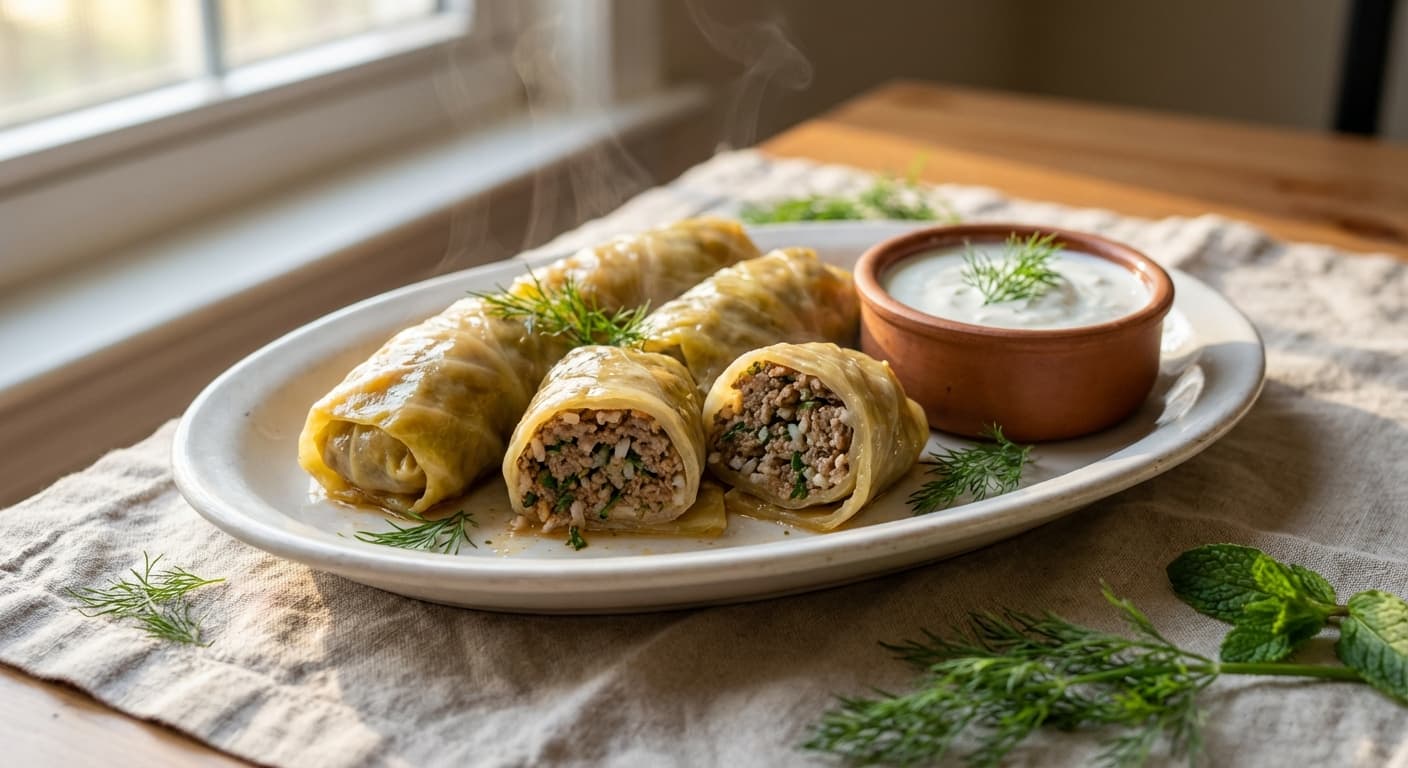
Azerbaijani Cabbage Dolma (Kələm Dolması) — Cabbage Leaves Stuffed with Herbed Meat and Rice
Azerbaijani · Main Courses · 105 min
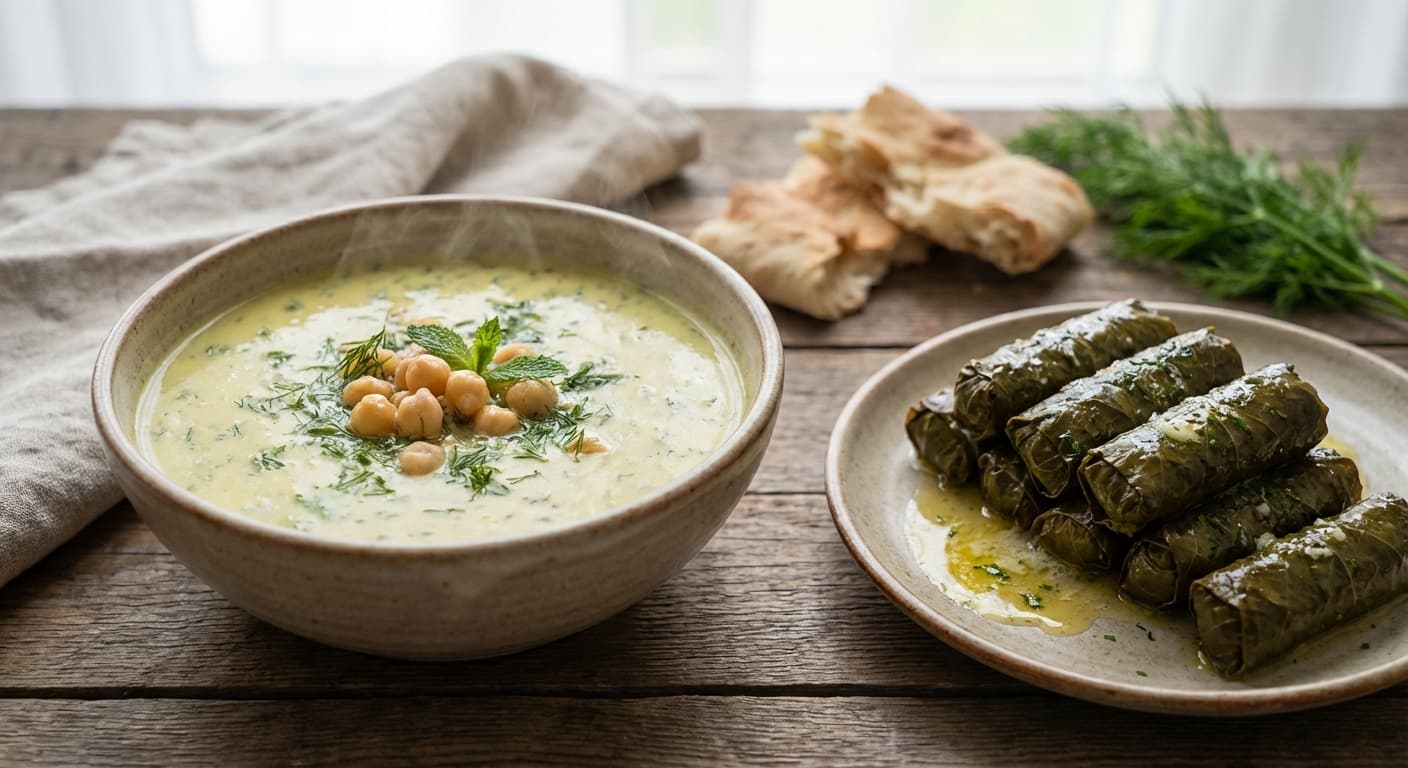
Dovga Dolma (دۆوغا دولما) — Herb dolma served with tangy yogurt soup
Azerbaijani · Main Courses · 100 min
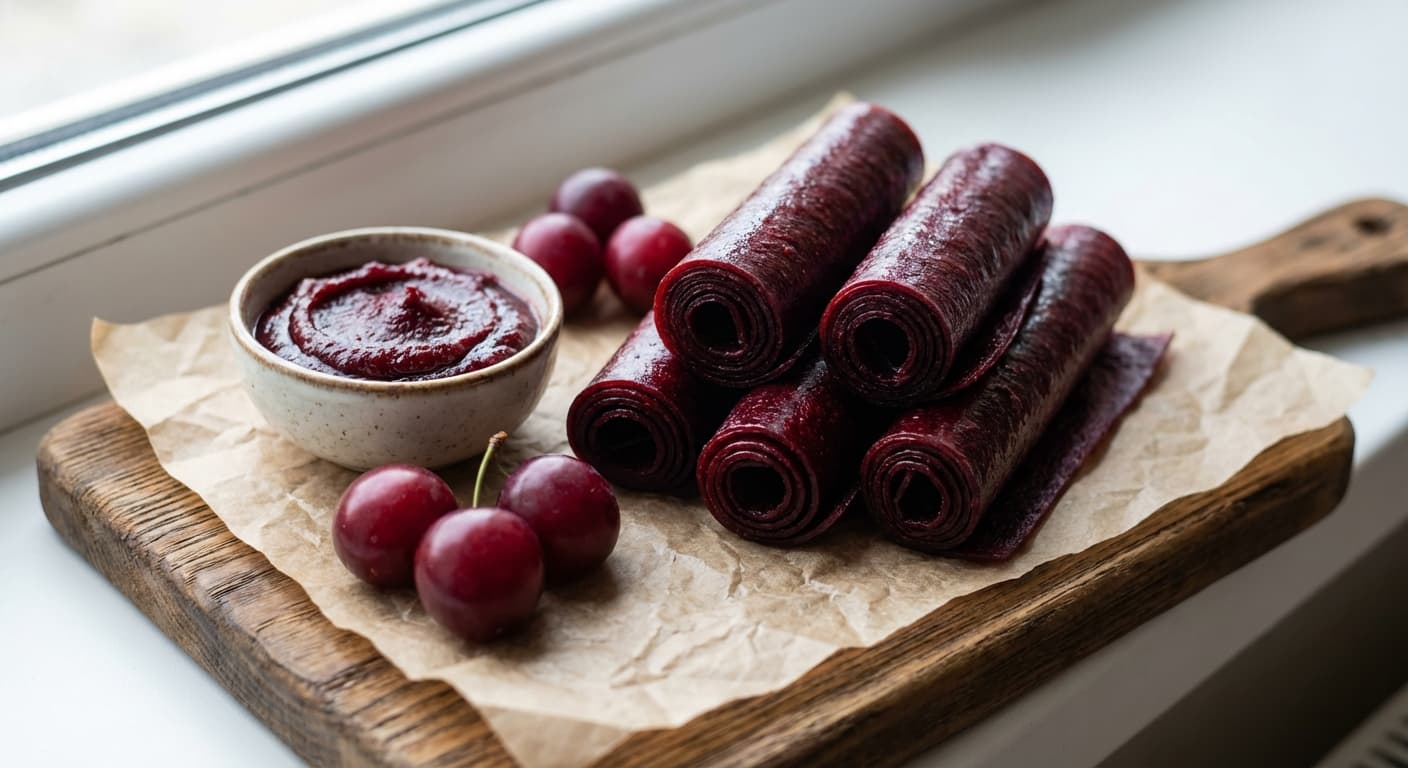
Lavashana (لواشانا) — Azerbaijani Tart Fruit Leather for Snacks and Cooking
Azerbaijani · Side Dishes · 90 min
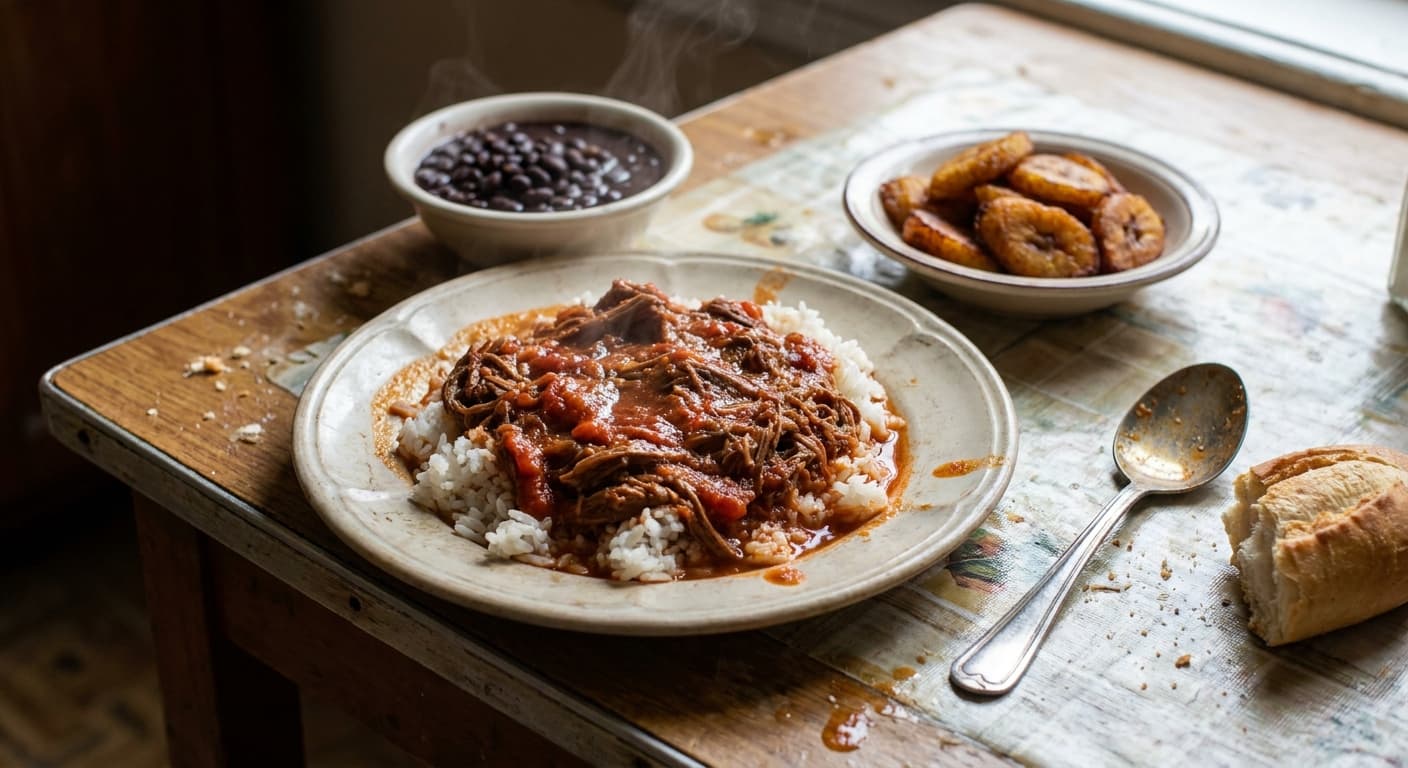
Cuban Ropa Vieja (Ropa Vieja) — Shredded Beef in Tomato-Pepper Sauce
Cuban · Stews · 190 min
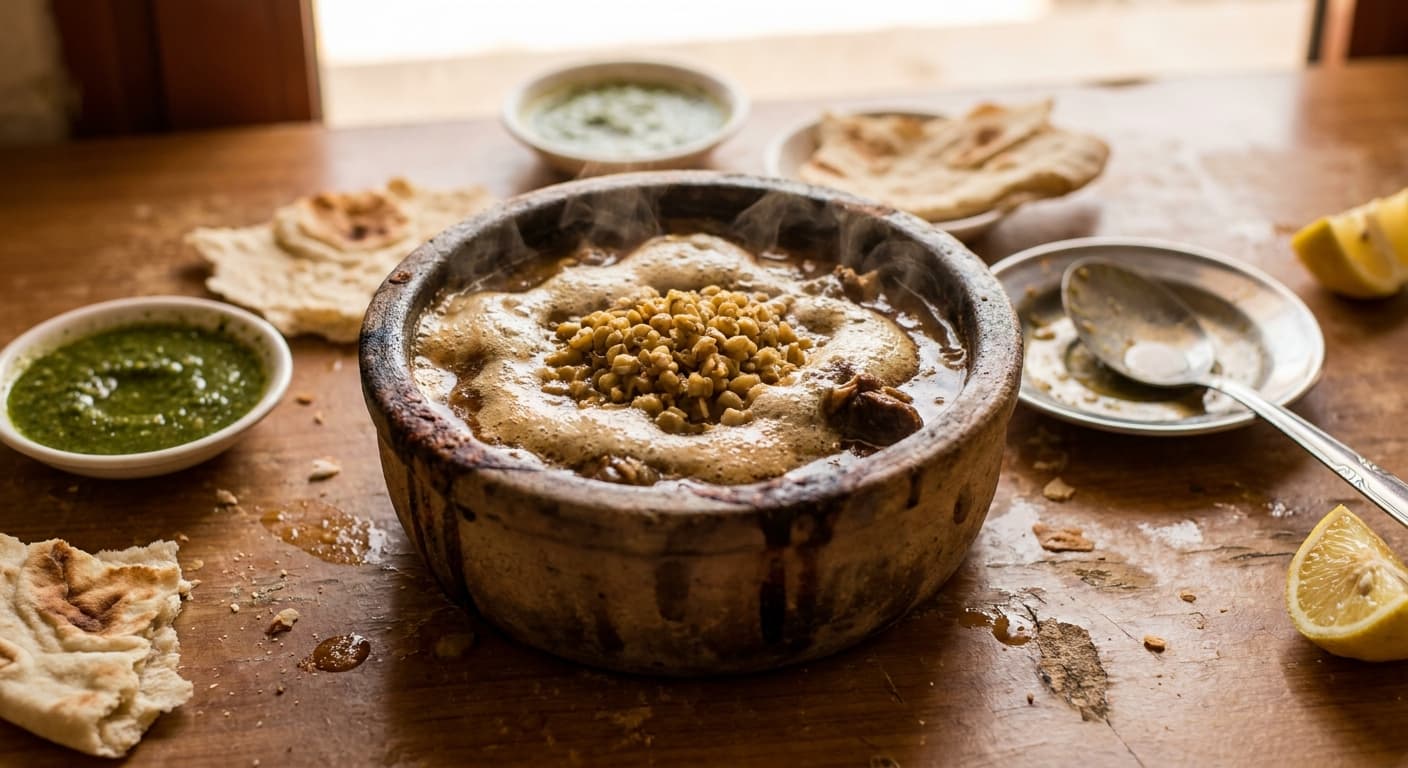
Yemeni Saltah (سلتة) — Bubbling Fenugreek Lamb Stew
Yemeni · Stews · 130 min
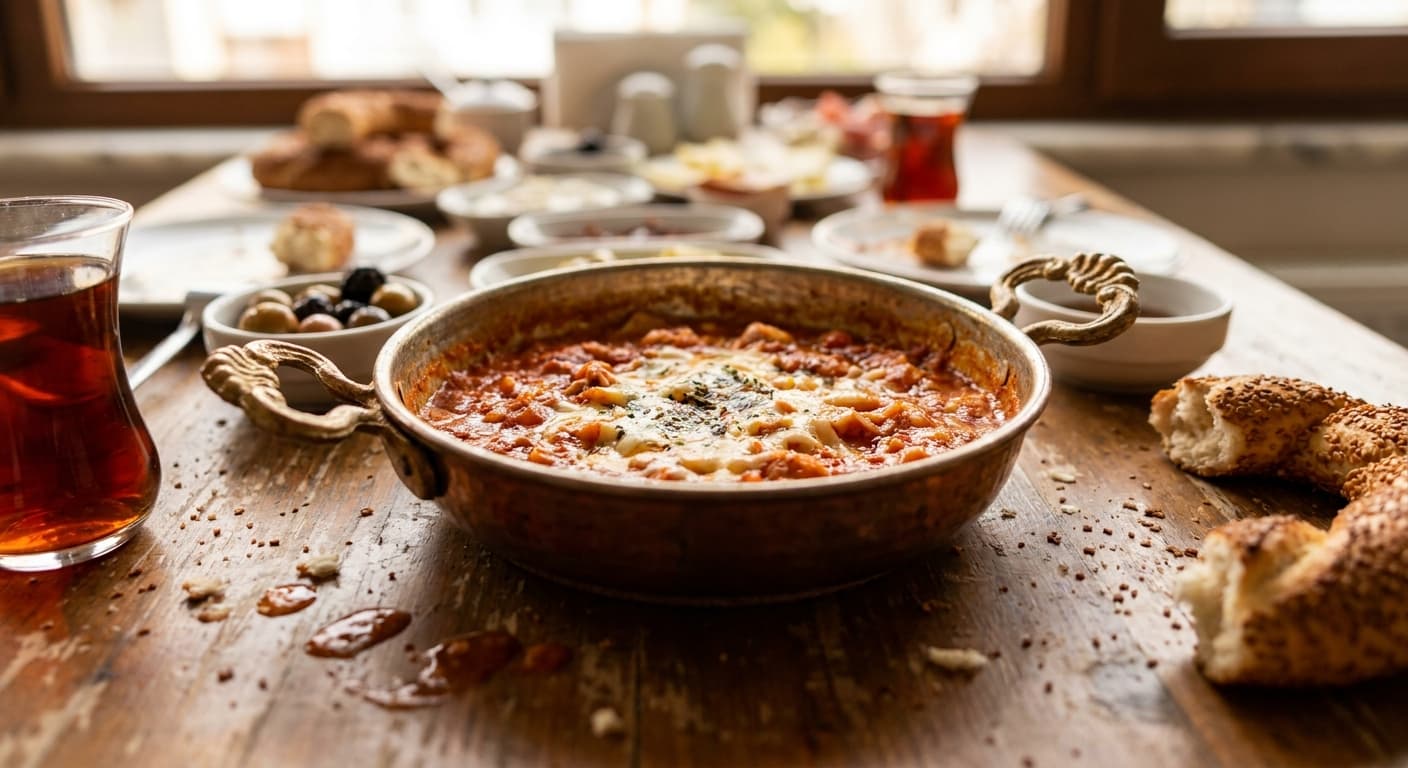
Turkish Menemen (Menemen) — Soft Eggs with Tomatoes and Peppers
Turkish · Main Courses · 37 min
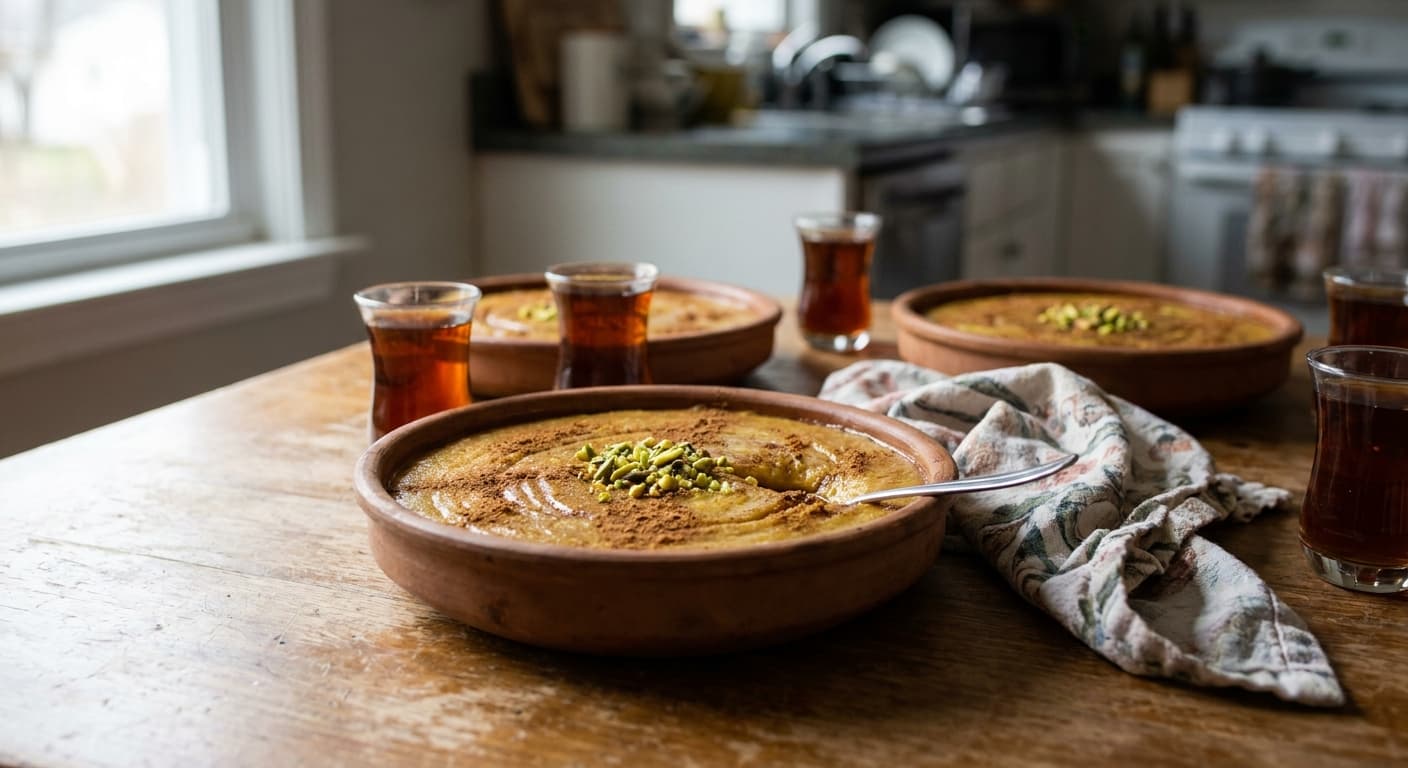
Persian Kachi (کاچی) — Saffron Rosewater Pudding
Persian · Desserts · 45 min
Varenyky (Вареники) — Ukrainian Potato-Cheese Dumplings
Ukrainian · Main Courses · 95 min
Reviews
Cooked this recipe?
Tap the stars to rate it — that's all it takes. A few words are welcome but optional.
No ratings yet. Cooked this one? Be the first to rate it — it takes one tap.