Nasi Lemak (Nasi Lemak) — Coconut Rice with Sambal and Classic Garnishes
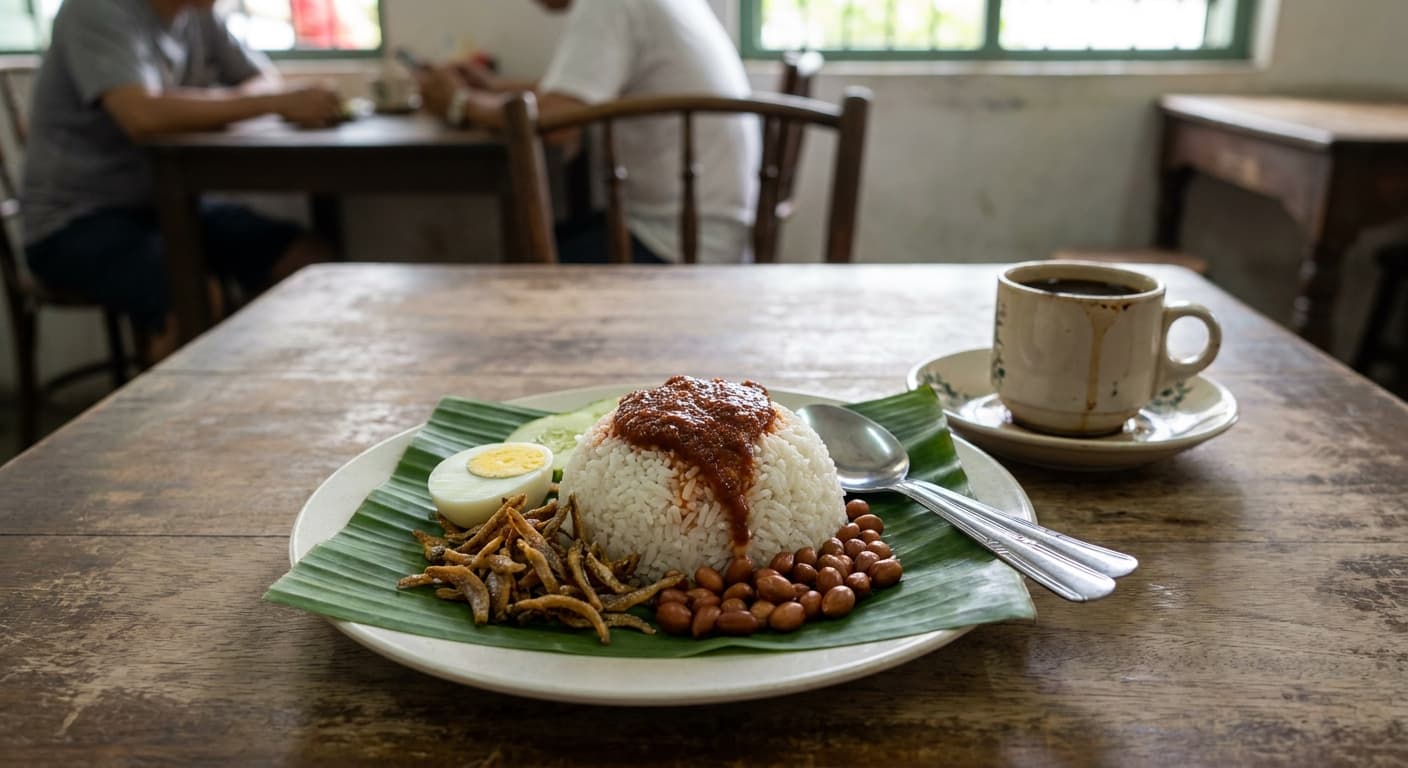
Nasi lemak is Malaysia’s beloved coconut rice meal, often eaten for breakfast but enjoyed all day. Fragrant pandan rice is served with sambal, fried anchovies, peanuts, cucumber, and egg.
Printable Recipe Card
Servings: 4 · Total: 90 min · Difficulty: medium
Ingredients (quick list)
- 400 g jasmine rice
- 300 ml full-fat coconut milk
- 250 ml water
- 2 pandan leaves (knotted)
- 1 inch fresh ginger (lightly bruised)
- 1 tsp fine sea salt
- 30 g dried red chiles (stems removed)
- 160 g shallots (peeled and sliced)
- 3 clove garlic
- 10 g belacan shrimp paste (toasted until aromatic)
- 60 ml neutral cooking oil
- 1 tbsp tamarind paste
+ 6 more in the full ingredients section below.
Steps (summary)
- Rinse the jasmine rice in several changes of cool water until the water runs mostly clear, then drain it well for 10 minutes. T…
- Place the drained rice, coconut milk, 250 ml water, knotted pandan leaves, bruised ginger, and 1 tsp salt in a rice cooker or h…
- When the rice is cooked, let it rest covered for 10 minutes before opening the lid. Remove the pandan and ginger, then fluff th…
- Soak the dried red chiles in hot water for 15 minutes, then drain them and discard most of the seeds if you prefer a milder sam…
- Heat 60 ml oil in a wok or heavy saucepan over medium heat and add the chile paste. Fry the paste for 18 to 22 minutes, stirrin…
- Stir the tamarind paste, palm sugar, and 0.5 tsp salt into the sambal. Simmer for 5 minutes until glossy and balanced, then fol…
+ 4 more steps in the full instructions section below.
Cultural Background
Often considered Malaysia’s national dish, nasi lemak reflects Malay cooking’s balance of coconut, chile, fermented seafood, and fresh garnishes. It is sold in banana-leaf packets at markets, kopitiams, and roadside stalls.
Equipment
💡 Tips
- Cook the sambal until the oil clearly separates; undercooked sambal tastes harsh and raw.
- Use full-fat coconut milk for authentic aroma and a tender rice texture.
- Fry ikan bilis in small batches so they crisp instead of steaming in the oil.
⚠️ Common Mistakes
❌ Stopping the sambal too early
✅ Fix: Cook it until the oil separates and the paste turns darker, glossy, and sweet-smelling.
❌ Using too much liquid in the rice
✅ Fix: Measure the coconut milk and water precisely because coconut rice needs less added water than plain boiled rice.
❌ Adding crisp anchovies to hot sambal too soon
✅ Fix: Fold in only the portion meant for sambal just before serving, and keep the rest dry for crunch.
🧊 How to Store
Store rice, sambal, and garnishes separately in airtight containers. Refrigerate rice and sambal for up to 3 days, and keep fried anchovies and peanuts at room temperature for 1 day. Reheat rice with 1 tbsp water per serving.
📅 Make Ahead
The sambal can be cooked 2 days ahead and refrigerated, which improves its flavor. Rice is best cooked fresh, while anchovies and peanuts can be fried several hours before serving.
🍽️ Pairs Well With
- Teh tarik
- kopi O
- extra sambal
- achar
- fried chicken
- beef rendang.
Regional Variations
- Nasi lemak ayam goreng is served with spiced fried chicken and is common at Malaysian stalls.
- Nasi lemak rendang pairs the coconut rice with beef rendang for a richer festive plate.
- Northern Malaysian versions may include a sweeter sambal and hard-boiled egg, while some stalls serve a fried egg instead.
Ingredients
- 400 gjasmine rice
- 300 mlfull-fat coconut milk
- 250 mlwater
- 2pandan leaves (knotted)
- 1 inchfresh ginger (lightly bruised)
- 1 tspfine sea salt
- 30 gdried red chiles (stems removed)
- 160 gshallots (peeled and sliced)
- 3 clovegarlic
- 10 gbelacan shrimp paste (toasted until aromatic)
- 60 mlneutral cooking oil
- 1 tbsptamarind paste
- 20 gpalm sugar (finely chopped)
- 120 gdried anchovies (ikan bilis, cleaned and split)
- 80 graw peanuts (skin-on if available)
- 4eggs
- 200 gcucumber (sliced into half-moons)
- 4banana leaves (wiped clean and softened briefly over heat)
🔄 Substitutions
- belacan shrimp paste→ fish sauce
- pandan leaves→ bay leaves
- dried anchovies→ fried small whitebait
Instructions
- 1
Rinse the jasmine rice in several changes of cool water until the water runs mostly clear, then drain it well for 10 minutes. This removes excess surface starch so the coconut rice cooks fragrant and separate rather than heavy or gummy.
- 2
Place the drained rice, coconut milk, 250 ml water, knotted pandan leaves, bruised ginger, and 1 tsp salt in a rice cooker or heavy pot. Stir once to distribute the salt, then cook until the rice is tender and the liquid is fully absorbed.
- 3
When the rice is cooked, let it rest covered for 10 minutes before opening the lid. Remove the pandan and ginger, then fluff the rice gently with a rice paddle so the coconut fat is evenly distributed without crushing the grains.
- 4
Soak the dried red chiles in hot water for 15 minutes, then drain them and discard most of the seeds if you prefer a milder sambal. Blend the softened chiles with shallots, garlic, toasted belacan, and 120 ml water until you have a smooth paste.
- 5
Heat 60 ml oil in a wok or heavy saucepan over medium heat and add the chile paste. Fry the paste for 18 to 22 minutes, stirring often, until the oil separates, the color deepens, and the raw chile smell becomes rounded and sweet.
- 6
Stir the tamarind paste, palm sugar, and 0.5 tsp salt into the sambal. Simmer for 5 minutes until glossy and balanced, then fold in 40 g of the fried anchovies after they are prepared so the sambal has both savoriness and texture.
- 7
For the garnishes, heat 250 ml oil in a small wok or saucepan to 170°C. Fry the dried anchovies in batches for 2 to 3 minutes until crisp and pale golden, then drain them on a rack or paper towel.
- 8
Remove most of the frying oil, leaving 1 tbsp in the pan, and toast the peanuts over medium-low heat for 5 to 7 minutes. Stir constantly until they are golden and nutty, then drain and cool them so they become crisp.
- 9
Place the eggs in a saucepan and cover them with 3 cm of water, then bring the water to a gentle boil. Cook for 9 minutes, transfer the eggs to cold water for 5 minutes, peel them, and halve each egg lengthwise.
- 10
Line each plate with a softened banana leaf and mound one serving of coconut rice in the center. Arrange sambal, crisp anchovies, peanuts, cucumber slices, and egg around the rice, keeping the sambal slightly apart so each diner can mix the plate as desired.
🪪 Recipe Passport
Cultural Background
Often considered Malaysia’s national dish, nasi lemak reflects Malay cooking’s balance of coconut, chile, fermented seafood, and fresh garnishes. It is sold in banana-leaf packets at markets, kopitiams, and roadside stalls.
Regional Variations
Researched from multiple sources and validated by the Zaffaron editorial team. Every recipe is tested for accuracy, measurements, and cultural authenticity.
📚 Sources & Cultural References
- Ping Coombes — Malaysia: Recipes from a Family Kitchen — (2017)
- Alan Davidson — The Oxford Companion to Food — (1999)
Sources cited by the Zaffaron editorial team during recipe research. Cultural and culinary references supporting authenticity claims.
Nutrition per serving
Pairs well with
If you enjoyed this recipe, here are a few related Zaffaron recipes to try next.
Does your family make this differently?
Every family has their own version. Maybe your grandmother adds a secret ingredient, or your aunt has a completely different technique. Preserve your family's version — with their name on it, forever.
You Might Also Like
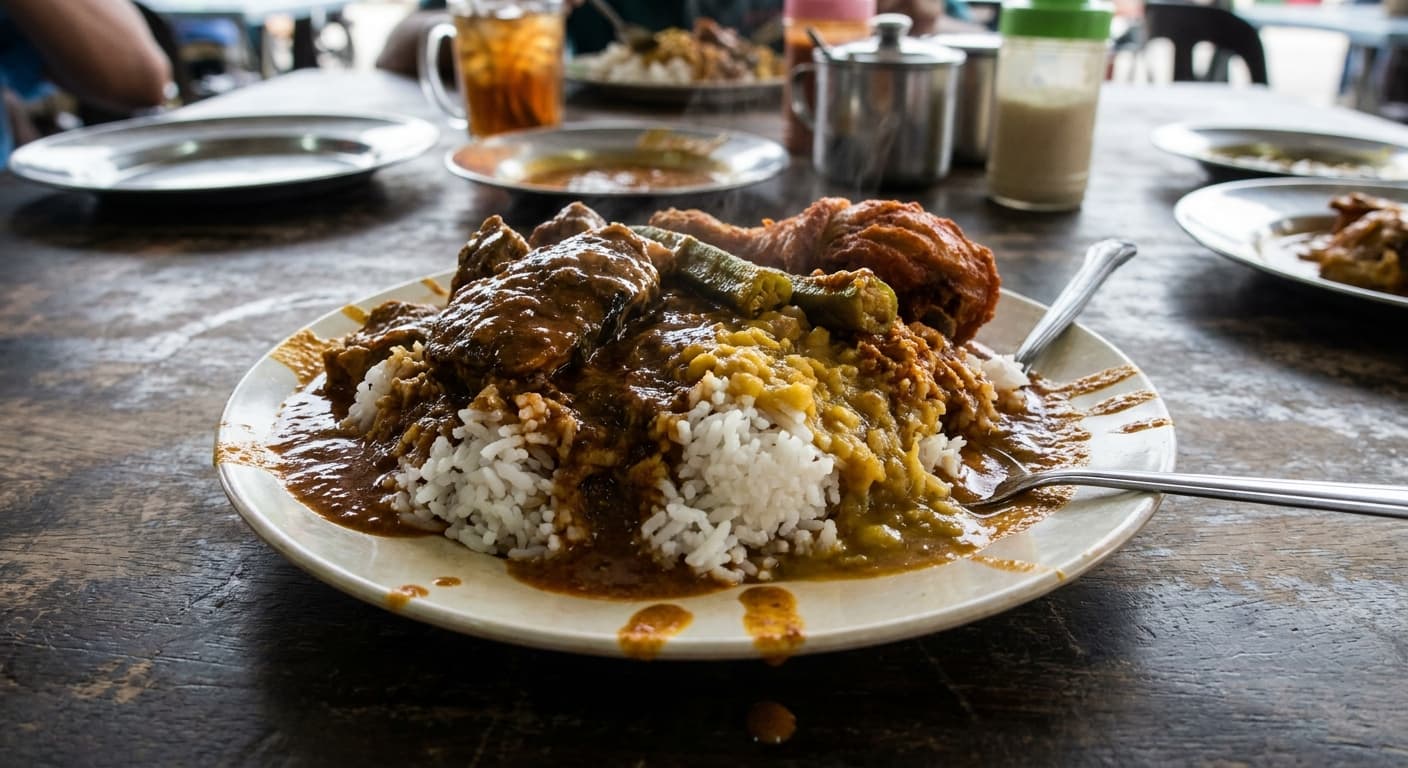
Nasi Kandar (Nasi Kandar) — Penang Mamak Curry Rice Plate
Malaysian · Rice Dishes · 110 min
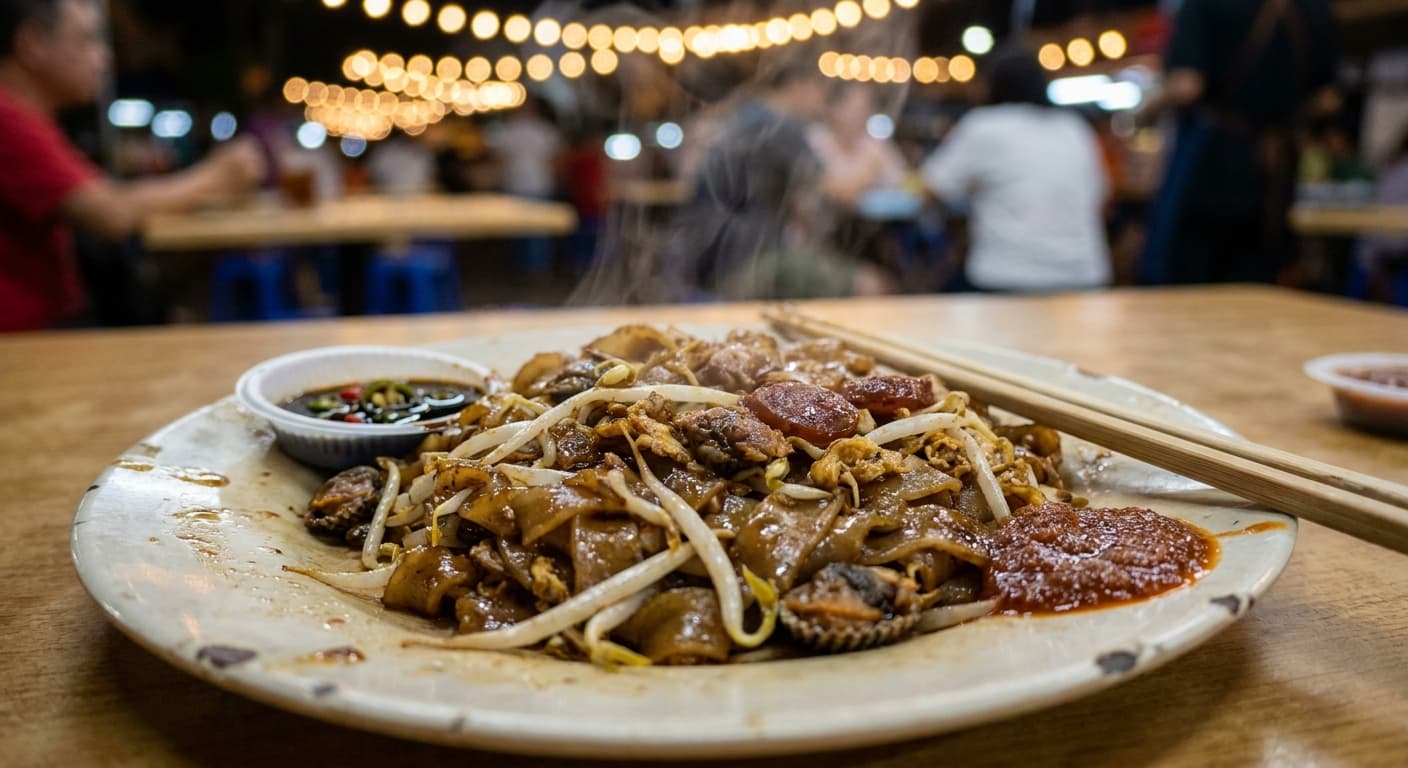
Char Kway Teow (炒粿条) — Smoky Malaysian Stir-Fried Rice Noodles
Malaysian · Main Courses · 37 min
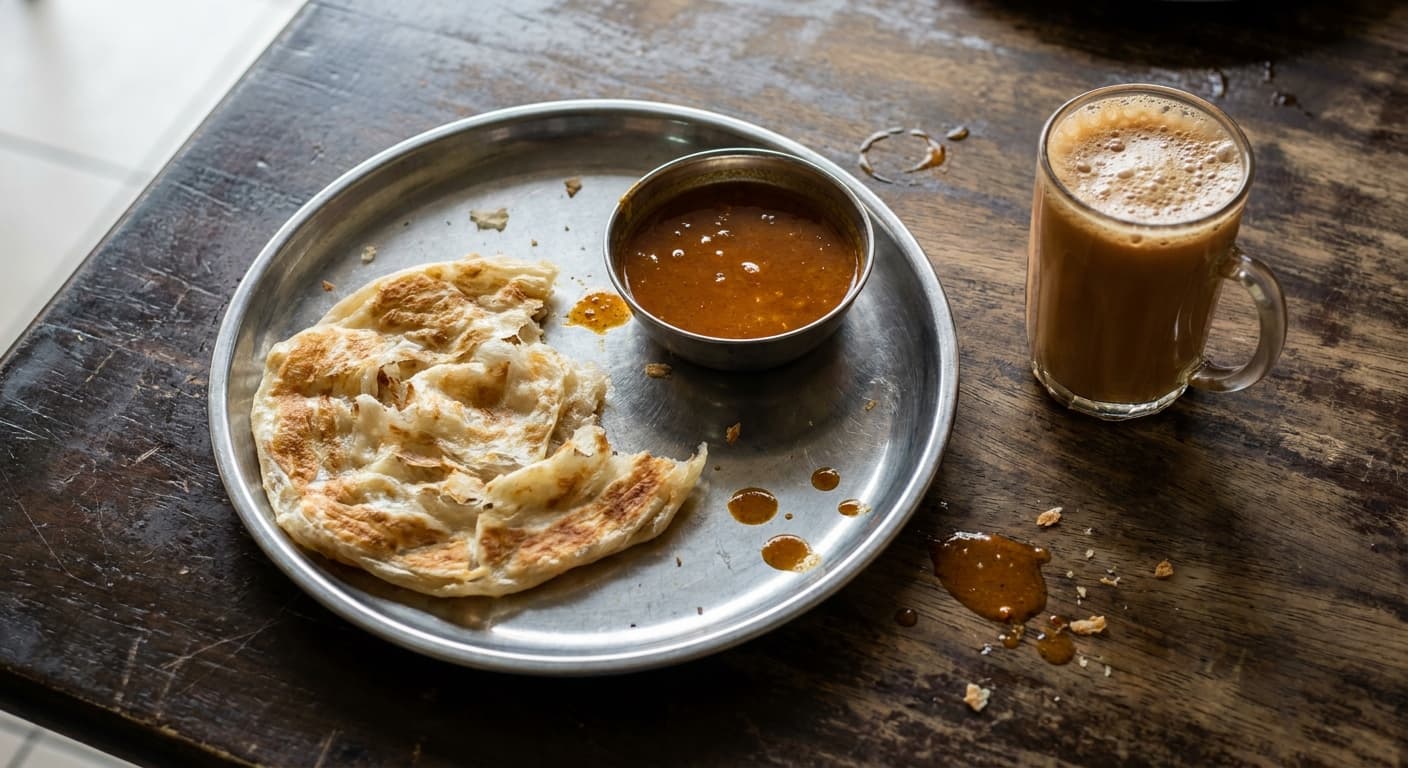
Roti Canai (Roti Canai) — Flaky Malaysian Griddle Flatbread
Malaysian · Breads · 330 min
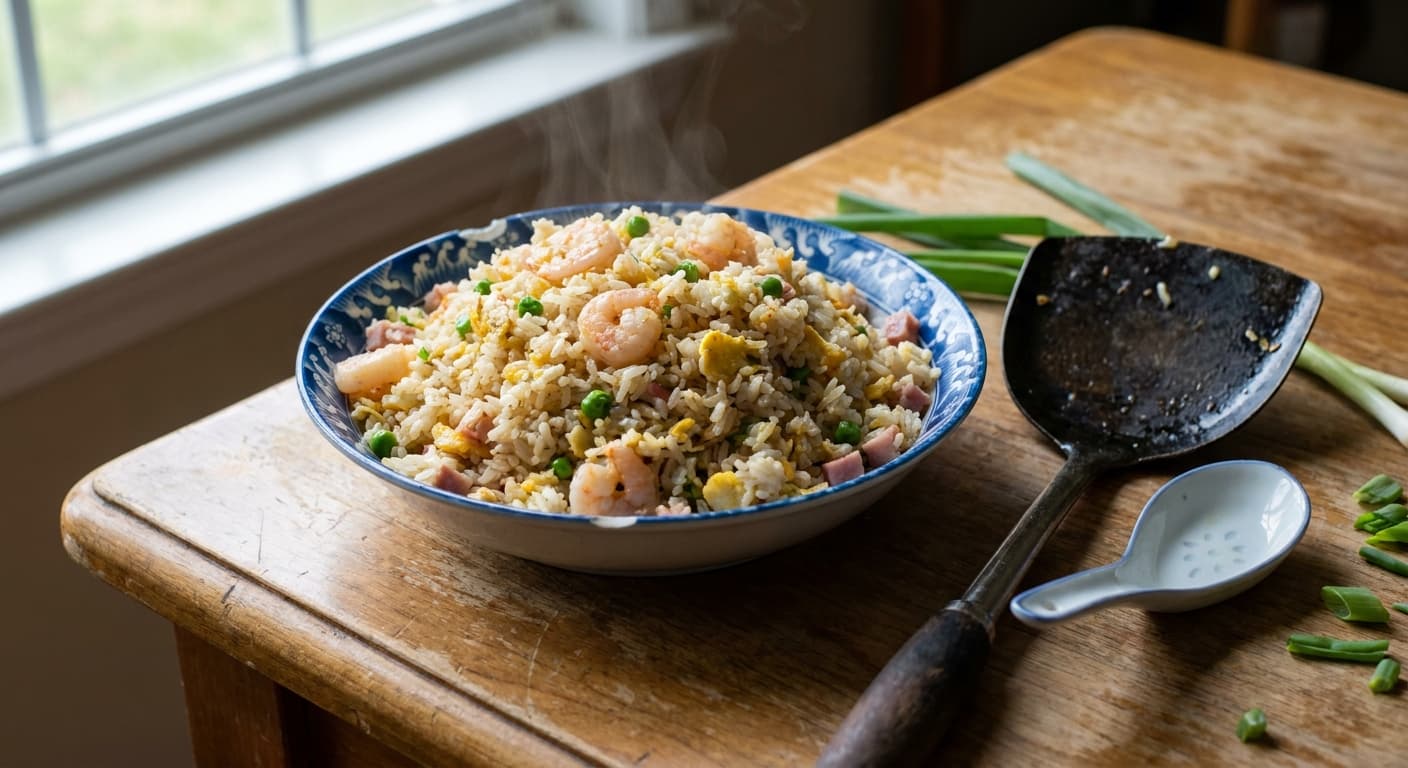
Yangzhou Fried Rice (扬州炒饭) — Classic Shrimp, Char Siu, and Egg Fried Rice
Chinese · Rice Dishes · 30 min
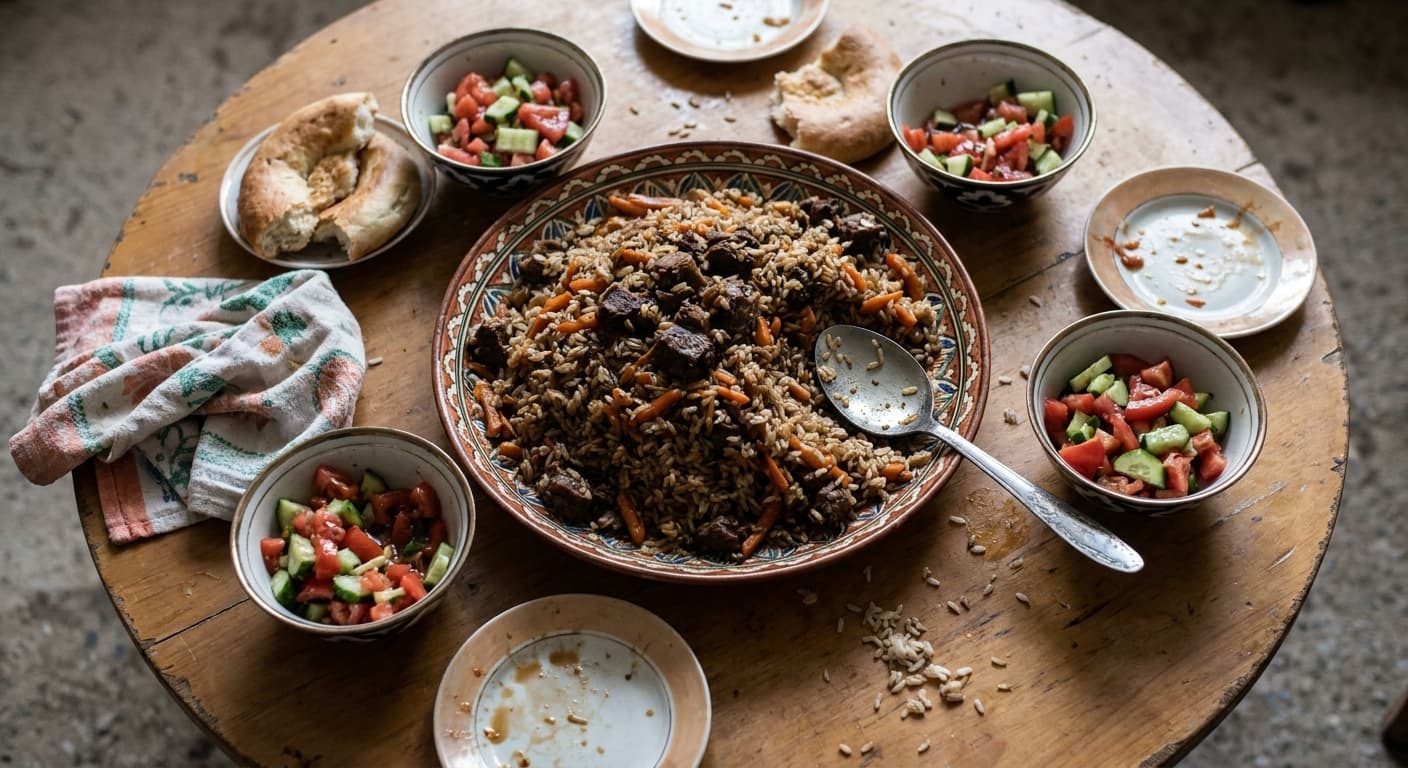
Oshi Siyoh (Оши сиёҳ) — Bukhara-Style Dark Pilaf
Tajik · Rice Dishes · 125 min
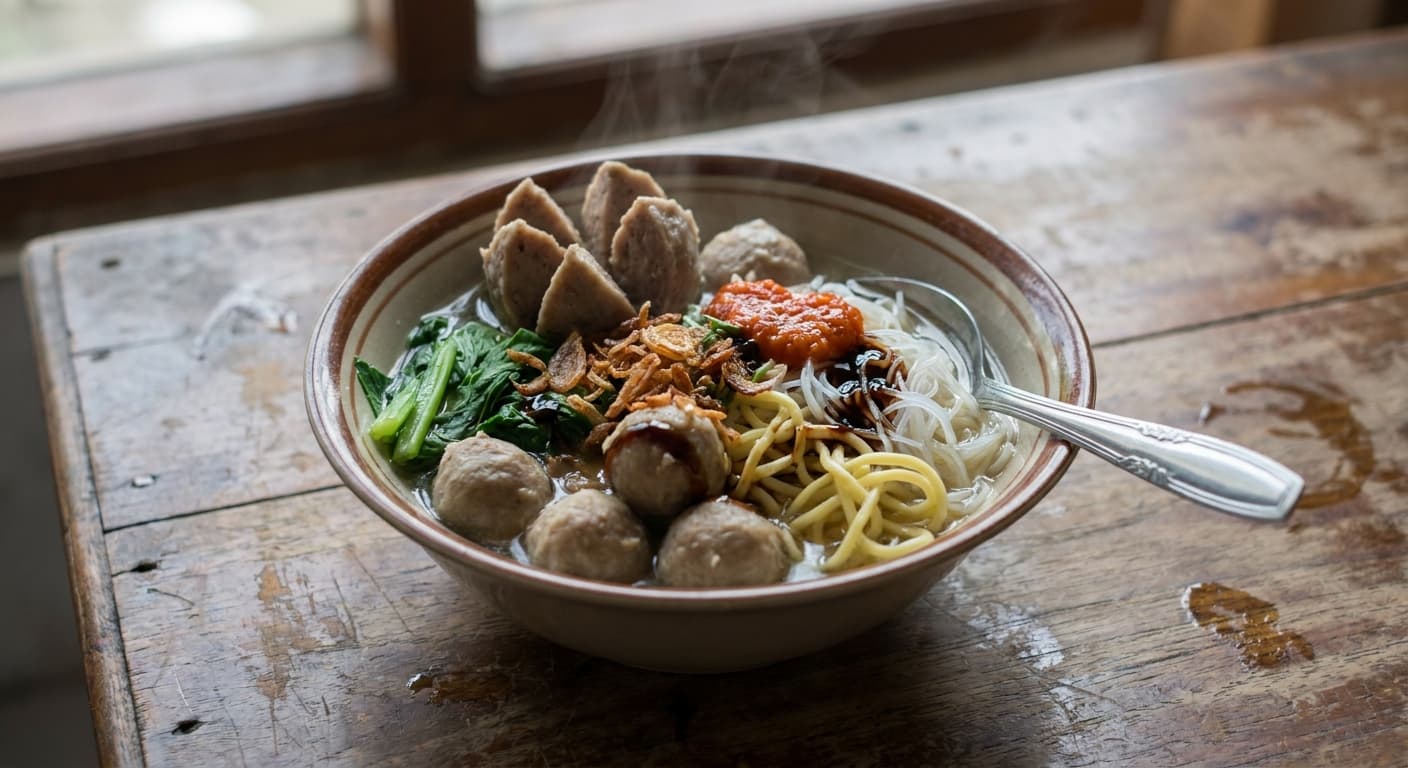
Bakso (Bakso) — Indonesian Beef Meatball Soup
Indonesian · Soups · 160 min
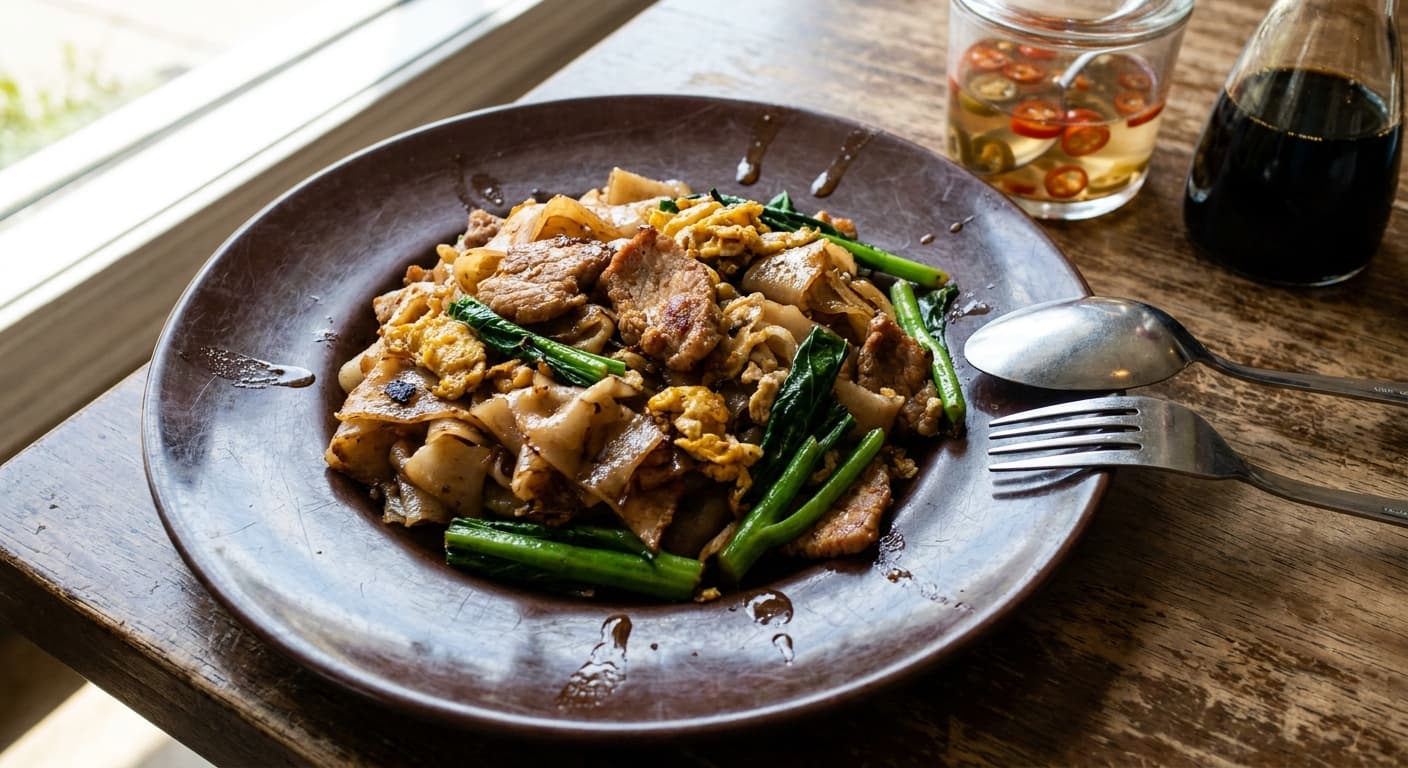
Thai Pad See Ew (ผัดซีอิ๊ว) — Charred Wide Rice Noodles with Pork and Chinese Broccoli
Thai · Main Courses · 30 min
Prahok Ktis (ប្រហុកខ្ទិះ) — Cambodian Coconut Pork Dip
Cambodian · Appetizers · 55 min
Reviews
Cooked this recipe?
Tap the stars to rate it — that's all it takes. A few words are welcome but optional.
No ratings yet. Cooked this one? Be the first to rate it — it takes one tap.