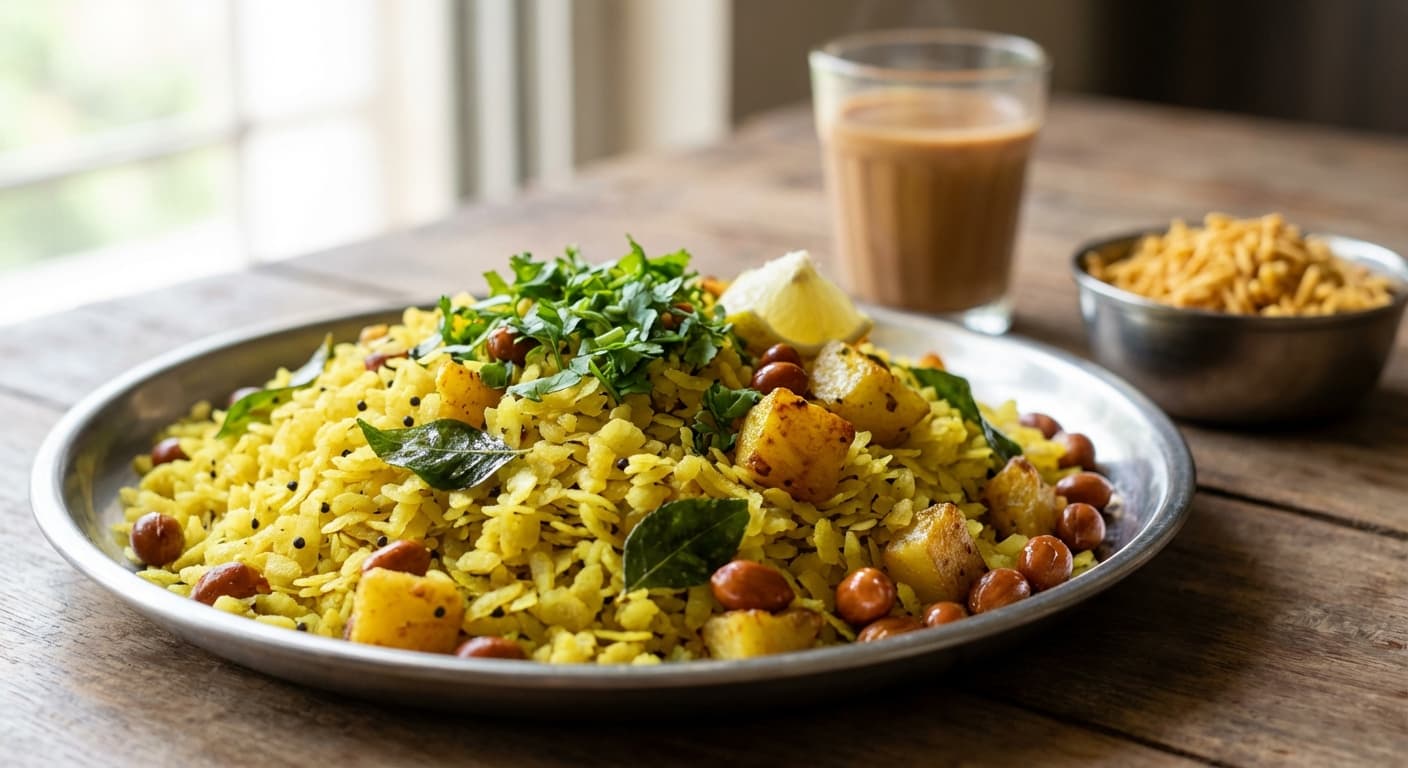
Poha (पोहा) — Indian Turmeric-Scented Flattened Rice with Peanuts
Poha is a beloved Indian breakfast made from flattened rice gently steamed with turmeric, mustard seeds, curry leaves, and peanuts. Light yet satisfying, it’s especially popular in Maharashtra and Madhya Pradesh, often finished with lemon and fresh coriander.
Printable Recipe Card
Servings: 4 · Total: 24 min · Difficulty: easy
Ingredients (quick list)
- 240 g thick poha (flattened rice) (use thick variety so it stays fluffy)
- 600 ml water (for rinsing and draining)
- 5 g salt (about 1 tsp fine salt)
- 6 g granulated sugar (about 1 1/2 tsp; balances the lemon)
- 1.5 tsp ground turmeric
- 30 ml lemon juice (about 2 tbsp, freshly squeezed)
- 15 g fresh cilantro (finely chopped (about 1/2 cup loosely packed))
- 30 ml vegetable oil (2 tbsp; peanut or sunflower oil works well)
- 60 g raw peanuts (skin-on preferred for deeper flavor)
- 1 tsp black mustard seeds
- 1 tsp cumin seeds
- 12 leaf curry leaves (fresh leaves; about 2 sprigs)
+ 4 more in the full ingredients section below.
Steps (summary)
- Place the poha in a large sieve and rinse it under running water for 10–15 seconds, gently turning it with your fingers so it h…
- Transfer the drained poha to a wide bowl and sprinkle over the salt, sugar, and turmeric. Toss very gently with a fork to avoid…
- Heat the oil in a wide skillet or kadhai over medium heat for 60 seconds. Add the peanuts and fry for 3–4 minutes, stirring oft…
- Add the mustard seeds and cumin seeds to the same pan and cover partially, as mustard can splutter. Cook for 30–45 seconds unti…
- Add the chopped onion and cook for 4–5 minutes, stirring, until it turns translucent with lightly golden edges. If using potato…
- Lower the heat to low and add the seasoned poha to the pan. Fold gently for 2–3 minutes so the flakes warm through and take on…
+ 1 more steps in the full instructions section below.
Cultural Background
Poha is a cornerstone of Indian home breakfasts, valued for being quick, affordable, and gentle on the stomach. Across central and western India it’s served at tea stalls and homes alike, with each family adjusting tang, sweetness, and crunch to taste.
Equipment
💡 Tips
- Use thick poha and rinse briefly; soaking too long makes it gummy and heavy.
- Fry the peanuts first in the oil so they stay crisp and perfume the entire dish.
- Add lemon juice off the heat to keep the flavor bright and prevent bitterness.
⚠️ Common Mistakes
❌ Soaking poha in water until fully submerged
✅ Fix: Rinse briefly and drain well; the residual moisture is enough to soften thick poha without turning it mushy.
❌ Stirring aggressively after adding poha
✅ Fix: Fold gently on low heat; vigorous stirring breaks flakes and makes the dish pasty.
❌ Adding lemon juice while the pan is very hot
✅ Fix: Turn off the heat first, then add lemon; it keeps the acidity bright and clean.
🧊 How to Store
Cool leftovers within 1 hour, then refrigerate in an airtight container for up to 2 days. Reheat in a covered skillet on low with 15–30 ml water to re-steam; finish with 5 ml lemon juice to refresh the flavor.
📅 Make Ahead
Chop onion, ginger, and chilies up to 24 hours ahead and refrigerate. You can also pre-mix salt, sugar, and turmeric for quick seasoning; rinse poha only right before cooking for best texture.
🍽️ Pairs Well With
- Masala chai
- plain yogurt
- sev
- sliced cucumber
- mango pickle.
Regional Variations
- Kanda Poha (Maharashtra): emphasize onions, add 30 g sev on top for crunch.
- Indori Poha (Madhya Pradesh): serve with 40 g sev and a pinch of fennel seeds, plus extra lemon.
- Batata Poha: increase potato to 300 g and add 60 g peas for a heartier, lunch-style version.
Ingredients
- 240 gthick poha (flattened rice) (use thick variety so it stays fluffy)
- 600 mlwater (for rinsing and draining)
- 5 gsalt (about 1 tsp fine salt)
- 6 ggranulated sugar (about 1 1/2 tsp; balances the lemon)
- 1.5 tspground turmeric
- 30 mllemon juice (about 2 tbsp, freshly squeezed)
- 15 gfresh cilantro (finely chopped (about 1/2 cup loosely packed))
- 30 mlvegetable oil (2 tbsp; peanut or sunflower oil works well)
- 60 graw peanuts (skin-on preferred for deeper flavor)
- 1 tspblack mustard seeds
- 1 tspcumin seeds
- 12 leafcurry leaves (fresh leaves; about 2 sprigs)
- 2green chili (thinly sliced; about 20 g total)
- 10 gginger (finely grated (about 1 tbsp))
- 150 gyellow onion (finely chopped (about 1 medium))
- 200 gpotato (peeled and diced 1 cm (optional but classic))
🔄 Substitutions
- raw peanuts→ roasted peanuts
- potato→ green peas
- curry leaves→ lime zest
Instructions
- 1
Place the poha in a large sieve and rinse it under running water for 10–15 seconds, gently turning it with your fingers so it hydrates evenly. Let it drain for 5 minutes, then press a few flakes between your fingers; they should feel soft but not mushy.
- 2
Transfer the drained poha to a wide bowl and sprinkle over the salt, sugar, and turmeric. Toss very gently with a fork to avoid breaking the flakes, then set aside for 5 minutes so the seasoning absorbs.
- 3
Heat the oil in a wide skillet or kadhai over medium heat for 60 seconds. Add the peanuts and fry for 3–4 minutes, stirring often, until they deepen in color and smell nutty; keep the heat moderate so they do not burn.
- 4
Add the mustard seeds and cumin seeds to the same pan and cover partially, as mustard can splutter. Cook for 30–45 seconds until the mustard seeds crackle, then add curry leaves, green chilies, and ginger and sauté for 30 seconds until fragrant.
- 5
Add the chopped onion and cook for 4–5 minutes, stirring, until it turns translucent with lightly golden edges. If using potato, add the diced potato and 45 ml water, cover, and cook for 6–8 minutes, stirring once or twice, until the potato is tender when pierced.
- 6
Lower the heat to low and add the seasoned poha to the pan. Fold gently for 2–3 minutes so the flakes warm through and take on the tempering, adding 15 ml water only if the poha looks dry or chalky.
- 7
Turn off the heat and immediately add the lemon juice and most of the cilantro, folding once more to keep the poha fluffy. Cover the pan for 2 minutes to let the steam finish the texture, then garnish with the remaining cilantro and serve hot.
🪪 Recipe Passport
Cultural Background
Poha is a cornerstone of Indian home breakfasts, valued for being quick, affordable, and gentle on the stomach. Across central and western India it’s served at tea stalls and homes alike, with each family adjusting tang, sweetness, and crunch to taste.
Regional Variations
Researched from multiple sources and validated by the Zaffaron editorial team. Every recipe is tested for accuracy, measurements, and cultural authenticity.
Nutrition per serving
Pairs well with
If you enjoyed this recipe, here are a few related Zaffaron recipes to try next.
Does your family make this differently?
Every family has their own version. Maybe your grandmother adds a secret ingredient, or your aunt has a completely different technique. Preserve your family's version — with their name on it, forever.
You Might Also Like
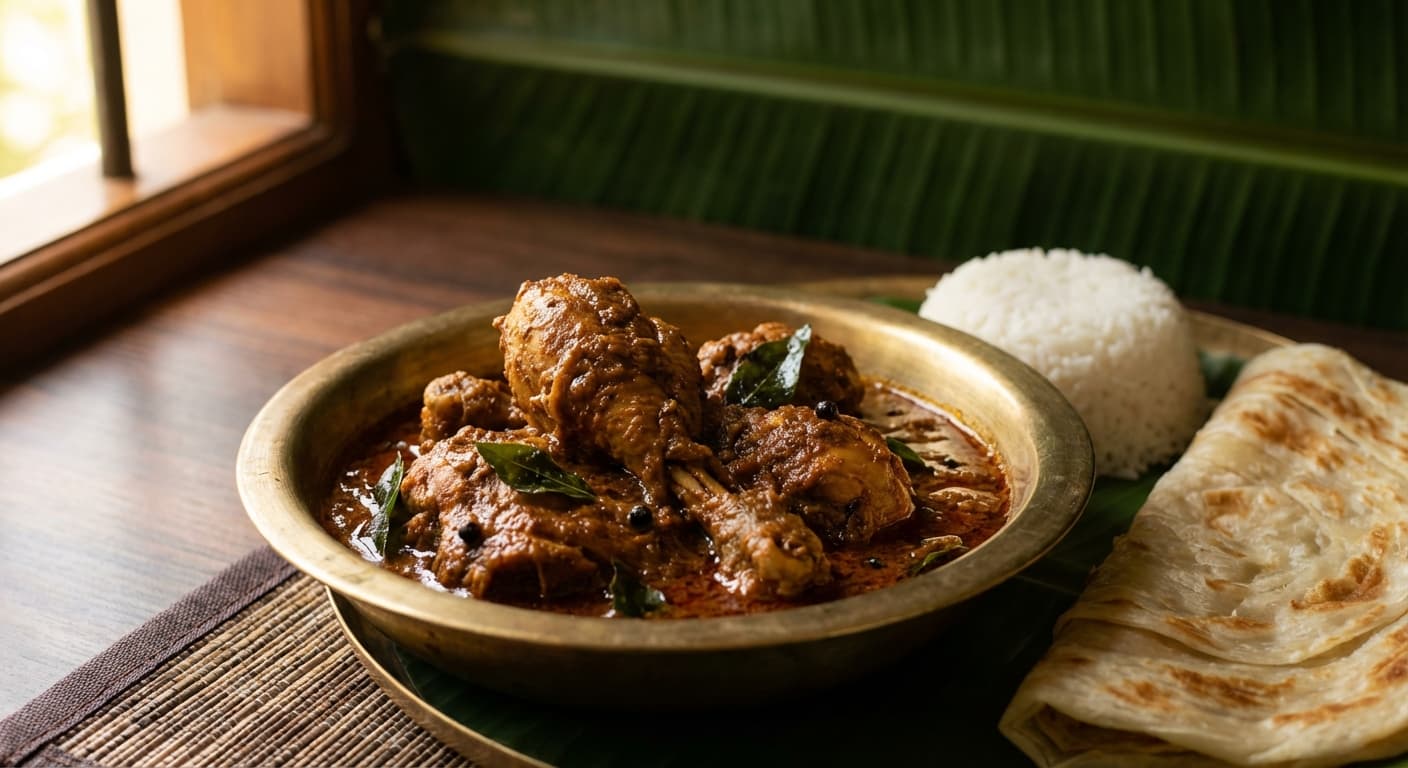
Chettinad Chicken (செட்டிநாடு கோழி குழம்பு) — Peppery roasted-spice chicken curry from Tamil Nadu
Indian · Main Courses · 65 min
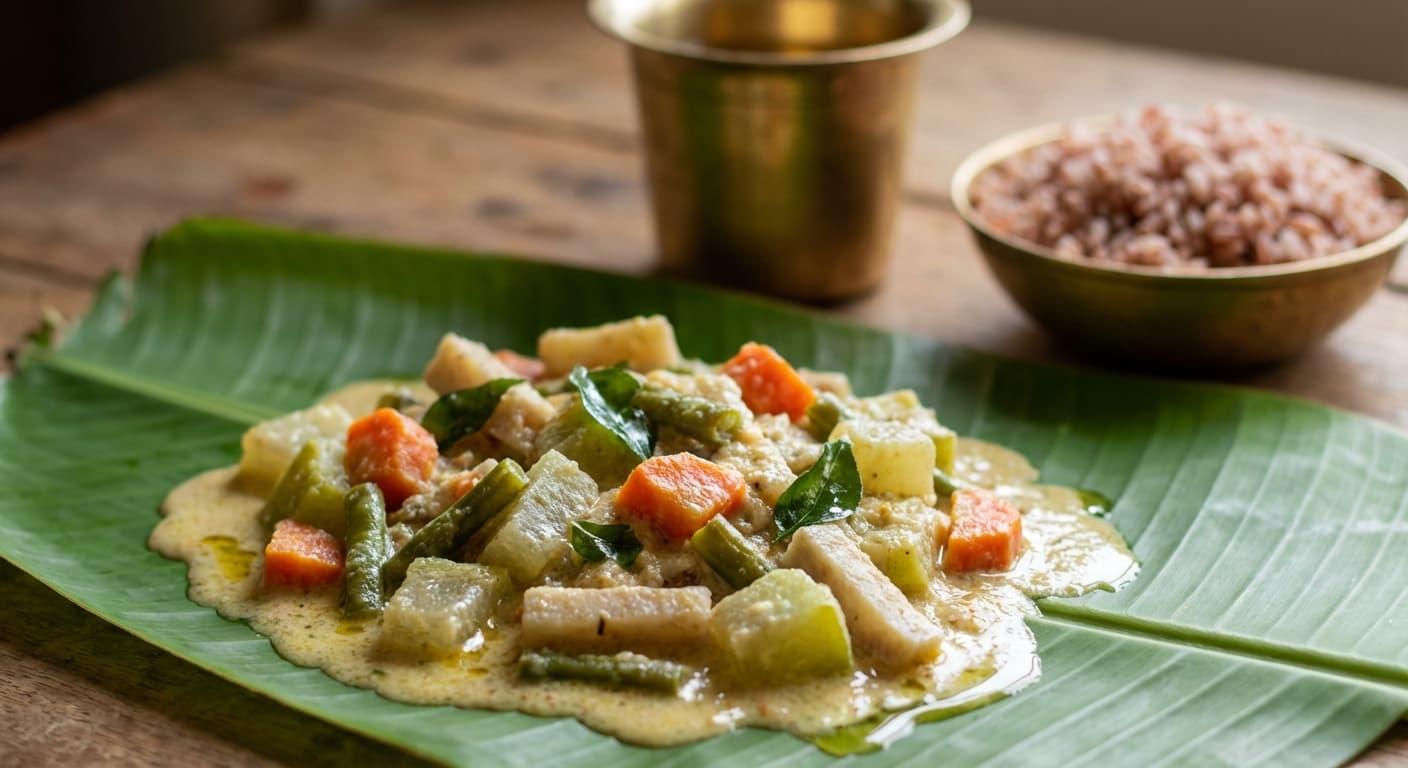
Avial (അവിയൽ) — Kerala mixed vegetables in coconut-yogurt gravy
Indian · Main Courses · 50 min
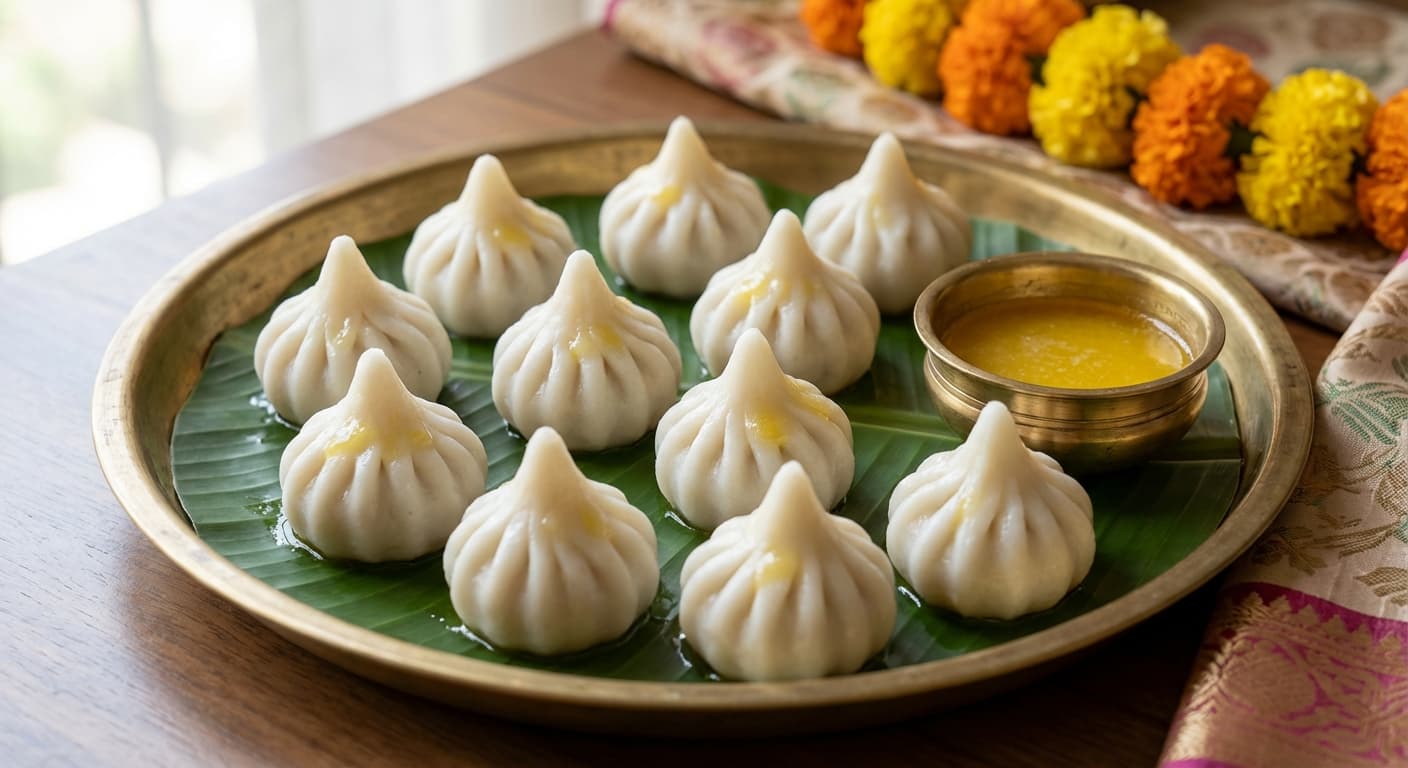
Modak (मोदक) — Steamed coconut-jaggery sweet dumplings for Ganesh Chaturthi
Indian · Desserts · 60 min
Cuban Crispy Shredded Beef (Vaca Frita) — Garlic and Citrus
Cuban · Main Courses · 140 min
Pone Yay Gyi Curry (ပုန်းရည်ကြီးဟင်း) — Burmese Pork and Fermented Bean Paste
Burmese · Main Courses · 115 min
Persian Kachi (کاچی) — Saffron Rosewater Pudding
Persian · Desserts · 45 min
Kulcha-e Kandahari (کلچهٔ کندهاری) — Afghan Thick naan, Kandahar-style bakery bread
Afghan · Breads · 43 min
Romanian Polenta (Mămăligă) — Firm Cornmeal Porridge
Romanian · Side Dishes · 30 min
Reviews
Cooked this recipe?
Tap the stars to rate it — that's all it takes. A few words are welcome but optional.
No ratings yet. Cooked this one? Be the first to rate it — it takes one tap.