Modak (मोदक) — Steamed coconut-jaggery sweet dumplings for Ganesh Chaturthi
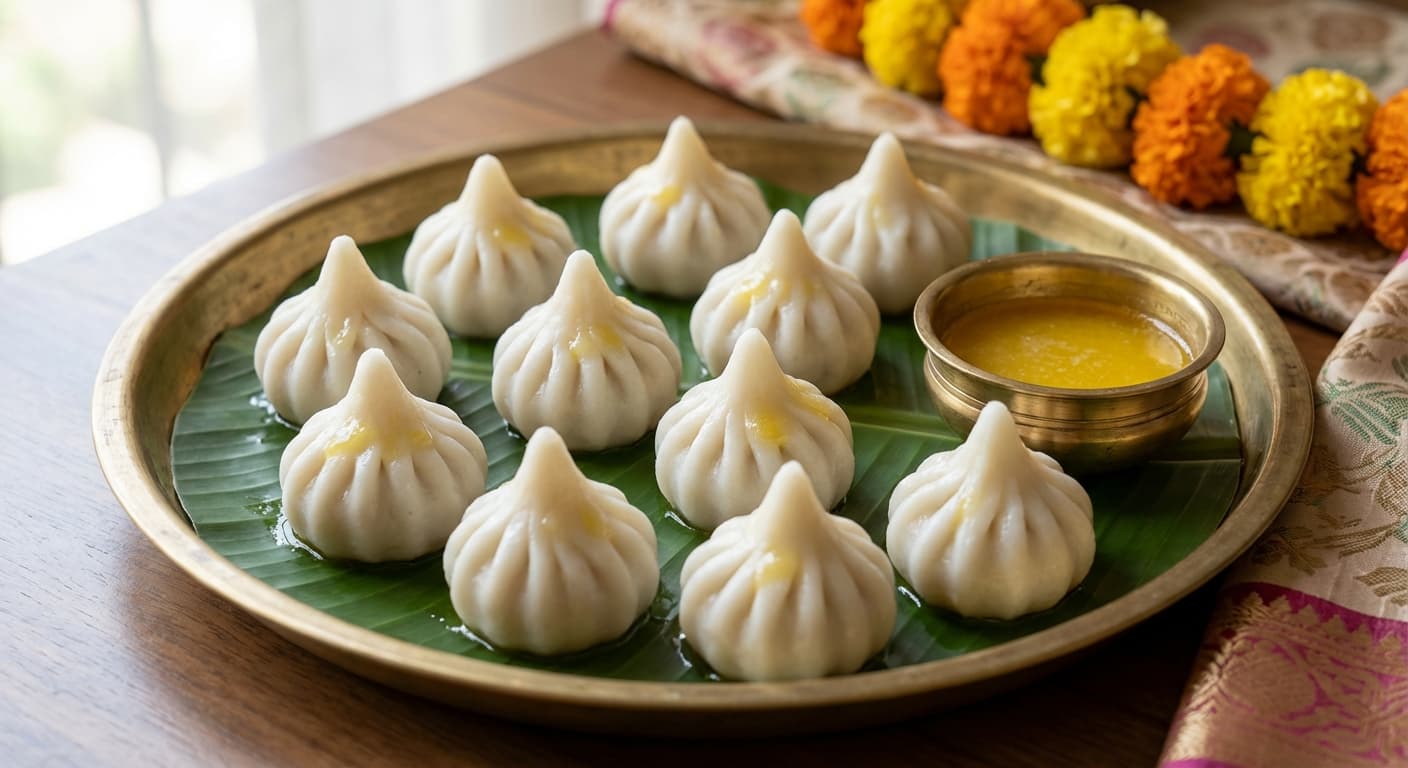
Modak are tender rice-flour dumplings filled with coconut and jaggery, traditionally offered to Lord Ganesha during Ganesh Chaturthi. This steamed version (ukadiche modak) is prized for its delicate pleats and fragrant cardamom.
Printable Recipe Card
Servings: 12 · Total: 60 min · Difficulty: hard
Ingredients (quick list)
- 180 g Fine rice flour
- 300 ml Water
- 10 g Ghee (Plus 5 g for greasing hands and steamer)
- 1 g Salt (About 1/6 tsp)
- 200 g Freshly grated coconut (Tightly packed; thawed if frozen)
- 150 g Jaggery (Grated or finely chopped)
- 1 tsp Cardamom powder
- 2 tsp Poppy seeds (Optional but traditional in many Maharashtrian homes)
- 0.25 tsp Nutmeg (Freshly grated)
Steps (summary)
- Make the filling first so it can cool and firm up. Heat a skillet over medium-low heat, add 5 g ghee, then stir in coconut and…
- Cook the filling for 6–8 minutes, stirring constantly, until it thickens and begins to pull away from the pan in one mass. Stir…
- Prepare the dough by bringing 300 ml water to a rolling boil in a saucepan and dissolving the salt in it. Add 10 g ghee, then r…
- Stir vigorously with a sturdy spatula until the flour hydrates and forms a shaggy ball, about 60–90 seconds. Cover the pan with…
- Turn the hot dough onto a clean plate or silicone mat and let it cool for 3–4 minutes until just warm enough to handle. Knead f…
- Divide the dough into 12 equal portions (about 40 g each) and keep them covered with a damp cloth to prevent drying. Divide the…
+ 6 more steps in the full instructions section below.
Cultural Background
Modak are closely associated with Lord Ganesha and are offered as naivedya during Ganesh Chaturthi, especially in Maharashtra. The pleated shape symbolizes craftsmanship and devotion, and families often gather to shape them together as a festive ritual.
Equipment
💡 Tips
- Use fine rice flour labeled for modak or idiyappam for the smoothest, crack-free dough; coarse flour makes pleats split.
- Keep dough portions covered with a damp cloth at all times; even 5 minutes of exposure can dry the surface and cause cracks.
- Cook the filling until it pulls together as a mass; a wet filling will leak and soften the shell during steaming.
⚠️ Common Mistakes
❌ Dough cracks while pleating or sealing.
✅ Fix: Knead longer while warm until smooth, then cover portions with a damp cloth; use 5–10 ml water total to rehydrate if needed.
❌ Filling leaks during steaming and makes the shell gummy.
✅ Fix: Cook the filling 2–3 minutes longer until it forms a cohesive mass and cool it fully before stuffing.
❌ Modak stick to the steamer tray and tear.
✅ Fix: Grease the tray with 2–3 g ghee and let steamed modak rest 2 minutes before lifting with an oiled spatula.
🧊 How to Store
Cool completely, then store steamed modak in an airtight container in the refrigerator for up to 2 days. Reheat by steaming 4–5 minutes (best) or microwaving 20–30 seconds with 5 ml water covered to prevent drying.
📅 Make Ahead
Prepare the filling up to 2 days ahead and refrigerate airtight; bring to room temperature before shaping. Dough should be made the same day, but you can portion ingredients and grease the steamer tray in advance for faster assembly.
🍽️ Pairs Well With
- Warm ghee
- saffron-infused milk
- masala chai
- fresh banana
- coconut milk
Regional Variations
- Fried modak: the same filling sealed in a wheat-flour dough and deep-fried until golden and crisp.
- Kesar modak: a pinch of saffron steeped in 10 ml warm milk is kneaded into the dough for aroma and color.
- Dry fruit modak: add 30 g finely chopped raisins and 30 g chopped cashews to the filling for a richer festive version.
Ingredients
- 180 gFine rice flour
- 300 mlWater
- 10 gGhee (Plus 5 g for greasing hands and steamer)
- 1 gSalt (About 1/6 tsp)
- 200 gFreshly grated coconut (Tightly packed; thawed if frozen)
- 150 gJaggery (Grated or finely chopped)
- 1 tspCardamom powder
- 2 tspPoppy seeds (Optional but traditional in many Maharashtrian homes)
- 0.25 tspNutmeg (Freshly grated)
🔄 Substitutions
- Jaggery→ Dark brown sugar (150 g)
- Freshly grated coconut→ Unsweetened desiccated coconut (140 g) + water (40 ml)
- Ghee→ Coconut oil (same amount)
Instructions
- 1
Make the filling first so it can cool and firm up. Heat a skillet over medium-low heat, add 5 g ghee, then stir in coconut and jaggery until the jaggery melts and the mixture looks glossy.
- 2
Cook the filling for 6–8 minutes, stirring constantly, until it thickens and begins to pull away from the pan in one mass. Stir in cardamom, poppy seeds, and nutmeg, then transfer to a plate and cool completely so it becomes easy to portion.
- 3
Prepare the dough by bringing 300 ml water to a rolling boil in a saucepan and dissolving the salt in it. Add 10 g ghee, then reduce heat to low and add the rice flour all at once.
- 4
Stir vigorously with a sturdy spatula until the flour hydrates and forms a shaggy ball, about 60–90 seconds. Cover the pan with a lid and let it steam on the lowest heat for 2 minutes to fully gelatinize the rice flour.
- 5
Turn the hot dough onto a clean plate or silicone mat and let it cool for 3–4 minutes until just warm enough to handle. Knead for 4–5 minutes until very smooth and crack-free, dipping fingertips in a little water if it feels dry.
- 6
Divide the dough into 12 equal portions (about 40 g each) and keep them covered with a damp cloth to prevent drying. Divide the cooled filling into 12 portions (about 30 g each) and roll each into a compact ball.
- 7
Grease your palms lightly with the extra ghee and flatten one dough ball into a thin disc about 9–10 cm wide, keeping the center slightly thicker than the edges. Make 10–12 pleats around the edge by pinching small folds between your thumb and forefinger, rotating the disc as you go.
- 8
Place one filling ball in the center and gently lift the pleated edges upward. Pinch all pleats together at the top to seal, then twist and pinch to form a neat pointed tip with no cracks so steam cannot enter.
- 9
Repeat shaping with the remaining dough and filling, keeping finished modak under a damp cloth so the surface stays supple. If a pleat cracks, smooth it with a few drops of water and re-pinch firmly to reseal.
- 10
Prepare a steamer with 2–3 cm water and bring it to a steady simmer, not a violent boil. Lightly grease the steamer tray with ghee and arrange modak with at least 2 cm space between them.
- 11
Steam covered for 10–12 minutes until the exterior looks slightly glossy and the dough feels set, not powdery. Turn off the heat and rest the modak in the steamer for 2 minutes so they firm up without tearing.
- 12
Lift the modak out with an oiled spatula and cover with a clean cloth for 3 minutes to prevent drying. Serve warm, ideally within 2 hours, so the rice-flour shell stays tender and aromatic.
🪪 Recipe Passport
Cultural Background
Modak are closely associated with Lord Ganesha and are offered as naivedya during Ganesh Chaturthi, especially in Maharashtra. The pleated shape symbolizes craftsmanship and devotion, and families often gather to shape them together as a festive ritual.
Regional Variations
Researched from multiple sources and validated by the Zaffaron editorial team. Every recipe is tested for accuracy, measurements, and cultural authenticity.
Nutrition per serving
Pairs well with
If you enjoyed this recipe, here are a few related Zaffaron recipes to try next.
Does your family make this differently?
Every family has their own version. Maybe your grandmother adds a secret ingredient, or your aunt has a completely different technique. Preserve your family's version — with their name on it, forever.
You Might Also Like
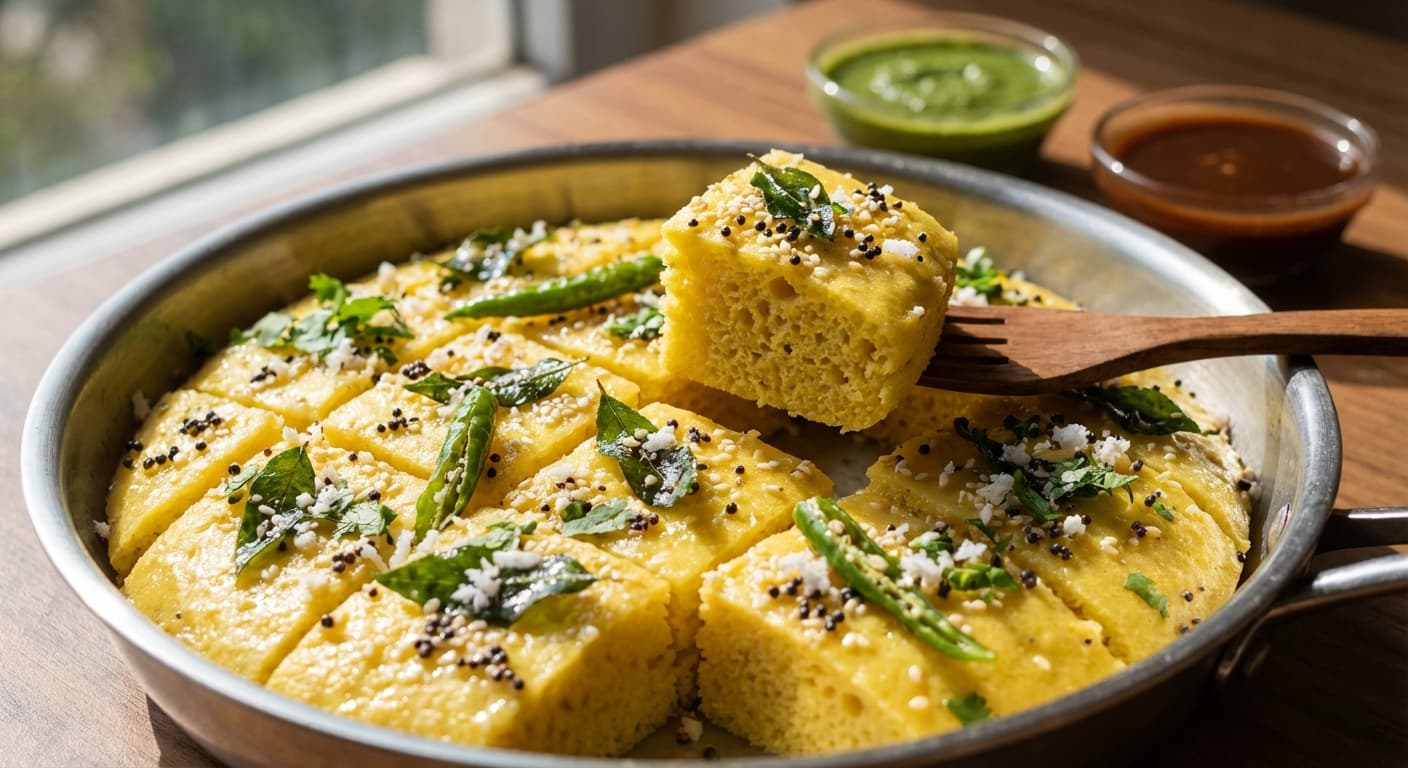
Dhokla (ઢોકળા) — Indian Steamed Savory Chickpea Cake with Mustard Seeds
Indian · Appetizers · 33 min
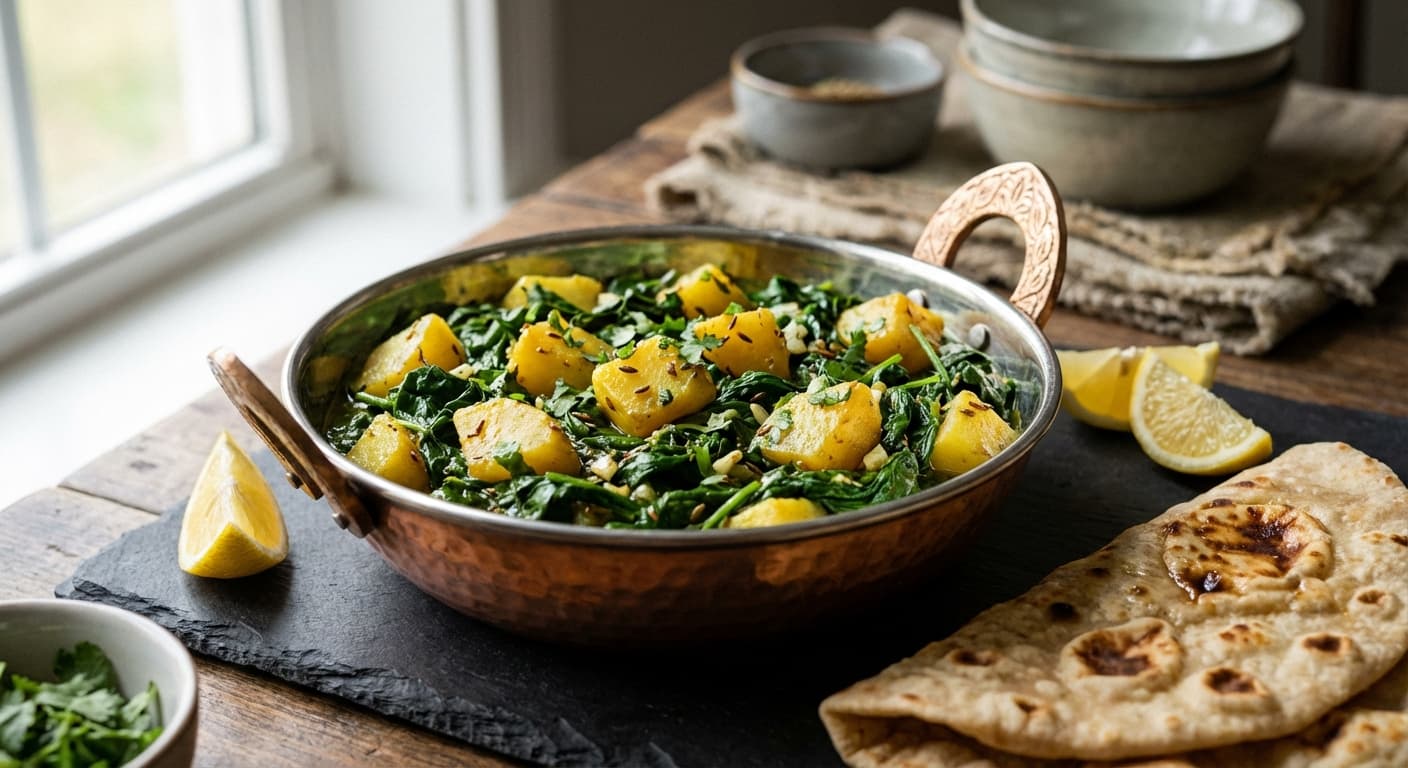
Saag Aloo (साग आलू) — Indian Spinach and Potatoes with Garlic
Indian · Main Courses · 45 min

Dal Tadka (दाल तड़का) — Indian Tempered Yellow Lentils with Ghee and Spices
Indian · Main Courses · 50 min
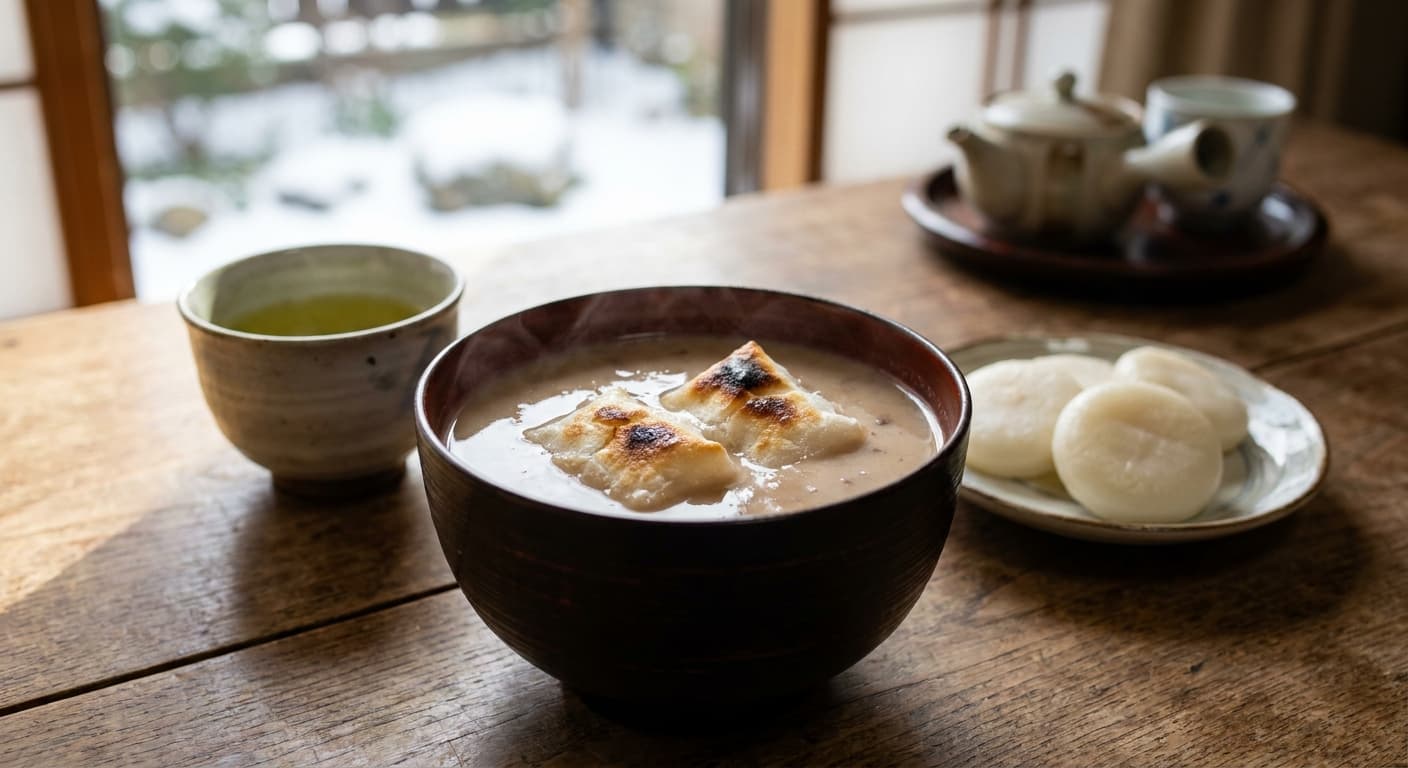
Kurumi Shiruko (くるみ汁粉) — Sendai-Style Sweet Walnut Azuki Soup with Mochi
Japanese · Desserts · 120 min
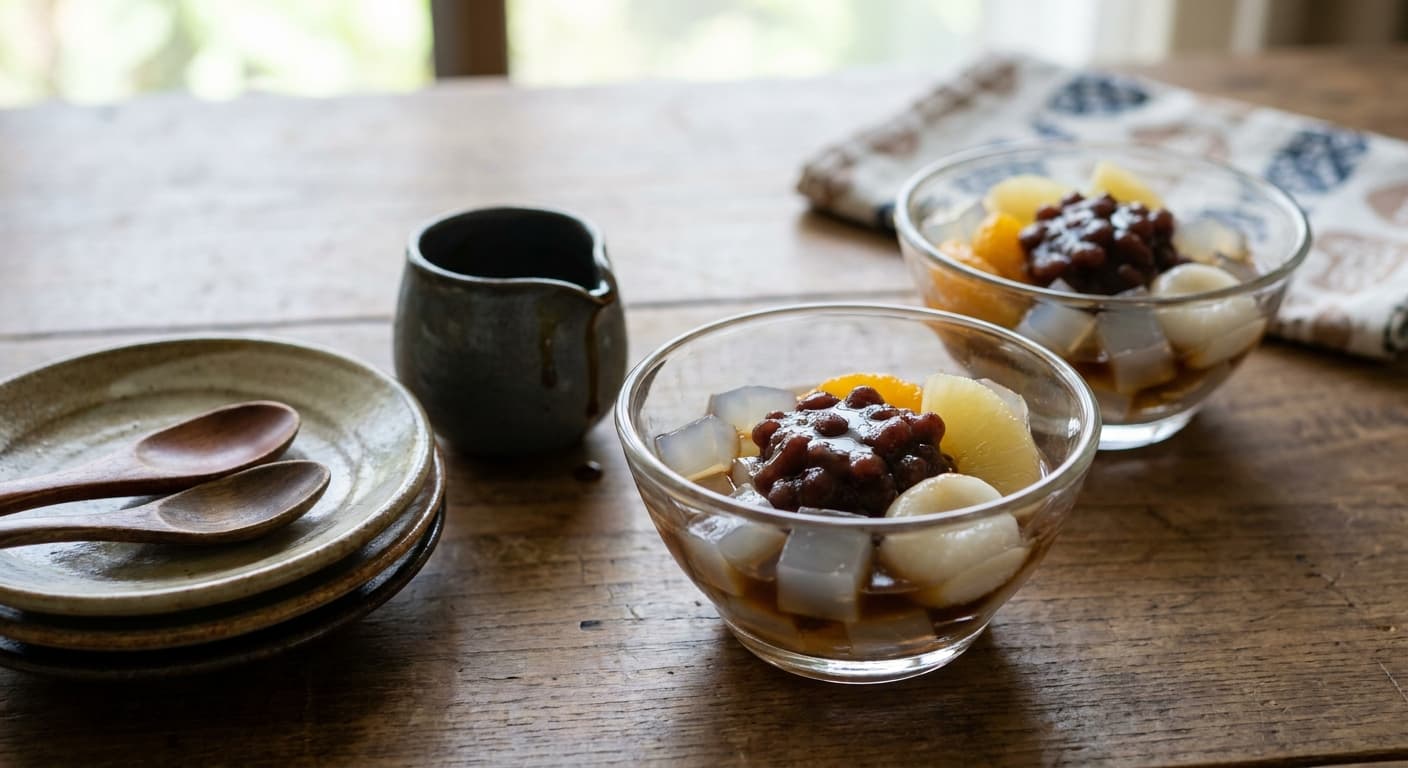
Anmitsu (あんみつ) — Kanten Jelly Dessert with Red Bean Paste
Japanese · Desserts · 55 min
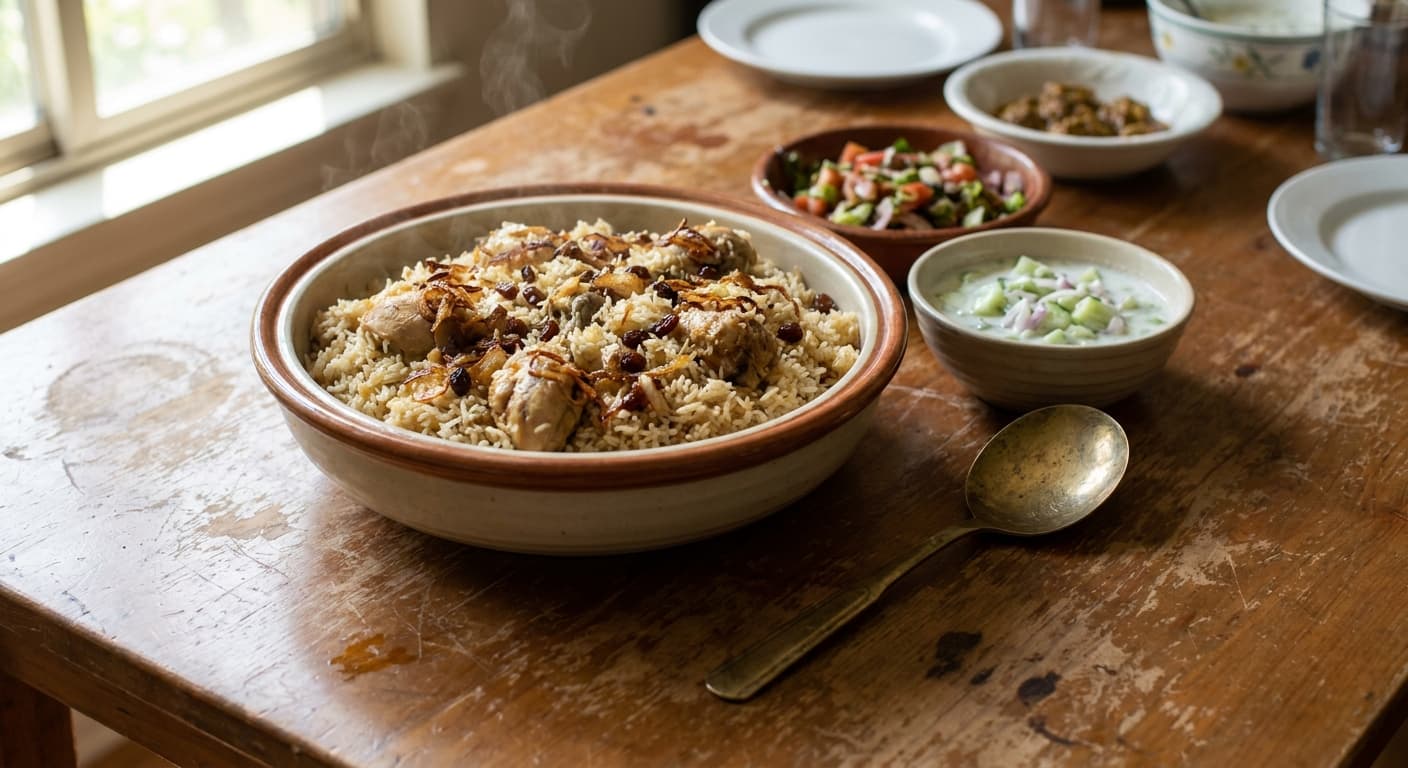
Morog Polao (মোরগ পোলাও) — Bangladeshi Chicken Pilaf
Bangladeshi · Rice Dishes · 100 min
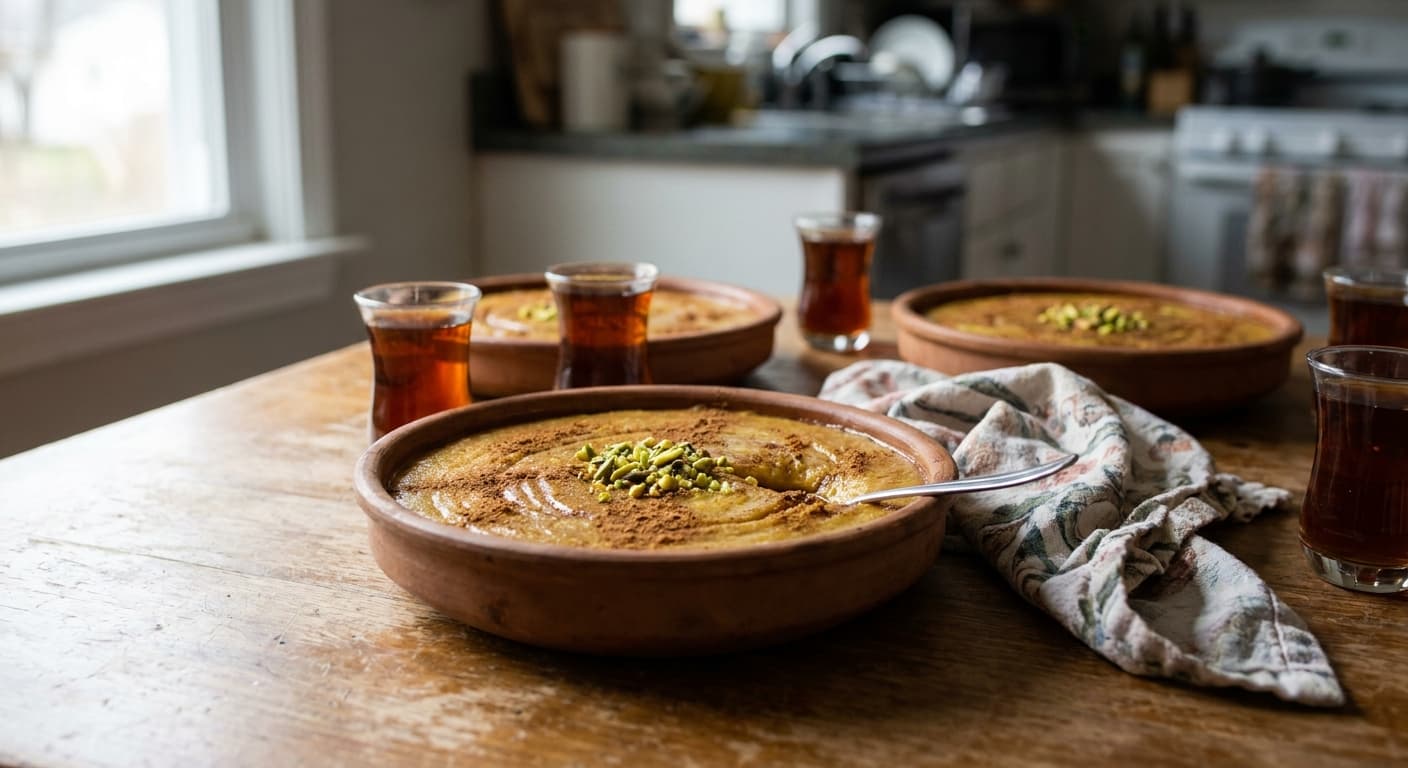
Persian Kachi (کاچی) — Saffron Rosewater Pudding
Persian · Desserts · 45 min
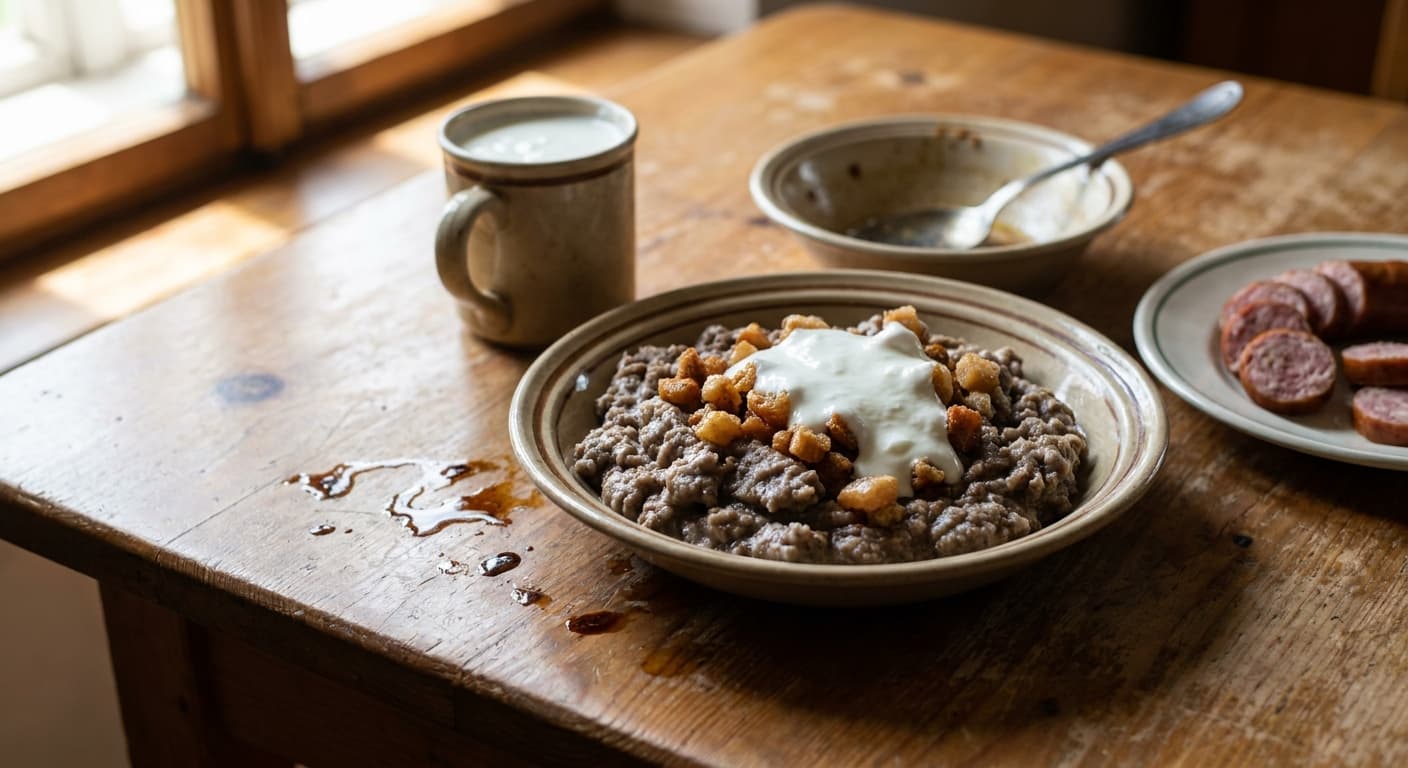
Buckwheat Žganci (Ajdovi žganci) — Slovenian Buckwheat Crumbs with Cracklings
Slovenian · Side Dishes · 45 min
Reviews
Cooked this recipe?
Tap the stars to rate it — that's all it takes. A few words are welcome but optional.
No ratings yet. Cooked this one? Be the first to rate it — it takes one tap.