Polow-e Loobia Ghermez (پلو لوبیا قرمز) — Persian Red Bean Rice
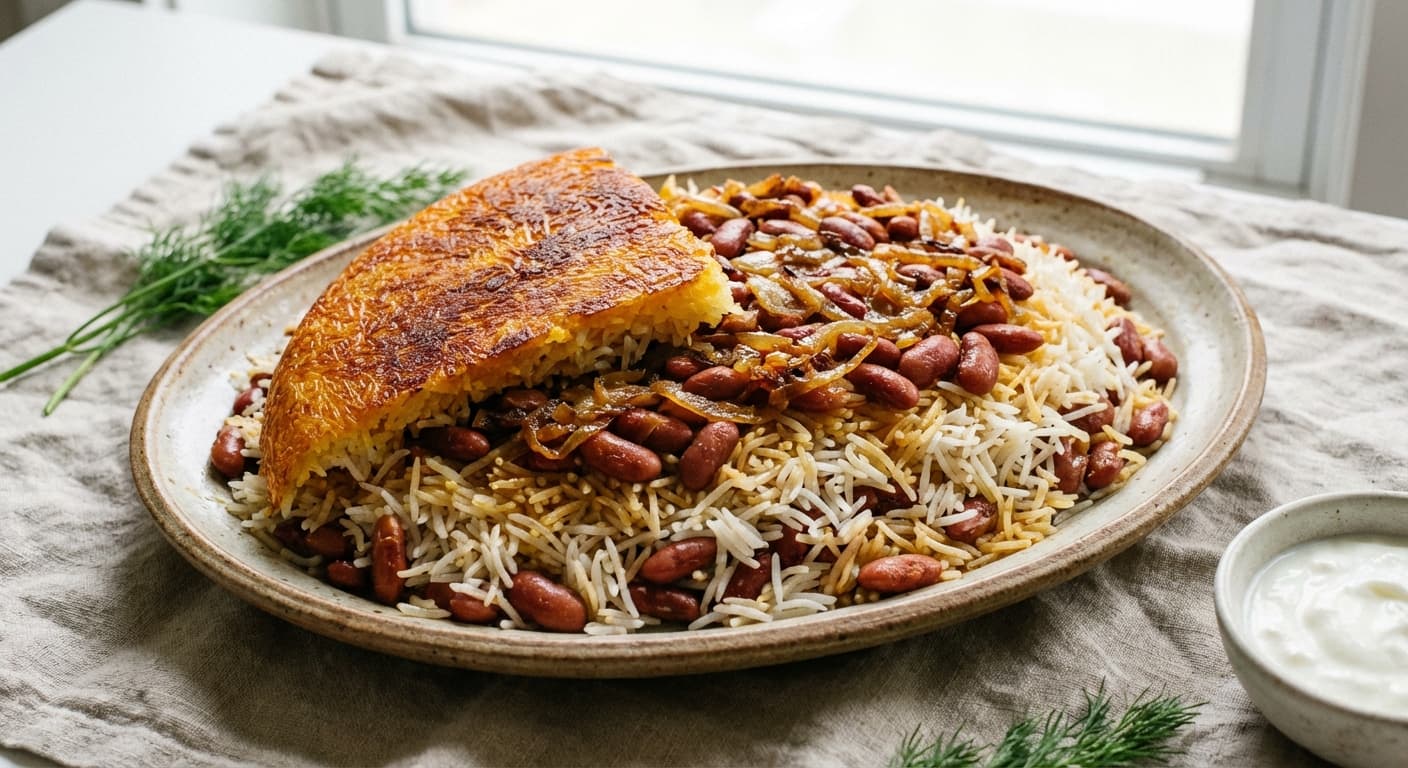
Persian Red Bean Rice layers fluffy basmati with tender kidney beans simmered in a turmeric-tomato base. Finished with crisp tahdig, it is a comforting, everyday Iranian-style pilaf that travels well and reheats beautifully.
Printable Recipe Card
Servings: 6 · Total: 145 min · Difficulty: medium
Ingredients (quick list)
- 500 g Basmati rice (rinsed until water runs mostly clear)
- 3000 ml Water (for parboiling rice (plus more as needed))
- 18 g Salt (for parboiling water (about 1 tbsp))
- 45 ml Olive oil (divided)
- 220 g Dried red kidney beans (soaked 8–12 hours, drained and rinsed)
- 250 g Onion (finely diced)
- 12 g Garlic (minced (about 4 cloves))
- 45 g Tomato paste (about 3 tbsp)
- 3 g Turmeric (about 1 1/2 tsp)
- 1.5 g Black pepper (about 1/2 tsp)
Steps (summary)
- Soak the dried kidney beans in plenty of cool water for 8–12 hours (prep time includes this). Drain, rinse, and place in a pot…
- While beans cook, make the flavor base. Heat 30 ml olive oil in a skillet over medium heat. Add diced onion and cook 10–12 minu…
- Add tomato paste to the skillet and fry it 2–3 minutes, stirring constantly, until it darkens slightly and smells sweet rather…
- Rinse basmati rice in several changes of water until mostly clear. In a large pot, bring 3000 ml water to a rolling boil and ad…
- Set up for steaming and tahdig. Return the pot to medium heat and add 45 ml olive oil. Add 2–3 tbsp of the drained rice to cove…
- Poke 5–6 holes through the rice to the bottom with the handle of a spoon to vent steam. Drizzle 240 ml reserved bean cooking li…
+ 1 more steps in the full instructions section below.
Cultural Background
Bean-and-rice pilafs are a familiar part of Iranian home cooking, often prepared as practical, nourishing meals for family tables. Polow-style dishes are typically steamed to create distinct grains and a crisp tahdig, a technique that is widely appreciated across Persian kitchens.
Equipment
💡 Tips
- For evenly cooked beans, salt them only after they are tender; early salting can slow softening in some water conditions.
- Frying tomato paste until it darkens removes raw acidity and gives the beans a deeper, sweeter color.
- If the rice seems dry before steaming, add 30–60 ml extra water around the edges (not directly on top) and continue steaming.
- To mimic a saffron-like aroma without using saffron, steep 1/2 tsp ground turmeric in 60 ml hot water for 5 minutes and drizzle lightly over the top layer before the final 10 minutes of steaming (optional).
- For a stronger tahdig, keep the first 10 minutes of steaming at medium-low (not high) to avoid burning while the crust forms.
⚠️ Common Mistakes
❌ Overboiling the rice during parboil
💡 Why: If the grains fully cook before steaming, they break and turn sticky, and the final texture becomes heavy.
✅ Fix: Boil only until elongated with a slightly firm center (6–8 minutes), then drain immediately and steam to finish.
❌ Skipping the tomato paste frying step
💡 Why: Raw tomato paste can taste metallic and sharp, and it will not color the beans evenly.
✅ Fix: Fry the paste in oil 2–3 minutes until it darkens and smells sweet, then loosen with liquid before adding beans.
❌ Steaming on heat that is too high
💡 Why: High heat can burn the tahdig before the rice steams through, leaving bitter crust and undercooked top grains.
✅ Fix: Use medium-low for the first 10 minutes, then low for 45 minutes; keep the lid wrapped to prevent dripping.
❌ Salting beans early in very hard water
💡 Why: Mineral-heavy water plus early salt can slow bean softening, leaving beans tough even after long cooking.
✅ Fix: Simmer beans until tender first, then season in the tomato base; if needed, extend simmering and add hot water gradually.
🧊 How to Store
Cool within 2 hours. Refrigerate in an airtight container up to 4 days. Reheat covered with 1–2 tbsp water in a saucepan over low heat 10–12 minutes, or microwave covered 2–3 minutes, stirring once. Tahdig is best reheated in a dry skillet over medium heat 3–5 minutes to re-crisp.
📅 Make Ahead
Cook the bean base up to 2 days ahead and refrigerate; rewarm with 2–3 tbsp water before layering with rice. Rice can be parboiled up to 4 hours ahead, drained well, and kept covered at cool room temperature; proceed to steam just before serving for best texture.
🍽️ Pairs Well With
- Plain yogurt or yogurt-cucumber salad
- Fresh herbs and radishes
- Pickled vegetables
- Simple tomato and cucumber salad
Regional Variations
- Tehran-style home kitchensOften made as a straightforward weeknight pilaf with a tomato-turmeric bean base and a pronounced tahdig, keeping seasoning mild so it pairs easily with yogurt and salads.
- Northern Iran (Caspian influence)Some households add extra caramelized onion and a slightly more tangy tomato profile, serving it with pickles and fresh herbs for contrast.
Ingredients
- 500 gBasmati rice (rinsed until water runs mostly clear)
- 3000 mlWater (for parboiling rice (plus more as needed))
- 18 gSalt (for parboiling water (about 1 tbsp))
- 45 mlOlive oil (divided)
- 220 gDried red kidney beans (soaked 8–12 hours, drained and rinsed)
- 250 gOnion (finely diced)
- 12 gGarlic (minced (about 4 cloves))
- 45 gTomato paste (about 3 tbsp)
- 3 gTurmeric (about 1 1/2 tsp)
- 1.5 gBlack pepper (about 1/2 tsp)
🔄 Substitutions
- Dried red kidney beans→ Canned red kidney beans (2 x 400 g cans, drained and rinsed)
- Olive oil→ Neutral oil (sunflower, canola, or grapeseed)
- Basmati rice→ Jasmine rice
Instructions
- 1
Soak the dried kidney beans in plenty of cool water for 8–12 hours (prep time includes this). Drain, rinse, and place in a pot with 1500 ml water. Bring to a boil over high heat, skim foam for 2 minutes, then reduce to a steady simmer, partially covered, 45–60 minutes until tender but intact.
- 2
While beans cook, make the flavor base. Heat 30 ml olive oil in a skillet over medium heat. Add diced onion and cook 10–12 minutes, stirring, until golden. Add minced garlic and cook 45–60 seconds until fragrant. Stir in turmeric and black pepper for 20 seconds to bloom the spices without scorching.
- 3
Add tomato paste to the skillet and fry it 2–3 minutes, stirring constantly, until it darkens slightly and smells sweet rather than raw. Ladle in 120 ml bean cooking liquid (or water) and whisk smooth. Drain beans (reserve 240 ml cooking liquid). Add beans to the skillet with 6 g salt; simmer 10 minutes until glossy and saucy.
- 4
Rinse basmati rice in several changes of water until mostly clear. In a large pot, bring 3000 ml water to a rolling boil and add 18 g salt. Add rice and boil 6–8 minutes, stirring gently twice, until grains are elongated and the center is just slightly firm. Drain immediately in a colander and rinse briefly with cool water.
- 5
Set up for steaming and tahdig. Return the pot to medium heat and add 45 ml olive oil. Add 2–3 tbsp of the drained rice to cover the bottom as a protective layer. Reduce heat to low. Layer 1/3 rice, then 1/2 the bean mixture; repeat with another 1/3 rice and remaining beans; finish with the last 1/3 rice, shaping a gentle mound.
- 6
Poke 5–6 holes through the rice to the bottom with the handle of a spoon to vent steam. Drizzle 240 ml reserved bean cooking liquid over the rice (or water if unavailable). Cover lid with a clean towel and place on the pot. Steam 10 minutes over medium-low to build heat, then 45 minutes over low until fully fluffy with a crisp bottom.
- 7
Rest and serve. Turn off heat and let the pot sit, covered, 10 minutes to set the grains and loosen the crust. Spoon rice onto a platter, lifting gently to keep grains separate. To release tahdig, dip the pot bottom in warm water for 20 seconds, then invert onto a plate. Serve tahdig alongside the rice.
🪪 Recipe Passport
Cultural Background
Bean-and-rice pilafs are a familiar part of Iranian home cooking, often prepared as practical, nourishing meals for family tables. Polow-style dishes are typically steamed to create distinct grains and a crisp tahdig, a technique that is widely appreciated across Persian kitchens.
Regional Variations
Researched from multiple sources and validated by the Zaffaron editorial team. Every recipe is tested for accuracy, measurements, and cultural authenticity.
Nutrition per serving
Pairs well with
If you enjoyed this recipe, here are a few related Zaffaron recipes to try next.
Does your family make this differently?
Every family has their own version. Maybe your grandmother adds a secret ingredient, or your aunt has a completely different technique. Preserve your family's version — with their name on it, forever.
You Might Also Like
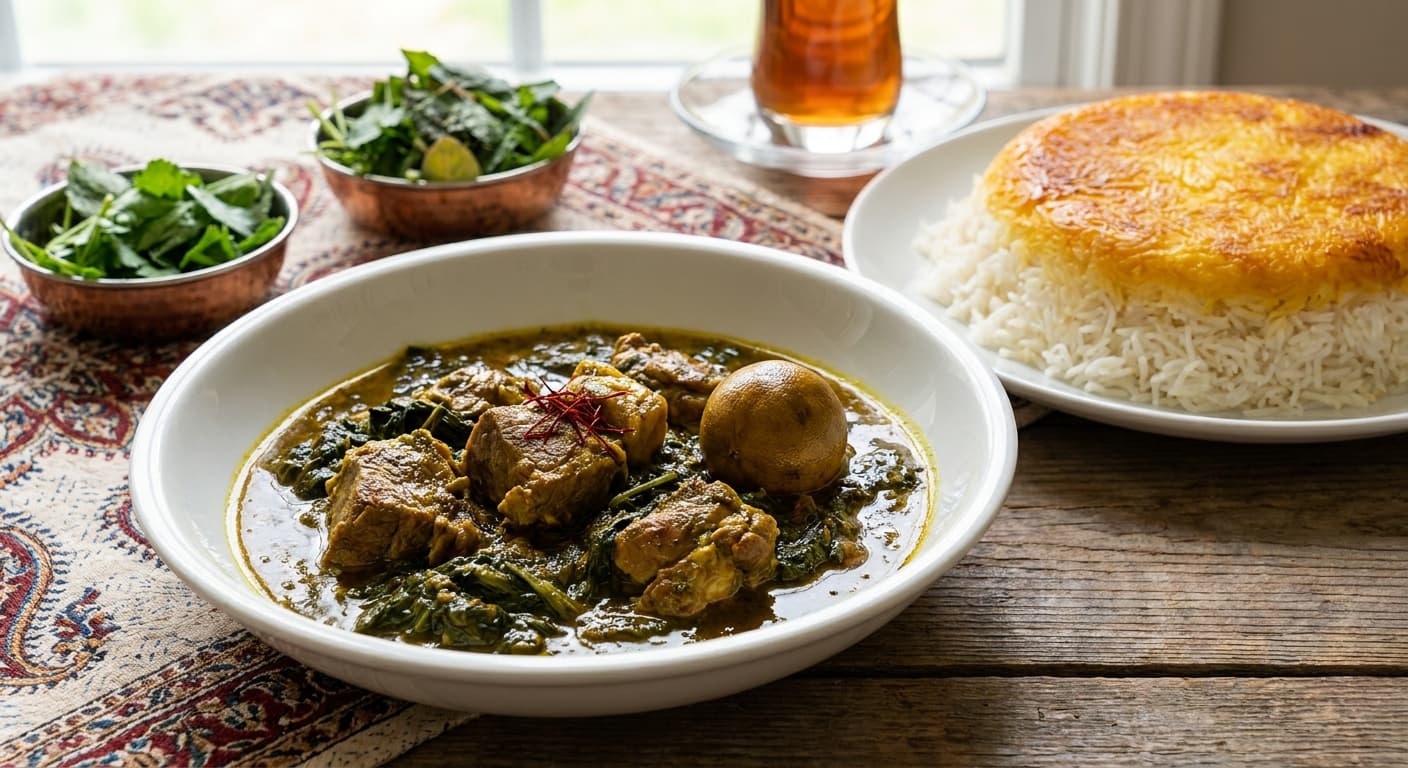
Persian Khoresht Saak (خورش ساک) — Saffron-Cardamom Lamb Stew with Saak Greens
Persian · Stews · 145 min
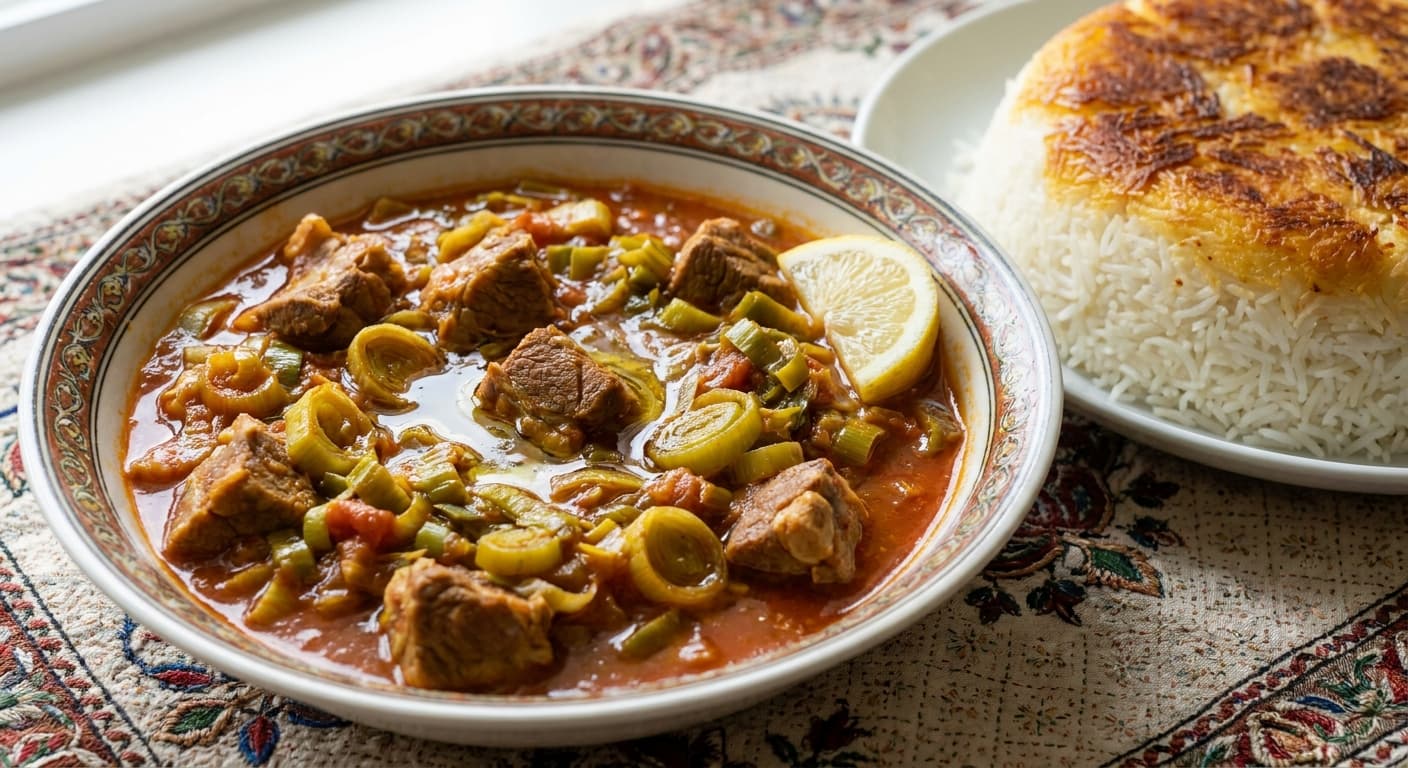
Khoresh Tareh Farangi (خورش تره فرنگی) — Persian Leek and Lamb Stew
Persian · Stews · 130 min
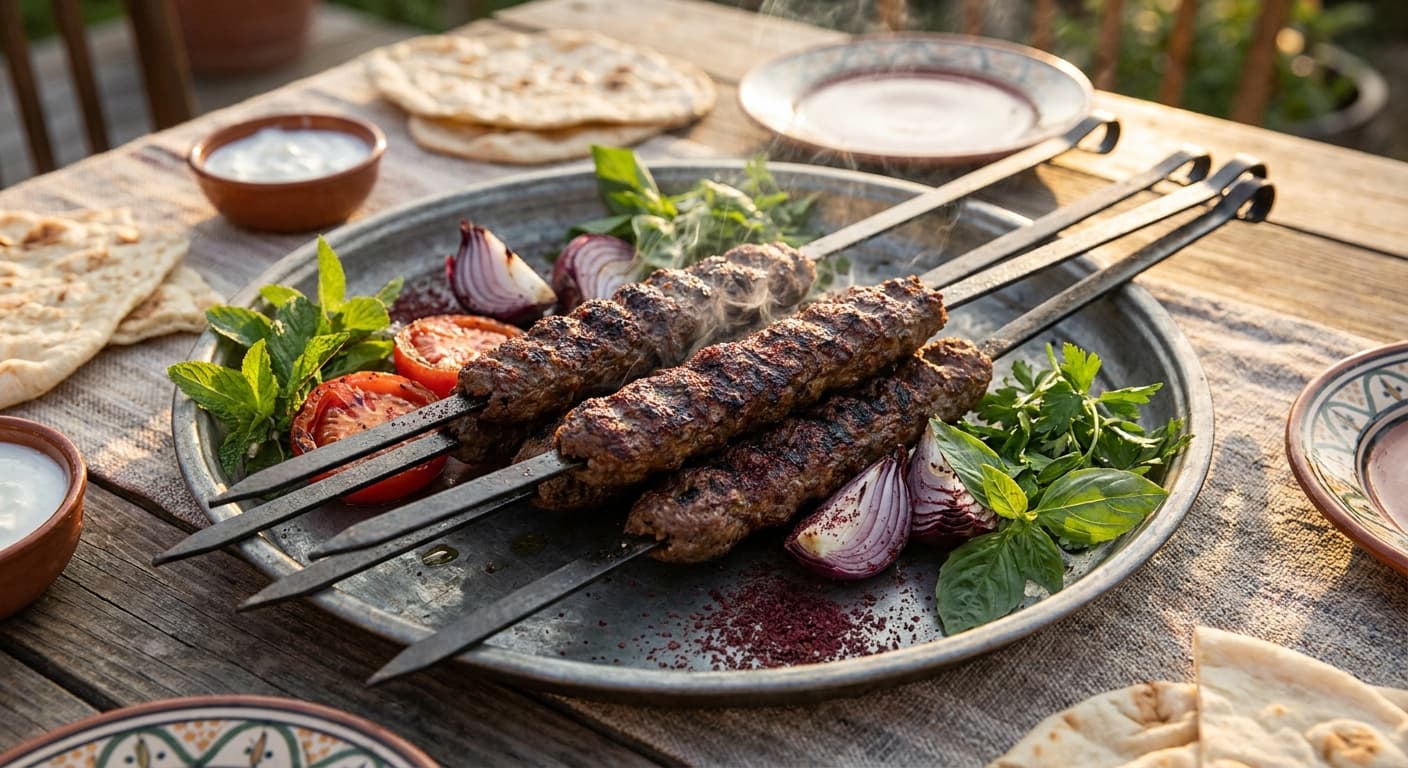
Authentic Kabab Koobideh (کباب کوبیده) — Persian Minced Lamb Skewers
Persian · Kebabs · 40 min
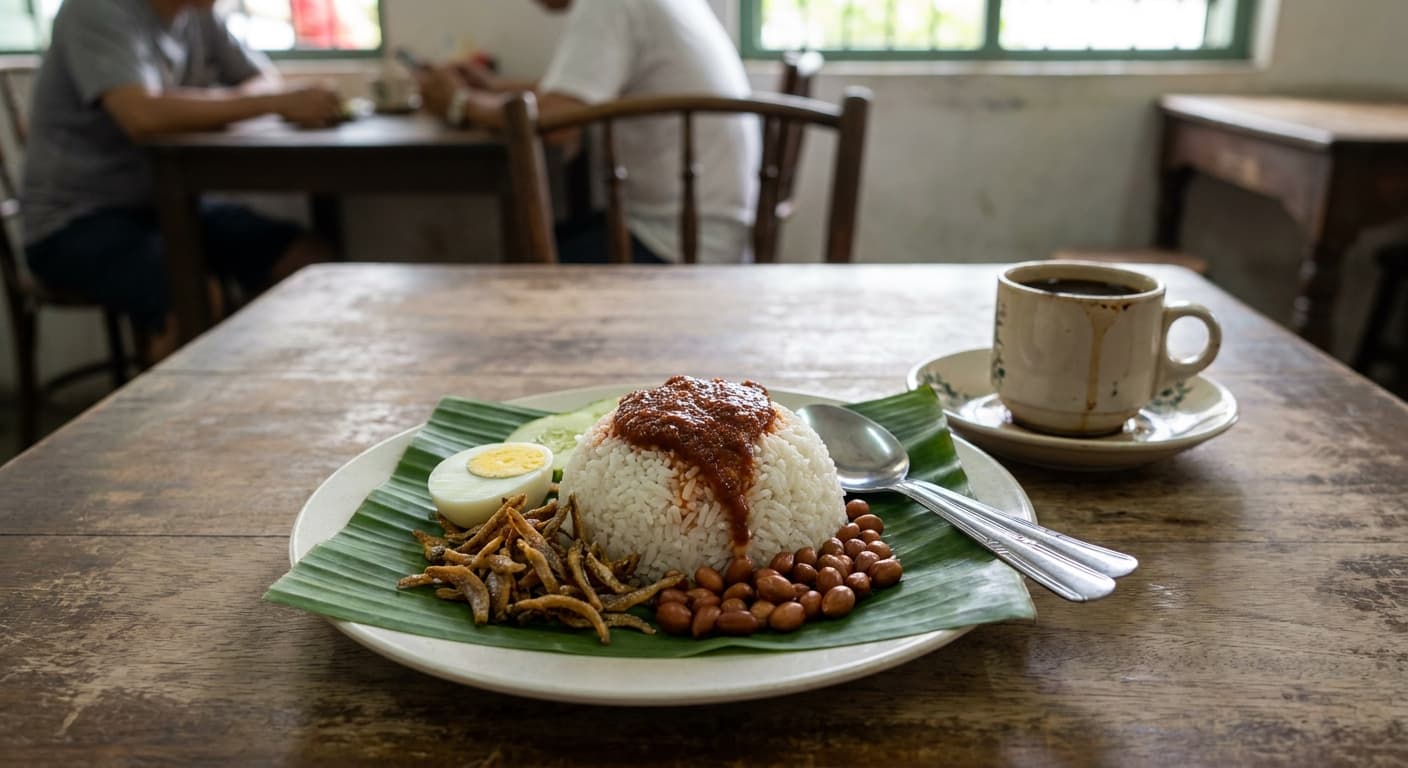
Nasi Lemak (Nasi Lemak) — Coconut Rice with Sambal and Classic Garnishes
Malaysian · Rice Dishes · 90 min
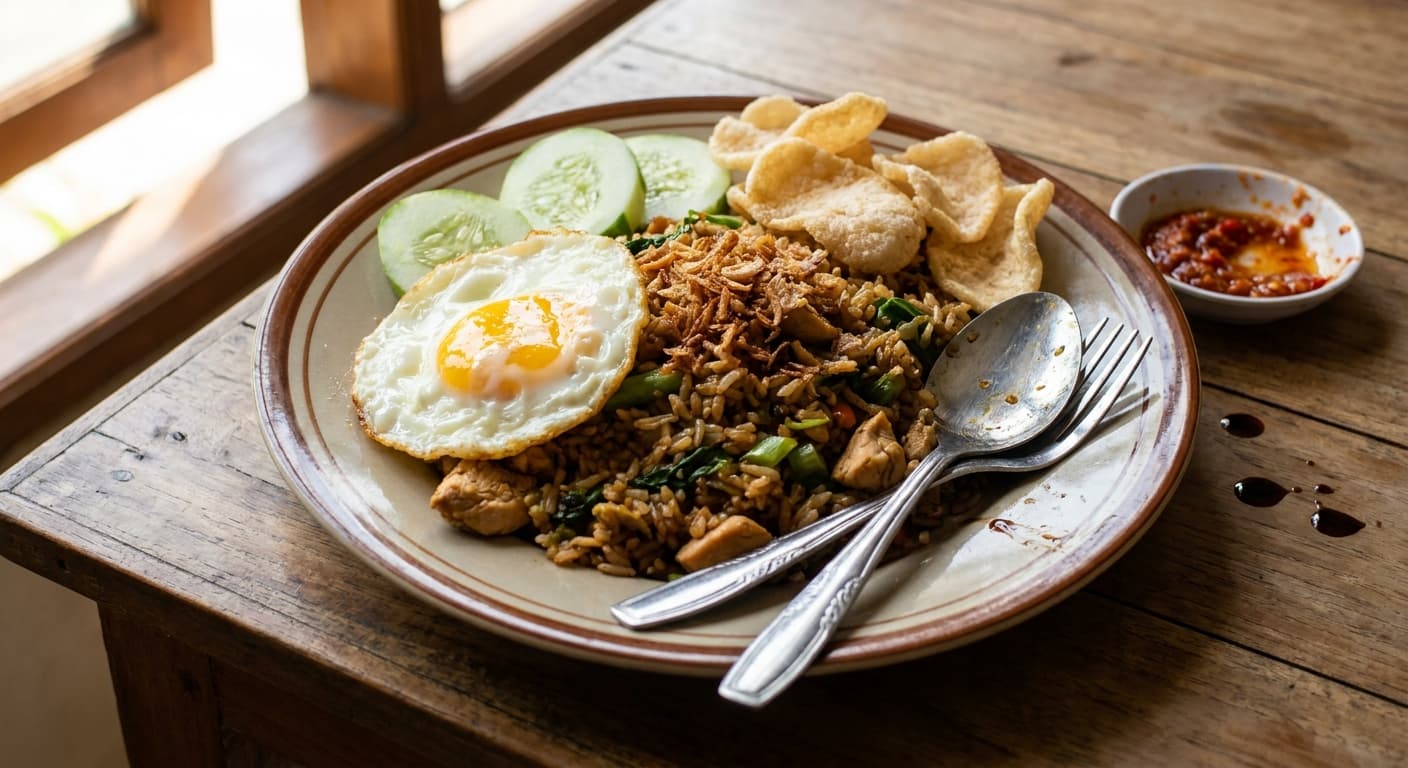
Indonesian Fried Rice (Nasi Goreng) — Sweet Soy Street-Style Rice
Indonesian · Rice Dishes · 35 min
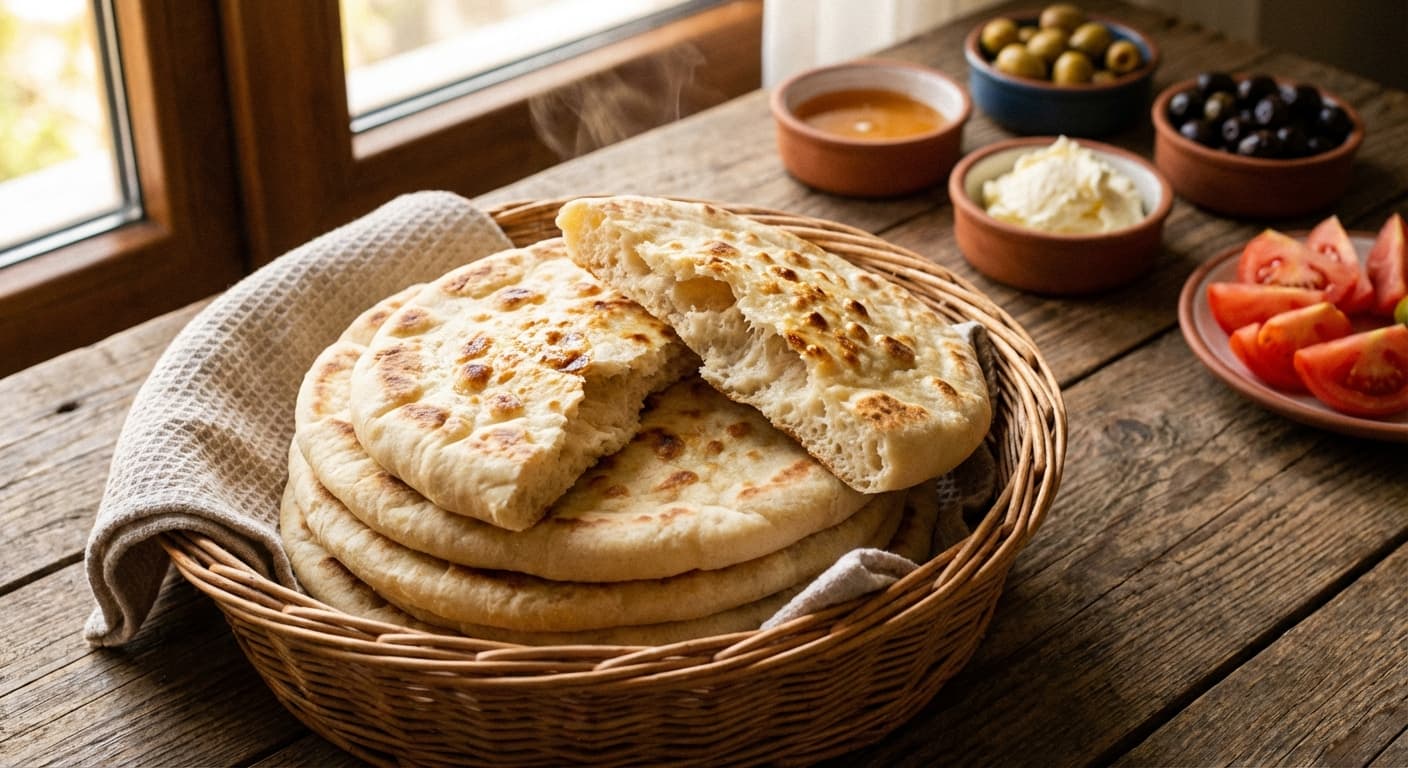
Bazlama (بازلاما) — Puffy Turkish Village Flatbread Cooked on a Saj
Turkish · Breads · 38 min
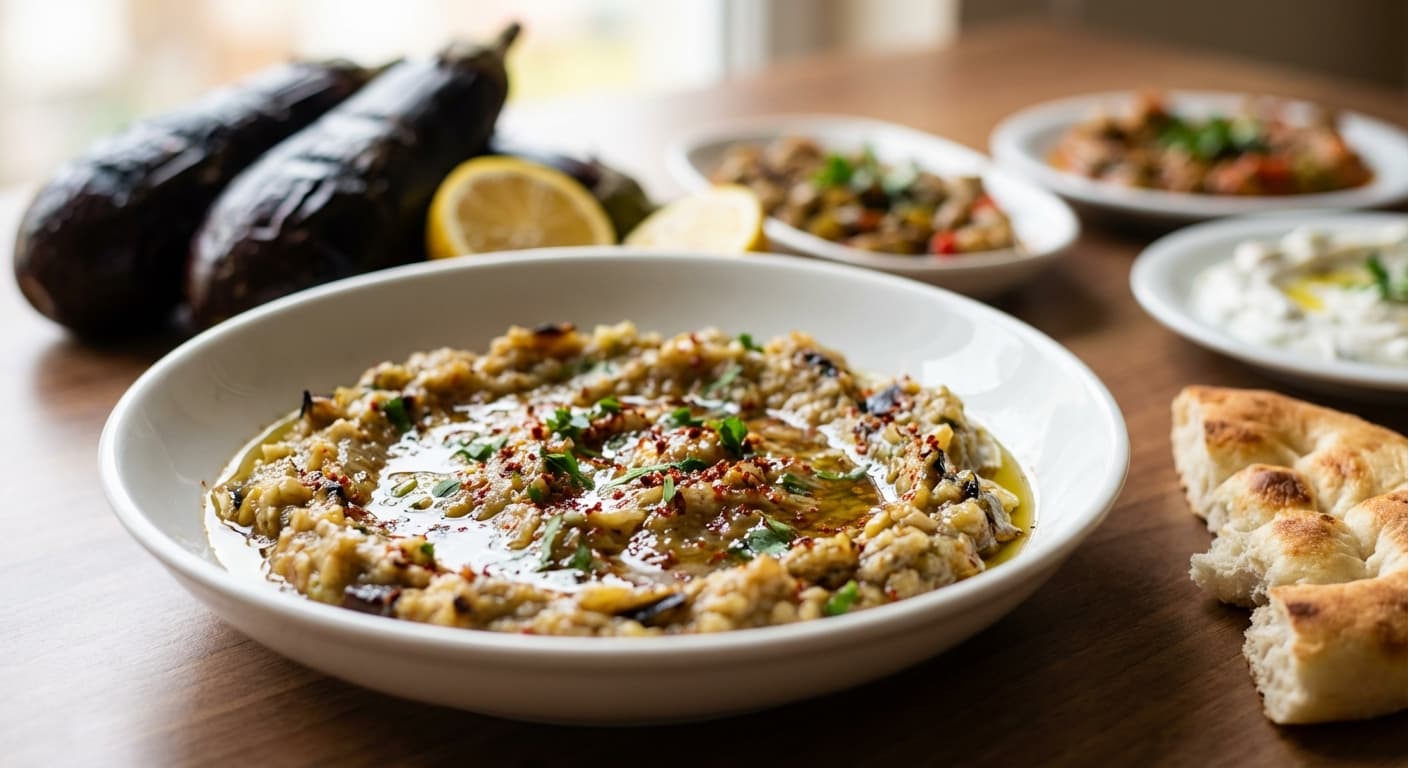
Smoky Eggplant Salad (Patlıcan Salatası) — Turkish charred eggplant with garlic and olive oil
Turkish · Salads · 40 min
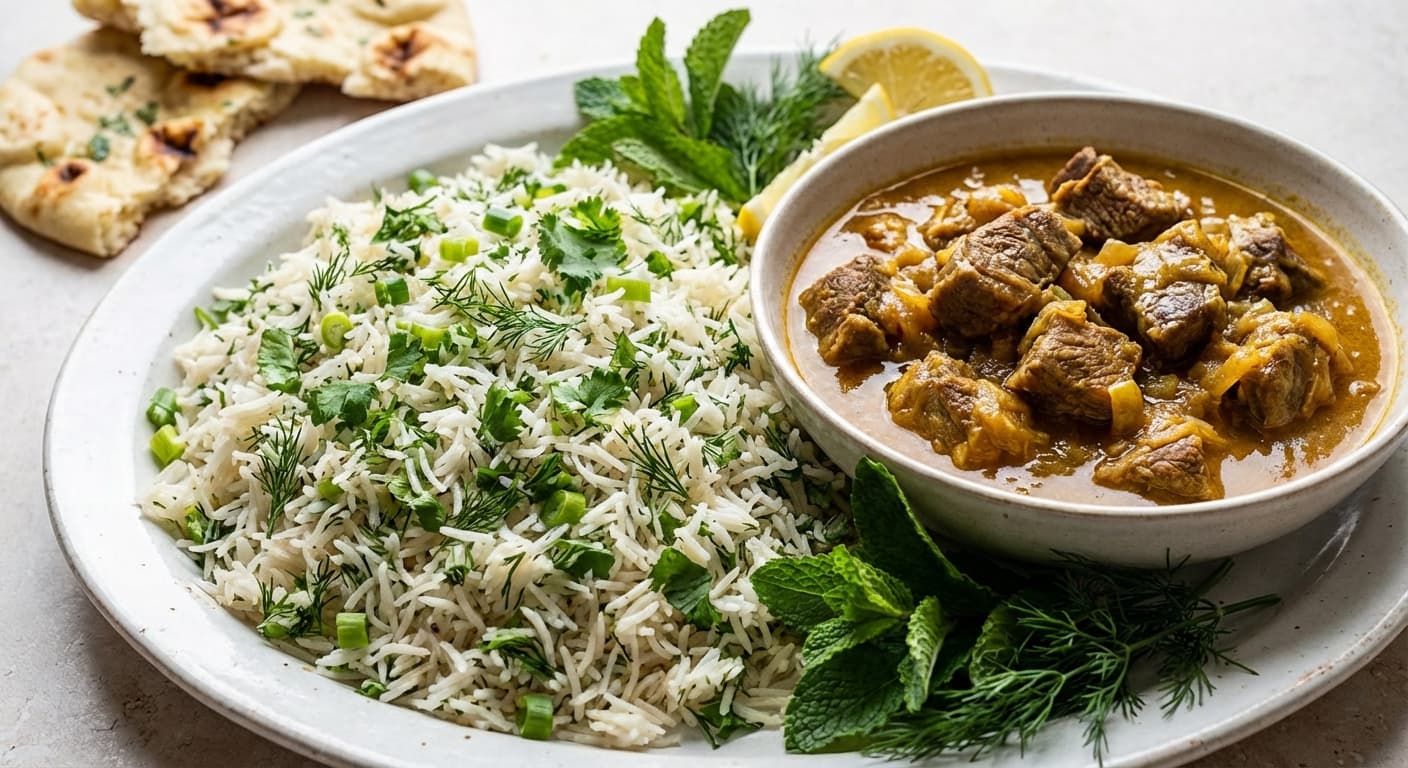
Sabzi Chalaw (سبزی چلو) — Afghan Herb Rice with Meat Stew
Afghan · Rice Dishes · 130 min
Reviews
Cooked this recipe?
Tap the stars to rate it — that's all it takes. A few words are welcome but optional.
No ratings yet. Cooked this one? Be the first to rate it — it takes one tap.