Preserved Lemons (حامض مرقد) — Moroccan Salt-Cured Lemons for Tagines
A cornerstone of Moroccan cooking, salt-cured preserved lemons add bright, floral acidity to tagines, salads, and marinades. The peel becomes silky and aromatic as it ferments in its own juice, creating a signature North African depth.
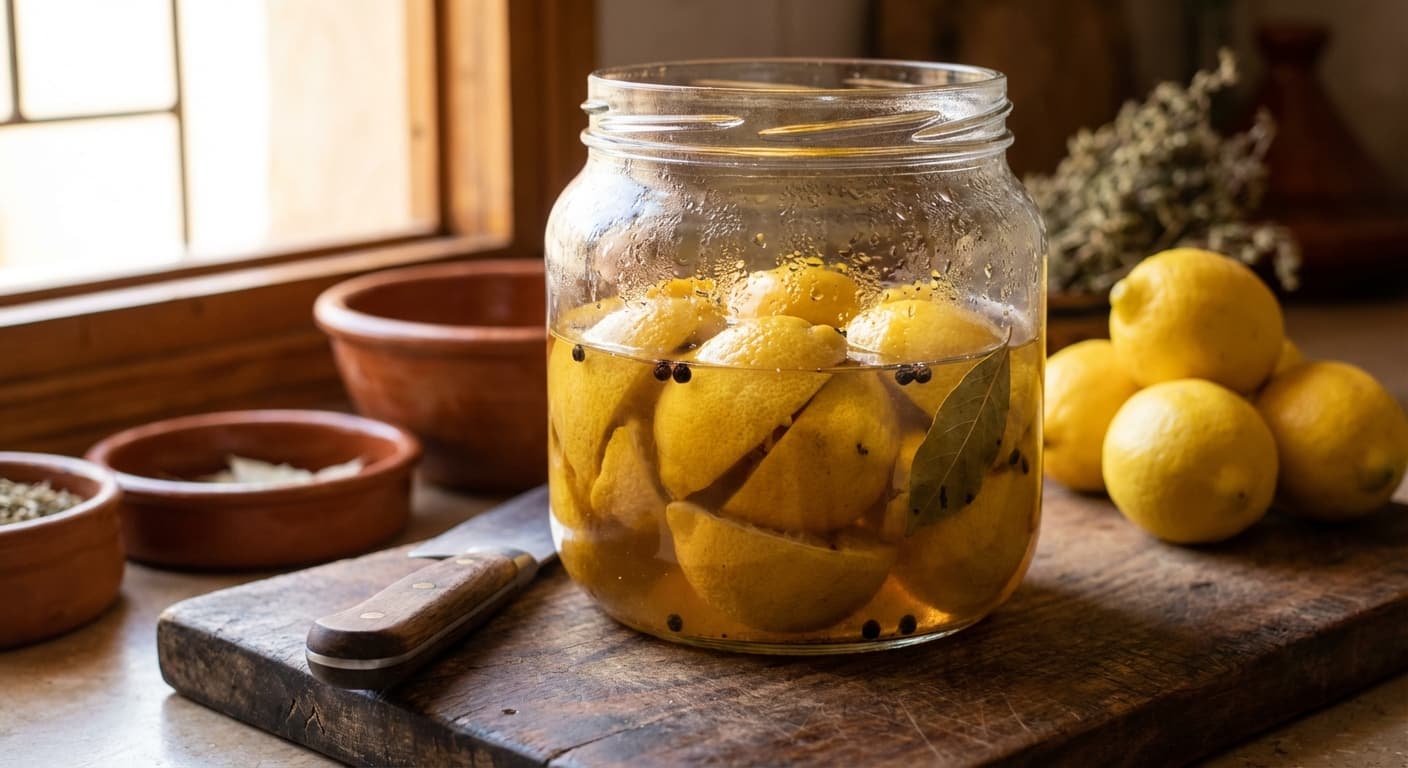
Printable Recipe Card
Servings: 24 · Total: 20 min · Difficulty: easy
Ingredients (quick list)
- 8 unwaxed lemons (preferably thin-skinned; about 900 g total)
- 180 g kosher salt (plus 10 g for the jar)
- 240 ml fresh lemon juice (from additional lemons if needed to fully submerge)
- 2 leaf bay leaf
- 1 tsp black peppercorns
- 1 tsp coriander seeds
- 1 stick cinnamon stick (about 5 cm)
Steps (summary)
- Sterilize a 1-liter glass jar and lid, then let them dry completely. Any lingering moisture can dilute the brine and slow ferme…
- Scrub the lemons under warm running water for 30 seconds each, then dry them well. Trim a thin slice off the stem end of each l…
- Cut each lemon lengthwise into quarters without cutting all the way through, leaving about 1.5 cm intact at the base so it open…
- Sprinkle 10 g of salt into the bottom of the jar, then add a few optional aromatics if using. Pack the salted lemons tightly in…
- Pour in fresh lemon juice until the lemons are fully submerged, leaving about 1.5 cm headspace at the top. The lemons must stay…
- Seal the jar and let it stand at cool room temperature (18–22°C) for 7 days, turning the jar upside down and back once daily to…
+ 2 more steps in the full instructions section below.
Cultural Background
Preserved lemons are a Moroccan pantry essential, traditionally cured in salt and juice to capture citrus at its peak. Their perfumed peel defines iconic tagines and salads, linking home kitchens with centuries of North African preservation craft.
Equipment
💡 Tips
- Choose unwaxed, thin-skinned lemons; thicker peels take longer than 4 weeks to become tender.
- Keep all lemon pieces fully submerged; if needed, add 60–120 ml extra lemon juice to maintain a complete cover of liquid.
- For cleaner flavor in delicate dishes, rinse the preserved peel for 10 seconds and pat dry before chopping.
⚠️ Common Mistakes
❌ Lemons float above the brine during the first week.
✅ Fix: Press them down daily and add 60–120 ml more lemon juice so all pieces remain fully submerged.
❌ Using iodized salt leads to harsh flavor and cloudy brine.
✅ Fix: Use kosher or non-iodized sea salt measured by weight for clean fermentation.
❌ Peel stays tough after 4 weeks.
✅ Fix: Cure 1–2 more weeks in the refrigerator and use thinner-skinned lemons next time.
🧊 How to Store
Store sealed preserved lemons in the refrigerator with all pieces submerged in brine. They keep 6 months with clean utensil handling; if brine level drops, top up with lemon juice. To reheat in dishes, add near the end so the aroma stays bright.
📅 Make Ahead
Preserved lemons are designed for make-ahead cooking: start them 4 weeks before you need them. Once cured, keep the jar refrigerated and use small amounts of peel over months for quick flavor in weeknight tagines and dressings.
🍽️ Pairs Well With
- Chicken tagine with olives
- lamb tagine with prunes
- couscous
- lentil salad
- grilled fish
- chermoula.
Regional Variations
- Some Moroccan households add a small cinnamon stick and bay leaf for a warmer, tagine-friendly aroma.
- In coastal areas, preserved lemon is often paired with peppercorns and coriander seed to complement fish tagines.
- A quicker style uses extra lemon juice and very thin-skinned lemons, reaching usable tenderness in about 3 weeks.
Ingredients
- 8unwaxed lemons (preferably thin-skinned; about 900 g total)
- 180 gkosher salt (plus 10 g for the jar)
- 240 mlfresh lemon juice (from additional lemons if needed to fully submerge)
- 2 leafbay leaf
- 1 tspblack peppercorns
- 1 tspcoriander seeds
- 1 stickcinnamon stick (about 5 cm)
🔄 Substitutions
- kosher salt→
- unwaxed lemons→
Instructions
- 1
Sterilize a 1-liter glass jar and lid, then let them dry completely. Any lingering moisture can dilute the brine and slow fermentation, so make sure the jar is truly dry.
- 2
Scrub the lemons under warm running water for 30 seconds each, then dry them well. Trim a thin slice off the stem end of each lemon so it sits flat and exposes fresh flesh.
- 3
Cut each lemon lengthwise into quarters without cutting all the way through, leaving about 1.5 cm intact at the base so it opens like a flower. Open the lemon gently and pack 20 g of kosher salt inside each lemon, pressing the salt into the cuts so it contacts the flesh.
- 4
Sprinkle 10 g of salt into the bottom of the jar, then add a few optional aromatics if using. Pack the salted lemons tightly into the jar, pressing down firmly with a clean spoon to start releasing juice and to eliminate air pockets.
- 5
Pour in fresh lemon juice until the lemons are fully submerged, leaving about 1.5 cm headspace at the top. The lemons must stay under liquid to ferment safely, so press them down again and add more juice if any pieces float above the surface.
- 6
Seal the jar and let it stand at cool room temperature (18–22°C) for 7 days, turning the jar upside down and back once daily to redistribute salt and juice. Each day, check that the lemons remain submerged; if needed, open the jar and press them down with a clean utensil.
- 7
After 7 days, move the jar to the refrigerator and cure for at least 21 more days for the peel to become tender and fragrant. The preserved lemons are best after 4 weeks total, when the peel is soft enough to chop and the flavor is rounded and complex.
- 8
To use, remove a lemon quarter with a clean fork and rinse it under cool water for 5 seconds to remove excess surface salt. Discard the pulp if desired and finely chop the peel for tagines, sauces, salads, or marinades, then return remaining lemons to the jar with everything kept submerged.
🪪 Recipe Passport
Cultural Background
Preserved lemons are a Moroccan pantry essential, traditionally cured in salt and juice to capture citrus at its peak. Their perfumed peel defines iconic tagines and salads, linking home kitchens with centuries of North African preservation craft.
Regional Variations
Researched from multiple sources and validated by the Zaffaron editorial team. Every recipe is tested for accuracy, measurements, and cultural authenticity.
Nutrition per serving
Pairs well with
If you enjoyed this recipe, here are a few related Zaffaron recipes to try next.
Does your family make this differently?
Every family has their own version. Maybe your grandmother adds a secret ingredient, or your aunt has a completely different technique. Preserve your family's version — with their name on it, forever.
You Might Also Like
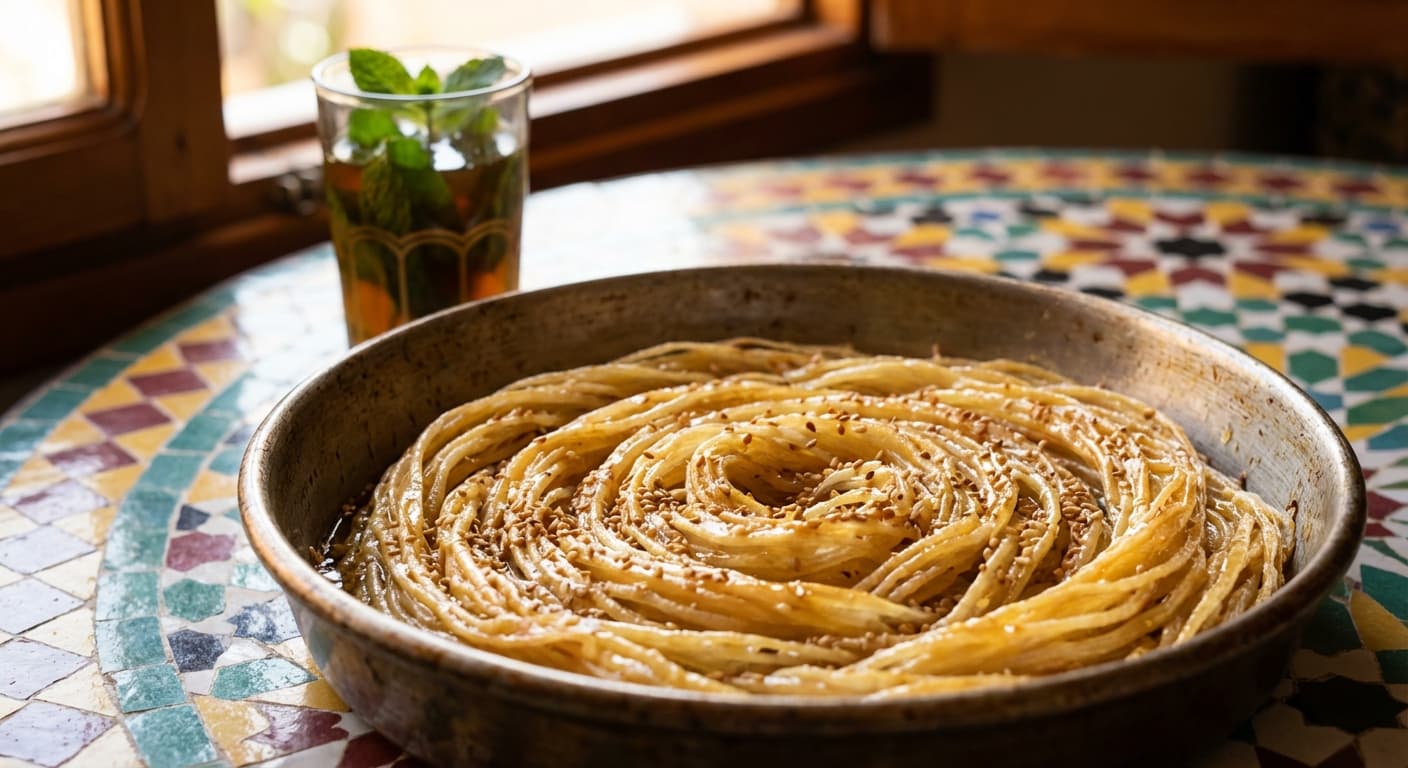
Rziza (رزيزة) — Moroccan Honeyed Braided Pastry Threads, Richly Buttery
Moroccan · Desserts · 95 min

Briwat bil Louz (بريوات باللوز) — Moroccan Almond-filled Briouats Dipped in Honey
Moroccan · Desserts · 70 min
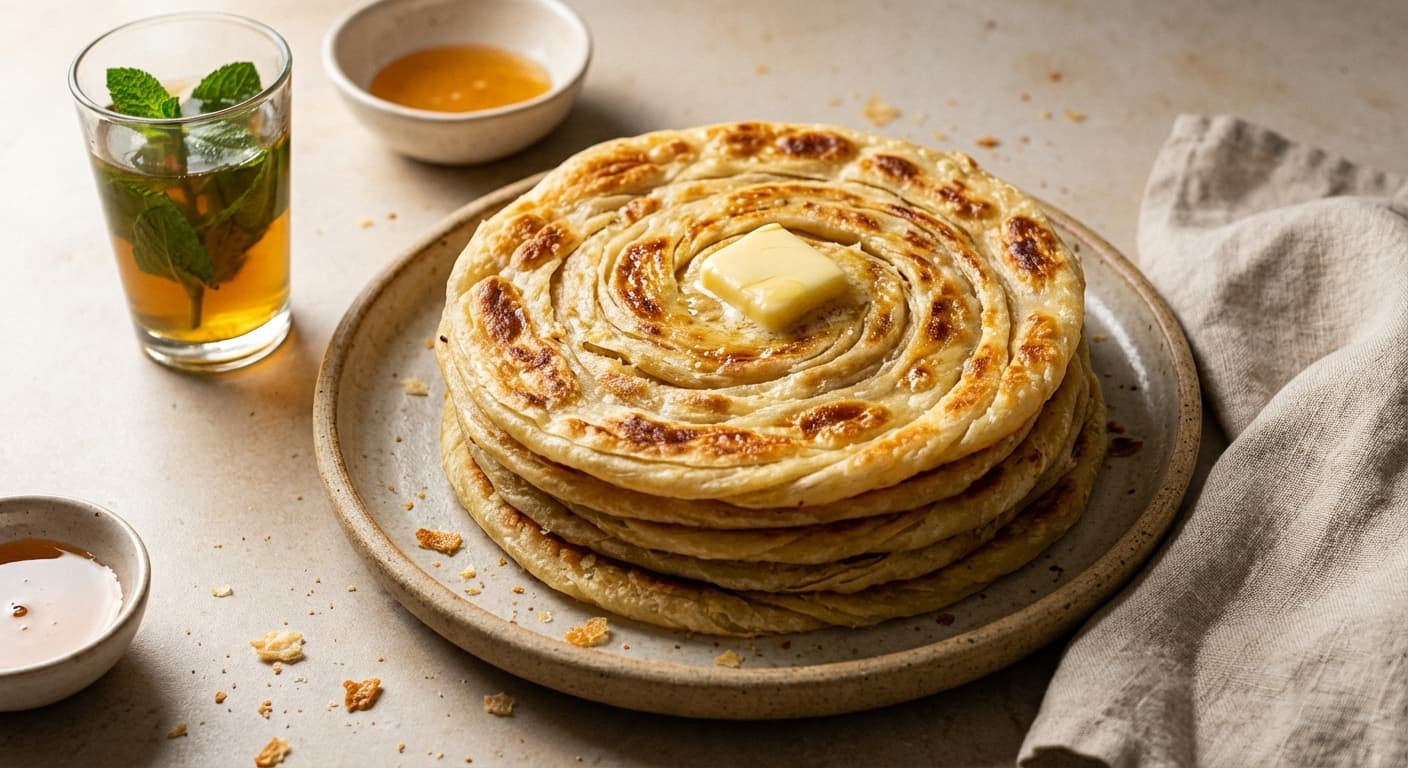
Mlaoui (ملوي) — Moroccan Coiled Msemen Bread with Buttery Layers
Moroccan · Breads · 60 min
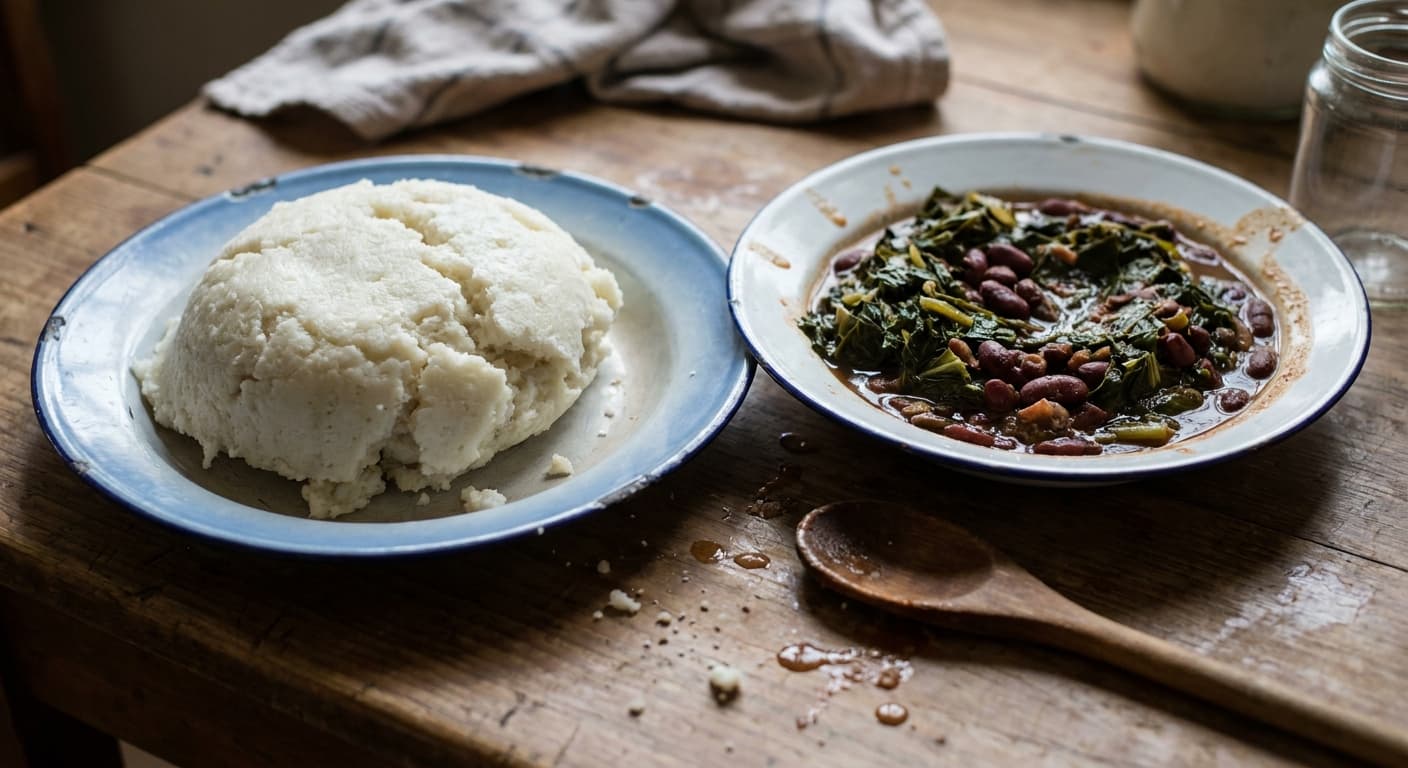
Tanzanian Ugali (Ugali) — Firm Cornmeal Porridge
Tanzanian · Side Dishes · 23 min
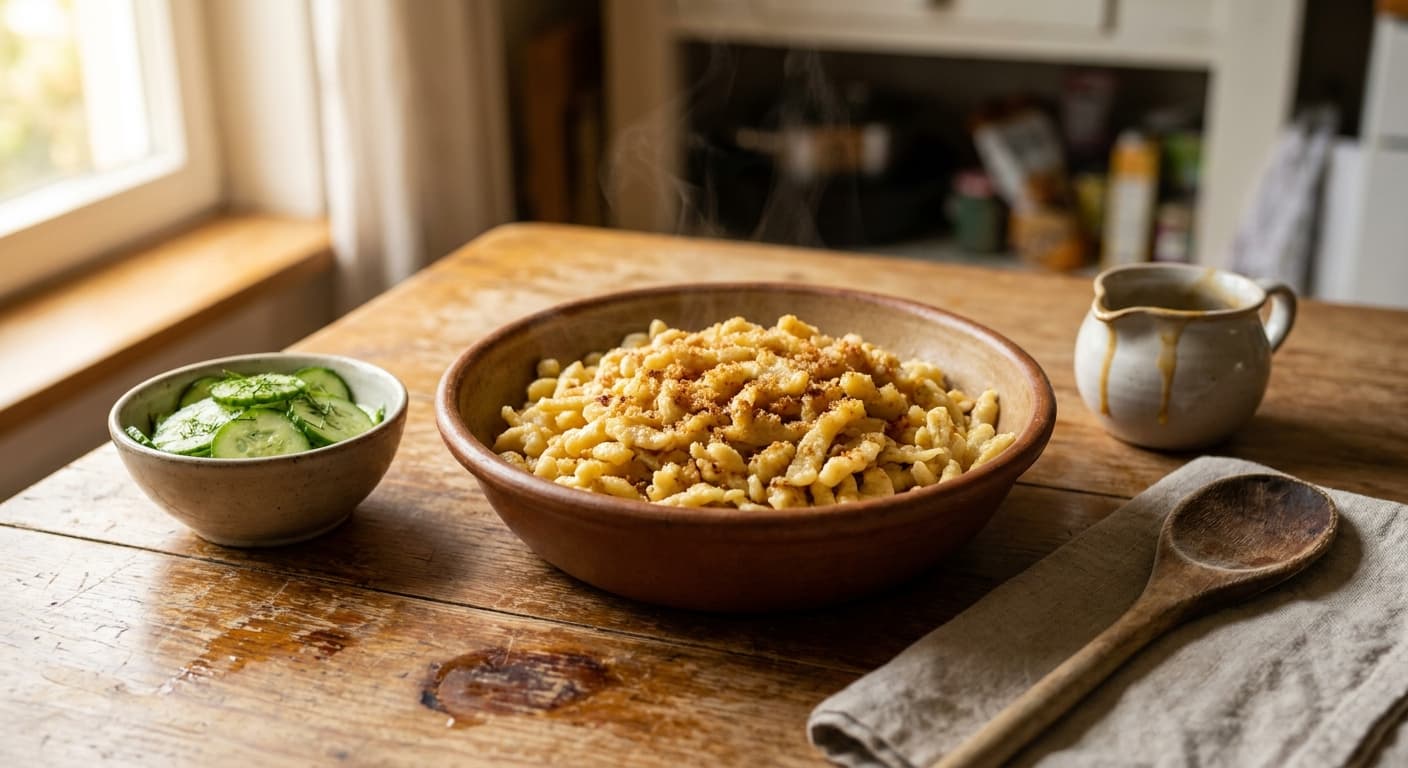
Spaetzle (Spätzle) — Tender German Egg Noodles
German · Side Dishes · 30 min
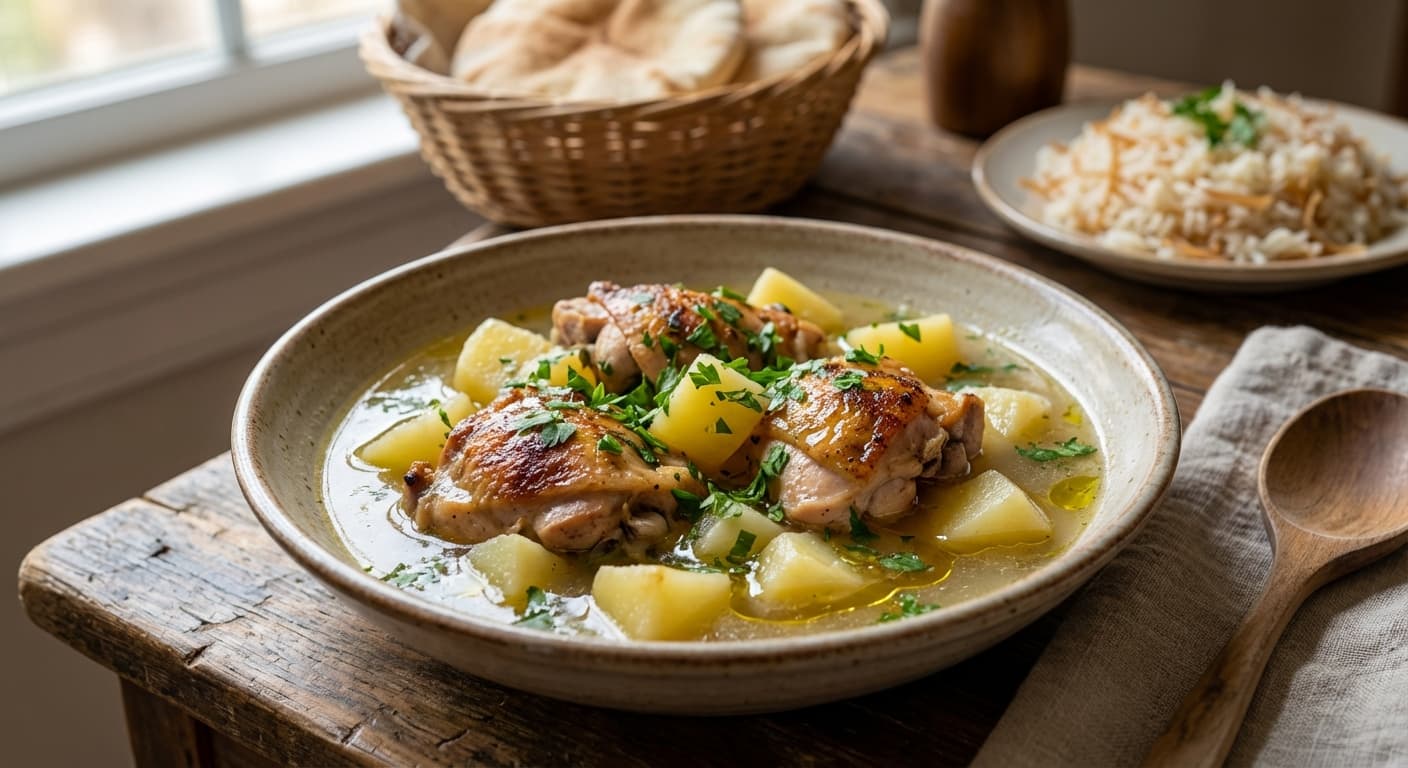
Djej Bi Batata (دجاج ببطاطا) — Lebanese Chicken Stew with Potatoes and Garlic
Lebanese · Stews · 75 min
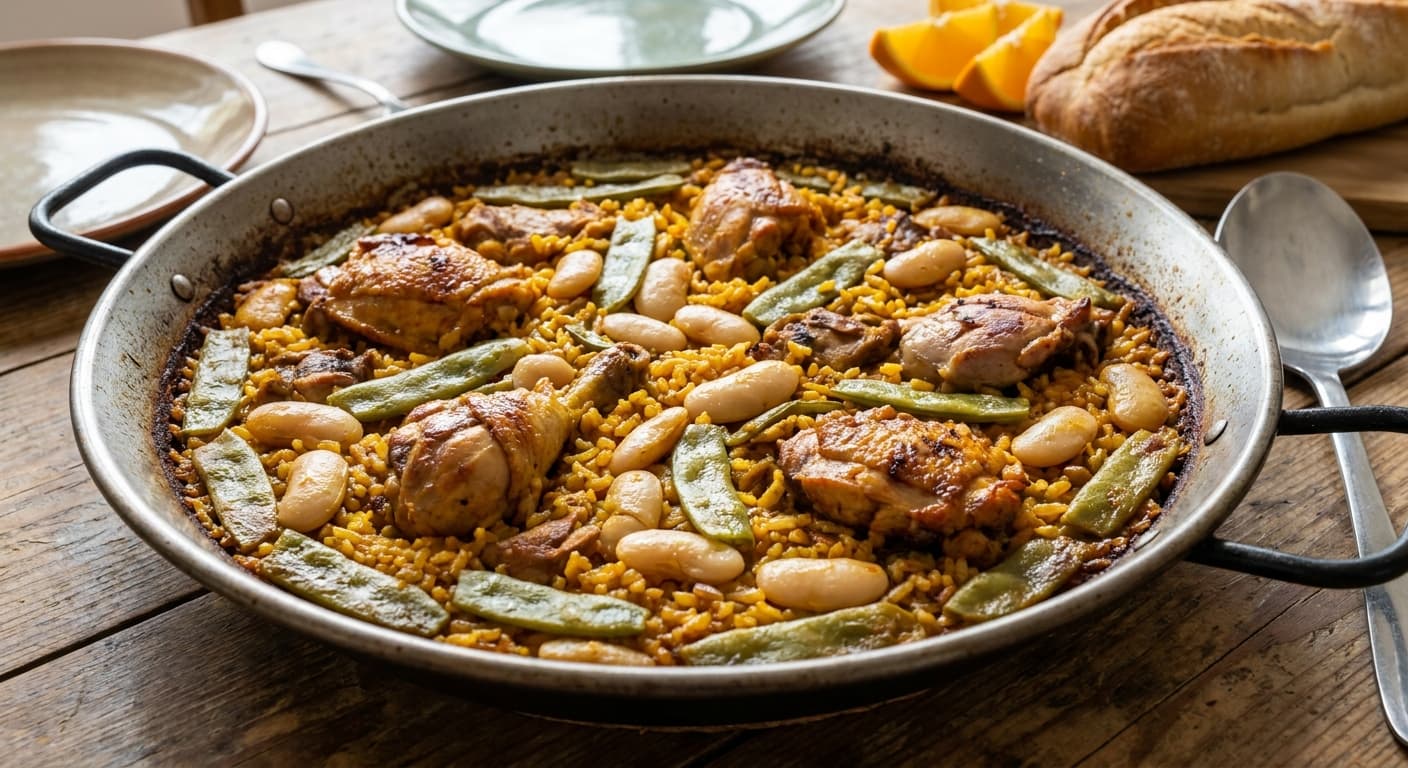
Valencian Paella (Paella Valenciana) — Saffron Rice with Rabbit, Chicken, and Beans
Spanish · Rice Dishes · 70 min
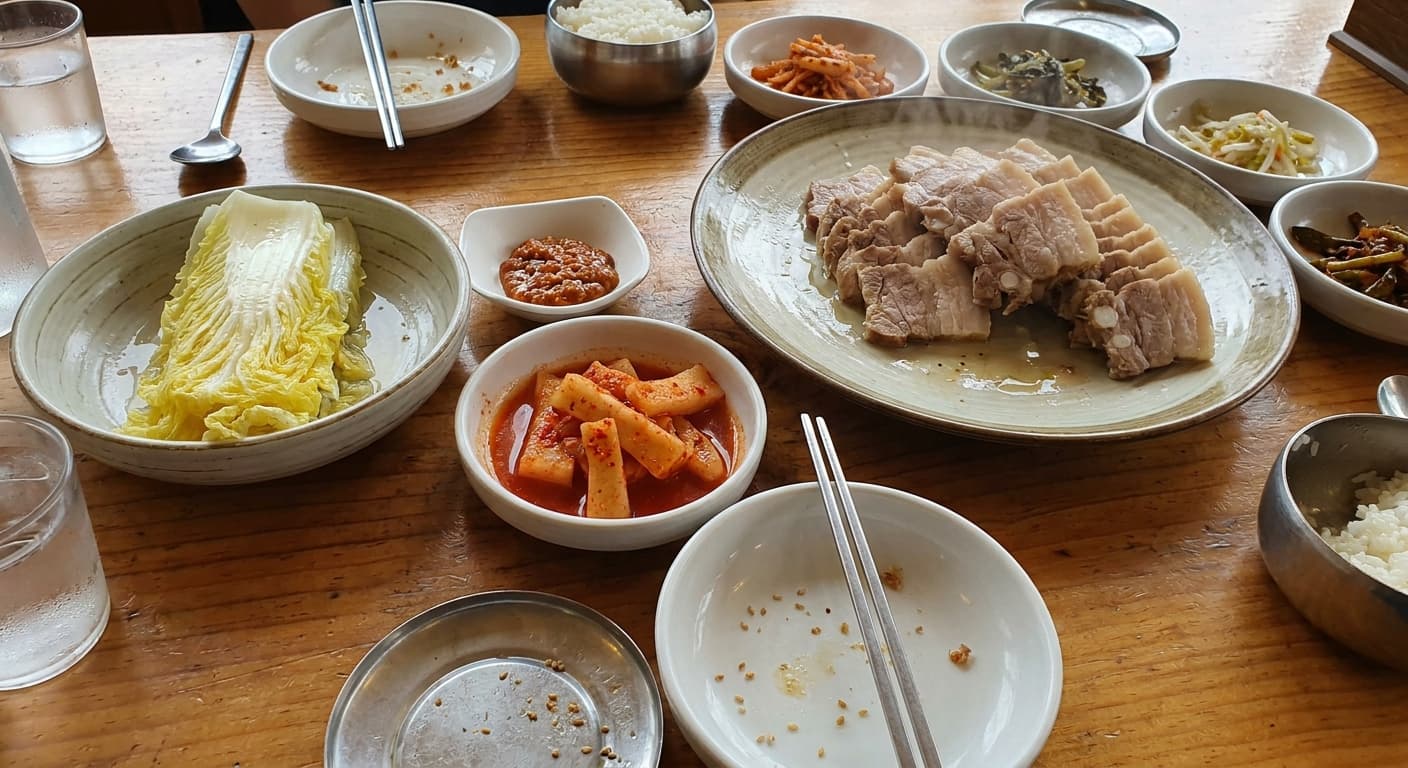
Bossam (보쌈) — Korean Boiled Pork Lettuce Wraps
Korean · Main Courses · 135 min
Reviews
Cooked this recipe?
Tap the stars to rate it — that's all it takes. A few words are welcome but optional.
No ratings yet. Cooked this one? Be the first to rate it — it takes one tap.