Zemita (زمّيطا) — Moroccan Roasted Flour Energy Porridge
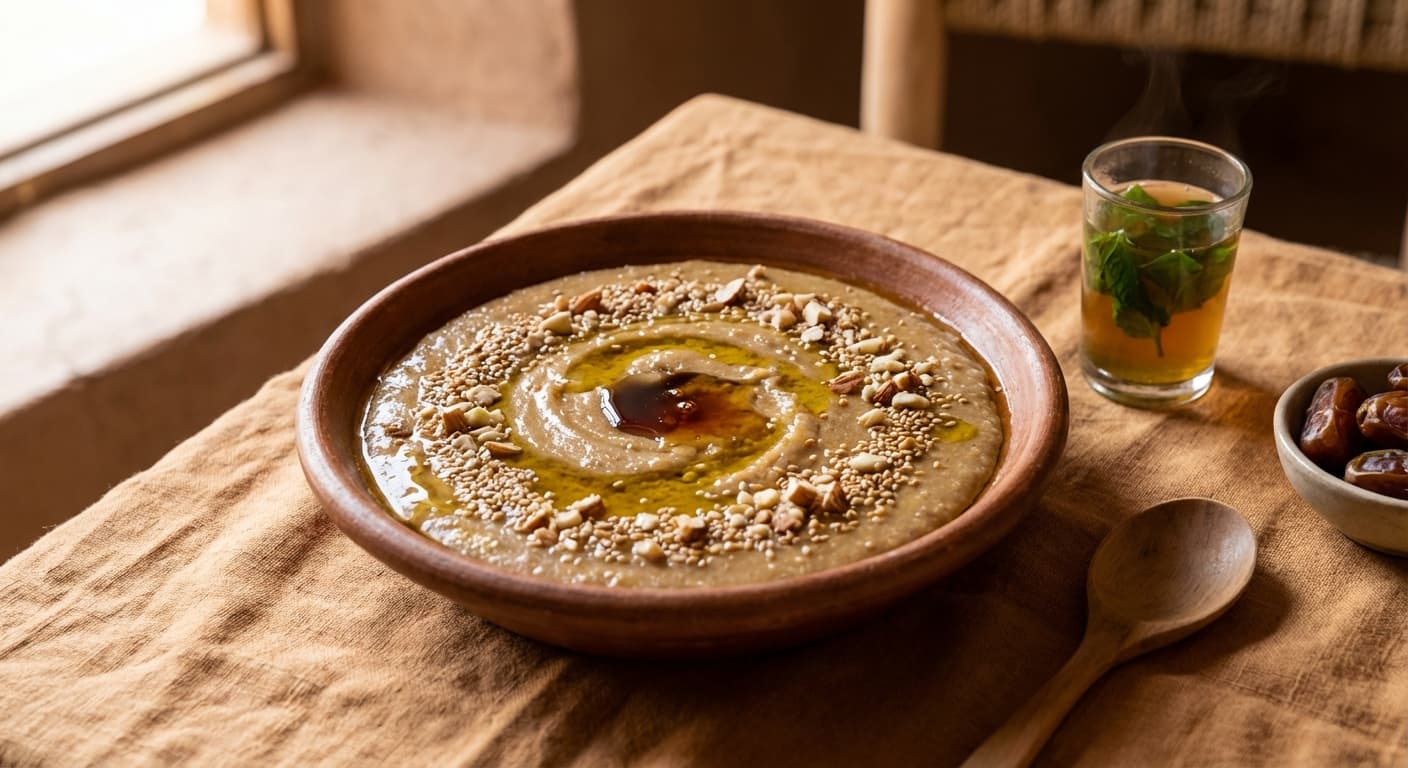
Zemita is a Saharan Moroccan staple made from deeply toasted flour mixed with oil and honey into a nourishing porridge. Traditionally carried for travel and hard work, it delivers long-lasting energy with simple pantry ingredients.
Printable Recipe Card
Servings: 4 · Total: 30 min · Difficulty: medium
Ingredients (quick list)
- 220 g all-purpose wheat flour (sifted)
- 1.5 tsp fine sea salt (about 9 g)
- 1 tsp ground cumin (optional but traditional in some Saharan households)
- 0.5 tsp ground anise (optional)
- 0.5 tsp ground cinnamon (optional)
- 80 ml extra-virgin olive oil (plus 20 ml for serving)
- 120 g honey (preferably floral honey)
- 240 ml warm water (about 45–55°C)
- 20 g toasted sesame seeds (optional)
- 30 g blanched almonds (lightly toasted and crushed, optional)
Steps (summary)
- Set a heavy skillet over medium-low heat and add the sifted flour. Stir constantly with a wooden spoon, scraping the corners so…
- Transfer the hot toasted flour to a wide bowl to stop the cooking. Whisk in the salt and any optional spices while the flour is…
- Add 80 ml olive oil and rub it into the toasted flour using your fingertips until the texture looks like damp sand. This step c…
- Pour in the honey and mix thoroughly until the mixture darkens and becomes cohesive. Drizzle in the warm water in 3 additions,…
- Spoon the zemita into a serving bowl and smooth the top with the back of a spoon. Drizzle the remaining 20 ml olive oil over th…
Cultural Background
In Morocco’s Saharan regions, zemita is valued as a portable, long-lasting food for travel, herding, and labor. The deep-roasted flour and oil reflect desert practicality, while honey or date syrup adds celebratory sweetness for guests and family gatherings.
Equipment
💡 Tips
- Roast the flour over medium-low heat and stir continuously for at least 12 minutes; a deeper toast gives better flavor and longer shelf life.
- Use warm (not boiling) water around 50°C so the mixture hydrates smoothly without turning gluey.
- For a silkier texture, pass the toasted flour through a fine sieve before mixing in oil and honey.
⚠️ Common Mistakes
❌ Roasting the flour on high heat, causing bitter scorched spots.
✅ Fix: Use medium-low heat and stir constantly; if you see dark flecks, sift the flour and reduce heat immediately.
❌ Adding water all at once and ending up with hard lumps.
✅ Fix: Add warm water in several additions and stir vigorously between pours to hydrate evenly.
❌ Making the mixture too loose so it turns soupy.
✅ Fix: Hold back the last 30–60 ml water and stop when it holds soft peaks; thicken by mixing in 10–20 g extra toasted flour if needed.
🧊 How to Store
Cool completely, then store zemita in an airtight container in the fridge for up to 5 days. To reheat, warm gently in a saucepan with 30–60 ml water per serving, stirring until smooth, then finish with a fresh drizzle of oil. It can also be eaten cold as a dense, energy-rich paste.
📅 Make Ahead
Roast the flour up to 2 weeks ahead and store it airtight at room temperature. When ready to serve, mix with oil and honey, then loosen with warm water in minutes. Garnishes can be toasted and crushed a day ahead.
🍽️ Pairs Well With
- Moroccan mint tea
- buttermilk (lben)
- dates
- fresh figs
- roasted almonds.
Regional Variations
- Saharan style: often kept simple with roasted flour, oil, salt, and honey for maximum portability.
- Argan-coast variation: finished with argan oil for a deeper roasted-nut aroma.
- Spiced household version: cumin, anise, and a pinch of cinnamon are added for warmth and digestion.
Ingredients
- 220 gall-purpose wheat flour (sifted)
- 1.5 tspfine sea salt (about 9 g)
- 1 tspground cumin (optional but traditional in some Saharan households)
- 0.5 tspground anise (optional)
- 0.5 tspground cinnamon (optional)
- 80 mlextra-virgin olive oil (plus 20 ml for serving)
- 120 ghoney (preferably floral honey)
- 240 mlwarm water (about 45–55°C)
- 20 gtoasted sesame seeds (optional)
- 30 gblanched almonds (lightly toasted and crushed, optional)
🔄 Substitutions
- all-purpose wheat flour→ whole wheat flour
- honey→ date syrup
- extra-virgin olive oil→ argan oil
- honey→ date syrup
Instructions
- 1
Set a heavy skillet over medium-low heat and add the sifted flour. Stir constantly with a wooden spoon, scraping the corners so the flour toasts evenly and does not scorch. Keep roasting until the color shifts to a deep beige with a nutty aroma, 12–18 minutes.
- 2
Transfer the hot toasted flour to a wide bowl to stop the cooking. Whisk in the salt and any optional spices while the flour is still warm so they disperse evenly. Let the mixture cool for 3 minutes so the honey and oil do not overheat when added.
- 3
Add 80 ml olive oil and rub it into the toasted flour using your fingertips until the texture looks like damp sand. This step coats the particles and creates the characteristic rich, spoonable body. Break up any lumps so the final porridge is smooth.
- 4
Pour in the honey and mix thoroughly until the mixture darkens and becomes cohesive. Drizzle in the warm water in 3 additions, stirring vigorously between each addition to prevent clumping. Stop once the zemita reaches a thick porridge consistency that holds soft peaks; you may not need every last drop depending on flour roast level.
- 5
Spoon the zemita into a serving bowl and smooth the top with the back of a spoon. Drizzle the remaining 20 ml olive oil over the surface and sprinkle with sesame seeds and crushed almonds if using. Serve warm or at room temperature, ideally with mint tea, and eat slowly as it is very filling.
🪪 Recipe Passport
Cultural Background
In Morocco’s Saharan regions, zemita is valued as a portable, long-lasting food for travel, herding, and labor. The deep-roasted flour and oil reflect desert practicality, while honey or date syrup adds celebratory sweetness for guests and family gatherings.
Regional Variations
Researched from multiple sources and validated by the Zaffaron editorial team. Every recipe is tested for accuracy, measurements, and cultural authenticity.
Nutrition per serving
Pairs well with
If you enjoyed this recipe, here are a few related Zaffaron recipes to try next.
Does your family make this differently?
Every family has their own version. Maybe your grandmother adds a secret ingredient, or your aunt has a completely different technique. Preserve your family's version — with their name on it, forever.
You Might Also Like
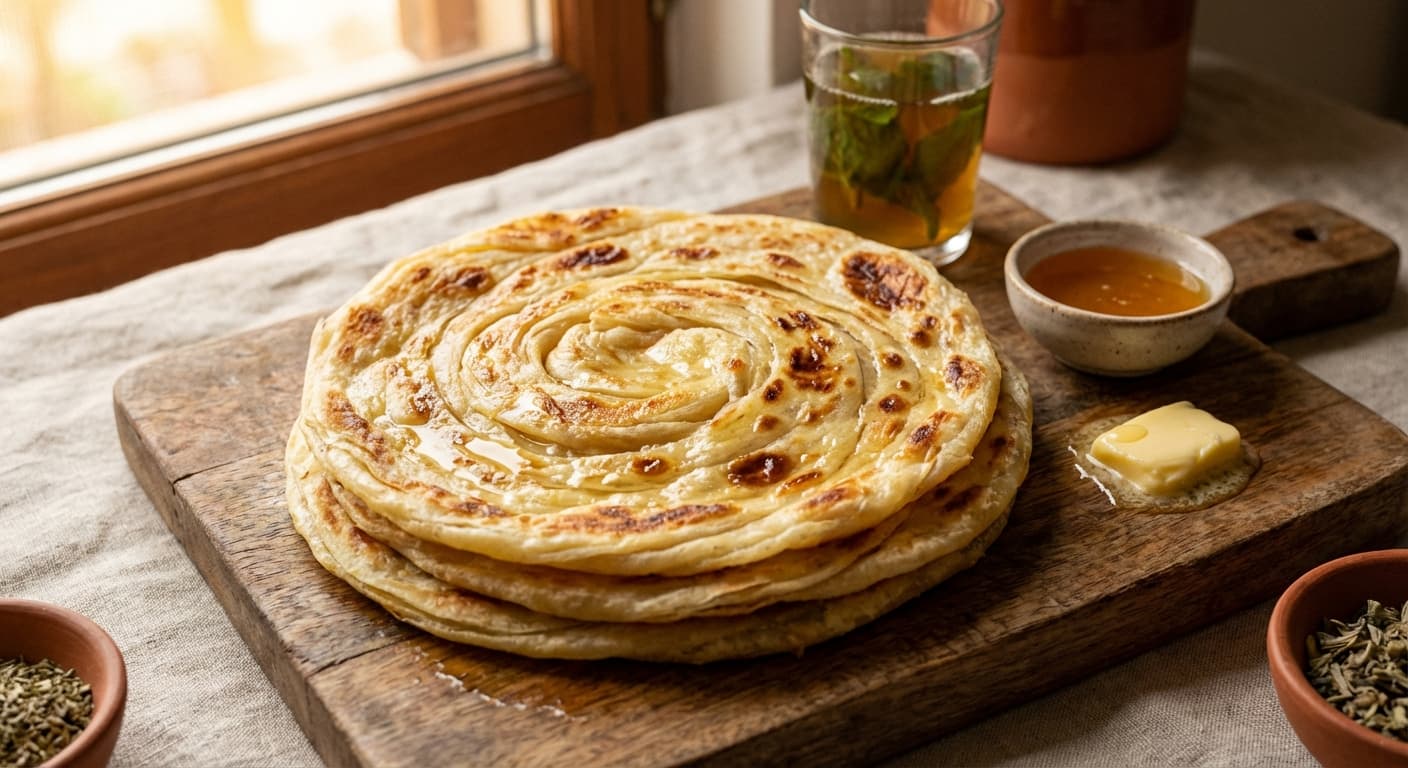
Meloui (ملوي) — Moroccan Spiral-Layered Pan-Fried Flatbread
Moroccan · Breads · 60 min
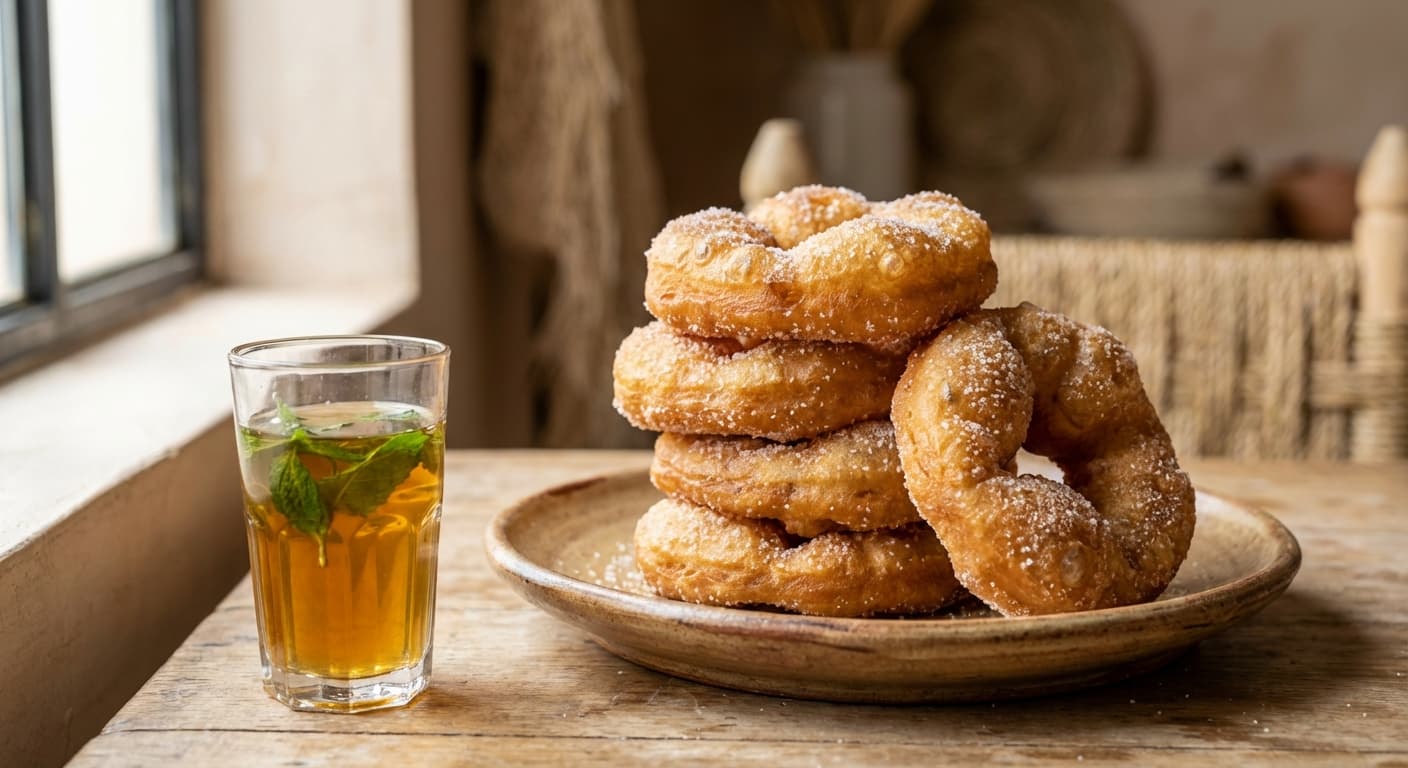
Sfenj (سفنج) — Moroccan Fried Doughnuts with Sugar
Moroccan · Desserts · 45 min
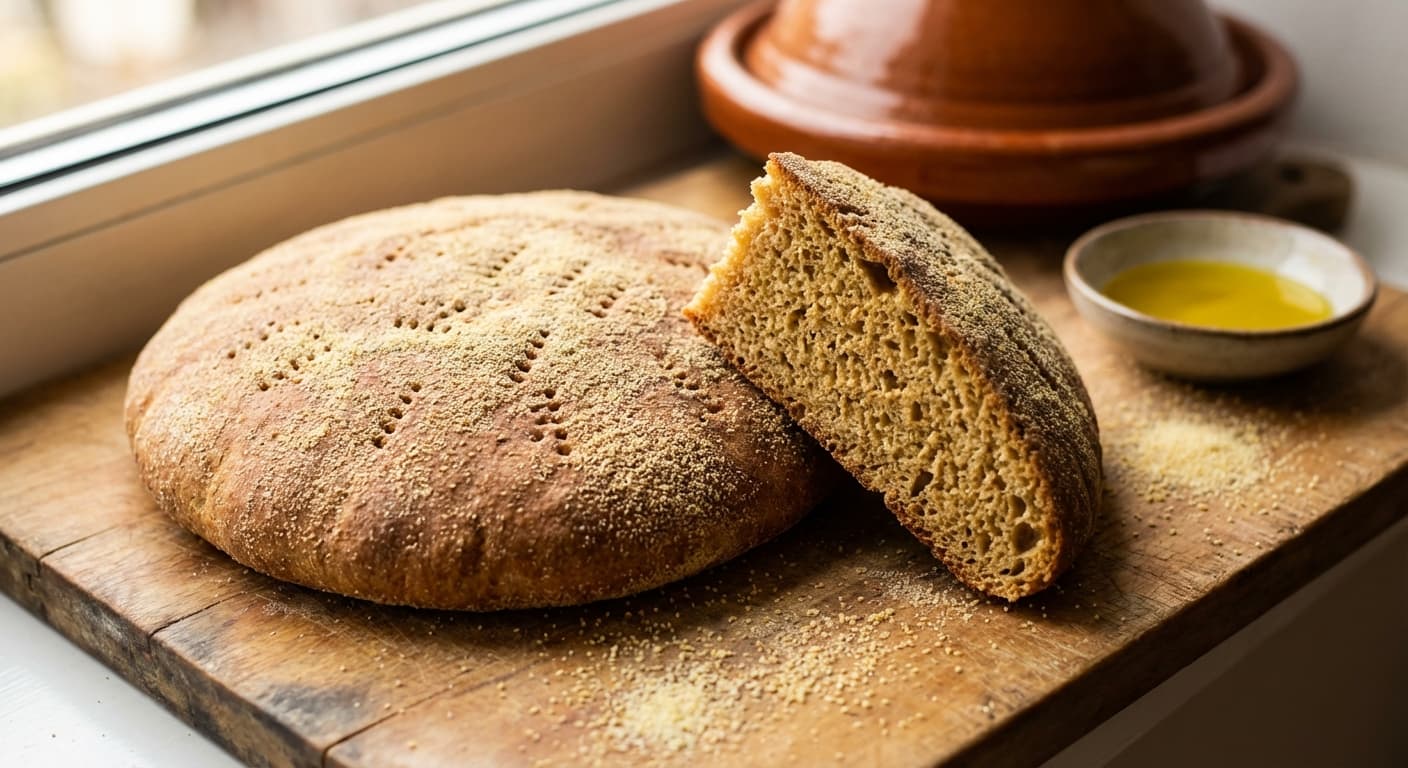
Khobz (خبز) — Moroccan Round Semolina Bread with a Golden Crust
Moroccan · Breads · 45 min
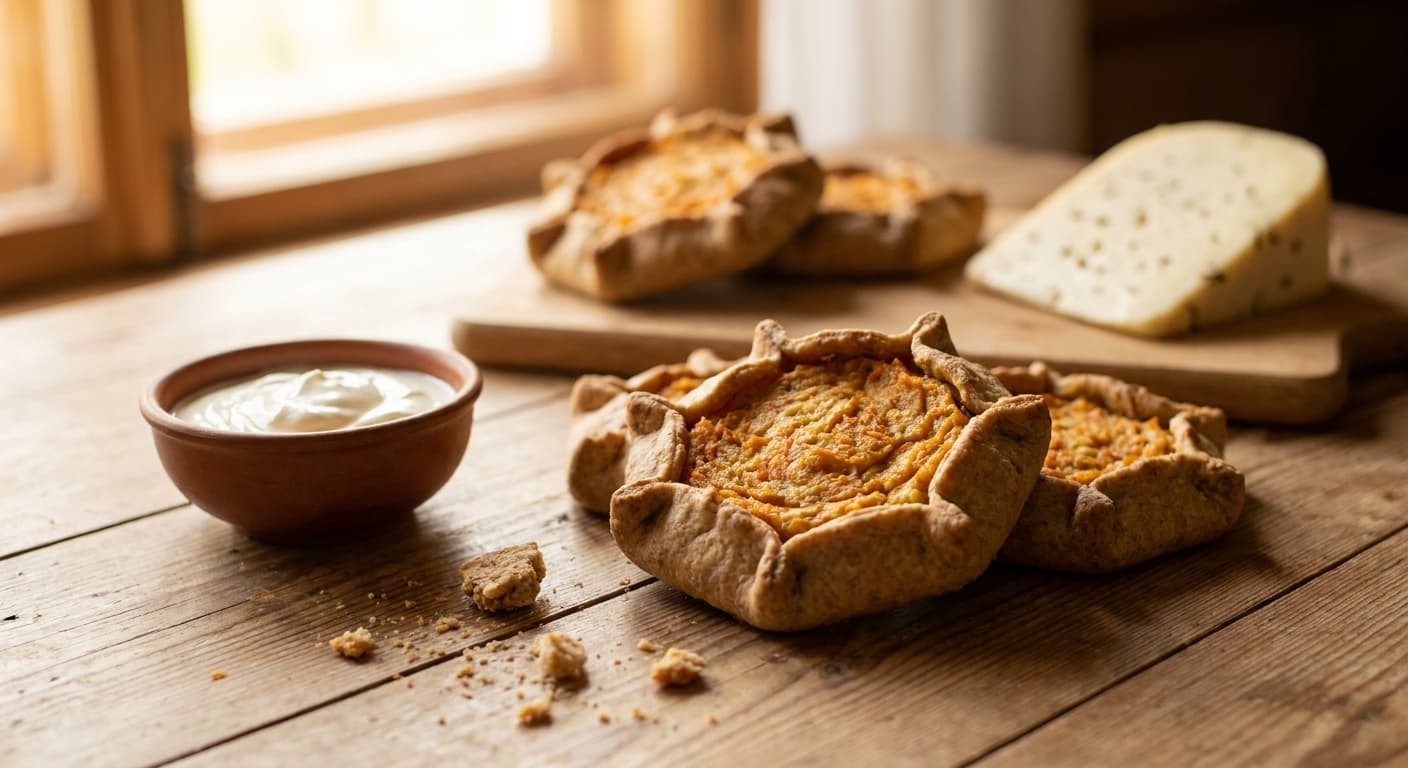
Sklandrausis (Sklandrausis) — Latvian Rye Carrot-Potato Tart
Latvian · Desserts · 100 min
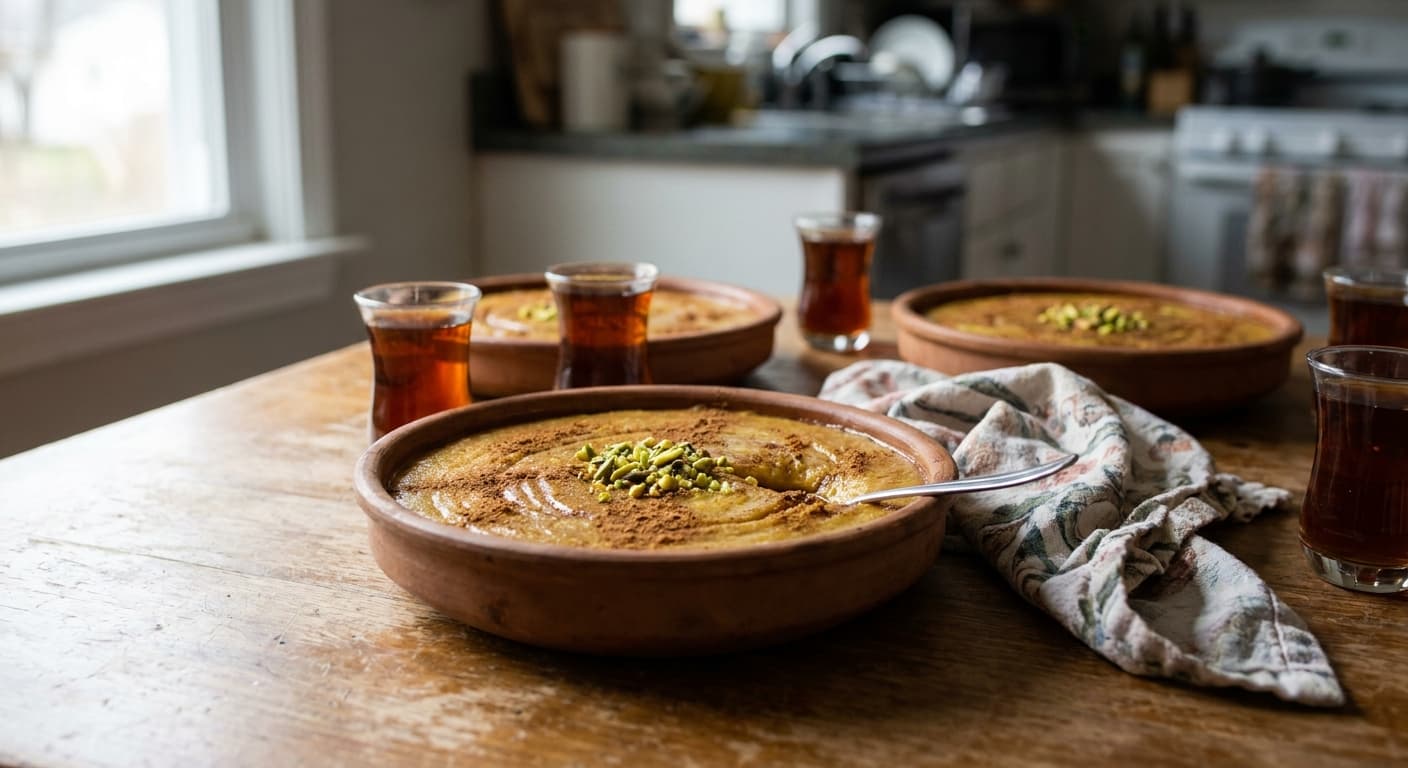
Persian Kachi (کاچی) — Saffron Rosewater Pudding
Persian · Desserts · 45 min
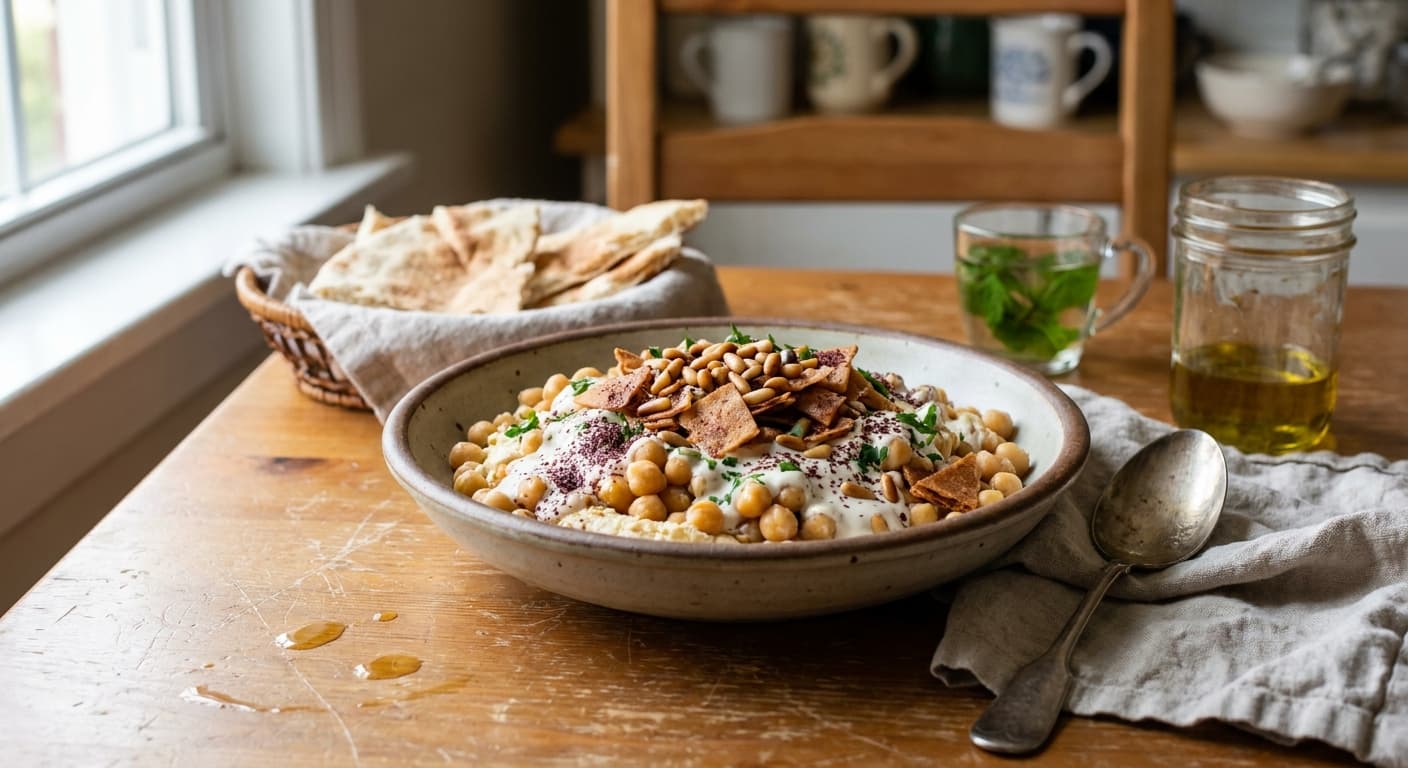
Fattet Hummus (فتة حمص) — Chickpeas with Yogurt and Crisp Bread
Lebanese · Main Courses · 30 min
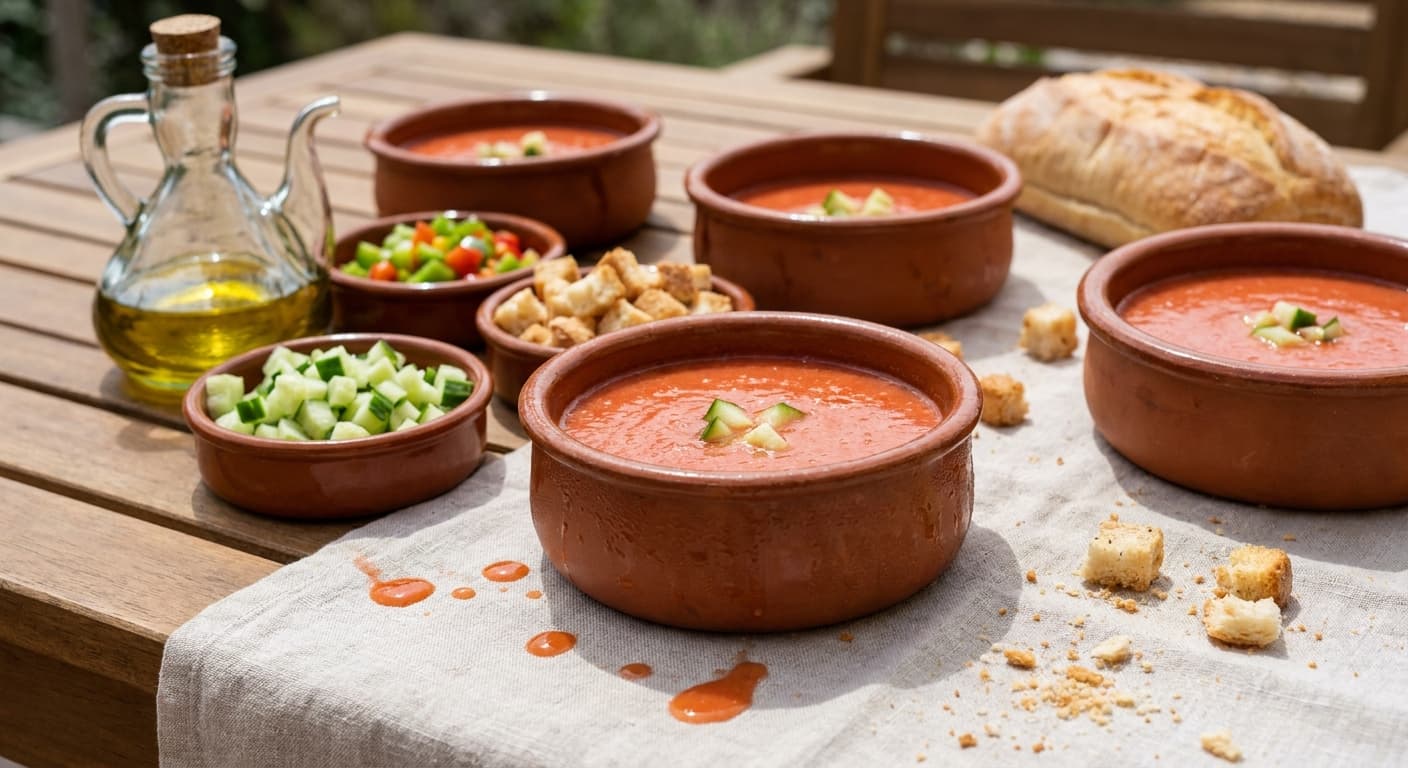
Andalusian Gazpacho (Gazpacho Andaluz) — Chilled Tomato and Pepper Soup
Spanish · Soups · 25 min
Spas (Սպաս) — Armenian Yogurt-and-Wheat Soup
Armenian · Soups · 70 min
Reviews
Cooked this recipe?
Tap the stars to rate it — that's all it takes. A few words are welcome but optional.
No ratings yet. Cooked this one? Be the first to rate it — it takes one tap.