Kongnamul Muchim (콩나물무침) — Korean Seasoned Soybean Sprout Banchan
Kongnamul muchim is a classic Korean banchan of blanched soybean sprouts seasoned with garlic, scallion, soy sauce, sesame oil, sesame seeds, and often gochugaru. It is crisp, nutty, lightly savory, and served with rice at everyday meals.
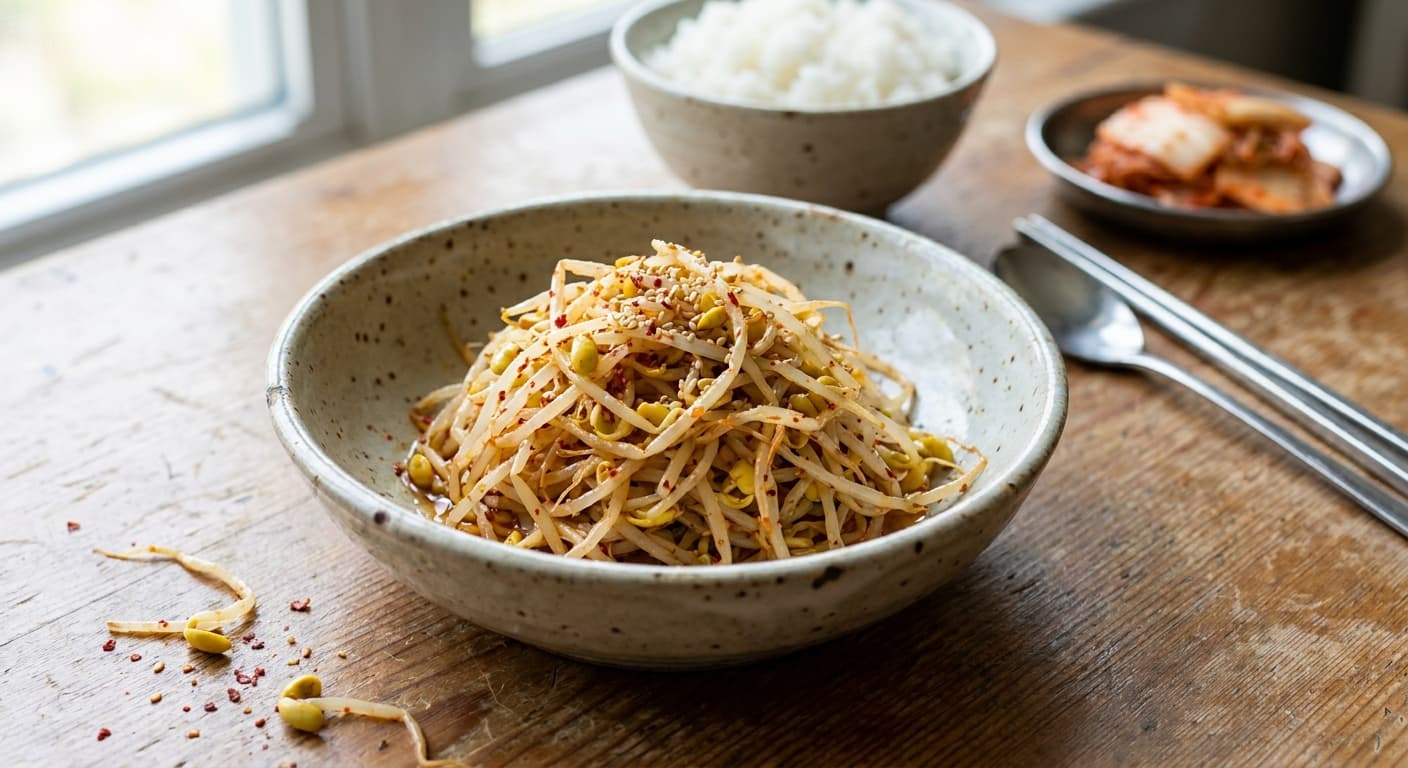
Printable Recipe Card
Servings: 4 · Total: 16 min · Difficulty: easy
Ingredients (quick list)
- 340 g fresh soybean sprouts (choose sprouts with firm yellow beans and crisp white stems)
- 1.5 l water
- 1 tsp fine sea salt
- 2 clove garlic (finely grated or minced)
- 2 scallions (thinly sliced)
- 2 tsp Korean soup soy sauce (guk-ganjang, or use regular soy sauce for a slightly darker flavor)
- 2 tsp toasted sesame oil
- 2 tsp toasted sesame seeds (lightly crushed between your fingers before adding)
- 1 tsp gochugaru (optional but traditional for a lightly red, peppery version)
Steps (summary)
- Pick through the soybean sprouts and discard any mushy sprouts, loose greenish hulls, or browned ends. Rinse them in two change…
- Bring 1.5 l water and 1 tsp fine sea salt to a rolling boil in a medium saucepan with a tight-fitting lid. Add the soybean spro…
- Drain the sprouts thoroughly in a colander and shake off excess water for 30 seconds. Spread them in a shallow bowl for 3 minut…
- Transfer the warm sprouts to a mixing bowl and add the garlic, scallions, Korean soup soy sauce, toasted sesame oil, toasted se…
- Let the kongnamul muchim rest for 5 minutes, then toss once more and check the seasoning. Serve it at room temperature as banch…
Cultural Background
Kongnamul muchim is one of Korea's essential everyday banchan, valued for turning inexpensive sprouts into a fresh side for rice. Maangchi presents dishes like this as core home-cooking knowledge, simple but precise in technique.
Equipment
💡 Tips
- Do not uncover the pot during blanching; soybean sprouts can develop a stronger raw-bean smell if the lid is repeatedly lifted.
- Drain very well before seasoning, because trapped water dilutes the soy sauce, sesame oil, garlic, and gochugaru.
- For a white version often served to children, omit the gochugaru and increase toasted sesame seeds to 3 tsp.
⚠️ Common Mistakes
❌ Opening the lid several times while boiling the sprouts.
✅ Fix: Cover the pot as soon as the sprouts go in and cook for the full 5 minutes before draining.
❌ Seasoning the sprouts while they are dripping wet.
✅ Fix: Shake them well in the colander and steam-dry for 3 minutes before adding the sesame oil and soy sauce.
❌ Crushing the sprouts while mixing.
✅ Fix: Lift and fold gently with tongs or gloved fingers so the stems remain crisp.
🧊 How to Store
Store leftovers in an airtight container in the refrigerator for up to 3 days. Serve cold or let stand at room temperature for 10 minutes; reheating is not recommended because the sprouts soften and lose their snap.
📅 Make Ahead
The sprouts can be washed and picked over 1 day ahead, then refrigerated in a covered container lined with a paper towel. Season the banchan on the day you plan to serve it for the best crunch.
🍽️ Pairs Well With
- Steamed short-grain rice
- kimchi
- doenjang jjigae
- grilled fish
- bulgogi
- bibimbap.
Regional Variations
- Mild white kongnamul muchim omits gochugaru and emphasizes sesame oil, garlic, and scallion.
- A spicier home version may use 2 tsp gochugaru and a small extra pinch of salt.
- For bibimbap-style serving, the sprouts are sometimes seasoned more lightly so they can mix with gochujang and rice.
Ingredients
- 340 gfresh soybean sprouts (choose sprouts with firm yellow beans and crisp white stems)
- 1.5 lwater
- 1 tspfine sea salt
- 2 clovegarlic (finely grated or minced)
- 2scallions (thinly sliced)
- 2 tspKorean soup soy sauce (guk-ganjang, or use regular soy sauce for a slightly darker flavor)
- 2 tsptoasted sesame oil
- 2 tsptoasted sesame seeds (lightly crushed between your fingers before adding)
- 1 tspgochugaru (optional but traditional for a lightly red, peppery version)
🔄 Substitutions
- Korean soup soy sauce→ regular soy sauce
- gochugaru→ omit it
- fresh soybean sprouts→ mung bean sprouts
Instructions
- 1
Pick through the soybean sprouts and discard any mushy sprouts, loose greenish hulls, or browned ends. Rinse them in two changes of cold water, then drain well so the blanching water stays clean and the sprouts keep their fresh flavor.
- 2
Bring 1.5 l water and 1 tsp fine sea salt to a rolling boil in a medium saucepan with a tight-fitting lid. Add the soybean sprouts, cover immediately, and cook for 5 minutes without lifting the lid, which helps prevent the raw bean aroma from lingering.
- 3
Drain the sprouts thoroughly in a colander and shake off excess water for 30 seconds. Spread them in a shallow bowl for 3 minutes so steam can escape, but do not rinse them because a little residual warmth helps the garlic, scallion, soy sauce, sesame oil, and gochugaru cling.
- 4
Transfer the warm sprouts to a mixing bowl and add the garlic, scallions, Korean soup soy sauce, toasted sesame oil, toasted sesame seeds, gochugaru, and 0.25 tsp fine sea salt. Toss gently with clean tongs or gloved fingers for 1 minute, lifting rather than crushing so the stems stay crisp.
- 5
Let the kongnamul muchim rest for 5 minutes, then toss once more and check the seasoning. Serve it at room temperature as banchan with rice, or chill it for a colder, crisper side dish.
🪪 Recipe Passport
Cultural Background
Kongnamul muchim is one of Korea's essential everyday banchan, valued for turning inexpensive sprouts into a fresh side for rice. Maangchi presents dishes like this as core home-cooking knowledge, simple but precise in technique.
Regional Variations
Researched from multiple sources and validated by the Zaffaron editorial team. Every recipe is tested for accuracy, measurements, and cultural authenticity.
📚 Sources & Cultural References
- Maangchi — Maangchi's Big Book of Korean Cooking — (2019)
Sources cited by the Zaffaron editorial team during recipe research. Cultural and culinary references supporting authenticity claims.
Nutrition per serving
Pairs well with
If you enjoyed this recipe, here are a few related Zaffaron recipes to try next.
Does your family make this differently?
Every family has their own version. Maybe your grandmother adds a secret ingredient, or your aunt has a completely different technique. Preserve your family's version — with their name on it, forever.
You Might Also Like

Kimbap (김밥) — Korean Seaweed Rice Rolls
Korean · Main Courses · 70 min
Tteokbokki (떡볶이) — Spicy Korean Rice Cakes
Korean · Main Courses · 45 min
Kimchi Jjigae (김치찌개) — Korean Kimchi Stew
Korean · Stews · 60 min
Romanian Polenta (Mămăligă) — Firm Cornmeal Porridge
Romanian · Side Dishes · 30 min
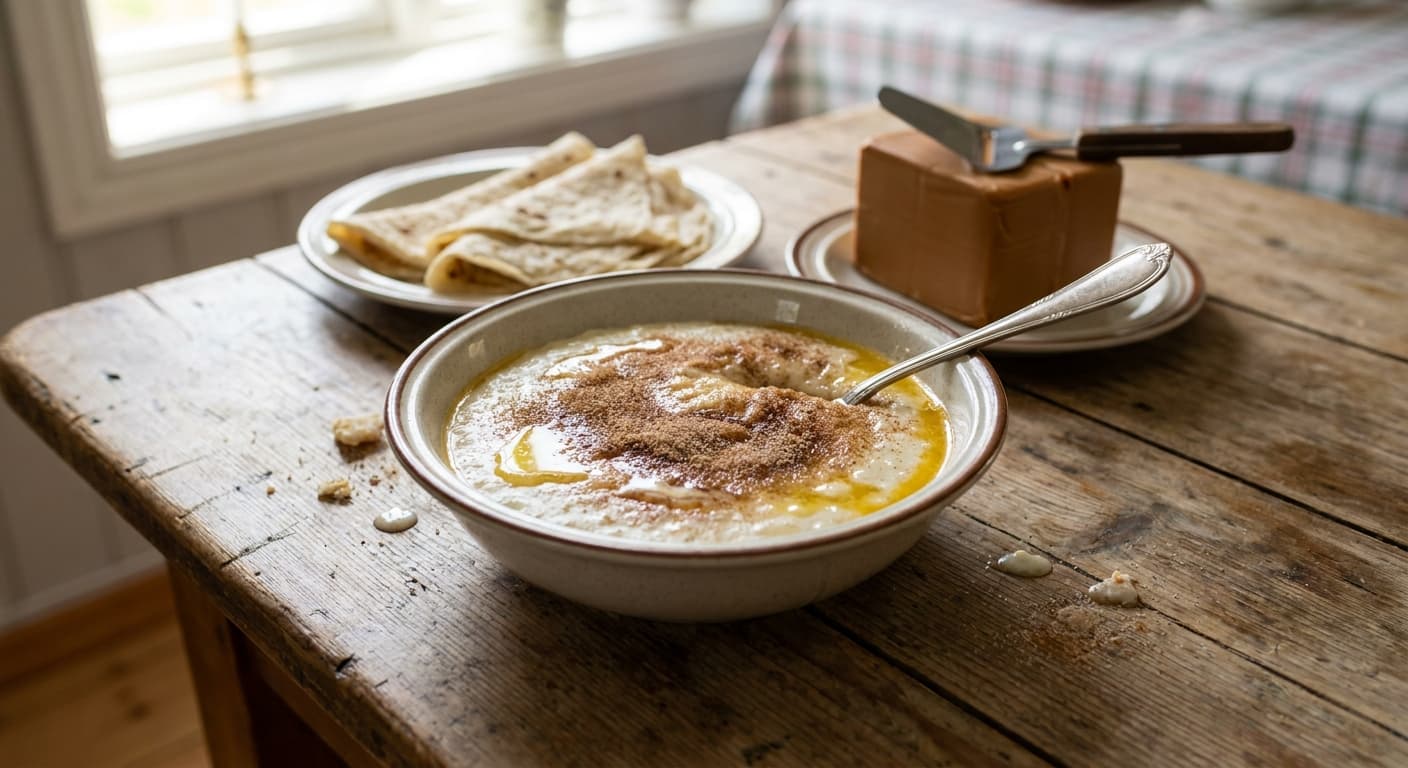
Norwegian Sour Cream Porridge (Rømmegrøt) — Festive Dairy Porridge with Cinnamon Sugar
Norwegian · Side Dishes · 35 min
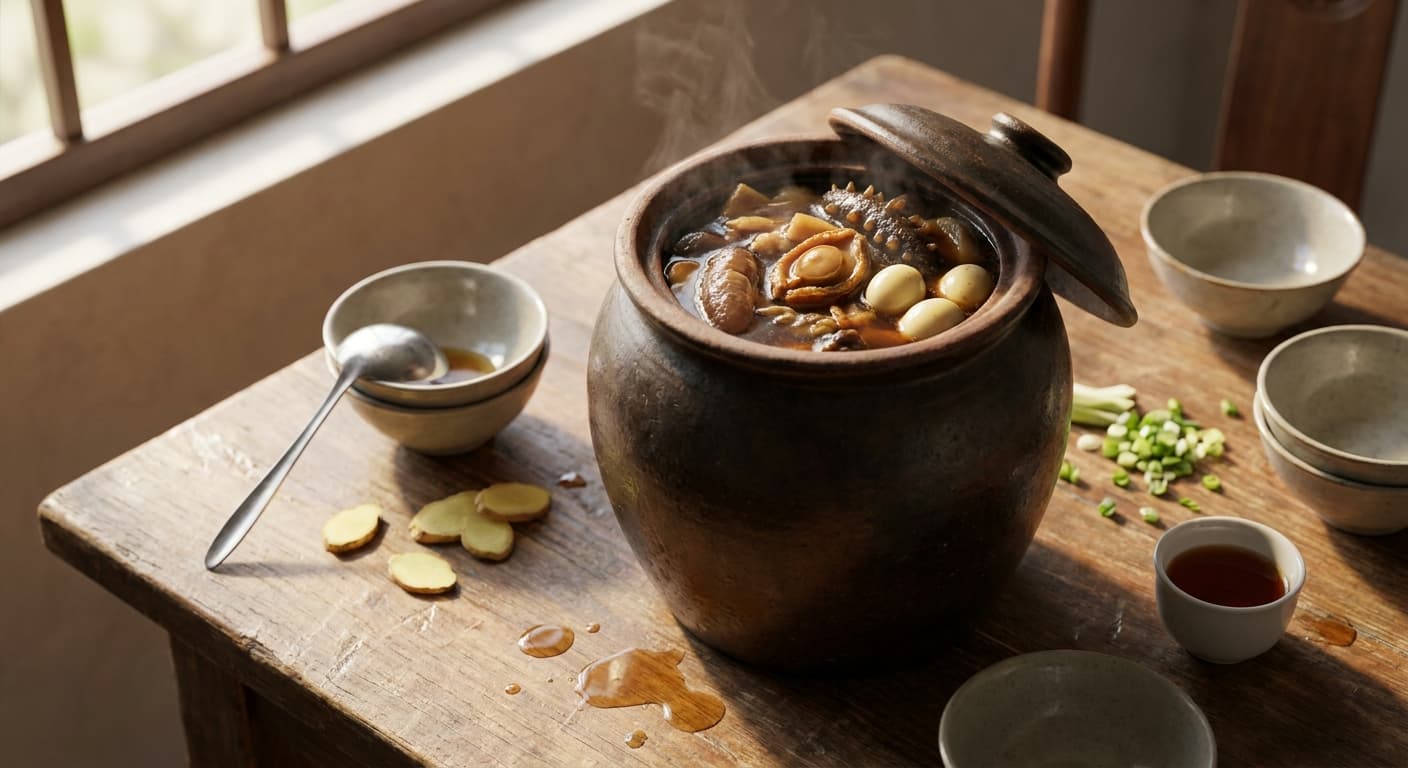
Buddha Jumps Over the Wall (佛跳墙) — Fujian Banquet Treasure Soup
Chinese · Soups · 540 min

Kitsune Udon (きつねうどん) — Udon Noodles with Sweet Fried Tofu
Japanese · Main Courses · 40 min
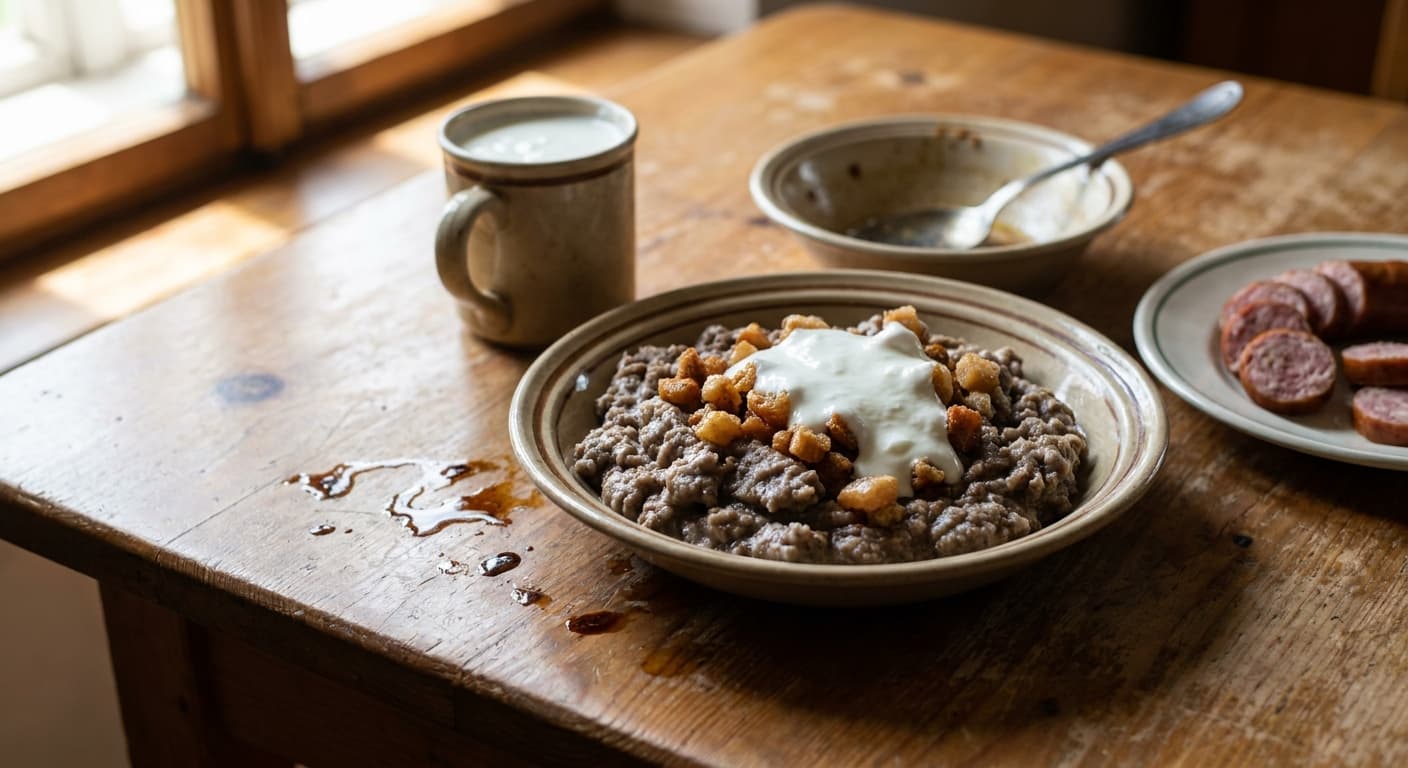
Buckwheat Žganci (Ajdovi žganci) — Slovenian Buckwheat Crumbs with Cracklings
Slovenian · Side Dishes · 45 min
Reviews
Cooked this recipe?
Tap the stars to rate it — that's all it takes. A few words are welcome but optional.
No ratings yet. Cooked this one? Be the first to rate it — it takes one tap.