Simit (سيميت) — Turkish Sesame-Crusted Bread Rings
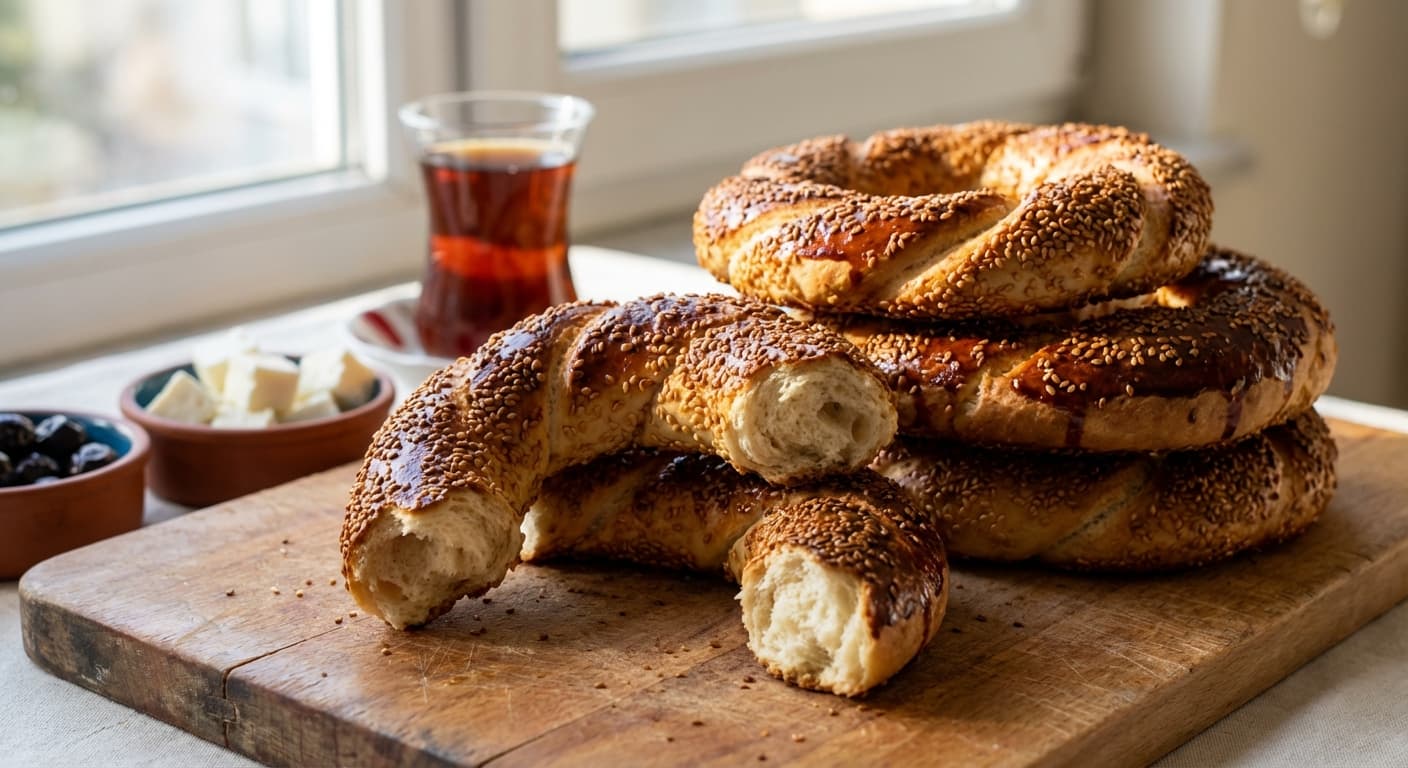
Simit is Istanbul’s iconic street bread: a chewy ring coated in molasses and heavily crusted with toasted sesame. It’s traditionally eaten for breakfast with tea, cheese, olives, or jam, and sold warm from street carts across Türkiye.
Printable Recipe Card
Servings: 6 · Total: 43 min · Difficulty: medium
Ingredients (quick list)
- 500 g bread flour (plus 10 g extra for dusting)
- 300 ml water (lukewarm, about 35°C)
- 7 g instant yeast (or 9 g active dry yeast)
- 10 g granulated sugar (helps fermentation and browning)
- 10 g fine sea salt
- 20 ml neutral oil (sunflower or grapeseed)
- 60 ml grape molasses (pekmez; for authentic color and aroma)
- 180 g sesame seeds (toasted for best flavor)
Steps (summary)
- Toast the sesame seeds in a dry skillet over medium heat for 4–6 minutes, stirring constantly, until fragrant and evenly golden…
- In a large mixing bowl, combine the lukewarm water, instant yeast, and sugar, then whisk for 10 seconds to distribute. Let it s…
- Add the bread flour and salt to the bowl, then mix with a spoon until a shaggy dough forms with no dry pockets. Drizzle in the…
- Shape the dough into a tight ball and place it in a lightly oiled bowl, turning once to coat the surface. Cover and let rise at…
- Turn the dough onto a lightly floured surface and divide into 6 equal pieces, about 140 g each. Cover the pieces with a towel a…
- Roll one piece into a rope about 60 cm long, keeping the thickness as even as possible. Fold the rope in half and twist the two…
+ 4 more steps in the full instructions section below.
Cultural Background
A beloved Turkish street food, simit is closely tied to Istanbul’s morning rhythm—fresh rings stacked on red carts and eaten on the go with tea. Its sesame crust and pekmez dip reflect Ottoman-era baking traditions and the city’s grain-and-trade heritage.
Equipment
💡 Tips
- For the most authentic flavor, use grape molasses (pekmez) rather than honey; it gives simit its signature mahogany color and subtle tang.
- Keep the twist tight and the seam well-pinched; if the join opens, re-pinch after dipping while the dough is wet and pliable.
- If your oven runs cool, bake at 240°C for the final 2 minutes to deepen color without drying the crumb.
⚠️ Common Mistakes
❌ Pale simit with a weak crust
✅ Fix: Toast the sesame first and ensure the molasses mixture is not overly diluted; bake hot (230°C) until deep golden brown.
❌ Rings unravel during baking
✅ Fix: Twist tightly and pinch the seam firmly; after dipping, re-pinch the join while the dough is wet for a stronger seal.
❌ Dry, bready interior instead of chewy crumb
✅ Fix: Do not overbake, and use bread flour for stronger gluten; also avoid excess flour during shaping.
🧊 How to Store
Store cooled simit in an airtight bag at room temperature for up to 24 hours. Re-crisp in a 180°C oven for 6–8 minutes or toast halves for 2–3 minutes; avoid microwaving, which softens the sesame crust and makes the crumb rubbery.
📅 Make Ahead
Mix and knead the dough, then refrigerate it covered for up to 12 hours for a slower rise and deeper flavor. Shape, dip, and coat straight from the fridge, then add 10–15 minutes to the final proof before baking.
🍽️ Pairs Well With
- Turkish black tea
- feta cheese
- olives
- sliced tomatoes and cucumbers
- kaymak
- honey
- apricot jam.
Regional Variations
- Istanbul-style simit is deeply browned with a heavy sesame coat and a distinctly chewy bite from bread flour.
- Ankara-style versions are often slightly softer and can be less dark, with a gentler molasses note.
- Some bakeries add 10 g of malt powder to the dough for extra aroma and color while keeping the classic profile.
Ingredients
- 500 gbread flour (plus 10 g extra for dusting)
- 300 mlwater (lukewarm, about 35°C)
- 7 ginstant yeast (or 9 g active dry yeast)
- 10 ggranulated sugar (helps fermentation and browning)
- 10 gfine sea salt
- 20 mlneutral oil (sunflower or grapeseed)
- 60 mlgrape molasses (pekmez; for authentic color and aroma)
- 180 gsesame seeds (toasted for best flavor)
🔄 Substitutions
- grape molasses→ pomegranate molasses
- bread flour→ all-purpose flour
- instant yeast→ active dry yeast
Instructions
- 1
Toast the sesame seeds in a dry skillet over medium heat for 4–6 minutes, stirring constantly, until fragrant and evenly golden. Transfer them immediately to a wide plate to cool completely so they do not continue browning in the hot pan.
- 2
In a large mixing bowl, combine the lukewarm water, instant yeast, and sugar, then whisk for 10 seconds to distribute. Let it stand for 2 minutes; you should see slight foam or bubbles, which signals active yeast.
- 3
Add the bread flour and salt to the bowl, then mix with a spoon until a shaggy dough forms with no dry pockets. Drizzle in the neutral oil and knead for 8–10 minutes by hand (or 6 minutes in a stand mixer on low) until smooth, elastic, and only slightly tacky.
- 4
Shape the dough into a tight ball and place it in a lightly oiled bowl, turning once to coat the surface. Cover and let rise at 24–27°C for 60–75 minutes, until the dough has roughly doubled in volume.
- 5
Turn the dough onto a lightly floured surface and divide into 6 equal pieces, about 140 g each. Cover the pieces with a towel and rest for 10 minutes so the gluten relaxes and shaping becomes easier.
- 6
Roll one piece into a rope about 60 cm long, keeping the thickness as even as possible. Fold the rope in half and twist the two strands together from end to end, then pinch the ends firmly and join them to form a ring about 12–14 cm wide.
- 7
Repeat shaping with the remaining dough pieces, placing rings on parchment-lined baking sheets with at least 5 cm space between each. Cover loosely and proof for 15–20 minutes; the rings should look slightly puffed but still hold their twisted definition.
- 8
Preheat the oven to 230°C and position a rack in the middle. In a shallow bowl, whisk grape molasses with water until fully smooth and fluid, then spread the toasted sesame seeds on a second wide plate.
- 9
Dip each ring into the molasses mixture for 2–3 seconds per side, letting excess drip back into the bowl for 5 seconds. Immediately press both sides into the sesame seeds, coating heavily, then return to the baking sheet and re-shape into a neat circle if needed.
- 10
Bake for 16–18 minutes, rotating the tray at minute 10, until the simit are deep golden brown with a crisp sesame crust. Cool on a rack for 10 minutes before serving; the crust sets as steam escapes, while the interior stays chewy.
🪪 Recipe Passport
Cultural Background
A beloved Turkish street food, simit is closely tied to Istanbul’s morning rhythm—fresh rings stacked on red carts and eaten on the go with tea. Its sesame crust and pekmez dip reflect Ottoman-era baking traditions and the city’s grain-and-trade heritage.
Regional Variations
Researched from multiple sources and validated by the Zaffaron editorial team. Every recipe is tested for accuracy, measurements, and cultural authenticity.
Nutrition per serving
Pairs well with
If you enjoyed this recipe, here are a few related Zaffaron recipes to try next.
Does your family make this differently?
Every family has their own version. Maybe your grandmother adds a secret ingredient, or your aunt has a completely different technique. Preserve your family's version — with their name on it, forever.
You Might Also Like
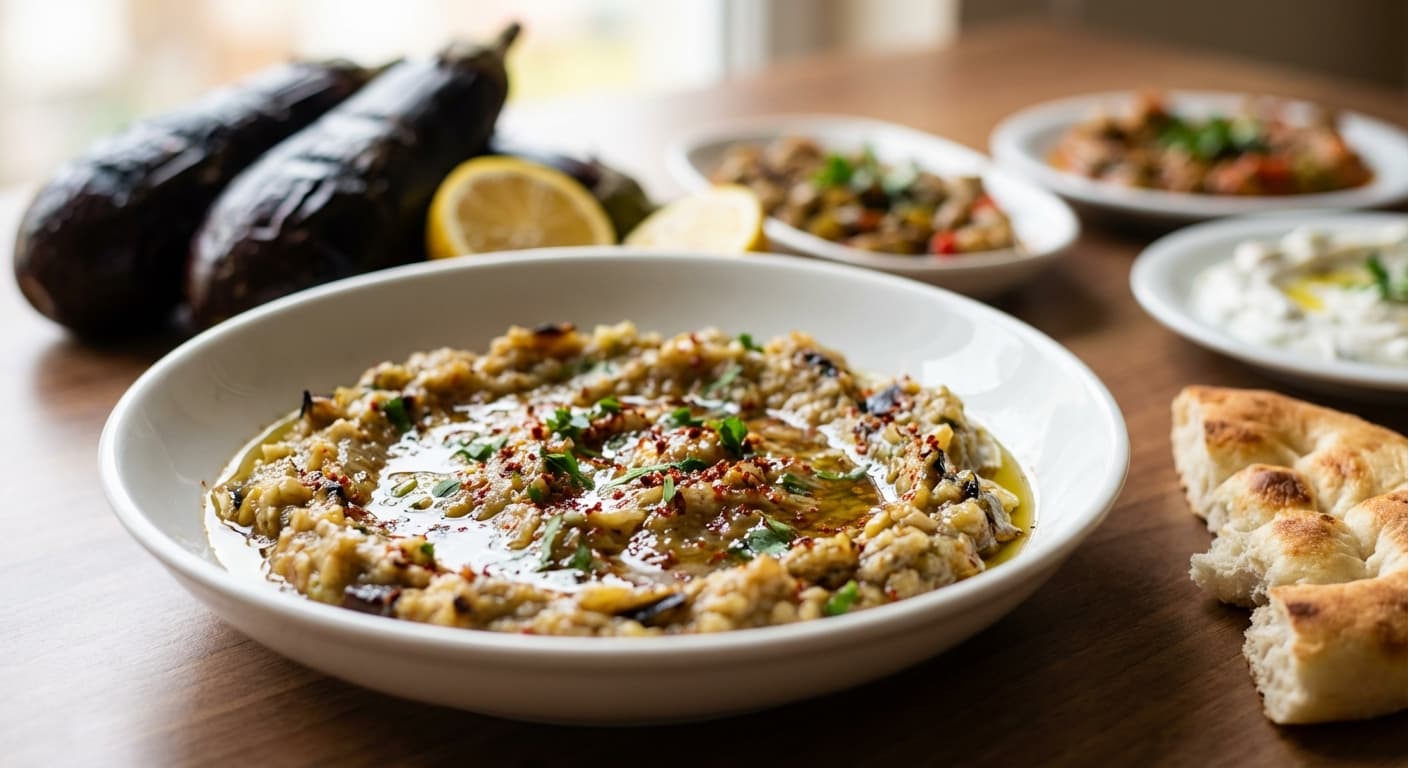
Smoky Eggplant Salad (Patlıcan Salatası) — Turkish charred eggplant with garlic and olive oil
Turkish · Salads · 40 min
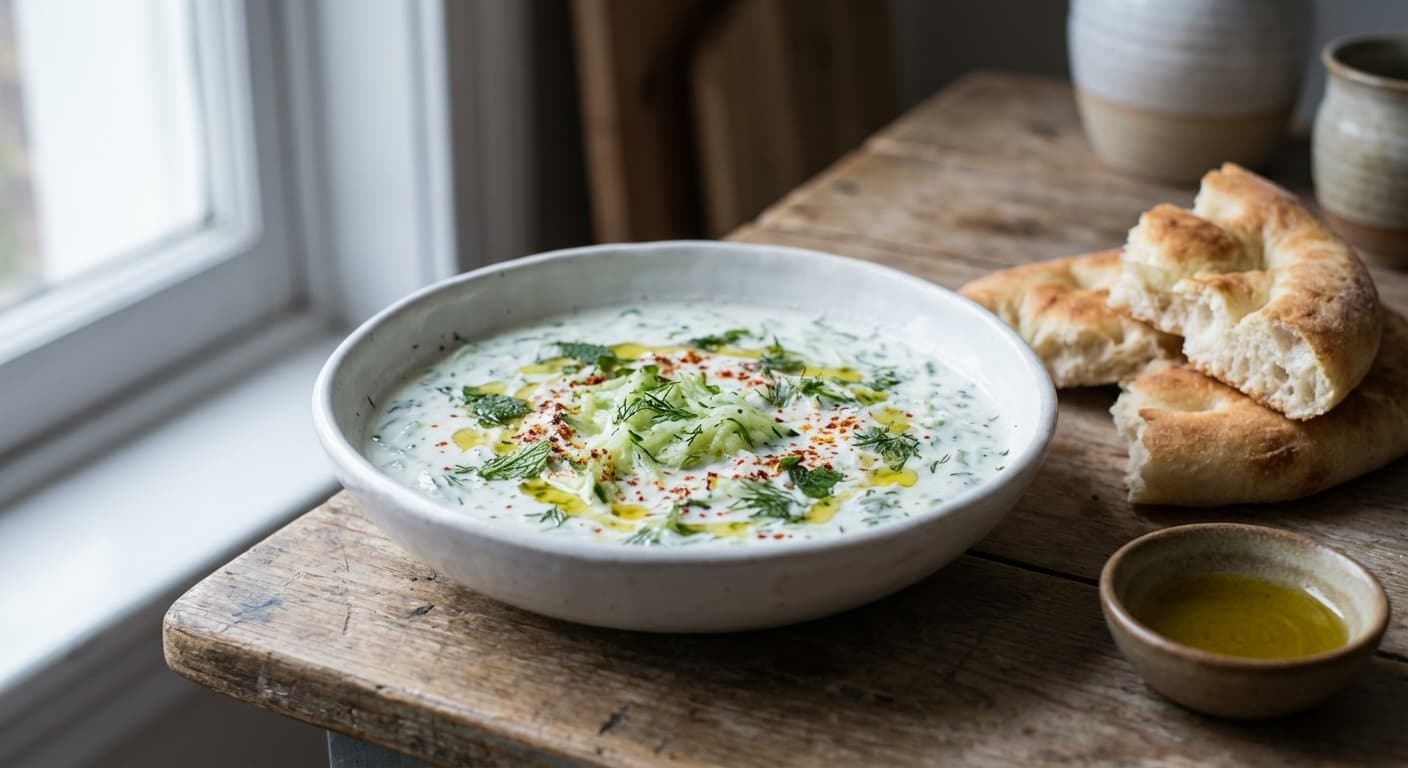
Cacık (Yoğurtlu Salatalık Mezesi) — Chilled Turkish Yogurt, Cucumber & Mint Dip
Turkish · Appetizers · 15 min
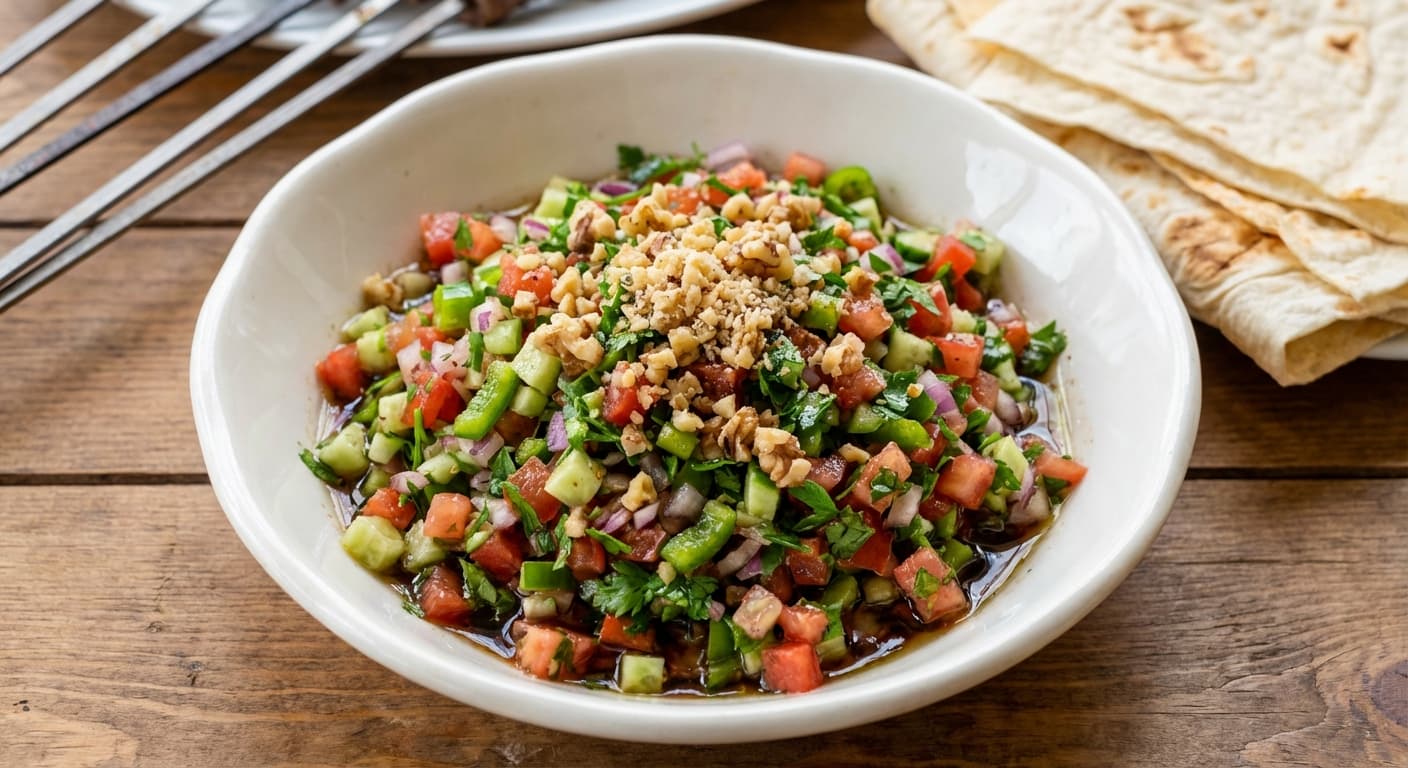
Gavurdağı Salad (Gavurdağı Salatası) — Finely Chopped Walnut & Pomegranate Salad
Turkish · Salads · 20 min
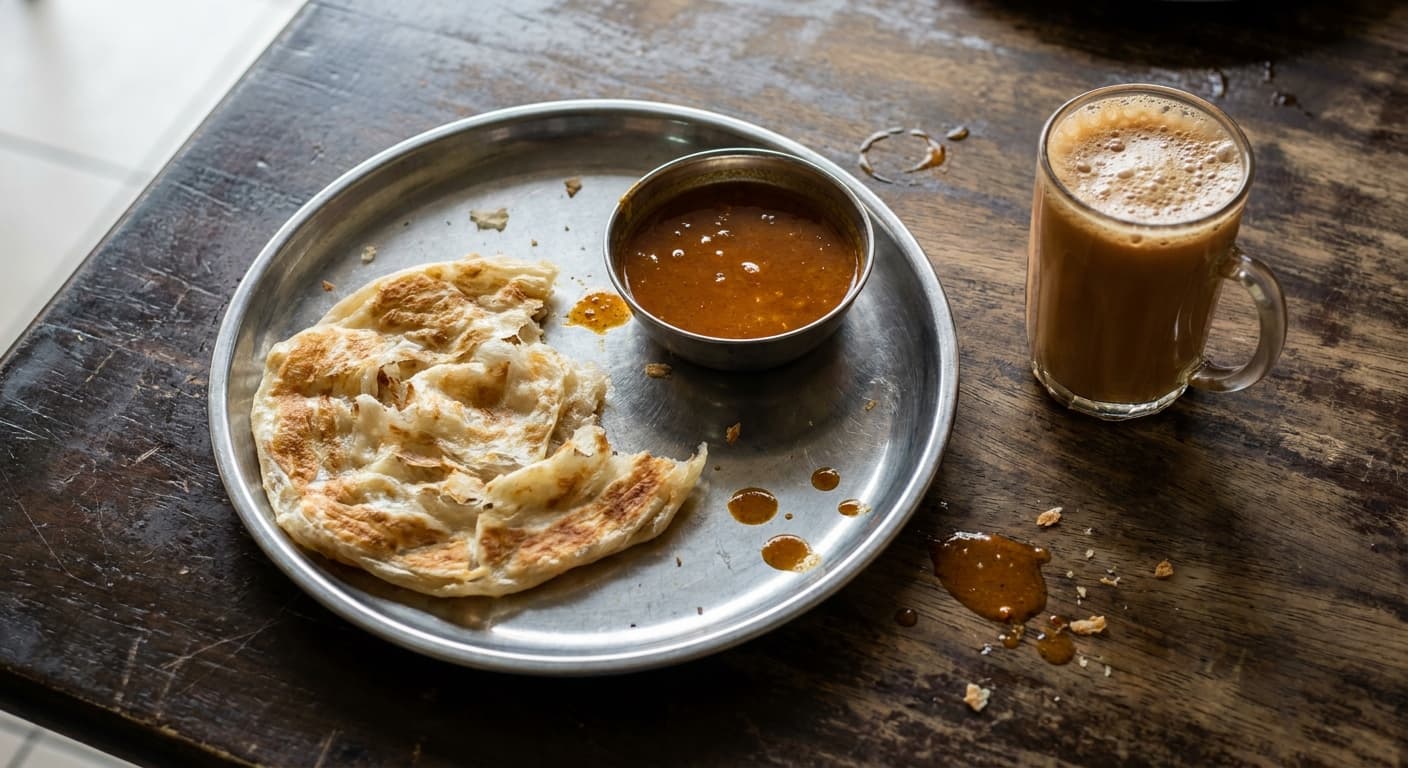
Roti Canai (Roti Canai) — Flaky Malaysian Griddle Flatbread
Malaysian · Breads · 330 min
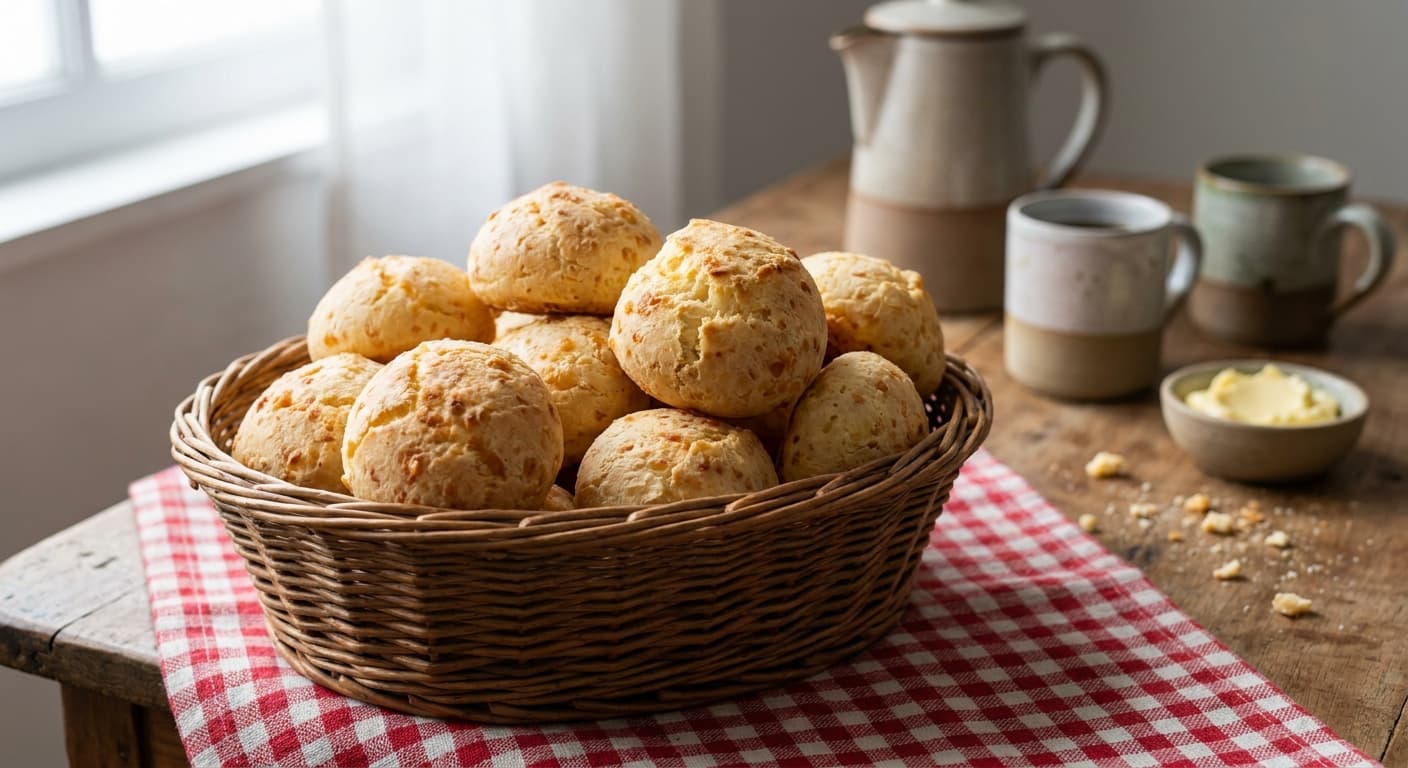
Brazilian Cheese Breads (Pão de Queijo) — Chewy Tapioca Cheese Rolls
Brazilian · Breads · 45 min
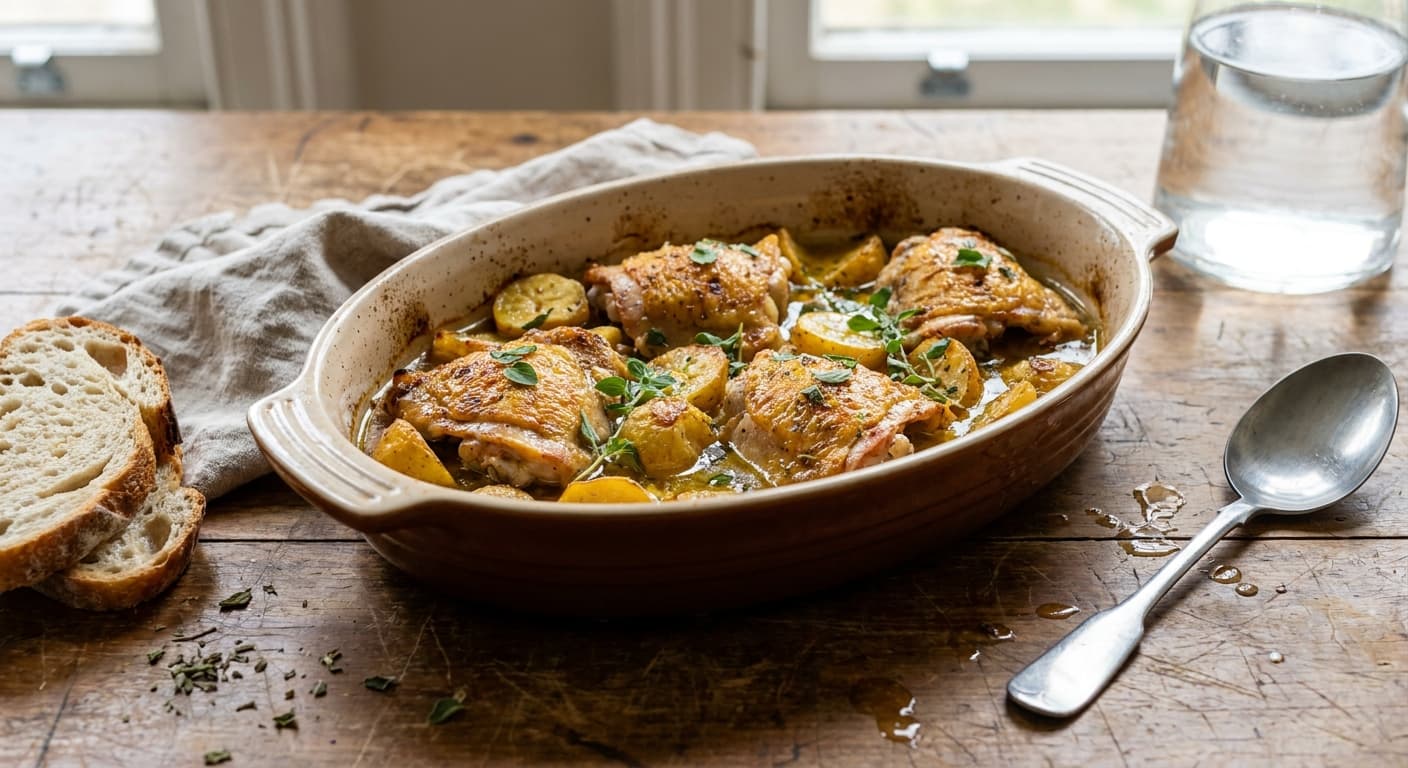
Kotopoulo Lemonato (Κοτόπουλο Λεμονάτο) — Greek Lemon Chicken with Potatoes
Greek · Main Courses · 105 min
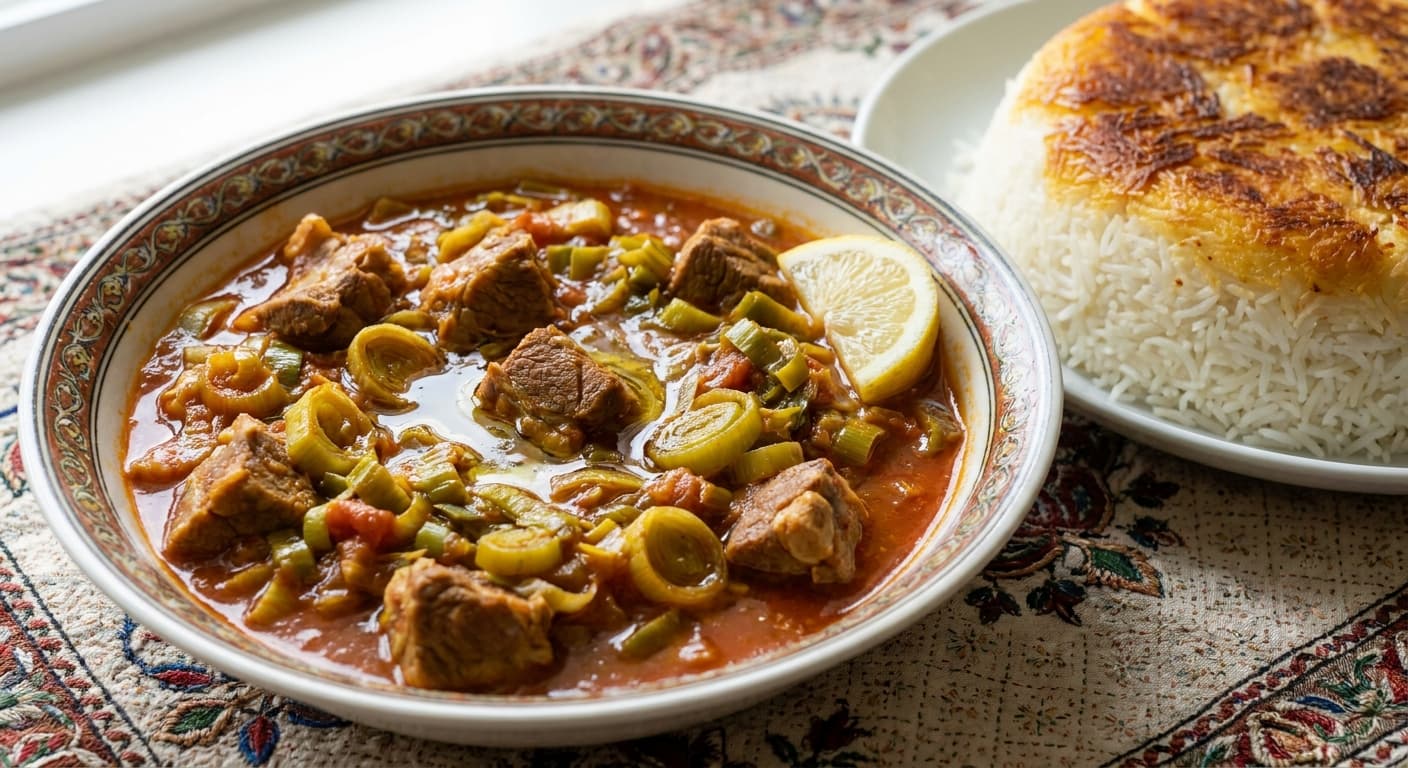
Khoresh Tareh Farangi (خورش تره فرنگی) — Persian Leek and Lamb Stew
Persian · Stews · 130 min
Jhal Muri (ঝাল মুড়ি) — Indian Puffed Rice Snack with Mustard Oil and Chilies
Indian · Side Dishes · 15 min
Reviews
Cooked this recipe?
Tap the stars to rate it — that's all it takes. A few words are welcome but optional.
No ratings yet. Cooked this one? Be the first to rate it — it takes one tap.