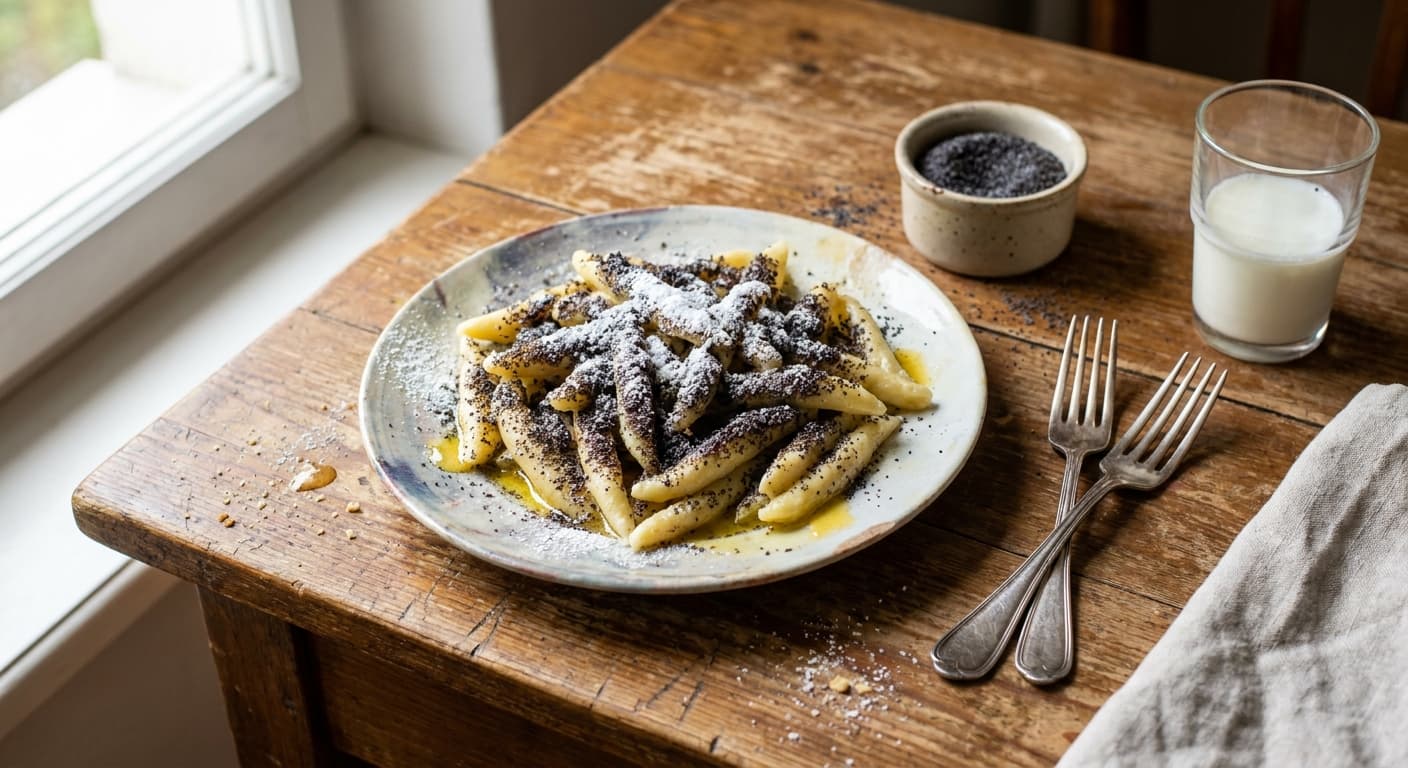
Slovak Poppy Seed Potato Noodles (Šúľance s makom) — Rolled Potato Noodles with Sweet Poppy Seed
Sulance are tender hand-rolled potato noodles tossed with butter, ground poppy seed, and sugar. In Slovak homes they share the same frugal potato-dough world as pirohy, parene buchty, and loksa.
Printable Recipe Card
Servings: 4 · Total: 65 min · Difficulty: medium
Ingredients (quick list)
- 600 g floury potatoes (peeled weight, cut into 4 cm chunks)
- 500 ml water
- 180 g all-purpose flour
- 1 large egg
- 3 g fine salt
- 60 g unsalted butter
- 60 g ground poppy seeds
- 50 g powdered sugar
Steps (summary)
- Pour 500 ml water into a pot fitted with a steamer basket and bring it to a steady simmer. Add the peeled potato chunks, cover,…
- Pass the hot potatoes through a ricer onto a wide tray, spreading them into a thin layer so steam can escape. Let them cool for…
- Transfer the riced potatoes to a bowl and add 180 g all-purpose flour, the egg, and 3 g fine salt. Mix with a fork first, then…
- Dust the work surface with the 20 g rolling flour and divide the dough into 4 equal portions. Roll each portion into a rope abo…
- Bring 3 l water to a boil in a wide pot and stir in 18 g fine salt. Cook the noodles in 2 batches, dropping them in gently and…
- Lift the cooked sulance out with a slotted spoon and transfer them to a warm bowl. Melt the butter in a small pan over medium-l…
+ 1 more steps in the full instructions section below.
Cultural Background
In the tradition described by Silvia Bajušová in Slovak Cooking, sulance show how boiled potatoes and flour became a comforting meatless lunch. They sit beside pirohy, loksa, and other home dishes served by families across Slovakia.
Equipment
💡 Tips
- Use floury potatoes rather than waxy potatoes, because dry starch gives the noodles a tender bite instead of a gummy chew.
- Add the flour only after the potatoes have steamed off excess moisture; wet potatoes can require too much flour and make dense noodles.
- Grind poppy seeds shortly before serving if possible, because freshly ground poppy has a sweeter aroma and less bitterness.
⚠️ Common Mistakes
❌ Kneading the dough until it is elastic like bread dough.
✅ Fix: Mix only until combined, because potato dough toughens quickly when the flour gluten is overworked.
❌ Adding flour while the potatoes are still wet and steaming heavily.
✅ Fix: Rice the potatoes onto a tray and cool them for 15 minutes so moisture evaporates before mixing.
❌ Boiling the noodles hard after they rise to the surface.
✅ Fix: Keep the water at a gentle simmer and cook for 2 minutes after floating to prevent splitting.
🧊 How to Store
Store leftovers in an airtight container in the refrigerator for up to 2 days. Reheat gently in a covered skillet with 15 g butter or 15 ml water per serving, then refresh with 10 g ground poppy seeds if the coating looks dry.
📅 Make Ahead
Steam and rice the potatoes up to 1 day ahead, then refrigerate them uncovered for 30 minutes before covering. Mix, roll, and boil the dough shortly before serving for the lightest texture.
🍽️ Pairs Well With
- Slovak sour milk
- stewed plums
- unsweetened black tea.
Regional Variations
- Some households coat the noodles with ground walnuts and sugar instead of poppy seeds.
- A breadcrumb version uses butter-toasted fine breadcrumbs and powdered sugar for a more economical topping.
- In parts of Slovakia, the same potato dough may be served with plum jam or a spoonful of fresh curd cheese.
Ingredients
- 600 gfloury potatoes (peeled weight, cut into 4 cm chunks)
- 500 mlwater
- 180 gall-purpose flour
- 1large egg
- 3 gfine salt
- 60 gunsalted butter
- 60 gground poppy seeds
- 50 gpowdered sugar
🔄 Substitutions
- ground poppy seeds→ finely ground toasted walnuts
- unsalted butter→ 60 g dairy-free butter-style spread
- powdered sugar→ 50 g superfine caster sugar
Instructions
- 1
Pour 500 ml water into a pot fitted with a steamer basket and bring it to a steady simmer. Add the peeled potato chunks, cover, and steam for 18 to 22 minutes, until a knife slides through the centers without resistance.
- 2
Pass the hot potatoes through a ricer onto a wide tray, spreading them into a thin layer so steam can escape. Let them cool for 15 minutes, because potato dough becomes sticky and heavy if flour is mixed into potatoes that are still very hot and wet.
- 3
Transfer the riced potatoes to a bowl and add 180 g all-purpose flour, the egg, and 3 g fine salt. Mix with a fork first, then knead briefly by hand for 60 to 90 seconds, just until the dough comes together like a soft Slovak pirohy or loksa dough.
- 4
Dust the work surface with the 20 g rolling flour and divide the dough into 4 equal portions. Roll each portion into a rope about 1.5 cm thick, then cut the ropes into 5 cm lengths and gently roll each piece under your palms to make tapered little noodles.
- 5
Bring 3 l water to a boil in a wide pot and stir in 18 g fine salt. Cook the noodles in 2 batches, dropping them in gently and simmering for 2 minutes after they float, so the centers cook through without breaking the delicate potato dough.
- 6
Lift the cooked sulance out with a slotted spoon and transfer them to a warm bowl. Melt the butter in a small pan over medium-low heat for 2 to 3 minutes, stopping while it is fully melted and fragrant but not browned.
- 7
Pour the melted butter over the hot noodles and toss carefully to coat every piece. Sprinkle over the ground poppy seeds and powdered sugar, fold again until the coating is even, and serve immediately while the butter is still glossy.
🪪 Recipe Passport
Cultural Background
In the tradition described by Silvia Bajušová in Slovak Cooking, sulance show how boiled potatoes and flour became a comforting meatless lunch. They sit beside pirohy, loksa, and other home dishes served by families across Slovakia.
Regional Variations
Researched from multiple sources and validated by the Zaffaron editorial team. Every recipe is tested for accuracy, measurements, and cultural authenticity.
📚 Sources & Cultural References
- Silvia Bajušová — Slovak Cooking
- Lou Sebo — The Best of Slovak Cuisine
Sources cited by the Zaffaron editorial team during recipe research. Cultural and culinary references supporting authenticity claims.
Nutrition per serving
Pairs well with
If you enjoyed this recipe, here are a few related Zaffaron recipes to try next.
Does your family make this differently?
Every family has their own version. Maybe your grandmother adds a secret ingredient, or your aunt has a completely different technique. Preserve your family's version — with their name on it, forever.
You Might Also Like
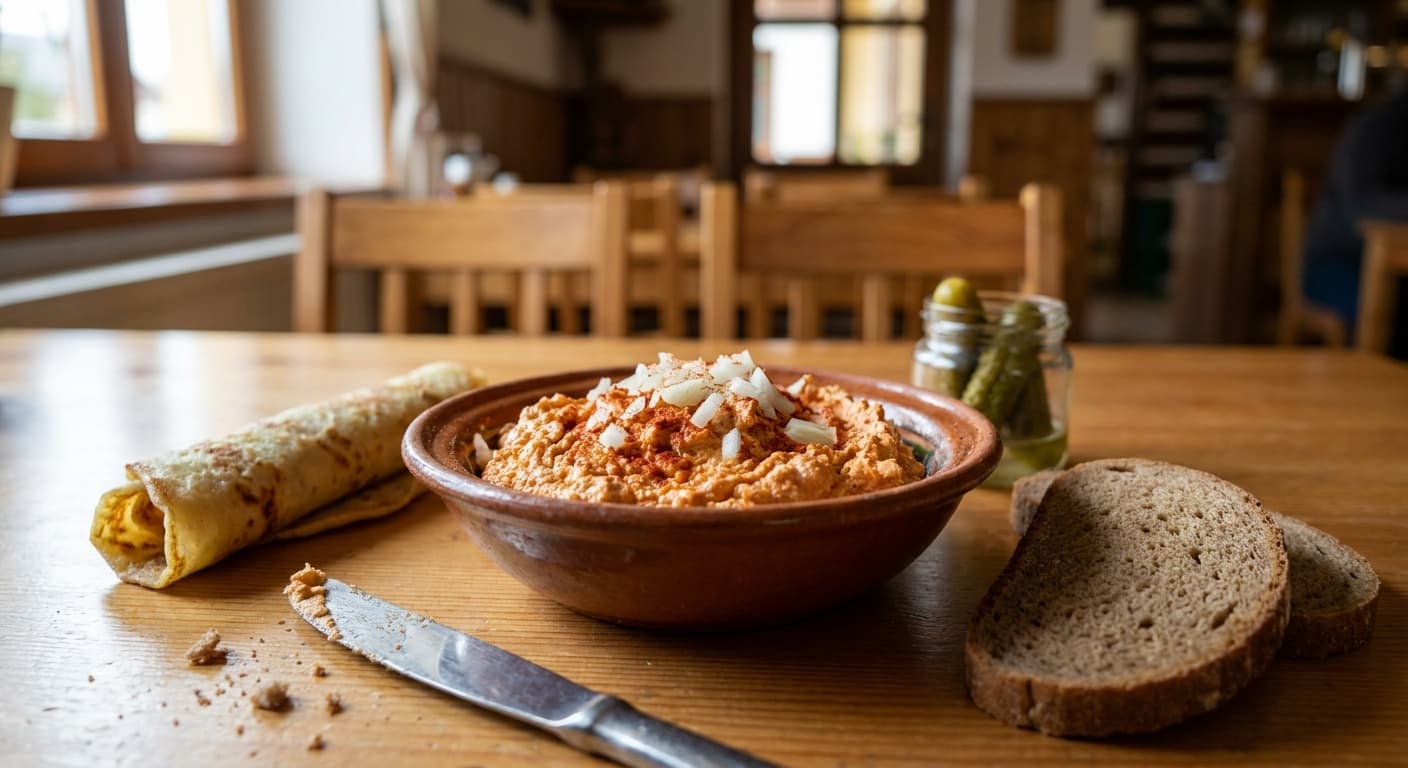
Liptauer Bryndza Cheese Spread (Bryndzová nátierka) — Paprika-spiced Slovak appetizer
Slovak · Appetizers · 20 min
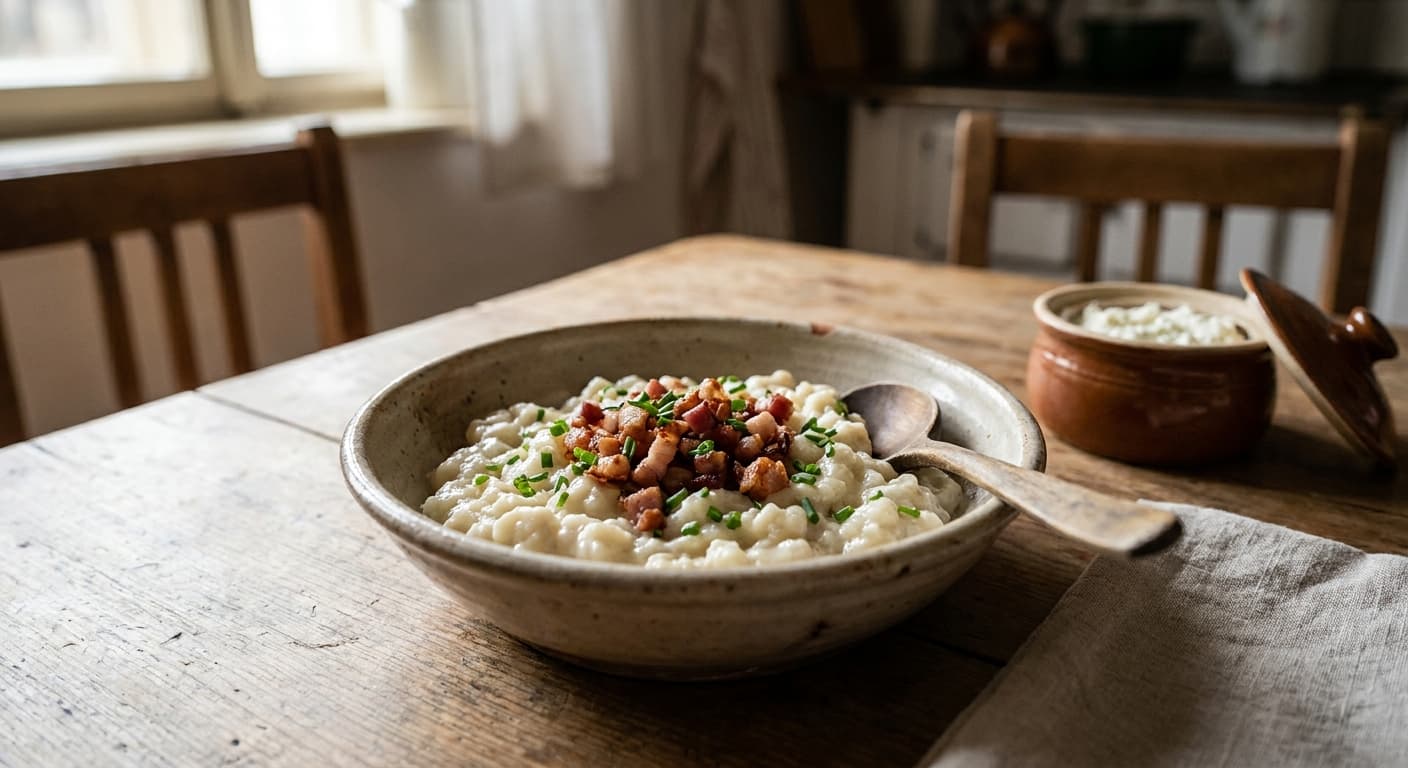
Slovak Bryndza Potato Dumplings (Bryndzové halušky) — Sheep Cheese Dumplings with Bacon
Slovak · Main Courses · 50 min
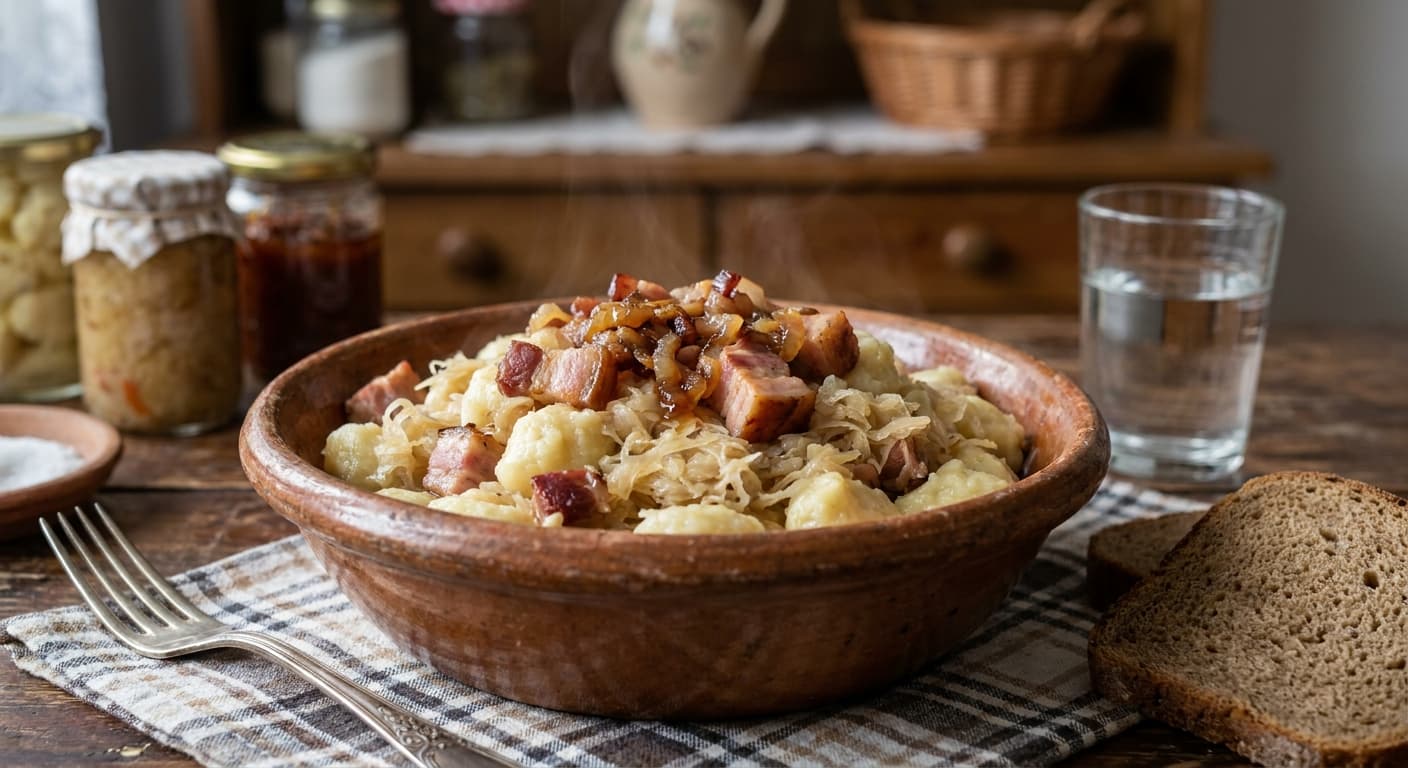
Potato Dumplings with Smoked Meat (Strapačky s údeným mäsom) — Rustic Slovak Halušky with Sauerkraut
Slovak · Main Courses · 70 min
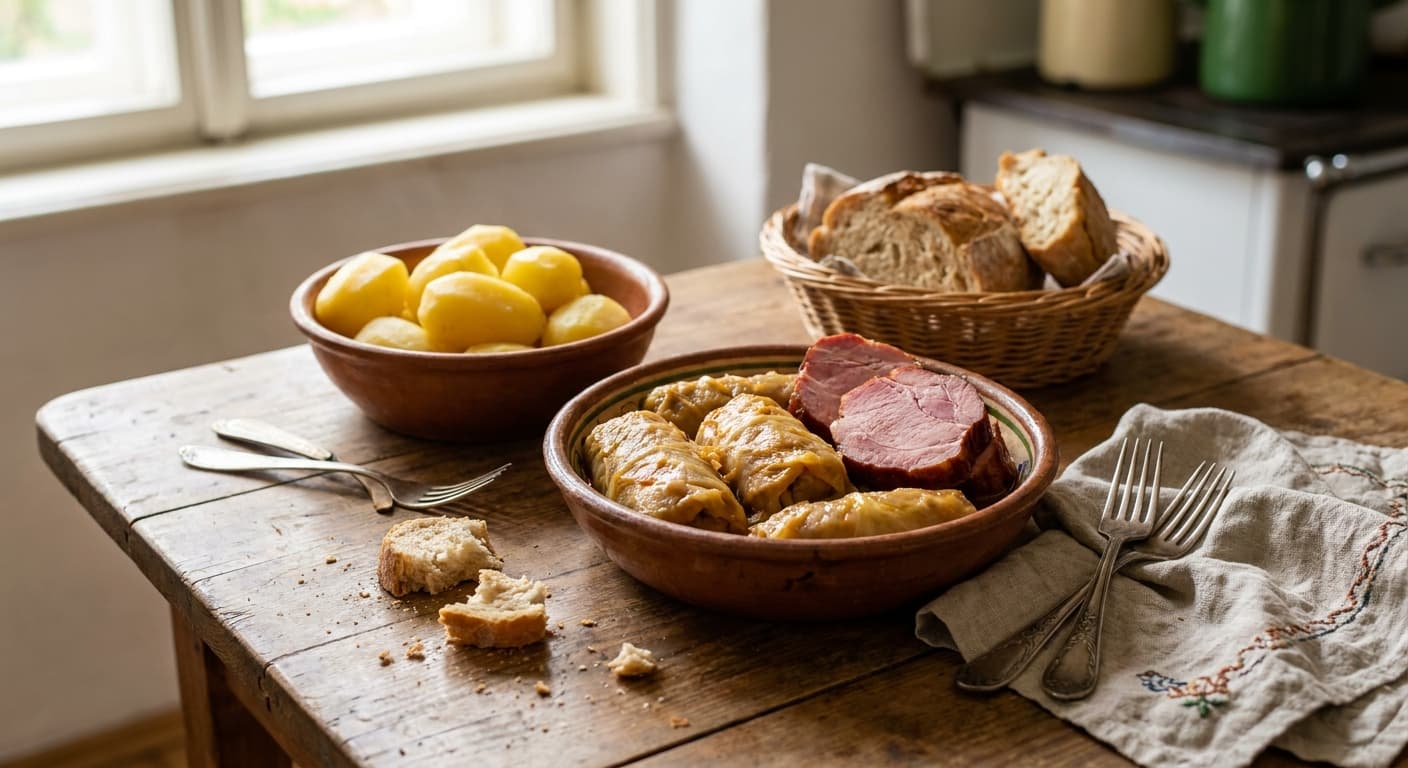
Sinj Stuffed Cabbage Rolls (Sinjski arambaši) — Hand-Chopped Meat in Sour Cabbage
Croatian · Main Courses · 245 min
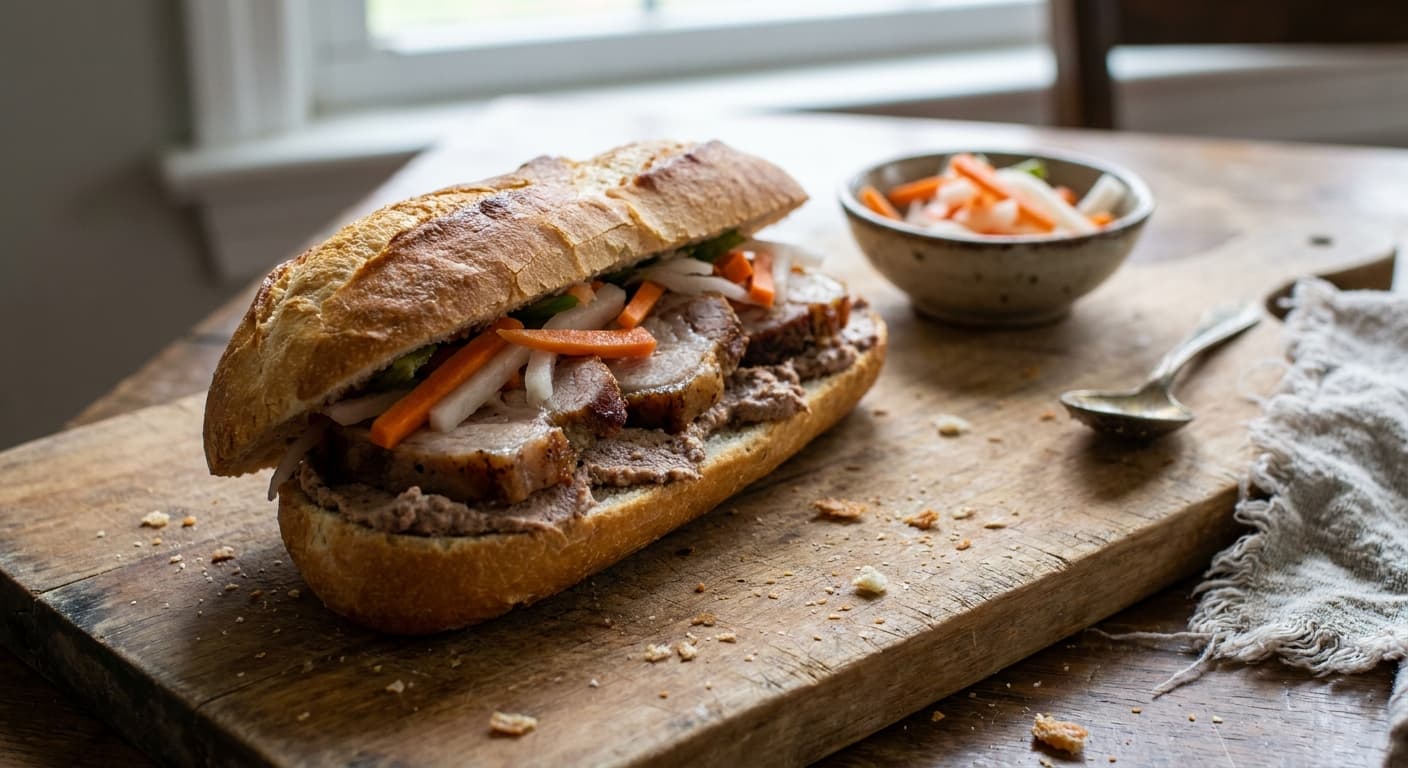
Num Pang Pate (នំប៉័ងប៉ាតេ) — Cambodian Baguette with Pate and Pickles
Cambodian · Main Courses · 60 min
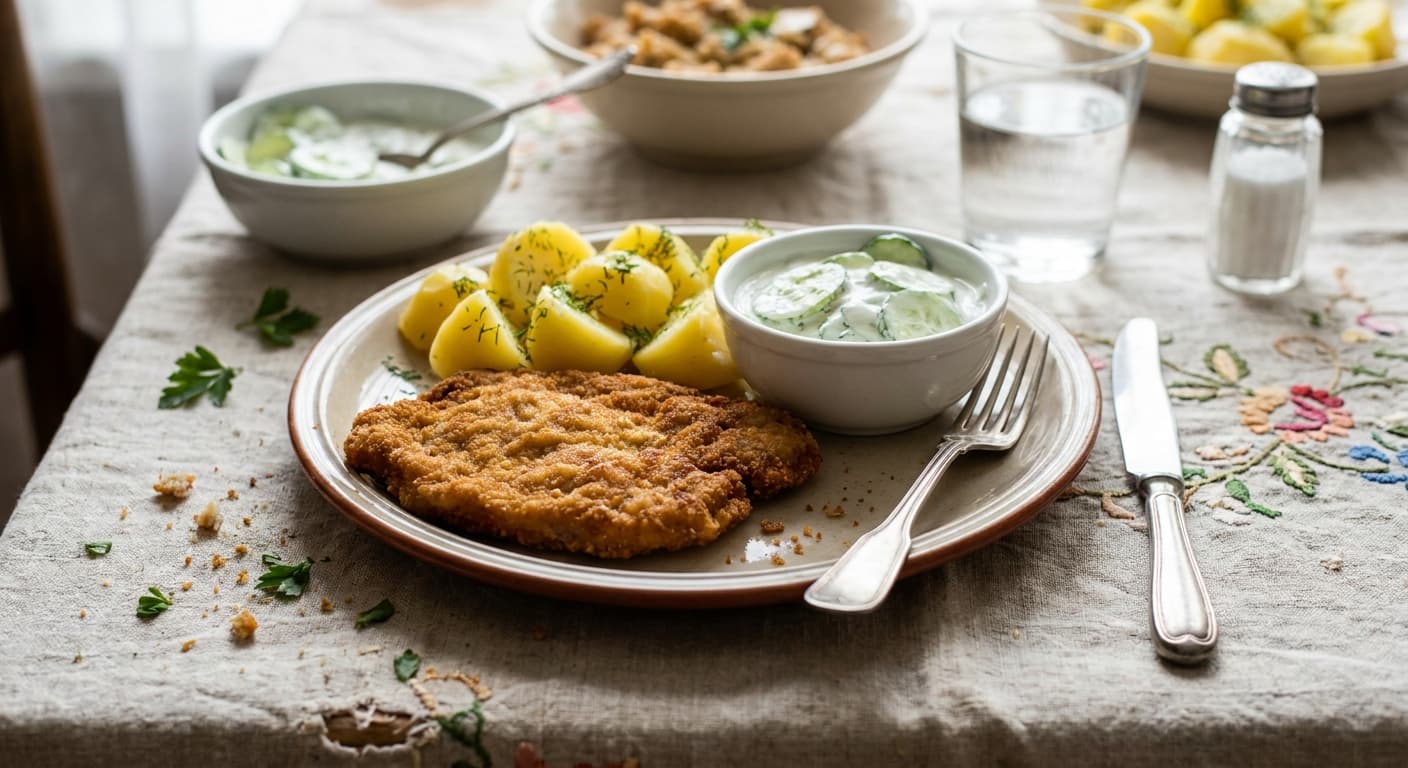
Polish Pork Cutlet (Kotlet schabowy) — Crisp Breaded Sunday Pork Chop
Polish · Main Courses · 43 min
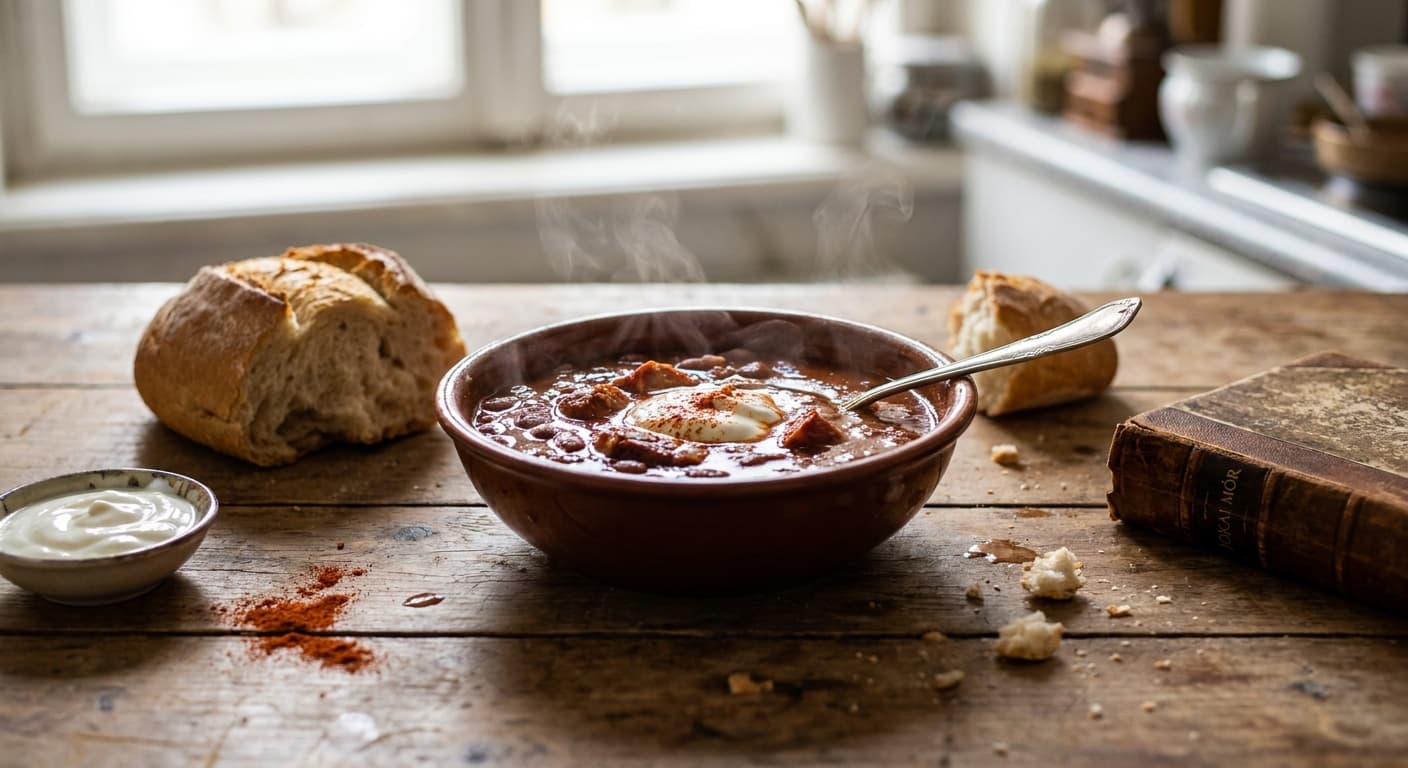
Jókai Bean Soup (Jókai-bableves) — Smoked Pork and Tejföl Bean Soup
Hungarian · Soups · 185 min
Changua (Changua) — Colombian Milk-and-Egg Breakfast Soup
Colombian · Soups · 25 min
Reviews
Cooked this recipe?
Tap the stars to rate it — that's all it takes. A few words are welcome but optional.
No ratings yet. Cooked this one? Be the first to rate it — it takes one tap.