Rice Kubba Halab (كبة حلب) — Crisp Iraqi Rice Croquettes with Spiced Beef
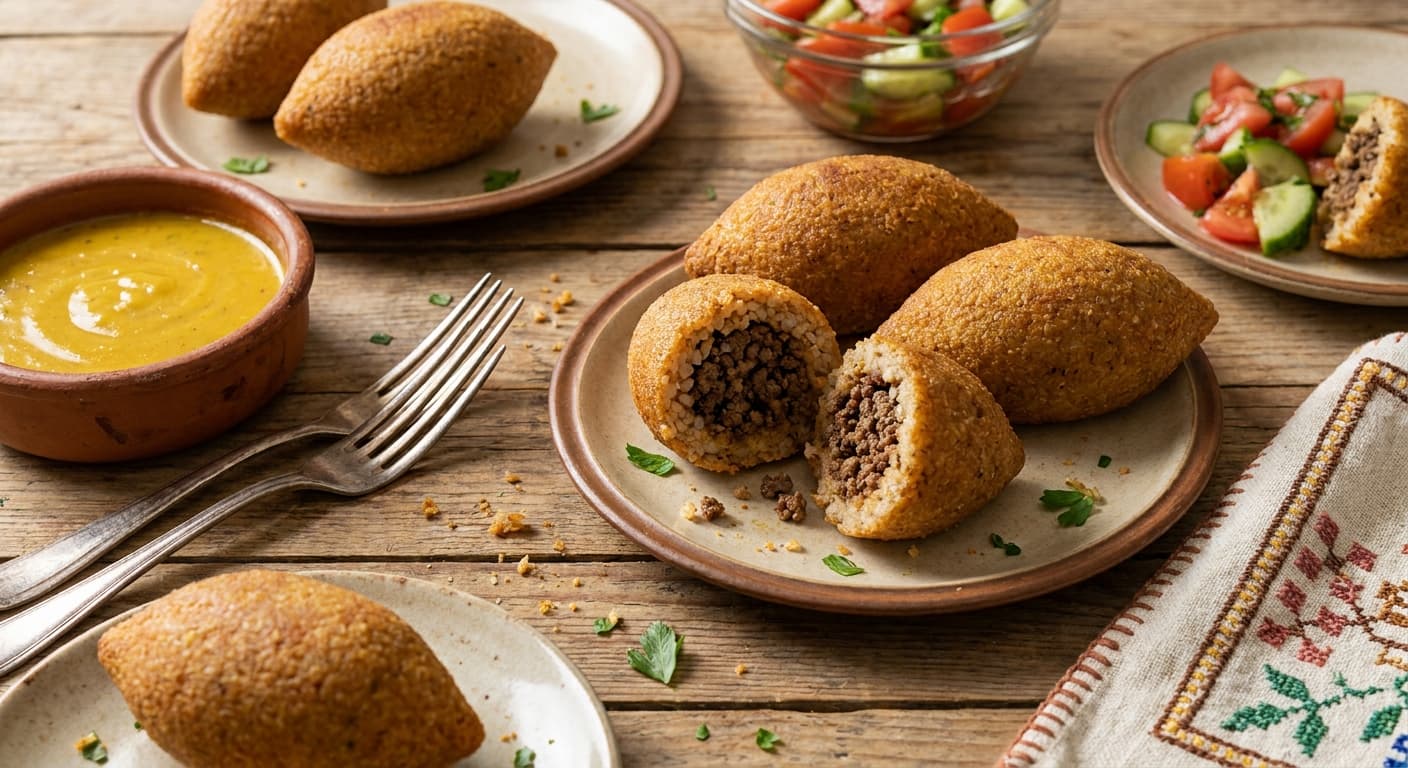
Kubba Halab are golden Iraqi croquettes with a tender timman, or rice, shell and a savory meat filling. Despite their name referencing Aleppo, this rice-based kubba is an Iraqi favorite, delicious with tangy amba alongside.
Printable Recipe Card
Servings: 5 · Total: 120 min · Difficulty: hard
Ingredients (quick list)
- 300 g short-grain white rice (Use ordinary starchy short-grain rice, not glutinous rice.)
- 1 potato (150 g after peeling; cut into 1 cm cubes.)
- 650 ml water
- 0.5 tsp ground turmeric
- 1 tsp fine salt (Approximately 6 g.)
- 400 g ground beef (90% lean; use halal-certified beef when required.)
- 1 onion (150 g after peeling; finely diced.)
- 1 tbsp sunflower oil
- 1.5 tsp Iraqi baharat (A salt-free blend featuring warm spices such as allspice, cinnamon, black pepper, and cardamom.)
- 0.25 tsp ground black pepper
- 40 g raisins (Finely chop any raisins larger than 1 cm.)
- 8 sprig flat-leaf parsley (Approximately 10 g; finely chop the leaves and tender stems.)
Steps (summary)
- Rinse the rice once under cold running water and drain thoroughly. Place it in a heavy saucepan with the potato, 650 ml water,…
- While the rice cooks, heat 1 tbsp sunflower oil in a frying pan over medium heat. Add the onion and cook for 7–8 minutes, stirr…
- Stir the baharat, black pepper, 0.5 tsp salt, and raisins into the beef, then cook for 2 minutes. Remove from the heat and mix…
- Spread the cooked rice and potato on a tray for 10 minutes, until warm rather than steaming hot. Process in two batches in a fo…
- Divide the rice dough into 20 equal portions and the cooled filling into 20 equal portions. Lightly oil your palms using the re…
- Bring the dough edges around the filling, pinch them together, and smooth the seam completely closed. Shape into a slightly fla…
+ 2 more steps in the full instructions section below.
Cultural Background
Iraq's kubba repertoire includes shells made from rice as well as bulgur. Nawal Nasrallah documents this rich tradition in Delights from the Garden of Eden. Kubba Halab carries Aleppo's name but is firmly established in Iraqi home cooking.
Equipment
💡 Tips
- The rice must be softer than rice intended for serving as a side dish; distinct, firm grains will make the shell crack.
- Keep the filling dry and cold before shaping. A wet or warm filling weakens the rice shell and makes sealing difficult.
- Fry 1 kubba first to test the seal and oil temperature before cooking batches of 3–4.
⚠️ Common Mistakes
❌ The shell cracks while shaping.
✅ Fix: Process the rice until cohesive and smooth, and keep unused dough covered. Close cracks by pressing the edges together with lightly oiled fingers before frying.
❌ The kubba burst in the oil.
✅ Fix: Cool the filling completely, evaporate its cooking liquid, and seal every seam. Keep the shell approximately 5 mm thick rather than stretching it until translucent.
❌ The crust becomes greasy or breaks when turned.
✅ Fix: Maintain 170–180°C oil and avoid crowding the pan. Leave the kubba untouched for the first 90 seconds before turning gently.
🧊 How to Store
Cool leftovers promptly and refrigerate in a shallow covered container within 1 hour. Keep for up to 2 days. Reheat once on a rack in a 190°C oven for 15–20 minutes, until the centers reach 74°C; microwaving softens the crust.
📅 Make Ahead
Make the filling up to 1 day ahead and refrigerate promptly. Freeze freshly shaped kubba in a single layer, then pack for up to 1 month; fry from frozen in small batches for 7–9 minutes, until the centers reach 74°C.
🍽️ Pairs Well With
- Amba
- chopped cucumber and tomato salad
- Iraqi pickled vegetables
- lemon wedges
Regional Variations
- Iraqi household versions vary between rice-only shells and rice shells reinforced with potato; this recipe uses potato for easier handling.
- Fillings may use beef or lamb, and raisins may be included or omitted according to family preference.
- Some family recipes include toasted almonds in the filling; this version remains nut-free.
Ingredients
- 300 gshort-grain white rice (Use ordinary starchy short-grain rice, not glutinous rice.)
- 1potato (150 g after peeling; cut into 1 cm cubes.)
- 650 mlwater
- 0.5 tspground turmeric
- 1 tspfine salt (Approximately 6 g.)
- 400 gground beef (90% lean; use halal-certified beef when required.)
- 1onion (150 g after peeling; finely diced.)
- 1 tbspsunflower oil
- 1.5 tspIraqi baharat (A salt-free blend featuring warm spices such as allspice, cinnamon, black pepper, and cardamom.)
- 0.25 tspground black pepper
- 40 graisins (Finely chop any raisins larger than 1 cm.)
- 8 sprigflat-leaf parsley (Approximately 10 g; finely chop the leaves and tender stems.)
🔄 Substitutions
- ground beef→ 400 g lean ground lamb
- Iraqi baharat→ 0.5 tsp ground allspice, 0.5 tsp ground cumin, 0.25 tsp ground cinnamon, and 0.25 tsp ground cardamom
- raisins→ 40 g additional ground beef
Instructions
- 1
Rinse the rice once under cold running water and drain thoroughly. Place it in a heavy saucepan with the potato, 650 ml water, turmeric, and 1 tsp salt, then bring to a boil. Cover and cook over the lowest heat for 22–25 minutes, until the rice and potato are very soft and the water has been absorbed. Remove from the heat and leave covered for 10 minutes.
- 2
While the rice cooks, heat 1 tbsp sunflower oil in a frying pan over medium heat. Add the onion and cook for 7–8 minutes, stirring frequently, until softened and lightly golden. Add the beef and cook for 8–10 minutes, breaking it into fine crumbs, until no pink remains and the released liquid has evaporated.
- 3
Stir the baharat, black pepper, 0.5 tsp salt, and raisins into the beef, then cook for 2 minutes. Remove from the heat and mix in the parsley. Spread the filling on a shallow plate and refrigerate until cool; it should be moist enough to hold together when pressed but have no liquid collecting underneath.
- 4
Spread the cooked rice and potato on a tray for 10 minutes, until warm rather than steaming hot. Process in two batches in a food processor, scraping down the bowl between pulses, until the grains break down into a cohesive, smooth dough. Transfer to a shallow bowl, cover, and refrigerate for 20–30 minutes, until cool enough to shape. Begin chilling within 1 hour of cooking the rice.
- 5
Divide the rice dough into 20 equal portions and the cooled filling into 20 equal portions. Lightly oil your palms using the reserved 1 tsp oil, then flatten one dough portion into a disc approximately 9 cm across with a center about 5 mm thick. Cup it in your palm and place one portion of filling in the middle.
- 6
Bring the dough edges around the filling, pinch them together, and smooth the seam completely closed. Shape into a slightly flattened oval approximately 7 cm long, keeping the filling fully enclosed. Repeat with the remaining portions and refrigerate the shaped kubba for 20 minutes while preparing the frying station.
- 7
Pour the remaining frying oil into a deep, heavy saucepan approximately 18–20 cm wide, ensuring the pan is no more than half full. Heat to 175°C, checking with a frying thermometer. Lower 3–4 kubba into the oil and leave them undisturbed for the first 90 seconds so their crusts can set.
- 8
Fry each batch for 5–7 minutes, turning gently after the crust sets, until evenly golden and crisp. Maintain the oil between 170°C and 180°C and allow it to return to 175°C before adding the next batch. Transfer to a wire rack over a tray and rest for 3 minutes before serving; the filling should be piping hot.
🪪 Recipe Passport
Cultural Background
Iraq's kubba repertoire includes shells made from rice as well as bulgur. Nawal Nasrallah documents this rich tradition in Delights from the Garden of Eden. Kubba Halab carries Aleppo's name but is firmly established in Iraqi home cooking.
Regional Variations
Researched from multiple sources and validated by the Zaffaron editorial team. Every recipe is tested for accuracy, measurements, and cultural authenticity.
📚 Sources & Cultural References
- Nawal Nasrallah — Delights from the Garden of Eden — (2013)
Sources cited by the Zaffaron editorial team during recipe research. Cultural and culinary references supporting authenticity claims.
Nutrition per serving
Pairs well with
If you enjoyed this recipe, here are a few related Zaffaron recipes to try next.
Does your family make this differently?
Every family has their own version. Maybe your grandmother adds a secret ingredient, or your aunt has a completely different technique. Preserve your family's version — with their name on it, forever.
You Might Also Like
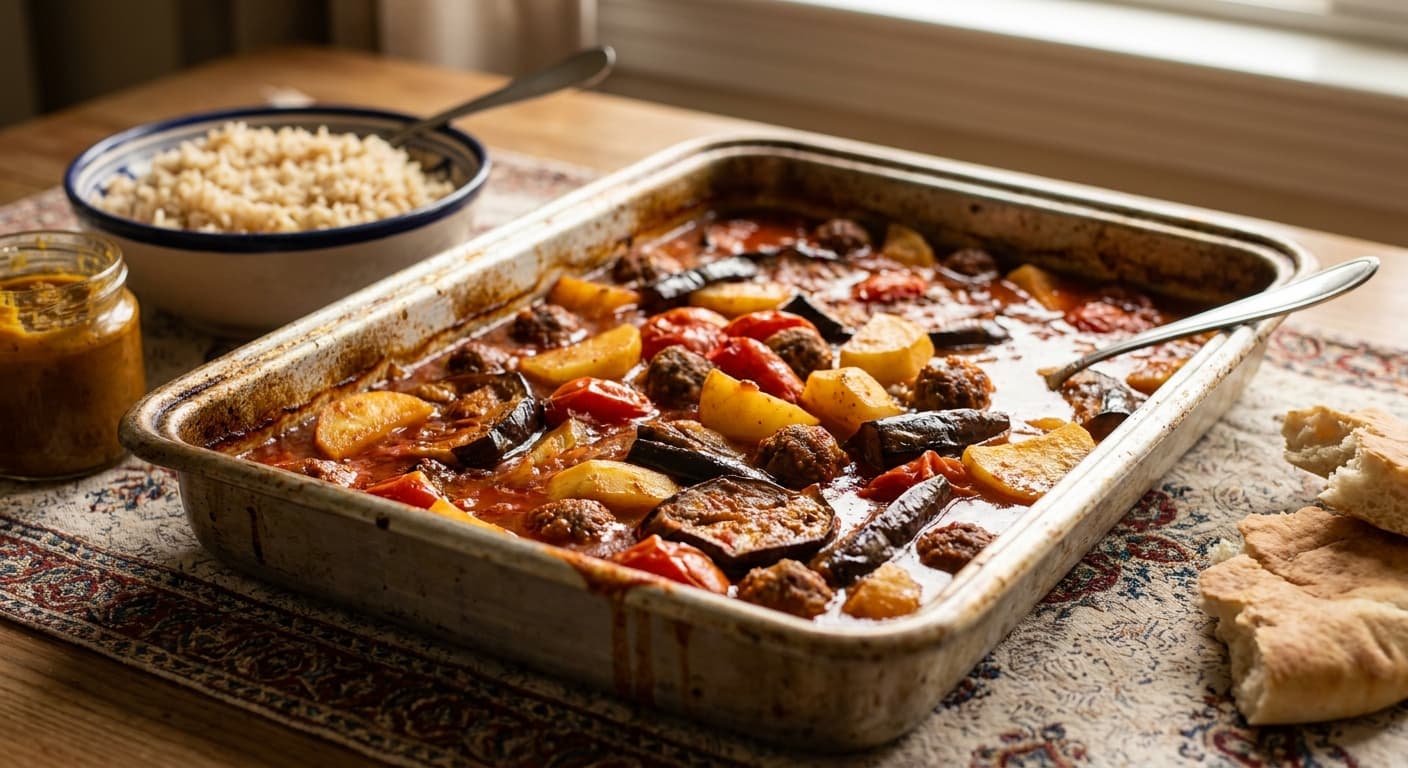
Tepsi Baytinijan (تبسي بيتنجان) — Iraqi Eggplant Tray Bake
Iraqi · Main Courses · 90 min
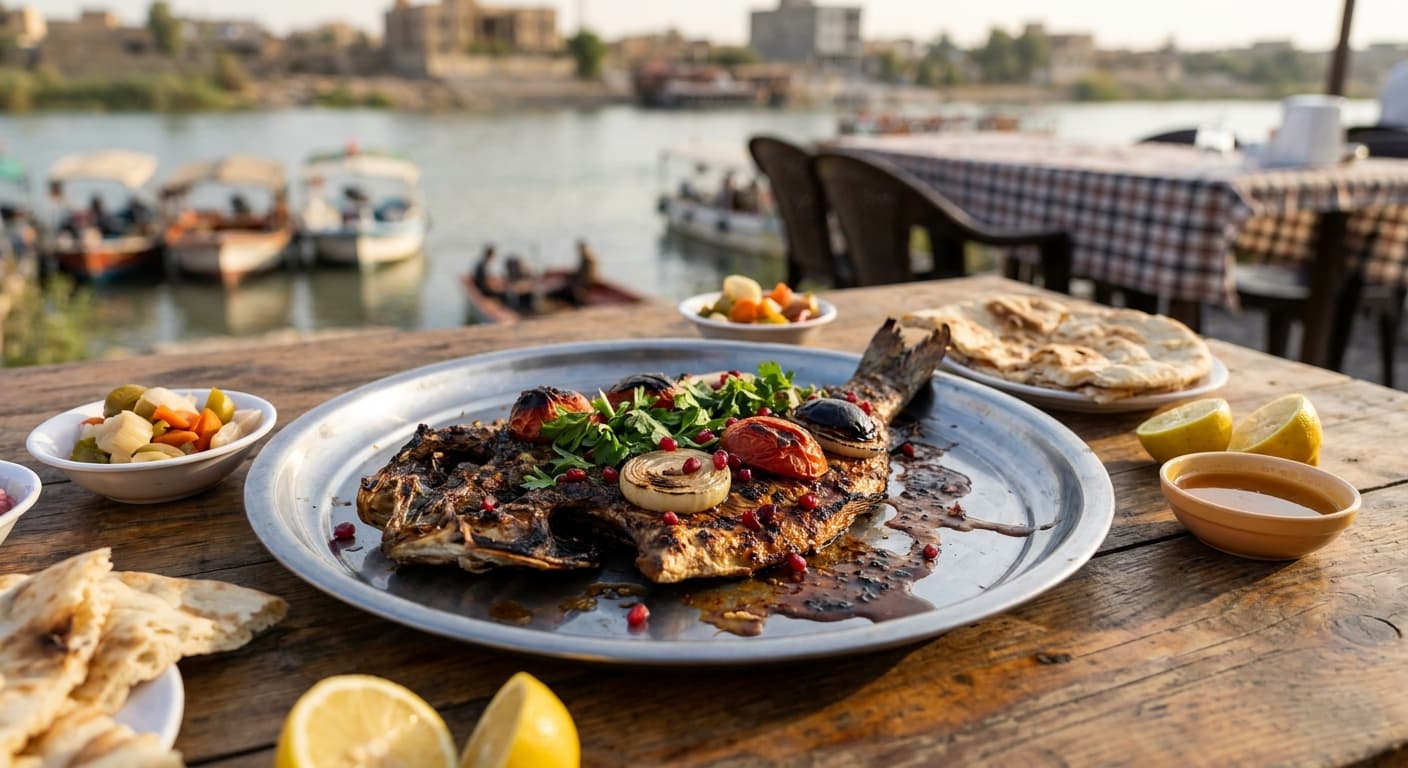
Iraqi Masgouf (المسكوف) — Tamarind-Grilled Carp
Iraqi · Main Courses · 70 min
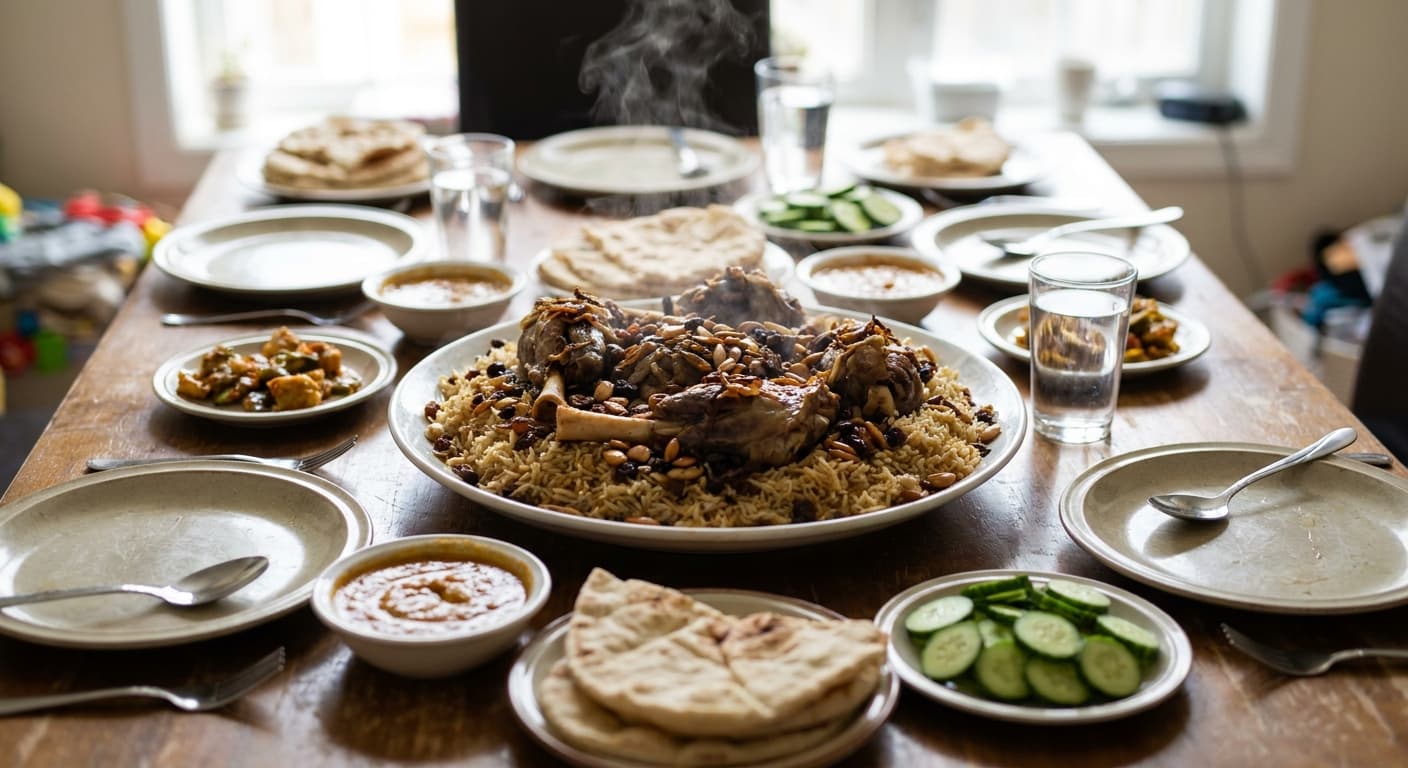
Iraqi Quzi (قوزي) — Spiced Lamb Over Timman Rice
Iraqi · Main Courses · 200 min
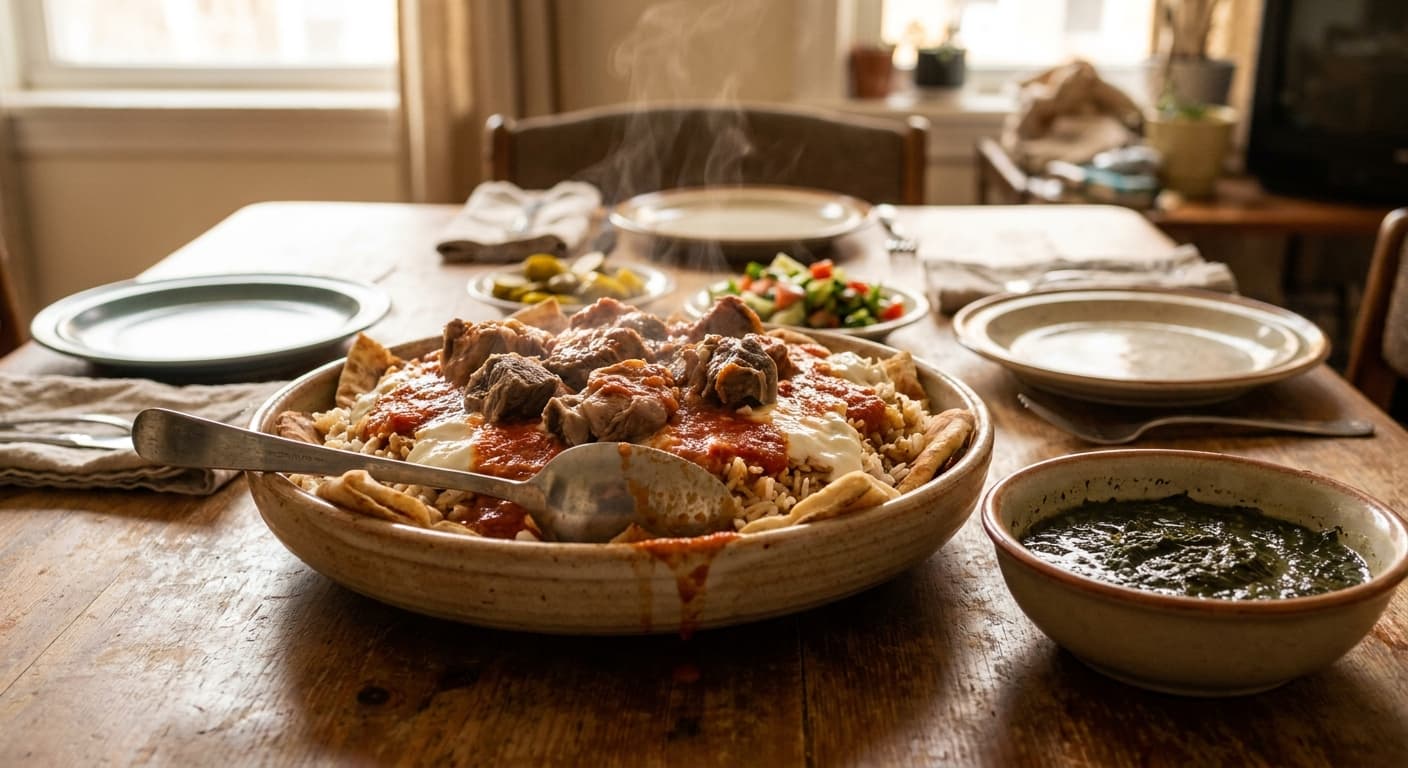
Egyptian Fatta (فتة) — Layered Meat, Rice, and Crisp Bread
Egyptian · Main Courses · 145 min
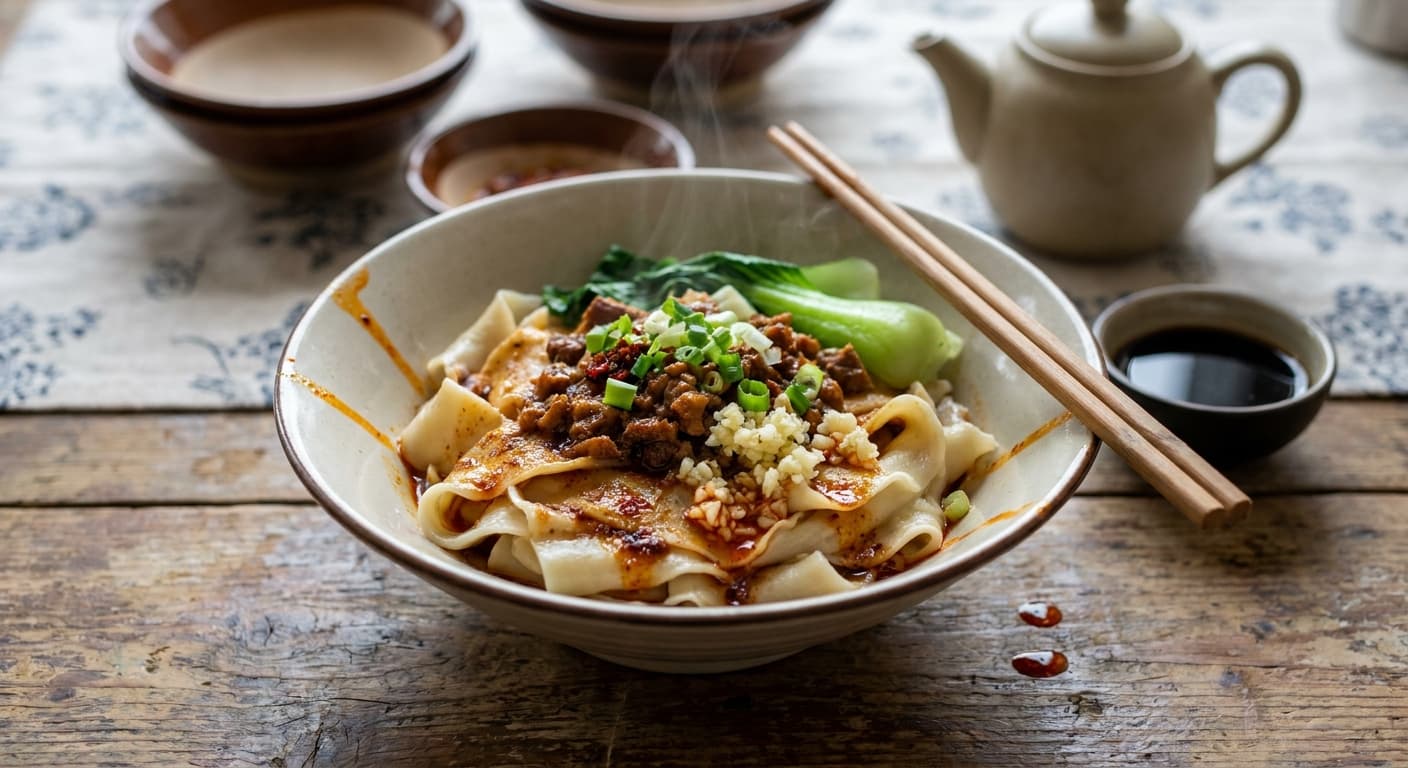
Biangbiang Noodles (油泼扯面) — Xi'an Hand-Pulled Belt Noodles
Chinese · Main Courses · 65 min
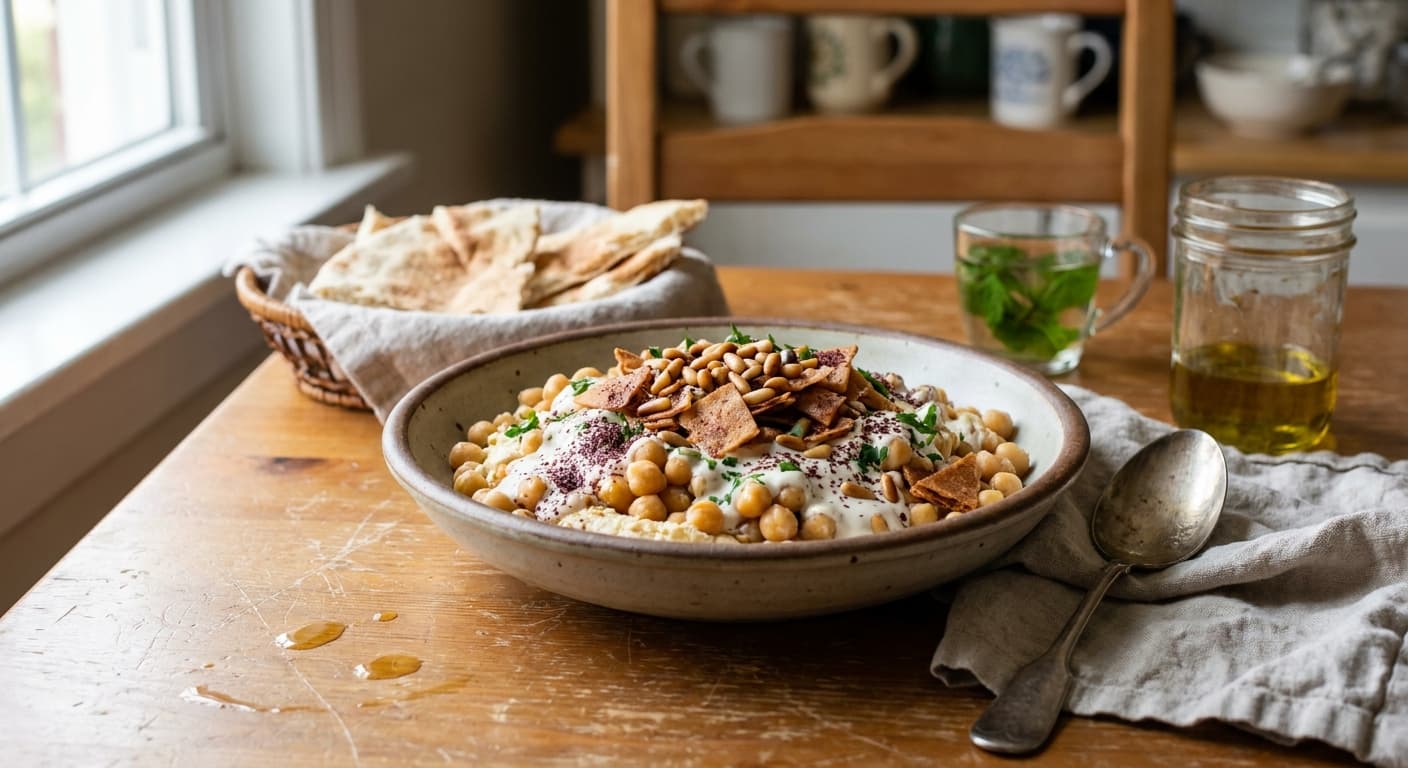
Fattet Hummus (فتة حمص) — Chickpeas with Yogurt and Crisp Bread
Lebanese · Main Courses · 30 min
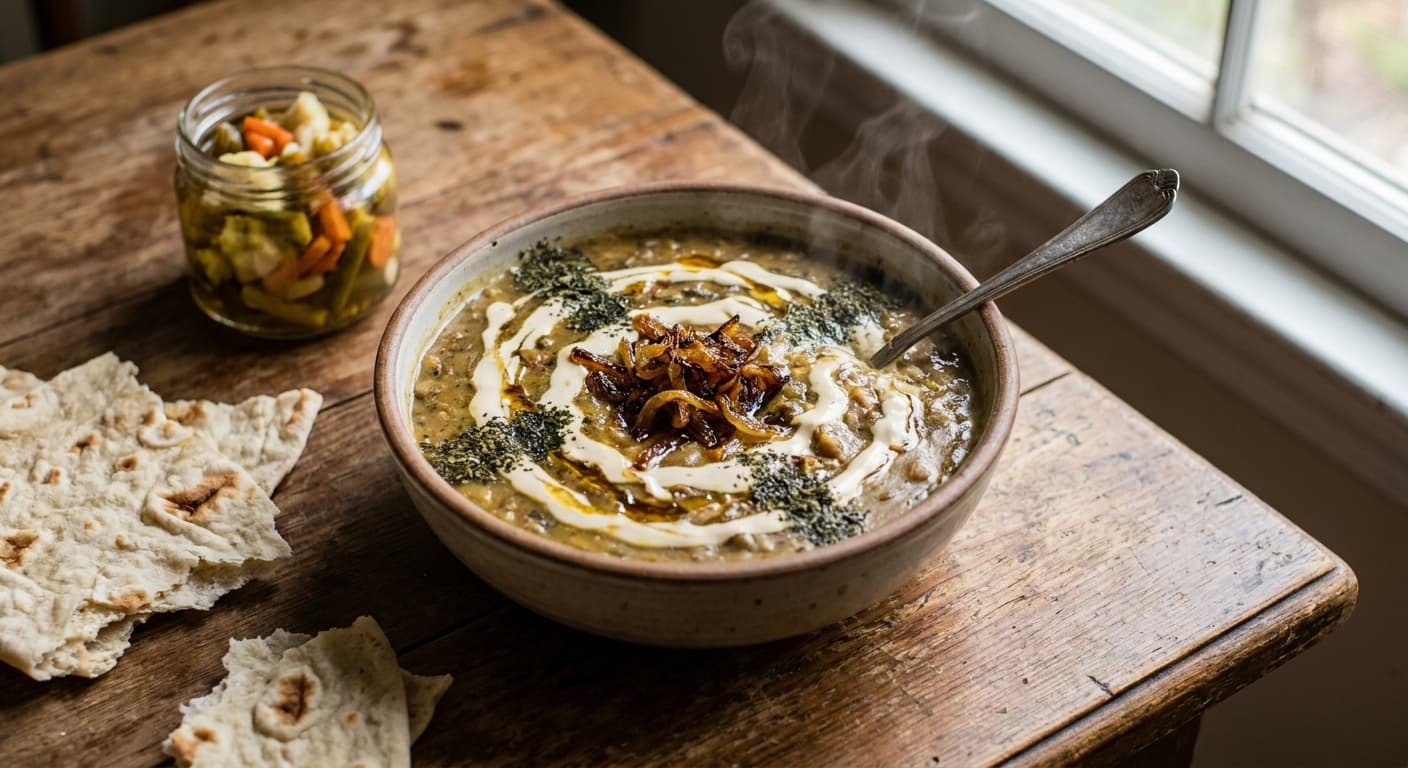
Ash-e Sak (آش ساک) — Gorgani Spinach and Lamb Ash
Persian · Soups · 175 min
Kubba Mosul (كبة موصل) — Thin Iraqi Bulgur-Meat Discs with Spiced Filling
Iraqi · Main Courses · 125 min
Reviews
Cooked this recipe?
Tap the stars to rate it — that's all it takes. A few words are welcome but optional.
No ratings yet. Cooked this one? Be the first to rate it — it takes one tap.