Polish Stuffed Cabbage Rolls (Gołąbki) — Tender Cabbage Rolls in Tomato Sauce
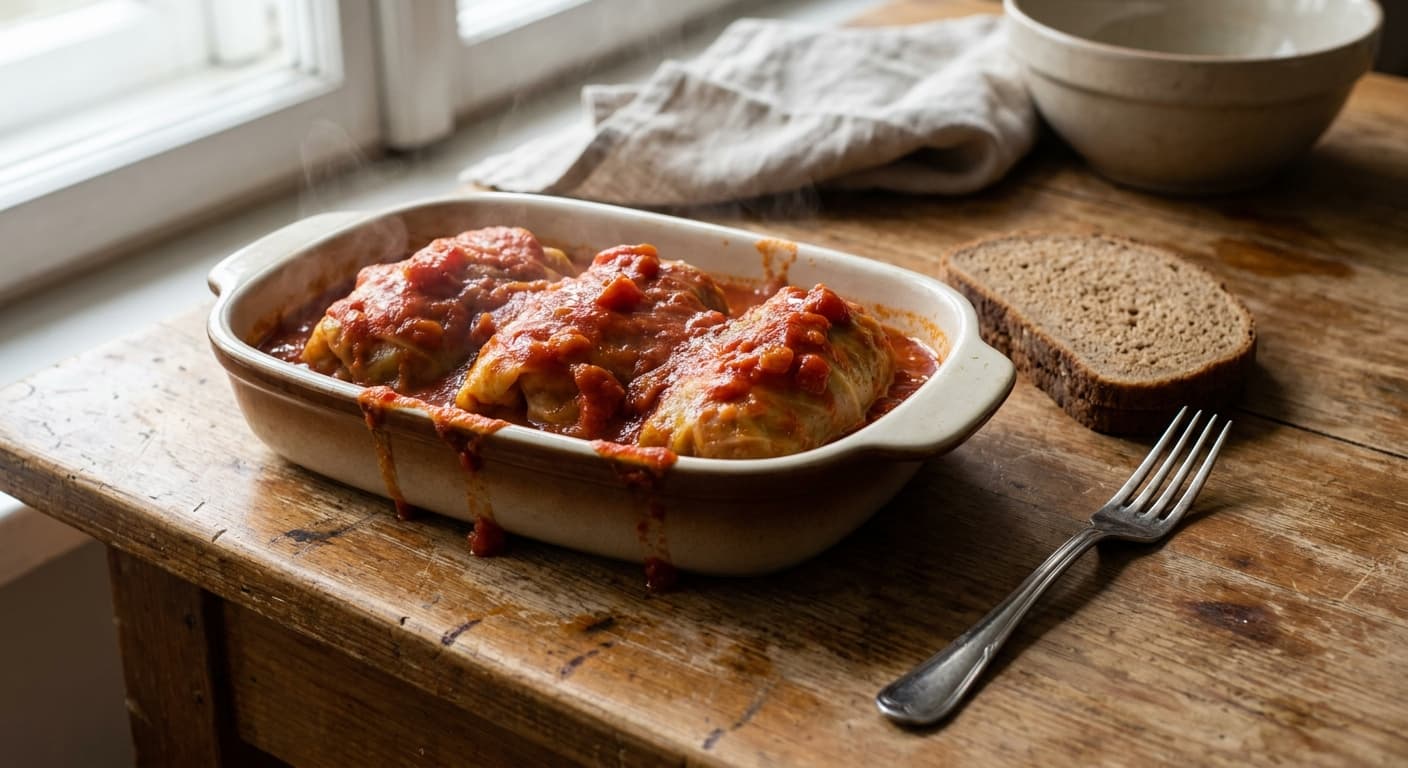
Gołąbki are classic Polish cabbage rolls filled with pork, beef, rice, onion, and marjoram, then slowly baked in tomato sauce. The name means “little pigeons,” a beloved homestyle dish for Sunday dinners and family gatherings.
Printable Recipe Card
Servings: 6 · Total: 135 min · Difficulty: medium
Ingredients (quick list)
- 1 green cabbage (about 1.2 kg, firm and large-leaved)
- 150 g long-grain white rice
- 360 ml water
- 1 tsp fine sea salt (for cooking the rice)
- 1 yellow onion (about 180 g, finely diced)
- 2 clove garlic (minced)
- 1 tbsp neutral oil
- 500 g ground pork (about 20 percent fat)
- 300 g ground beef (about 15 percent fat)
- 1 egg
- 2 tsp dried marjoram
- 1 tsp sweet paprika
+ 6 more in the full ingredients section below.
Steps (summary)
- Bring the water and 1 tsp salt to a boil in a small saucepan, then stir in the rice. Cover, reduce the heat to low, and cook fo…
- Core the cabbage with a small sharp knife, keeping the head intact. Lower it into a large pot of boiling water and cook for 8 t…
- Trim the thick rib from each cabbage leaf so the leaf rolls easily without tearing. Line the bottom of a large Dutch oven or ba…
- Heat the oil in a skillet over medium heat and cook the onion for 6 minutes until soft and lightly golden. Add the garlic and c…
- Add the pork, beef, cooled rice, egg, marjoram, paprika, 1.5 tsp salt, and 0.75 tsp pepper to the onion mixture. Mix with your…
- Place 70 to 80 g of filling near the base of each prepared cabbage leaf. Fold the sides inward, roll tightly from the stem end,…
+ 3 more steps in the full instructions section below.
Cultural Background
Gołąbki are a staple of Polish home cooking, often prepared in large batches for Sunday meals, name days, weddings, and community gatherings. Their slow-cooked comfort reflects practical farmhouse cooking and family hospitality.
Equipment
💡 Tips
- Choose a loose-leaved green cabbage rather than a very tight head, because the leaves separate more cleanly after blanching.
- Part-cook the rice only; fully cooked rice can turn mushy during the long braise.
- For neater rolls, keep the seam side down and pack the rolls closely enough that they support one another.
⚠️ Common Mistakes
❌ Using raw rice in the filling
✅ Fix: Parboil the rice for 10 minutes so it finishes cooking evenly without bursting the cabbage rolls.
❌ Overfilling the cabbage leaves
✅ Fix: Use 70 to 80 g filling per leaf and leave enough space for the rice to expand.
❌ Boiling the rolls aggressively
✅ Fix: Keep the sauce at a gentle simmer or bake covered so the rolls stay intact.
🧊 How to Store
Cool leftovers within 2 hours, then refrigerate the rolls in their sauce in an airtight container for up to 4 days. Reheat covered at 160°C for 25 minutes, or microwave portions with extra sauce until steaming hot.
📅 Make Ahead
Assemble the rolls up to 24 hours ahead and refrigerate them covered in the sauce. Add 10 to 15 minutes to the cooking time if baking directly from chilled.
🍽️ Pairs Well With
- Boiled potatoes
- rye bread
- sour cream
- cucumber salad
- dill pickles.
Regional Variations
- In eastern Poland, buckwheat groats may replace rice for a nuttier filling.
- Some households use only pork and finish the sauce with sour cream after cooking.
- For meatless holiday versions, cabbage leaves are filled with mushrooms, onion, and barley or buckwheat.
Ingredients
- 1green cabbage (about 1.2 kg, firm and large-leaved)
- 150 glong-grain white rice
- 360 mlwater
- 1 tspfine sea salt (for cooking the rice)
- 1yellow onion (about 180 g, finely diced)
- 2 clovegarlic (minced)
- 1 tbspneutral oil
- 500 gground pork (about 20 percent fat)
- 300 gground beef (about 15 percent fat)
- 1egg
- 2 tspdried marjoram
- 1 tspsweet paprika
- 0.75 tspblack pepper (freshly ground)
- 700 gtomato passata
- 300 mlbeef broth
- 2 tbsptomato paste
- 2 leafbay leaves
- 1 tspsugar
🔄 Substitutions
- ground pork→ ground turkey thigh
- ground beef→ ground veal
- tomato passata→ crushed tomatoes
Instructions
- 1
Bring the water and 1 tsp salt to a boil in a small saucepan, then stir in the rice. Cover, reduce the heat to low, and cook for 10 minutes until the grains are only partly tender; drain any excess water and cool the rice for 15 minutes.
- 2
Core the cabbage with a small sharp knife, keeping the head intact. Lower it into a large pot of boiling water and cook for 8 to 10 minutes, peeling off leaves with tongs as they soften; you need about 14 large usable leaves.
- 3
Trim the thick rib from each cabbage leaf so the leaf rolls easily without tearing. Line the bottom of a large Dutch oven or baking dish with the smallest or torn cabbage leaves, which prevents scorching and adds flavor to the sauce.
- 4
Heat the oil in a skillet over medium heat and cook the onion for 6 minutes until soft and lightly golden. Add the garlic and cook for 1 minute more, then scrape the mixture into a large bowl and let it cool for 5 minutes.
- 5
Add the pork, beef, cooled rice, egg, marjoram, paprika, 1.5 tsp salt, and 0.75 tsp pepper to the onion mixture. Mix with your hands for 1 to 2 minutes until evenly combined, but do not knead so firmly that the filling becomes dense.
- 6
Place 70 to 80 g of filling near the base of each prepared cabbage leaf. Fold the sides inward, roll tightly from the stem end, and place each roll seam-side down in the lined pot so the rolls hold their shape during cooking.
- 7
Whisk together the tomato passata, beef broth, tomato paste, sugar, 0.5 tsp salt, and 0.25 tsp pepper. Pour the sauce over the rolls and tuck the bay leaves into the liquid, making sure the rolls are mostly covered.
- 8
Cover the pot and bake at 180°C for 75 minutes, or simmer very gently on the stovetop for the same amount of time. The rolls are ready when the cabbage is tender, the rice is fully cooked, and the center of a roll reaches 74°C.
- 9
Rest the gołąbki, covered, for 15 minutes before serving so the filling firms slightly and the cabbage absorbs more sauce. Remove the bay leaves, spoon extra tomato sauce over each portion, and serve hot.
🪪 Recipe Passport
Cultural Background
Gołąbki are a staple of Polish home cooking, often prepared in large batches for Sunday meals, name days, weddings, and community gatherings. Their slow-cooked comfort reflects practical farmhouse cooking and family hospitality.
Regional Variations
Researched from multiple sources and validated by the Zaffaron editorial team. Every recipe is tested for accuracy, measurements, and cultural authenticity.
📚 Sources & Cultural References
- Robert Strybel and Maria Strybel — Polish Heritage Cookery — (1993)
- Anne Applebaum and Danielle Crittenden — From a Polish Country House Kitchen — (2012)
Sources cited by the Zaffaron editorial team during recipe research. Cultural and culinary references supporting authenticity claims.
Nutrition per serving
Pairs well with
If you enjoyed this recipe, here are a few related Zaffaron recipes to try next.
Does your family make this differently?
Every family has their own version. Maybe your grandmother adds a secret ingredient, or your aunt has a completely different technique. Preserve your family's version — with their name on it, forever.
You Might Also Like
Polish Bigos (Bigos) — Hunter's Stew with Sauerkraut, Cabbage, and Smoked Meats
Polish · Stews · 215 min
Polish Sour Rye Soup (Żurek) — Tangy Easter Sausage Soup
Polish · Soups · 80 min
Bigos (Bigos) — Polish Hunter’s Stew with Sauerkraut and Meat
Polish · Stews · 220 min
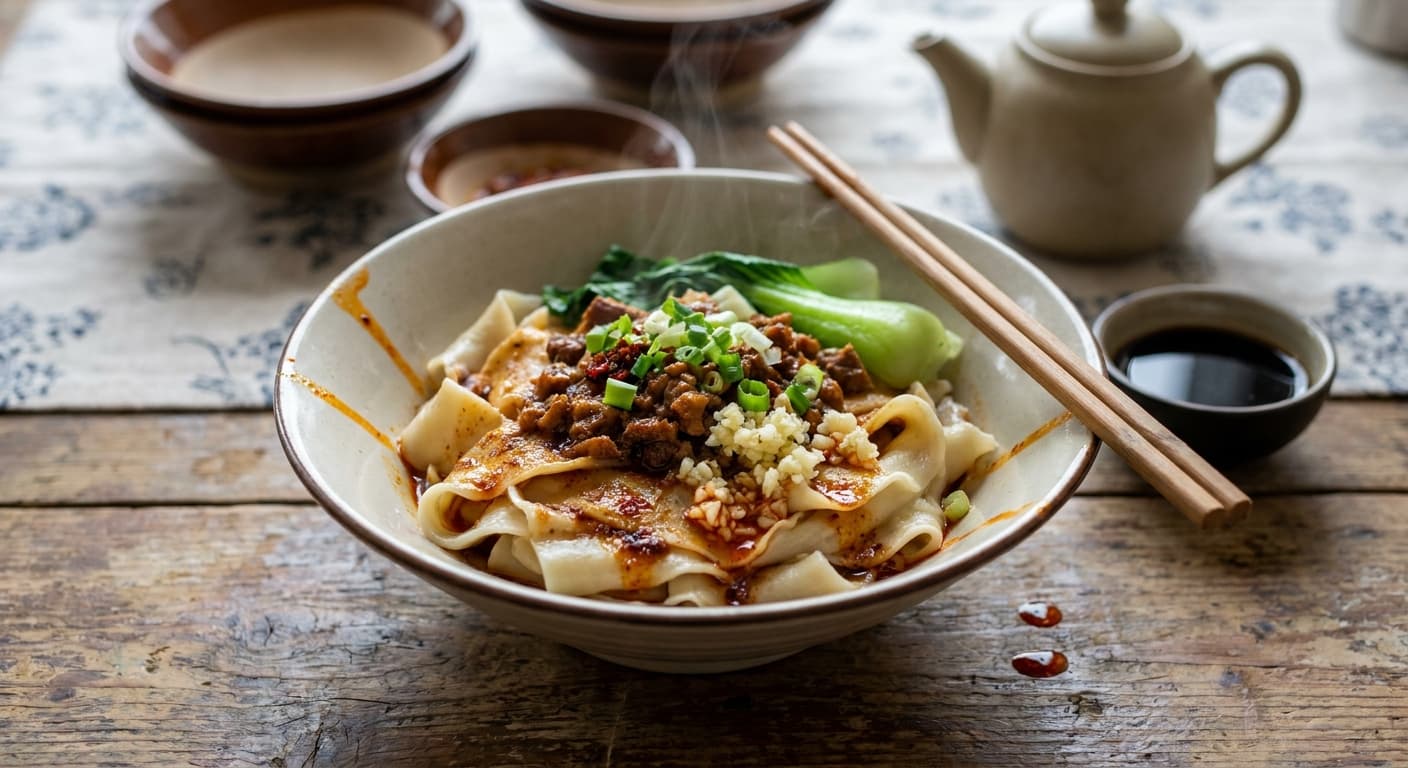
Biangbiang Noodles (油泼扯面) — Xi'an Hand-Pulled Belt Noodles
Chinese · Main Courses · 65 min
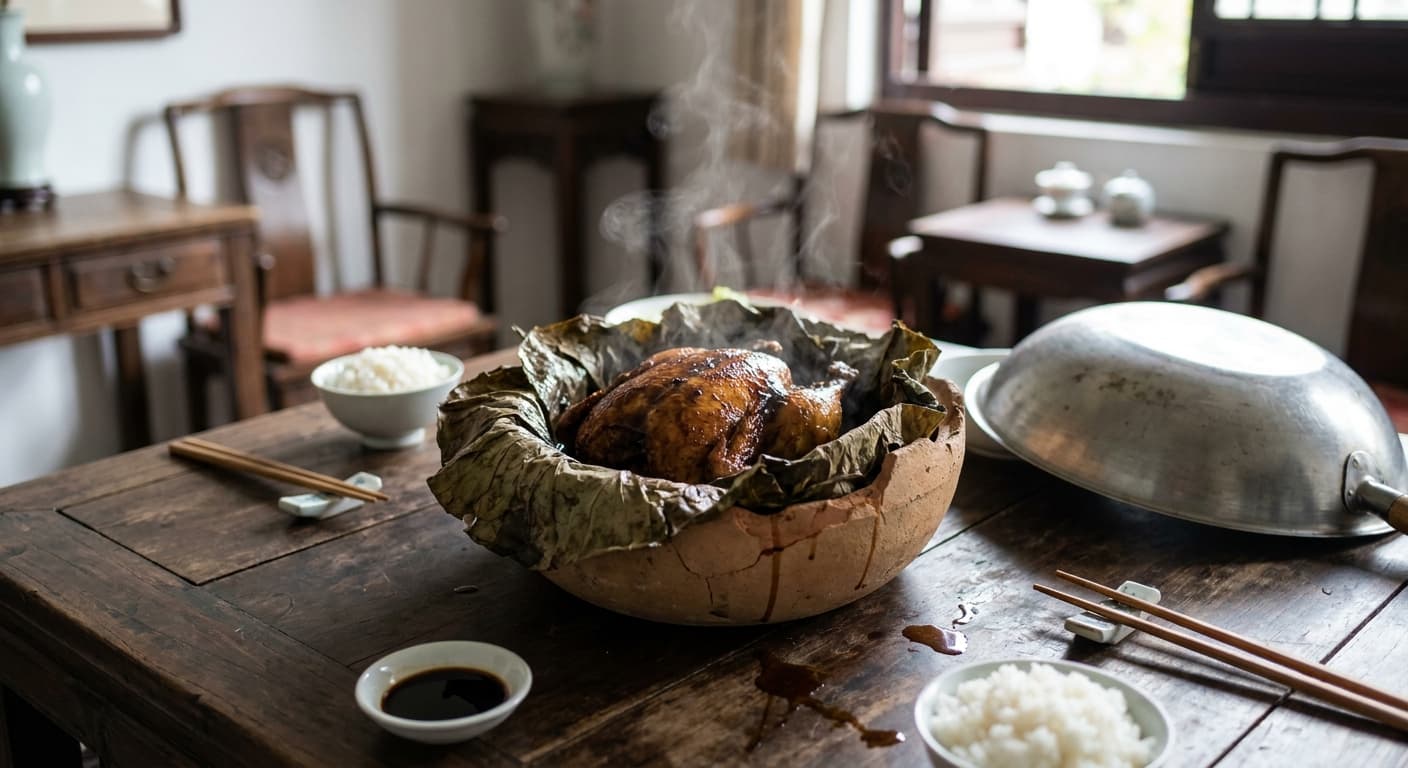
Beggar's Chicken (叫化鸡) — Lotus-Wrapped Clay-Baked Jiangnan Chicken
Chinese · Main Courses · 240 min
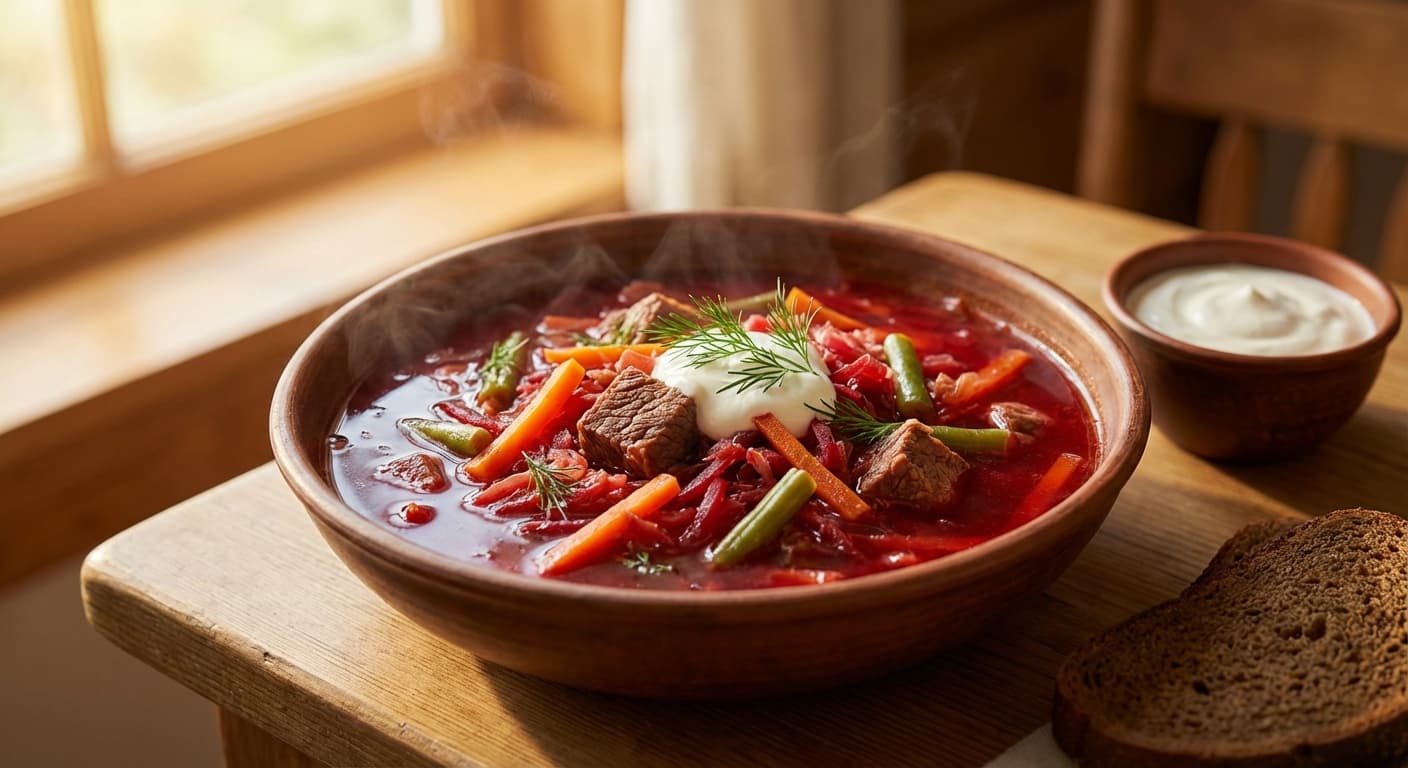
Soop Resi Roosi (سوپ رسی روسی) — Russian Borscht Soup
Russian · Soups · 145 min
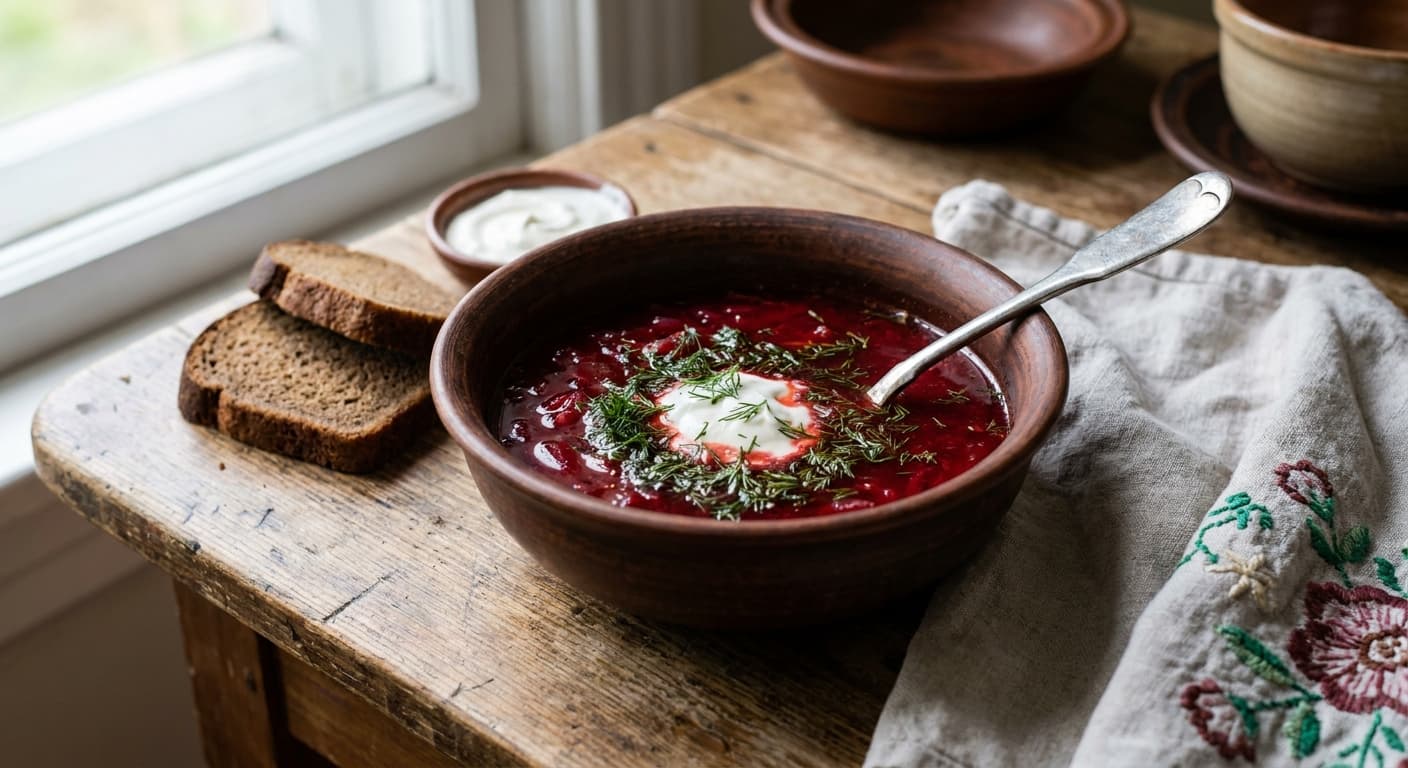
Ukrainian Borscht (Український борщ) — Beet, Cabbage, and Beef Soup
Ukrainian · Soups · 170 min
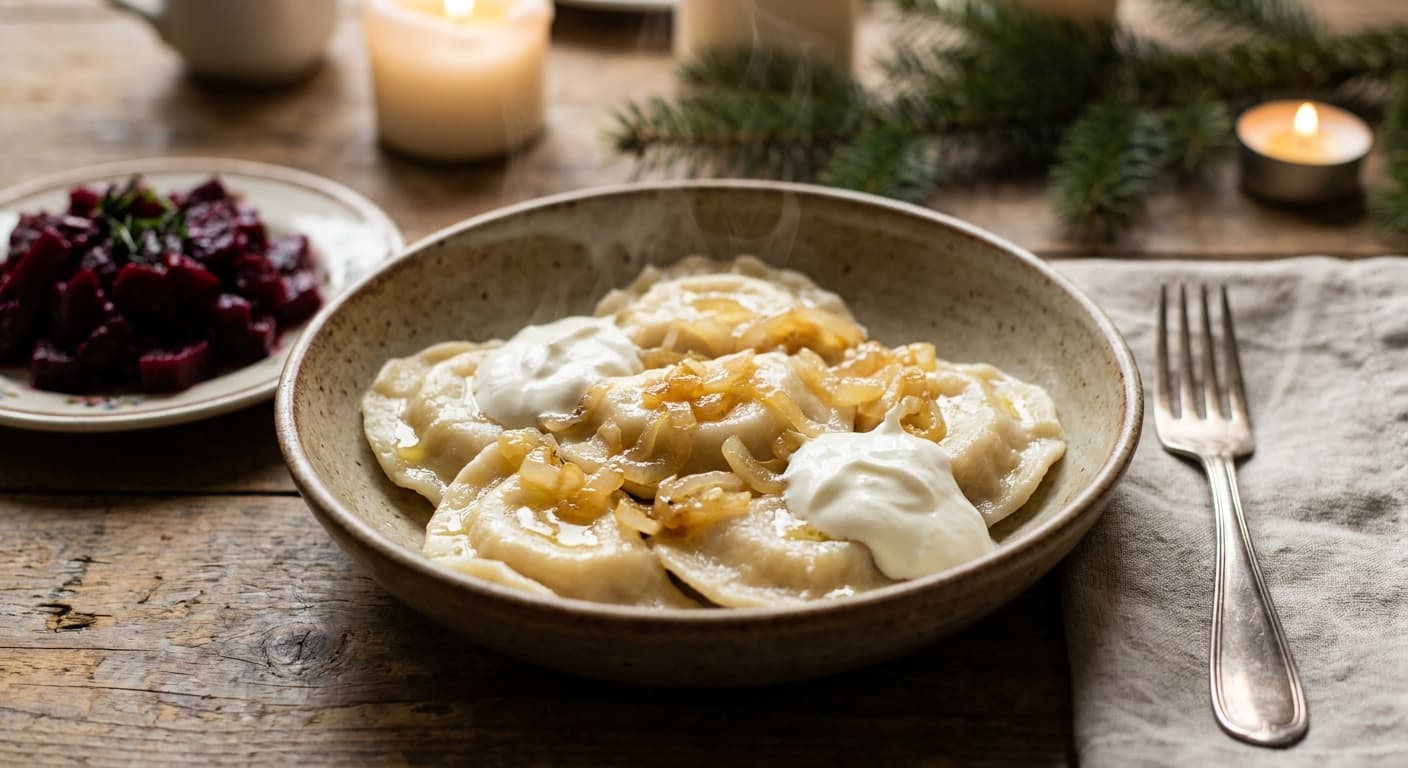
Polish Pierogi Ruskie (Pierogi ruskie) — Potato-Cheese Dumplings
Polish · Main Courses · 100 min
Reviews
Cooked this recipe?
Tap the stars to rate it — that's all it takes. A few words are welcome but optional.
No ratings yet. Cooked this one? Be the first to rate it — it takes one tap.