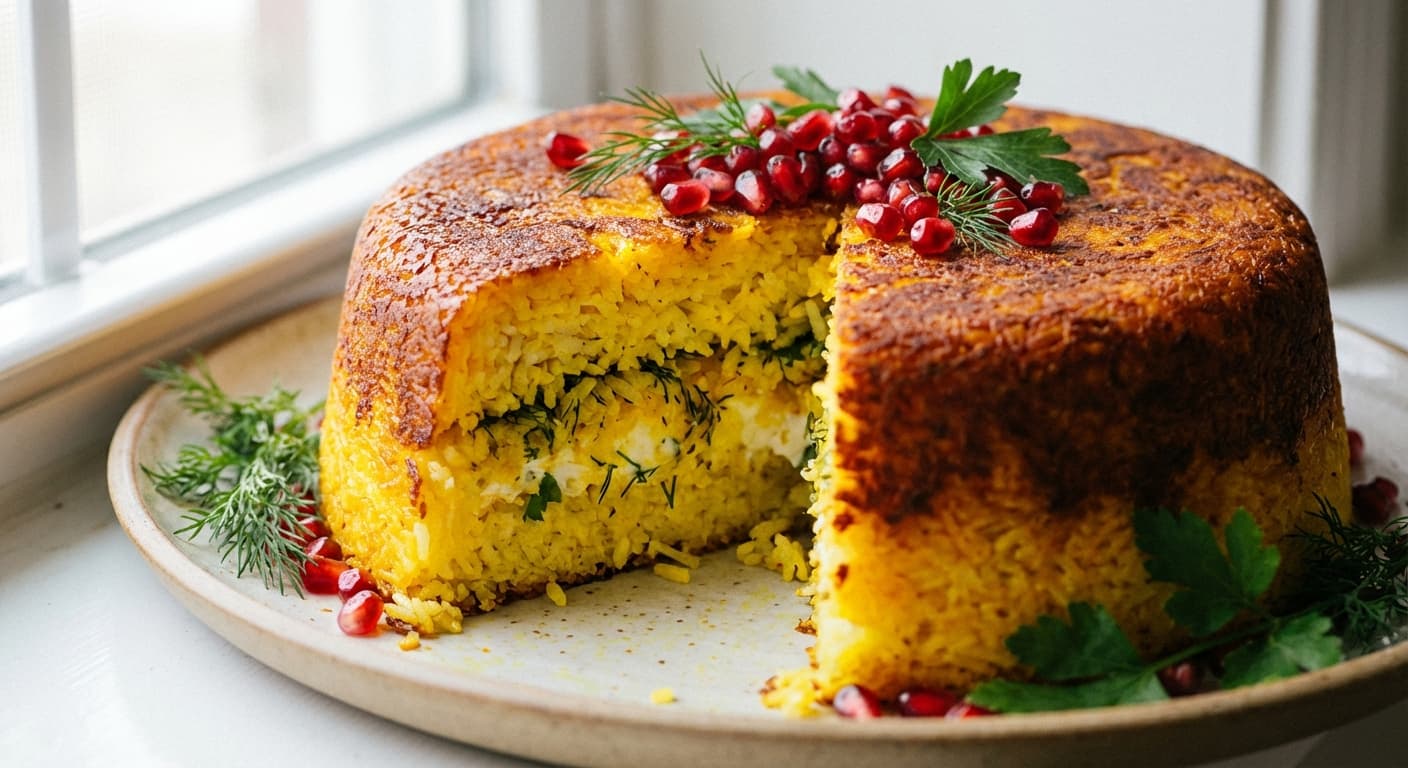
Tahchin Sabzi Polo Torsh (ته چین سبزی پلو ترش) — Sour Herb Persian Rice Cake
A golden saffron-yogurt rice cake layered with fragrant herbs and a tangy, Caspian-inspired sourness from dried limes and pomegranate paste. Crisp tahdig outside, tender herb rice inside.
Printable Recipe Card
Servings: 6 · Total: 150 min · Difficulty: medium
Ingredients (quick list)
- 450 g Basmati rice (rinsed until water runs mostly clear)
- 18 g Fine sea salt (for soaking and boiling water; plus more if needed)
- 3000 ml Water (for boiling the rice)
- 500 ml Ice water (to stop rice cooking after parboil (optional but helpful))
- 60 g Fresh dill (finely chopped (leaves and tender stems))
- 60 g Fresh parsley (finely chopped)
- 40 g Fresh cilantro (finely chopped)
- 80 g Scallions (thinly sliced (white and green parts))
- 3 whole Dried limes (limoo amani) (pierced 6–8 times each with a skewer)
- 45 g Pomegranate paste (concentrate/molasses) (about 3 tbsp; choose a tart style if available)
- 0.3 g Saffron threads (ground and bloomed in hot water)
- 45 ml Hot water (for blooming saffron)
+ 6 more in the full ingredients section below.
Steps (summary)
- Rinse the basmati rice in several changes of cool water until mostly clear. Soak the rice in 1.5 liters cool water mixed with 1…
- Bring 3 liters water to a rolling boil in a large pot. Add the soaked rice (drained) and the remaining 6 g salt. Boil 6–8 minut…
- Bloom saffron: grind the threads to a powder, add 45 ml hot water, and steep 10 minutes. In a large bowl, whisk yogurt, eggs, 6…
- In a separate bowl, mix pomegranate paste with 2 tablespoons warm water (about 30 ml) to loosen it. Toss the drained parboiled…
- Preheat oven to 190°C (375°F). Choose a 24 cm (9.5-inch) nonstick or well-seasoned oven-safe pot or deep skillet with a tight l…
- Press the batter-coated rice firmly into the bottom of the pot to form an even layer about 2 cm thick; compacting helps it set…
+ 2 more steps in the full instructions section below.
Cultural Background
Tahchin is a celebratory Persian rice dish known for its molded shape and prized golden crust. Herb-forward rice dishes are especially associated with Iran’s northern, Caspian-adjacent cooking, where sour flavors are commonly used. This version highlights that sour-herb profile using dried lime and pomegranate concentrate.
Equipment
💡 Tips
- For the cleanest flip, use a nonstick pot and compact the bottom layer firmly; loose packing can cause cracking.
- If your pomegranate paste is very sweet, increase it to 60 g and add 1–2 tbsp lemon juice to restore the sour balance.
- Piercing dried limes prevents bursting and helps their aroma infuse without turning the rice bitter.
- If the crust is pale after baking, uncover and bake 8–12 minutes more at 200°C (390°F), watching closely.
- Chill chopped herbs before mixing; warm herbs wilt and can tint the rice dull.
⚠️ Common Mistakes
❌ Overboiling the rice during parboil
💡 Why: Fully cooked grains turn mushy after baking and the cake can collapse when unmolded.
✅ Fix: Boil only until the outside is tender but the center is still firm (6–8 minutes for most basmati), then drain immediately.
❌ Skipping compaction of the bottom crust layer
💡 Why: Air gaps prevent the batter from setting into a cohesive tahdig, leading to crumbling.
✅ Fix: Press the batter-coated rice firmly and evenly into the base with a spatula, aiming for a uniform thickness.
❌ Using unpierced dried limes or letting them sit in one spot
💡 Why: They can burst, leak bitter compounds, or create overly sour pockets.
✅ Fix: Pierce each lime 6–8 times and distribute them evenly; remove before serving if bitterness develops.
❌ Unmolding immediately after baking
💡 Why: The crust is fragile when piping hot and can stick or tear during flipping.
✅ Fix: Rest covered for 10 minutes, loosen edges, then invert onto a plate and pause 30 seconds before lifting the pot.
🧊 How to Store
Cool leftovers to room temperature within 2 hours. Refrigerate airtight up to 4 days. Reheat covered in a 175°C (350°F) oven for 15–20 minutes, or pan-crisp slices with 1 tsp oil per slice over medium heat for 4–6 minutes per side.
📅 Make Ahead
Parboil the rice up to 6 hours ahead, spread on a tray to cool, cover, and refrigerate. Chop herbs up to 24 hours ahead and keep chilled in an airtight container lined with a paper towel. Assemble and bake just before serving for the crispest crust.
🍽️ Pairs Well With
- Cucumber-yogurt salad (mast-o-khiar style)
- Pickled vegetables
- Grilled fish or roasted chicken
- Fresh herbs and radishes
- Extra pomegranate paste thinned with warm water as a drizzle
Regional Variations
- Northern Iran (Caspian-influenced)Often emphasizes sourness with pomegranate concentrate, sour grape juice, or additional citrus, and may include more herbs such as mint or garlic chives depending on season.
- Tehran and central IranCommonly made as a saffron-forward tahchin with fewer herbs and a milder tang, sometimes served with a simple yogurt sauce or a side salad rather than strong sour elements.
Ingredients
- 450 gBasmati rice (rinsed until water runs mostly clear)
- 18 gFine sea salt (for soaking and boiling water; plus more if needed)
- 3000 mlWater (for boiling the rice)
- 500 mlIce water (to stop rice cooking after parboil (optional but helpful))
- 60 gFresh dill (finely chopped (leaves and tender stems))
- 60 gFresh parsley (finely chopped)
- 40 gFresh cilantro (finely chopped)
- 80 gScallions (thinly sliced (white and green parts))
- 3 wholeDried limes (limoo amani) (pierced 6–8 times each with a skewer)
- 45 gPomegranate paste (concentrate/molasses) (about 3 tbsp; choose a tart style if available)
- 0.3 gSaffron threads (ground and bloomed in hot water)
- 45 mlHot water (for blooming saffron)
- 350 gPlain yogurt (thick, unsweetened; full-fat preferred)
- 2 largeEggs (about 100 g without shells)
- 75 mlOlive oil (divided; plus extra for greasing the pan)
- 30 gUnsalted butter (melted; helps a crisp, evenly browned crust)
- 2 gGround turmeric (about 1 tsp (optional, for deeper color))
- 1 gGround black pepper (about 1/2 tsp)
🔄 Substitutions
- Plain yogurt→ Greek yogurt thinned with 2–3 tbsp water
- Dried limes (limoo amani)→ 1.5 tsp finely grated lime zest + 2 tbsp fresh lime juice
- Olive oil→ Neutral oil (sunflower, grapeseed, or canola)
Instructions
- 1
Rinse the basmati rice in several changes of cool water until mostly clear. Soak the rice in 1.5 liters cool water mixed with 12 g salt for 30 minutes. Meanwhile, finely chop dill, parsley, cilantro, and scallions, then refrigerate to keep them bright and aromatic.
- 2
Bring 3 liters water to a rolling boil in a large pot. Add the soaked rice (drained) and the remaining 6 g salt. Boil 6–8 minutes, stirring twice, until the grains are elongated and tender on the outside but still firm in the center. Drain immediately, then rinse briefly with ice water to stop cooking.
- 3
Bloom saffron: grind the threads to a powder, add 45 ml hot water, and steep 10 minutes. In a large bowl, whisk yogurt, eggs, 60 ml olive oil, melted butter, turmeric (if using), black pepper, and the bloomed saffron until completely smooth and evenly colored.
- 4
In a separate bowl, mix pomegranate paste with 2 tablespoons warm water (about 30 ml) to loosen it. Toss the drained parboiled rice with the chopped herbs and the loosened pomegranate paste until the rice is evenly stained and the herbs are well distributed without clumping.
- 5
Preheat oven to 190°C (375°F). Choose a 24 cm (9.5-inch) nonstick or well-seasoned oven-safe pot or deep skillet with a tight lid. Grease the base and sides with a thin film of olive oil. Mix about one-third of the herb rice into the saffron-yogurt batter to create a thick, cohesive crust mixture.
- 6
Press the batter-coated rice firmly into the bottom of the pot to form an even layer about 2 cm thick; compacting helps it set into a clean cake. Add half of the remaining herb rice, then nestle the pierced dried limes evenly across the surface. Top with the rest of the herb rice, gently pressing to level.
- 7
Drizzle the remaining 15 ml olive oil over the top. Cover with a lid wrapped in a clean kitchen towel (to catch steam) or cover tightly with foil, then lid. Bake 45 minutes at 190°C (375°F), then reduce to 175°C (350°F) and bake 20–25 minutes more for a deep golden crust.
- 8
Rest the pot, covered, for 10 minutes to let the crust firm and release. Run a thin silicone spatula around the edges. Place a large plate over the pot and invert confidently in one motion. Let it sit 30 seconds, then lift the pot. Slice into wedges; remove dried limes before serving.
🪪 Recipe Passport
Cultural Background
Tahchin is a celebratory Persian rice dish known for its molded shape and prized golden crust. Herb-forward rice dishes are especially associated with Iran’s northern, Caspian-adjacent cooking, where sour flavors are commonly used. This version highlights that sour-herb profile using dried lime and pomegranate concentrate.
Regional Variations
Researched from multiple sources and validated by the Zaffaron editorial team. Every recipe is tested for accuracy, measurements, and cultural authenticity.
Nutrition per serving
Pairs well with
If you enjoyed this recipe, here are a few related Zaffaron recipes to try next.
- Yatimcheh-Style Eggplant with Melted Mozzarella (یتیمچه) — Persian-Inspired Eggplant Skillet
- Adas Polo ba Sos-e Morgh (عدس پلو با سس مرغ) — Persian Lentil Rice with Savory Chicken
- Tas Kebab-e Nokhod Farangi (تاس کباب نخود فرنگی) — Persian Green Pea & Meat Stew
- Makaron-e Gosht-e Gousaleh (ماکارون گوشت گوساله و جوانهها) — Persian Veal and Sprout Macaroni Stir-Fry
Does your family make this differently?
Every family has their own version. Maybe your grandmother adds a secret ingredient, or your aunt has a completely different technique. Preserve your family's version — with their name on it, forever.
You Might Also Like
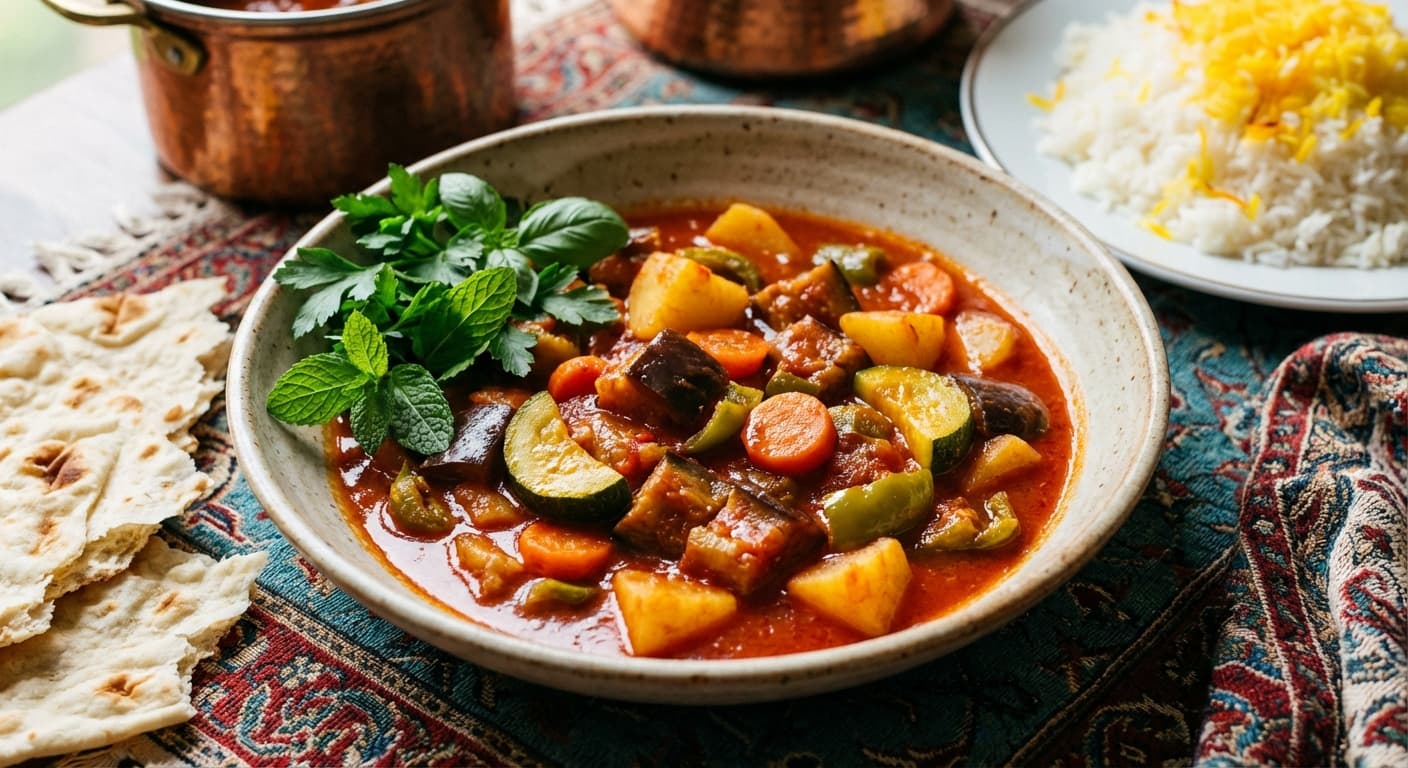
Yatimcheh (یتیمچه) — Persian Slow-Cooked Summer Vegetable Stew
Persian · Stews · 100 min
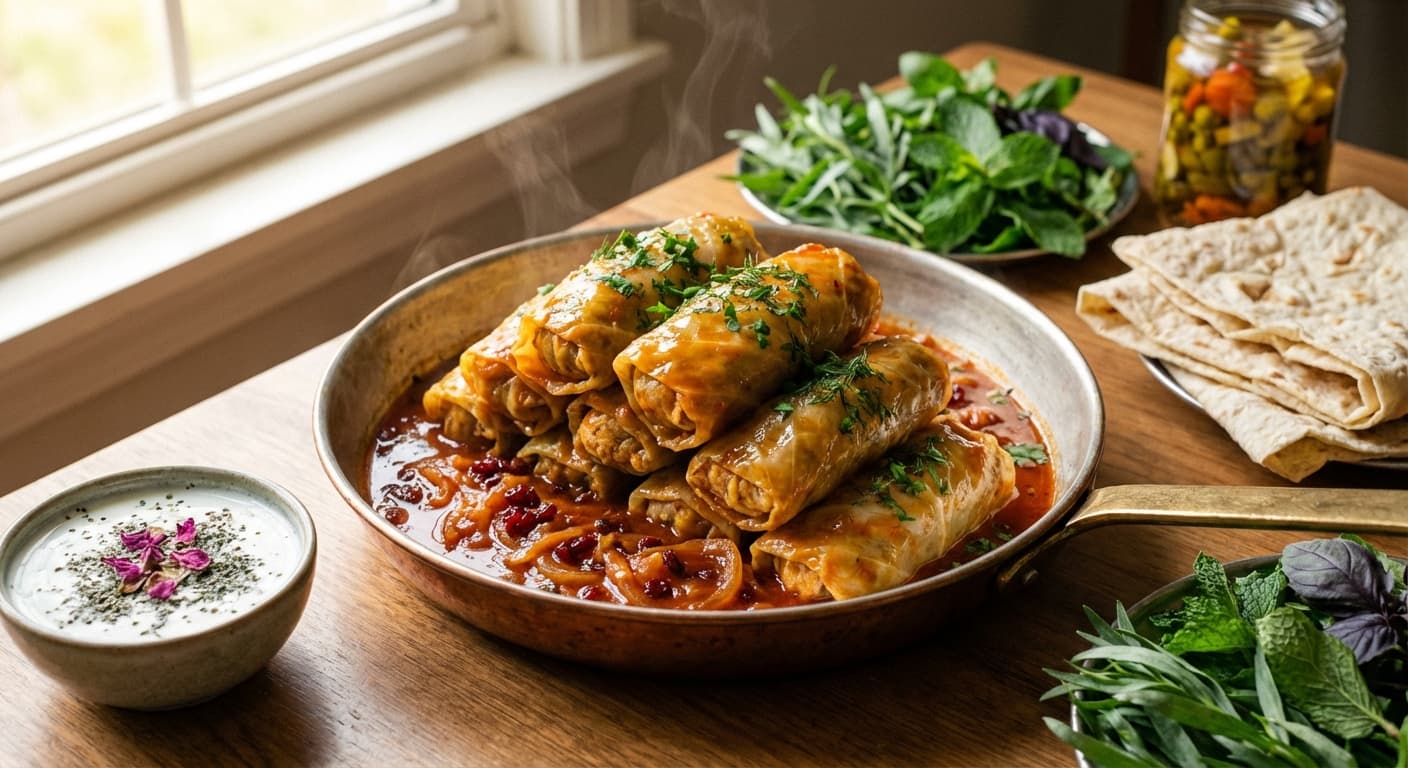
Chicken Stuffed Cabbage Rolls (دلمه کلم با مرغ) — Herb-Scented Persian Dolmeh in Tomato Saffron Sauce
Persian · Main Courses · 90 min
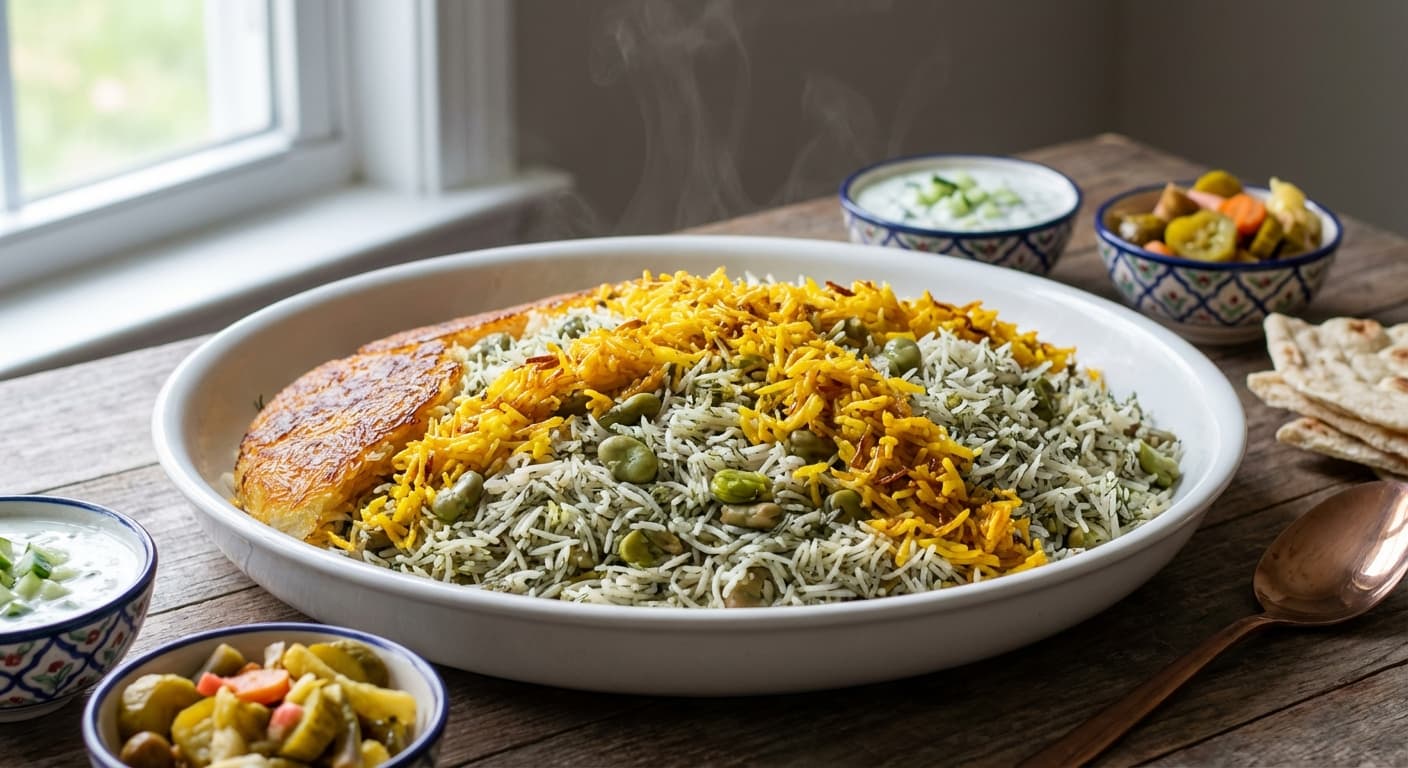
Baghali Polo (باقالی پلو) — Persian Dill and Fava Bean Rice with Saffron
Persian · Rice Dishes · 95 min
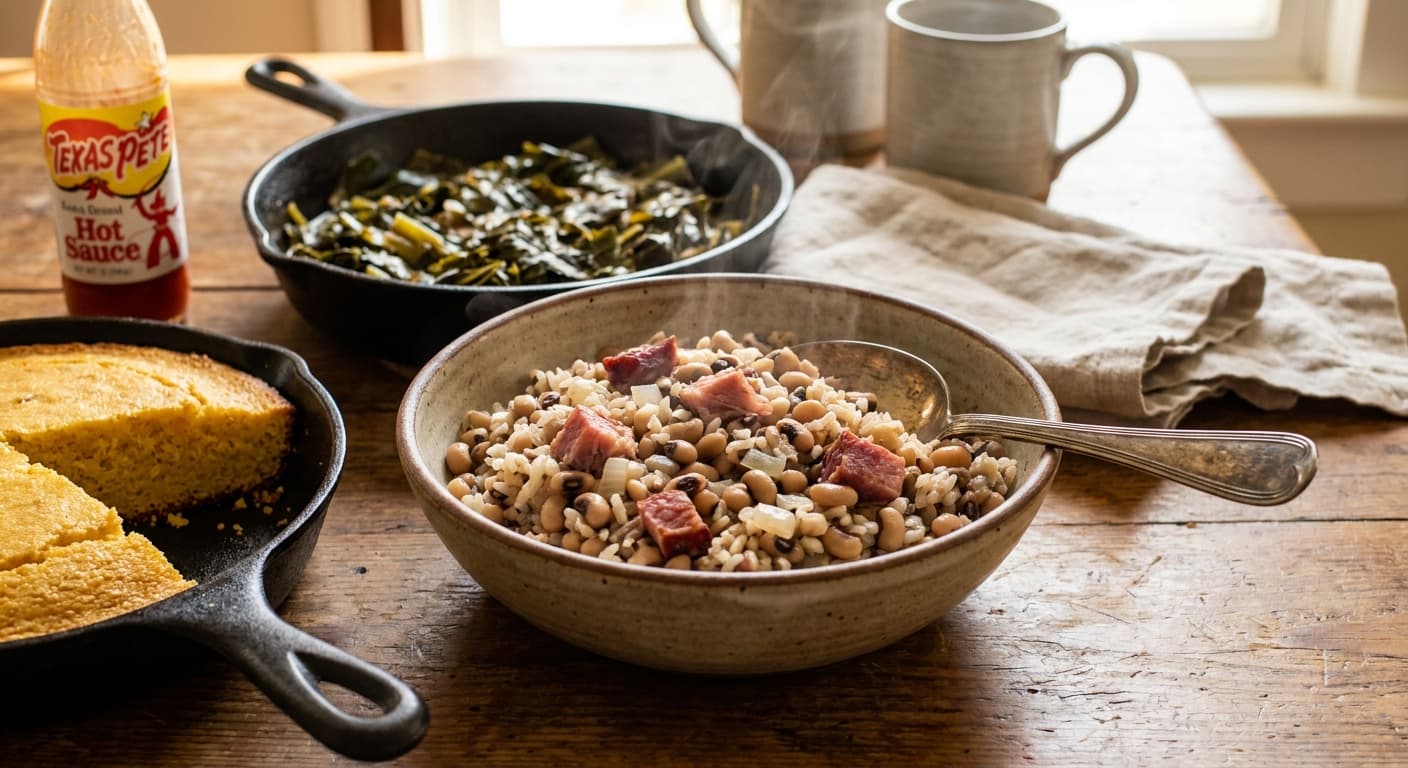
Hoppin' John (Hoppin' John) — Southern Black-Eyed Peas and Rice
American · Rice Dishes · 115 min
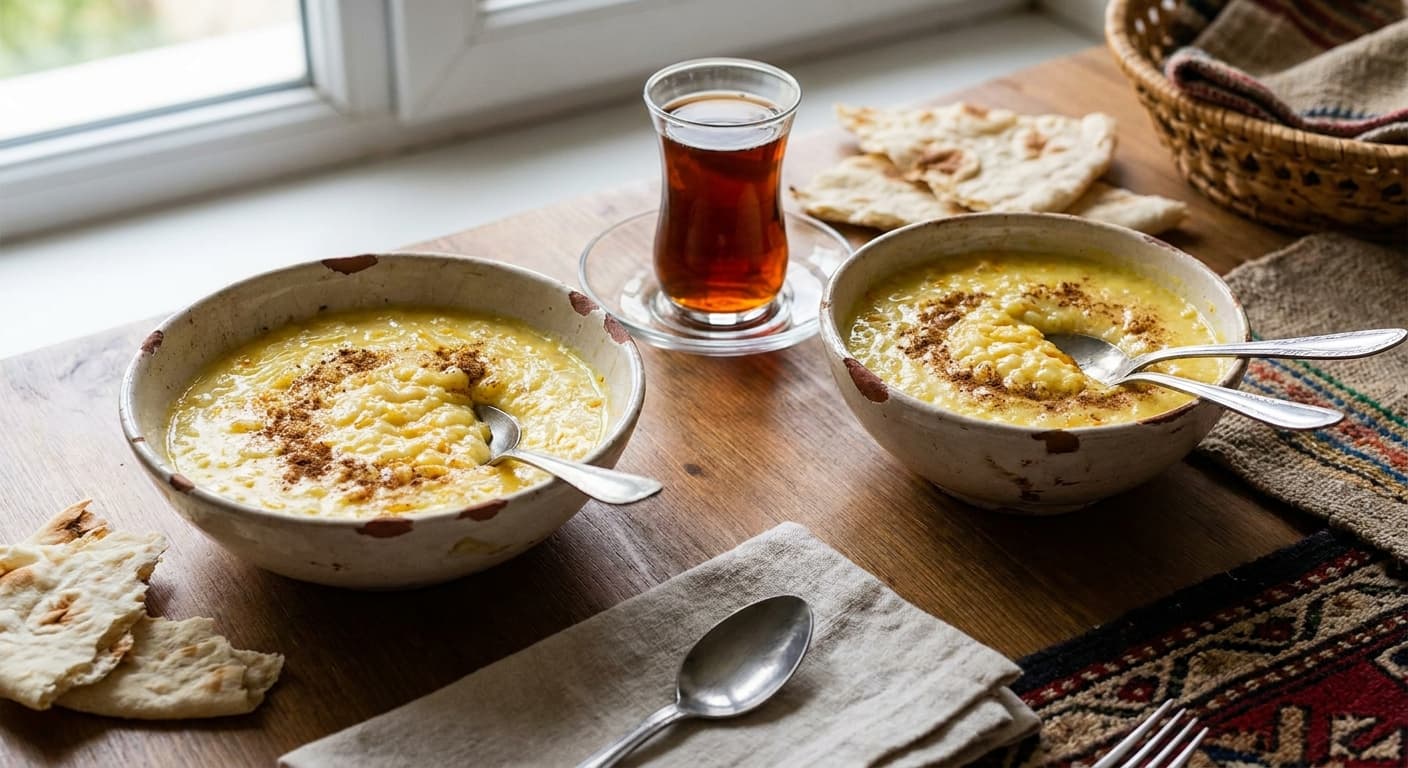
Azerbaijani Milk-Rice Porridge (Südlü Sıyıq) — Creamy Breakfast Rice with Saffron
Azerbaijani · Rice Dishes · 50 min
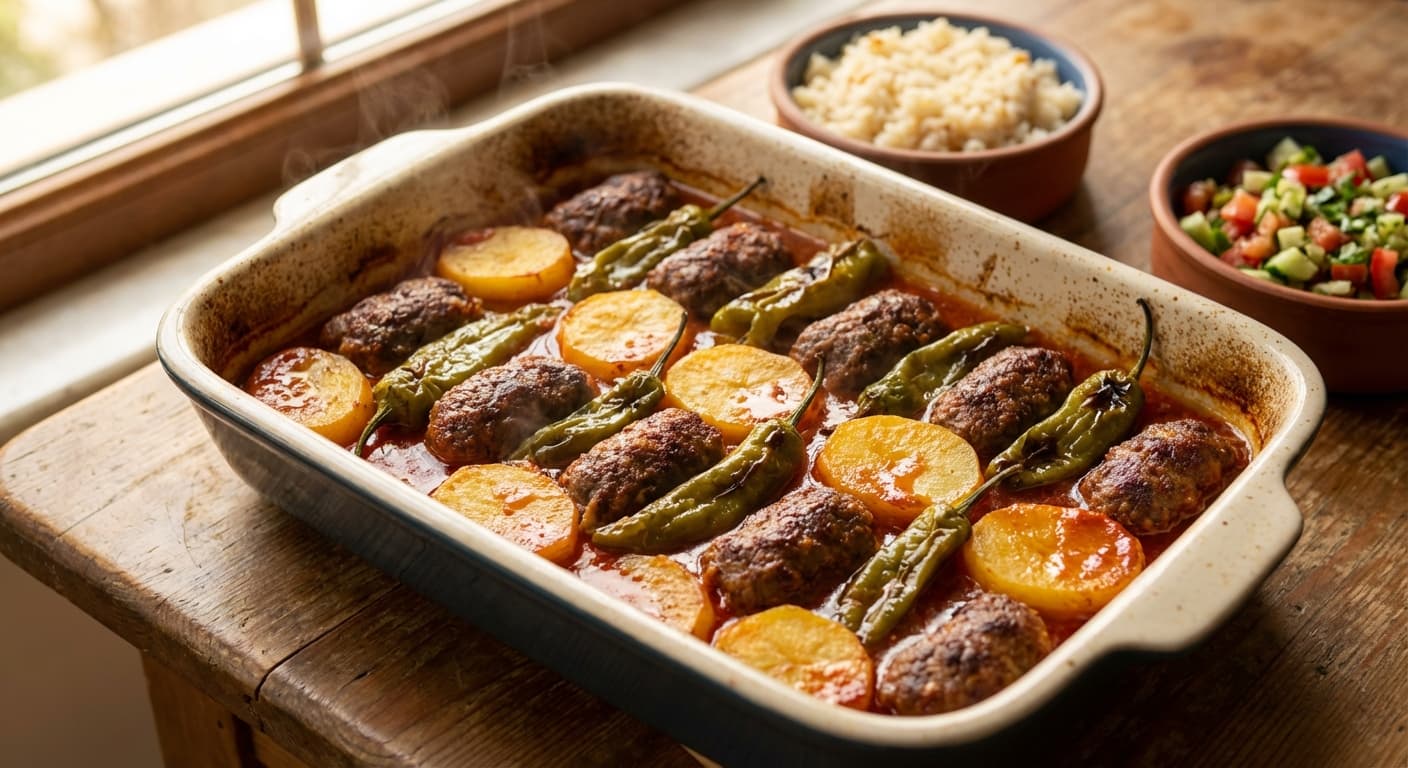
Izmir Kofte (İzmir Köfte) — Oven-Baked Meatballs with Tomato Sauce and Potatoes
Turkish · Main Courses · 70 min
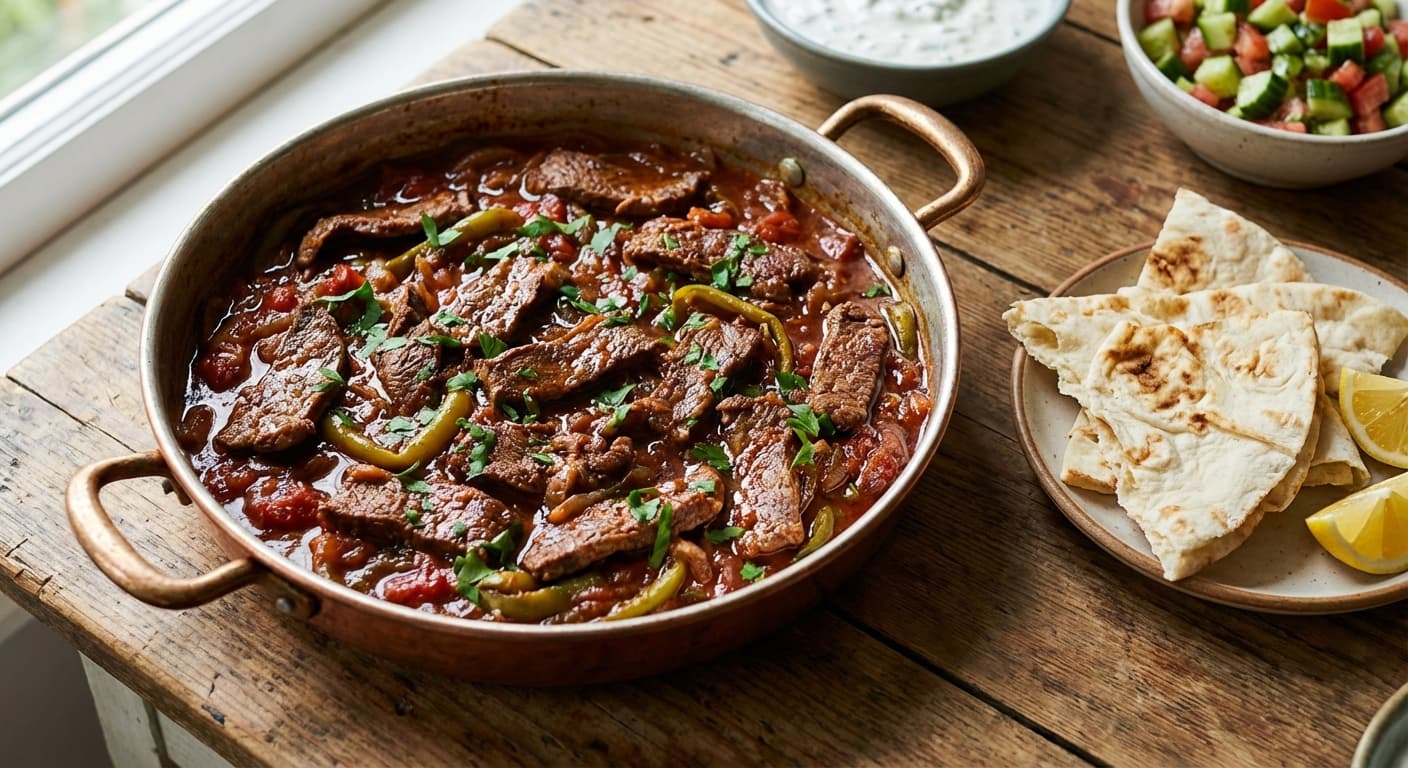
Sac Kavurma (Saç Kavurma) — Thin-Sliced Turkish Meat Sautéed with Onions
Turkish · Main Courses · 38 min
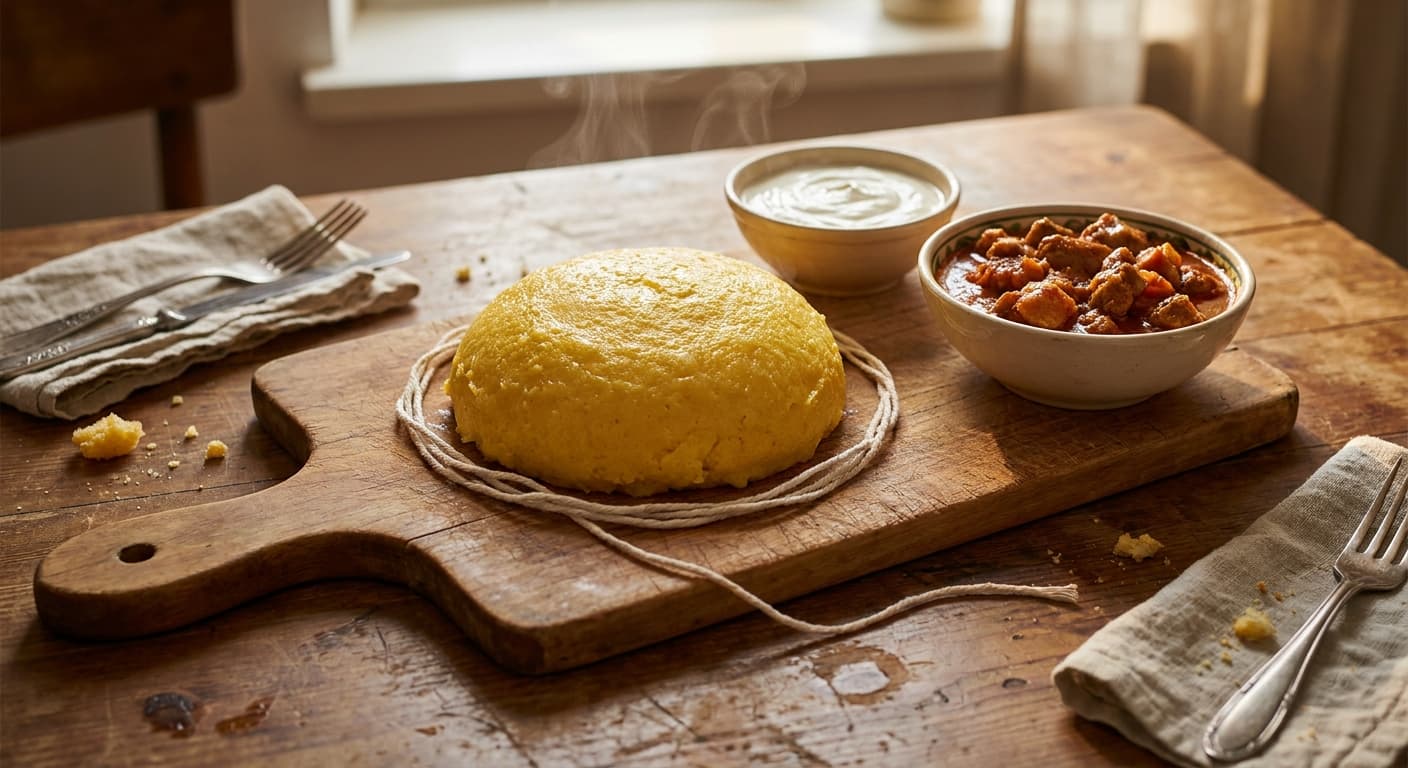
Romanian Polenta (Mămăligă) — Firm Cornmeal Porridge
Romanian · Side Dishes · 30 min
Reviews
Cooked this recipe?
Tap the stars to rate it — that's all it takes. A few words are welcome but optional.
No ratings yet. Cooked this one? Be the first to rate it — it takes one tap.