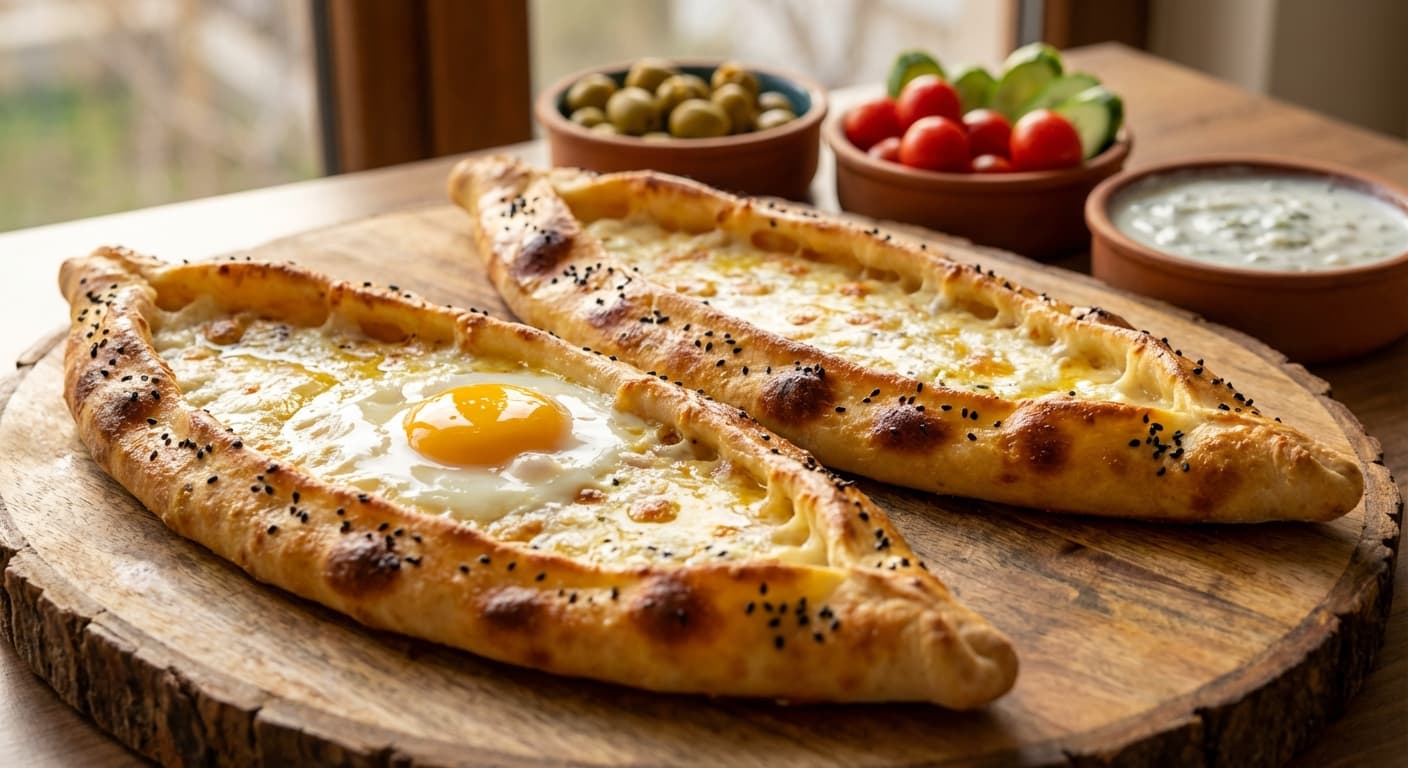
Turkish Pide (پیده) — Boat-Shaped Flatbread with Cheese and Egg
Pide is a beloved Turkish bakery staple, shaped like a little boat and baked until blistered and golden. This classic version is filled with melty cheese and finished with an egg for a rich, breakfast-to-dinner comfort food.
Printable Recipe Card
Servings: 4 · Total: 39 min · Difficulty: medium
Ingredients (quick list)
- 360 g bread flour (plus 20 g extra for dusting)
- 220 ml water (lukewarm, about 38°C)
- 7 g instant yeast (1 standard packet)
- 6 g granulated sugar (helps fermentation)
- 7 g fine sea salt
- 20 ml olive oil (plus 5 ml for the bowl)
- 30 ml whole milk (for tenderness; can be replaced with water)
- 160 g mozzarella cheese (low-moisture, coarsely grated)
- 140 g Turkish white cheese (beyaz peynir, crumbled)
- 30 g unsalted butter (melted, for brushing crust)
- 4 egg (1 per pide)
- 2 tsp nigella seeds (optional, for a bakery-style finish)
Steps (summary)
- Make the dough by mixing the lukewarm water, milk, sugar, and instant yeast in a large bowl until dissolved. Add the flour, sal…
- Knead the dough for 8 minutes until smooth and elastic, either by hand on a lightly floured surface or with a mixer on medium s…
- Lightly oil a clean bowl with 5 ml olive oil and place the dough inside, turning once to coat. Cover and let rise for 60 minute…
- Preheat the oven to 250°C and place a heavy baking steel or inverted sheet pan on the middle rack to heat thoroughly. This preh…
- Prepare the filling by combining the mozzarella and crumbled Turkish white cheese in a bowl until evenly mixed. Melt the butter…
- Divide the risen dough into 4 equal pieces, about 160 g each, and shape each into a tight ball. Cover the dough balls and rest…
+ 4 more steps in the full instructions section below.
Cultural Background
Pide is a cornerstone of Turkish fırın culture, where neighborhood bakeries turn out long, boat-shaped breads topped to order. The cheese-and-egg style is especially popular for brunch and casual dinners, eaten hot from the oven and shared at the table.
Equipment
💡 Tips
- For a classic bakery look, keep the rim thicker than the center; aim for about 1.5 cm rim height so the egg stays contained.
- If your white cheese is very salty, soak it in cold water for 15 minutes, then drain and crumble to keep the filling balanced.
- Bake on a fully preheated steel or upside-down sheet pan to mimic a stone oven and prevent a pale, bready bottom.
⚠️ Common Mistakes
❌ The bottom stays pale and the crust turns bready instead of blistered.
✅ Fix: Preheat a steel or inverted sheet pan at 250°C for at least 20 minutes and bake directly on it using parchment for easy transfer.
❌ The egg runs out or overcooks before the crust finishes.
✅ Fix: Bake the pide with cheese first, then add the egg for the final 3–4 minutes; keep a thicker rim to hold the egg in place.
❌ The filling tastes overly salty and masks the dairy sweetness.
✅ Fix: Use a 50/50 blend of mozzarella and white cheese, and soak very salty white cheese in cold water for 15 minutes before crumbling.
🧊 How to Store
Cool leftovers for 20 minutes, then wrap tightly and refrigerate up to 2 days. Reheat on a sheet pan at 200°C for 6–8 minutes until hot and crisp; for best texture, avoid microwaving, which softens the crust and overcooks the egg.
📅 Make Ahead
Mix and knead the dough, then refrigerate it covered for up to 18 hours for deeper flavor. Let it sit at room temperature for 45 minutes before shaping, and keep the cheese mixture ready in the fridge up to 24 hours.
🍽️ Pairs Well With
- Turkish tea
- cacik
- chopped tomato-cucumber salad
- olives
- pickled peppers
Regional Variations
- Karadeniz-style (Black Sea) pide often uses a richer dough and may feature local cheeses; some versions add a pat of butter to the center right after baking.
- Kaşarlı pide replaces white cheese with kaşar (Turkish semi-hard cheese) for a smoother, stretchier melt.
- Mixed topping pide adds sucuk slices or pastırma on top of the cheese, then finishes with an egg for a heartier meal.
Ingredients
- 360 gbread flour (plus 20 g extra for dusting)
- 220 mlwater (lukewarm, about 38°C)
- 7 ginstant yeast (1 standard packet)
- 6 ggranulated sugar (helps fermentation)
- 7 gfine sea salt
- 20 mlolive oil (plus 5 ml for the bowl)
- 30 mlwhole milk (for tenderness; can be replaced with water)
- 160 gmozzarella cheese (low-moisture, coarsely grated)
- 140 gTurkish white cheese (beyaz peynir, crumbled)
- 30 gunsalted butter (melted, for brushing crust)
- 4egg (1 per pide)
- 2 tspnigella seeds (optional, for a bakery-style finish)
🔄 Substitutions
- Turkish white cheese→ feta cheese
- bread flour→ all-purpose flour
- nigella seeds→ toasted sesame seeds
Instructions
- 1
Make the dough by mixing the lukewarm water, milk, sugar, and instant yeast in a large bowl until dissolved. Add the flour, salt, and olive oil, then stir until a shaggy dough forms and no dry flour remains.
- 2
Knead the dough for 8 minutes until smooth and elastic, either by hand on a lightly floured surface or with a mixer on medium speed. The dough should feel soft and slightly tacky, but it should not smear heavily on your hands; add up to 20 g extra flour only if needed.
- 3
Lightly oil a clean bowl with 5 ml olive oil and place the dough inside, turning once to coat. Cover and let rise for 60 minutes at warm room temperature until roughly doubled and puffy.
- 4
Preheat the oven to 250°C and place a heavy baking steel or inverted sheet pan on the middle rack to heat thoroughly. This preheating step is crucial for a blistered, bakery-like crust, so give it at least 20 minutes once the oven reaches temperature.
- 5
Prepare the filling by combining the mozzarella and crumbled Turkish white cheese in a bowl until evenly mixed. Melt the butter and keep it warm, because brushing immediately after baking helps the crust stay tender and glossy.
- 6
Divide the risen dough into 4 equal pieces, about 160 g each, and shape each into a tight ball. Cover the dough balls and rest them for 10 minutes so the gluten relaxes and the dough rolls out without springing back.
- 7
On a lightly floured surface, roll one dough ball into an oval about 22 cm long and 12 cm wide. Transfer it to a piece of parchment, then pinch and twist the two ends to form a pointed boat shape and fold the long edges up to create a rim.
- 8
Fill the center with one-quarter of the cheese mixture, keeping a 2 cm border so the sides stay defined. Sprinkle 1/2 tsp nigella seeds over the rim if using, then repeat shaping and filling the remaining pides.
- 9
Slide 1 to 2 pides (on parchment) onto the preheated surface and bake for 8 minutes until the edges are deeply golden and the cheese is bubbling. Crack 1 egg into a small cup, then gently pour it into the center of each pide and bake 3 to 4 minutes more, until the whites are set but the yolk is still slightly runny.
- 10
Remove the pides and immediately brush the crust with melted butter for shine and flavor. Rest for 2 minutes before slicing so the cheese settles and the egg stays centered, then serve hot while the crust is crisp and the filling is molten.
🪪 Recipe Passport
Cultural Background
Pide is a cornerstone of Turkish fırın culture, where neighborhood bakeries turn out long, boat-shaped breads topped to order. The cheese-and-egg style is especially popular for brunch and casual dinners, eaten hot from the oven and shared at the table.
Regional Variations
Researched from multiple sources and validated by the Zaffaron editorial team. Every recipe is tested for accuracy, measurements, and cultural authenticity.
Nutrition per serving
Pairs well with
If you enjoyed this recipe, here are a few related Zaffaron recipes to try next.
- Arnavut Ciğeri (Arnavut Ciğeri) — Turkish Albanian-Style Fried Liver with Onions
- Cig Kofte (Çiğ Köfte) — Isot-kissed bulgur kneaded and served in lettuce
- Hünkar Beğendi (Hünkar Beğendi) — Turkish Sultan's Delight with Smoky Eggplant Purée
- Turkish Tomato Soup (Domates Çorbası) — Velvety butter-finished grated tomato soup
Does your family make this differently?
Every family has their own version. Maybe your grandmother adds a secret ingredient, or your aunt has a completely different technique. Preserve your family's version — with their name on it, forever.
You Might Also Like
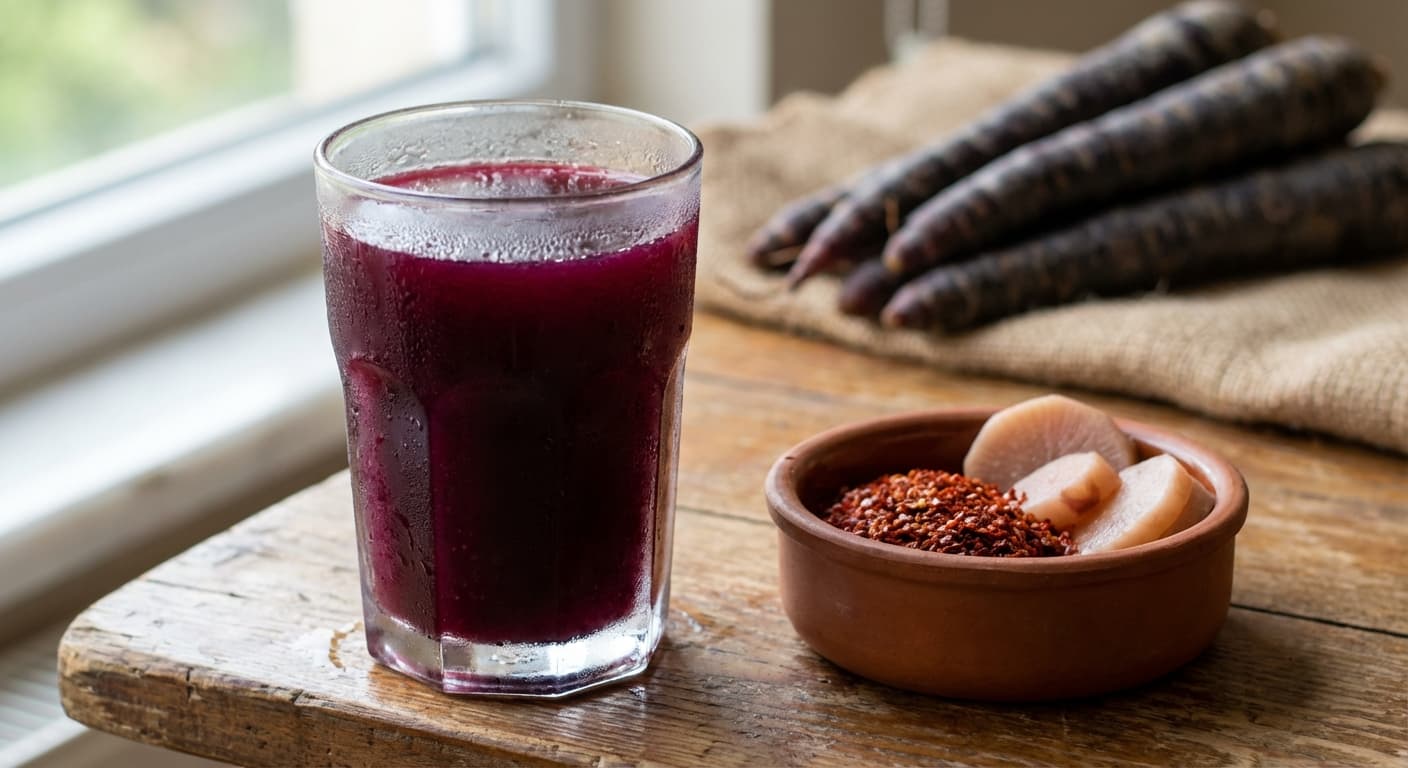
Salgam Juice (Şalgam) — Spicy, tangy fermented black-carrot drink
Turkish · Drinks · 25 min
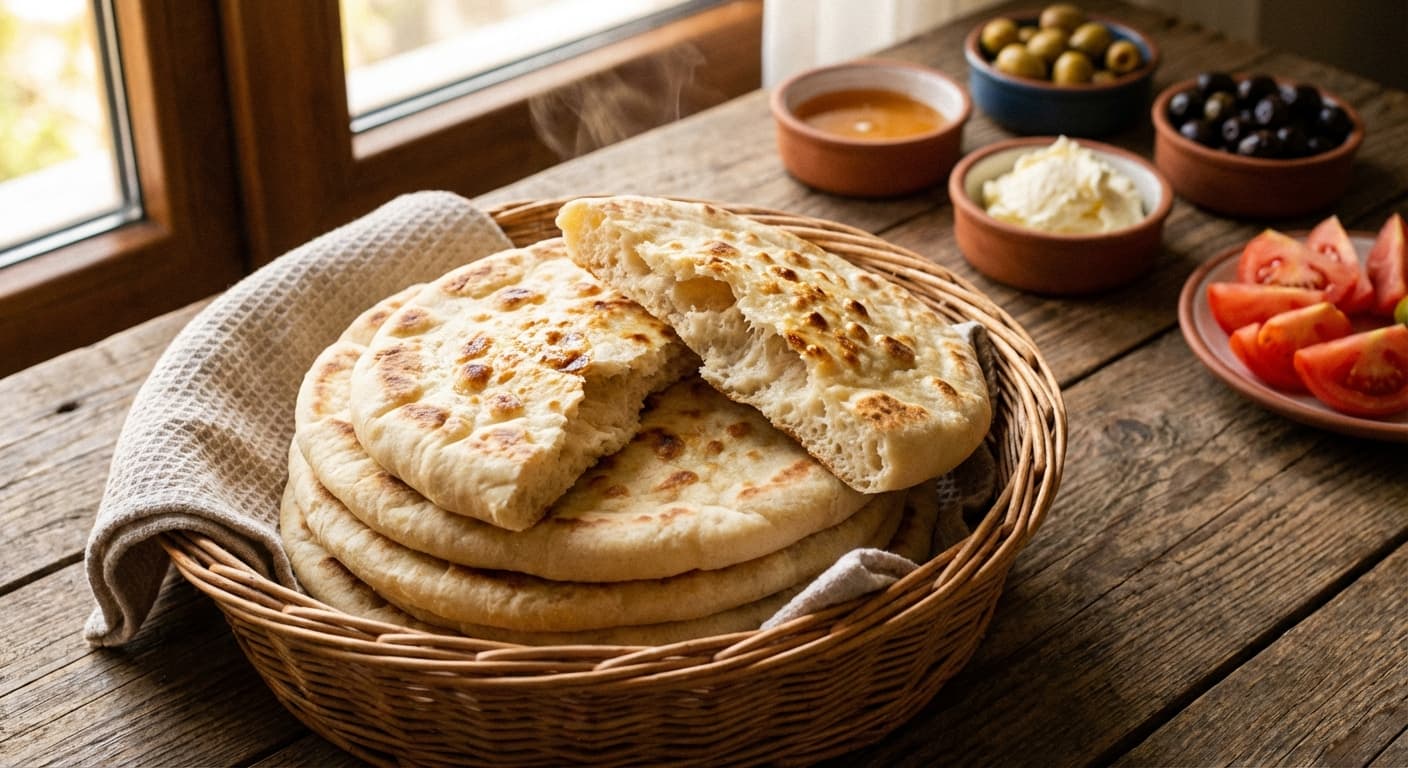
Bazlama (بازلاما) — Puffy Turkish Village Flatbread Cooked on a Saj
Turkish · Breads · 38 min
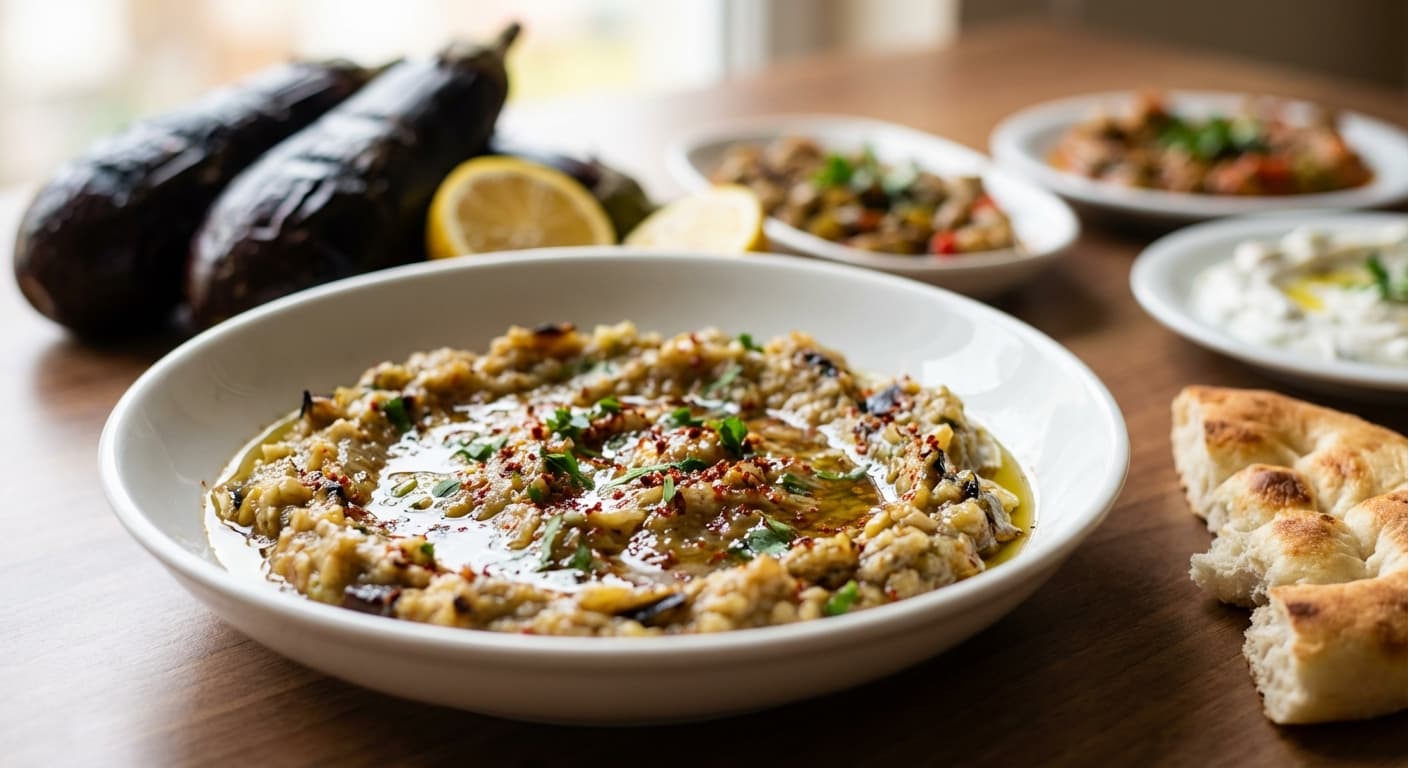
Smoky Eggplant Salad (Patlıcan Salatası) — Turkish charred eggplant with garlic and olive oil
Turkish · Salads · 40 min
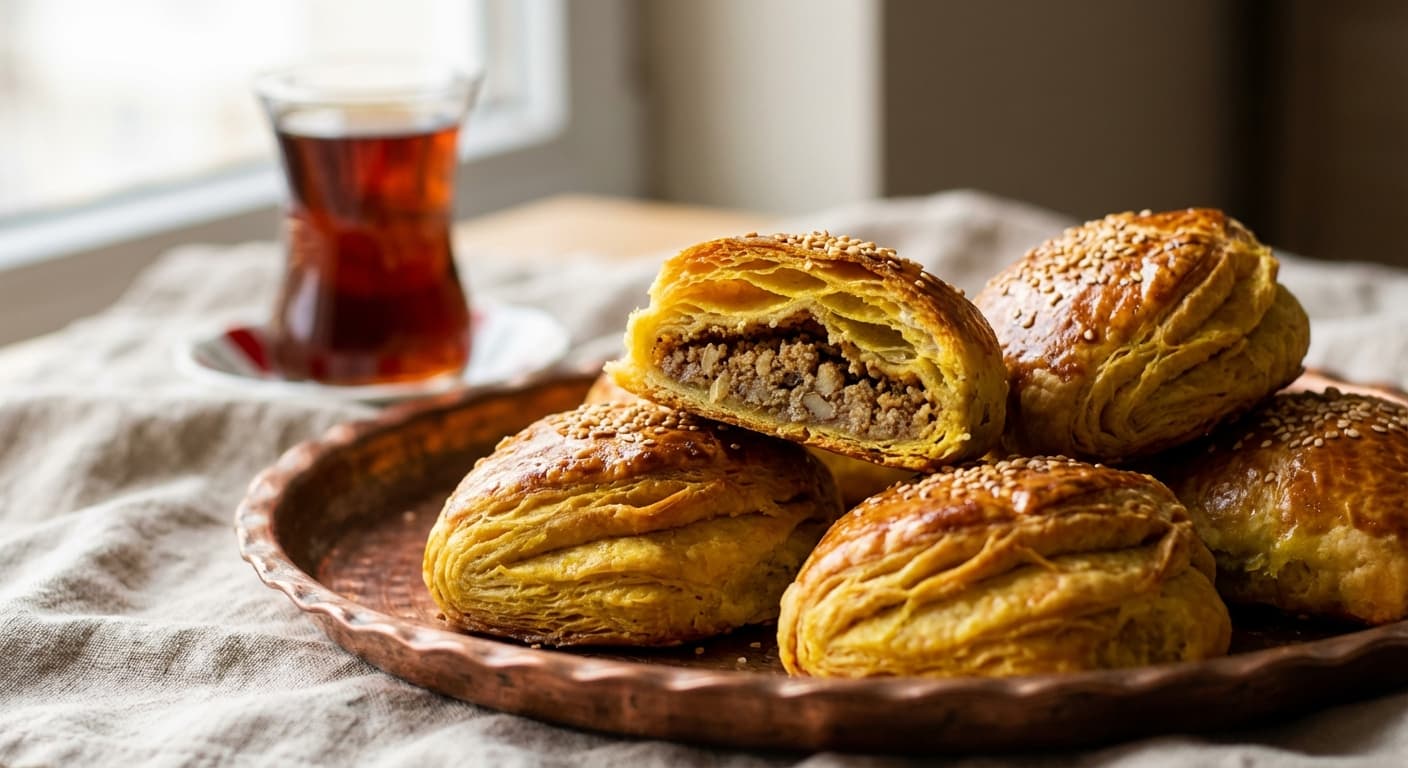
Shor Gogal (Şorqoğal) — Azerbaijani turmeric-layered pastry with spiced filling
Azerbaijani · Breads · 105 min
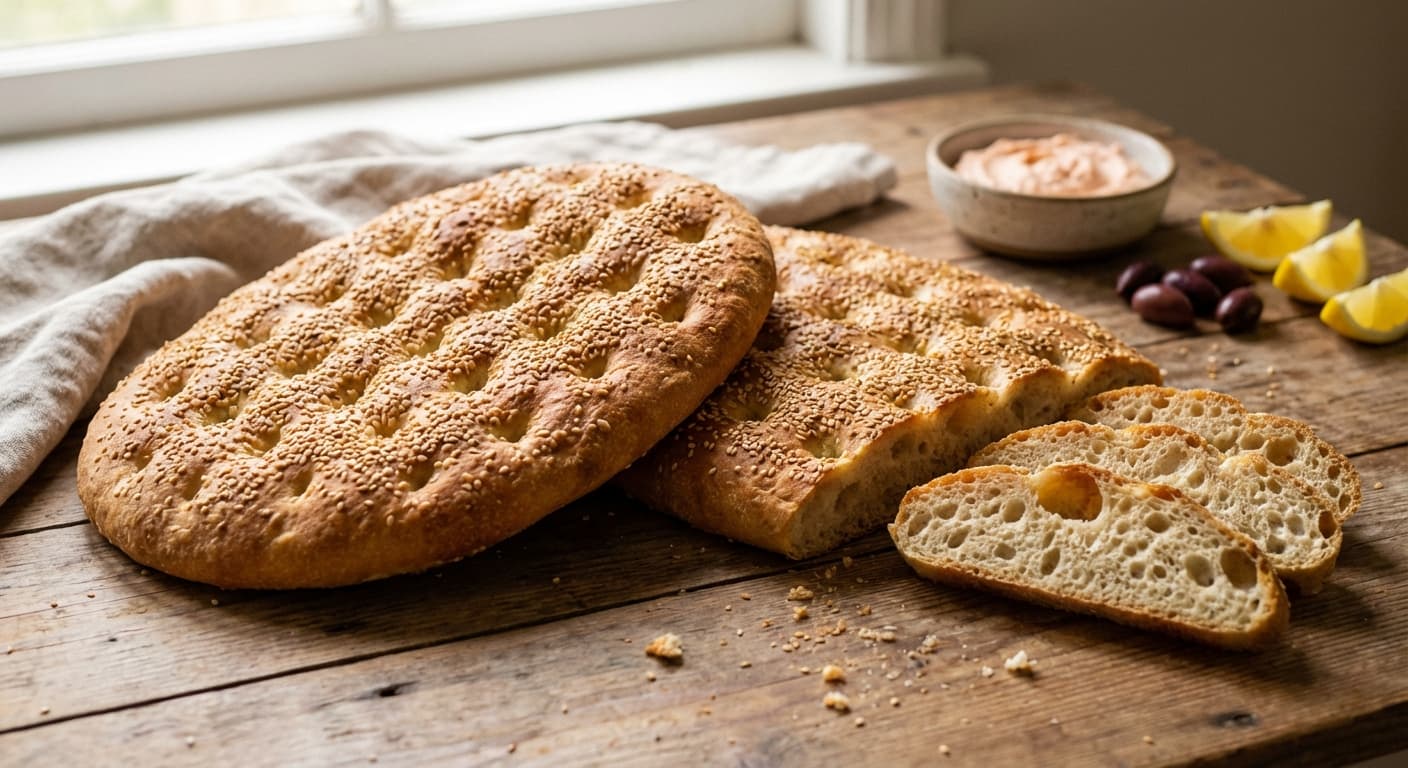
Lagana (Λαγάνα) — Sesame-Topped Greek Clean Monday Flatbread
Greek · Breads · 43 min
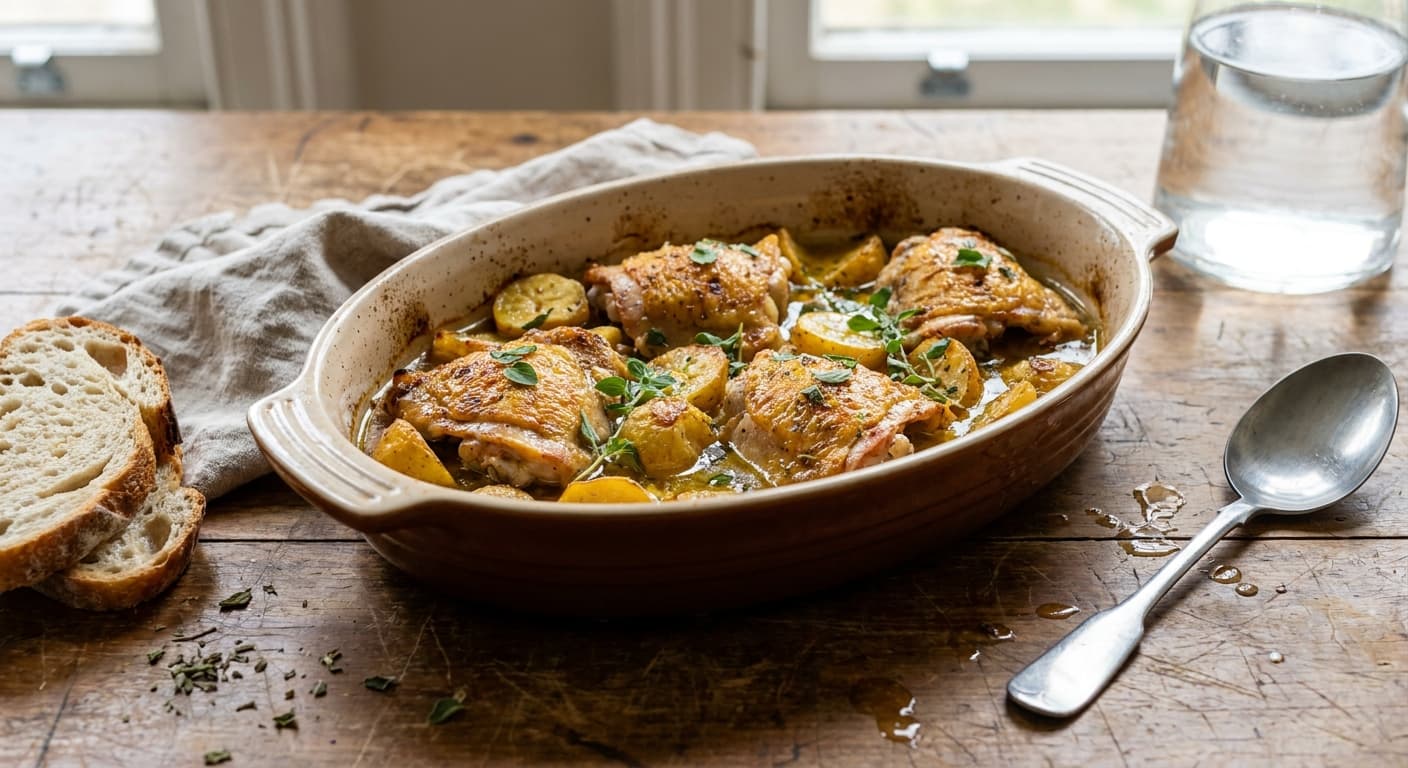
Kotopoulo Lemonato (Κοτόπουλο Λεμονάτο) — Greek Lemon Chicken with Potatoes
Greek · Main Courses · 105 min
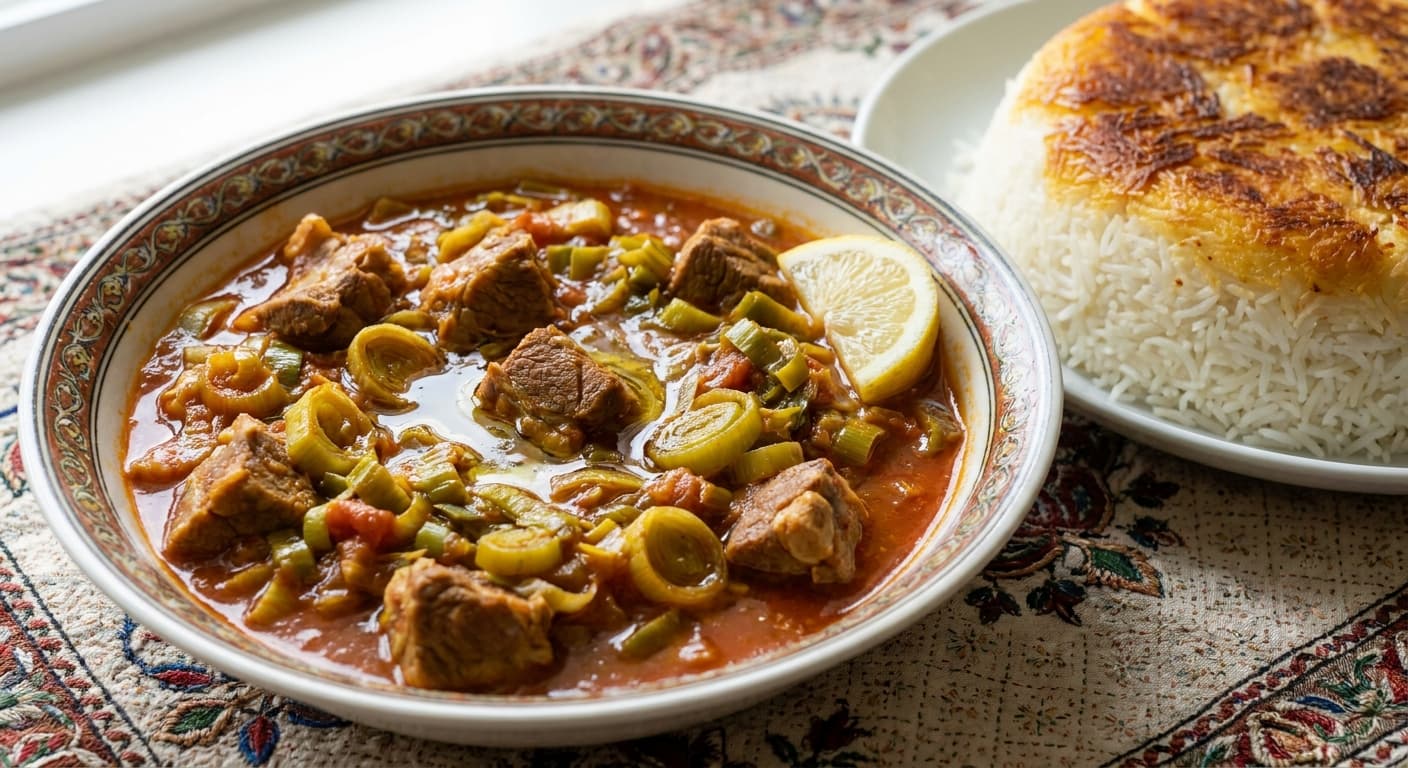
Khoresh Tareh Farangi (خورش تره فرنگی) — Persian Leek and Lamb Stew
Persian · Stews · 130 min
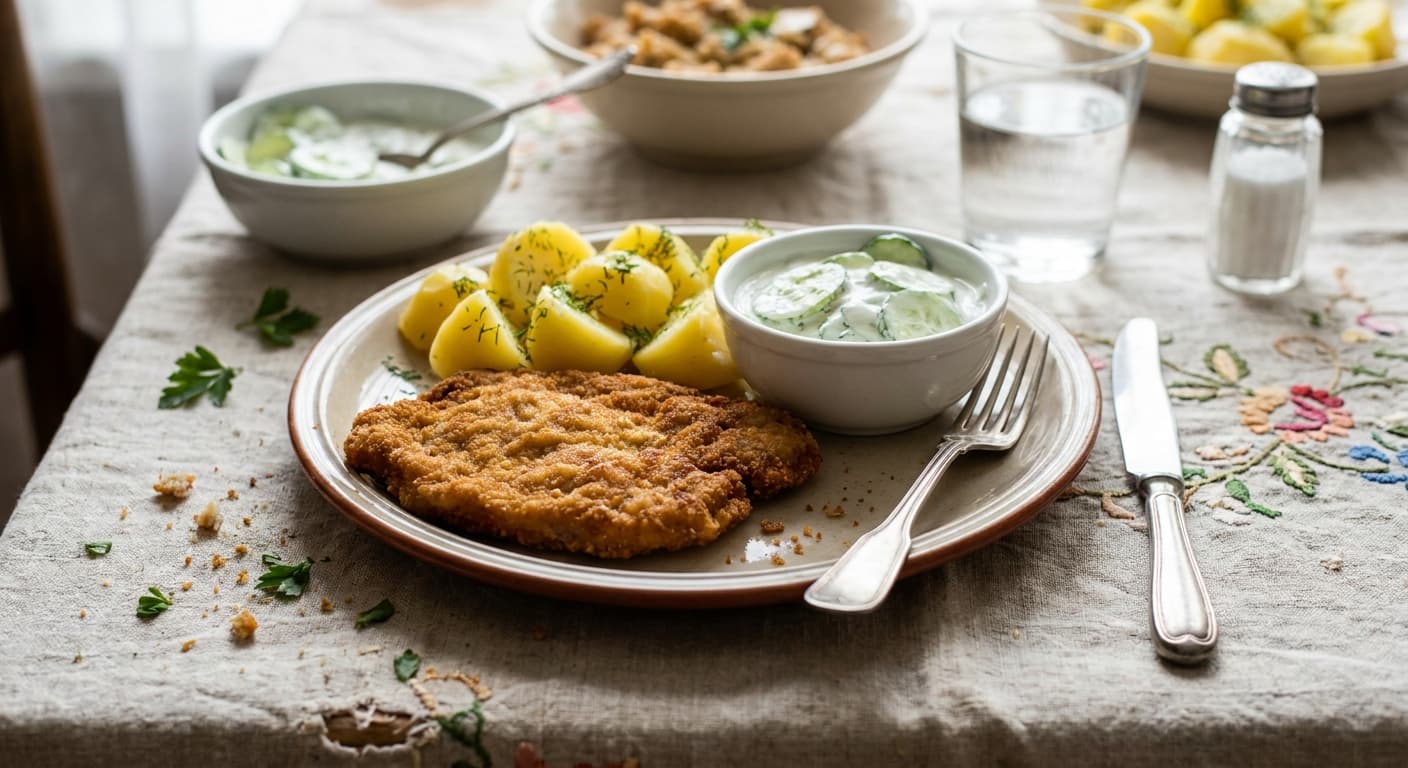
Polish Pork Cutlet (Kotlet schabowy) — Crisp Breaded Sunday Pork Chop
Polish · Main Courses · 43 min
Reviews
Cooked this recipe?
Tap the stars to rate it — that's all it takes. A few words are welcome but optional.
No ratings yet. Cooked this one? Be the first to rate it — it takes one tap.