Turshi Limu (ترشی لیمو) — Afghan-Style Salt-Preserved Pickled Lemons
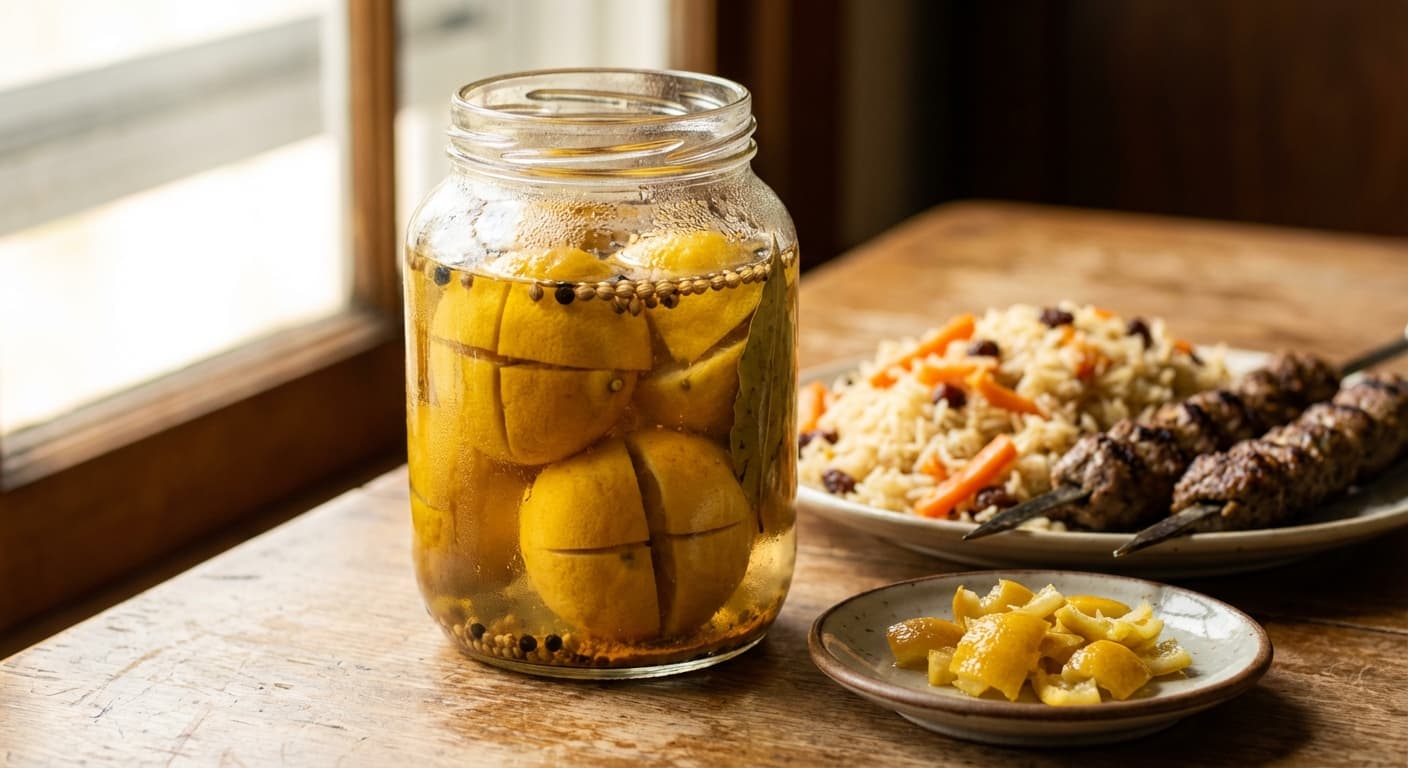
Turshi Limu is an Afghan-style pickled lemon condiment, prized for its bright tang and salty depth. It’s served in small amounts alongside rice, kebabs, and stews to cut richness and wake up the palate.
Printable Recipe Card
Servings: 24 · Total: 30 min · Difficulty: easy
Ingredients (quick list)
- 900 g lemons, thin-skinned (Meyer or Persian) (about 6 medium lemons)
- 90 g kosher salt (10% of lemon weight)
- 240 ml fresh lemon juice (enough to fully cover; add more if needed)
- 240 ml water (for a quick blanch to soften skins)
- 60 ml white vinegar (5% acidity) (optional but common for extra tang and stability)
- 2 tsp black peppercorns
- 2 tsp coriander seeds
- 1 tsp cumin seeds
- 1 tsp turmeric powder (for color and earthy warmth)
- 2 leaf bay leaves
- 0.5 tsp dried red chili flakes (optional for gentle heat)
- 4 clove garlic cloves, lightly crushed (optional)
Steps (summary)
- Wash the lemons thoroughly and scrub the peel to remove any wax or residue. Dry them completely with a clean towel, because exc…
- Bring 240 ml water to a boil in a small pot, then add the whole lemons and blanch for 2 minutes. Drain and cool the lemons unti…
- Sterilize a 1-liter glass jar and lid by boiling them for 10 minutes, then let them air-dry fully. A clean, dry jar reduces the…
- Cut each lemon lengthwise into quarters, stopping about 1 cm from the base so the lemon stays attached like a flower. Open the…
- Place bay leaves, peppercorns, coriander seeds, cumin seeds, turmeric, chili flakes, and crushed garlic in the bottom of the ja…
- Whisk together 240 ml lemon juice and 60 ml vinegar, then pour it over the lemons until they are fully submerged. If needed, ad…
+ 2 more steps in the full instructions section below.
Cultural Background
In Afghan home cooking, turshi (pickles) are a table staple that balance rich rice dishes and meats. Turshi Limu brings concentrated citrus brightness and is often used like a finishing condiment—small amounts that transform the whole plate.
Equipment
💡 Tips
- Keep every lemon fully submerged; if pieces float, weigh them down with a small food-safe glass weight.
- For a softer, more mellow peel, cure for 30 days before using, then rinse the peel briefly under water before chopping.
- Use only the peel for most dishes; the pulp can be very salty, so add it in small measured amounts.
⚠️ Common Mistakes
❌ Lemons develop surface mold during the first week.
✅ Fix: Ensure the jar is sterilized and dry, keep lemons fully submerged, and increase covering liquid with 30–60 ml lemon juice if any peel is exposed.
❌ Pickle tastes harsh and overly salty.
✅ Fix: Cure longer (at least 21–30 days) to mellow, then rinse the peel for 5 seconds under water before chopping and using.
❌ Peels stay tough after curing.
✅ Fix: Use thin-skinned lemons and do the 2-minute blanch; also keep the jar at 18–22°C for the first week to encourage softening.
🧊 How to Store
Refrigerate after the first 21 days of curing. Stored cold with lemons kept submerged and handled with a clean utensil, Turshi Limu stays bright for 3 months; if brine drops, top up with 30–60 ml lemon juice. No reheating is needed—chop and add near the end of cooking.
📅 Make Ahead
This is designed to be made ahead; prep the jar in 20 minutes, then cure for 21 days for best flavor. You can also pre-measure spices and salt and keep them in an airtight container for up to 7 days before packing the jar.
🍽️ Pairs Well With
- Kabuli Pulao
- grilled kebabs
- mantu
- ashak
- shorba
- lentil dishes
- chickpea salads.
Regional Variations
- Some Afghan households add 1 tsp nigella seeds for a deeper, oniony aroma.
- In warmer regions, extra vinegar (up to 120 ml) is used for a sharper, more assertive tang.
- A garlic-forward version increases garlic to 8 cloves and omits cumin for a cleaner citrus profile.
Ingredients
- 900 glemons, thin-skinned (Meyer or Persian) (about 6 medium lemons)
- 90 gkosher salt (10% of lemon weight)
- 240 mlfresh lemon juice (enough to fully cover; add more if needed)
- 240 mlwater (for a quick blanch to soften skins)
- 60 mlwhite vinegar (5% acidity) (optional but common for extra tang and stability)
- 2 tspblack peppercorns
- 2 tspcoriander seeds
- 1 tspcumin seeds
- 1 tspturmeric powder (for color and earthy warmth)
- 2 leafbay leaves
- 0.5 tspdried red chili flakes (optional for gentle heat)
- 4 clovegarlic cloves, lightly crushed (optional)
🔄 Substitutions
- white vinegar (5% acidity)→ apple cider vinegar (5% acidity)
- kosher salt→ fine sea salt
- dried red chili flakes→ whole dried red chilies
Instructions
- 1
Wash the lemons thoroughly and scrub the peel to remove any wax or residue. Dry them completely with a clean towel, because excess surface water can dilute the pickling strength.
- 2
Bring 240 ml water to a boil in a small pot, then add the whole lemons and blanch for 2 minutes. Drain and cool the lemons until you can handle them, which helps soften the peel so the salt penetrates faster.
- 3
Sterilize a 1-liter glass jar and lid by boiling them for 10 minutes, then let them air-dry fully. A clean, dry jar reduces the chance of surface mold during the first week.
- 4
Cut each lemon lengthwise into quarters, stopping about 1 cm from the base so the lemon stays attached like a flower. Open the lemon slightly and pack about 2 teaspoons of the measured salt into the cuts, then repeat with the remaining lemons until all 90 g salt is used.
- 5
Place bay leaves, peppercorns, coriander seeds, cumin seeds, turmeric, chili flakes, and crushed garlic in the bottom of the jar. Pack the salted lemons tightly into the jar, pressing down firmly so they release juice and sit below the shoulder of the jar.
- 6
Whisk together 240 ml lemon juice and 60 ml vinegar, then pour it over the lemons until they are fully submerged. If needed, add additional lemon juice in 30 ml increments until no peel is exposed above the liquid line.
- 7
Close the jar tightly and shake it gently for 10 seconds to distribute spices and salt. Leave the jar at cool room temperature (18–22°C) for 7 days, turning it upside down once per day to keep salt moving and all surfaces in contact with brine.
- 8
After 7 days, the lemons should look slightly translucent and softened; continue curing for a total of 21 days for best flavor. Once ready, move the jar to the refrigerator and always use a clean utensil to remove lemons, which keeps the brine clear and fresh.
🪪 Recipe Passport
Cultural Background
In Afghan home cooking, turshi (pickles) are a table staple that balance rich rice dishes and meats. Turshi Limu brings concentrated citrus brightness and is often used like a finishing condiment—small amounts that transform the whole plate.
Regional Variations
Researched from multiple sources and validated by the Zaffaron editorial team. Every recipe is tested for accuracy, measurements, and cultural authenticity.
Nutrition per serving
Pairs well with
If you enjoyed this recipe, here are a few related Zaffaron recipes to try next.
- Korma-e Nadroo (کورمهٔ نادرو) — Afghan Lotus Root Curry with Aromatic Spices
- Afghan Seasonal Vegetable Polo (پلو افغانی فصل) — Fragrant layered rice with market vegetables
- Chainaki (چاینکی) — Afghan One-Pot Lamb and Vegetable Broth
- Kabab-e Chopan Murgh (کباب چوپان مرغ) — Afghan Grilled Chicken Chops with Herbs
Does your family make this differently?
Every family has their own version. Maybe your grandmother adds a secret ingredient, or your aunt has a completely different technique. Preserve your family's version — with their name on it, forever.
You Might Also Like
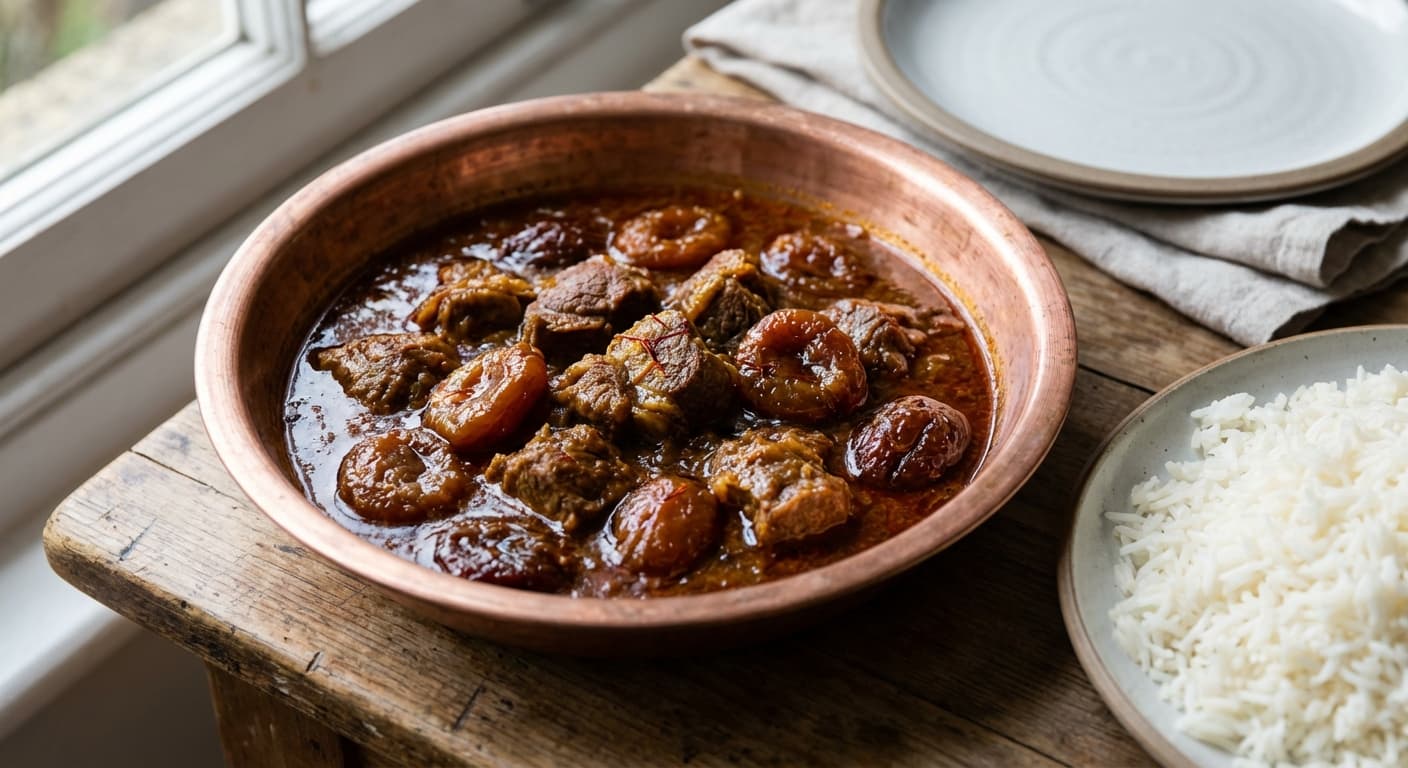
Qorma-e Alu Bukhara (قورمه آلو بخارا) — Afghan Lamb Stew with Dried Plums
Afghan · Stews · 130 min
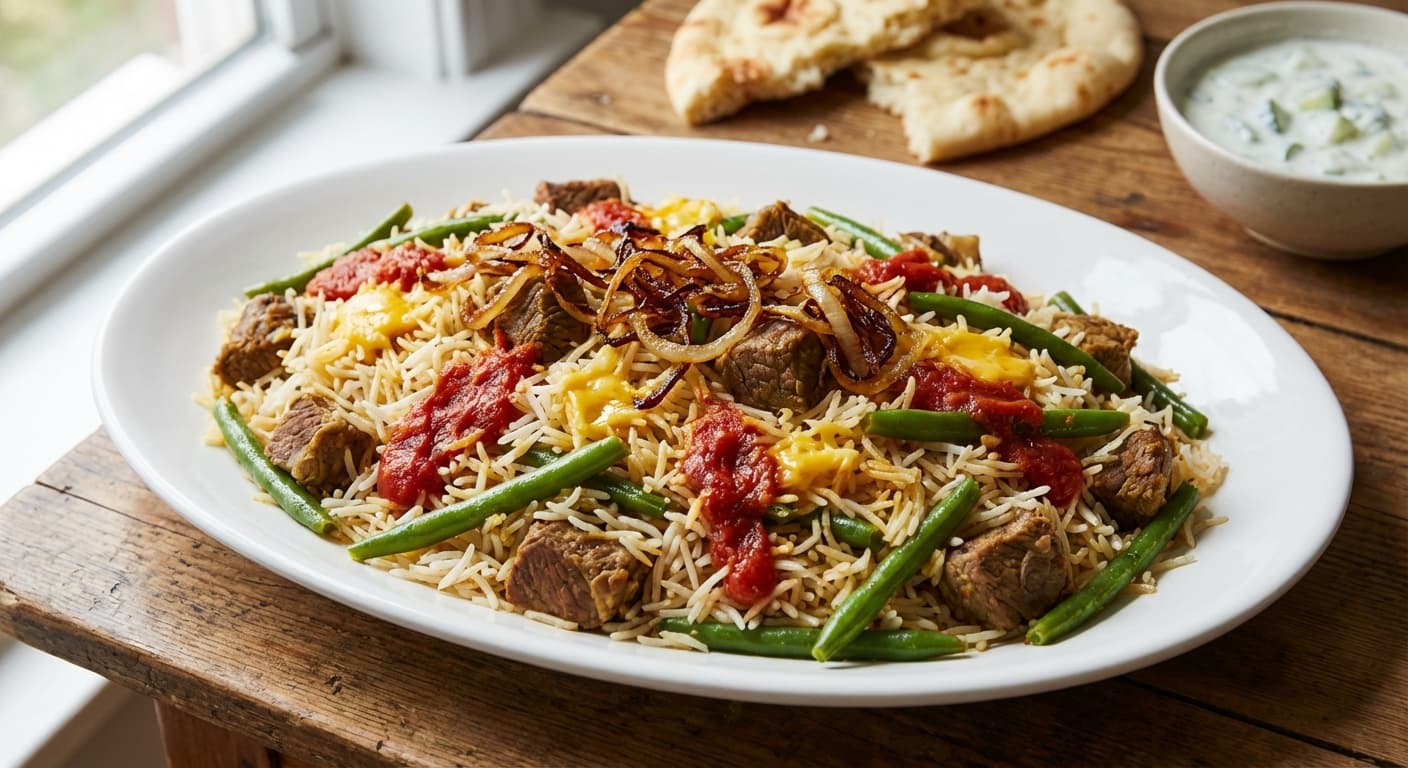
Lubia Polo (لوبیا پلو) — Afghan Rice with Green Beans and Lamb
Afghan · Rice Dishes · 125 min
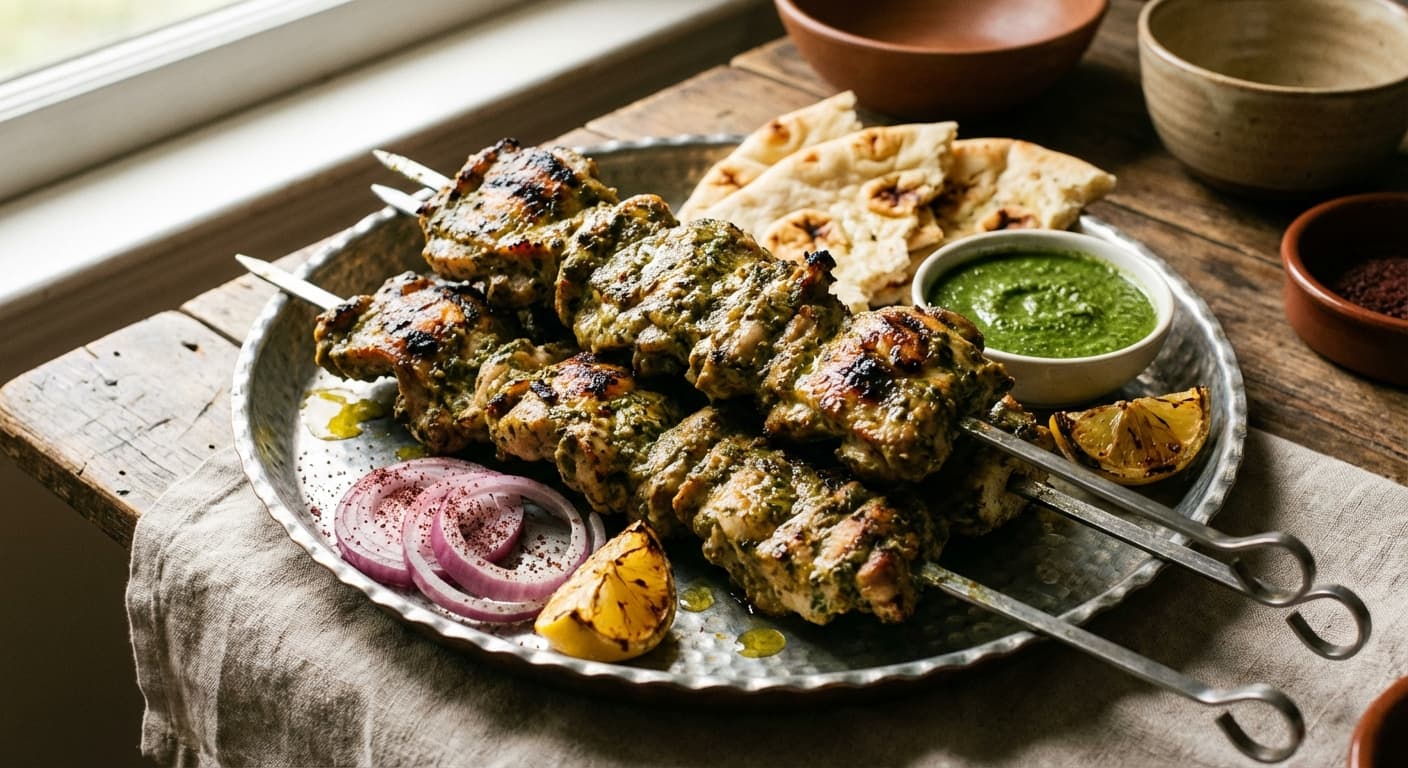
Kabab-e Chopan Murgh (کباب چوپان مرغ) — Afghan Grilled Chicken Chops with Herbs
Afghan · Kebabs · 43 min
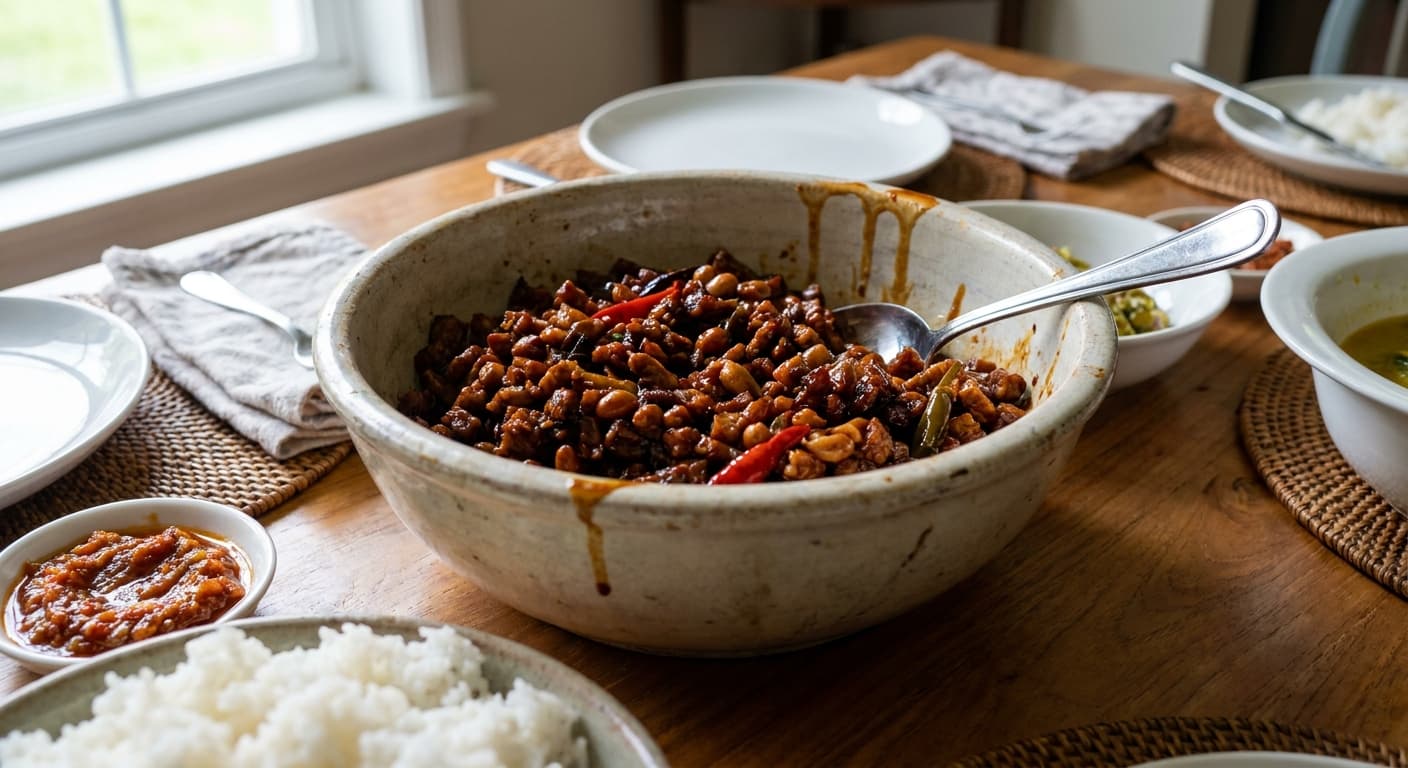
Sweet-Spiced Tempeh Stir-Fry (Tempe Orek) — Crisp Indonesian Soy-Glazed Tempeh
Indonesian · Side Dishes · 45 min
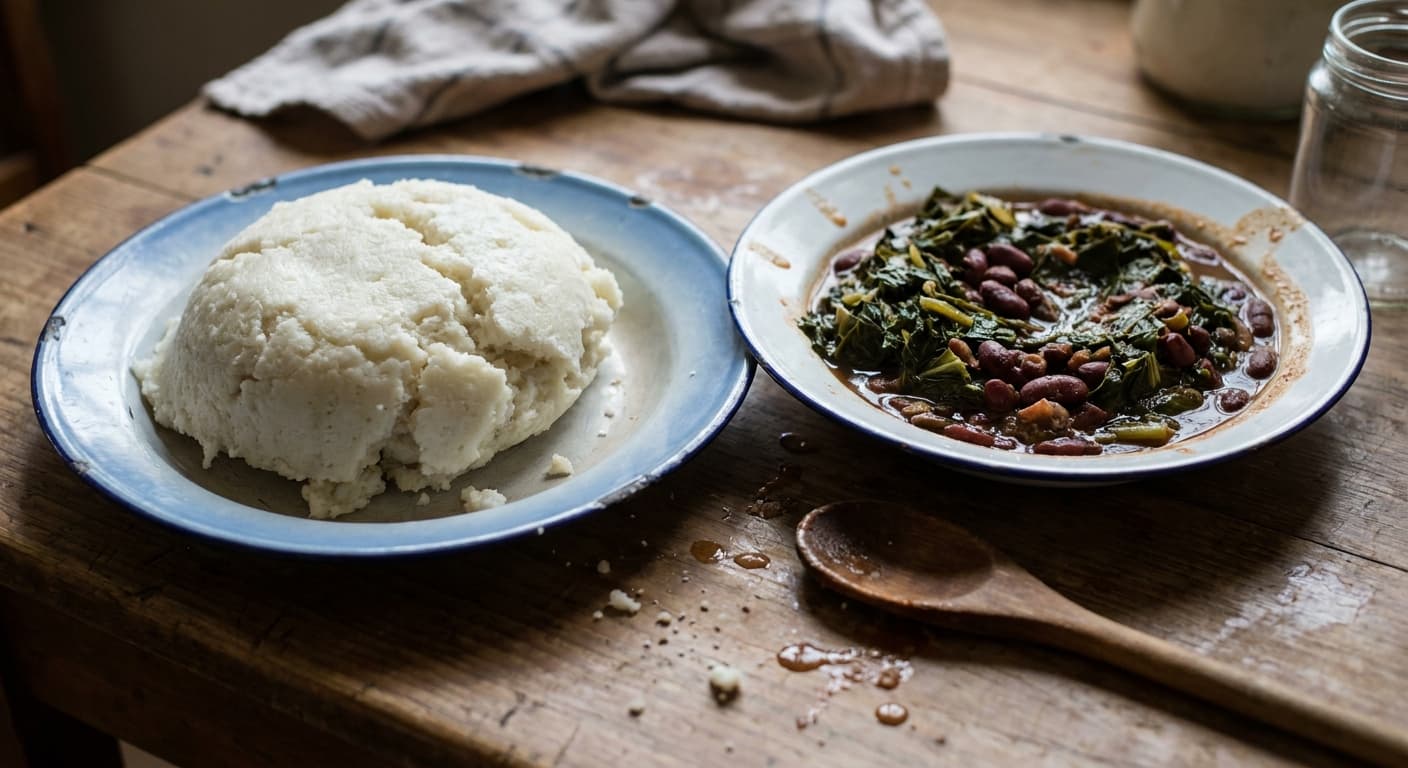
Tanzanian Ugali (Ugali) — Firm Cornmeal Porridge
Tanzanian · Side Dishes · 23 min
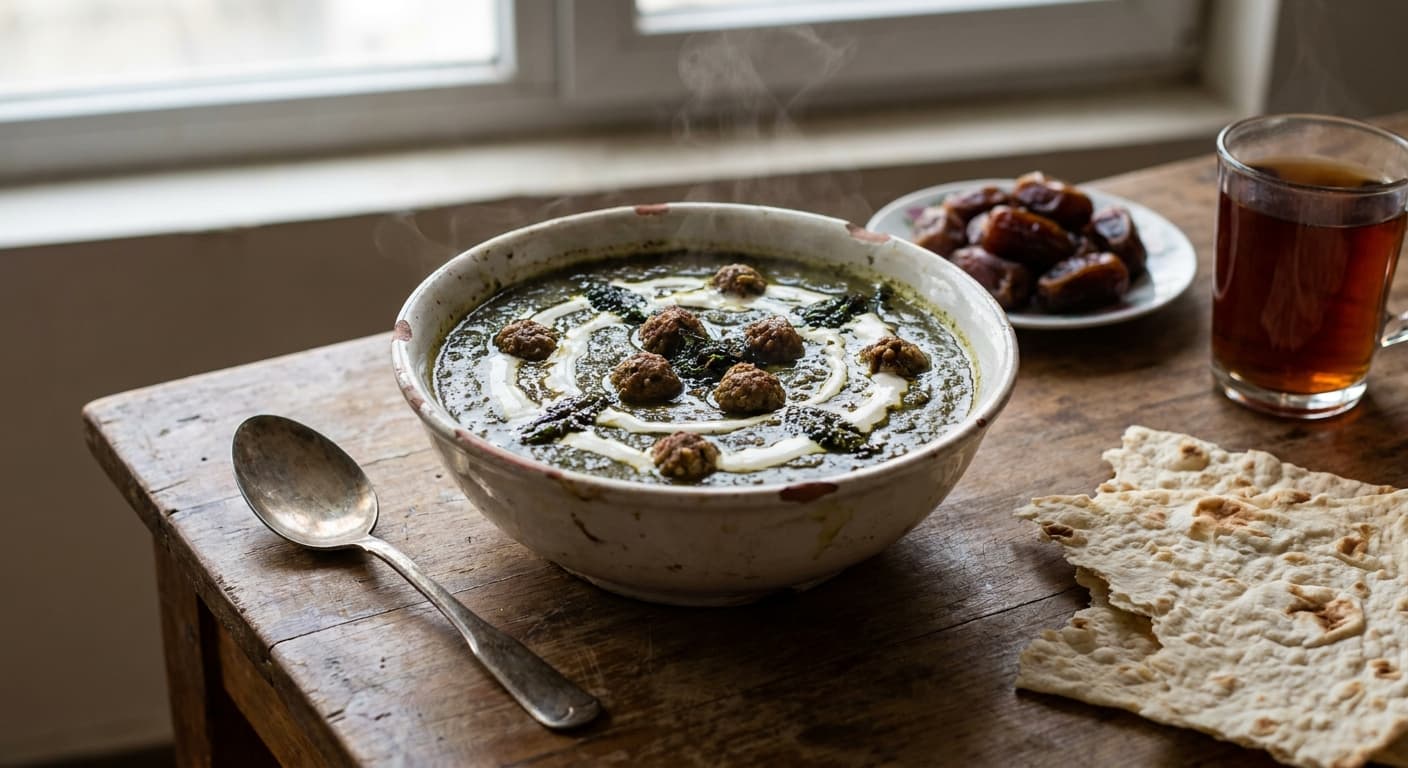
Ash-e Sak (آش ساک) — Golestani Spinach, Legume, and Meatball Soup
Persian · Soups · 175 min
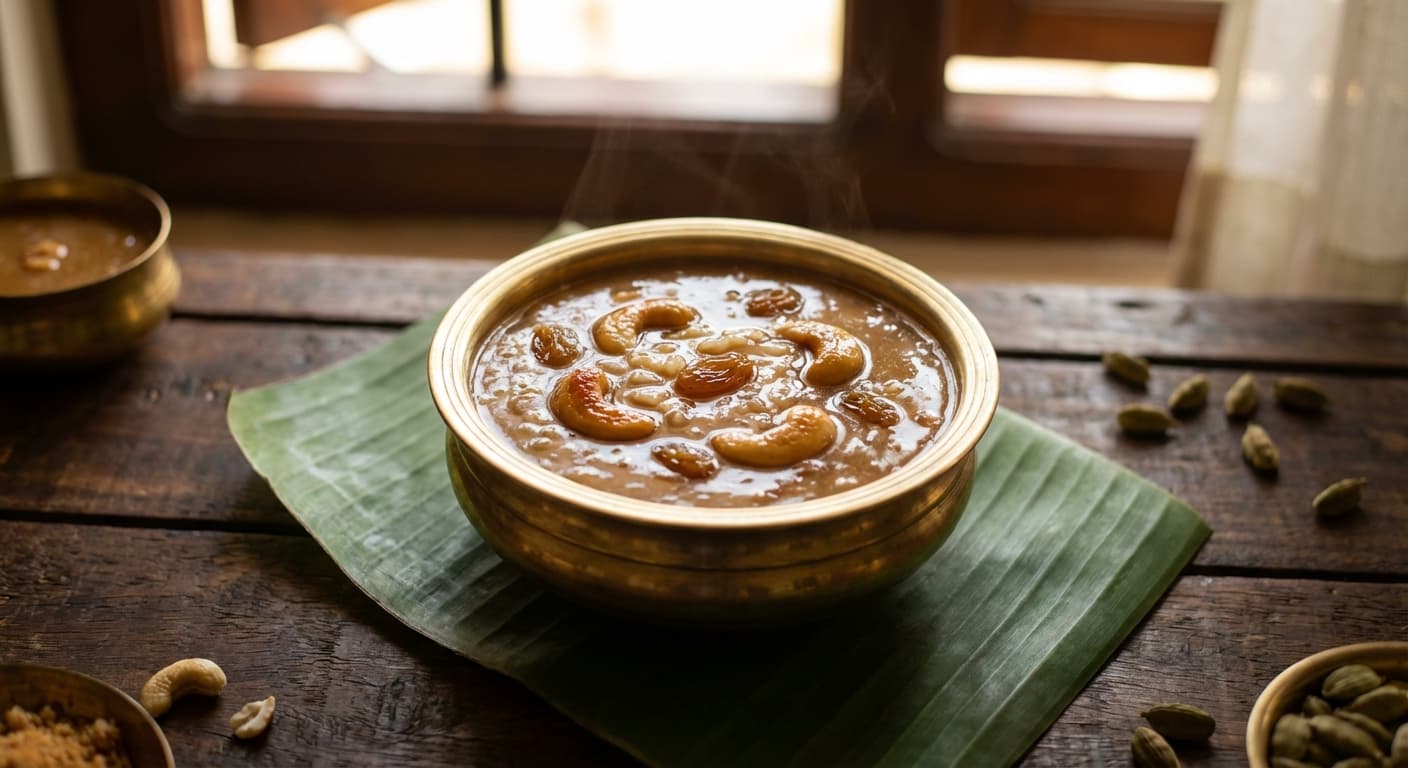
Jaggery Payasam (പായസം) — South Indian milk dessert with ghee and cardamom
Indian · Desserts · 45 min
Do Piaza Murgh (دو پیازہ مرغ) — Afghan Chicken with Double-Onion Curry
Afghan · Main Courses · 75 min
Reviews
Cooked this recipe?
Tap the stars to rate it — that's all it takes. A few words are welcome but optional.
No ratings yet. Cooked this one? Be the first to rate it — it takes one tap.