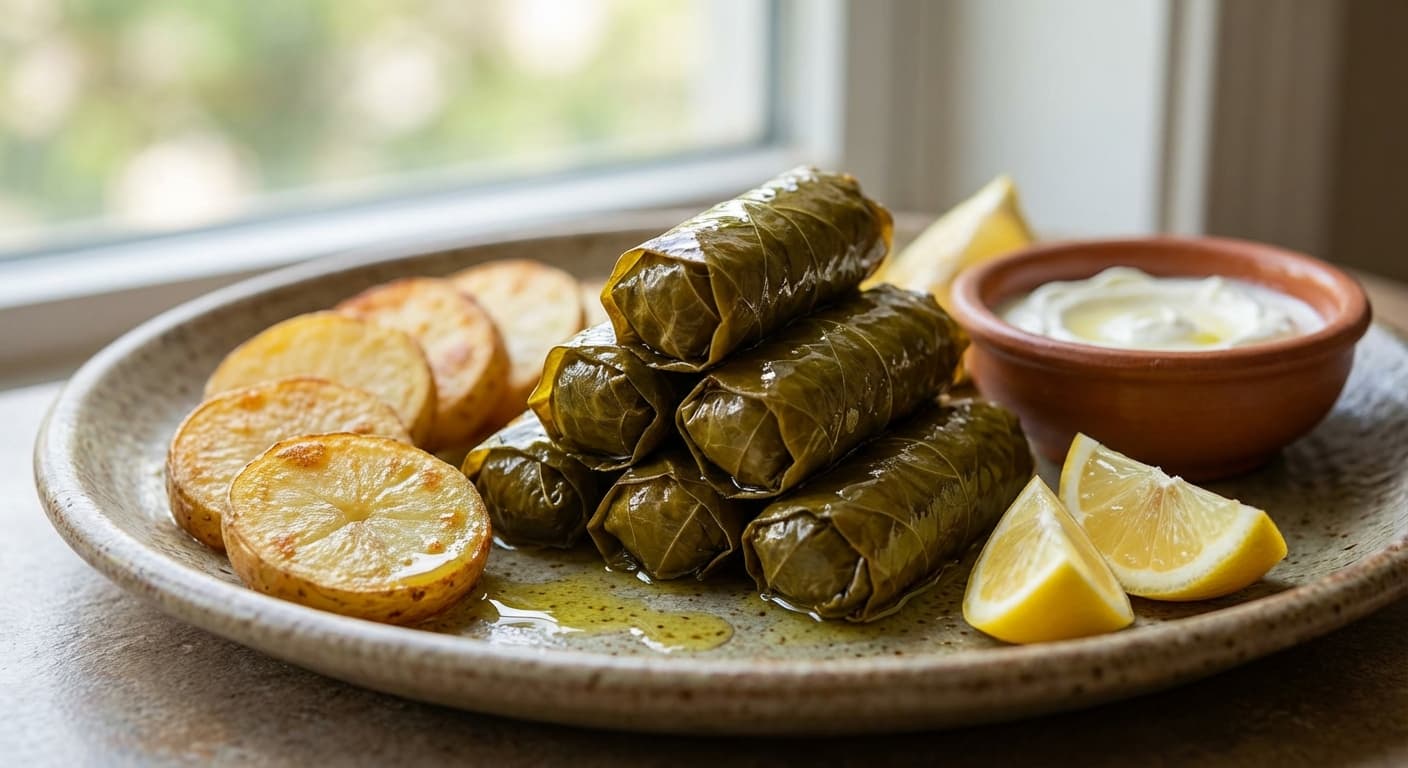
Warak Enab (ورق عنب) — Lebanese Stuffed Grape Leaves with Rice and Lamb
Warak Enab are Lebanese grape leaves rolled with rice, lamb, and bright herbs, then gently simmered in a lemony broth. Served warm or at room temperature, they’re a beloved mezze and family gathering staple across the Levant.
Printable Recipe Card
Servings: 6 · Total: 135 min · Difficulty: medium
Ingredients (quick list)
- 60 jarred grape leaves, drained (choose medium-size leaves; rinse well)
- 2000 ml water (for blanching and simmering)
- 300 g short-grain rice, rinsed and drained (Egyptian or Calrose-style rice works best)
- 350 g ground lamb (80–85% lean)
- 150 g yellow onion, finely minced
- 30 g flat-leaf parsley, finely chopped
- 10 g fresh mint, finely chopped
- 200 g tomato, deseeded and finely diced (or very small dice to prevent tearing)
- 2 tsp ground allspice
- 0.5 tsp ground cinnamon
- 1 tsp black pepper
- 2 tsp fine sea salt
+ 6 more in the full ingredients section below.
Steps (summary)
- Rinse the grape leaves under cool running water to remove excess brine, then drain well. Bring 1500 ml of the water to a gentle…
- Make the filling by combining the rice, ground lamb, minced onion, parsley, mint, and diced tomato in a large bowl. Add allspic…
- Line the bottom of a wide, heavy pot with the potato rounds and lemon slices to protect the rolls from direct heat and add flav…
- Set up a rolling station with the cooled leaves, filling, and a tray for finished rolls. Place one leaf shiny-side down with th…
- Pack the rolls seam-side down in the pot in snug concentric circles, creating a tight single layer before starting a second lay…
- Whisk together the remaining 500 ml water, lemon juice, sliced garlic, tomato paste, 1 tsp salt, and 30 ml olive oil. Pour the…
+ 3 more steps in the full instructions section below.
Cultural Background
Warak Enab is a cornerstone of Lebanese mezze and a symbol of hospitality, often prepared in large batches for family lunches and celebrations. The careful rolling is a shared kitchen ritual, passed down through generations across the Levant.
Equipment
💡 Tips
- Aim for about 18 g filling per leaf to prevent bursting; smaller rolls cook more evenly and look more traditional.
- Keep the simmer very gentle; a hard boil can split the leaves and make the rice leak into the pot.
- If your grape leaves are very salty, soak them in fresh water for 10 minutes after rinsing, then drain before blanching.
⚠️ Common Mistakes
❌ Boiling too hard so the rolls unravel and the rice spills out.
✅ Fix: Bring to a brief boil, then immediately reduce to the lowest simmer; use a plate weight to keep rolls submerged.
❌ Overfilling the leaves, causing bursting during cooking.
✅ Fix: Use about 18 g filling per leaf and roll snugly; remember the rice expands as it cooks.
❌ Leaves taste overly salty from the brine.
✅ Fix: Rinse thoroughly and soak 10 minutes in fresh water, then blanch for 60 seconds and drain well.
🧊 How to Store
Cool leftovers within 2 hours, then refrigerate in an airtight container with a little cooking liquid for up to 4 days. Reheat covered in a pan with 30 ml water over low heat for 10–12 minutes, or microwave covered at 700W for 2–3 minutes per serving.
📅 Make Ahead
Roll the grape leaves up to 24 hours ahead, layer them in the pot, and refrigerate tightly covered. Add the cooking liquid and simmer the next day; flavors often improve after resting 30 minutes before serving.
🍽️ Pairs Well With
- Lebanese yogurt (labneh)
- sliced cucumbers and tomatoes
- pita bread
- toum
- pickles (mekhallel)
- fattoush.
Regional Variations
- Beirut-style often leans brighter with more lemon and garlic in the cooking liquid.
- Some mountain villages add a pinch of dried mint and a little more allspice for a deeper, warmer profile.
- In mixed mezze platters, smaller ‘finger’ rolls are common, packed tightly and served at room temperature with extra lemon.
Ingredients
- 60jarred grape leaves, drained (choose medium-size leaves; rinse well)
- 2000 mlwater (for blanching and simmering)
- 300 gshort-grain rice, rinsed and drained (Egyptian or Calrose-style rice works best)
- 350 gground lamb (80–85% lean)
- 150 gyellow onion, finely minced
- 30 gflat-leaf parsley, finely chopped
- 10 gfresh mint, finely chopped
- 200 gtomato, deseeded and finely diced (or very small dice to prevent tearing)
- 2 tspground allspice
- 0.5 tspground cinnamon
- 1 tspblack pepper
- 2 tspfine sea salt
- 60 mlextra-virgin olive oil (plus more for finishing if desired)
- 120 mllemon juice, freshly squeezed (about 3–4 lemons)
- 12 ggarlic, thinly sliced (about 4 cloves)
- 30 gtomato paste (optional but traditional in many homes)
- 250 gpotatoes, peeled and sliced into 8 mm rounds (acts as a protective layer and a cook’s treat)
- 1lemon slices (1 lemon, thinly sliced)
🔄 Substitutions
- ground lamb→ ground beef (85% lean)
- short-grain rice→ medium-grain rice
- fresh mint→ dried mint
Instructions
- 1
Rinse the grape leaves under cool running water to remove excess brine, then drain well. Bring 1500 ml of the water to a gentle boil and blanch the leaves for 60 seconds to soften, then transfer to a colander to cool and drain.
- 2
Make the filling by combining the rice, ground lamb, minced onion, parsley, mint, and diced tomato in a large bowl. Add allspice, cinnamon, black pepper, and 2 tsp salt, then pour in 60 ml olive oil and mix thoroughly until evenly distributed.
- 3
Line the bottom of a wide, heavy pot with the potato rounds and lemon slices to protect the rolls from direct heat and add flavor. Spread them in an even layer so there are no large gaps where rolls could scorch.
- 4
Set up a rolling station with the cooled leaves, filling, and a tray for finished rolls. Place one leaf shiny-side down with the stem end facing you, add 1 heaping tbsp of filling (about 18 g) near the stem, fold the sides inward, and roll tightly into a small cigar.
- 5
Pack the rolls seam-side down in the pot in snug concentric circles, creating a tight single layer before starting a second layer. Keep the rolls compact but not crushed, because the rice needs a little room to expand as it cooks.
- 6
Whisk together the remaining 500 ml water, lemon juice, sliced garlic, tomato paste, 1 tsp salt, and 30 ml olive oil. Pour the mixture over the rolls; the liquid should come just to the top layer, so add up to 200 ml additional water only if needed to barely cover.
- 7
Place a heatproof plate upside down directly on top of the rolls to keep them from floating and unrolling during simmering. Bring the pot to a gentle boil over medium heat, then immediately reduce to low so the liquid maintains a steady, quiet simmer.
- 8
Simmer covered for 55 minutes, then uncover and continue simmering for 10–15 minutes to reduce excess liquid. The rolls are done when the rice is tender and the leaves are silky, and the pot should have only a small amount of glossy, lemony broth left.
- 9
Turn off the heat and rest the pot for 15 minutes so the rolls set and absorb flavor. Carefully remove the plate, then serve the warak enab warm or at room temperature with a spoon of the pan juices over the top.
🪪 Recipe Passport
Cultural Background
Warak Enab is a cornerstone of Lebanese mezze and a symbol of hospitality, often prepared in large batches for family lunches and celebrations. The careful rolling is a shared kitchen ritual, passed down through generations across the Levant.
Regional Variations
Researched from multiple sources and validated by the Zaffaron editorial team. Every recipe is tested for accuracy, measurements, and cultural authenticity.
Nutrition per serving
Pairs well with
If you enjoyed this recipe, here are a few related Zaffaron recipes to try next.
Does your family make this differently?
Every family has their own version. Maybe your grandmother adds a secret ingredient, or your aunt has a completely different technique. Preserve your family's version — with their name on it, forever.
You Might Also Like
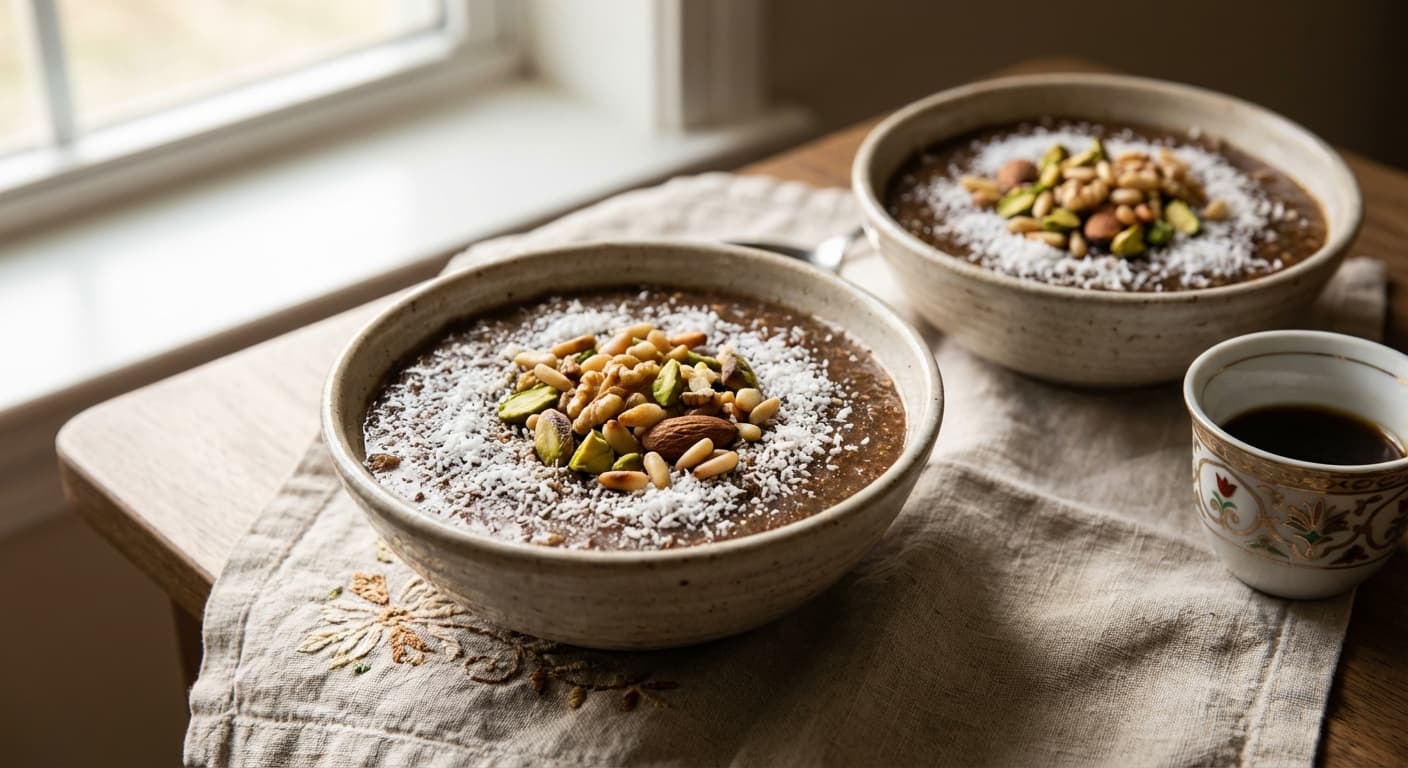
Meghli (مغلي) — Lebanese Spiced Rice Pudding with Nuts
Lebanese · Desserts · 40 min
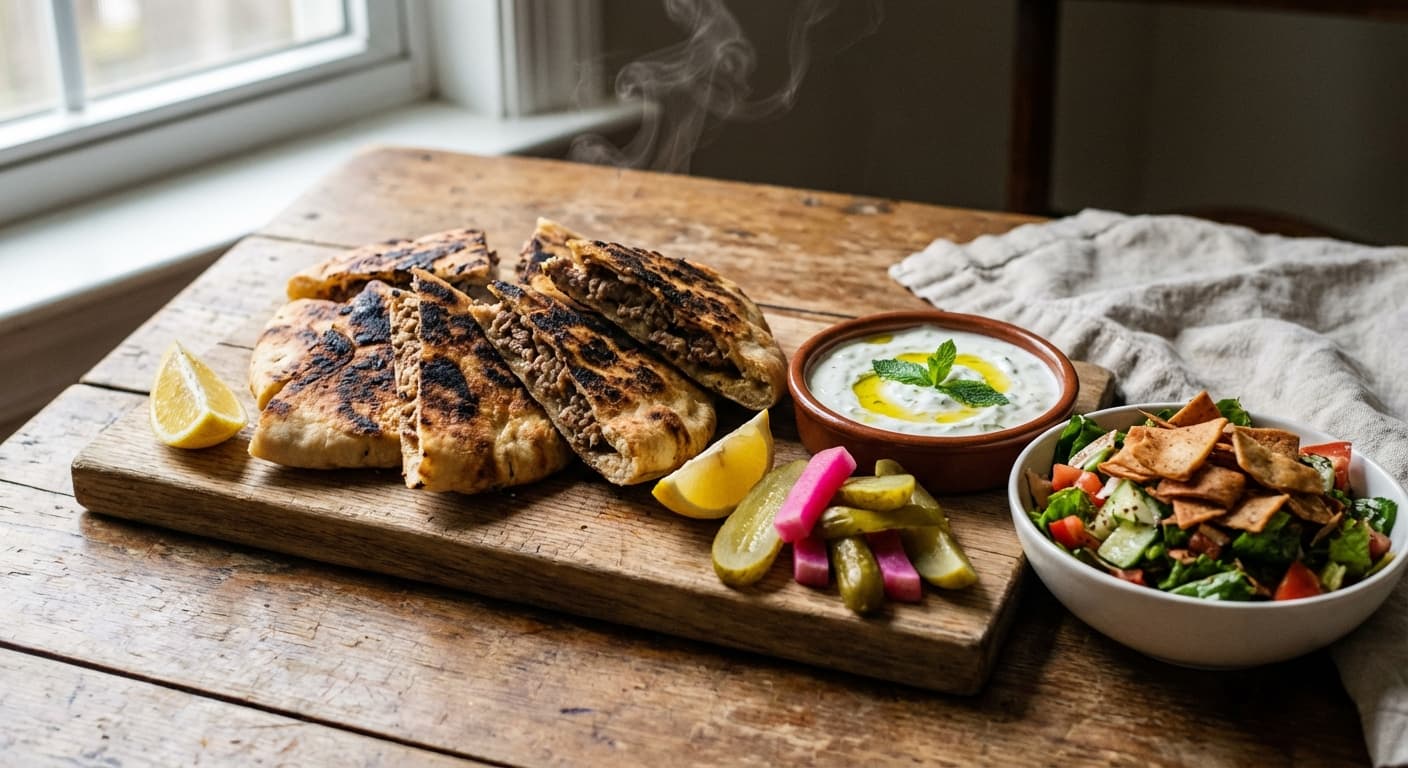
Arayess (عرايس) — Lebanese Grilled Stuffed Pita with Spiced Meat
Lebanese · Kebabs · 34 min
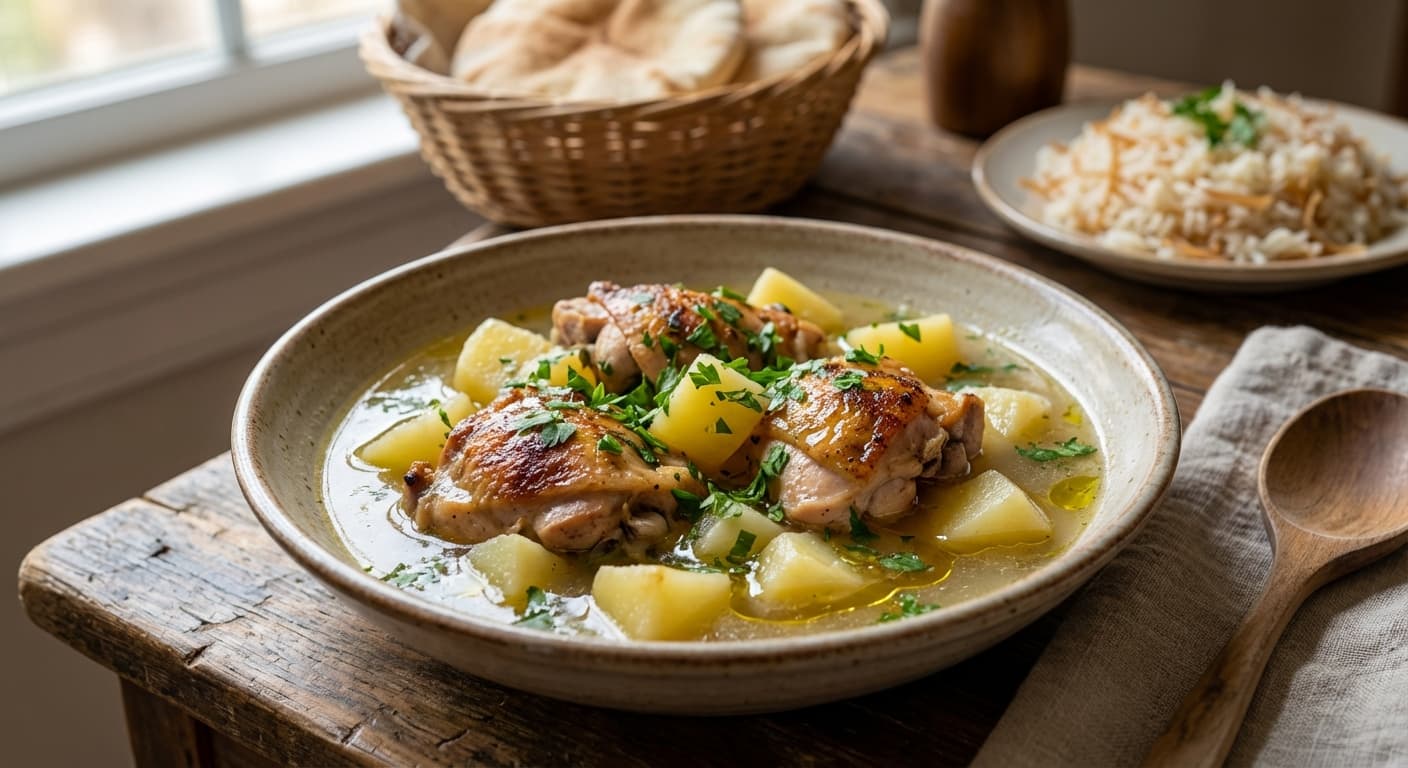
Djej Bi Batata (دجاج ببطاطا) — Lebanese Chicken Stew with Potatoes and Garlic
Lebanese · Stews · 75 min
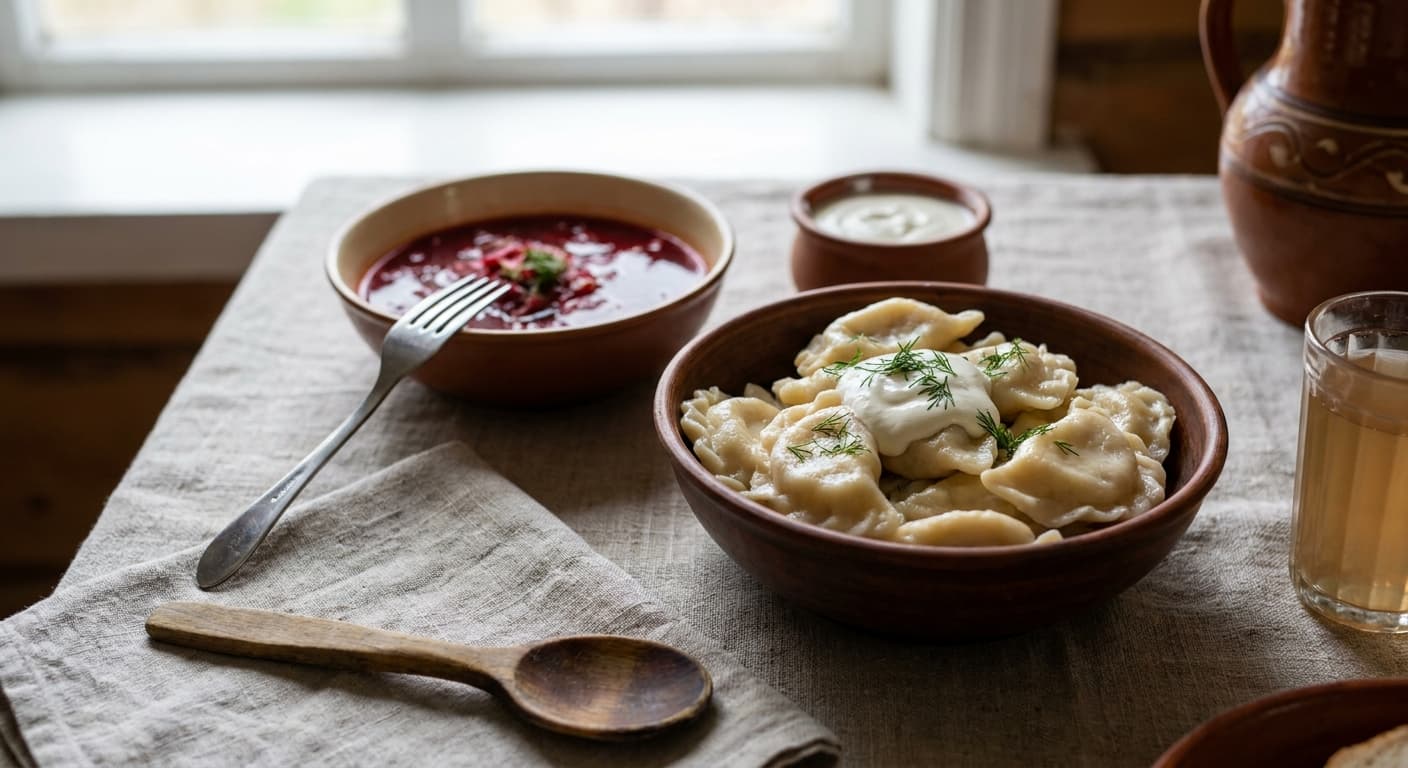
Varenyky (Вареники) — Ukrainian Potato-Cheese Dumplings
Ukrainian · Main Courses · 95 min
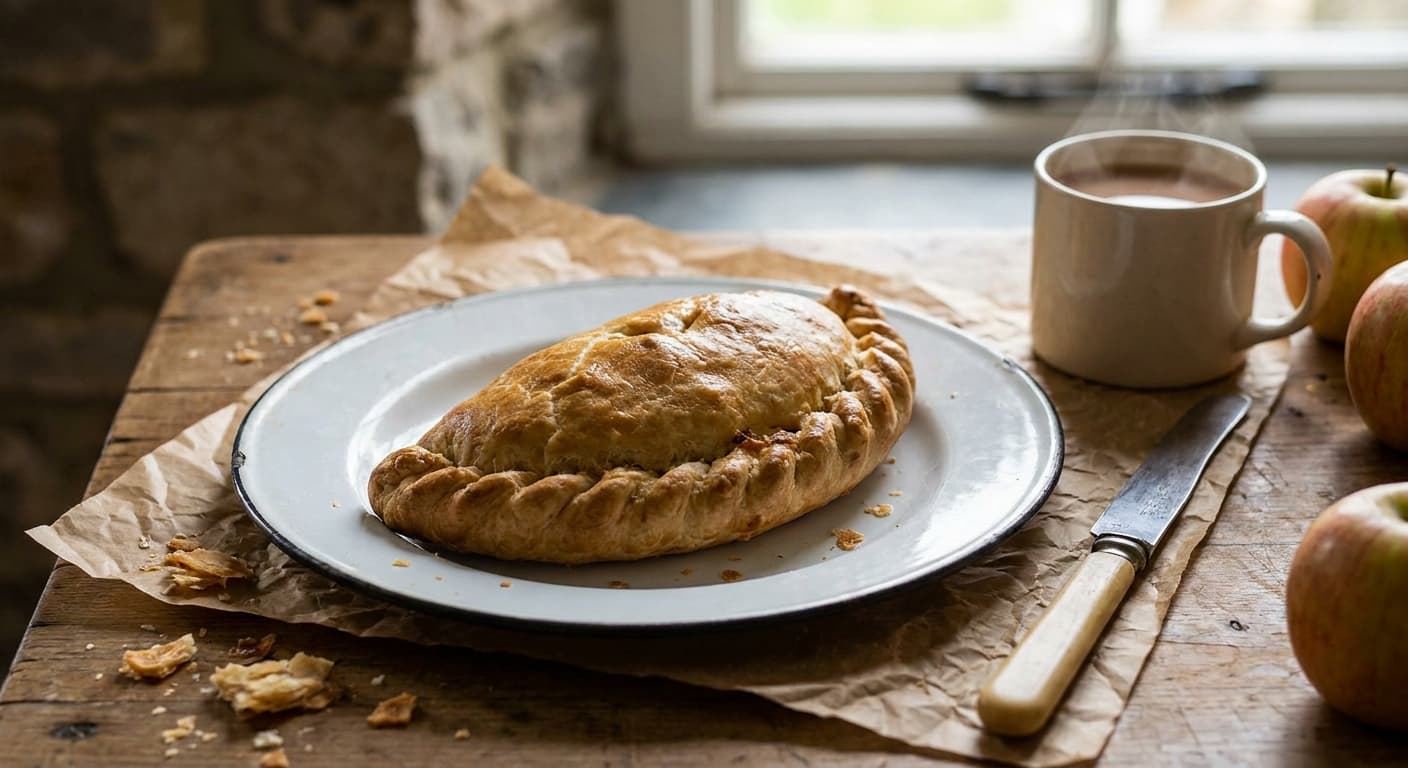
Cornish Pasty (Cornish Pasty) — Traditional Beef and Swede Hand Pie
British · Main Courses · 100 min
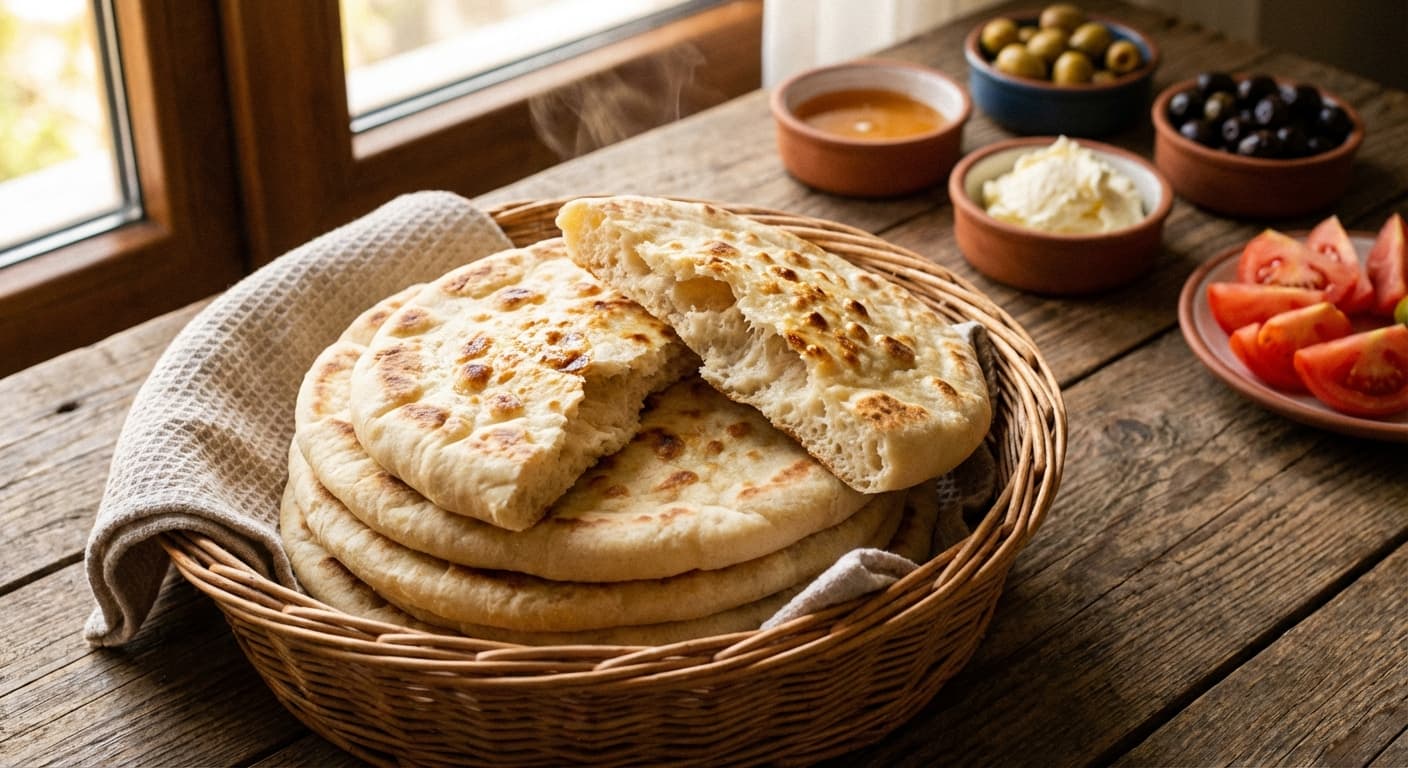
Bazlama (بازلاما) — Puffy Turkish Village Flatbread Cooked on a Saj
Turkish · Breads · 38 min
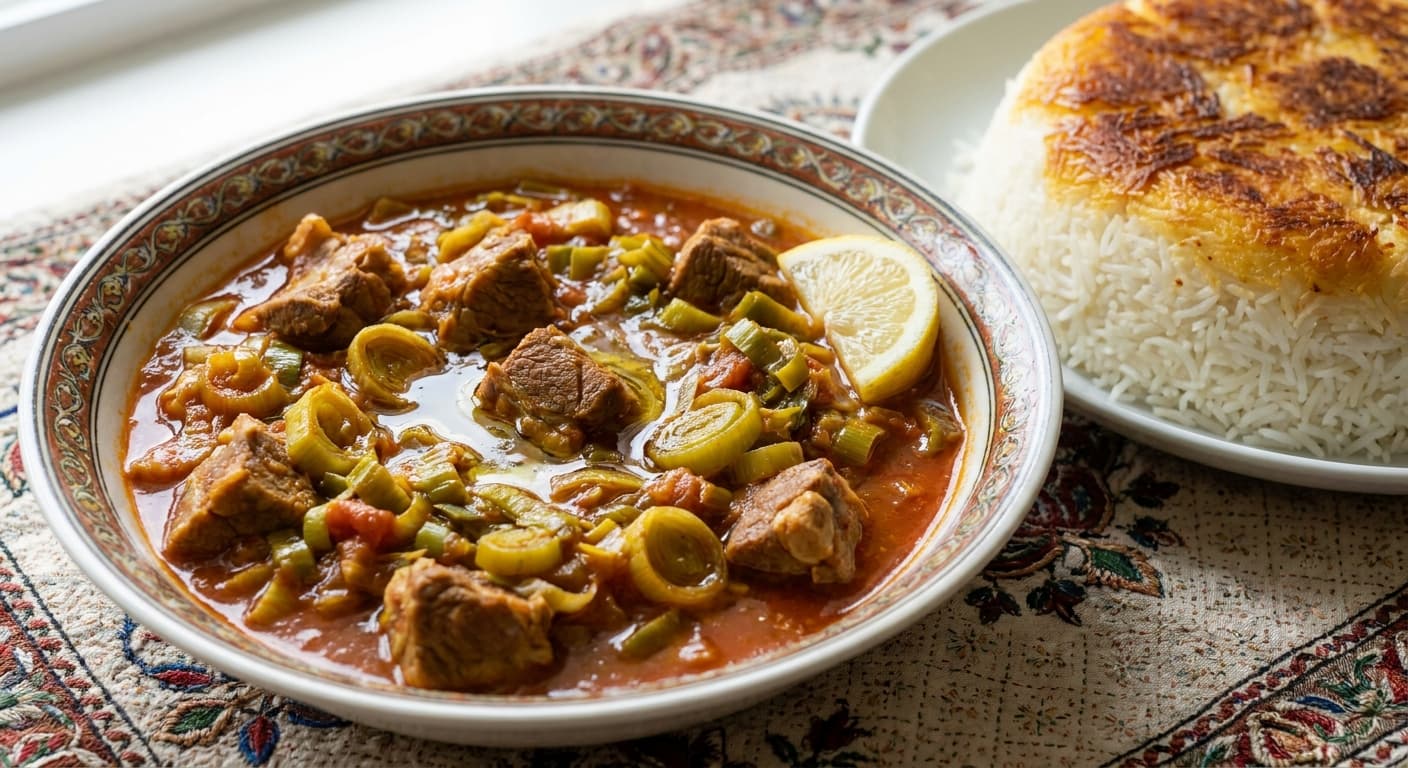
Khoresh Tareh Farangi (خورش تره فرنگی) — Persian Leek and Lamb Stew
Persian · Stews · 130 min
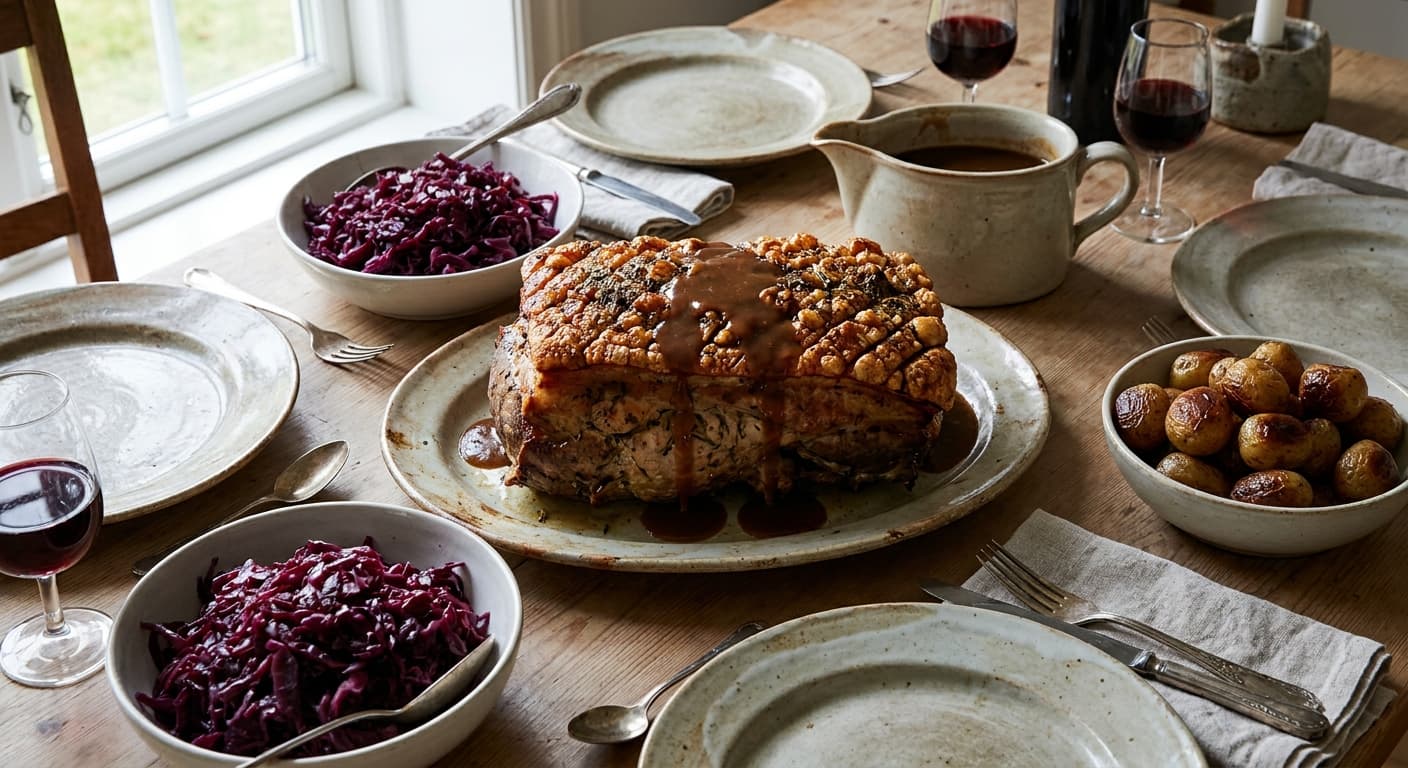
Danish Roast Pork with Crackling (Flæskesteg) — Crisp-Rinded Christmas Pork
Danish · Main Courses · 130 min
Reviews
Cooked this recipe?
Tap the stars to rate it — that's all it takes. A few words are welcome but optional.
No ratings yet. Cooked this one? Be the first to rate it — it takes one tap.