Aabgoosht-e Giahi (آبگوشت گیاهی) — Persian Vegetarian Stone Soup
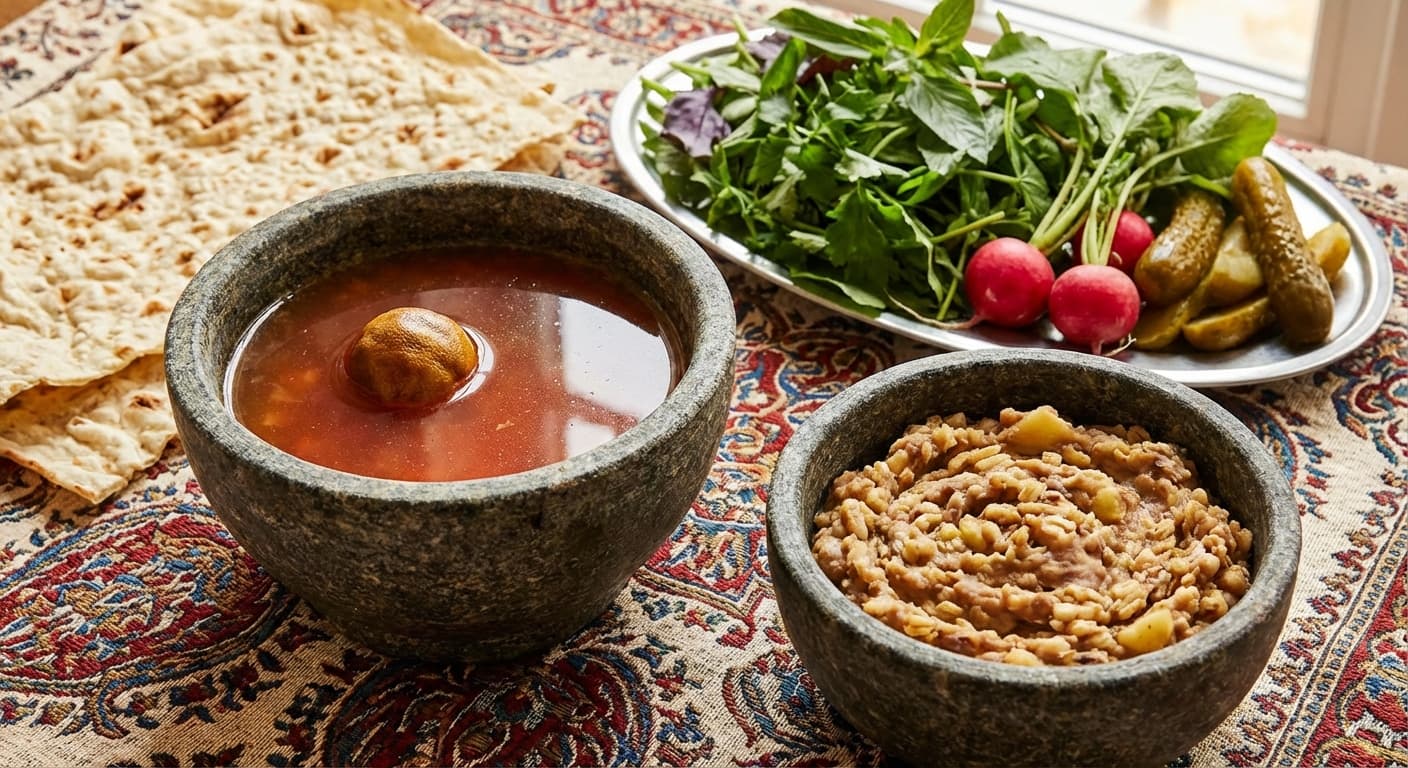
A soul-warming Persian vegetarian take on classic dizi: slow-simmered beans, wheat, potatoes, soy protein, tomatoes, and dried lime. Serve traditionally in two stages—broth first, then mashed solids with bread and herbs.
Printable Recipe Card
Servings: 6 · Total: 990 min · Difficulty: medium
Ingredients (quick list)
- 80 g Dried chickpeas (soaked 10–12 hours, drained)
- 80 g Dried pinto beans (soaked 10–12 hours, drained)
- 80 g Dried white beans (soaked 10–12 hours, drained)
- 120 g Wheat berries (soaked 8–10 hours, drained)
- 60 g Textured vegetable protein (soy), dry (fine or medium granules)
- 500 ml Boiling water (for rehydrating soy protein)
- 300 g Onion (2 medium, finely diced)
- 30 ml Vegetable oil (2 tablespoons)
- 20 g Butter (1 1/2 tablespoons)
- 60 g Tomato paste (4 tablespoons)
- 300 g Fresh tomatoes (2 medium, grated or finely chopped)
- 2 tsp Turmeric
+ 6 more in the full ingredients section below.
Steps (summary)
- Soak the chickpeas, pinto beans, and white beans in plenty of cool water for 10–12 hours, then drain and rinse. Soak the wheat…
- Rehydrate the soy protein: place it in a bowl, pour over 500 ml boiling water, and let stand 10 minutes. Drain in a fine sieve…
- In a heavy pot over medium heat, warm the vegetable oil and melt the butter. Add diced onion and cook 10–12 minutes, stirring o…
- Add grated tomatoes and cook 6–8 minutes until thick and jammy, scraping the bottom to prevent sticking. Add the drained legume…
- Reduce to a gentle simmer, cover with the lid slightly ajar, and cook 90 minutes, stirring every 20 minutes. Keep the heat low…
- Add the pierced dried limes and half the salt (about 1 teaspoon). Simmer 30 minutes. Add the drained soy protein and continue s…
+ 2 more steps in the full instructions section below.
Cultural Background
Aabgoosht, often associated with traditional dizi cooking, is commonly served in two parts: the broth first, then the mashed solids. Vegetarian versions are prepared in many homes as a practical adaptation, keeping the familiar dried-lime aroma and communal serving style while using plant proteins.
Equipment
💡 Tips
- Pierce dried limes before simmering so they release aroma without bursting; remove early if bitterness appears.
- For a cleaner broth, rinse soaked beans well and skim foam during the first boil.
- Keep the simmer gentle; rapid boiling can break beans and make the texture gritty.
- Mash only after the potatoes are fully tender; undercooked potatoes make the mash gluey and uneven.
- If you like a deeper tomato flavor, fry the tomato paste until it darkens slightly before adding fresh tomatoes.
⚠️ Common Mistakes
❌ Boiling the stew hard for most of the cooking time
💡 Why: Aggressive boiling breaks beans and makes the broth cloudy and the mash gritty.
✅ Fix: After the initial boil, keep a gentle simmer with the lid slightly ajar; stir occasionally and add hot water as needed.
❌ Adding all the salt at the beginning
💡 Why: Salt can slow softening of some legumes and makes it harder to correct seasoning as the broth reduces.
✅ Fix: Salt in stages: add half after the legumes have simmered, then adjust near the end once flavors concentrate.
❌ Letting dried limes sit too long when they turn bitter
💡 Why: Some dried limes are more bitter and can dominate the stew.
✅ Fix: Taste the broth after 15–20 minutes; remove limes early and serve them on the side for those who want extra tang.
❌ Skipping the soy protein rinse/press step
💡 Why: Unrinsed soy protein can add a strong flavor and make the broth murky.
✅ Fix: Rehydrate, drain, press, and briefly rinse; then add it after the legumes have started to soften.
🧊 How to Store
Cool quickly, then refrigerate broth and solids in separate airtight containers for up to 4 days. Reheat gently on the stovetop with a splash of water. Freeze up to 2 months; thaw overnight in the fridge and reheat slowly to protect bean texture.
📅 Make Ahead
Soak the legumes and wheat up to 24 hours ahead (refrigerate while soaking). The stew tastes better the next day: cook fully, cool, and refrigerate overnight; reheat gently and add a little water to loosen the broth before serving.
🍽️ Pairs Well With
- Flatbread (lavash or pita)
- Fresh herb platter (mint
- basil
- parsley
- scallions)
- Radishes and spring onions
- Pickled vegetables
- Lemon wedges or extra dried lime on the side
Regional Variations
- Tehran-style home cookingOften emphasizes a deeper tomato base and a smoother final mash, with the broth served very hot alongside plenty of bread for soaking.
- Central Iran (home variations)May include more wheat for a thicker body and a slightly more tangy profile from additional dried lime, served with fresh herbs and pickles.
Ingredients
- 80 gDried chickpeas (soaked 10–12 hours, drained)
- 80 gDried pinto beans (soaked 10–12 hours, drained)
- 80 gDried white beans (soaked 10–12 hours, drained)
- 120 gWheat berries (soaked 8–10 hours, drained)
- 60 gTextured vegetable protein (soy), dry (fine or medium granules)
- 500 mlBoiling water (for rehydrating soy protein)
- 300 gOnion (2 medium, finely diced)
- 30 mlVegetable oil (2 tablespoons)
- 20 gButter (1 1/2 tablespoons)
- 60 gTomato paste (4 tablespoons)
- 300 gFresh tomatoes (2 medium, grated or finely chopped)
- 2 tspTurmeric
- 1 tspGround cumin
- 0.5 tspGround black pepper
- 2Dried limes (pierced 6–8 times each with a skewer)
- 12 gFine sea salt (about 2 teaspoons, add in stages)
- 2000 mlWater (plus more if needed during simmering)
- 600 gPotatoes (3 medium, peeled and cut into 4 cm chunks)
🔄 Substitutions
- Wheat berries→ Pearled barley
- Textured vegetable protein (soy)→ Cooked brown lentils (180 g)
- Butter→ Olive oil (20 ml)
Instructions
- 1
Soak the chickpeas, pinto beans, and white beans in plenty of cool water for 10–12 hours, then drain and rinse. Soak the wheat berries separately for 8–10 hours, then drain. This reduces cooking time and helps the legumes cook more evenly without splitting.
- 2
Rehydrate the soy protein: place it in a bowl, pour over 500 ml boiling water, and let stand 10 minutes. Drain in a fine sieve and press firmly to remove excess water. Rinse briefly under warm water, drain again, and set aside so it won’t cloud the broth.
- 3
In a heavy pot over medium heat, warm the vegetable oil and melt the butter. Add diced onion and cook 10–12 minutes, stirring often, until deeply golden. Stir in turmeric, cumin, and black pepper for 30 seconds, then add tomato paste and fry 2 minutes to deepen color and remove raw taste.
- 4
Add grated tomatoes and cook 6–8 minutes until thick and jammy, scraping the bottom to prevent sticking. Add the drained legumes and wheat, stir to coat, then pour in 2000 ml water. Bring to a boil over high heat, skimming any foam for 3–5 minutes for a cleaner broth.
- 5
Reduce to a gentle simmer, cover with the lid slightly ajar, and cook 90 minutes, stirring every 20 minutes. Keep the heat low enough that the surface barely bubbles. If the level drops below the beans, add hot water 250 ml at a time to maintain a soupy consistency.
- 6
Add the pierced dried limes and half the salt (about 1 teaspoon). Simmer 30 minutes. Add the drained soy protein and continue simmering 20 minutes, uncovered for the last 10 minutes if you want a slightly richer, more concentrated broth.
- 7
Add potato chunks and simmer 35–45 minutes until the potatoes are tender and the beans are fully cooked. Taste and add the remaining salt gradually. If the dried limes taste bitter, remove them after 20–25 minutes and keep them on the side for diners who want more tang.
- 8
Serve in the classic two-stage style. First, ladle the broth into bowls (strain if you prefer it clearer). Then transfer the solids to a wide bowl, remove dried limes, and mash with a potato masher until chunky-smooth. Moisten with a few ladles of broth and serve hot alongside the soup.
🪪 Recipe Passport
Cultural Background
Aabgoosht, often associated with traditional dizi cooking, is commonly served in two parts: the broth first, then the mashed solids. Vegetarian versions are prepared in many homes as a practical adaptation, keeping the familiar dried-lime aroma and communal serving style while using plant proteins.
Regional Variations
Researched from multiple sources and validated by the Zaffaron editorial team. Every recipe is tested for accuracy, measurements, and cultural authenticity.
Nutrition per serving
Pairs well with
If you enjoyed this recipe, here are a few related Zaffaron recipes to try next.
Does your family make this differently?
Every family has their own version. Maybe your grandmother adds a secret ingredient, or your aunt has a completely different technique. Preserve your family's version — with their name on it, forever.
You Might Also Like
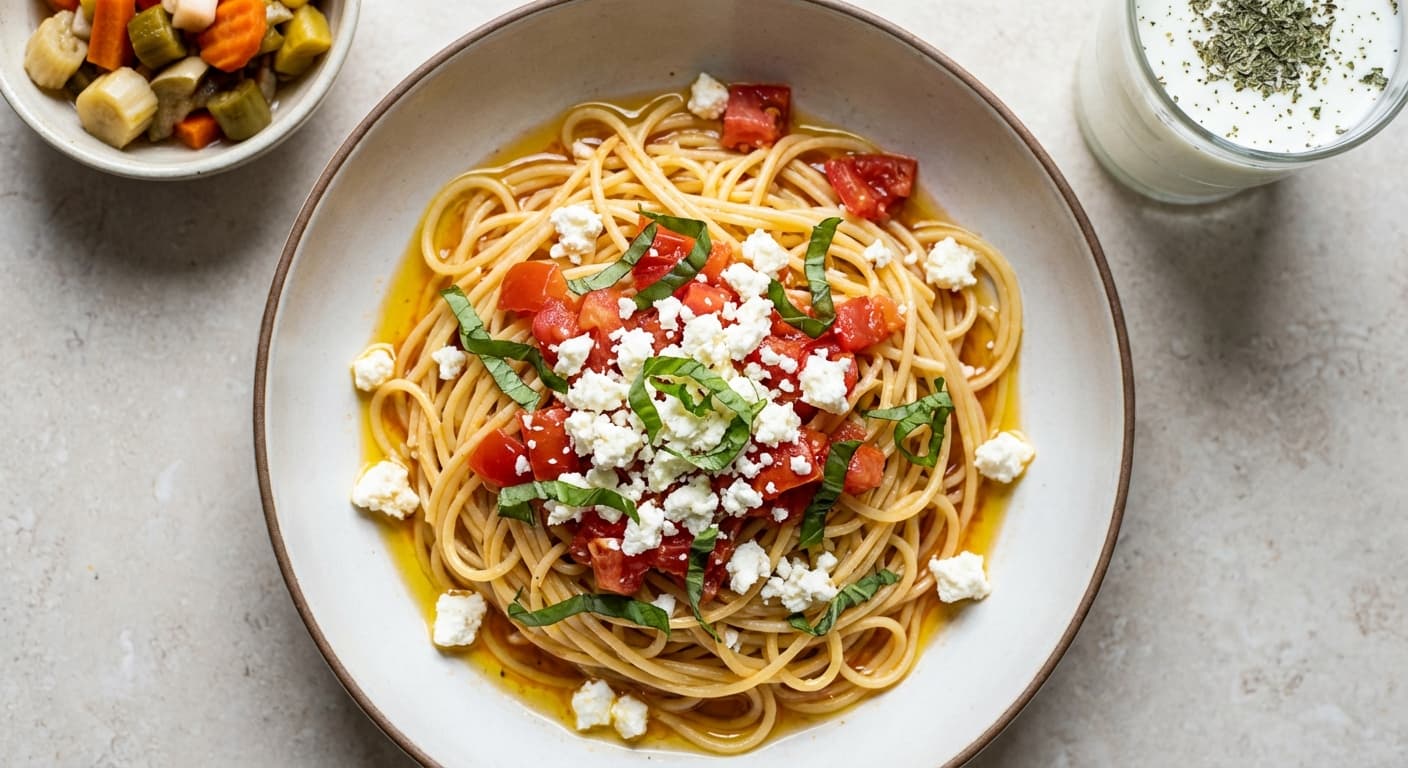
Pastay Paniri (پاستای پنیری) — Persian-Style Cheesy Pasta with Fresh Tomatoes
Persian · Main Courses · 27 min
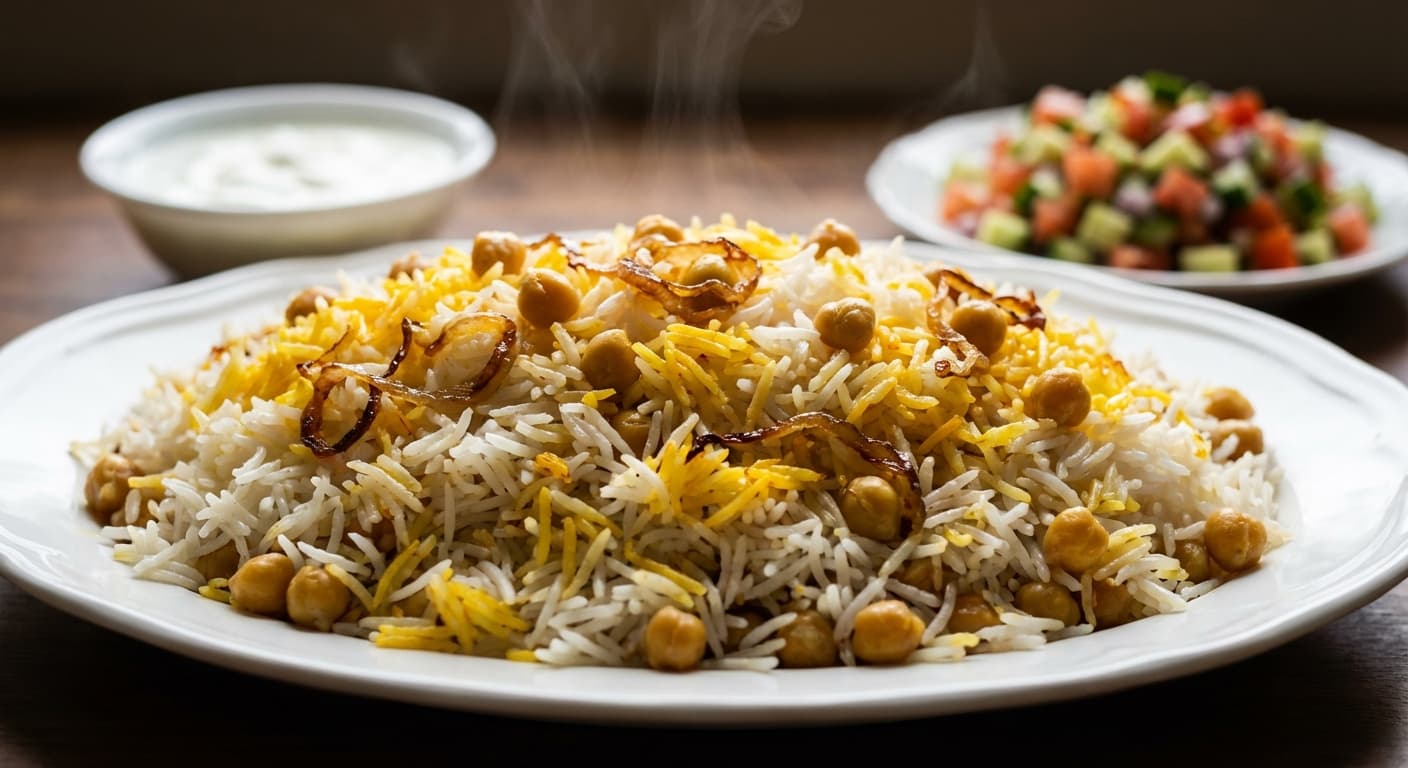
Nokhod Polo (نخود پلو) — Saffron Chickpea Rice with Warm Spices
Persian · Rice Dishes · 80 min

Golden Turmeric Potato and Spinach Casserole (غراتان سیبزمینی و اسفناج) — Mediterranean-Inspired Layered Gratin
Persian · Main Courses · 70 min
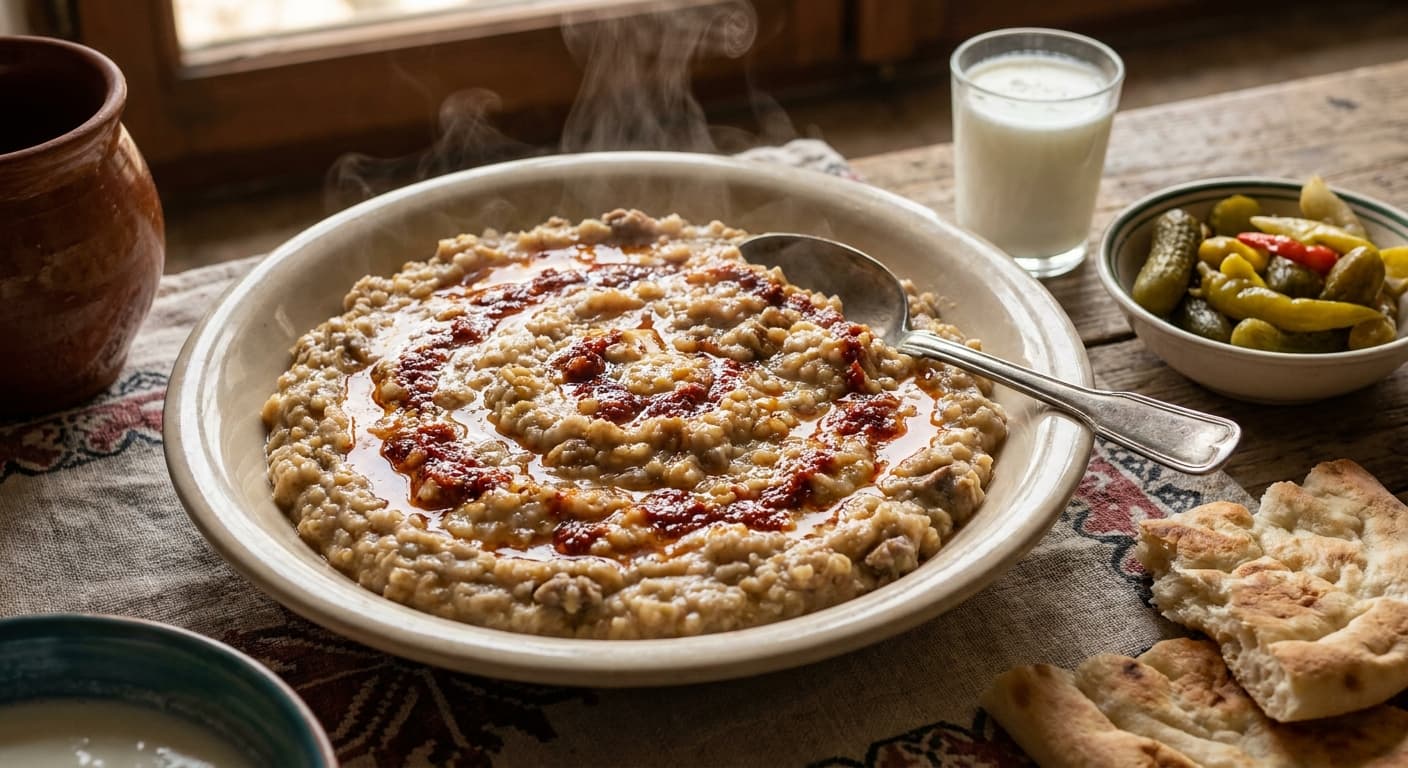
Keshkek (Keşkek) — Creamy Ceremonial Wheat and Lamb Stew
Turkish · Stews · 240 min
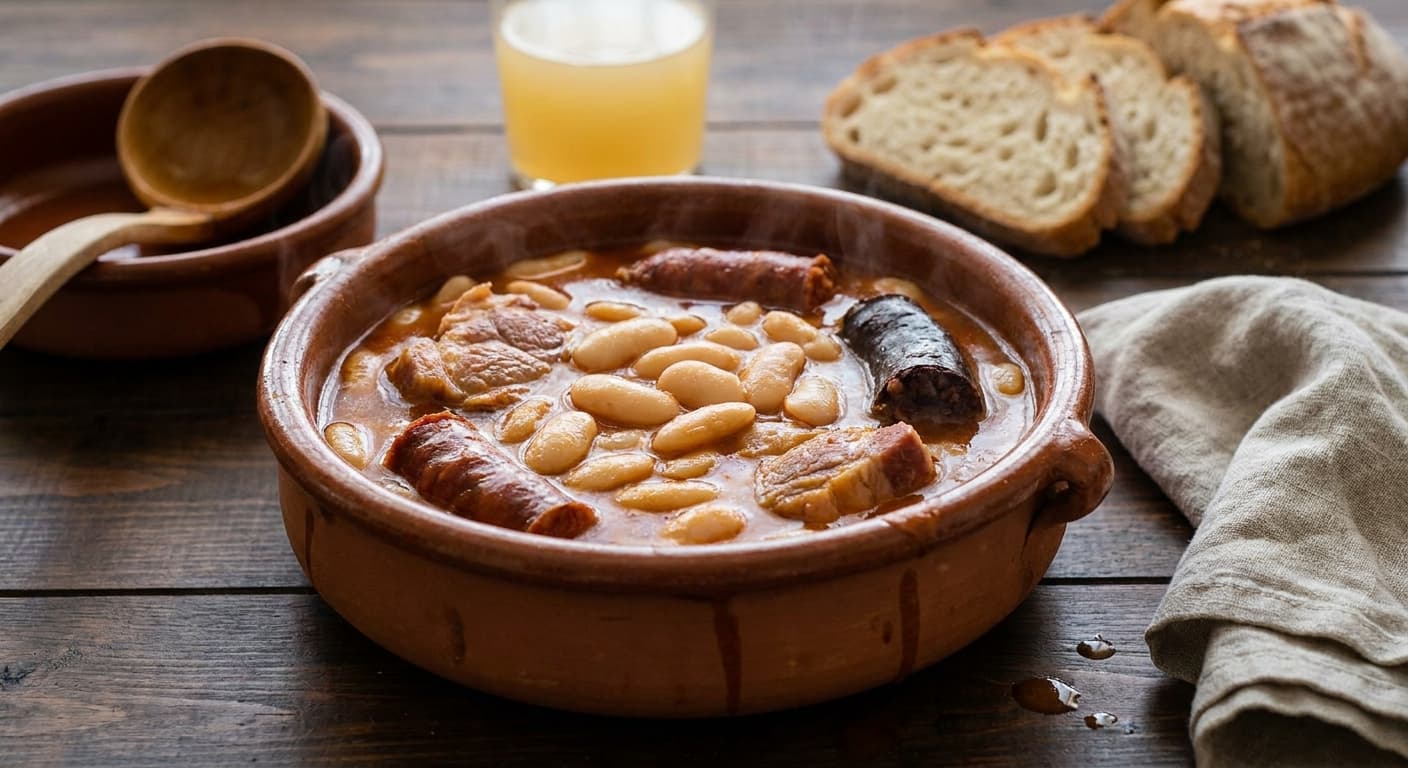
Asturian Bean Stew (Fabada Asturiana) — Smoky Spanish Bean and Pork Stew
Spanish · Stews · 210 min
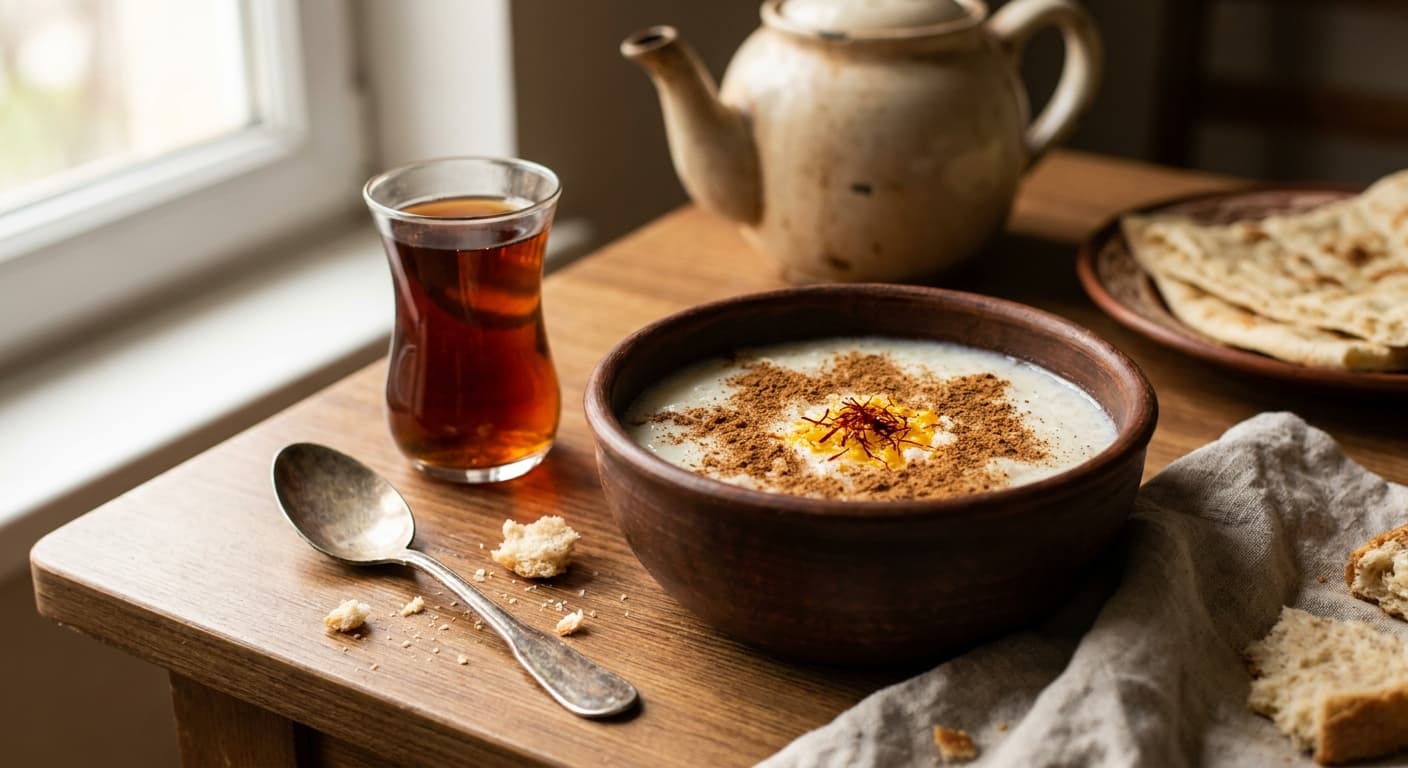
Azerbaijani Milk Rice Porridge (Südlü Sıyıq) — Creamy Breakfast Bowl
Azerbaijani · Rice Dishes · 40 min
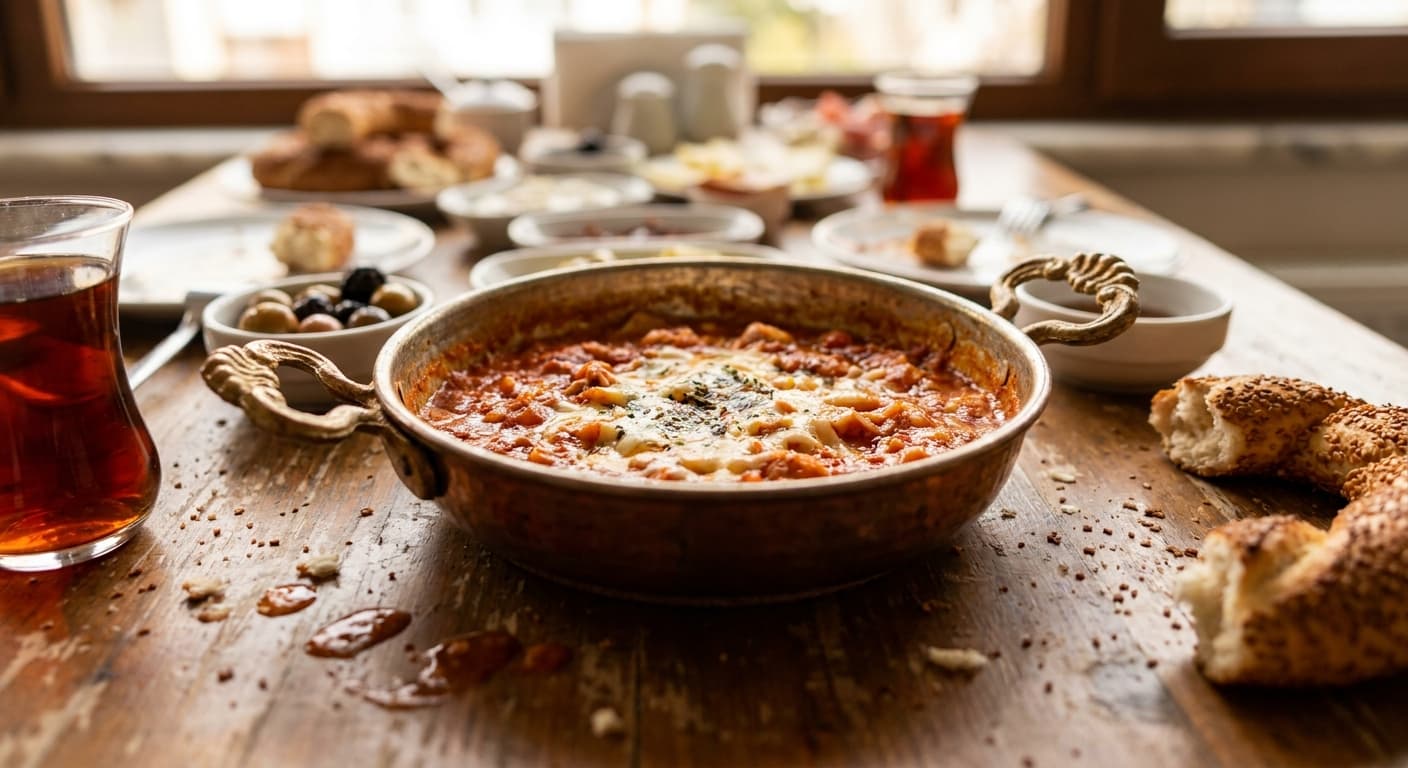
Turkish Menemen (Menemen) — Soft Eggs with Tomatoes and Peppers
Turkish · Main Courses · 37 min
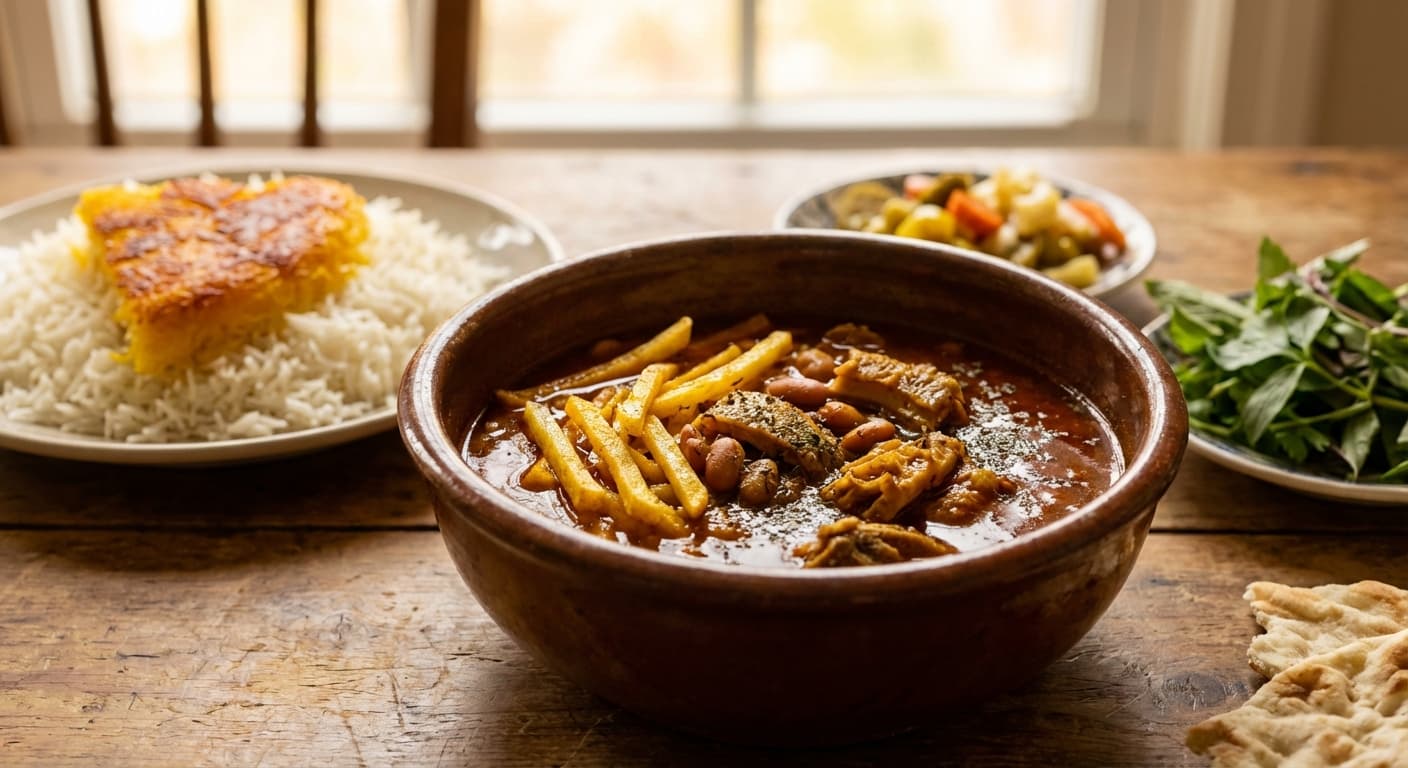
Khorak-e Sirabi (خوراک سیرابی) — Persian Slow-Cooked Tripe and Potato Stew
Persian · Stews · 1020 min
Reviews
Cooked this recipe?
Tap the stars to rate it — that's all it takes. A few words are welcome but optional.
No ratings yet. Cooked this one? Be the first to rate it — it takes one tap.