Pinakbet (Pinakbet) — Ilocano Vegetable Stew with Bagoong
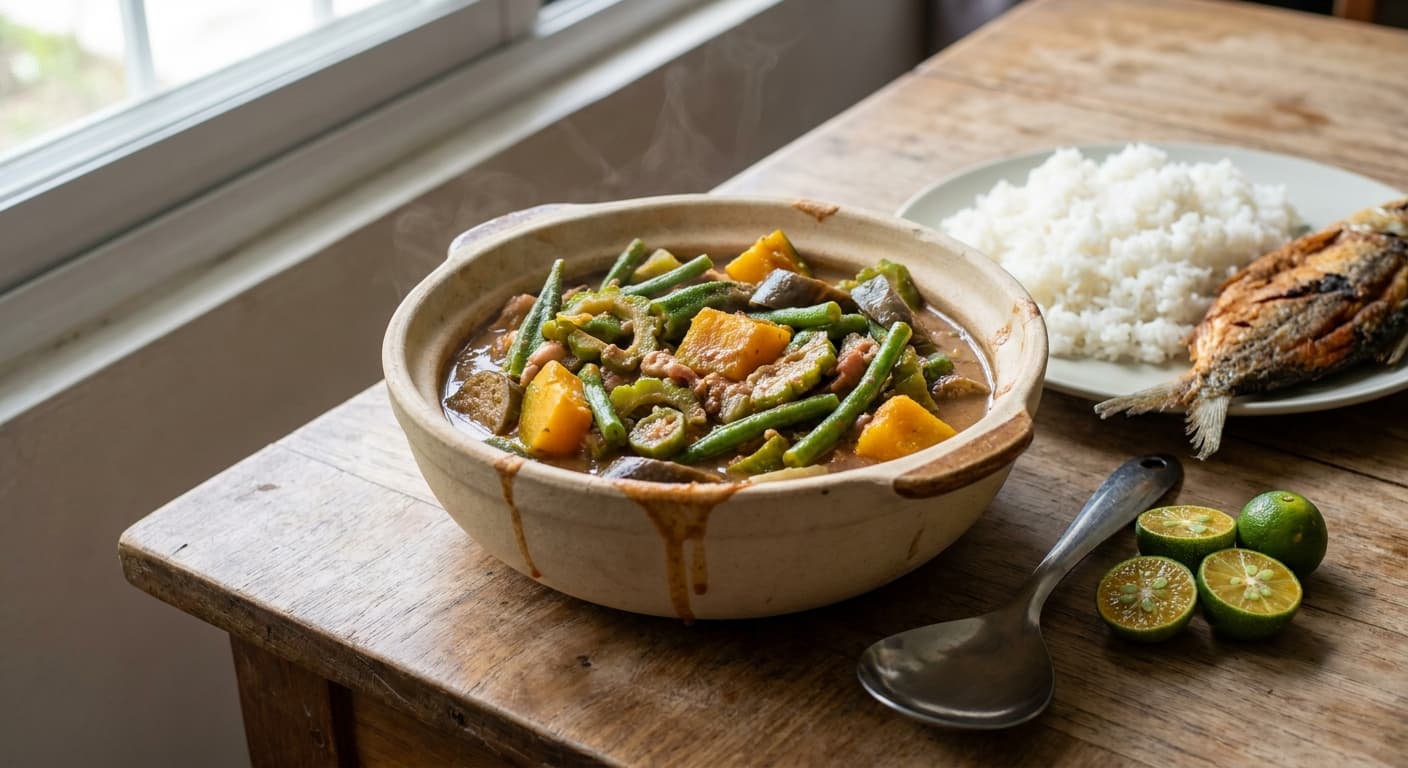
Pinakbet is an Ilocano vegetable stew as central to Filipino home cooking as adobo and sinigang. Its signature savor comes from bagoong, with patis used only lightly if the pot needs a final salty lift.
Printable Recipe Card
Servings: 4 · Total: 60 min · Difficulty: medium
Ingredients (quick list)
- 170 g pork belly (cut into 2 cm strips)
- 1 tbsp neutral cooking oil
- 5 clove garlic (crushed and minced)
- 1 medium red onion (thinly sliced)
- 2 ripe tomatoes (chopped)
- 60 ml bagoong isda fermented anchovy sauce (choose a gluten-free brand if needed)
- 1 tsp patis Filipino fish sauce (for final seasoning only if needed)
- 360 ml water
- 350 g kabocha squash (seeded and cut into 3 cm wedges)
- 2 small Asian eggplants (cut into 5 cm lengths)
- 1 bitter melon (halved, seeded, and sliced into 1 cm half-moons)
- 8 okra (stems trimmed but pods left whole)
+ 2 more in the full ingredients section below.
Steps (summary)
- Prepare all vegetables before heating the pan because pinakbet cooks best when the ingredients are layered quickly. Keep the sq…
- Heat the oil in a wide heavy pot or kawali over medium heat, then add the pork belly. Cook for 8 to 10 minutes, stirring every…
- Add the garlic and red onion to the rendered pork fat and cook for 3 minutes, scraping the bottom of the pot with a wooden spoo…
- Stir in the bagoong isda and cook for 1 minute to mellow its raw fermented edge. Pour in the water, bring the liquid to a stead…
- Layer the kabocha squash into the pot first, followed by the yardlong beans, eggplant, bitter melon, and okra. Cover the pot an…
- Check that the squash is tender and the bitter melon has softened while still holding its shape. If the pot looks dry, add 30 m…
+ 2 more steps in the full instructions section below.
Cultural Background
Doreen Fernandez wrote about Filipino food as regional, home-centered, and deeply tied to local ingredients; pinakbet expresses that idea through Ilocano vegetables, thrift, and the assertive savor of fermented fish.
Equipment
💡 Tips
- Use a wide pot so the vegetables steam and braise in layers rather than being crushed in a deep pile.
- Do not over-stir; the traditional texture should be soft and slightly shriveled, not mashed.
- Taste the bagoong before cooking and reduce the patis if your bagoong is already very salty.
⚠️ Common Mistakes
❌ Stirring the vegetables aggressively after layering.
✅ Fix: Shake the covered pot gently instead, which keeps the eggplant, squash, and okra intact.
❌ Adding too much water and turning the dish into soup.
✅ Fix: Use only the measured water at first, then add 30 ml more only if the pan is nearly dry.
❌ Seasoning with patis before tasting the bagoong.
✅ Fix: Simmer the bagoong into the sauce first, taste, and add the measured patis only if needed.
🧊 How to Store
Cool leftovers within 2 hours and refrigerate in an airtight container for up to 3 days. Reheat gently in a covered pan with 30 ml water per 2 servings to prevent the vegetables from sticking or breaking apart.
📅 Make Ahead
Cut the squash, beans, bitter melon, and eggplant up to 8 hours ahead and refrigerate them separately. Cook pinakbet close to serving time because the vegetables are best when freshly braised.
🍽️ Pairs Well With
- Steamed jasmine rice
- fried bangus
- grilled pork
- calamansi halves
- sliced tomatoes.
Regional Variations
- Ilocano pinakbet often uses bagoong isda or bagoong monamon and keeps the vegetables plainly seasoned.
- Tagalog pinakbet commonly uses bagoong alamang and may include more tomato for a rounder, slightly sweeter sauce.
- Some household versions add grilled or fried fish instead of pork, especially when serving the dish with rice for a lighter meal.
Ingredients
- 170 gpork belly (cut into 2 cm strips)
- 1 tbspneutral cooking oil
- 5 clovegarlic (crushed and minced)
- 1medium red onion (thinly sliced)
- 2ripe tomatoes (chopped)
- 60 mlbagoong isda fermented anchovy sauce (choose a gluten-free brand if needed)
- 1 tsppatis Filipino fish sauce (for final seasoning only if needed)
- 360 mlwater
- 350 gkabocha squash (seeded and cut into 3 cm wedges)
- 2small Asian eggplants (cut into 5 cm lengths)
- 1bitter melon (halved, seeded, and sliced into 1 cm half-moons)
- 8okra (stems trimmed but pods left whole)
- 150 gyardlong beans (cut into 6 cm lengths)
- 4calamansi (halved for serving)
🔄 Substitutions
- bagoong isda fermented anchovy sauce→ bagoong alamang fermented shrimp paste
- pork belly→ pork shoulder
- kabocha squash→ calabaza squash
Instructions
- 1
Prepare all vegetables before heating the pan because pinakbet cooks best when the ingredients are layered quickly. Keep the squash in larger wedges than the eggplant so it softens without collapsing before the other vegetables are tender.
- 2
Heat the oil in a wide heavy pot or kawali over medium heat, then add the pork belly. Cook for 8 to 10 minutes, stirring every 2 minutes, until some fat has rendered and the edges of the pork are lightly browned.
- 3
Add the garlic and red onion to the rendered pork fat and cook for 3 minutes, scraping the bottom of the pot with a wooden spoon. Add the tomatoes and cook for 5 minutes, pressing them gently until they slump into a loose sauce.
- 4
Stir in the bagoong isda and cook for 1 minute to mellow its raw fermented edge. Pour in the water, bring the liquid to a steady simmer, and let it bubble for 3 minutes so the pork, tomato, and bagoong form a savory base.
- 5
Layer the kabocha squash into the pot first, followed by the yardlong beans, eggplant, bitter melon, and okra. Cover the pot and simmer over medium-low heat for 15 to 18 minutes, shaking the pot gently every 5 minutes instead of stirring hard.
- 6
Check that the squash is tender and the bitter melon has softened while still holding its shape. If the pot looks dry, add 30 ml water and simmer for 2 more minutes, but avoid making the dish soupy.
- 7
Taste the cooking juices before adding the patis because bagoong varies greatly in saltiness. Add the measured 1 tsp patis only if the vegetables need more savory depth, then simmer uncovered for 2 minutes to concentrate the sauce.
- 8
Rest the pinakbet off the heat for 5 minutes so the vegetables absorb the bagoong-rich juices. Serve warm with steamed rice and halved calamansi on the side for diners who enjoy a bright citrus squeeze.
🪪 Recipe Passport
Cultural Background
Doreen Fernandez wrote about Filipino food as regional, home-centered, and deeply tied to local ingredients; pinakbet expresses that idea through Ilocano vegetables, thrift, and the assertive savor of fermented fish.
Regional Variations
Researched from multiple sources and validated by the Zaffaron editorial team. Every recipe is tested for accuracy, measurements, and cultural authenticity.
📚 Sources & Cultural References
- Doreen G. Fernandez — Sarap: Essays on Philippine Food — (1988)
- Amy Besa and Romy Dorotan — Memories of Philippine Kitchens — (2006)
Sources cited by the Zaffaron editorial team during recipe research. Cultural and culinary references supporting authenticity claims.
Nutrition per serving
Pairs well with
If you enjoyed this recipe, here are a few related Zaffaron recipes to try next.
Does your family make this differently?
Every family has their own version. Maybe your grandmother adds a secret ingredient, or your aunt has a completely different technique. Preserve your family's version — with their name on it, forever.
You Might Also Like
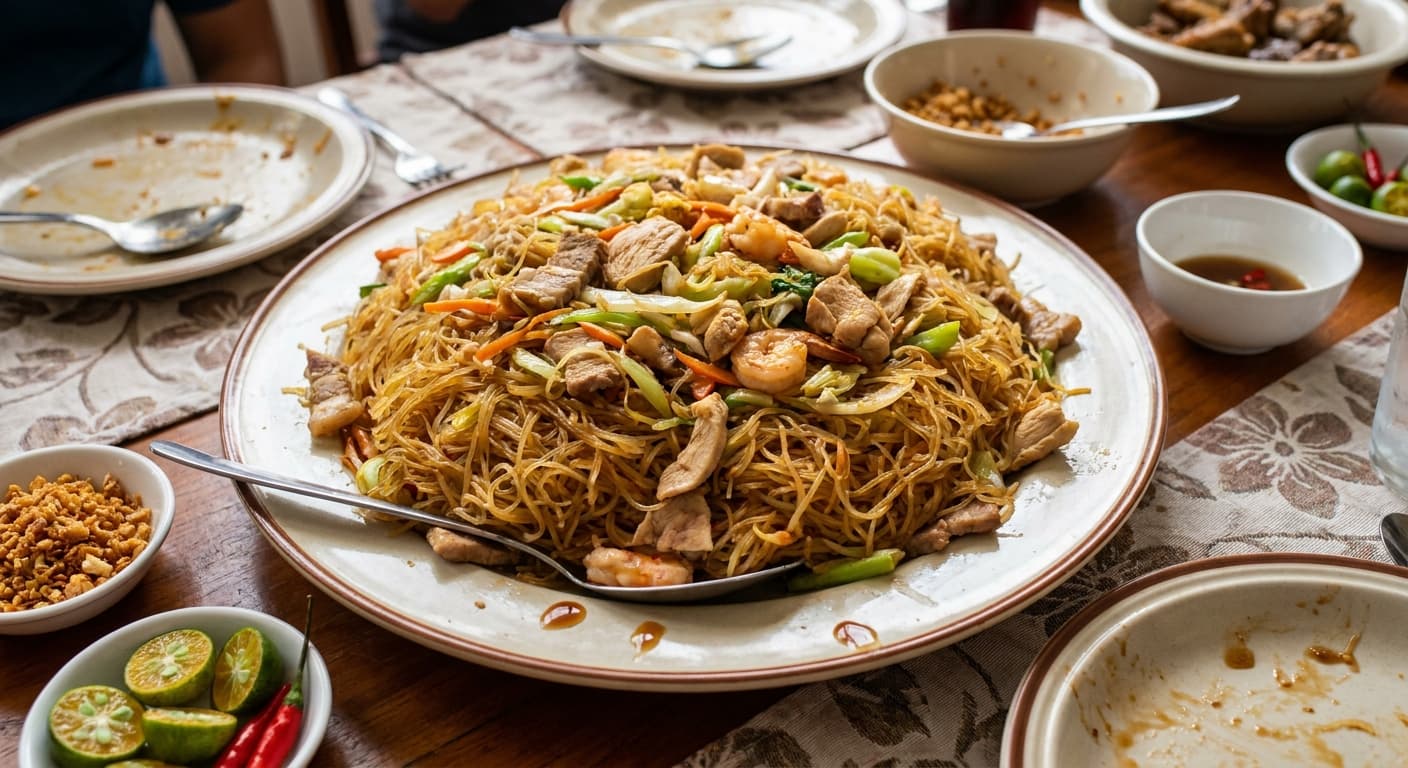
Pancit Bihon (Pancit Bihon) — Filipino Rice Noodles with Chicken and Shrimp
Filipino · Main Courses · 50 min

Halo-Halo (Halo-Halo) — Filipino Shaved Ice Dessert
Filipino · Desserts · 40 min
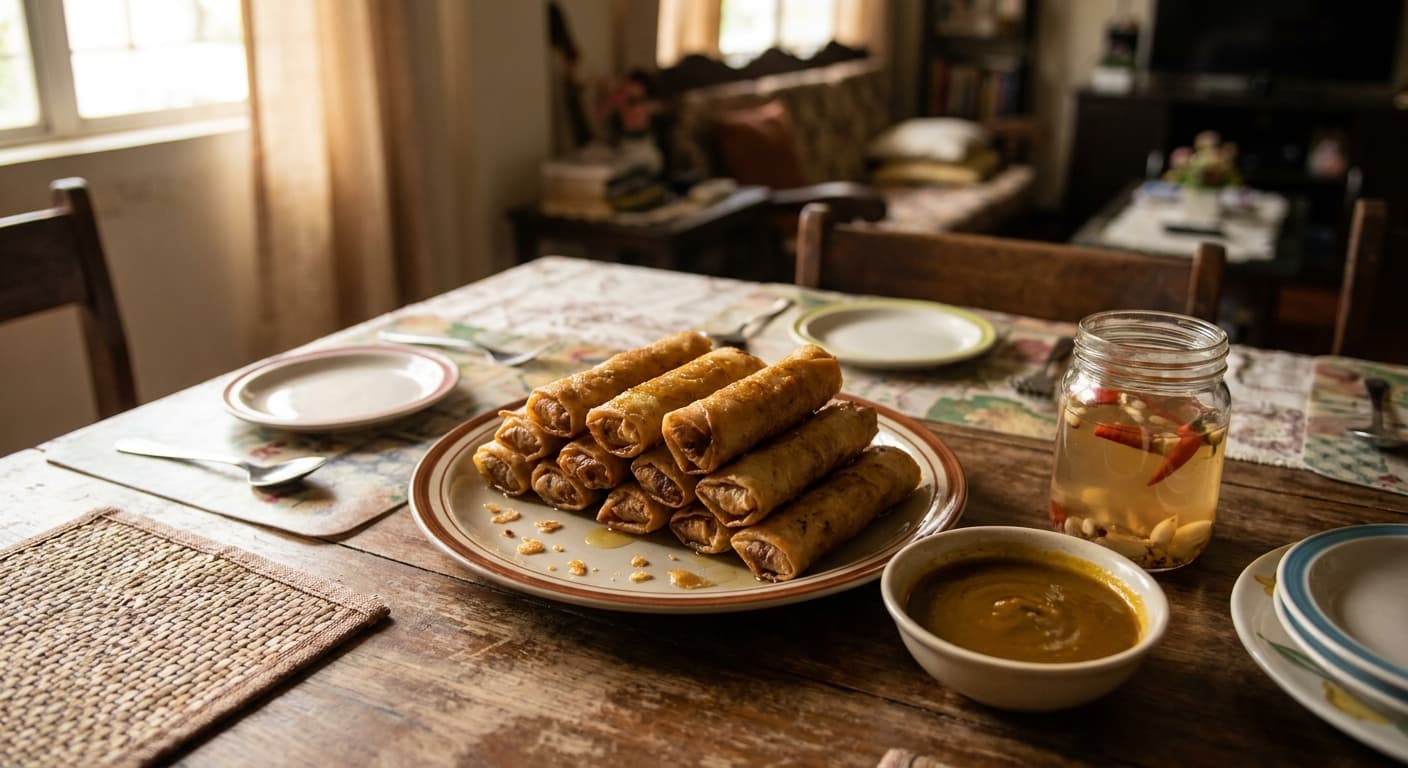
Lumpia Shanghai (Lumpiang Shanghai) — Crispy Filipino Pork Spring Rolls
Filipino · Appetizers · 65 min
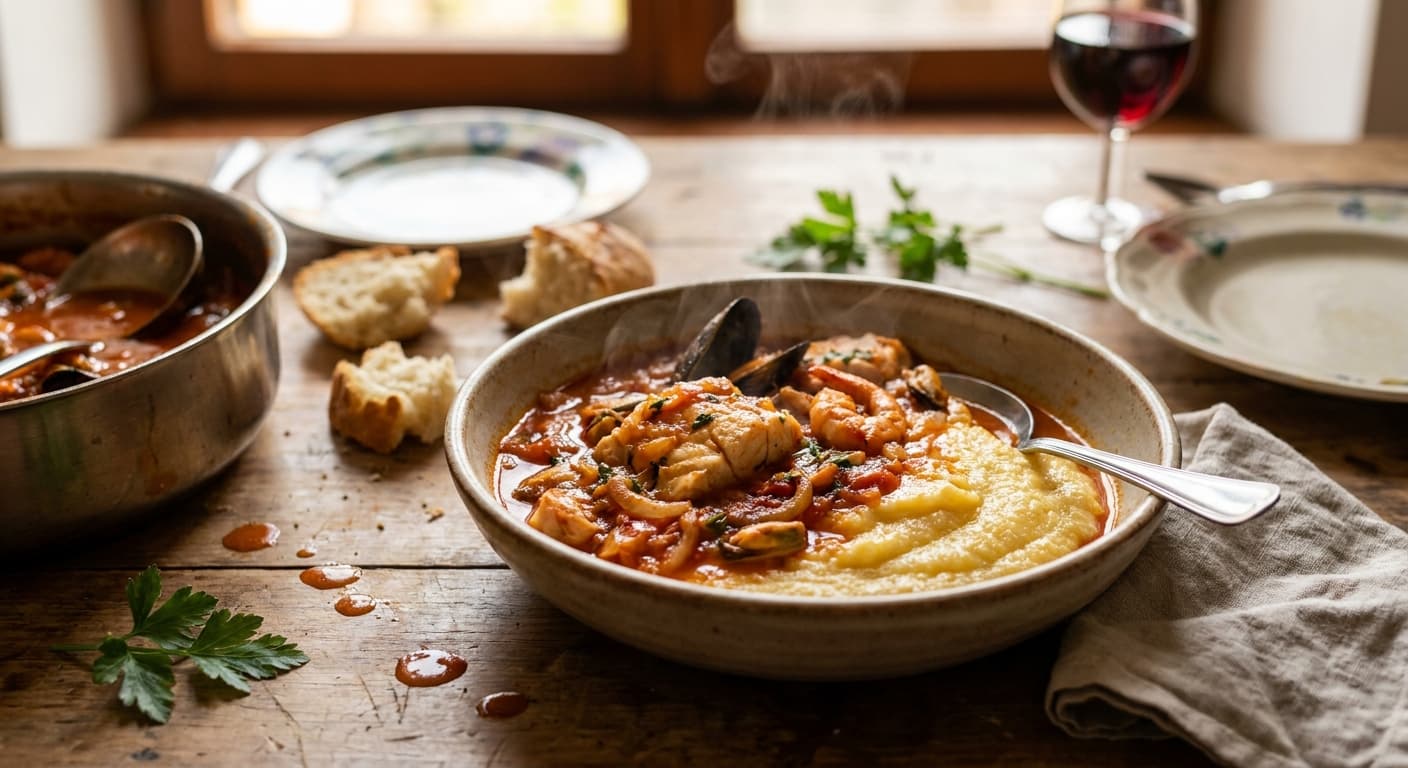
Brodet (Brodet) — Croatian Adriatic Fish Stew with Tomato and White Wine
Croatian · Stews · 70 min
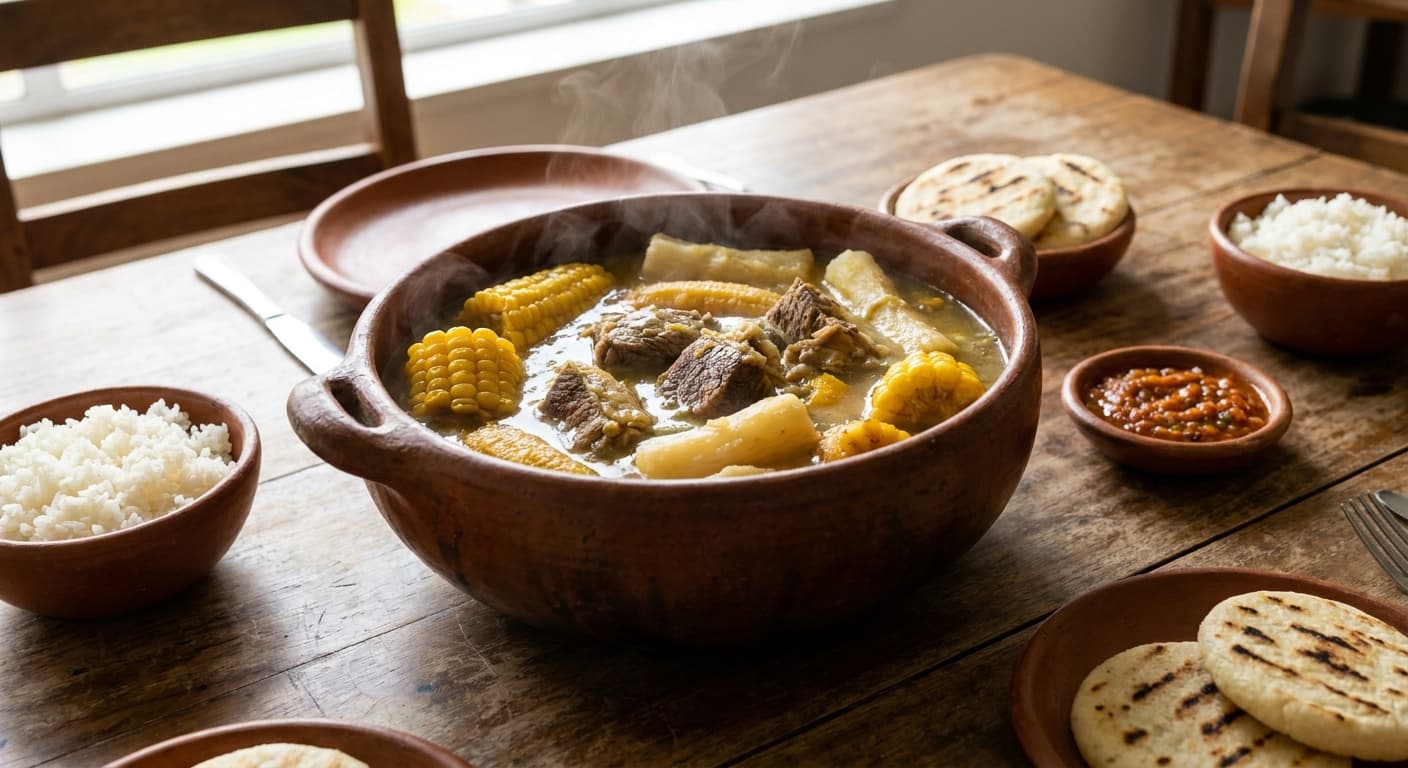
Colombian Sancocho (Sancocho Colombiano) — Hearty Three-Meat Root Vegetable Stew
Colombian · Stews · 170 min
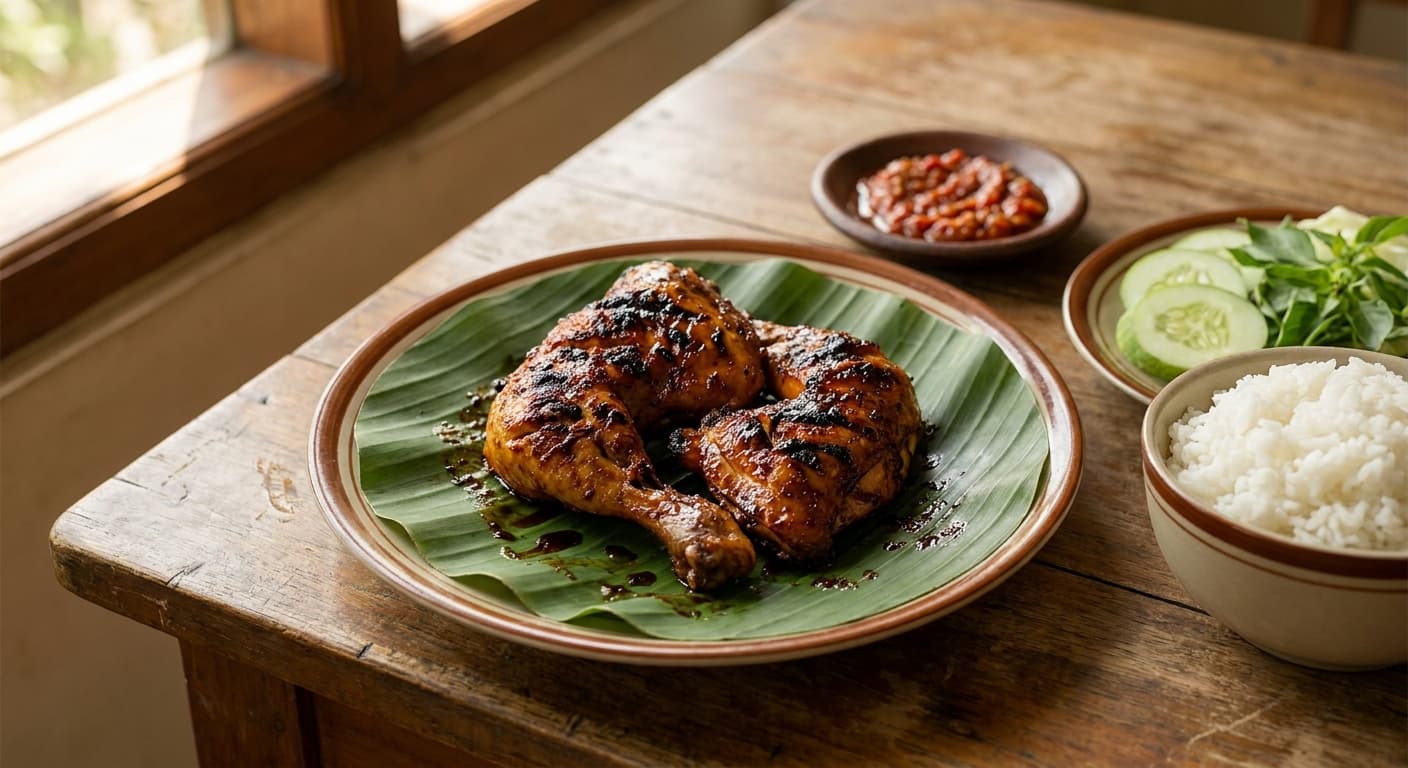
Indonesian Grilled Chicken (Ayam Bakar) — Sweet Soy-Spiced Charred Chicken
Indonesian · Main Courses · 85 min
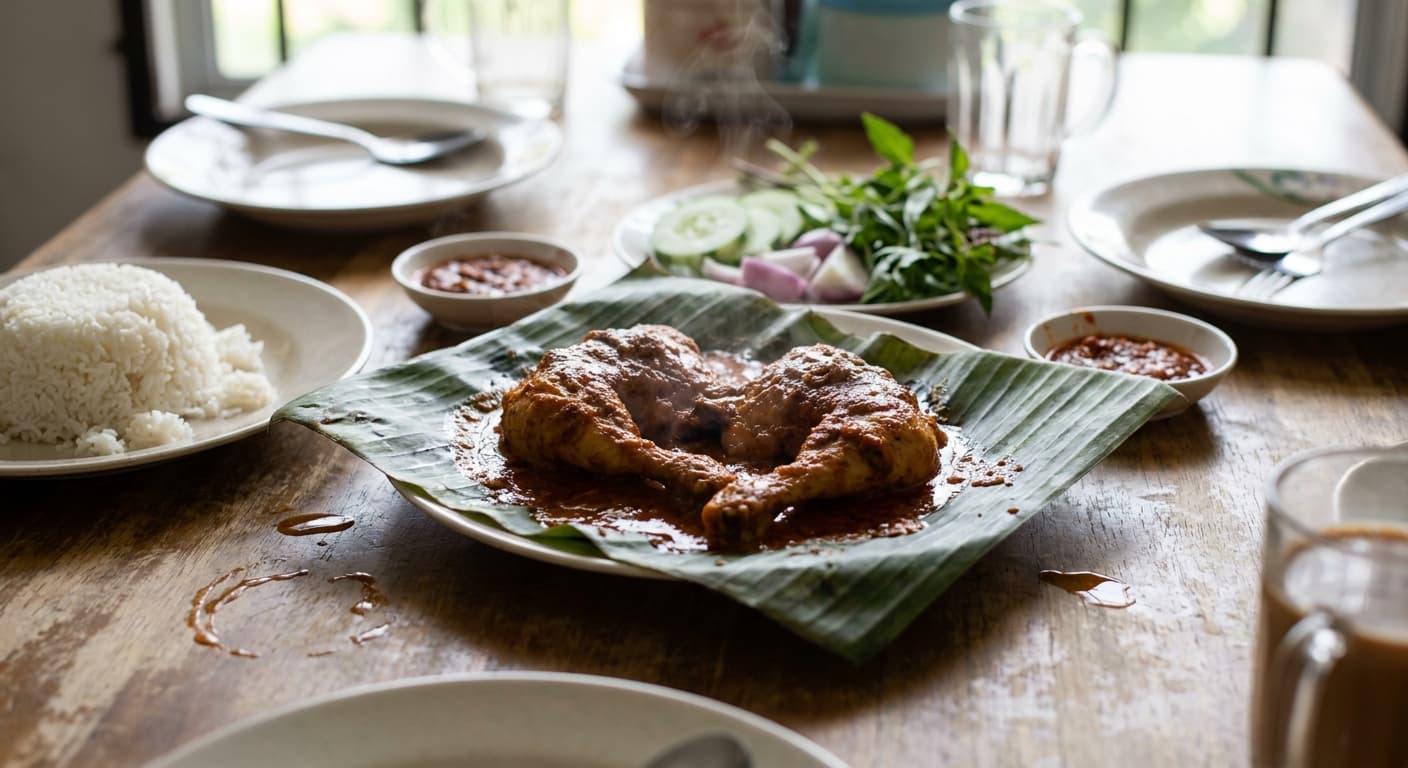
Ayam Percik (Ayam Percik) — Malaysian Coconut-Glazed Grilled Chicken
Malaysian · Main Courses · 80 min
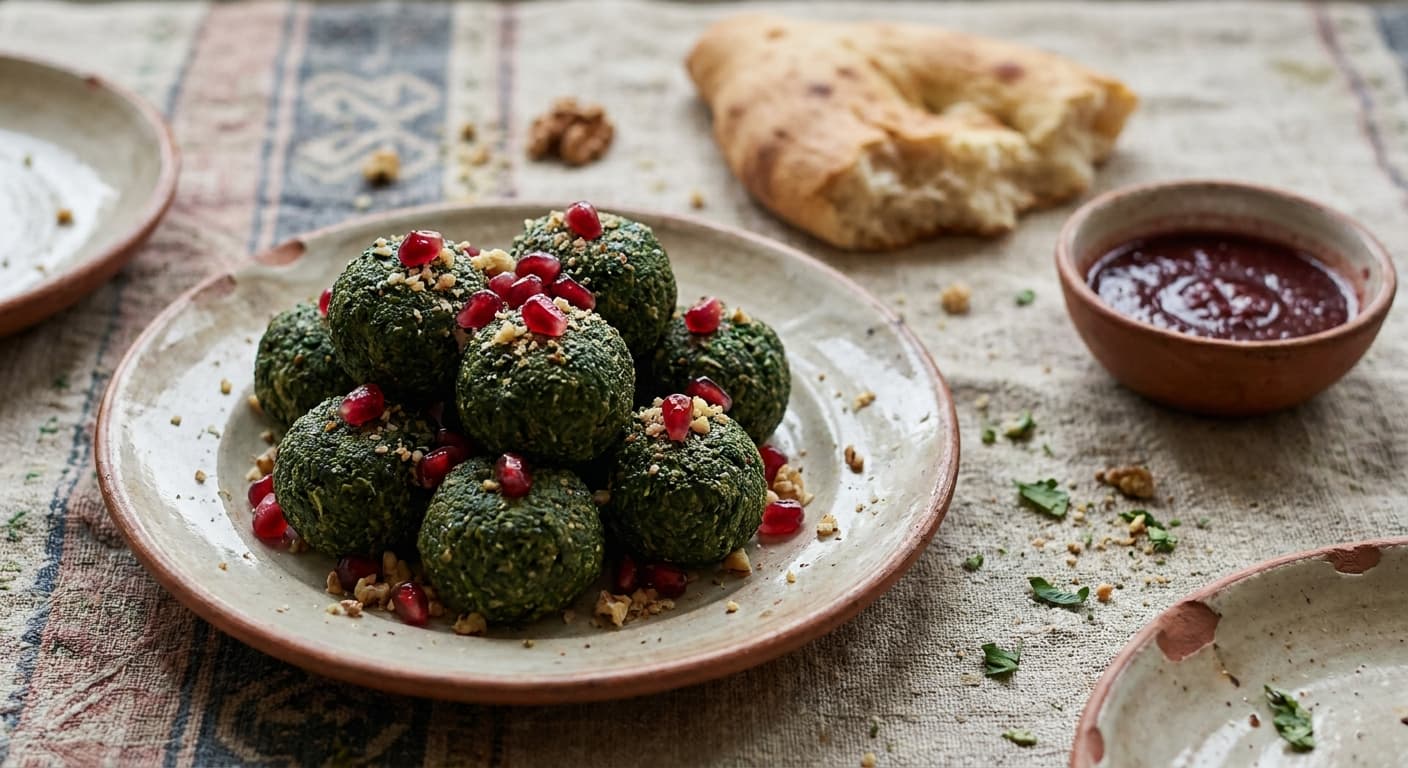
Pkhali (ფხალი) — Georgian Spinach-Walnut Appetizer
Georgian · Appetizers · 35 min
Reviews
Cooked this recipe?
Tap the stars to rate it — that's all it takes. A few words are welcome but optional.
No ratings yet. Cooked this one? Be the first to rate it — it takes one tap.