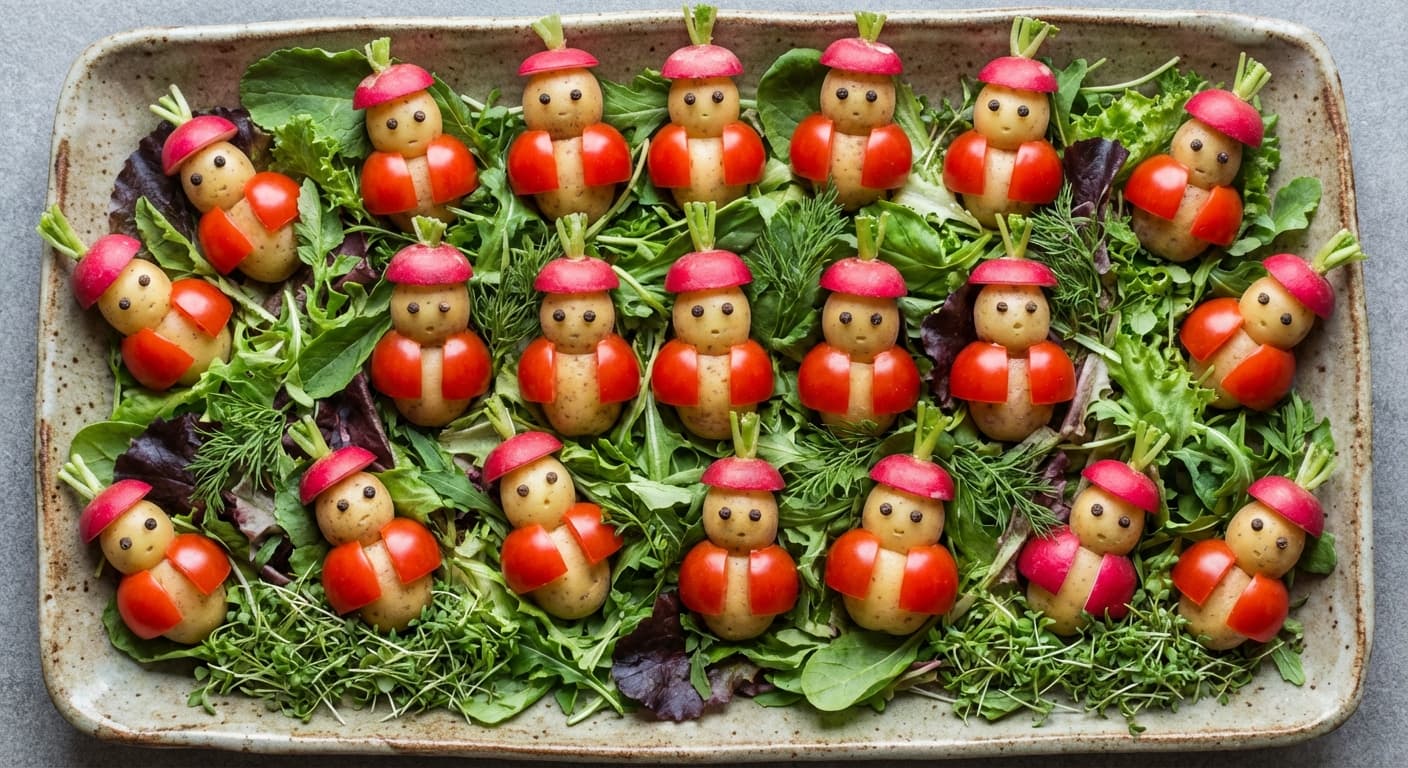
Agha Koocooloo (آقا کوچولو) — Whimsical Persian Garden Appetizer
A playful Persian-style vegetable platter where carved radishes, tomatoes, and potatoes become edible “little gentlemen.” Crisp, juicy, and lightly seasoned, it’s ideal for mezze-style gatherings and tea-time hospitality.
Printable Recipe Card
Servings: 6 · Total: 65 min · Difficulty: medium
Ingredients (quick list)
- 300 g Small waxy potatoes (about 10–12 baby potatoes, scrubbed)
- 3 g Sea salt (for boiling water (about 1/2 tsp))
- 250 g White radish or turnip (peeled; for bodies and collars)
- 180 g Radishes (about 10–12; for hats, noses, and accents)
- 360 g Large ripe tomatoes (2 large; firm-ripe for clean cuts)
- 150 g Prepared salad mixture (washed and well-dried (lettuce/herbs blend))
- 25 g Garden cress (trimmed; for “hair” and greenery)
- 1 g Black pepper (freshly ground (about 1/2 tsp))
- 3 g Whole peppercorns (about 1 tsp; pick round ones for eyes/buttons)
- 24 Toothpicks (standard wooden toothpicks, for securing parts)
Steps (summary)
- Cook the potato “heads”: place the baby potatoes in a small pot and cover with cold water by 3 cm. Add 3 g sea salt. Bring to a…
- Prep the platter base: spread the prepared salad mixture over a large serving tray (about 35–40 cm). Tuck garden cress in clust…
- Carve radish/turnip “bodies”: cut the white radish/turnip into 6 thick cylinders, each about 3.5–4 cm tall. Slice a thin flat b…
- Make tomato “jackets” and accents: cut each tomato into 3 thick rounds (about 1.5 cm). Remove watery seed pockets with a teaspo…
- Shape potato “faces”: peel only if the skins are tough; otherwise leave on for a rustic look. Trim a tiny slice off one side to…
- Assemble each ‘little gentleman’: spear a potato head onto a white radish/turnip body with a toothpick (use 1 toothpick per cha…
+ 2 more steps in the full instructions section below.
Cultural Background
Decorative vegetable platters are a familiar part of Iranian hospitality, especially when welcoming guests with fresh produce and herbs. Playful carving and careful arrangement reflect an emphasis on presentation and generosity at the table, often seen during family gatherings and celebrations.
Equipment
💡 Tips
- Choose firm-ripe tomatoes; overly soft tomatoes collapse when pinned with toothpicks.
- Dry cut surfaces well—moisture is the main reason parts slide off during plating.
- Use short toothpick segments (1–2 cm) for small attachments so no sharp ends protrude.
- If peppercorns feel too hard to bite, swap them for tiny cubes of black olive or cucumber skin (see substitutions).
- Keep the assembled platter cold; crisp vegetables hold their shape longer and taste fresher.
⚠️ Common Mistakes
❌ Assembling while vegetables are wet
💡 Why: Moisture reduces friction, so toothpicks loosen and tomato pieces slide.
✅ Fix: Pat tomatoes and radishes dry; chill potatoes briefly so surfaces firm up before pinning.
❌ Overcooking the potatoes
💡 Why: Soft potatoes crumble when you press in peppercorns or insert toothpicks.
✅ Fix: Simmer gently and stop when just tender; cool fully before carving and assembly.
❌ Using long toothpicks without trimming
💡 Why: Exposed sharp ends are unsafe and can tip the characters over.
✅ Fix: Break toothpicks into shorter segments for small parts and insert fully so no points stick out.
❌ Choosing very soft, overripe tomatoes
💡 Why: They leak juice and collapse, making the platter watery and unstable.
✅ Fix: Use firm-ripe tomatoes and scoop out watery seeds; blot cut surfaces before attaching.
🧊 How to Store
Best eaten within 2 hours of assembly. For longer holding, store carved components separately in airtight containers: potatoes up to 2 days refrigerated; radish/turnip and radishes up to 2 days; tomatoes up to 1 day. Assemble just before serving to prevent weeping and slipping.
📅 Make Ahead
Boil potatoes up to 48 hours ahead and refrigerate. Carve radish/turnip cylinders and collar discs up to 24 hours ahead; store submerged in cold water, then dry well before assembling. Assemble the characters up to 30 minutes before serving for best texture and stability.
🍽️ Pairs Well With
- Persian flatbread or lavash
- Fresh herbs platter (mint
- basil
- scallions)
- Feta-style cheese and walnuts
- A light yogurt-cucumber dip
Regional Variations
- Tehran-style party plattersOften presented as part of a larger appetizer spread with abundant greens, radishes, and cheese; the characters may be arranged among herb bundles to resemble a garden scene.
- Northern Iran (Caspian-influenced tables)Platters may lean heavier on fresh greens and crisp vegetables, using more cress and herbs for aroma and color, with simpler carving and a focus on freshness.
Ingredients
- 300 gSmall waxy potatoes (about 10–12 baby potatoes, scrubbed)
- 3 gSea salt (for boiling water (about 1/2 tsp))
- 250 gWhite radish or turnip (peeled; for bodies and collars)
- 180 gRadishes (about 10–12; for hats, noses, and accents)
- 360 gLarge ripe tomatoes (2 large; firm-ripe for clean cuts)
- 150 gPrepared salad mixture (washed and well-dried (lettuce/herbs blend))
- 25 gGarden cress (trimmed; for “hair” and greenery)
- 1 gBlack pepper (freshly ground (about 1/2 tsp))
- 3 gWhole peppercorns (about 1 tsp; pick round ones for eyes/buttons)
- 24Toothpicks (standard wooden toothpicks, for securing parts)
🔄 Substitutions
- White radish or turnip→ Daikon radish
- Whole peppercorns→ Chopped black olives
- Garden cress→ Microgreens or flat-leaf parsley sprigs
Instructions
- 1
Cook the potato “heads”: place the baby potatoes in a small pot and cover with cold water by 3 cm. Add 3 g sea salt. Bring to a boil, then simmer gently 15–18 minutes until a knife slides in with slight resistance. Drain, cool 10 minutes, then refrigerate 10 minutes for cleaner carving.
- 2
Prep the platter base: spread the prepared salad mixture over a large serving tray (about 35–40 cm). Tuck garden cress in clusters to mimic a garden. Keep the greens dry to prevent wilting; if needed, blot with paper towels for 1–2 minutes. Chill the tray while you carve the characters.
- 3
Carve radish/turnip “bodies”: cut the white radish/turnip into 6 thick cylinders, each about 3.5–4 cm tall. Slice a thin flat base from each so they stand upright. For collars, cut 6 thin discs (2–3 mm) from the radish/turnip and make one slit to slide around the neck area later.
- 4
Make tomato “jackets” and accents: cut each tomato into 3 thick rounds (about 1.5 cm). Remove watery seed pockets with a teaspoon to reduce sliding. For a jacket look, cut a small V-notch from the top edge of each round. Pat cut surfaces dry and set aside; dryness helps toothpicks grip.
- 5
Shape potato “faces”: peel only if the skins are tough; otherwise leave on for a rustic look. Trim a tiny slice off one side to create a flat “chin” so the head sits steady on the body. Use a toothpick tip to make shallow pilot holes where eyes and buttons will go to avoid cracking.
- 6
Assemble each ‘little gentleman’: spear a potato head onto a white radish/turnip body with a toothpick (use 1 toothpick per character). Add a collar disc around the neck slit-side down. Attach a tomato jacket round to the front using a half toothpick, centered and snug against the body.
- 7
Add expressions and ‘clothing’: press 2 whole peppercorns into the pilot holes for eyes, and 1–2 peppercorns down the tomato jacket as buttons. Slice radishes into small wedges for bow ties or hats; secure with toothpick fragments. Use short garden cress sprigs as hair or a pocket square.
- 8
Season and present: lightly sprinkle the characters with 2 g sea salt and 1 g black pepper from 20–25 cm above for even coverage. Arrange them on the chilled greens so they stand upright. Serve immediately, or refrigerate uncovered 10 minutes to crisp the vegetables before serving.
🪪 Recipe Passport
Cultural Background
Decorative vegetable platters are a familiar part of Iranian hospitality, especially when welcoming guests with fresh produce and herbs. Playful carving and careful arrangement reflect an emphasis on presentation and generosity at the table, often seen during family gatherings and celebrations.
Regional Variations
Researched from multiple sources and validated by the Zaffaron editorial team. Every recipe is tested for accuracy, measurements, and cultural authenticity.
Nutrition per serving
Pairs well with
If you enjoyed this recipe, here are a few related Zaffaron recipes to try next.
Does your family make this differently?
Every family has their own version. Maybe your grandmother adds a secret ingredient, or your aunt has a completely different technique. Preserve your family's version — with their name on it, forever.
You Might Also Like
Ash Reshteh (آش رشته) — Persian Herb, Bean, and Noodle Soup
Persian · Soups · 145 min
Kuku Sabzi (کوکو سبزی) — Emerald Persian Herb Frittata
Persian · Main Courses · 38 min
Smoked Silk Mirza Ghasemi (میرزا قاسمی) — Silky smoked eggplant with tomato, garlic, and eggs
Persian · Appetizers · 60 min
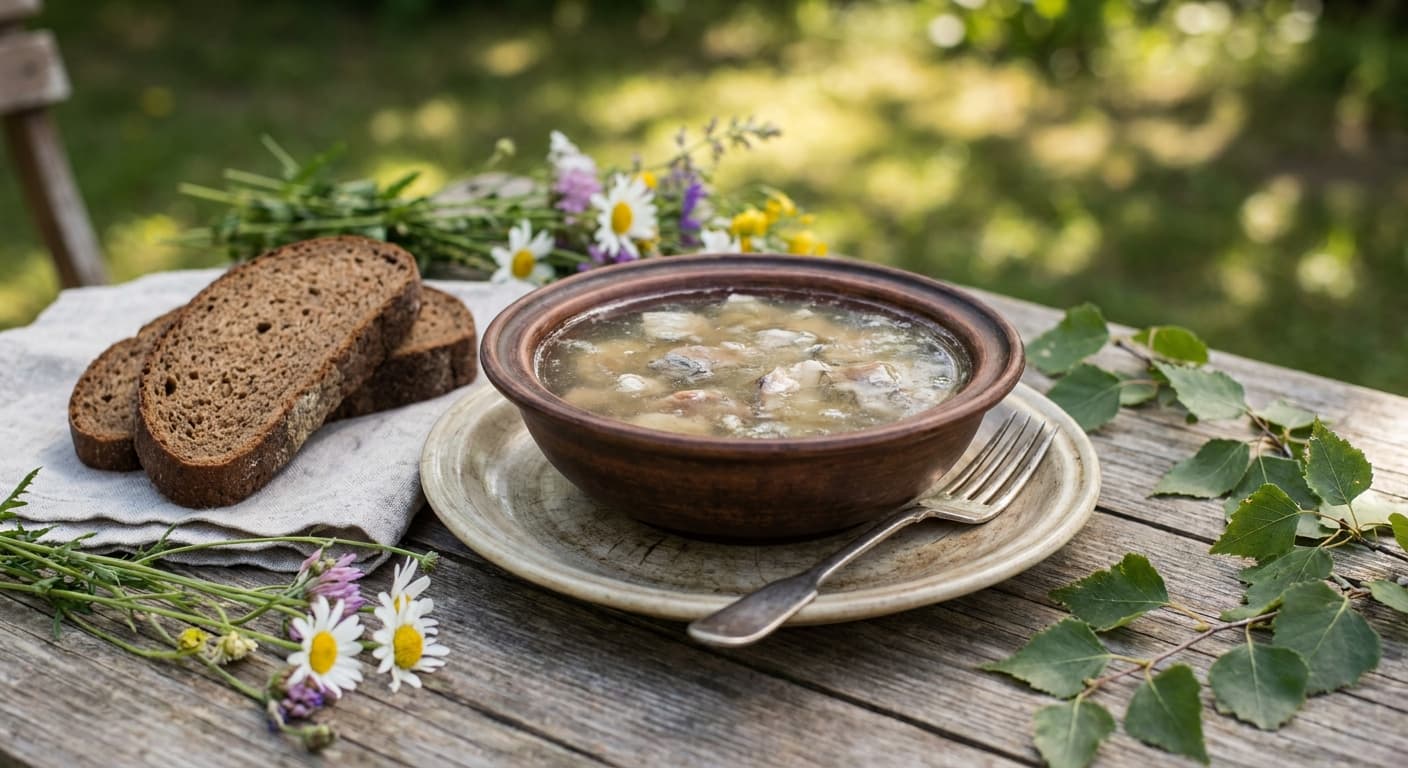
Latvian Fish Aspic (Zivju galerts) — Clear Dill-Scented Baltic Fish Jelly
Latvian · Appetizers · 90 min
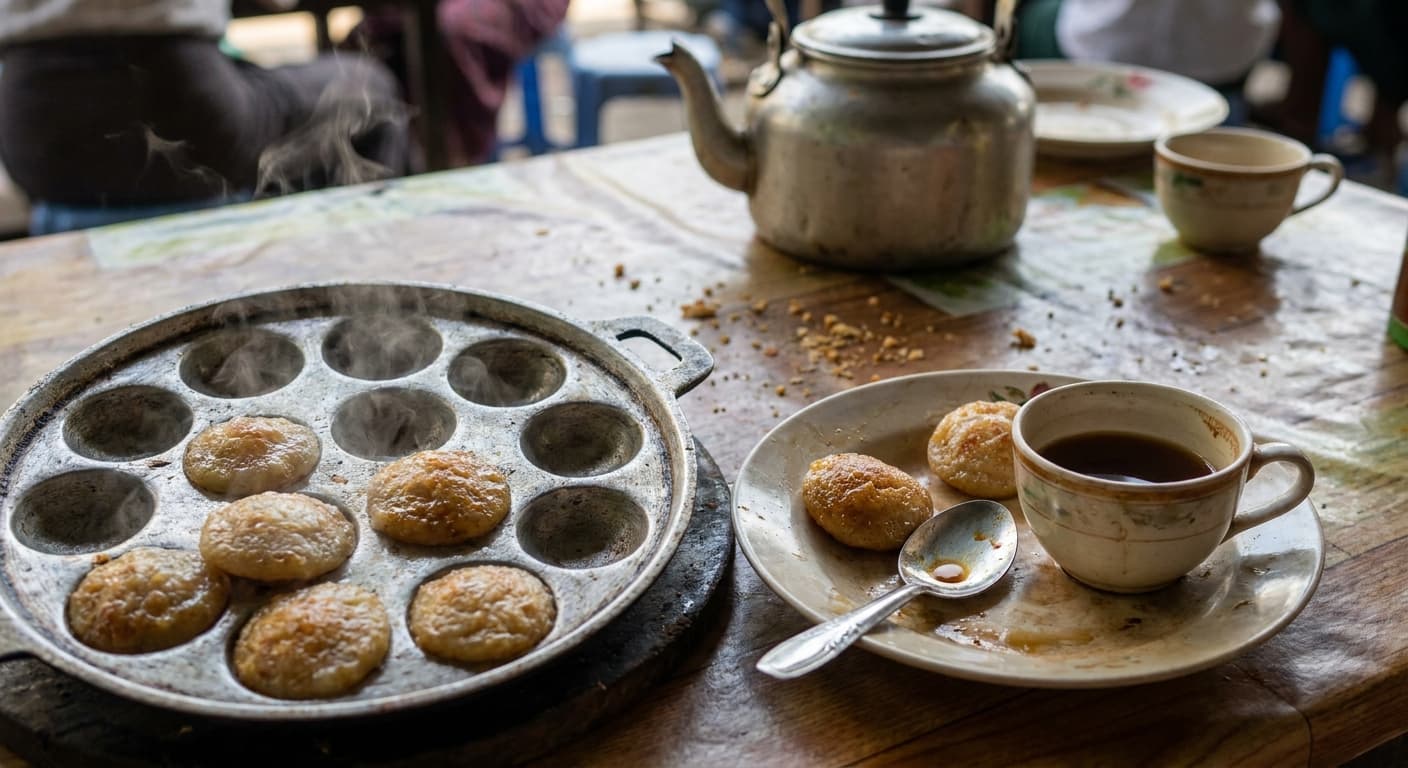
Mont Lin Ma Yar (မုန့်လင်မယား) — Burmese Husband-and-Wife Rice Cakes
Burmese · Appetizers · 65 min
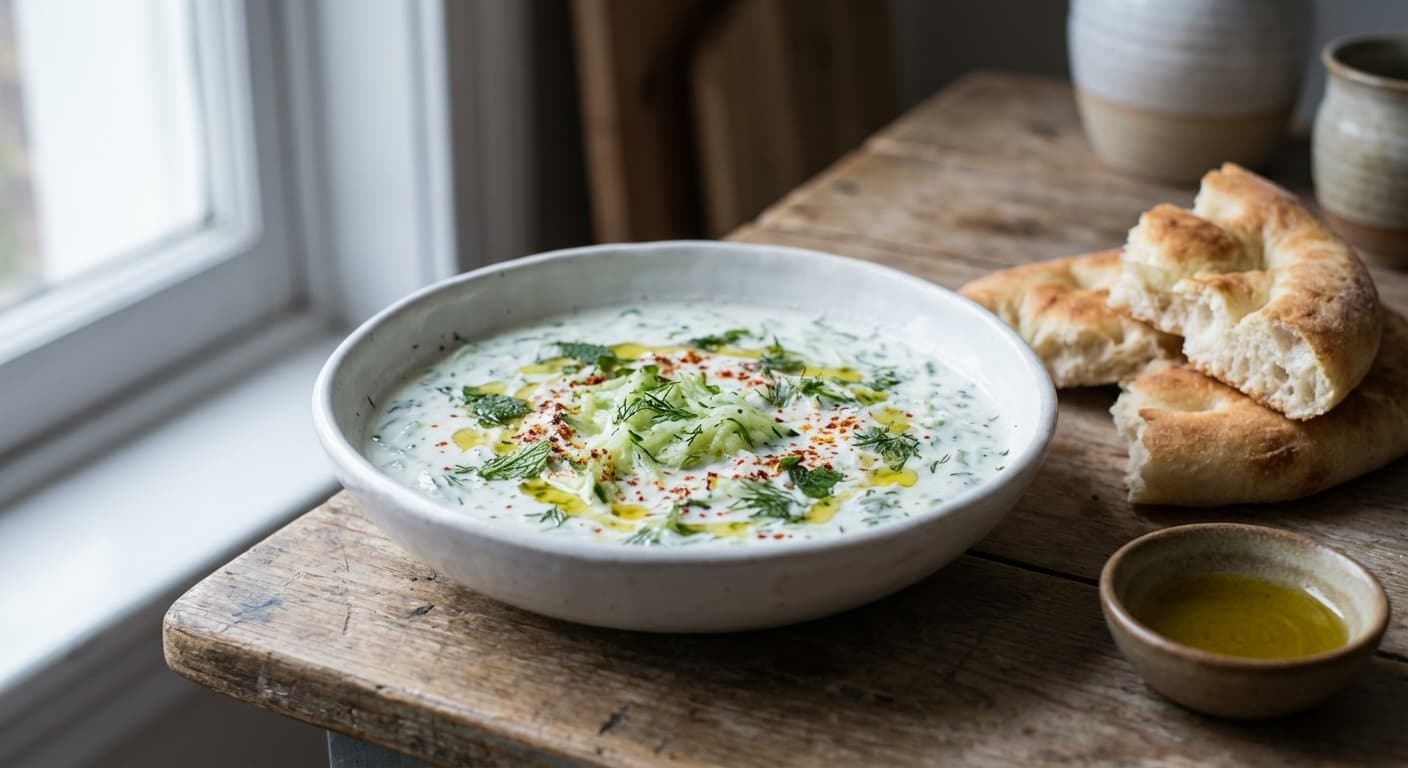
Cacık (Yoğurtlu Salatalık Mezesi) — Chilled Turkish Yogurt, Cucumber & Mint Dip
Turkish · Appetizers · 15 min
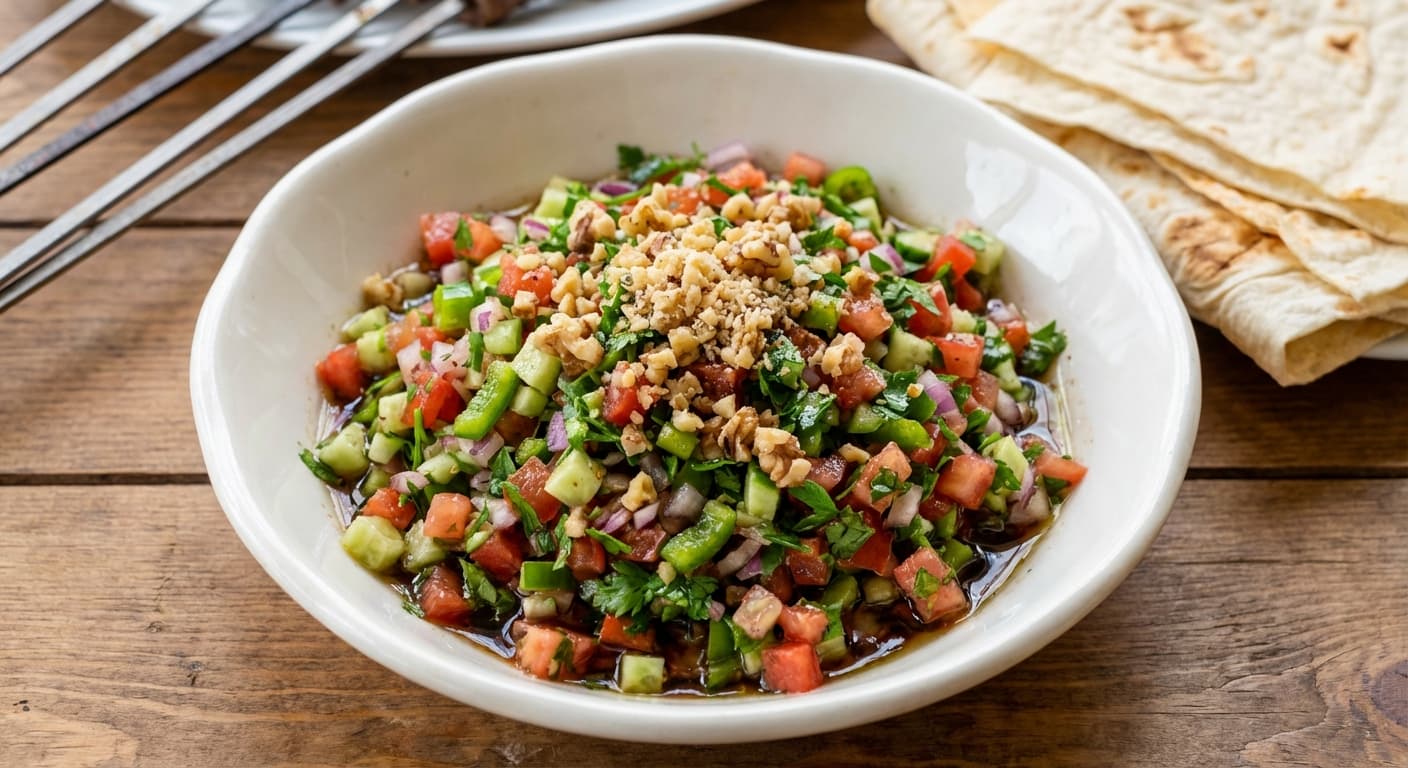
Gavurdağı Salad (Gavurdağı Salatası) — Finely Chopped Walnut & Pomegranate Salad
Turkish · Salads · 20 min
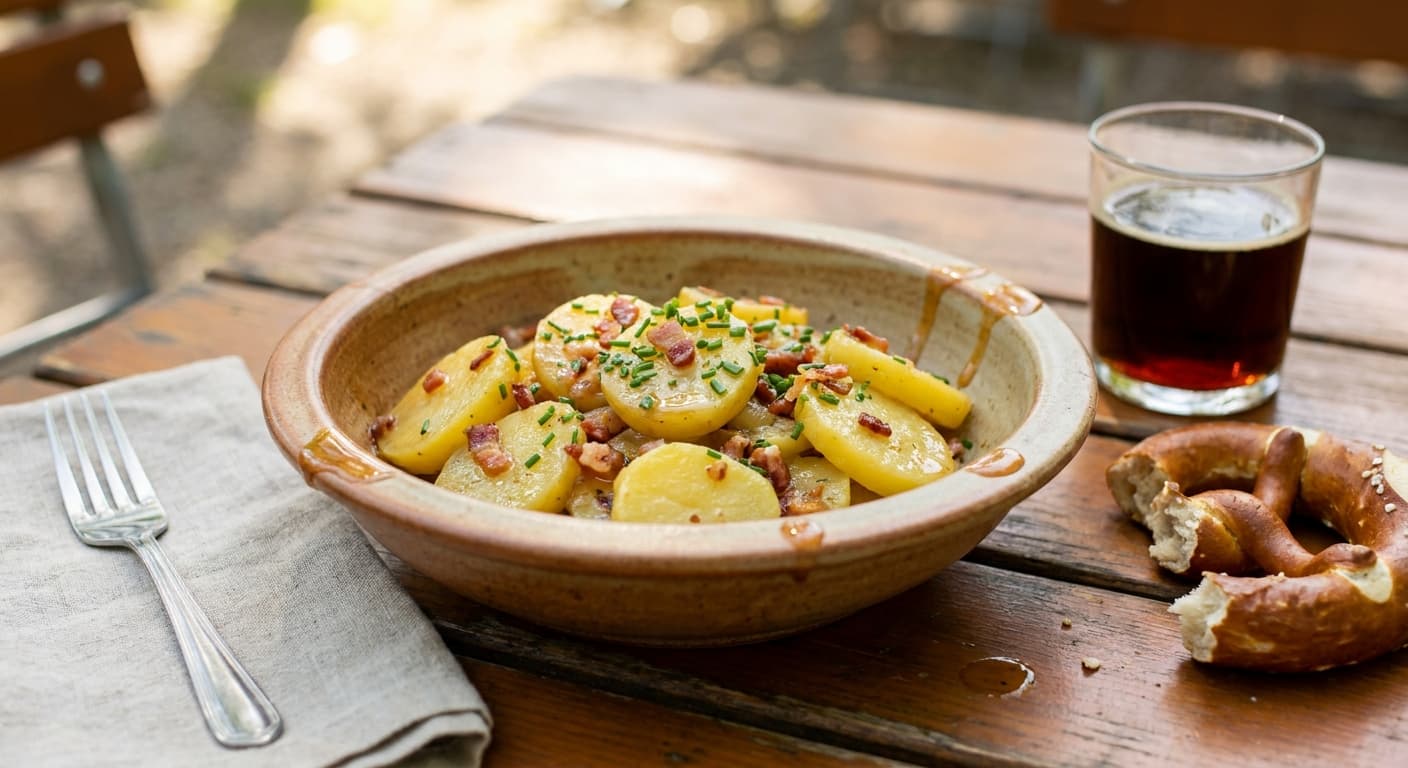
German Potato Salad (Kartoffelsalat) — Warm Vinegar-Broth Potato Salad
German · Salads · 50 min
Reviews
Cooked this recipe?
Tap the stars to rate it — that's all it takes. A few words are welcome but optional.
No ratings yet. Cooked this one? Be the first to rate it — it takes one tap.