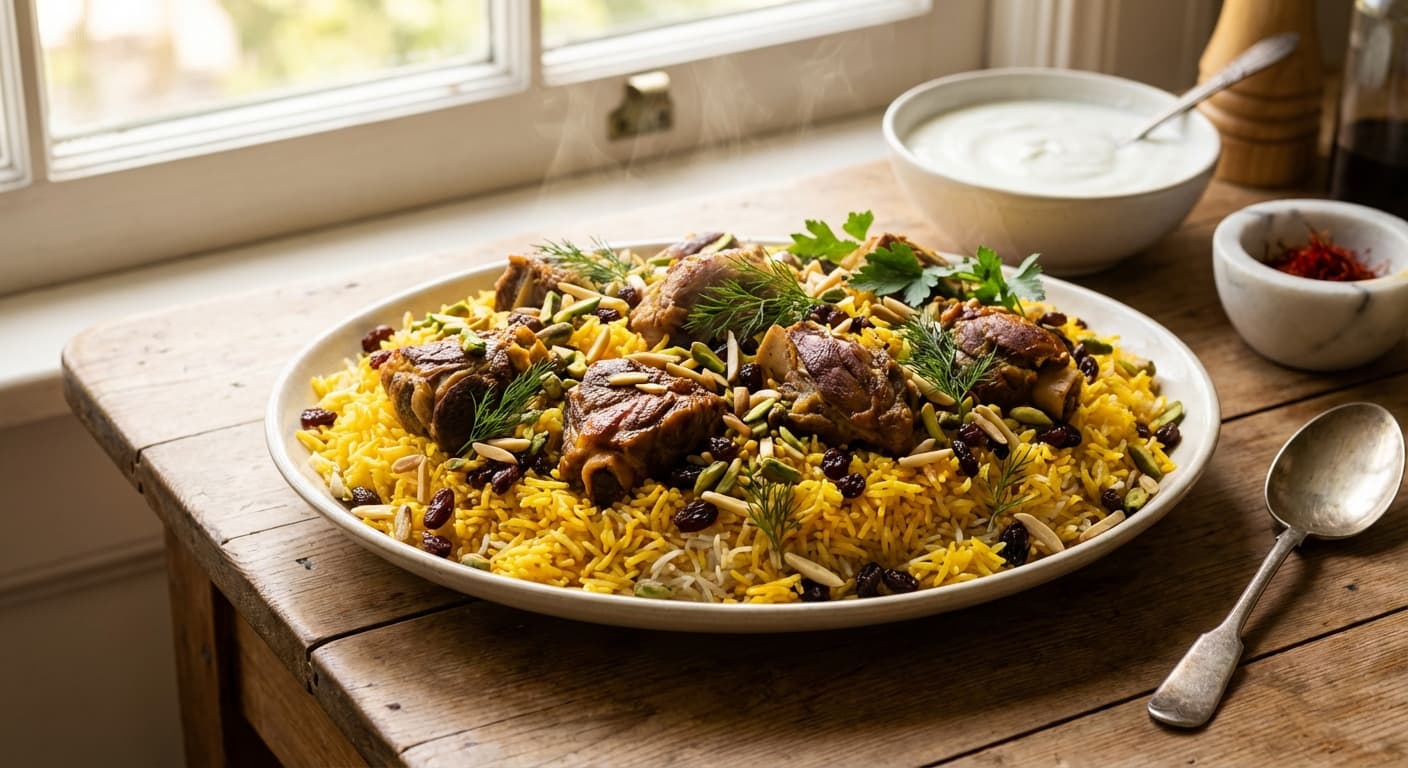
Bara Polo (بره پلو) — Persian Lamb and Spiced Rice
Bara Polo is a celebratory Persian layered rice featuring saffron-steamed basmati, tender lamb, sweet raisins, and toasted almonds. Warm spices, herbs, and a touch of sugar create a balanced, Silk Road–influenced centerpiece.
Printable Recipe Card
Servings: 6 · Total: 210 min · Difficulty: hard
Ingredients (quick list)
- 500 g Basmati rice (rinsed until water runs mostly clear)
- 24 g Fine sea salt (divided; for soaking water, parboil water, and seasoning)
- 2000 ml Water (for soaking and parboiling (plus more as needed))
- 0.25 tsp Saffron threads (ground and bloomed in hot water)
- 60 ml Hot water (for blooming saffron)
- 150 g Plain yogurt (for tahdig base)
- 1 large Egg yolk (for tahdig base)
- 45 ml Neutral oil (divided; for tahdig and sautéing)
- 30 g Unsalted butter (for finishing and aroma)
- 900 g Lamb shoulder (boneless, cut into 3 cm cubes)
- 250 g Onion (finely sliced)
- 12 g Garlic (minced (about 3 cloves))
+ 11 more in the full ingredients section below.
Steps (summary)
- Soak the rice: rinse basmati 4–5 times, then cover with 1,200 ml cool water and 12 g salt. Soak 60 minutes at room temperature.…
- Brown and braise the lamb: heat 30 ml neutral oil in a heavy pot over medium-high heat. Add onions and cook 8–10 minutes until…
- Reduce the lamb juices: uncover and simmer 10–15 minutes to concentrate until you have about 250–300 ml thick, glossy sauce. Ta…
- Toast almonds and prepare raisins: in a dry skillet over medium heat, toast slivered almonds 3–5 minutes, stirring constantly u…
- Parboil the rice: bring 2,500 ml water to a rolling boil in a large pot and add 12 g salt. Drain soaked rice and add to boiling…
- Make the tahdig base: whisk yogurt, egg yolk, and 2 tbsp (30 ml) saffron water in a bowl. Mix in 150 g of the parboiled rice un…
+ 2 more steps in the full instructions section below.
Cultural Background
Layered rice dishes are a hallmark of Persian home cooking and hospitality, often prepared for gatherings where presentation matters as much as flavor. The pairing of meat with dried fruit and nuts reflects historical trade routes that brought spices and pantry ingredients into everyday kitchens.
Equipment
💡 Tips
- For long-grain definition, do not overboil during parboil; the center should still feel firm when bitten.
- If your broth is salty, reduce added salt in the lamb and rely on final seasoning after reduction.
- Keep raisins in the upper layers to prevent them from dissolving into the rice and turning it muddy.
- A towel-wrapped lid absorbs steam and helps the rice grains stay separate while steaming.
- If sage flavor is strong for your palate, tear leaves and use 6–8 g instead of 10 g.
⚠️ Common Mistakes
❌ Overcooking the rice during parboil
💡 Why: Fully cooked grains will break and turn sticky during steaming, losing the distinct long-grain texture.
✅ Fix: Boil only until the outside is tender and the center is firm (6–8 minutes), then drain immediately and steam to finish.
❌ Steaming on high heat the entire time
💡 Why: Excess heat can scorch the bottom before the rice steams evenly, or dry out the top layers.
✅ Fix: Use 10 minutes on medium-high to build steam, then reduce to low for 45–55 minutes for gentle, even cooking.
❌ Adding raisins too early or simmering them with the lamb
💡 Why: Raisins can burst and dissolve into the sauce, making the dish overly sweet and darkening the rice.
✅ Fix: Sauté raisins briefly with sugar and add them in upper rice layers near the end of assembly.
❌ Tahdig sticking and breaking
💡 Why: Insufficient oil, uneven heat, or skipping the rest can cause the crust to tear when unmolding.
✅ Fix: Oil the pot well, keep heat low after steaming begins, and rest covered 10 minutes before inverting.
🧊 How to Store
Cool leftovers within 2 hours. Refrigerate rice and lamb in airtight containers up to 3 days. Reheat rice covered with 1–2 tbsp water in a pot over low heat 10–15 minutes; reheat lamb sauce gently until simmering. Freeze lamb (with sauce) up to 2 months; rice freezes but loses texture.
📅 Make Ahead
Braise lamb up to 2 days ahead and refrigerate in its sauce; skim solidified fat before reheating. Toast almonds and prep raisin-herb mixture 1 day ahead. Parboil and steam rice the day of serving for best grain separation and crisp tahdig.
🍽️ Pairs Well With
- Shirazi salad (cucumber
- tomato
- onion with lemon)
- Plain yogurt with cucumber and dried mint
- Pickled vegetables
- Fresh herbs and radishes
Regional Variations
- Tehran-style banquet tablesOften served as a showpiece with a prominent saffron layer on top and extra tahdig, sometimes garnished with additional toasted nuts and barberries for contrast.
- Northern IranMay include more fresh herbs and a brighter sour note from citrus or souring agents, balancing the sweetness of raisins with a more pronounced tang.
Ingredients
- 500 gBasmati rice (rinsed until water runs mostly clear)
- 24 gFine sea salt (divided; for soaking water, parboil water, and seasoning)
- 2000 mlWater (for soaking and parboiling (plus more as needed))
- 0.25 tspSaffron threads (ground and bloomed in hot water)
- 60 mlHot water (for blooming saffron)
- 150 gPlain yogurt (for tahdig base)
- 1 largeEgg yolk (for tahdig base)
- 45 mlNeutral oil (divided; for tahdig and sautéing)
- 30 gUnsalted butter (for finishing and aroma)
- 900 gLamb shoulder (boneless, cut into 3 cm cubes)
- 250 gOnion (finely sliced)
- 12 gGarlic (minced (about 3 cloves))
- 2 tspBlack pepper (freshly ground, divided)
- 0.5 tspCayenne pepper (adjust to heat preference)
- 1 tspGround cinnamon
- 1 tspGround cumin
- 10 gSage leaves (fresh, whole leaves)
- 40 gParsley (finely chopped leaves)
- 120 gGolden raisins (rinsed and drained)
- 18 gGranulated sugar (to lightly glaze raisins)
- 80 gSlivered almonds (toasted until pale golden)
- 600 mlLamb or chicken broth (low-sodium preferred)
- 1 wholeDried lime (pierced with a skewer; optional but traditional sour note)
🔄 Substitutions
- Lamb shoulder→ Beef chuck
- Sage leaves→ Dried sage
- Golden raisins→ Currants or dark raisins
Instructions
- 1
Soak the rice: rinse basmati 4–5 times, then cover with 1,200 ml cool water and 12 g salt. Soak 60 minutes at room temperature. Meanwhile, bloom saffron by grinding threads and mixing with 60 ml hot water; cover and steep 10 minutes to deepen color and aroma.
- 2
Brown and braise the lamb: heat 30 ml neutral oil in a heavy pot over medium-high heat. Add onions and cook 8–10 minutes until deep golden. Stir in garlic 30 seconds, then add lamb and sear 6–8 minutes, turning to brown. Add cinnamon, cumin, 1 1/2 tsp black pepper, cayenne, broth, and dried lime. Bring to a boil, cover, reduce to low, and simmer 75–90 minutes until tender.
- 3
Reduce the lamb juices: uncover and simmer 10–15 minutes to concentrate until you have about 250–300 ml thick, glossy sauce. Taste and adjust with remaining salt as needed (broth saltiness varies). Remove dried lime. Keep lamb warm; if making ahead, cool and refrigerate separately from the rice.
- 4
Toast almonds and prepare raisins: in a dry skillet over medium heat, toast slivered almonds 3–5 minutes, stirring constantly until pale golden; transfer to a plate. In the same skillet, warm 15 ml oil over medium-low, add raisins and sugar, and sauté 2–3 minutes until plump and lightly glazed. Stir in chopped parsley and sage leaves for 30–45 seconds to perfume, then remove from heat.
- 5
Parboil the rice: bring 2,500 ml water to a rolling boil in a large pot and add 12 g salt. Drain soaked rice and add to boiling water. Boil 6–8 minutes, stirring gently once, until grains are tender on the outside but still firm in the center. Drain immediately and rinse briefly with 250 ml warm water to stop cooking and remove excess starch.
- 6
Make the tahdig base: whisk yogurt, egg yolk, and 2 tbsp (30 ml) saffron water in a bowl. Mix in 150 g of the parboiled rice until evenly coated. In a nonstick or well-seasoned pot, heat 15 ml oil over medium heat, then spread the yogurt-rice mixture evenly across the bottom, pressing gently to form an even layer for a crisp crust.
- 7
Layer and steam: mound the remaining rice over the tahdig in loose layers, alternating with lamb pieces and a few spoonfuls of reduced lamb sauce. Add the raisin-herb mixture and toasted almonds in the upper layers so they stay bright. Poke 5–6 holes to the bottom with a spoon handle. Drizzle remaining saffron water and dot butter on top. Cover lid with a clean towel, cover pot, and steam 10 minutes on medium-high, then 45–55 minutes on low.
- 8
Rest, unmold, and serve: turn off heat and rest covered 10 minutes to set the crust. Spoon rice onto a platter, keeping layers visible, and arrange lamb on top with extra sauce served alongside. To release tahdig, loosen edges, place a plate over the pot, and invert confidently. Serve immediately while the crust is crisp and the rice aromatic.
🪪 Recipe Passport
Cultural Background
Layered rice dishes are a hallmark of Persian home cooking and hospitality, often prepared for gatherings where presentation matters as much as flavor. The pairing of meat with dried fruit and nuts reflects historical trade routes that brought spices and pantry ingredients into everyday kitchens.
Regional Variations
Researched from multiple sources and validated by the Zaffaron editorial team. Every recipe is tested for accuracy, measurements, and cultural authenticity.
Nutrition per serving
Pairs well with
If you enjoyed this recipe, here are a few related Zaffaron recipes to try next.
- Chelow Kabab Tarkhooni (چلو کباب ترخونی) — Persian Tarragon Kebabs with Rice
- Classic Jujeh Kebab (جوجه کباب) — Lemon-Garlic Saffron-Style Grilled Chicken
- Black-Eyed Pea Rice with Mini Meatballs (پلو چشم بلبلی با کوفته ریزه) — Saffron rice layered with peas and spiced meatballs
- Cauliflower and Garlic Meatball Stew (خورش گل کلم با سیر) — Aromatic Persian Khoresht with Piaz Dagh
Does your family make this differently?
Every family has their own version. Maybe your grandmother adds a secret ingredient, or your aunt has a completely different technique. Preserve your family's version — with their name on it, forever.
You Might Also Like
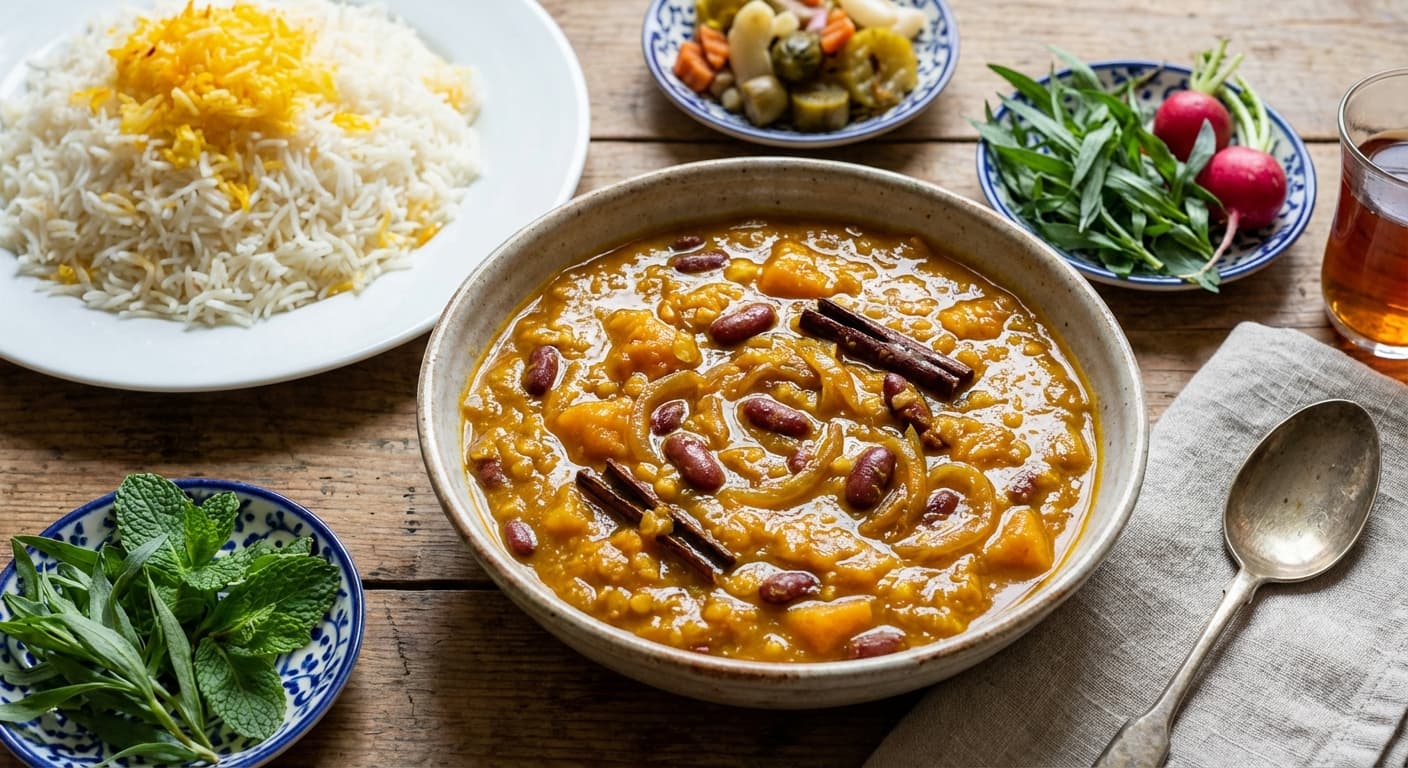
Gheimeh Kadoo Halvai (قیمه کدو حلوایی) — Sweet Pumpkin & Legume Stew
Persian · Stews · 110 min
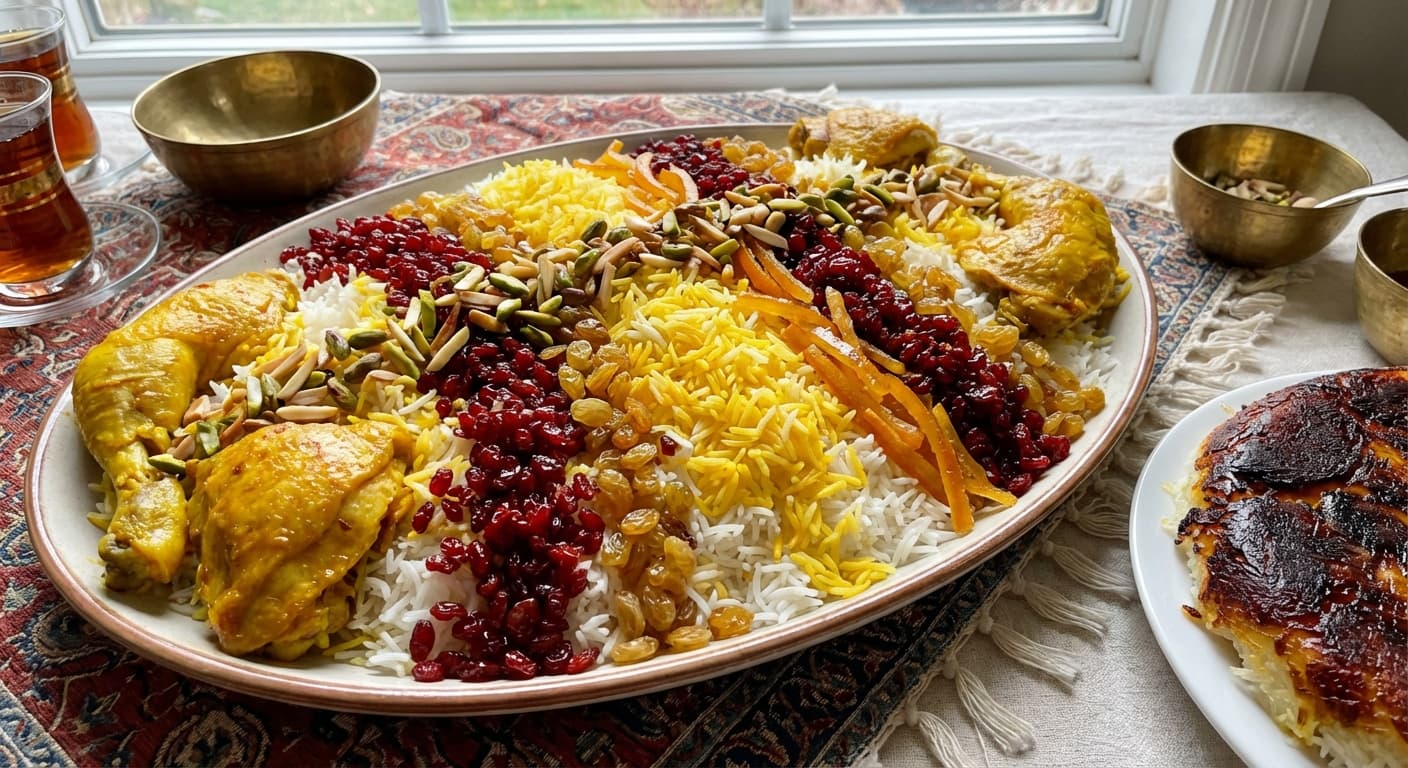
Jeweled Rice (مرصع پلو) — Festive Persian rice with saffron chicken and jeweled fruits
Persian · Rice Dishes · 135 min
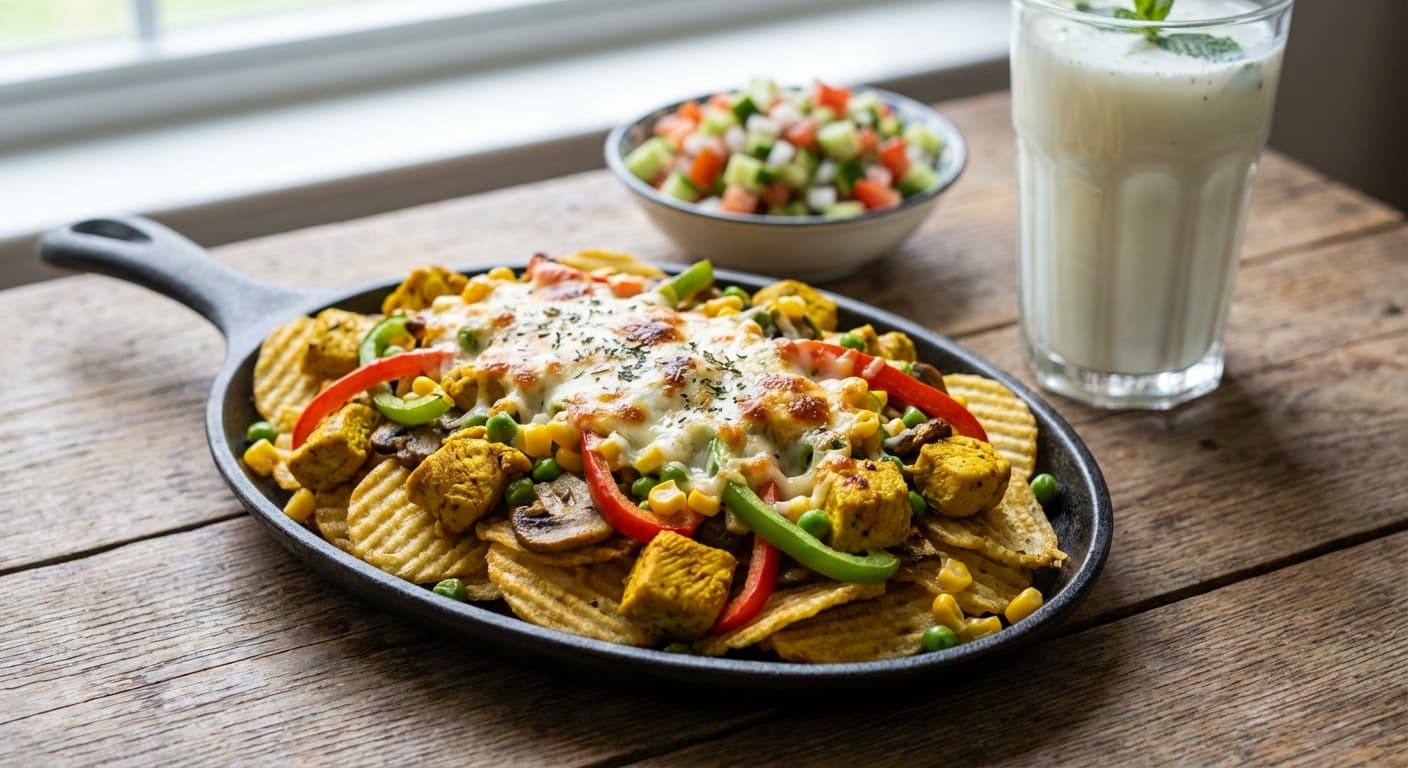
Persian-Style Pizza-Chips (خوراک چیپس و پنیر) — Street-Food Chip Bake with Chicken and Mozzarella
Persian · Main Courses · 45 min
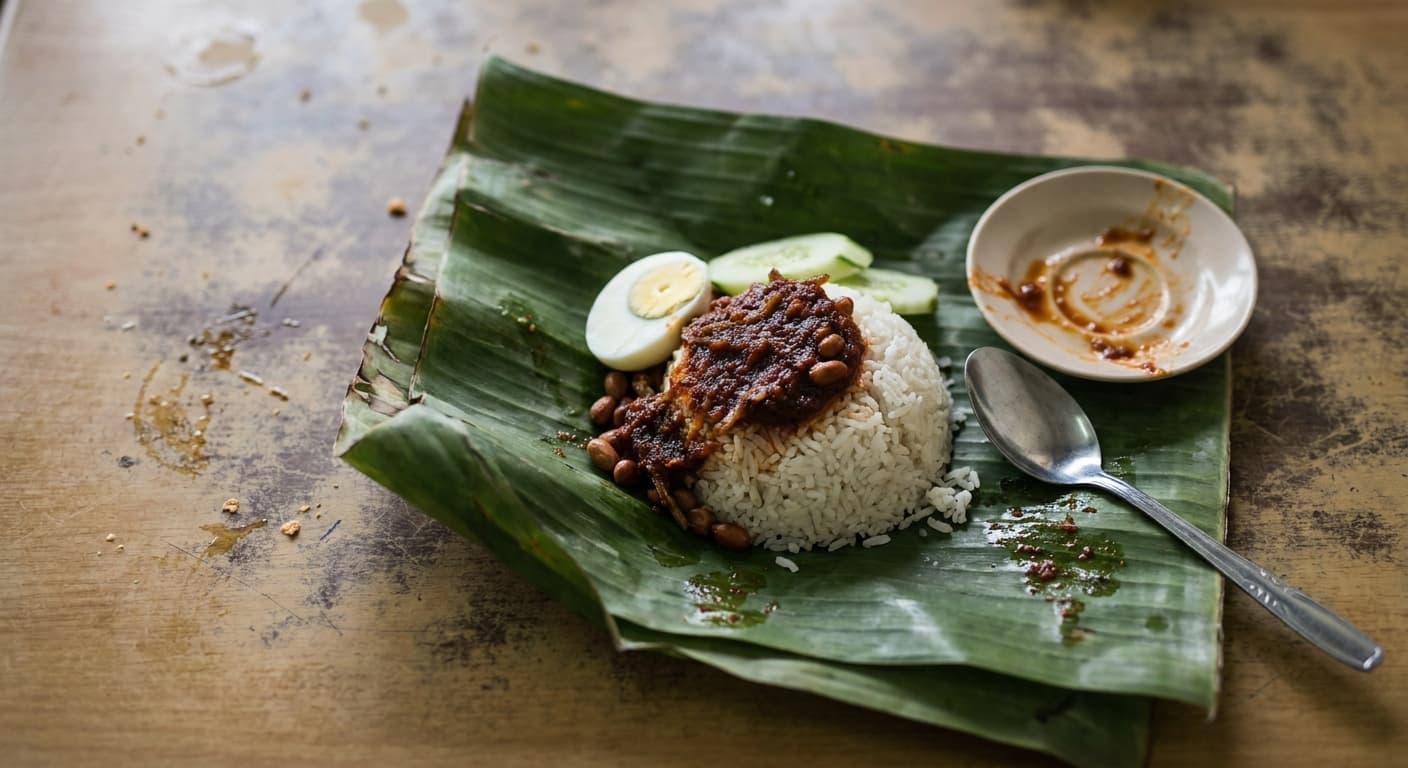
Malaysian Coconut Rice (Nasi Lemak) — Banana-Leaf Breakfast with Sambal Ikan Bilis
Malaysian · Rice Dishes · 95 min
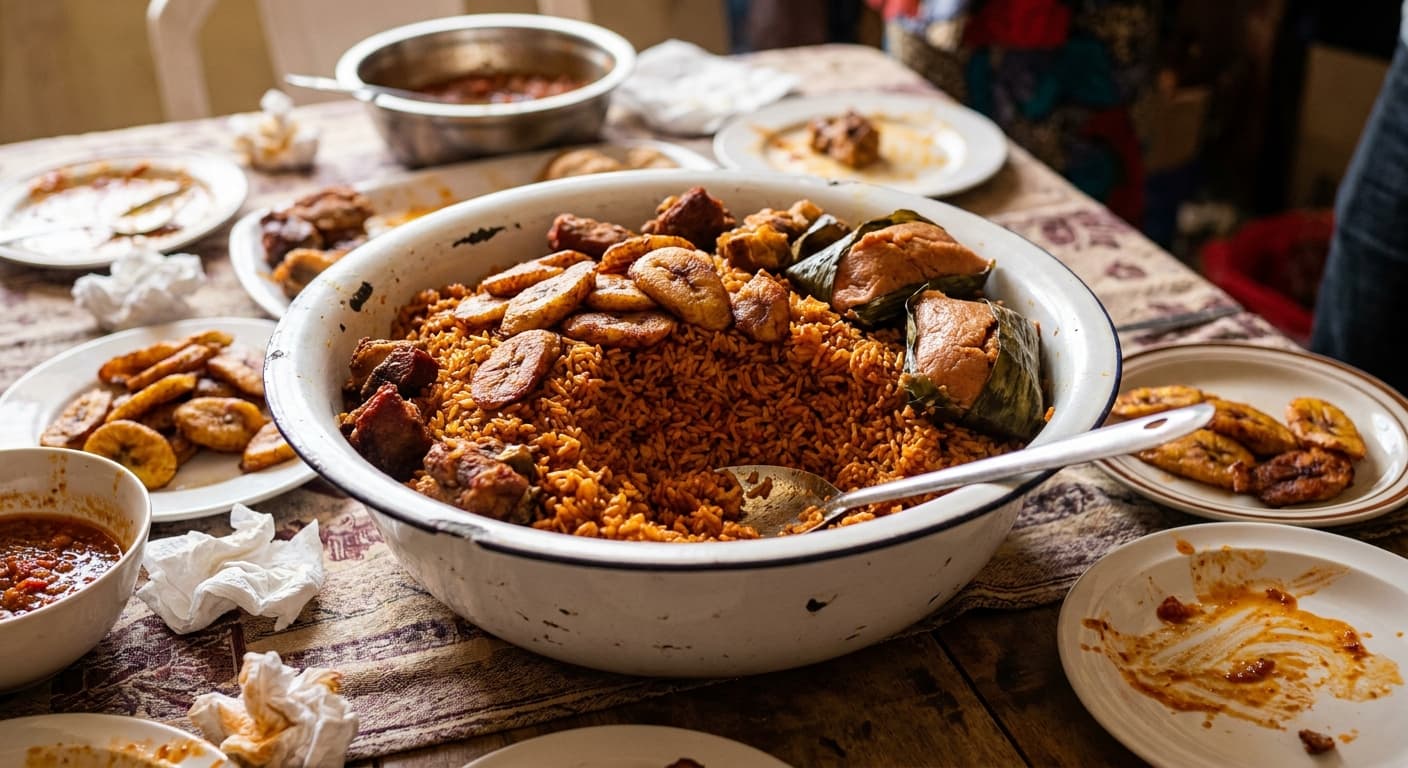
Nigerian Jollof Rice (Jollof Rice) — Smoky Party-Style Tomato Rice
West african · Rice Dishes · 80 min
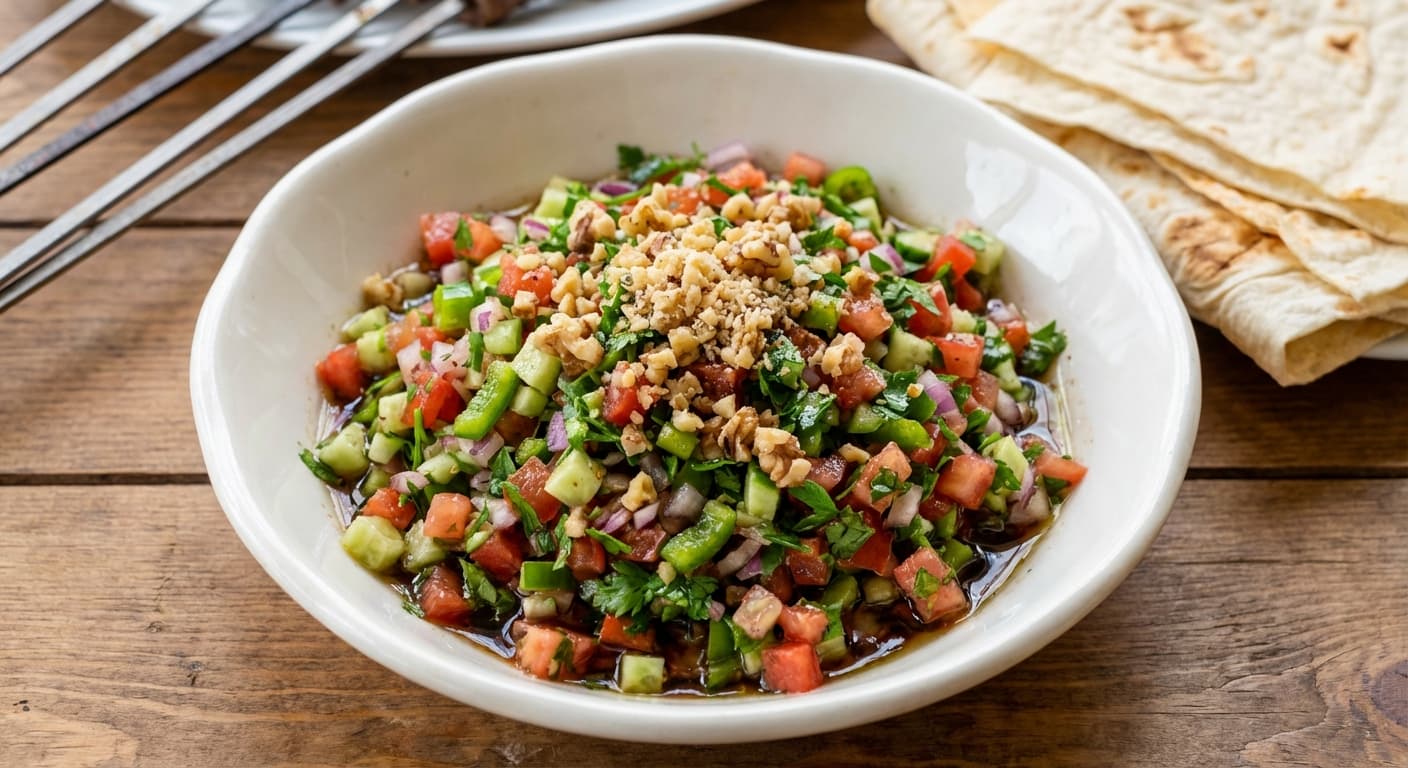
Gavurdağı Salad (Gavurdağı Salatası) — Finely Chopped Walnut & Pomegranate Salad
Turkish · Salads · 20 min
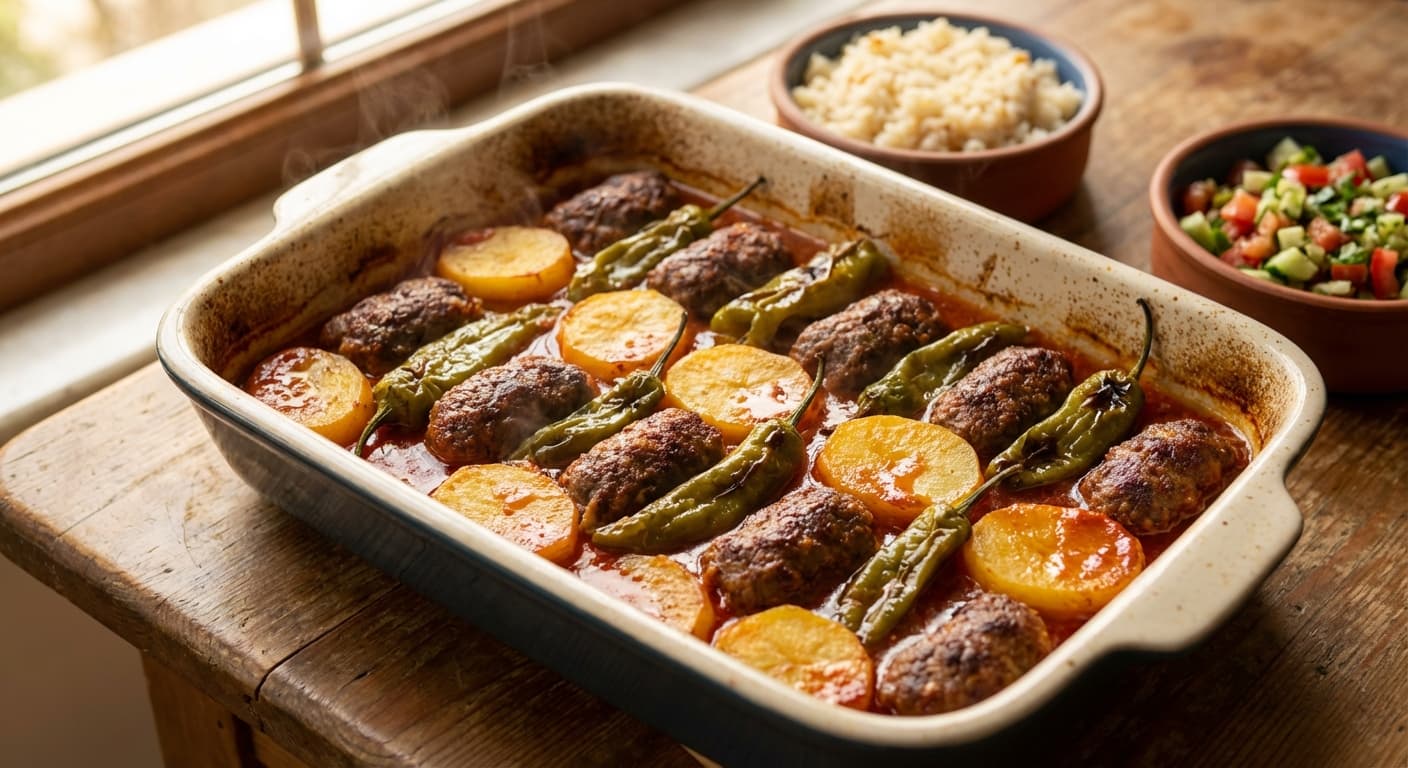
Izmir Kofte (İzmir Köfte) — Oven-Baked Meatballs with Tomato Sauce and Potatoes
Turkish · Main Courses · 70 min
Beggar's Chicken (叫化鸡) — Lotus-Wrapped Clay-Baked Jiangnan Chicken
Chinese · Main Courses · 240 min
Reviews
Cooked this recipe?
Tap the stars to rate it — that's all it takes. A few words are welcome but optional.
No ratings yet. Cooked this one? Be the first to rate it — it takes one tap.