Latvian Fish Aspic (Zivju galerts) — Clear Dill-Scented Baltic Fish Jelly
Latvian fish aspic is a chilled holiday cold-table dish of tender white fish set in clear, seasoned jelly. It is often served with rupjmaize and appears beside pīrāgi and jāņu siers at family celebrations.
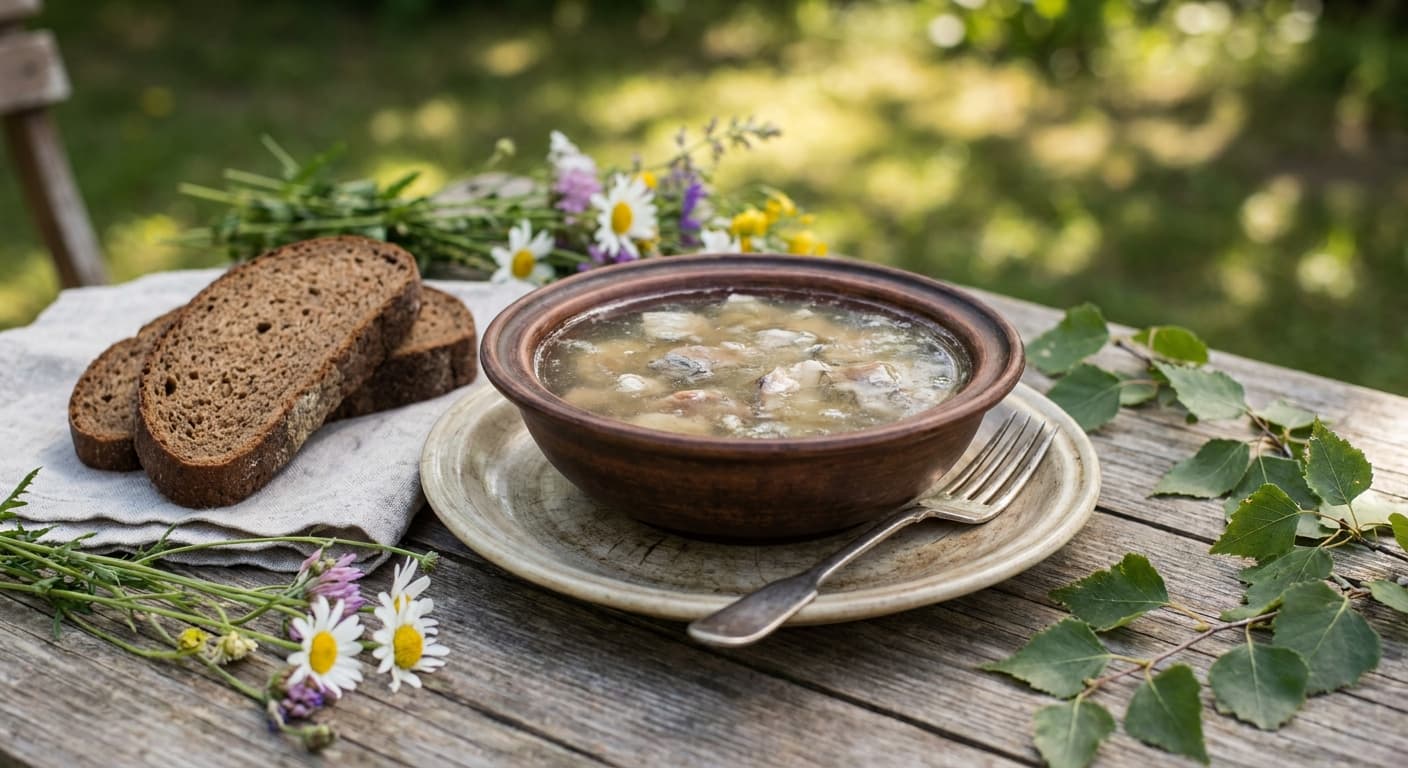
Printable Recipe Card
Servings: 8 · Total: 90 min · Difficulty: medium
Ingredients (quick list)
- 900 g pike-perch fillets (skin removed, pin bones removed)
- 700 g white fish frames and heads (gills removed for a clean broth)
- 1.5 l cold water
- 1 yellow onion (peeled and halved)
- 2 carrots (1 roughly chopped for stock, 1 sliced into neat rounds for garnish)
- 80 g celery root (peeled and chopped)
- 2 leaf bay leaves
- 1 tsp black peppercorns
- 6 allspice berries
- 12 g fine sea salt
- 14 g unflavored powdered gelatin
- 15 ml apple cider vinegar
+ 3 more in the full ingredients section below.
Steps (summary)
- Rinse the fish frames and heads under cold running water for 2 minutes, checking that all gills and dark blood patches have bee…
- Add the halved onion, chopped carrot, celery root, bay leaves, peppercorns, allspice berries, and 12 g salt to the pot. Simmer…
- Lower the pike-perch fillets into the simmering stock and poach them for 7 minutes, or until the thickest pieces flake cleanly…
- Strain the stock through a fine sieve lined with damp cheesecloth into a clean saucepan, pressing the solids only lightly. Meas…
- Sprinkle 14 g powdered gelatin over 80 ml cold water in a small bowl and let it bloom for 10 minutes. Warm the measured stock u…
- Slice the reserved garnish carrot into 5 mm rounds and arrange the rounds with egg slices and dill sprigs in a 1.5 l glass mold…
+ 2 more steps in the full instructions section below.
Cultural Background
Māra Brašmane’s Latvian National Cuisine reflects the importance of cold platters, rye bread, dill, fish, and practical preservation. Fish aspic belongs to the same festive table culture as rupjmaize, pīrāgi, and jāņu siers.
Equipment
💡 Tips
- Remove fish gills completely before making the stock; they are the most common cause of bitterness and muddiness.
- Keep the stock at a quiet simmer rather than a rolling boil for a transparent, clean-tasting jelly.
- Use a shallow mold if possible, because thin slices of aspic show the dill, carrot, egg, and fish more clearly.
⚠️ Common Mistakes
❌ Boiling the stock hard
✅ Fix: Keep the liquid at a gentle simmer so fat and proteins do not emulsify into a cloudy broth.
❌ Adding gelatin to boiling stock
✅ Fix: Let the stock cool to steaming temperature before whisking in bloomed gelatin, which protects the setting strength.
❌ Packing the fish too tightly in the mold
✅ Fix: Leave small spaces between flakes so the seasoned jelly can flow evenly and set around the fish.
🧊 How to Store
Keep fish aspic covered in the refrigerator for up to 2 days at or below 4°C. Do not freeze it, because gelatin weeps after thawing. Serve cold directly from the refrigerator and do not reheat.
📅 Make Ahead
Prepare the aspic 1 day ahead and keep it covered in the refrigerator. The flavor becomes cleaner after chilling overnight, but add fresh dill garnish at serving if you want the brightest color.
🍽️ Pairs Well With
- Rupjmaize
- prepared horseradish
- boiled potatoes with dill
- cucumber salad
- pīrāgi.
Regional Variations
- Coastal Latvian versions may use perch, cod, or Baltic flounder instead of pike-perch.
- Some family recipes garnish the mold with parsley, peas, or very thin lemon slices for a brighter holiday appearance.
- A richer old-fashioned version relies partly on naturally gelatinous fish heads and bones, with less added powdered gelatin.
Ingredients
- 900 gpike-perch fillets (skin removed, pin bones removed)
- 700 gwhite fish frames and heads (gills removed for a clean broth)
- 1.5 lcold water
- 1yellow onion (peeled and halved)
- 2carrots (1 roughly chopped for stock, 1 sliced into neat rounds for garnish)
- 80 gcelery root (peeled and chopped)
- 2 leafbay leaves
- 1 tspblack peppercorns
- 6allspice berries
- 12 gfine sea salt
- 14 gunflavored powdered gelatin
- 15 mlapple cider vinegar
- 2eggs (hard-boiled, cooled, and sliced)
- 8 sprigfresh dill
- 80 gprepared horseradish
🔄 Substitutions
- pike-perch fillets→ cod fillets
- white fish frames and heads→ 1 l unsalted homemade white fish stock reduced to 900 ml
- apple cider vinegar→ white wine vinegar
Instructions
- 1
Rinse the fish frames and heads under cold running water for 2 minutes, checking that all gills and dark blood patches have been removed. Put them in a wide pot with 1.5 l cold water and bring slowly to a bare simmer over medium heat, skimming foam for 8 minutes so the final aspic stays clear.
- 2
Add the halved onion, chopped carrot, celery root, bay leaves, peppercorns, allspice berries, and 12 g salt to the pot. Simmer uncovered for 35 minutes at a gentle bubble, because hard boiling makes the broth cloudy and can give Latvian zivju galerts a harsh fishy taste.
- 3
Lower the pike-perch fillets into the simmering stock and poach them for 7 minutes, or until the thickest pieces flake cleanly but remain moist. Lift the fillets out with a slotted spoon, place them on a plate, and cover them loosely while the stock finishes extracting flavor from the bones.
- 4
Strain the stock through a fine sieve lined with damp cheesecloth into a clean saucepan, pressing the solids only lightly. Measure 900 ml of the clear stock for the aspic, then stir in 15 ml apple cider vinegar and adjust only by simmering 3 minutes more if the flavor needs concentrating.
- 5
Sprinkle 14 g powdered gelatin over 80 ml cold water in a small bowl and let it bloom for 10 minutes. Warm the measured stock until steaming but not boiling, whisk in the bloomed gelatin until fully dissolved, and keep the liquid hot enough to pour smoothly.
- 6
Slice the reserved garnish carrot into 5 mm rounds and arrange the rounds with egg slices and dill sprigs in a 1.5 l glass mold or shallow serving dish. Break the poached fish into large flakes, distribute it evenly over the garnish, and avoid packing it tightly so the clear jelly can surround each piece.
- 7
Pour the hot gelatin stock slowly over the fish until the pieces are just covered, then tap the dish 6 times on the counter to release trapped air bubbles. Chill uncovered for 30 minutes, cover the dish, and refrigerate for at least 5 hours until the aspic is fully set.
- 8
To unmold, dip the outside of the dish in warm water for 12 seconds and invert it onto a chilled platter. Serve cold with 80 g prepared horseradish, and place it on a Latvian cold table with rupjmaize, pīrāgi, and a separate plate of jāņu siers when serving for a celebration.
🪪 Recipe Passport
Cultural Background
Māra Brašmane’s Latvian National Cuisine reflects the importance of cold platters, rye bread, dill, fish, and practical preservation. Fish aspic belongs to the same festive table culture as rupjmaize, pīrāgi, and jāņu siers.
Regional Variations
Researched from multiple sources and validated by the Zaffaron editorial team. Every recipe is tested for accuracy, measurements, and cultural authenticity.
📚 Sources & Cultural References
- Māra Brašmane — Latvian National Cuisine
- Alan Davidson — The Oxford Companion to Food — (2014)
Sources cited by the Zaffaron editorial team during recipe research. Cultural and culinary references supporting authenticity claims.
Nutrition per serving
Pairs well with
If you enjoyed this recipe, here are a few related Zaffaron recipes to try next.
Does your family make this differently?
Every family has their own version. Maybe your grandmother adds a secret ingredient, or your aunt has a completely different technique. Preserve your family's version — with their name on it, forever.
You Might Also Like
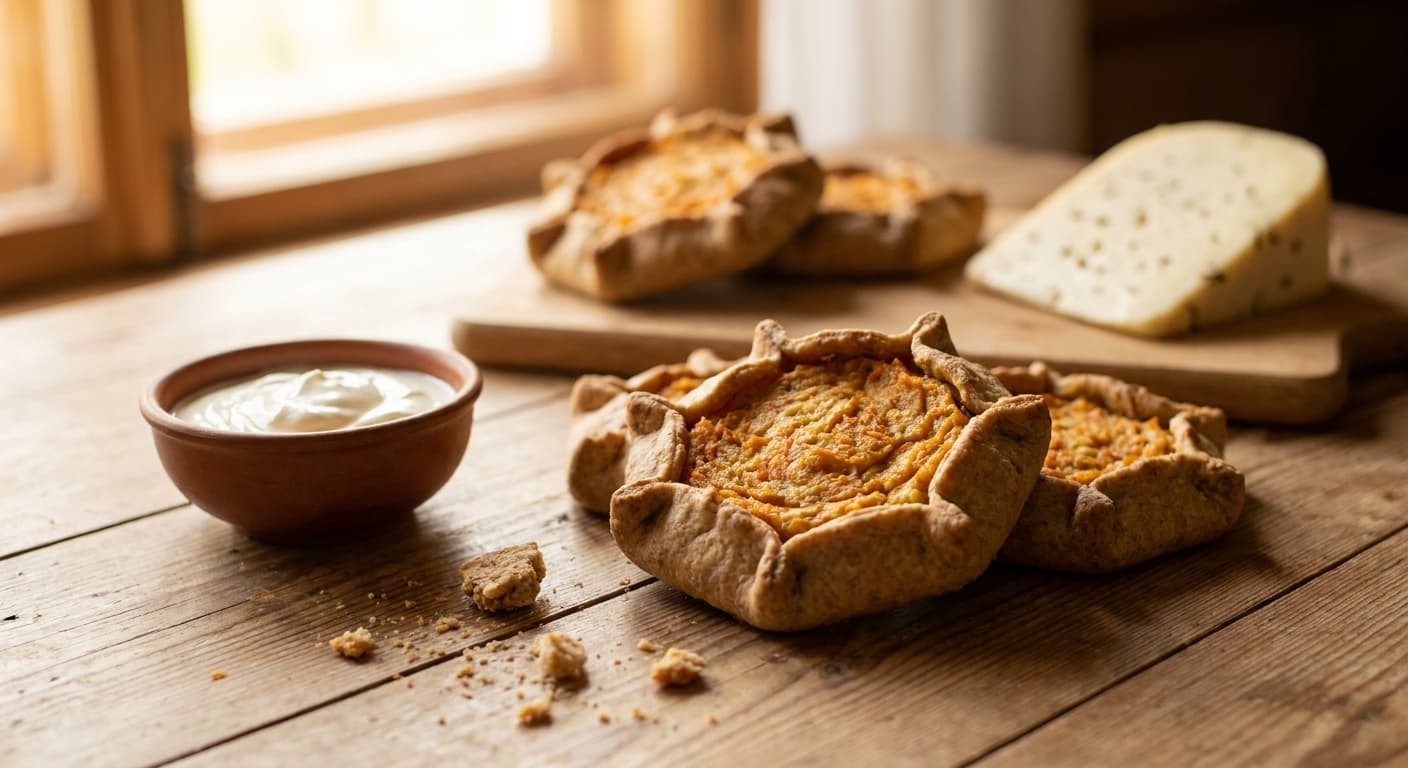
Sklandrausis (Sklandrausis) — Latvian Rye Carrot-Potato Tart
Latvian · Desserts · 100 min
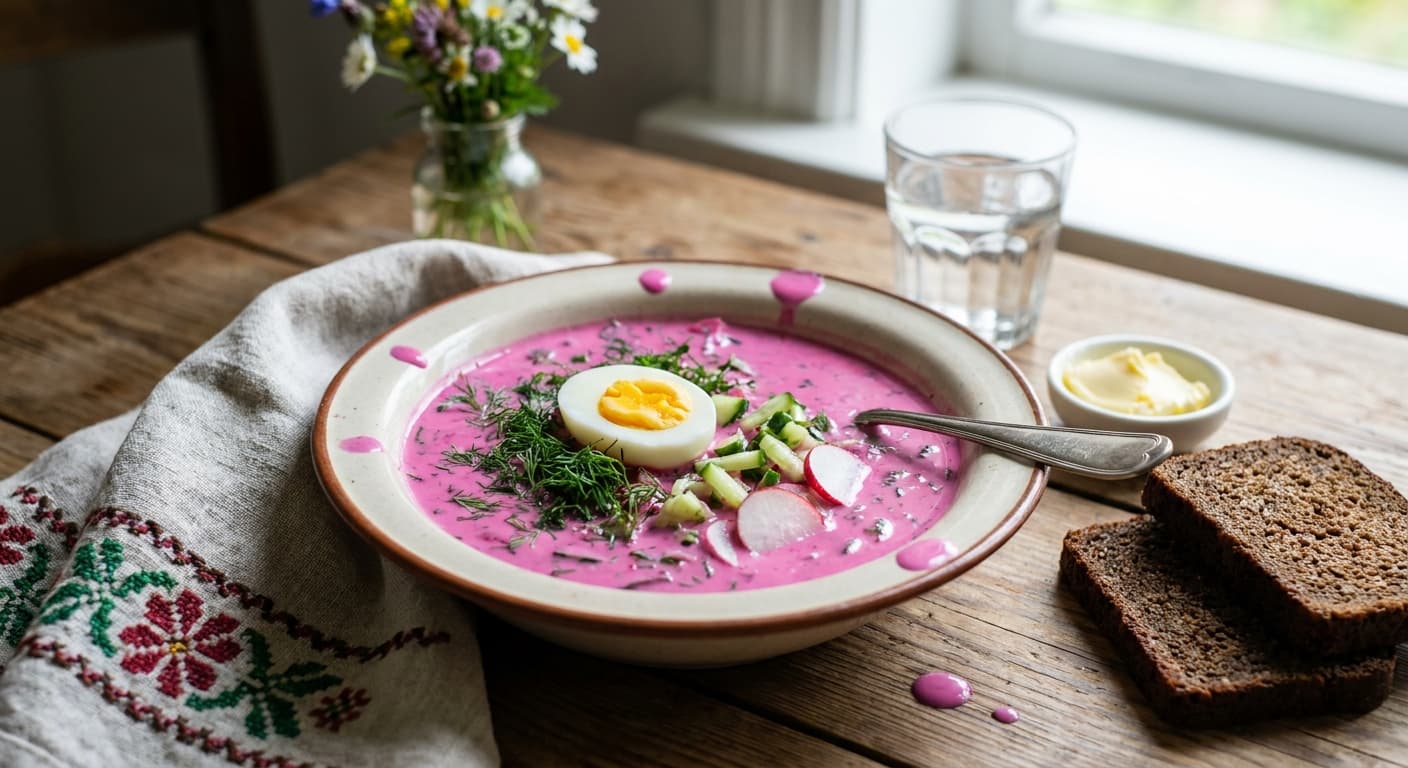
Cold Beet Soup (Aukstā zupa) — Latvian Kefir Beet Summer Soup
Latvian · Soups · 45 min
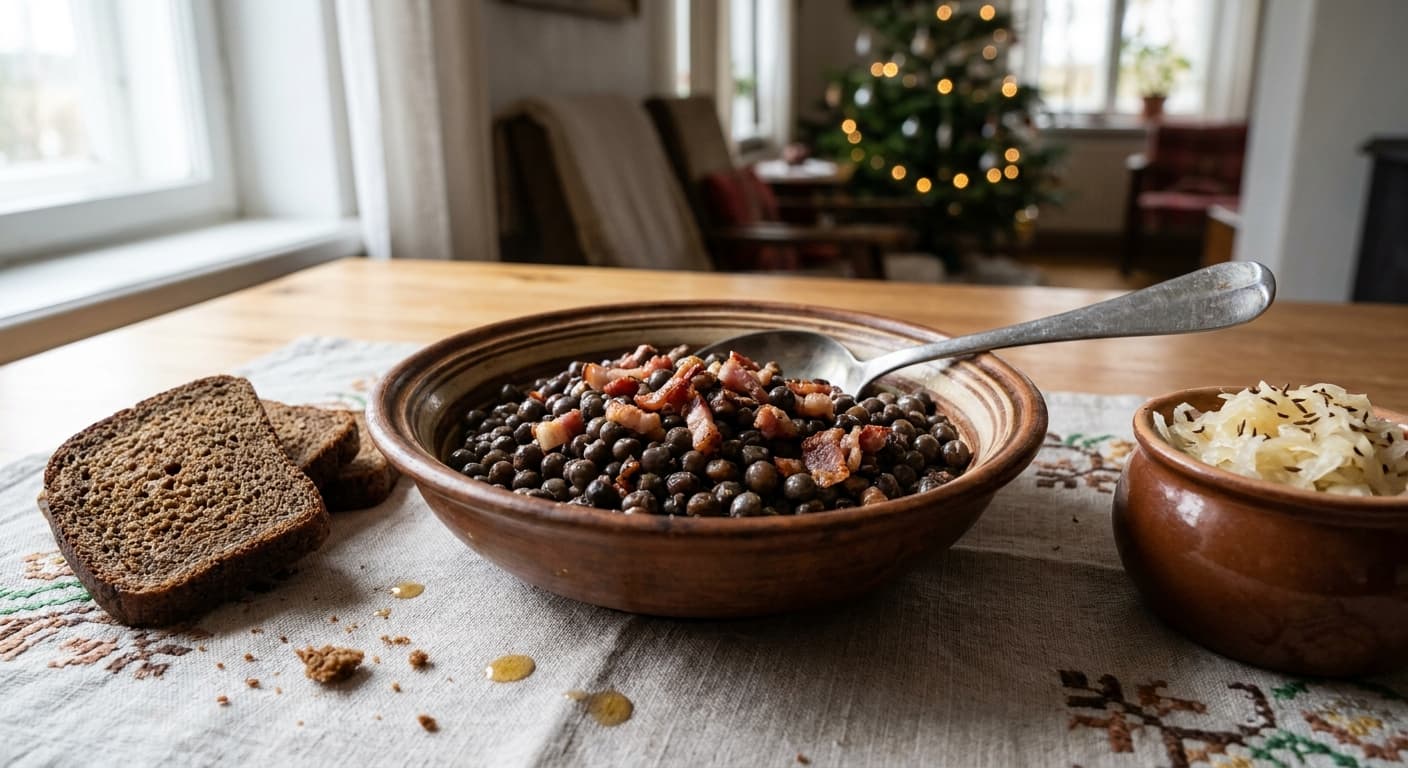
Grey Peas with Speck (Pelēkie zirņi ar speķi) — Latvian Christmas Peas
Latvian · Main Courses · 110 min
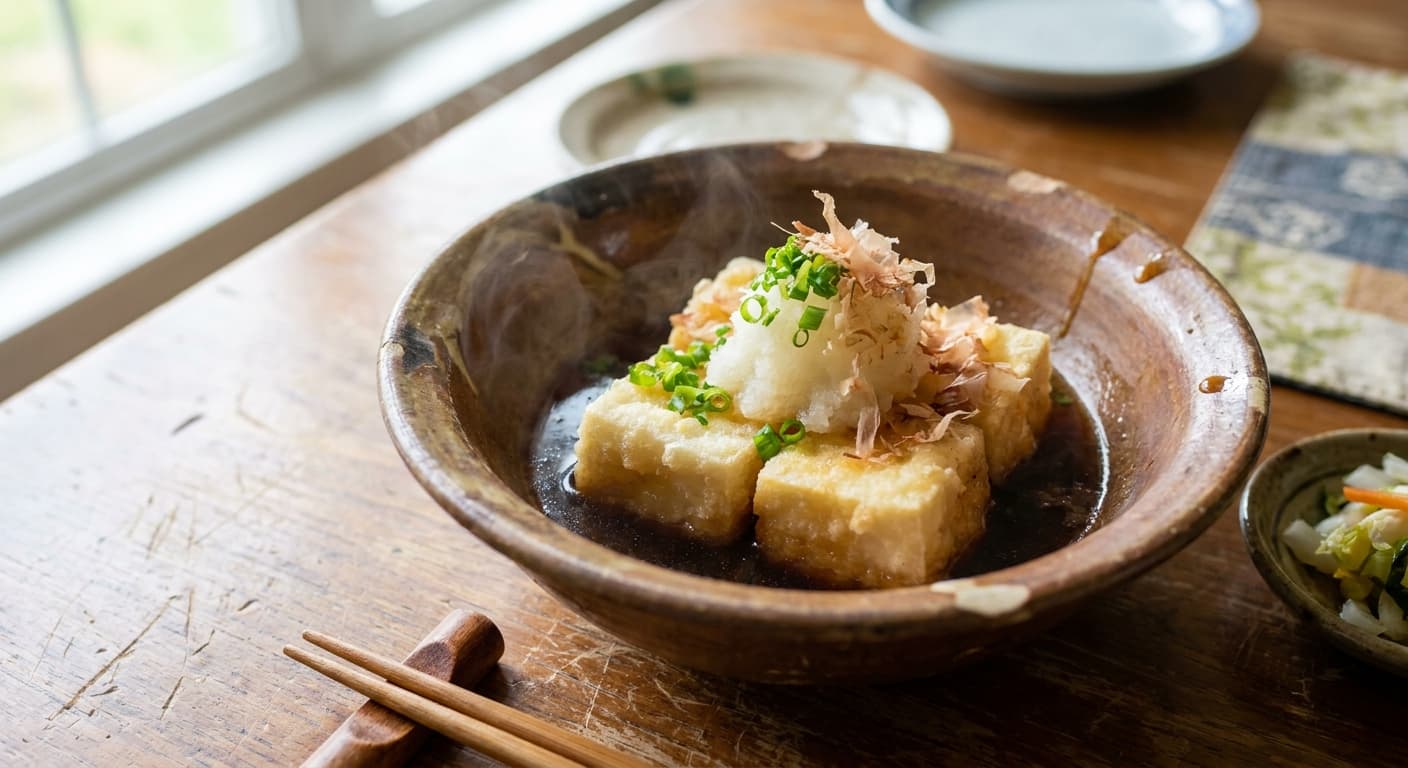
Agedashi Tofu (揚げ出し豆腐) — Crisp Tofu in Savory Broth
Japanese · Appetizers · 40 min
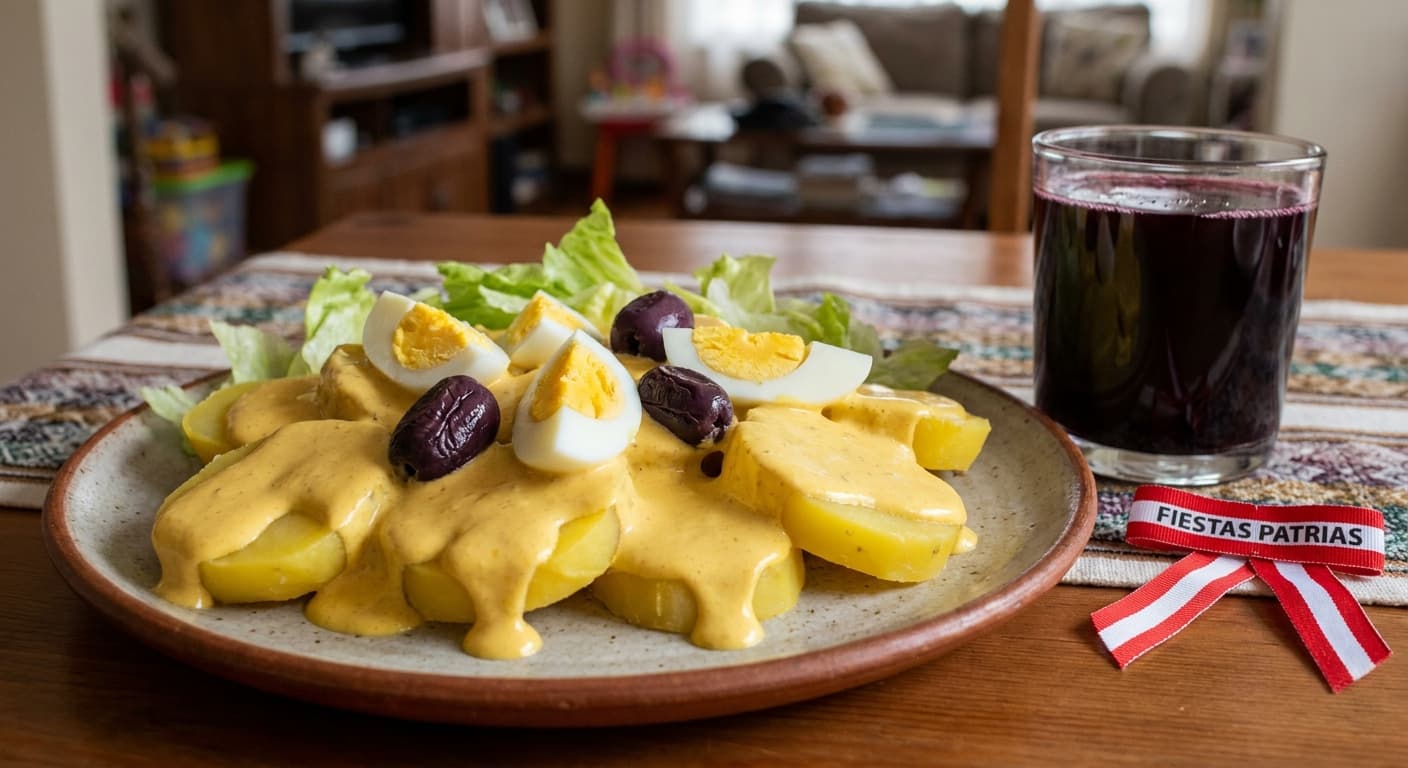
Huancayo-Style Potatoes (Papa a la Huancaína) — Peruvian Potatoes in Ají Amarillo Cheese Sauce
Peruvian · Appetizers · 45 min
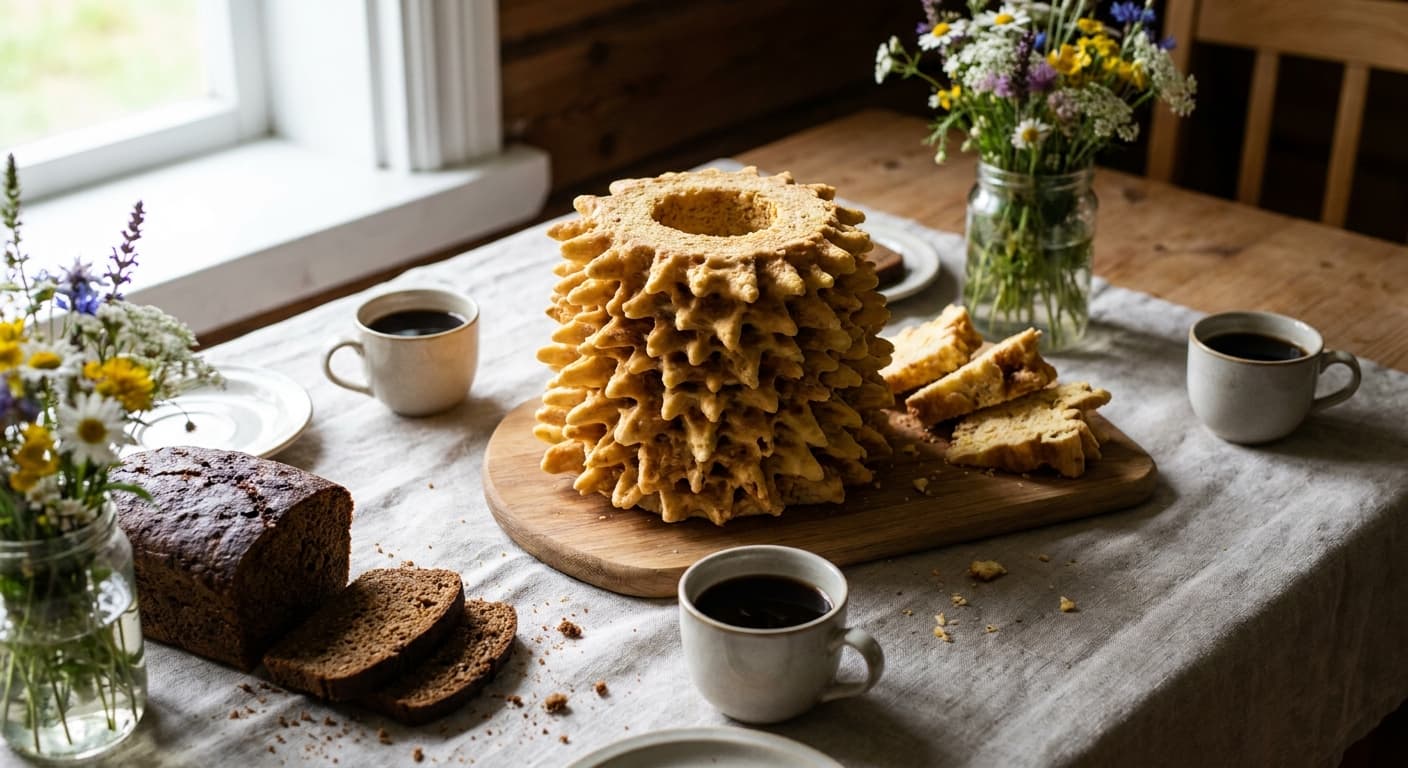
Lithuanian Tree Cake (Šakotis) — Spit-Baked Celebration Cake
Lithuanian · Desserts · 230 min
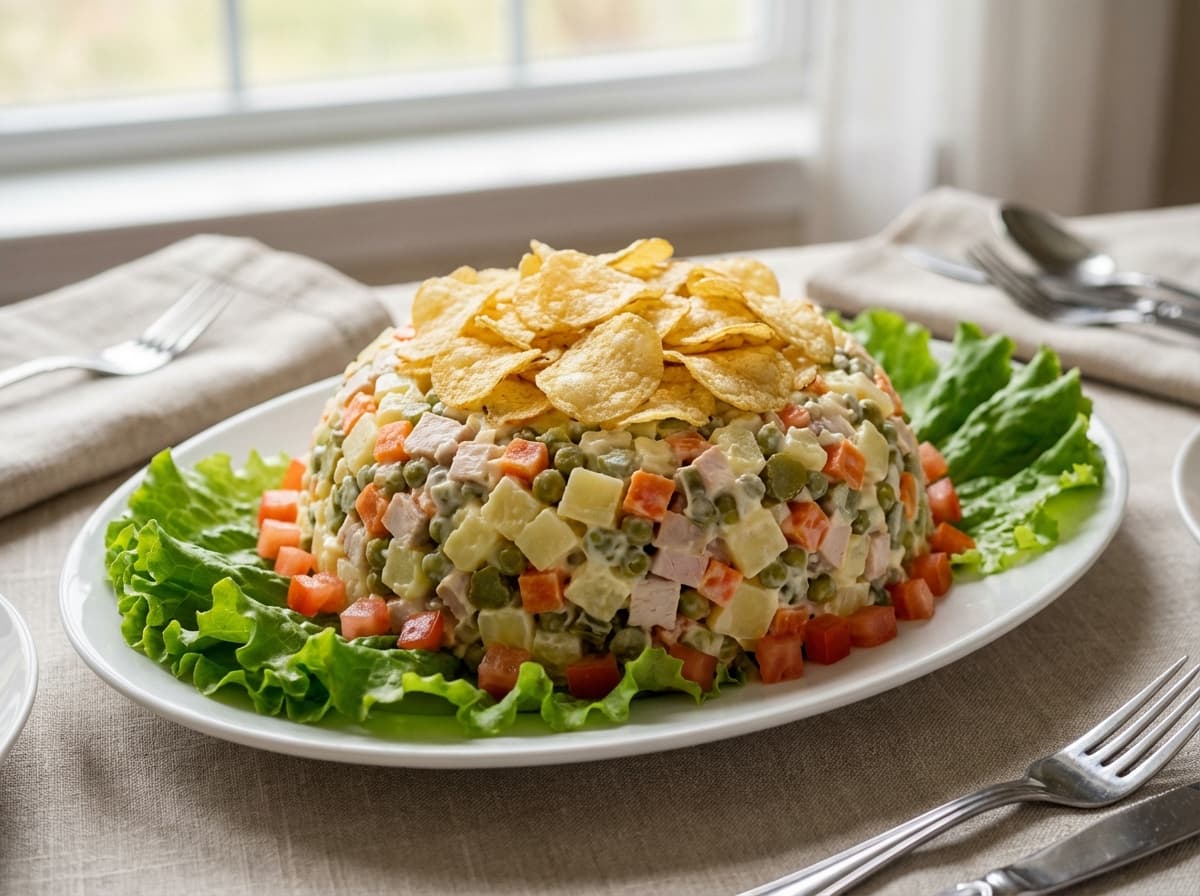
Chicken Olivier Salad (Салат Оливье) — Festive Slavic potato salad with smoky chicken
Russian · Salads · 50 min
Kalleh Pacheh Polo (کله پاچه پلو) — Persian Sheep’s Head and Trotters Rice
Persian · Rice Dishes · 510 min
Reviews
Cooked this recipe?
Tap the stars to rate it — that's all it takes. A few words are welcome but optional.
No ratings yet. Cooked this one? Be the first to rate it — it takes one tap.