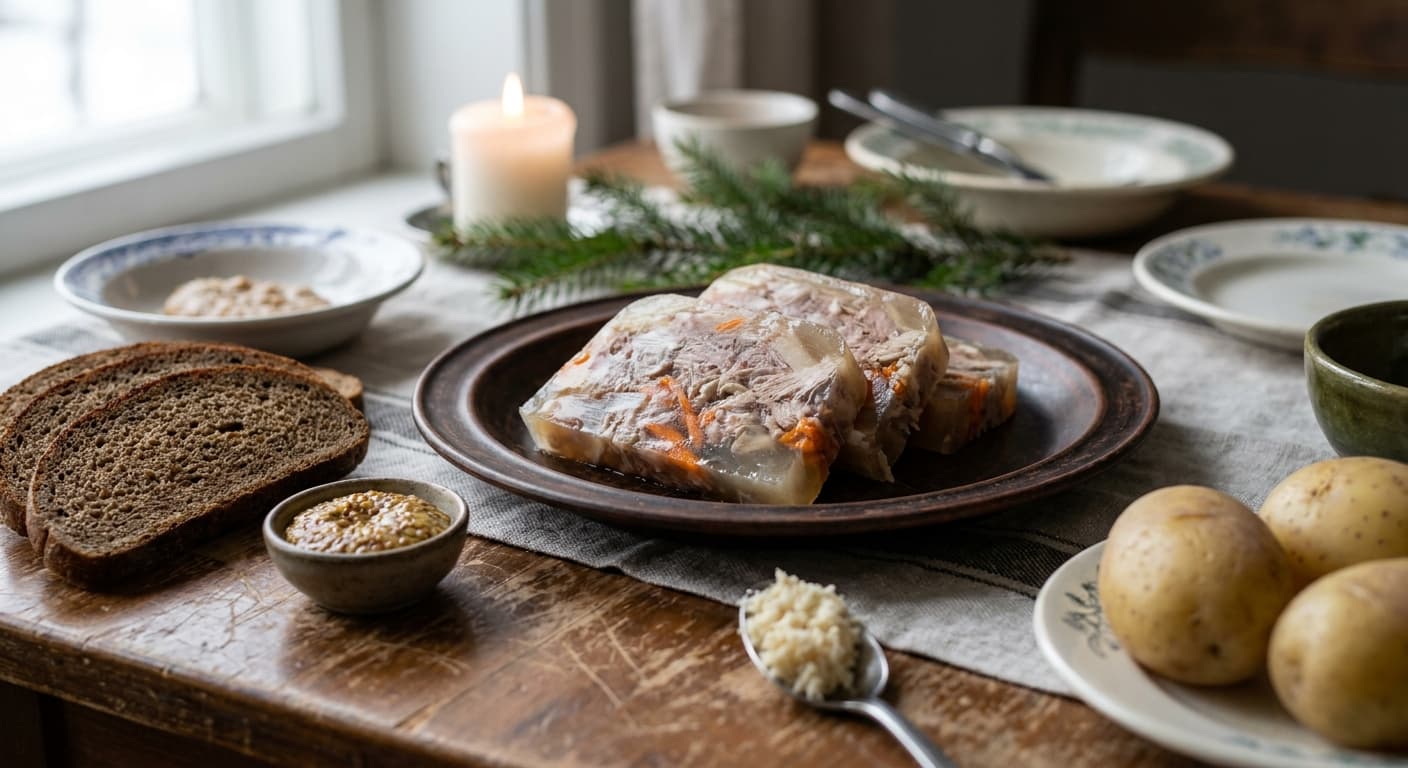
Estonian Jellied Pork (Sült) — Clear Pork Aspic with Garlic and Bay
Sült is Estonia’s traditional jellied pork, made by slowly simmering collagen-rich pork until the broth sets naturally. Served cold with mustard, horseradish, potatoes, and dark leib, it is especially loved at winter family tables.
Printable Recipe Card
Servings: 8 · Total: 245 min · Difficulty: medium
Ingredients (quick list)
- 1.2 kg pork hocks (skin-on, bone-in, cut into large sections)
- 700 g pork trotters (split lengthwise for better gelatin extraction)
- 500 g pork shoulder (boneless, cut into 5 cm chunks)
- 2.5 l cold water
- 1 yellow onion (peeled and halved)
- 1 carrot (peeled and cut into 3 pieces)
- 4 clove garlic (lightly crushed)
- 2 leaf bay leaves
- 1 tsp black peppercorns
- 6 allspice berries
- 18 g fine sea salt
- 1 tbsp apple cider vinegar (optional but traditional in some households for brightness)
+ 3 more in the full ingredients section below.
Steps (summary)
- Rinse the pork hocks, pork trotters, and pork shoulder under cold running water, then place them in a large heavy pot. Cover wi…
- Bring the pot slowly to a gentle boil over medium heat, then immediately reduce the heat to maintain a quiet simmer. Skim off a…
- Add the onion, carrot, garlic cloves, bay leaves, black peppercorns, allspice berries, and 18 g fine sea salt. Simmer uncovered…
- Test the pork by pulling at a hock with tongs; the meat should separate easily from the bone and the skin should feel very soft…
- Lift the meat, bones, onion, and carrot from the pot with a slotted spoon and place them on a tray. Strain the broth through a…
- Remove and discard bones, gristle that is too hard, and the spent onion. Finely chop or shred the tender pork, skin, and a litt…
+ 4 more steps in the full instructions section below.
Cultural Background
Sült is one of Estonia’s emblematic cold-table dishes, often prepared for Christmas and family gatherings. Silvia Soide’s Estonian Cuisine reflects this tradition of simple pork cookery, rye leib, and practical make-ahead hospitality.
Equipment
💡 Tips
- Do not boil vigorously after the first skim; a hard boil makes the broth cloudy and can emulsify fat into the jelly.
- Use trotters or hocks with skin and bones, because powdered gelatin is unnecessary when the pork is collagen-rich.
- Season the broth slightly more than you would a hot soup, since chilled sült tastes less salty after setting.
⚠️ Common Mistakes
❌ Boiling the broth hard for hours
✅ Fix: Keep the pot at a bare simmer after skimming so the finished aspic remains clear rather than cloudy.
❌ Using only lean pork
✅ Fix: Include hocks, trotters, skin, and bones so the broth contains enough natural gelatin to set.
❌ Removing all fat too late
✅ Fix: Skim after straining while the broth is hot, then remove any remaining firm fat from the chilled surface before serving.
🧊 How to Store
Keep sült covered in the refrigerator for up to 4 days. Serve it cold directly from the refrigerator; reheating will melt the aspic, though it can be gently melted and reset once if necessary.
📅 Make Ahead
Sült is ideal to make 1 day ahead because it needs a full overnight chill to set firmly. The pork can be simmered and molded up to 2 days before serving.
🍽️ Pairs Well With
- Boiled potatoes
- dark rye leib
- prepared mustard
- horseradish
- rosolje
- pickled cucumbers.
Regional Variations
- Some Estonian households add a small amount of vinegar to brighten the broth, while others keep the flavor purely pork, bay, pepper, and allspice.
- In many homes sült is set in one large shallow dish and sliced, while festive tables often use individual bowls for neat portions.
- A clearer version strains the broth through damp cheesecloth, while a more rustic family version keeps the chopped meat and broth heartier.
Ingredients
- 1.2 kgpork hocks (skin-on, bone-in, cut into large sections)
- 700 gpork trotters (split lengthwise for better gelatin extraction)
- 500 gpork shoulder (boneless, cut into 5 cm chunks)
- 2.5 lcold water
- 1yellow onion (peeled and halved)
- 1carrot (peeled and cut into 3 pieces)
- 4 clovegarlic (lightly crushed)
- 2 leafbay leaves
- 1 tspblack peppercorns
- 6allspice berries
- 18 gfine sea salt
- 1 tbspapple cider vinegar (optional but traditional in some households for brightness)
- 8 slicedark rye leib
- 4 tbspprepared mustard
- 4 tbspprepared horseradish
🔄 Substitutions
- pork trotters→ additional pork hocks
- pork shoulder→ lean pork picnic roast
- apple cider vinegar→ white wine vinegar
Instructions
- 1
Rinse the pork hocks, pork trotters, and pork shoulder under cold running water, then place them in a large heavy pot. Cover with the 2.5 l cold water and let the meat stand for 20 minutes so surface blood releases before cooking.
- 2
Bring the pot slowly to a gentle boil over medium heat, then immediately reduce the heat to maintain a quiet simmer. Skim off all gray foam from the surface for 10 to 15 minutes, because careful skimming is what gives Estonian sült its clean, clear jelly.
- 3
Add the onion, carrot, garlic cloves, bay leaves, black peppercorns, allspice berries, and 18 g fine sea salt. Simmer uncovered very gently for about 3 hours, keeping the liquid just trembling rather than bubbling hard so the broth stays clear.
- 4
Test the pork by pulling at a hock with tongs; the meat should separate easily from the bone and the skin should feel very soft. If the meat is still firm, simmer for 30 minutes more, adding 250 ml water only if the meat is no longer barely covered.
- 5
Lift the meat, bones, onion, and carrot from the pot with a slotted spoon and place them on a tray. Strain the broth through a fine sieve into a clean saucepan, then let it stand for 5 minutes and skim excess fat from the top with a spoon.
- 6
Remove and discard bones, gristle that is too hard, and the spent onion. Finely chop or shred the tender pork, skin, and a little soft connective tissue, because these collagen-rich parts are essential for the natural set of authentic sült.
- 7
Return the chopped meat to the strained broth and bring it back to a brief simmer for 5 minutes. Stir in the apple cider vinegar if using, then check the seasoning by tasting 1 tbsp of broth after cooling it for 30 seconds; it should be pleasantly salty because cold foods taste milder.
- 8
Divide the meat evenly among small bowls, ramekins, or one shallow dish, then ladle over enough broth to cover the meat by about 1 cm. Tap each dish gently on the counter to release trapped air and distribute the meat evenly through the aspic.
- 9
Cool the sült at room temperature for 45 minutes, then refrigerate it uncovered until just cool. Cover the dishes and chill for at least 8 hours, or overnight, until the broth has set into a firm, sliceable jelly.
- 10
Serve the jellied pork cold, sliced or unmolded, with mustard, horseradish, boiled potatoes, and dark rye leib. For a traditional Estonian table, place it near rosolje or other cold salads rather than serving it hot.
🪪 Recipe Passport
Cultural Background
Sült is one of Estonia’s emblematic cold-table dishes, often prepared for Christmas and family gatherings. Silvia Soide’s Estonian Cuisine reflects this tradition of simple pork cookery, rye leib, and practical make-ahead hospitality.
Regional Variations
Researched from multiple sources and validated by the Zaffaron editorial team. Every recipe is tested for accuracy, measurements, and cultural authenticity.
📚 Sources & Cultural References
- Silvia Soide — Estonian Cuisine — (2004)
- Lia Virkus and Kai Sammet — Tastes of Estonia — (2018)
Sources cited by the Zaffaron editorial team during recipe research. Cultural and culinary references supporting authenticity claims.
Nutrition per serving
Pairs well with
If you enjoyed this recipe, here are a few related Zaffaron recipes to try next.
Does your family make this differently?
Every family has their own version. Maybe your grandmother adds a secret ingredient, or your aunt has a completely different technique. Preserve your family's version — with their name on it, forever.
You Might Also Like
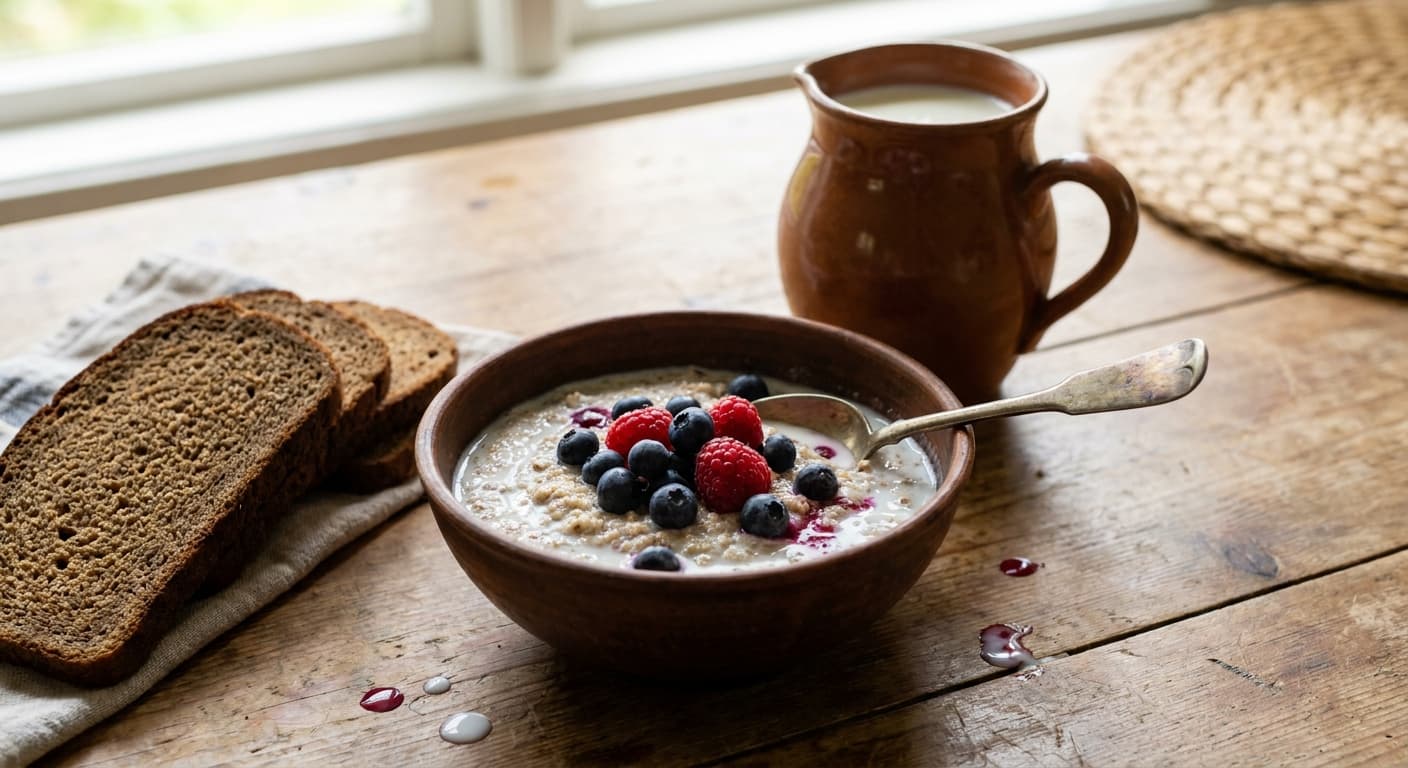
Kama (Kama) — Estonian Toasted Grain Kefir Drink
Estonian · Drinks · 10 min
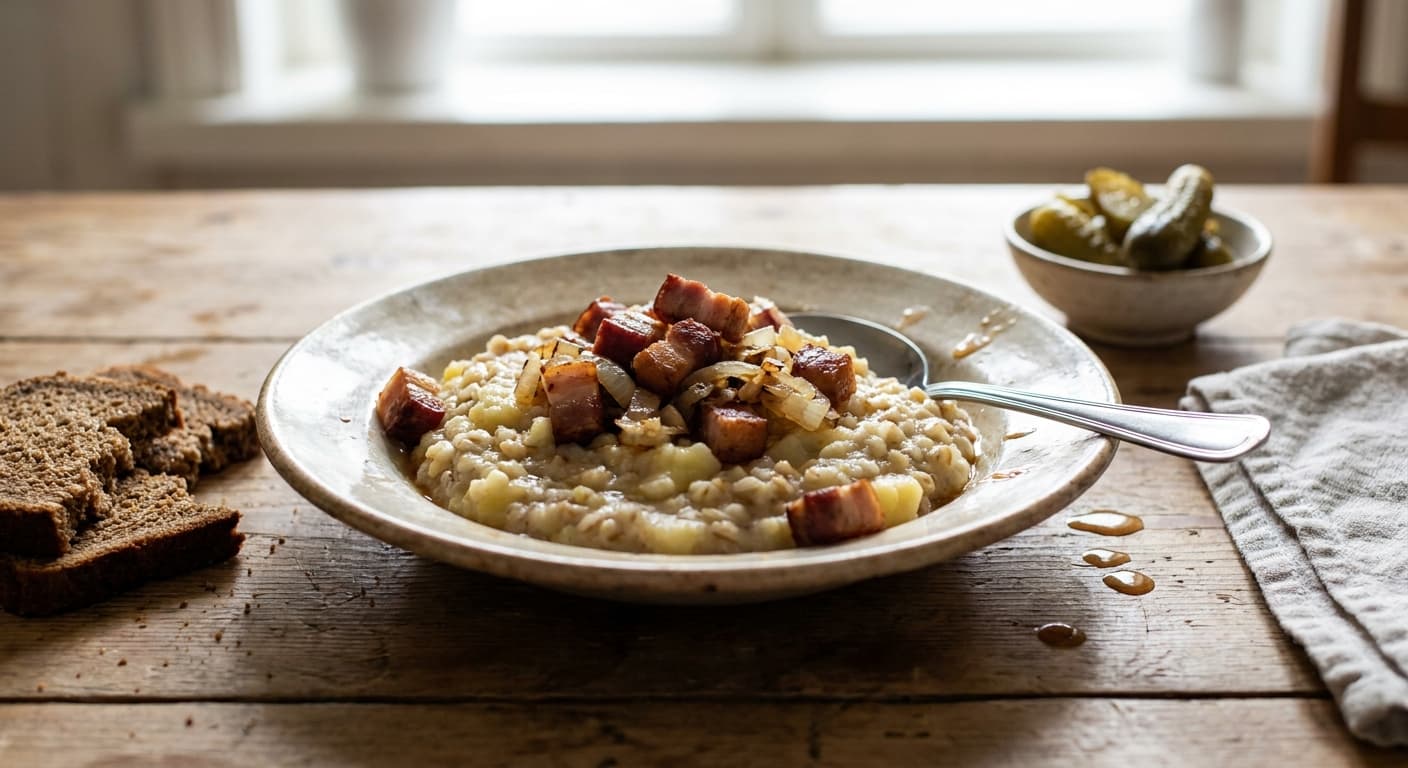
Estonian Barley-Potato Mash (Mulgipuder) — Rustic Mulgimaa Comfort Food
Estonian · Main Courses · 70 min
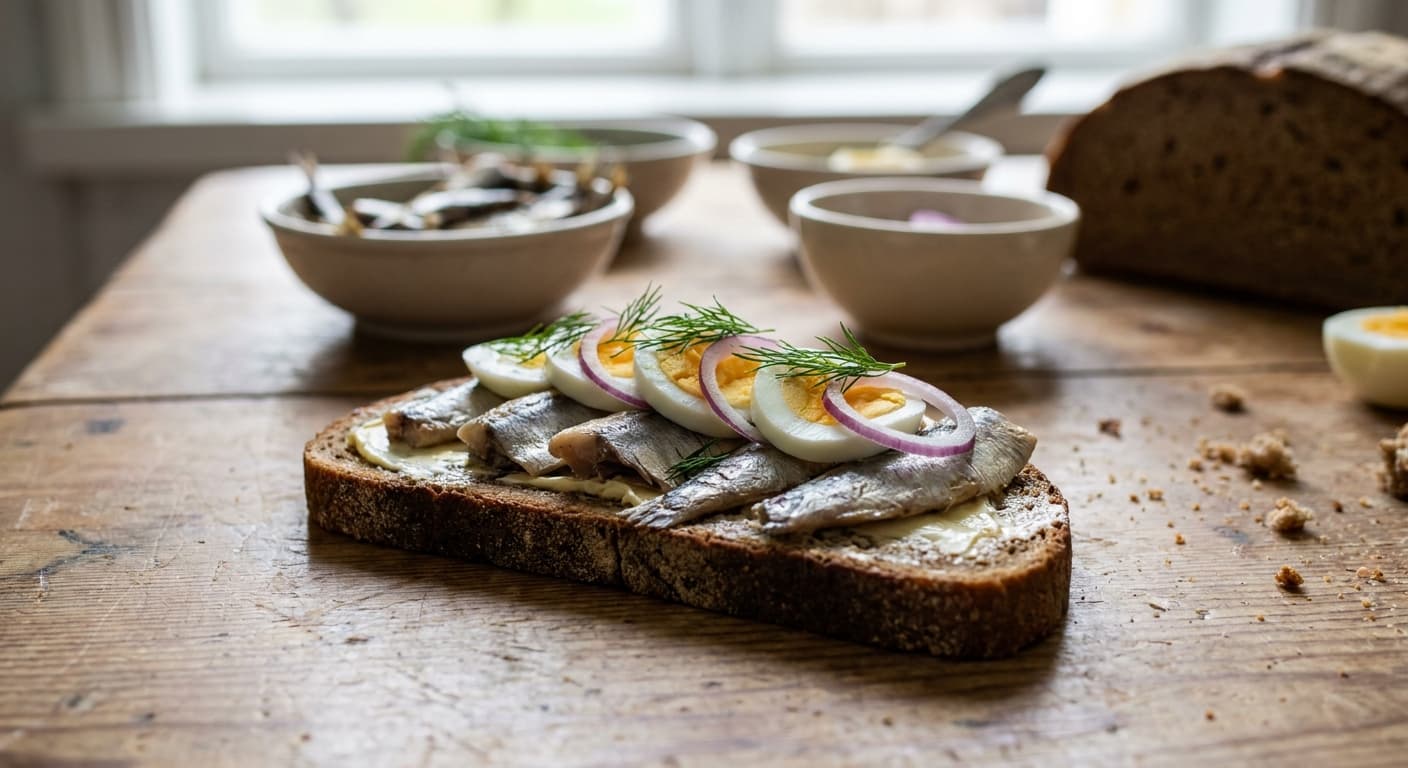
Sprat Sandwich (Kiluvõileib) — Estonian Rye and Baltic Sprat Open-Face
Estonian · Appetizers · 25 min
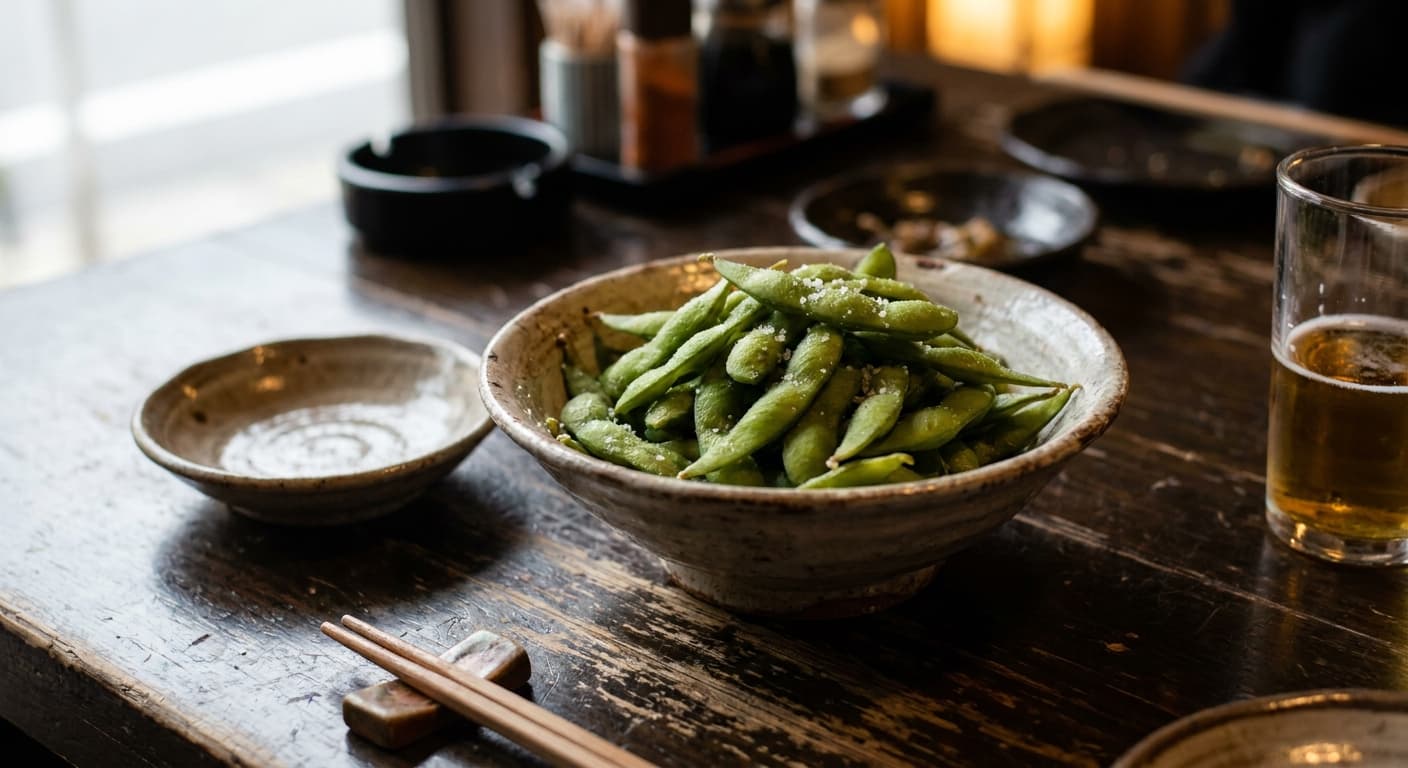
Edamame (枝豆) — Boiled Salted Soybeans, Japanese Izakaya Snack
Japanese · Appetizers · 15 min
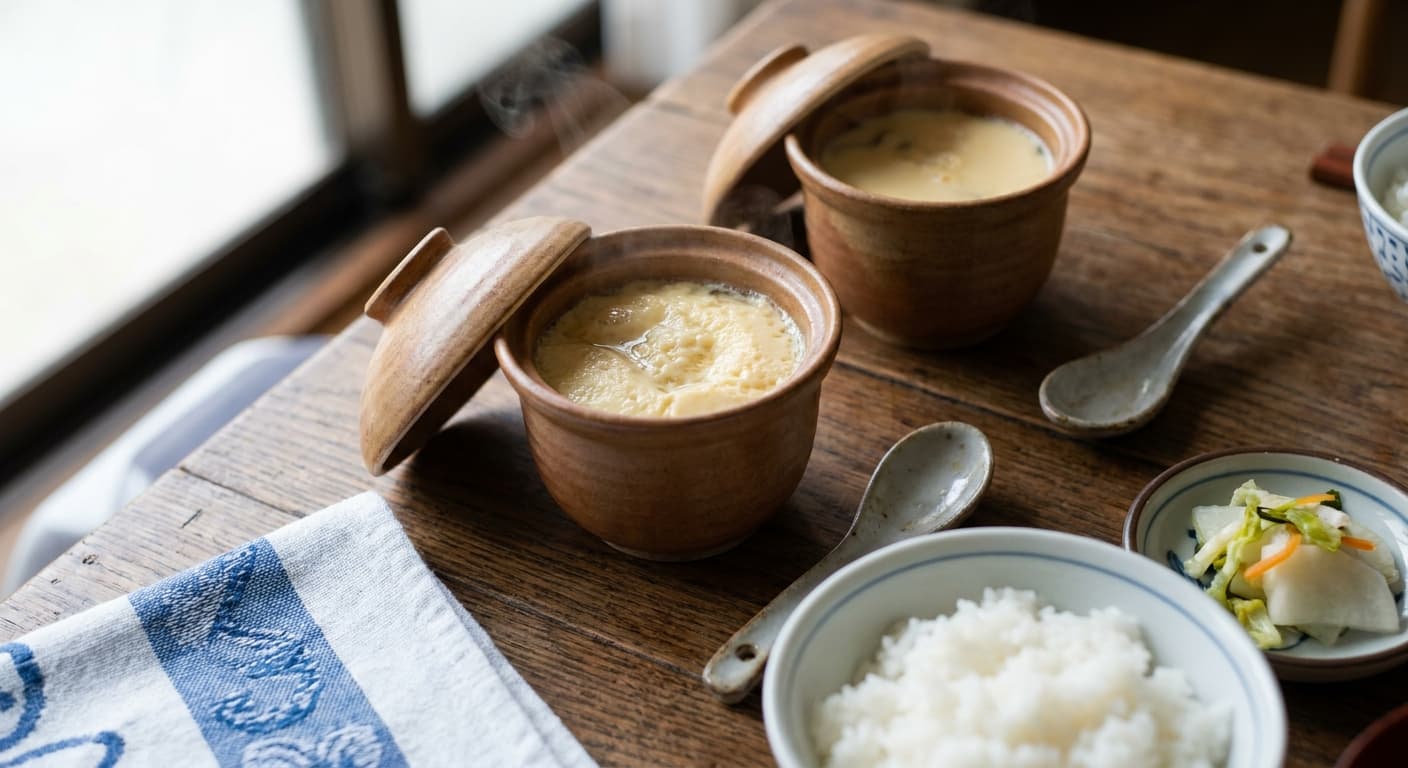
Chawanmushi (茶碗蒸し) — Silky Japanese Savory Egg Custard
Japanese · Appetizers · 43 min
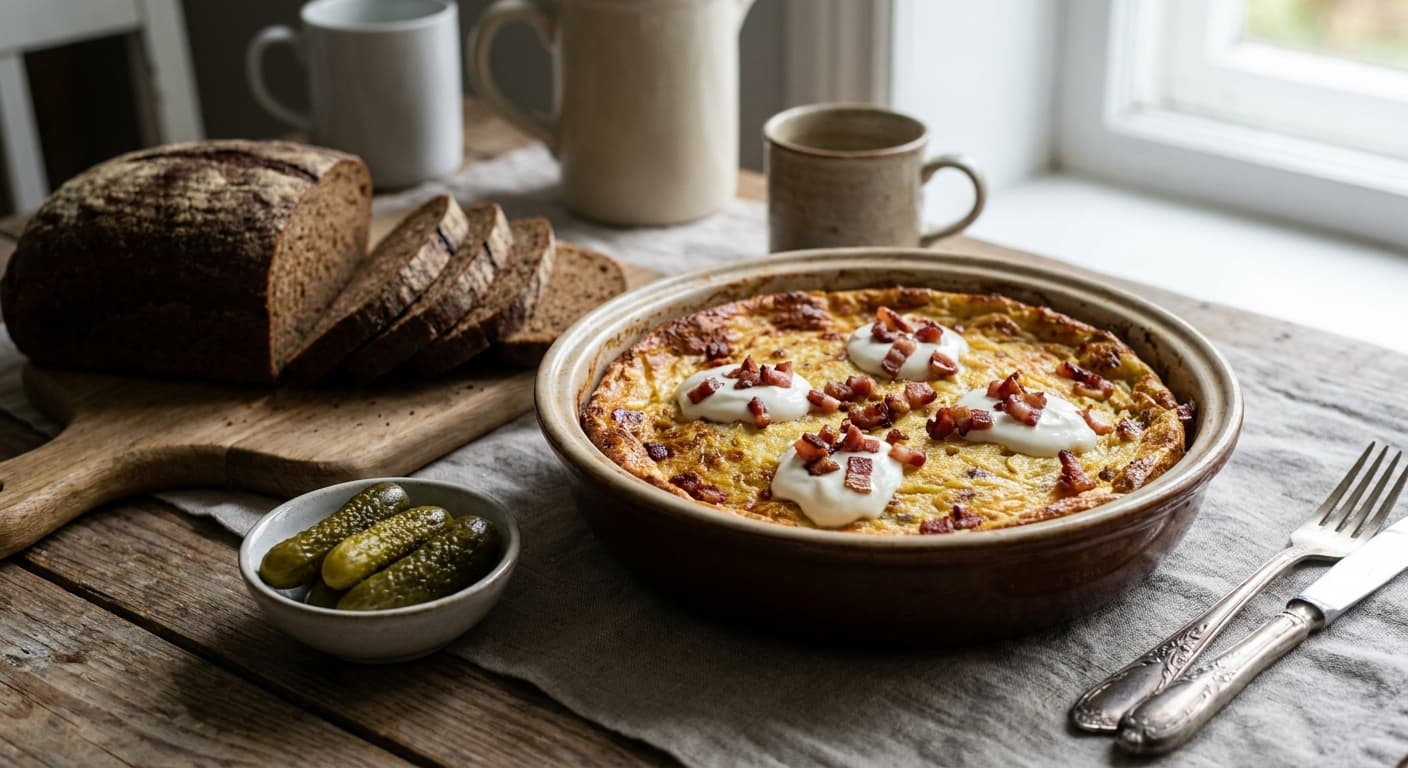
Lithuanian Kugelis (Kugelis) — Savory Baked Potato Pudding
Lithuanian · Main Courses · 115 min
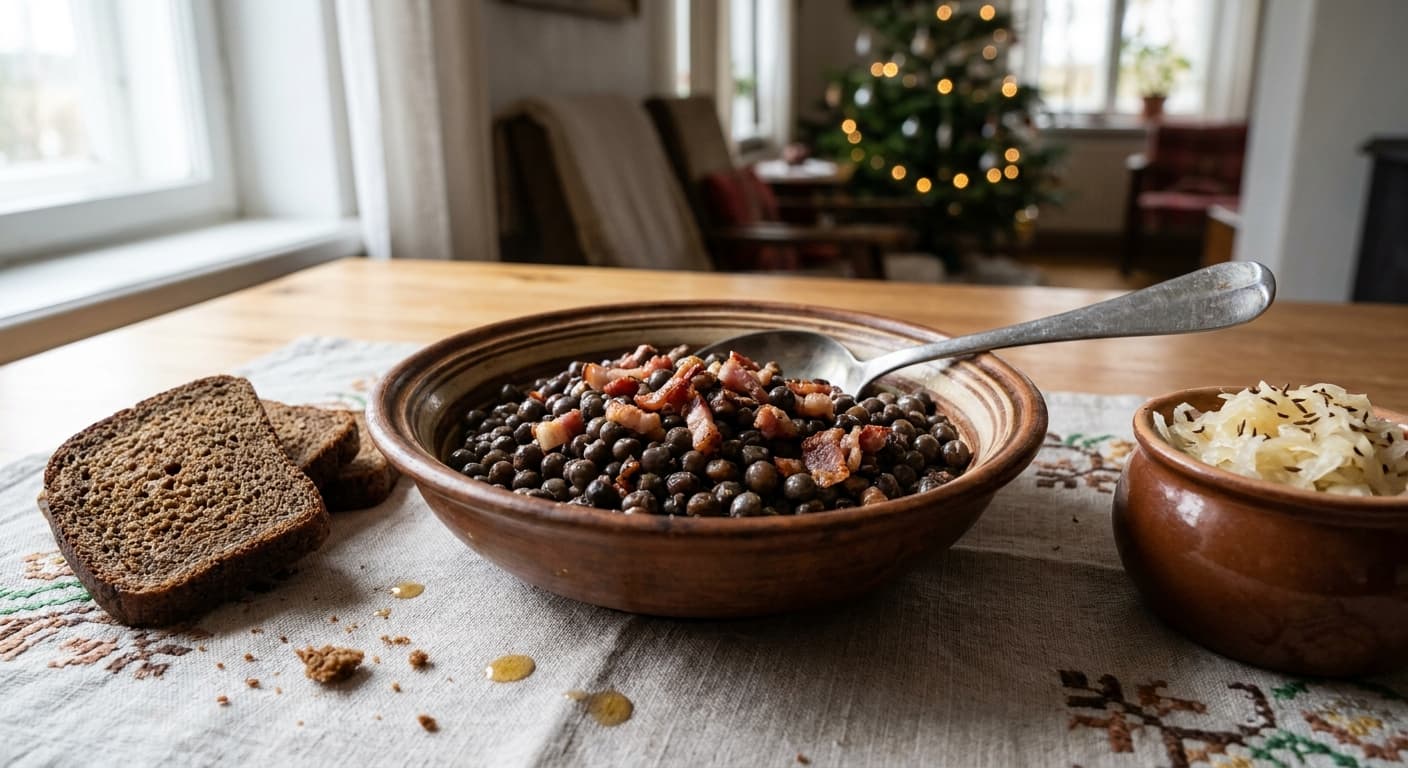
Grey Peas with Speck (Pelēkie zirņi ar speķi) — Latvian Christmas Peas
Latvian · Main Courses · 110 min
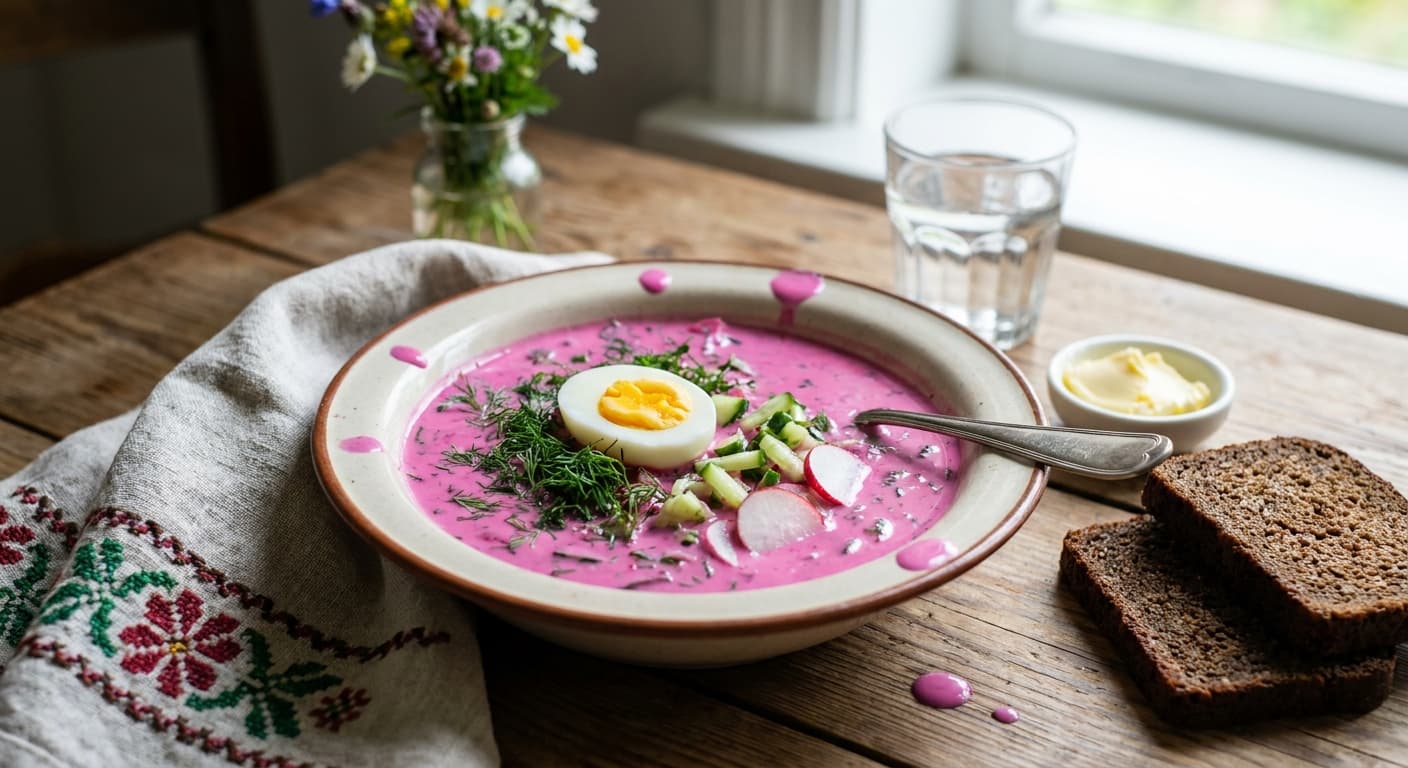
Cold Beet Soup (Aukstā zupa) — Latvian Kefir Beet Summer Soup
Latvian · Soups · 45 min
Reviews
Cooked this recipe?
Tap the stars to rate it — that's all it takes. A few words are welcome but optional.
No ratings yet. Cooked this one? Be the first to rate it — it takes one tap.