Atayef (قطايف) — Lebanese Stuffed Pancakes with Ashta Cream and Pistachio
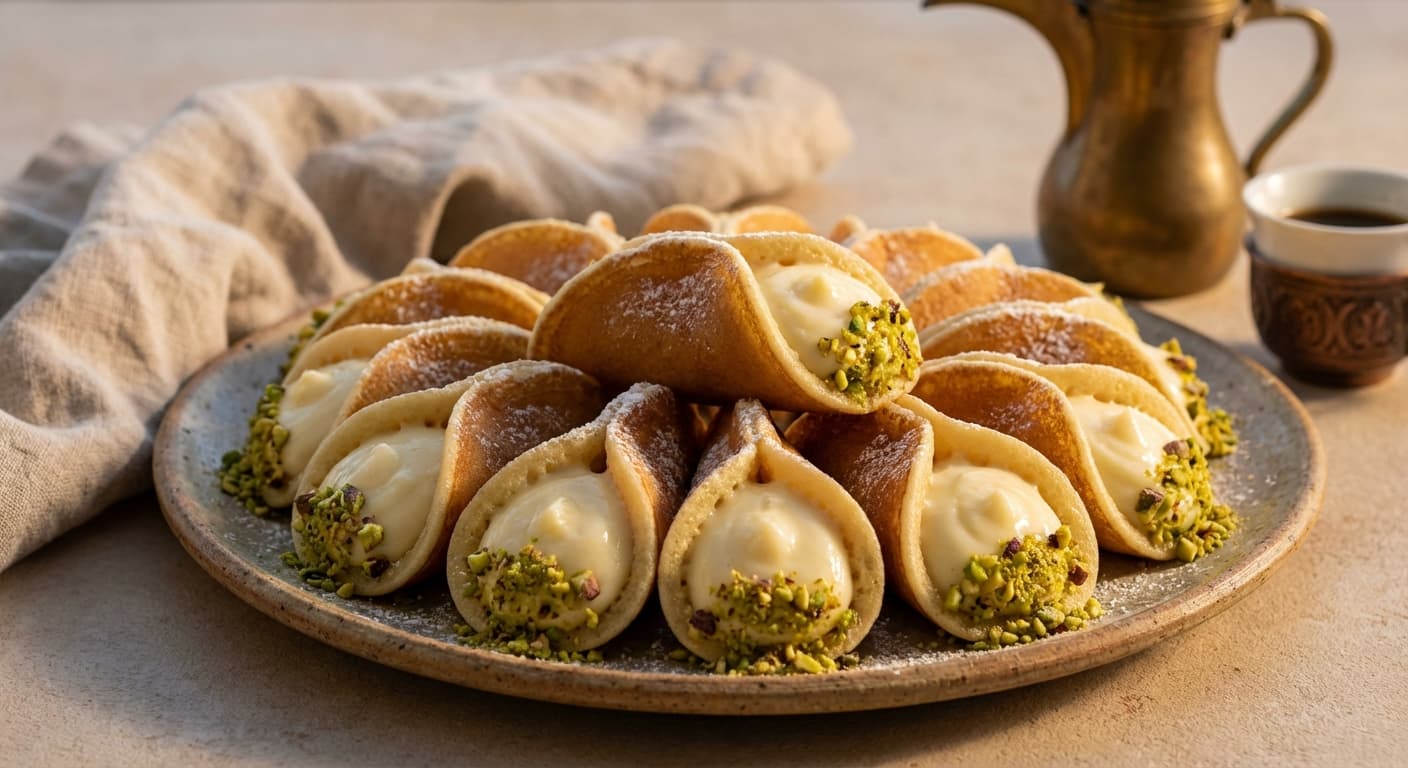
Atayef are beloved Levantine pancakes traditionally made in Ramadan, filled and served as a fragrant dessert. This Lebanese version is stuffed with ashta-style cream, finished with pistachios, and lightly perfumed with orange blossom.
Printable Recipe Card
Servings: 12 · Total: 65 min · Difficulty: medium
Ingredients (quick list)
- 160 g all-purpose flour
- 40 g fine semolina (adds traditional tenderness and light crunch)
- 12 g granulated sugar
- 8 g baking powder (about 2 tsp)
- 3 g instant yeast (about 1 tsp)
- 2 g salt (about 1/4 tsp)
- 360 ml warm water (about 38–40°C)
- 5 ml neutral oil (for lightly greasing the pan)
- 500 ml whole milk
- 200 ml heavy cream (35% fat)
- 40 g cornstarch
- 10 ml orange blossom water (about 2 tsp)
+ 3 more in the full ingredients section below.
Steps (summary)
- Make the ashta-style cream first so it has time to chill and set. In a saucepan, whisk the milk, heavy cream, sugar, and cornst…
- Place the saucepan over medium heat and whisk constantly, reaching into the corners so the starch does not stick. When the mixt…
- Remove from heat and immediately whisk in the orange blossom water and rose water for a clean floral aroma. Transfer the cream…
- Prepare the atayef batter by combining flour, semolina, sugar, baking powder, yeast, and salt in a bowl. Add the warm water and…
- Cover the bowl and let the batter rest for 20 minutes at room temperature so the yeast activates and bubbles form. After restin…
- Heat a nonstick skillet or griddle over medium heat and lightly wipe it with 5 ml neutral oil. Pour about 25–30 ml batter per p…
+ 3 more steps in the full instructions section below.
Cultural Background
Across Lebanon and the Levant, atayef are a hallmark of Ramadan evenings, sold fresh by street vendors and filled at home. Their one-sided, bubble-speckled surface is designed to cradle creamy or nutty fillings and invite sharing after iftar.
Equipment
💡 Tips
- Cook atayef on one side only; flipping dries them out and prevents proper sealing.
- Keep cooked pancakes covered with a towel so the rims remain moist and pinch closed without tearing.
- Chill the ashta fully before filling to prevent weeping and to keep the pistachios crisp.
⚠️ Common Mistakes
❌ Flipping the pancakes and cooking both sides.
✅ Fix: Cook only until the top looks dry and bubbly, then remove immediately so the surface stays porous and sealable.
❌ Letting cooked atayef sit uncovered so the edges dry out.
✅ Fix: Cover with a towel as you cook and fill them while still pliable; if needed, lightly mist the towel with water.
❌ Filling with warm cream that loosens and leaks.
✅ Fix: Chill the ashta until thick and cold, then portion it quickly and return finished pieces to the fridge.
🧊 How to Store
Store filled atayef in a single layer in an airtight container in the refrigerator for up to 2 days. For best texture, keep pistachios separate and add before serving; these are not ideal for reheating, so serve chilled or briefly at cool room temperature.
📅 Make Ahead
Cook the atayef pancakes up to 6 hours ahead and keep them covered at room temperature so they stay flexible. The ashta can be made 24 hours ahead and refrigerated; fill and garnish close to serving for the freshest texture.
🍽️ Pairs Well With
- Arabic coffee
- mint tea
- fresh berries
- a drizzle of light sugar syrup (optional).
Regional Variations
- Lebanese atayef are often filled with ashta and finished with pistachio, especially for festive Ramadan platters.
- In other Levantine styles, atayef are stuffed with sweetened walnuts and cinnamon, then fried or baked and soaked in syrup.
- Some modern pastry shops pipe stabilized ashta and garnish with candied orange peel for a more elaborate presentation.
Ingredients
- 160 gall-purpose flour
- 40 gfine semolina (adds traditional tenderness and light crunch)
- 12 ggranulated sugar
- 8 gbaking powder (about 2 tsp)
- 3 ginstant yeast (about 1 tsp)
- 2 gsalt (about 1/4 tsp)
- 360 mlwarm water (about 38–40°C)
- 5 mlneutral oil (for lightly greasing the pan)
- 500 mlwhole milk
- 200 mlheavy cream (35% fat)
- 40 gcornstarch
- 10 mlorange blossom water (about 2 tsp)
- 5 mlrose water (about 1 tsp)
- 60 gunsalted pistachios (finely chopped)
- 15 gpowdered sugar (optional dusting)
🔄 Substitutions
- orange blossom water→ rose water
- fine semolina→ all-purpose flour
- pistachios→ toasted almonds
Instructions
- 1
Make the ashta-style cream first so it has time to chill and set. In a saucepan, whisk the milk, heavy cream, sugar, and cornstarch until completely smooth with no visible lumps.
- 2
Place the saucepan over medium heat and whisk constantly, reaching into the corners so the starch does not stick. When the mixture thickens to a pudding-like consistency and begins to bubble, cook 60 more seconds while whisking to remove any starchy taste.
- 3
Remove from heat and immediately whisk in the orange blossom water and rose water for a clean floral aroma. Transfer the cream to a shallow dish, press plastic wrap directly onto the surface, and chill for at least 60 minutes until cold and scoopable.
- 4
Prepare the atayef batter by combining flour, semolina, sugar, baking powder, yeast, and salt in a bowl. Add the warm water and whisk until you have a smooth, pourable batter; it should be slightly thinner than American pancake batter and free of dry pockets.
- 5
Cover the bowl and let the batter rest for 20 minutes at room temperature so the yeast activates and bubbles form. After resting, stir gently for 10 seconds to even out the texture without knocking out all the air.
- 6
Heat a nonstick skillet or griddle over medium heat and lightly wipe it with 5 ml neutral oil. Pour about 25–30 ml batter per pancake to form 8–9 cm rounds; cook only on the first side until the top is covered in bubbles and looks dry, about 90–120 seconds.
- 7
Remove each pancake as soon as the surface is dry and the bottom is pale golden, then place it on a clean towel with the cooked side down. Keep the pancakes in a single layer and cover them with another towel so the edges stay pliable and do not crack when you seal them.
- 8
Fill and seal while the pancakes are still soft and slightly warm. Spoon 18–22 g chilled ashta into the center of each pancake, then pinch the edges together firmly to seal about two-thirds of the way, forming a little cone or half-moon pocket with an open top.
- 9
Dip the exposed cream lightly into the chopped pistachios so they cling to the filling and add crunch. Arrange on a serving platter and chill 10 minutes if needed so the cream stays stable, then dust with 15 g powdered sugar just before serving for a clean finish.
🪪 Recipe Passport
Cultural Background
Across Lebanon and the Levant, atayef are a hallmark of Ramadan evenings, sold fresh by street vendors and filled at home. Their one-sided, bubble-speckled surface is designed to cradle creamy or nutty fillings and invite sharing after iftar.
Regional Variations
Researched from multiple sources and validated by the Zaffaron editorial team. Every recipe is tested for accuracy, measurements, and cultural authenticity.
Nutrition per serving
Pairs well with
If you enjoyed this recipe, here are a few related Zaffaron recipes to try next.
Does your family make this differently?
Every family has their own version. Maybe your grandmother adds a secret ingredient, or your aunt has a completely different technique. Preserve your family's version — with their name on it, forever.
You Might Also Like
Lebanese Tabbouleh (تبولة لبنانية) — Parsley Bulgur Herb Salad
Lebanese · Salads · 35 min
Meghli (مغلي) — Lebanese Spiced Rice Pudding with Nuts
Lebanese · Desserts · 40 min
Arayess (عرايس) — Lebanese Grilled Stuffed Pita with Spiced Meat
Lebanese · Kebabs · 34 min
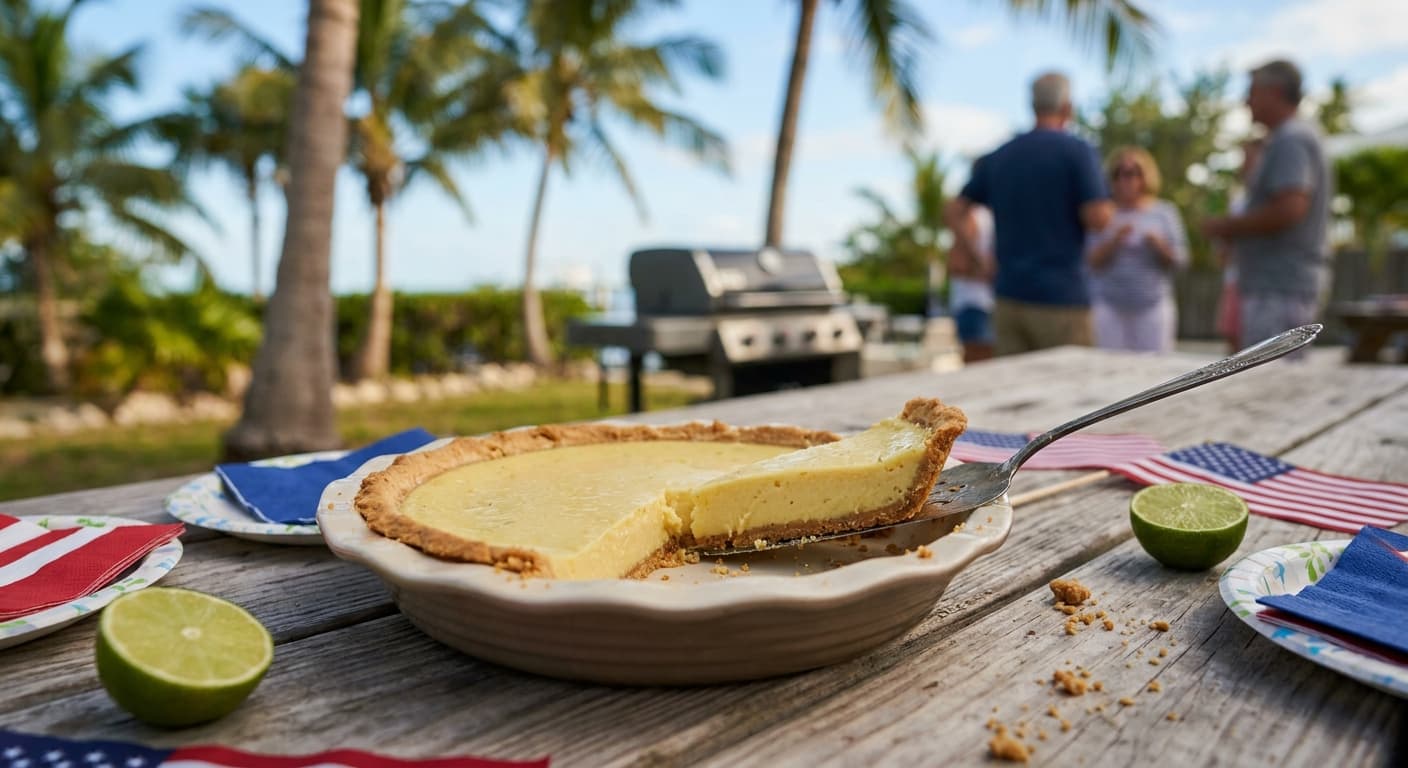
Key Lime Pie (Key Lime Pie) — Florida Keys Citrus Custard Pie
American · Desserts · 50 min
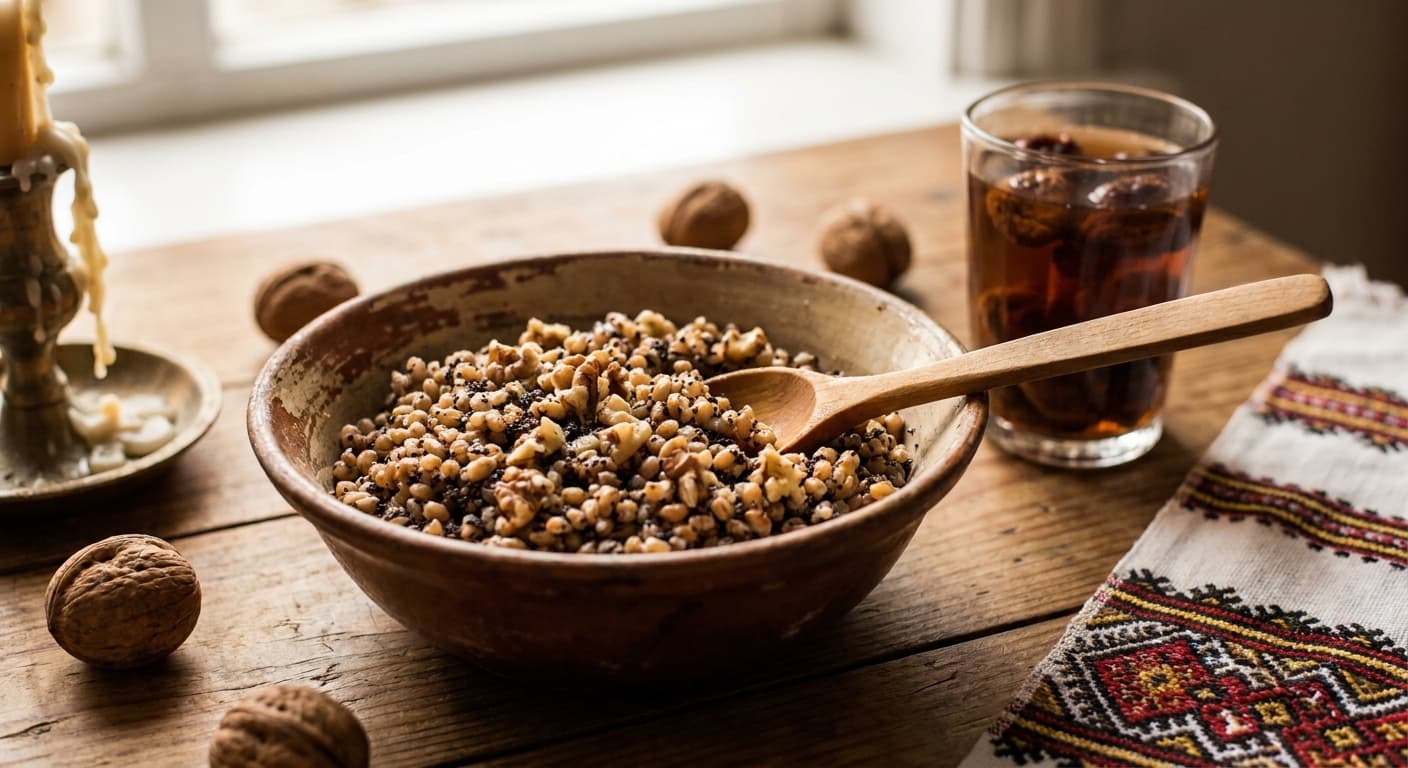
Kutia (Кутя) — Ukrainian Christmas Wheat Berry Pudding
Ukrainian · Desserts · 105 min
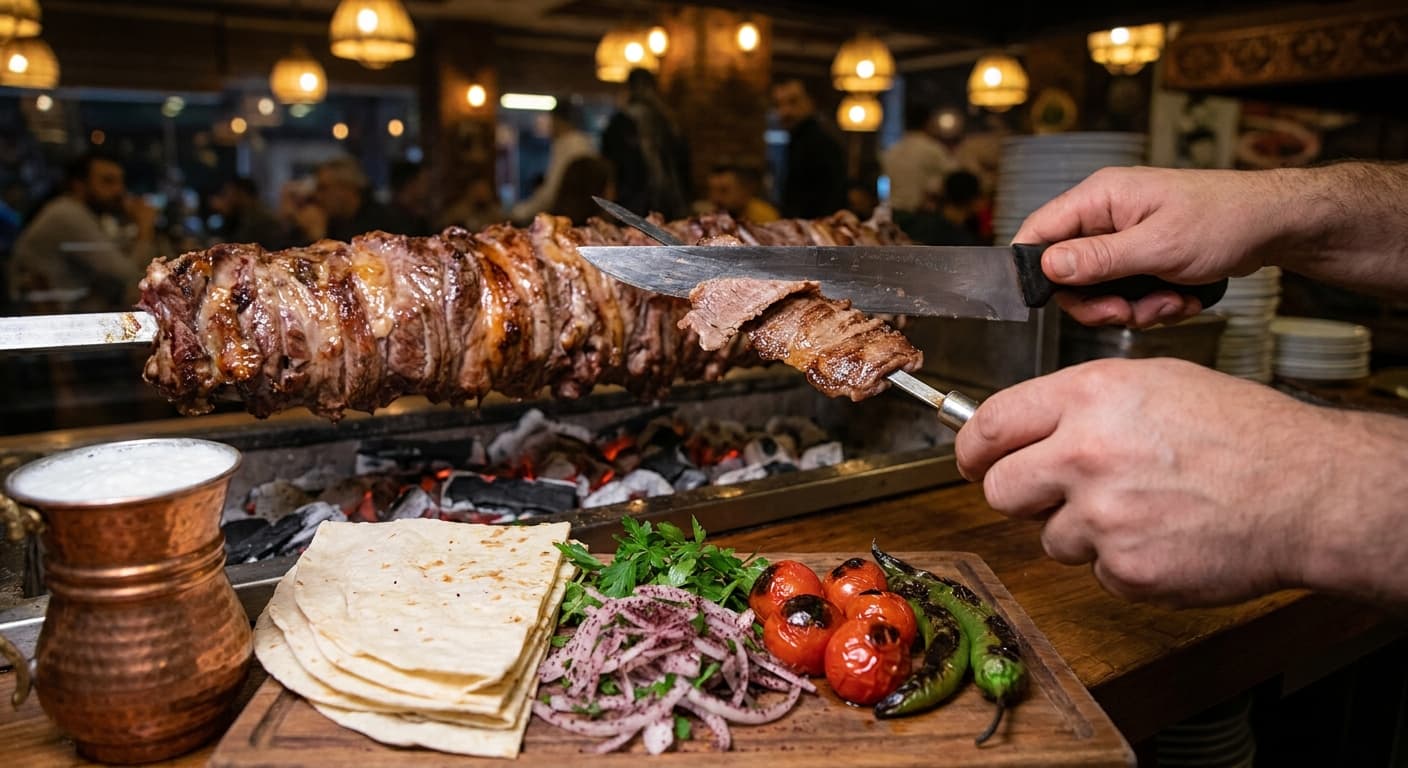
Turkish Cağ Kebab (Cağ Kebabı) — Erzurum Slow-Roasted Charcoal Lamb Skewer
Turkish · Kebabs · 160 min
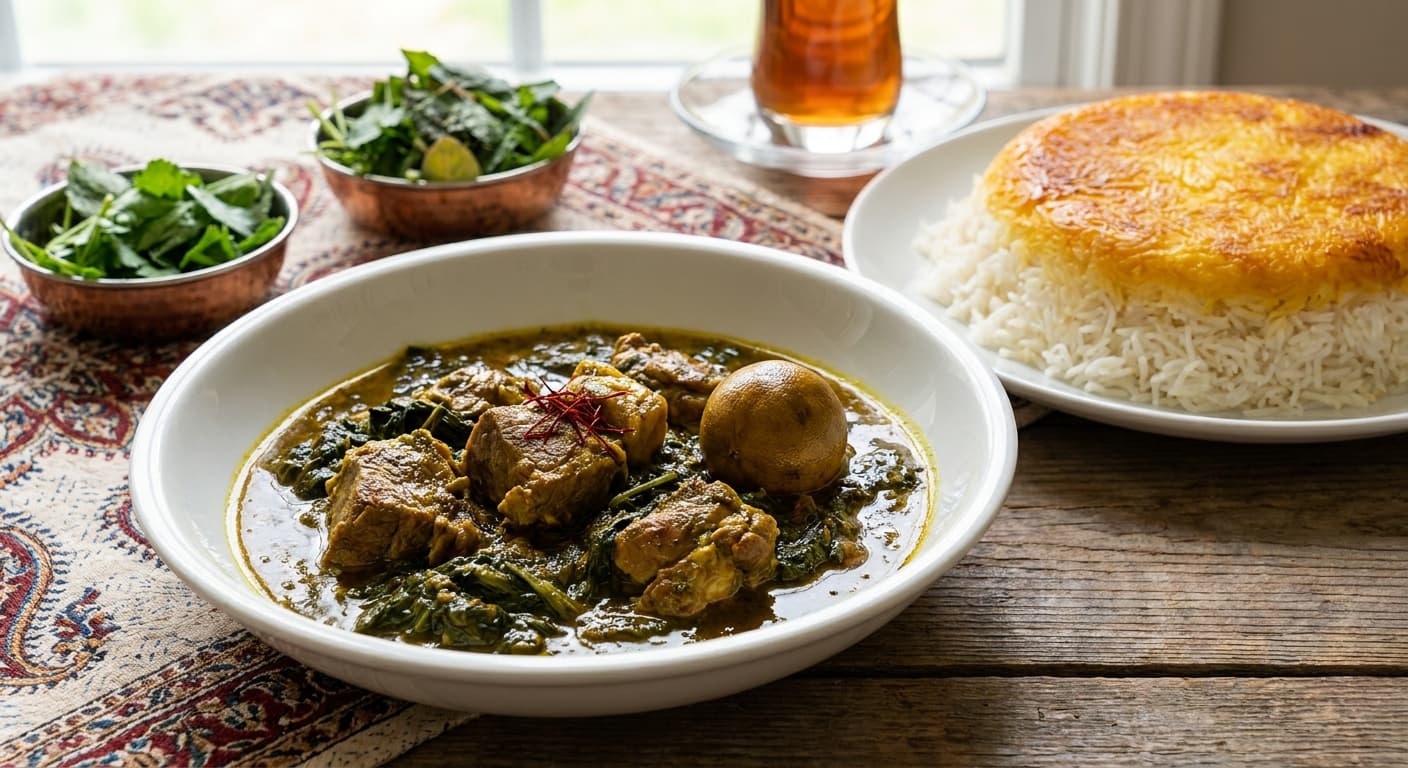
Persian Khoresht Saak (خورش ساک) — Saffron-Cardamom Lamb Stew with Saak Greens
Persian · Stews · 145 min
Bhapa Pitha (ভাপা পিঠা) — Steamed Rice Cakes with Coconut and Date Palm Jaggery
Bangladeshi · Desserts · 67 min
Reviews
Cooked this recipe?
Tap the stars to rate it — that's all it takes. A few words are welcome but optional.
No ratings yet. Cooked this one? Be the first to rate it — it takes one tap.