Bissara (بصارة) — Moroccan Fava Bean Soup with Cumin and Olive Oil
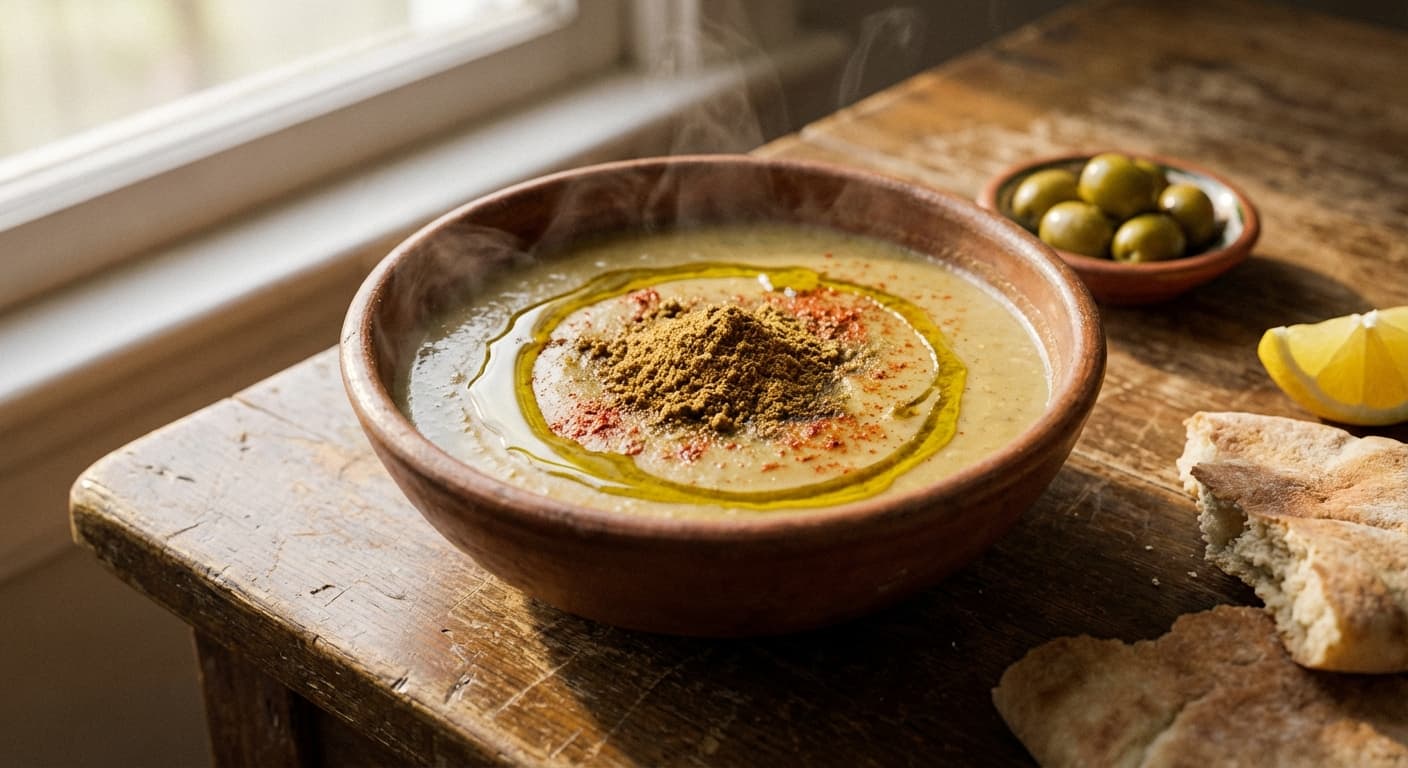
Bissara is a beloved Moroccan street-food soup made from dried fava beans, simmered until creamy and finished with cumin and olive oil. It’s especially popular in cooler months, served thick with bread for a simple, nourishing meal.
Printable Recipe Card
Servings: 4 · Total: 80 min · Difficulty: easy
Ingredients (quick list)
- 300 g dried split fava beans (peeled) (also sold as split broad beans)
- 1200 ml water
- 4 clove garlic cloves (finely grated or minced)
- 3 tsp ground cumin
- 1 tsp sweet paprika (optional but traditional in many homes)
- 4 tbsp extra-virgin olive oil
- 1.5 tsp salt
- 0.25 tsp black pepper (freshly ground)
- 4 wedge lemon wedges (optional, for brightness)
Steps (summary)
- Rinse the split fava beans under cold water until the water runs mostly clear. Drain well, then check quickly for any small sto…
- Add the beans and 1200 ml water to a pot and bring to a boil over medium-high heat. Skim off any foam that rises in the first 5…
- Stir in the minced garlic, 3 tsp ground cumin (for the soup), salt, and black pepper. Cover partially and simmer for 55–65 minu…
- Blend the soup until completely smooth using an immersion blender, or carefully transfer to a blender in batches and return it…
- Ladle the bissara into warm bowls while it is still steaming hot. Top each bowl with a drizzle of olive oil (about 1 tbsp per s…
- Serve immediately with bread for scooping, and add a lemon wedge on the side if you like a brighter finish. If the soup sits an…
Cultural Background
In Morocco, bissara is a humble, filling soup associated with winter mornings and street stalls, where it’s served thick and steaming with cumin and olive oil. It reflects the North African tradition of turning dried legumes into comforting, affordable daily nourishment.
Equipment
💡 Tips
- For the most authentic texture, cook the beans until they are fully collapsing before blending; undercooked beans taste chalky even after pureeing.
- Keep the simmer gentle and stir frequently after blending to prevent scorching on the bottom of the pot.
- For a street-style bowl, make it thicker than typical soup and finish with extra cumin and a full 1 tbsp olive oil per serving.
⚠️ Common Mistakes
❌ Blending before the beans are fully tender, leaving a gritty mouthfeel.
✅ Fix: Simmer longer until the beans crush easily between fingers, then blend and simmer again to thicken.
❌ Scorching the soup after blending because it is very thick.
✅ Fix: Use low heat, stir every 30–60 seconds, and add 60–120 ml water if it feels too stiff.
❌ Adding all the cumin only during cooking, resulting in a flatter finish.
✅ Fix: Reserve part of the cumin for the bowl garnish to deliver the signature aroma right before eating.
🧊 How to Store
Cool leftovers to room temperature within 2 hours, then refrigerate in an airtight container for up to 4 days. Reheat gently on the stove with 100–200 ml water, stirring often, and finish with fresh olive oil and cumin just before serving.
📅 Make Ahead
Cook and blend the soup up to 3 days ahead and refrigerate; it will thicken as it chills. Reheat with added water to restore a creamy texture, then garnish with fresh cumin, paprika, and olive oil right before serving.
🍽️ Pairs Well With
- Moroccan khobz
- barley bread
- olives
- harissa on the side
- chopped tomato-cucumber salad
Regional Variations
- Northern Morocco: Often served very thick, almost like a puree, with generous olive oil and extra cumin on top.
- With herbs: Some households blend in 10 g chopped cilantro near the end for a greener, fresher profile.
- Spicy finish: A small spoon of harissa is served alongside, letting each person add heat without changing the base soup.
Ingredients
- 300 gdried split fava beans (peeled) (also sold as split broad beans)
- 1200 mlwater
- 4 clovegarlic cloves (finely grated or minced)
- 3 tspground cumin
- 1 tspsweet paprika (optional but traditional in many homes)
- 4 tbspextra-virgin olive oil
- 1.5 tspsalt
- 0.25 tspblack pepper (freshly ground)
- 4 wedgelemon wedges (optional, for brightness)
🔄 Substitutions
- dried split fava beans (peeled)→ dried split yellow peas
- sweet paprika→ smoked paprika
- lemon wedges→ 1 tsp preserved lemon rind (finely minced) per pot
Instructions
- 1
Rinse the split fava beans under cold water until the water runs mostly clear. Drain well, then check quickly for any small stones or dark bits and discard them.
- 2
Add the beans and 1200 ml water to a pot and bring to a boil over medium-high heat. Skim off any foam that rises in the first 5 minutes, then reduce to a gentle simmer.
- 3
Stir in the minced garlic, 3 tsp ground cumin (for the soup), salt, and black pepper. Cover partially and simmer for 55–65 minutes, stirring every 10 minutes, until the beans are very soft and starting to break down.
- 4
Blend the soup until completely smooth using an immersion blender, or carefully transfer to a blender in batches and return it to the pot. Simmer uncovered for 5–10 minutes to thicken, stirring often, until it reaches a creamy, spoon-coating consistency.
- 5
Ladle the bissara into warm bowls while it is still steaming hot. Top each bowl with a drizzle of olive oil (about 1 tbsp per serving), a pinch of cumin from the remaining 2 tsp, and a light dusting of paprika if using.
- 6
Serve immediately with bread for scooping, and add a lemon wedge on the side if you like a brighter finish. If the soup sits and thickens too much, loosen it with 30–60 ml hot water per bowl and stir until silky again.
🪪 Recipe Passport
Cultural Background
In Morocco, bissara is a humble, filling soup associated with winter mornings and street stalls, where it’s served thick and steaming with cumin and olive oil. It reflects the North African tradition of turning dried legumes into comforting, affordable daily nourishment.
Regional Variations
Researched from multiple sources and validated by the Zaffaron editorial team. Every recipe is tested for accuracy, measurements, and cultural authenticity.
Nutrition per serving
Pairs well with
If you enjoyed this recipe, here are a few related Zaffaron recipes to try next.
Does your family make this differently?
Every family has their own version. Maybe your grandmother adds a secret ingredient, or your aunt has a completely different technique. Preserve your family's version — with their name on it, forever.
You Might Also Like
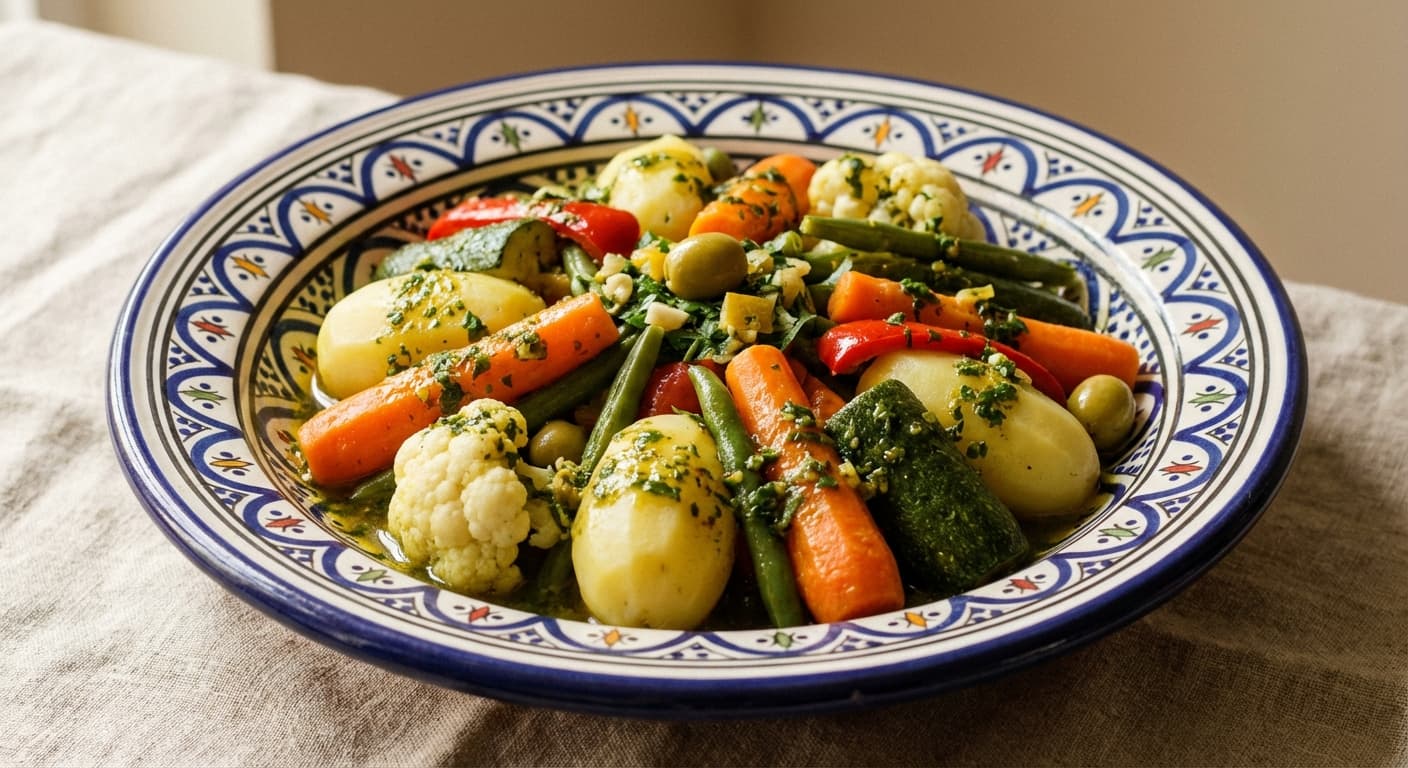
Khoudra Mchermla (خضرة مشرملة) — Moroccan Mixed Vegetables in Lemony Chermoula
Moroccan · Salads · 45 min
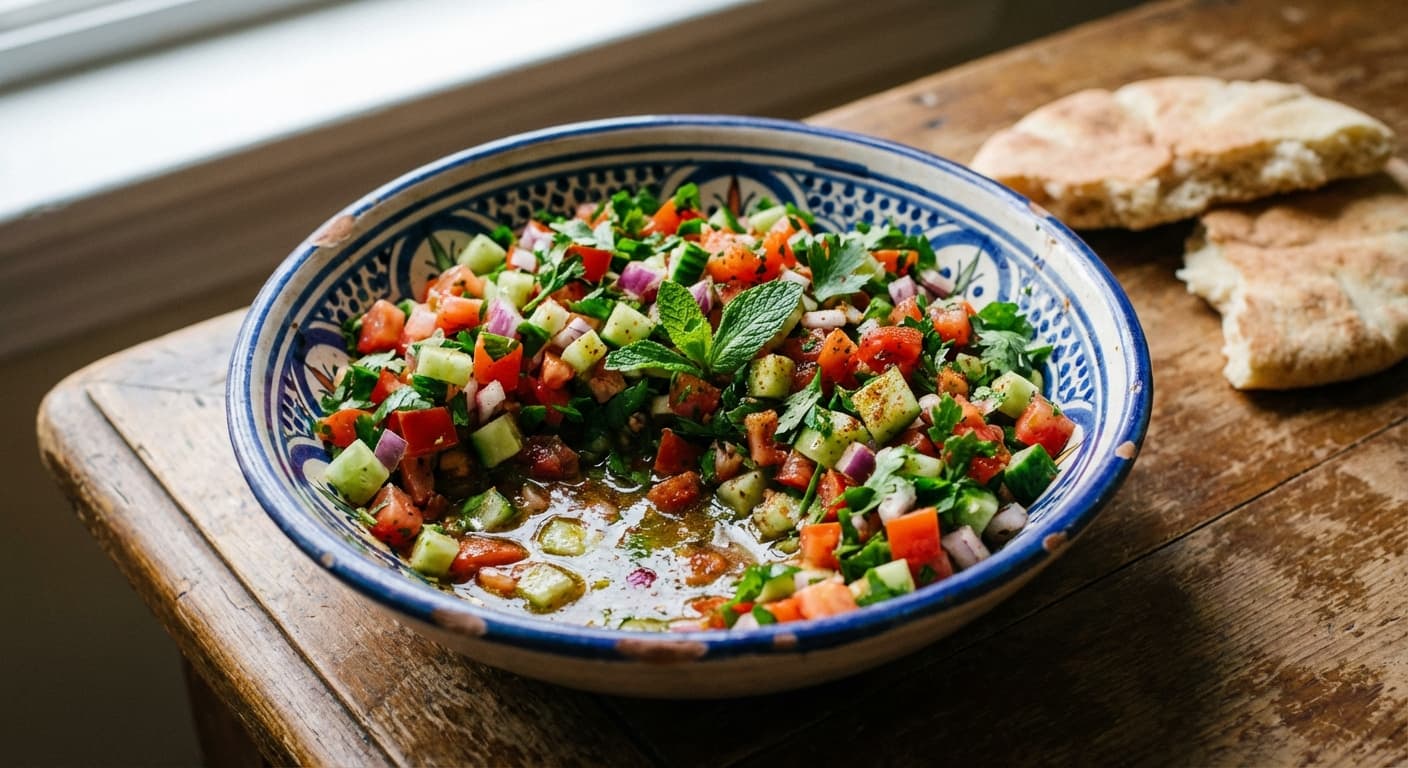
Chlada Maghribia (شلادة مغربية) — Moroccan Tomato-Cucumber Salad with Herbs
Moroccan · Salads · 15 min
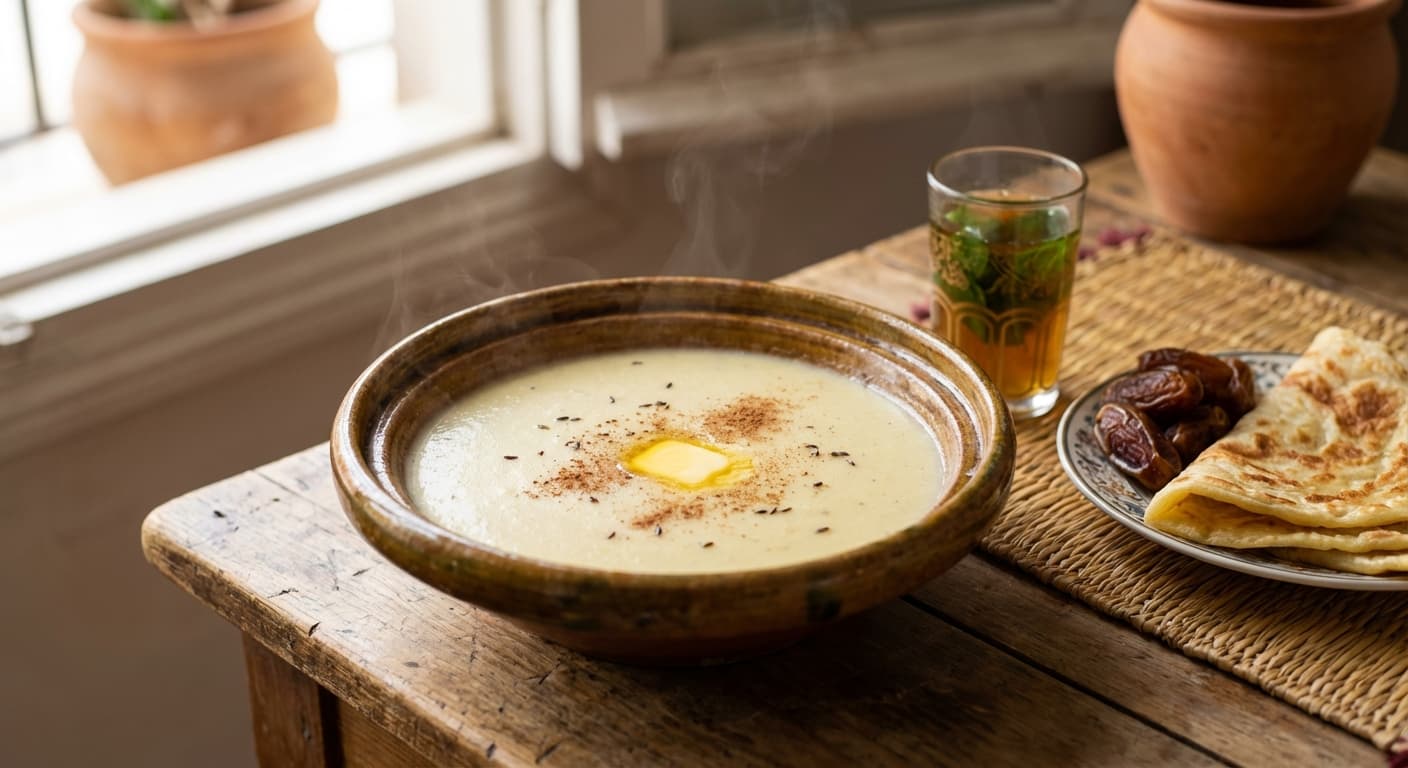
Hssoua d Smida (حسوة د سميدة) — Moroccan Semolina Soup Scented with Anise and Butter
Moroccan · Soups · 20 min
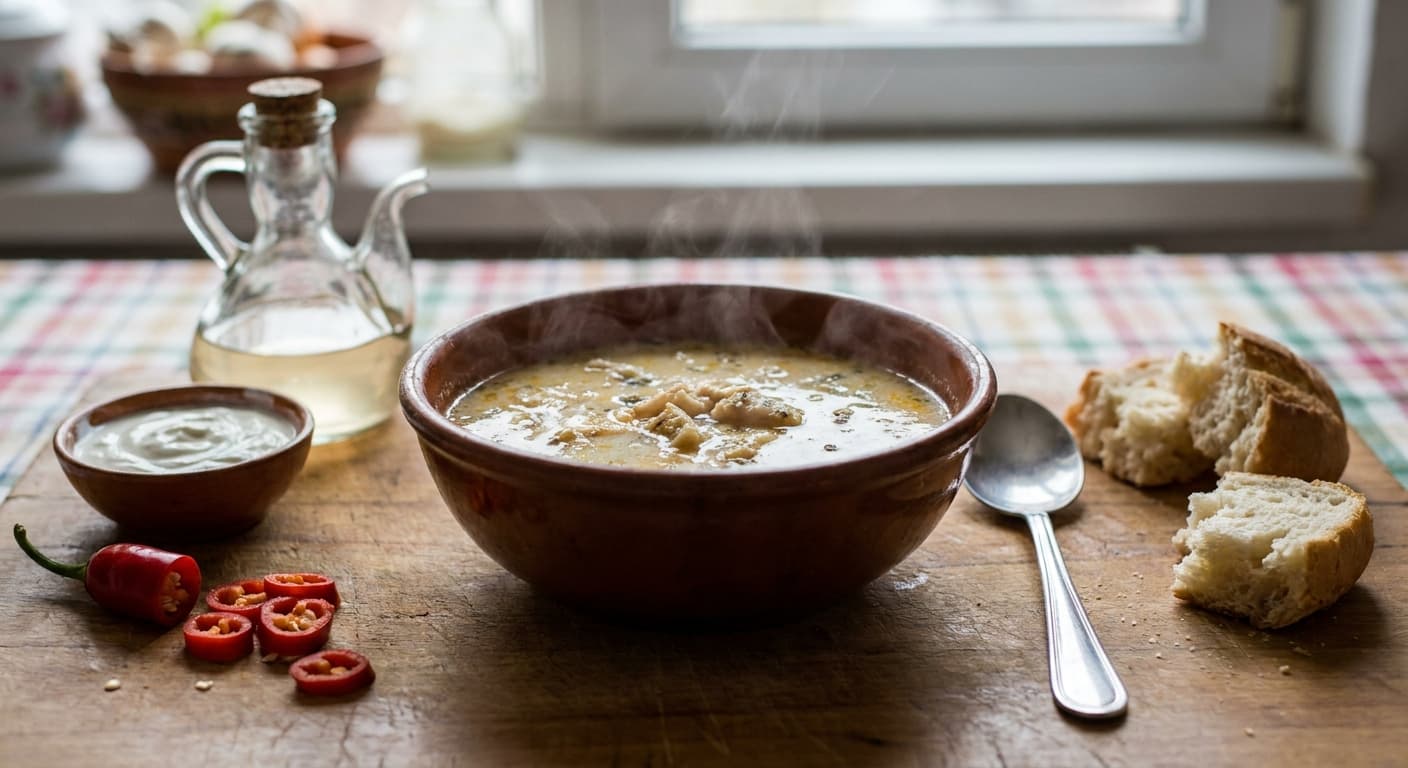
Romanian Tripe Soup (Ciorbă de burtă) — Creamy Sour Beef Tripe Soup
Romanian · Soups · 270 min
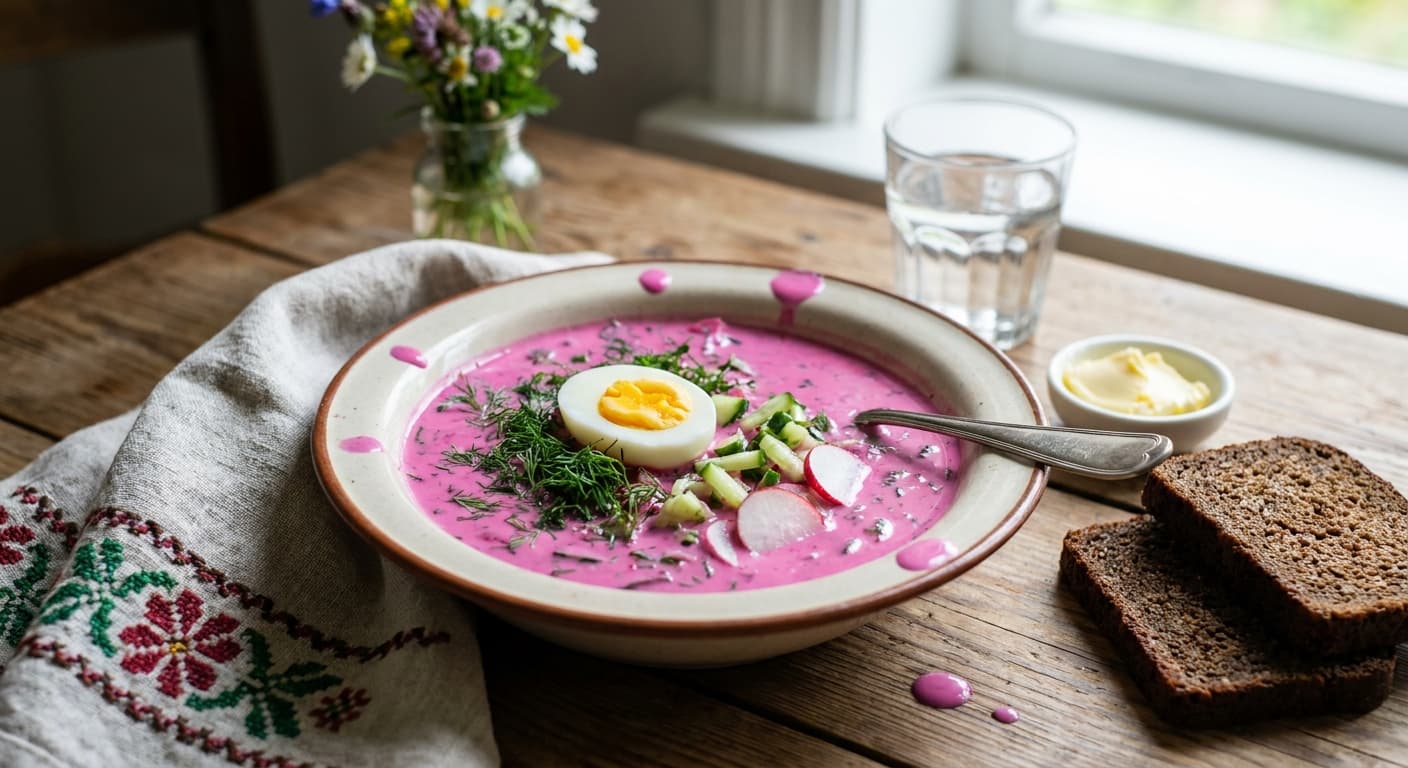
Cold Beet Soup (Aukstā zupa) — Latvian Kefir Beet Summer Soup
Latvian · Soups · 45 min
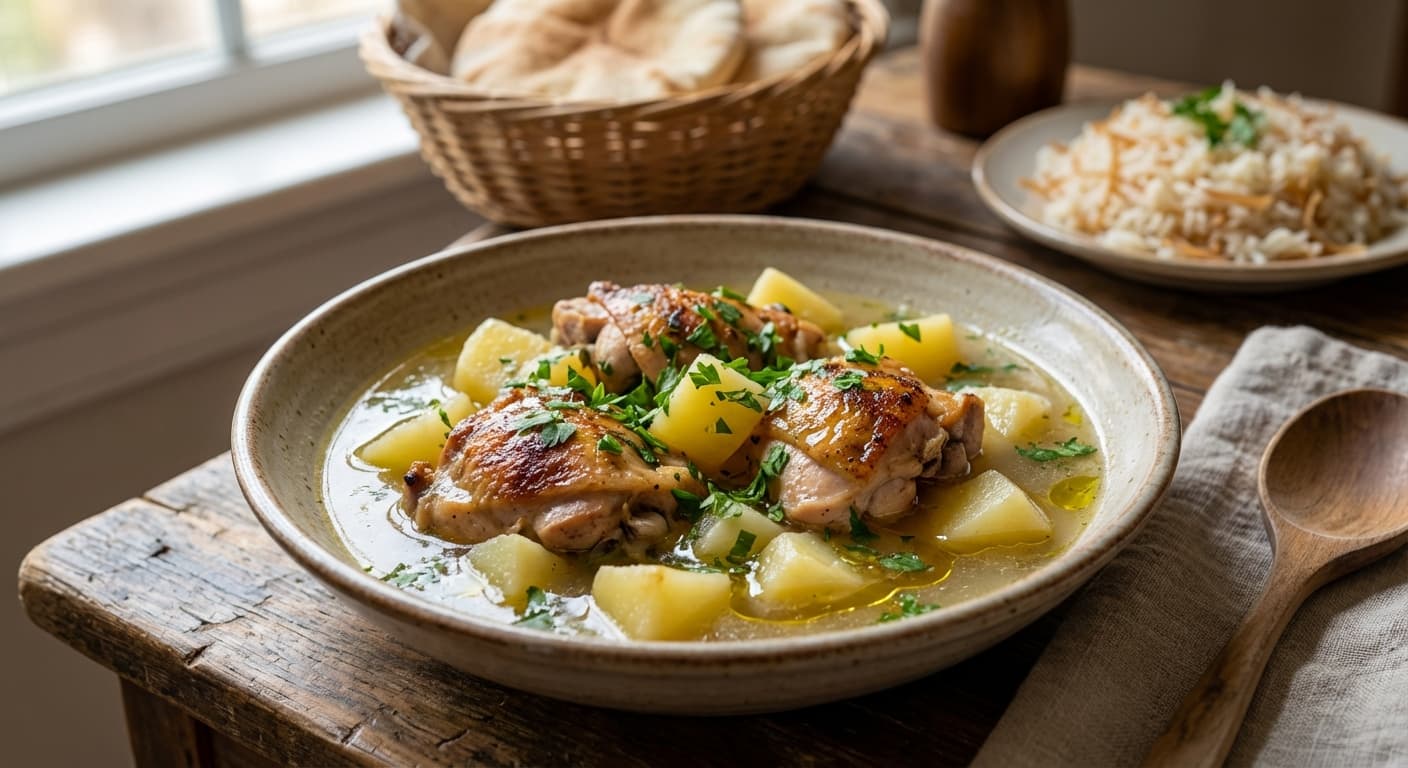
Djej Bi Batata (دجاج ببطاطا) — Lebanese Chicken Stew with Potatoes and Garlic
Lebanese · Stews · 75 min
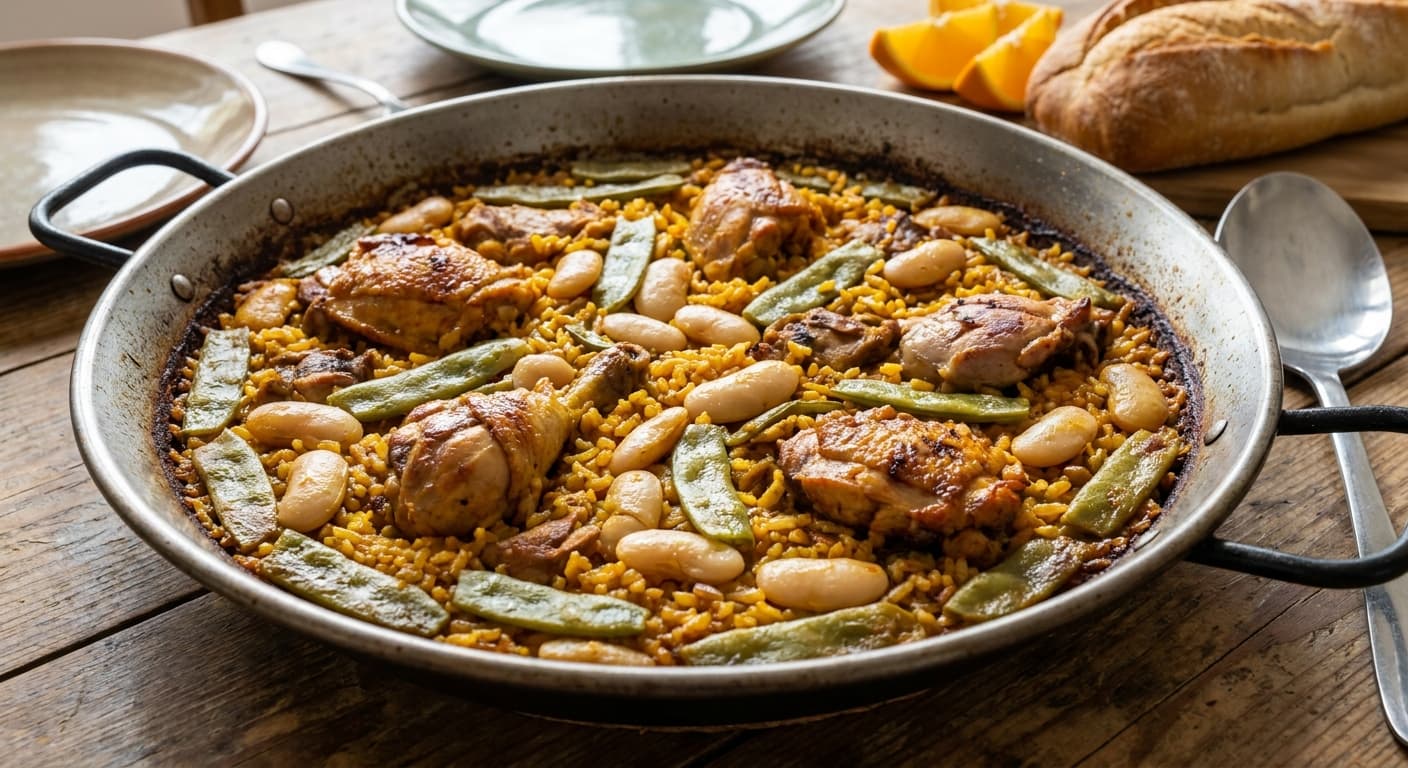
Valencian Paella (Paella Valenciana) — Saffron Rice with Rabbit, Chicken, and Beans
Spanish · Rice Dishes · 70 min
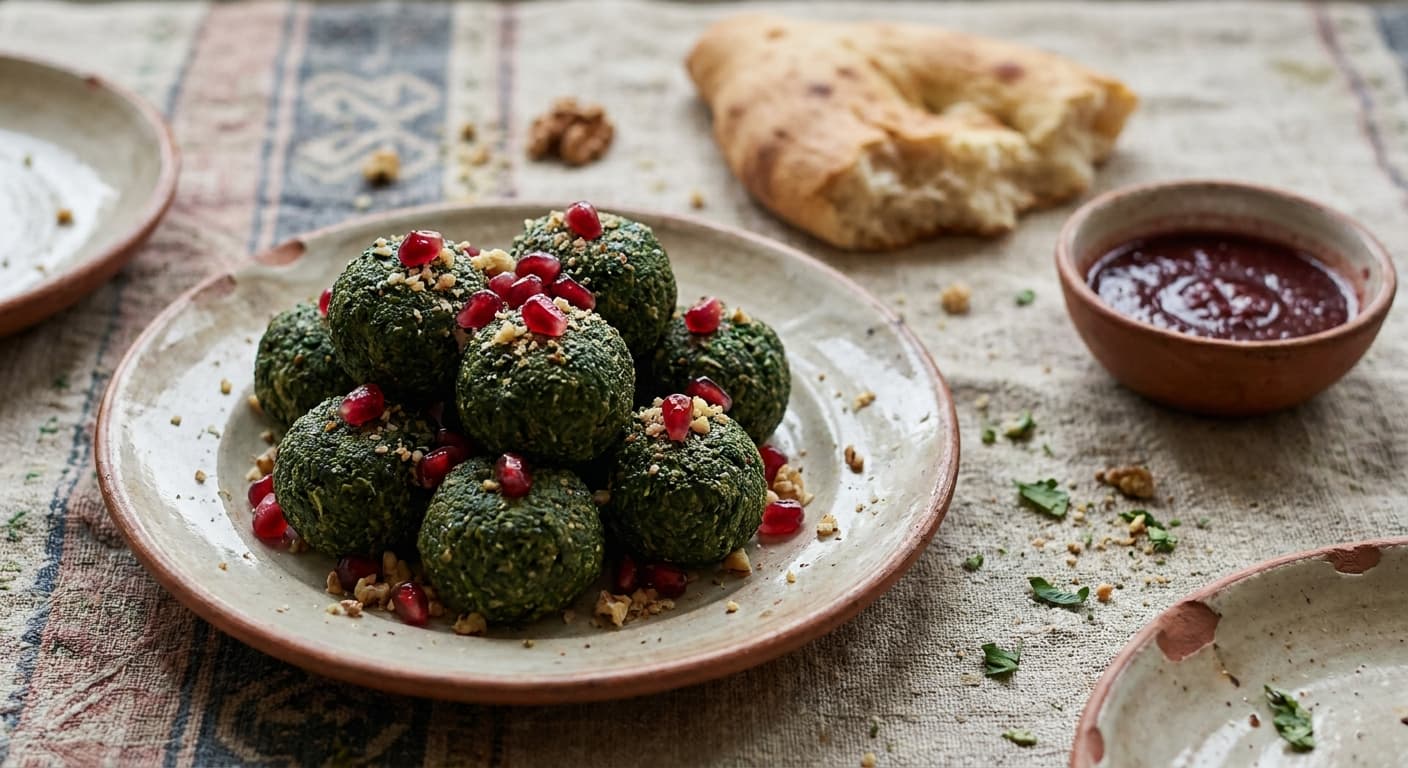
Pkhali (ფხალი) — Georgian Spinach-Walnut Appetizer
Georgian · Appetizers · 35 min
Reviews
Cooked this recipe?
Tap the stars to rate it — that's all it takes. A few words are welcome but optional.
No ratings yet. Cooked this one? Be the first to rate it — it takes one tap.