Briam (Μπριάμ) — Greek Oven-Roasted Summer Vegetables with Olive Oil
Briam is a classic Greek ladera dish where summer vegetables are roasted until silky and caramelized in generous olive oil. It’s humble, seasonal, and deeply Mediterranean—often served at room temperature with bread and feta.
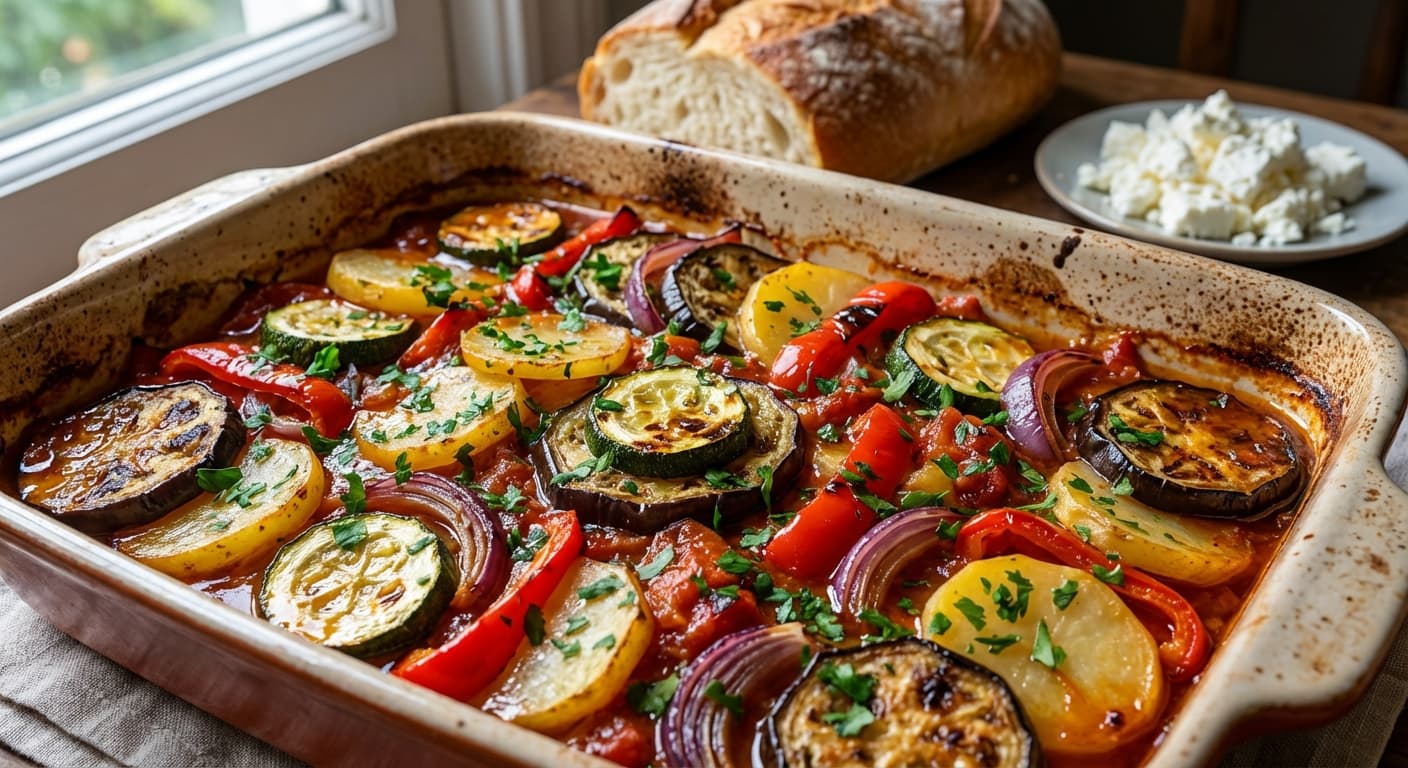
Printable Recipe Card
Servings: 6 · Total: 100 min · Difficulty: easy
Ingredients (quick list)
- 500 g zucchini (cut into 1 cm half-moons)
- 450 g eggplant (cut into 2 cm cubes)
- 600 g potatoes (peeled and cut into 6 mm slices)
- 200 g red bell pepper (cut into 2 cm strips)
- 200 g yellow onion (thinly sliced)
- 18 g garlic (about 4 cloves, thinly sliced)
- 450 g tomatoes (grated or finely chopped)
- 20 g tomato paste (about 1 tbsp)
- 90 ml extra-virgin olive oil
- 120 ml water
- 15 ml lemon juice (about 1 tbsp)
- 2 tsp dried oregano
+ 3 more in the full ingredients section below.
Steps (summary)
- Heat the oven to 200°C (392°F) and position a rack in the middle. Choose a large roasting pan (about 33×23 cm) so the vegetable…
- Prep the vegetables so they cook evenly: slice the potatoes to about 6 mm, cut the zucchini into half-moons, cube the eggplant,…
- In a large bowl, whisk the grated tomatoes, tomato paste, water, lemon juice, oregano, salt, and black pepper until smooth. Pou…
- Add the potatoes, eggplant, zucchini, pepper, onion, and sliced garlic to the bowl and toss thoroughly until everything is even…
- Cover the pan tightly with foil and roast for 35 minutes to soften the potatoes and start the vegetables cooking in their own j…
- Remove the foil, stir carefully from the bottom to bring the sauce up and prevent sticking, then return to the oven uncovered.…
+ 1 more steps in the full instructions section below.
Cultural Background
Briam belongs to Greece’s beloved ladera tradition—vegetables cooked with plenty of olive oil, especially in summer when gardens overflow. Often eaten at room temperature with bread and cheese, it reflects the Greek rhythm of seasonal, simple, olive-oil-forward cooking.
Equipment
💡 Tips
- For deeper roasting, keep the vegetables in a single layer; if your pan is small, use two pans and rotate them halfway through.
- If the pan looks dry at the uncovered stage, add exactly 30 ml water around the edges and stir once to loosen the juices.
- Briam tastes best after a 30-minute rest; the olive oil and tomato concentrate into a richer sauce as it cools slightly.
⚠️ Common Mistakes
❌ Cutting potatoes too thick so they stay firm while other vegetables overcook.
✅ Fix: Slice potatoes to about 6 mm and keep pieces uniform; if already cut thick, extend the covered roasting stage by 10–15 minutes.
❌ Overcrowding the pan, causing steaming instead of roasting.
✅ Fix: Use a larger pan or two pans and roast uncovered long enough for evaporation and browning, stirring once to expose new surfaces.
❌ Skipping the rest time and serving immediately, leaving the sauce thin and oily.
✅ Fix: Rest 10–30 minutes so the tomato and olive oil emulsify into a thicker, glossy pan sauce.
🧊 How to Store
Cool to room temperature within 2 hours, then refrigerate in an airtight container for up to 4 days. Reheat in a 180°C oven for 15–20 minutes or warm gently on the stove with 15 ml water; it’s also excellent served cold or at room temperature.
📅 Make Ahead
You can cut all vegetables up to 24 hours ahead and refrigerate them in separate containers. Mix the tomato-olive oil sauce up to 2 days ahead, then toss and roast just before serving for the best caramelized edges.
🍽️ Pairs Well With
- Crusty bread
- feta cheese
- Kalamata olives
- Greek salad
- rice pilaf.
Regional Variations
- Crete-style: add 150 g green beans and finish with extra oregano for a more rustic, garden-vegetable mix.
- Island variation: include 200 g thin-sliced carrots for extra sweetness and color.
- With herbs: add 5 g fresh mint along with parsley for a brighter summer aroma.
Ingredients
- 500 gzucchini (cut into 1 cm half-moons)
- 450 geggplant (cut into 2 cm cubes)
- 600 gpotatoes (peeled and cut into 6 mm slices)
- 200 gred bell pepper (cut into 2 cm strips)
- 200 gyellow onion (thinly sliced)
- 18 ggarlic (about 4 cloves, thinly sliced)
- 450 gtomatoes (grated or finely chopped)
- 20 gtomato paste (about 1 tbsp)
- 90 mlextra-virgin olive oil
- 120 mlwater
- 15 mllemon juice (about 1 tbsp)
- 2 tspdried oregano
- 15 gfresh parsley (finely chopped)
- 10 gfine sea salt (about 1 3/4 tsp)
- 1 tspblack pepper (freshly ground)
🔄 Substitutions
- eggplant→ green beans
- fresh parsley→ fresh dill
- lemon juice→ red wine vinegar
Instructions
- 1
Heat the oven to 200°C (392°F) and position a rack in the middle. Choose a large roasting pan (about 33×23 cm) so the vegetables can roast rather than steam, then lightly oil it with 5 ml of the olive oil.
- 2
Prep the vegetables so they cook evenly: slice the potatoes to about 6 mm, cut the zucchini into half-moons, cube the eggplant, and slice the onion and pepper. Keep the pieces fairly uniform, because uneven cuts lead to some vegetables collapsing while others stay undercooked.
- 3
In a large bowl, whisk the grated tomatoes, tomato paste, water, lemon juice, oregano, salt, and black pepper until smooth. Pour in the remaining 85 ml olive oil and whisk again to emulsify, which helps the sauce coat every piece and roast into a glossy glaze.
- 4
Add the potatoes, eggplant, zucchini, pepper, onion, and sliced garlic to the bowl and toss thoroughly until everything is evenly coated. Spread the mixture into the roasting pan in a mostly single layer, then scrape any remaining tomato-oil mixture over the top so it reduces into the pan juices.
- 5
Cover the pan tightly with foil and roast for 35 minutes to soften the potatoes and start the vegetables cooking in their own juices. This covered stage prevents the top from drying out before the interior becomes tender.
- 6
Remove the foil, stir carefully from the bottom to bring the sauce up and prevent sticking, then return to the oven uncovered. Roast for 35–40 minutes more, stirring once halfway, until the potatoes are fully tender and the edges of the vegetables are caramelized and lightly browned.
- 7
Turn off the oven and let the briam rest in the pan for 10 minutes so the oil and tomato juices settle into a rich, spoonable sauce. Sprinkle with the chopped parsley before serving, and serve warm or at room temperature for the most traditional flavor.
🪪 Recipe Passport
Cultural Background
Briam belongs to Greece’s beloved ladera tradition—vegetables cooked with plenty of olive oil, especially in summer when gardens overflow. Often eaten at room temperature with bread and cheese, it reflects the Greek rhythm of seasonal, simple, olive-oil-forward cooking.
Regional Variations
Researched from multiple sources and validated by the Zaffaron editorial team. Every recipe is tested for accuracy, measurements, and cultural authenticity.
Nutrition per serving
Pairs well with
If you enjoyed this recipe, here are a few related Zaffaron recipes to try next.
Does your family make this differently?
Every family has their own version. Maybe your grandmother adds a secret ingredient, or your aunt has a completely different technique. Preserve your family's version — with their name on it, forever.
You Might Also Like
Greek Spinach Pie (Σπανακόπιτα) — Flaky Feta and Spinach Phyllo Pie
Greek · Main Courses · 95 min
Bifteki (Μπιφτέκι) — Greek Grilled Beef Patties with Herbs
Greek · Main Courses · 39 min
Kotopoulo Lemonato (Κοτόπουλο Λεμονάτο) — Greek Lemon Chicken with Potatoes
Greek · Main Courses · 105 min
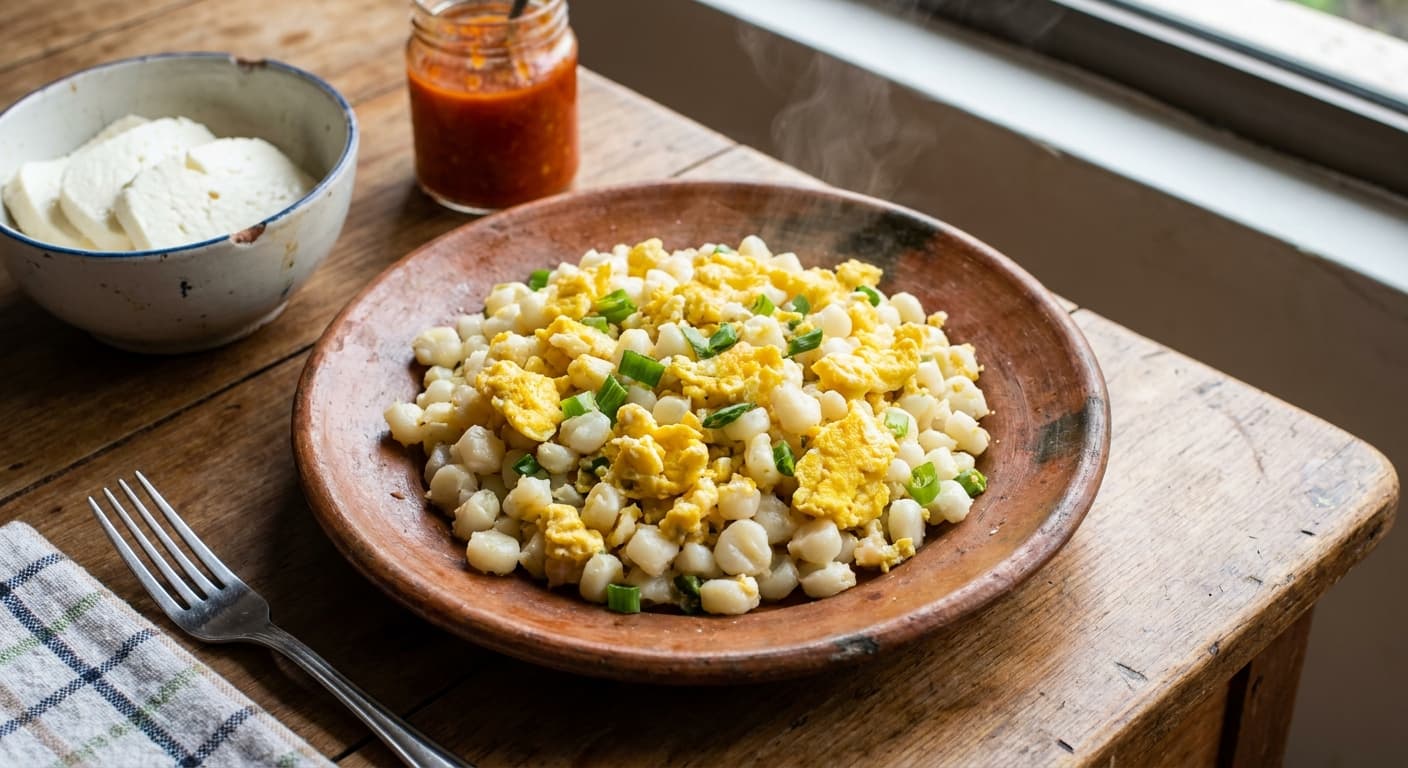
Scrambled Hominy and Eggs (Mote pillo) — Ecuadorian Highland Breakfast
Ecuadorian · Main Courses · 25 min
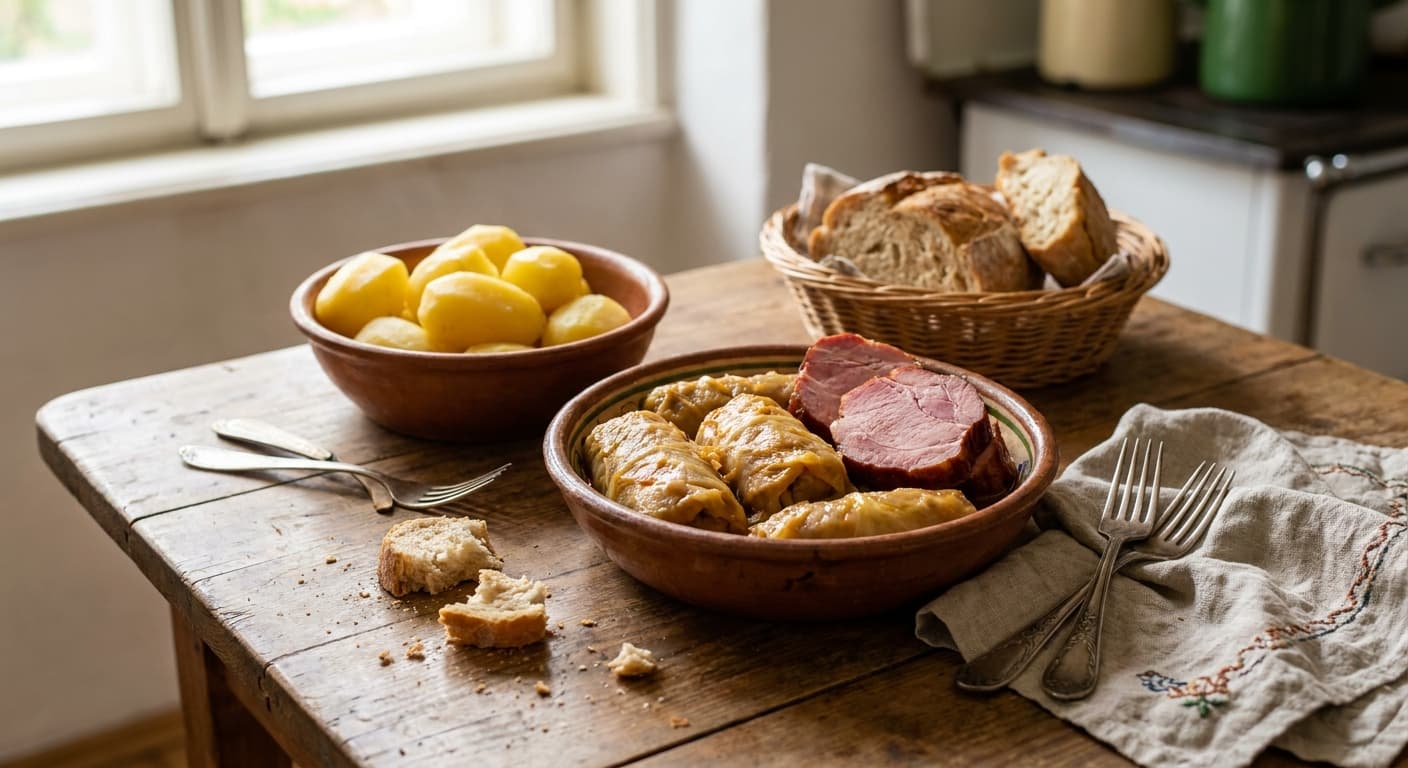
Sinj Stuffed Cabbage Rolls (Sinjski arambaši) — Hand-Chopped Meat in Sour Cabbage
Croatian · Main Courses · 245 min
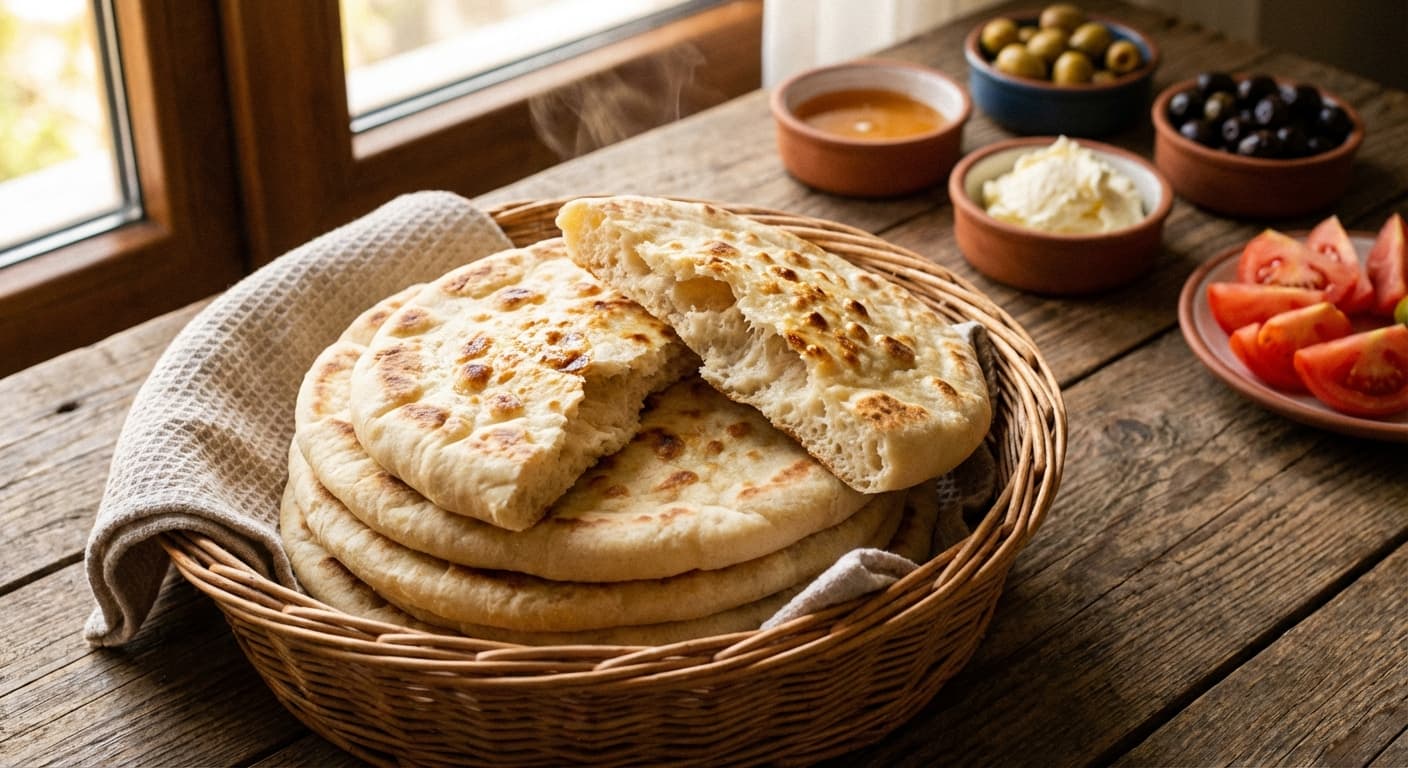
Bazlama (بازلاما) — Puffy Turkish Village Flatbread Cooked on a Saj
Turkish · Breads · 38 min
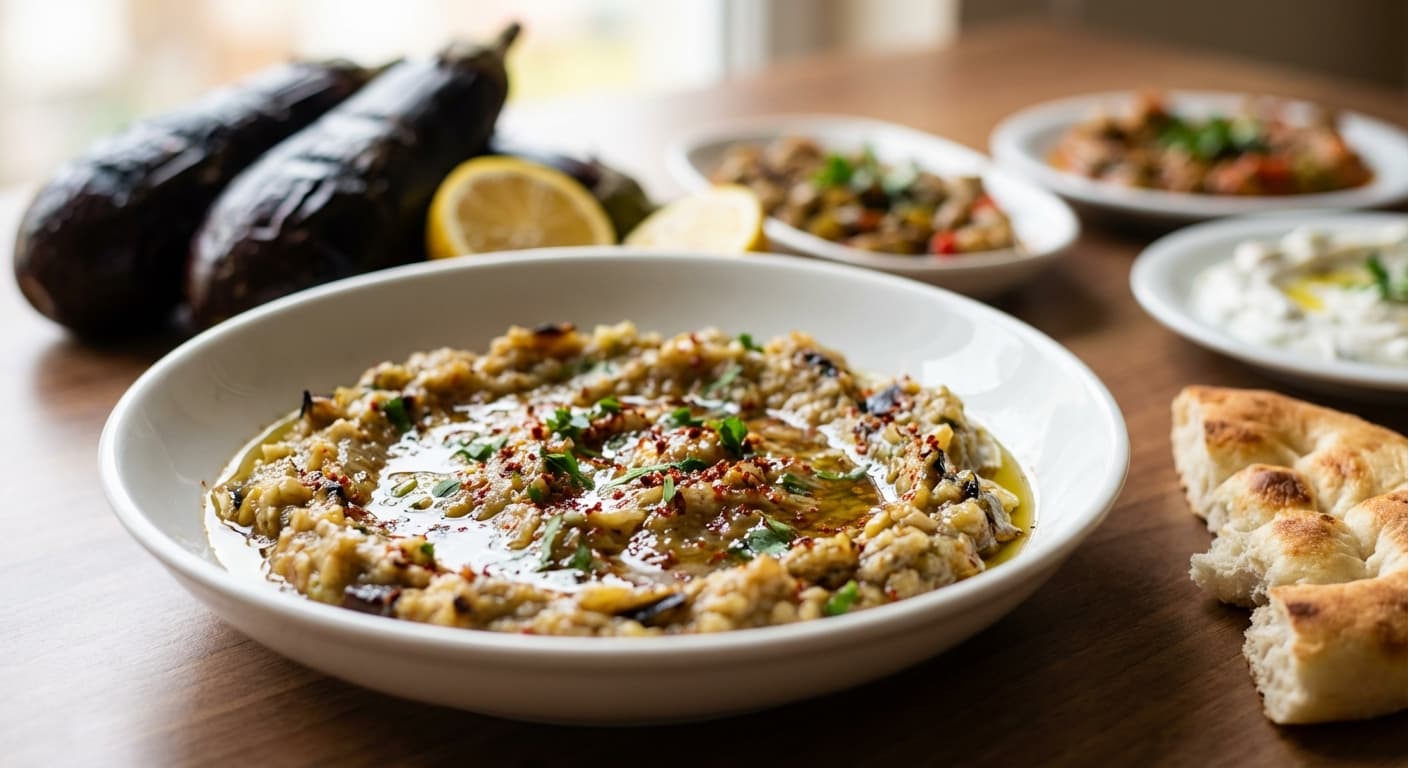
Smoky Eggplant Salad (Patlıcan Salatası) — Turkish charred eggplant with garlic and olive oil
Turkish · Salads · 40 min
Ratatouille (Ratatouille) — Provençal Summer Vegetable Stew
French · Stews · 105 min
Reviews
Cooked this recipe?
Tap the stars to rate it — that's all it takes. A few words are welcome but optional.
No ratings yet. Cooked this one? Be the first to rate it — it takes one tap.