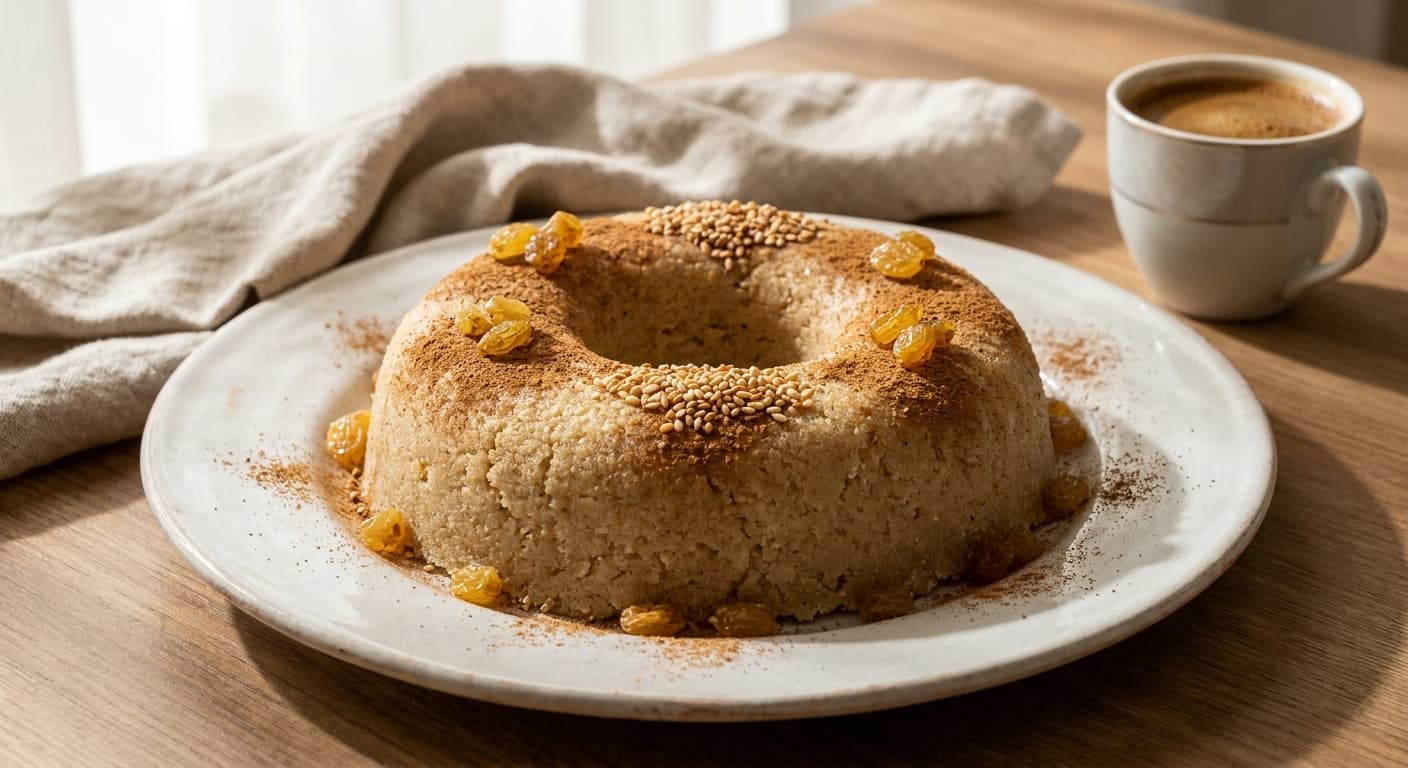
Greek Semolina Halva (Χαλβάς σιμιγδαλένιος) — Toasted semolina pudding with cinnamon and raisins
Greek semolina halva is a beloved Lenten-style sweet made by toasting semolina in olive oil, then setting it with fragrant cinnamon syrup. Raisins and warm spices make it a classic home dessert served across Greece, especially during fasting periods.
Printable Recipe Card
Servings: 8 · Total: 35 min · Difficulty: medium
Ingredients (quick list)
- 600 ml water
- 250 g granulated sugar
- 1 stick cinnamon stick
- 2 strip lemon peel (2 strips, about 5 cm each, pith removed)
- 10 ml lemon juice
- 120 ml olive oil
- 200 g coarse semolina (also sold as semolina #2)
- 80 g fine semolina (also sold as semolina #1)
- 70 g golden raisins
- 2 tsp ground cinnamon
- 0.25 tsp ground cloves
- 0.25 tsp salt
+ 1 more in the full ingredients section below.
Steps (summary)
- Make the syrup first so it is hot when the semolina is ready. In a saucepan, combine the water, sugar, cinnamon stick, and lemo…
- Turn off the heat and stir in the lemon juice, then keep the syrup covered and hot on the lowest setting. Hot syrup is essentia…
- In a wide, heavy pot, warm the olive oil over medium heat for 1 minute until it shimmers. Add the coarse and fine semolina and…
- Continue toasting for 8–10 minutes, stirring and scraping the bottom, until the semolina turns a deep golden color and smells n…
- Stir in the raisins, ground cinnamon, ground cloves, and salt, and toast for 30 seconds to bloom the spices. Keep stirring so t…
- Carefully pour in the hot syrup in a steady stream while stirring constantly, as the mixture will bubble vigorously. Once all t…
+ 2 more steps in the full instructions section below.
Cultural Background
Semolina halva is a staple Greek home dessert, strongly associated with fasting seasons such as Lent because it is naturally dairy-free. The ritual of patiently toasting semolina and setting it in syrup is a hallmark of Greek comfort cooking and hospitality.
Equipment
💡 Tips
- Use a wide pot and stir continuously during toasting; even 20 seconds of neglect can scorch semolina at the bottom.
- For plumper raisins, soak them in 60 ml hot water for 10 minutes, then drain well and add at the spice step.
- If the halva sets too firm, warm 60 ml water, stir it in over low heat for 1 minute, and rest 5 minutes to re-soften.
⚠️ Common Mistakes
❌ Adding cold or lukewarm syrup to the toasted semolina
✅ Fix: Keep the syrup hot and covered; hot syrup reduces splatter and helps the mixture thicken and set evenly.
❌ Under-toasting the semolina so the halva tastes floury
✅ Fix: Toast 8–10 minutes until deep golden and nutty, stirring constantly and lowering heat if needed.
❌ Overcooking after the syrup is added, leading to a dry, crumbly halva
✅ Fix: Stir only until it pulls from the sides, then cover and rest off-heat so it finishes setting gently.
🧊 How to Store
Cool completely, then cover and refrigerate for up to 4 days. Serve cold or bring to room temperature for 30 minutes; for a softer texture, microwave 1 portion for 15–20 seconds and rest 1 minute before eating.
📅 Make Ahead
Make the syrup up to 2 days ahead and refrigerate; reheat until steaming before using. The finished halva can be molded up to 24 hours ahead and kept chilled, then served at room temperature for the best texture.
🍽️ Pairs Well With
- Greek coffee
- black tea
- fresh orange slices
- toasted sesame
- extra cinnamon.
Regional Variations
- Macedonia-style: add 30 g toasted sesame and 1 tsp ground cinnamon directly into the semolina for a more aromatic crumb.
- Island variation: replace lemon peel with orange peel and add 5 ml rose water to the syrup after simmering.
- Festive version: add 40 g chopped toasted almonds in the final minute of stirring (not nut-free).
Ingredients
- 600 mlwater
- 250 ggranulated sugar
- 1 stickcinnamon stick
- 2 striplemon peel (2 strips, about 5 cm each, pith removed)
- 10 mllemon juice
- 120 mlolive oil
- 200 gcoarse semolina (also sold as semolina #2)
- 80 gfine semolina (also sold as semolina #1)
- 70 ggolden raisins
- 2 tspground cinnamon
- 0.25 tspground cloves
- 0.25 tspsalt
- 15 gtoasted sesame seeds (optional garnish)
🔄 Substitutions
- olive oil→ neutral vegetable oil
- golden raisins→ dark raisins
- lemon peel→ orange peel
Instructions
- 1
Make the syrup first so it is hot when the semolina is ready. In a saucepan, combine the water, sugar, cinnamon stick, and lemon peel and bring to a boil, then simmer for 5 minutes to lightly thicken and perfume the liquid.
- 2
Turn off the heat and stir in the lemon juice, then keep the syrup covered and hot on the lowest setting. Hot syrup is essential because it reduces splattering and helps the halva set smoothly. Remove the lemon peel and cinnamon stick just before you pour the syrup into the semolina.
- 3
In a wide, heavy pot, warm the olive oil over medium heat for 1 minute until it shimmers. Add the coarse and fine semolina and stir constantly with a wooden spoon so it toasts evenly without scorching.
- 4
Continue toasting for 8–10 minutes, stirring and scraping the bottom, until the semolina turns a deep golden color and smells nutty. Lower the heat if it darkens too quickly, because burnt semolina will taste bitter. The mixture should look like damp sand and move freely in the pot.
- 5
Stir in the raisins, ground cinnamon, ground cloves, and salt, and toast for 30 seconds to bloom the spices. Keep stirring so the raisins do not stick and the spices do not clump. This brief step intensifies the aroma before the syrup is added.
- 6
Carefully pour in the hot syrup in a steady stream while stirring constantly, as the mixture will bubble vigorously. Once all the syrup is added, reduce heat to low and stir for 2–3 minutes until the halva thickens and starts pulling away from the sides. The texture should be spoonable but dense, like a soft polenta.
- 7
Cover the pot and cook on the lowest heat for 3 minutes to fully hydrate the semolina. Turn off the heat and let it rest, covered, for 10 minutes so it sets and the grains plump. This resting time is what gives halva its clean slice and tender crumb.
- 8
Pack the halva firmly into an 18–20 cm bowl or ring mold, pressing to remove air pockets. Let it stand for 5 minutes, then invert onto a plate. Dust with the extra cinnamon and sprinkle with toasted sesame seeds before serving.
🪪 Recipe Passport
Cultural Background
Semolina halva is a staple Greek home dessert, strongly associated with fasting seasons such as Lent because it is naturally dairy-free. The ritual of patiently toasting semolina and setting it in syrup is a hallmark of Greek comfort cooking and hospitality.
Regional Variations
Researched from multiple sources and validated by the Zaffaron editorial team. Every recipe is tested for accuracy, measurements, and cultural authenticity.
Nutrition per serving
Pairs well with
If you enjoyed this recipe, here are a few related Zaffaron recipes to try next.
Does your family make this differently?
Every family has their own version. Maybe your grandmother adds a secret ingredient, or your aunt has a completely different technique. Preserve your family's version — with their name on it, forever.
You Might Also Like
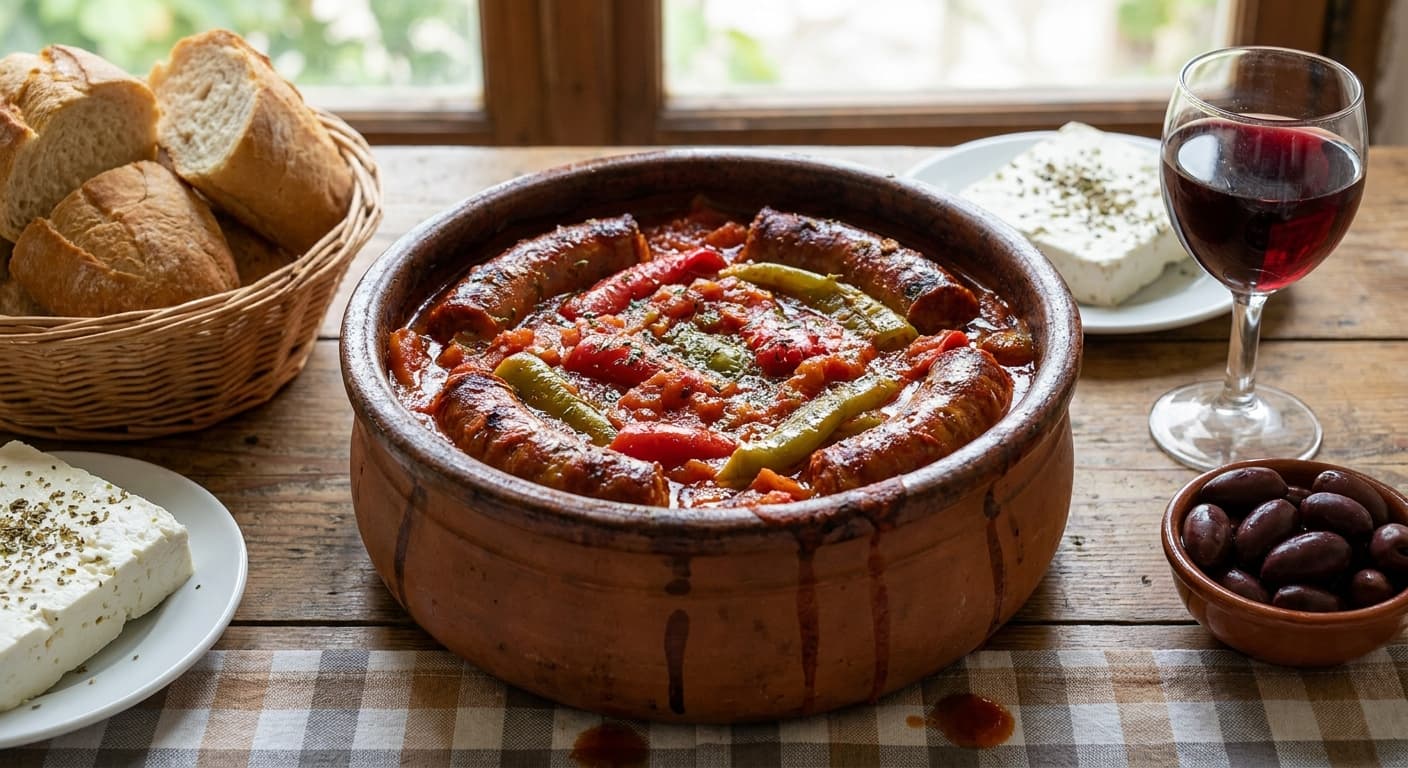
Spetsofai (Σπετσοφάι) — Pelion Sausage and Pepper Stew
Greek · Stews · 65 min
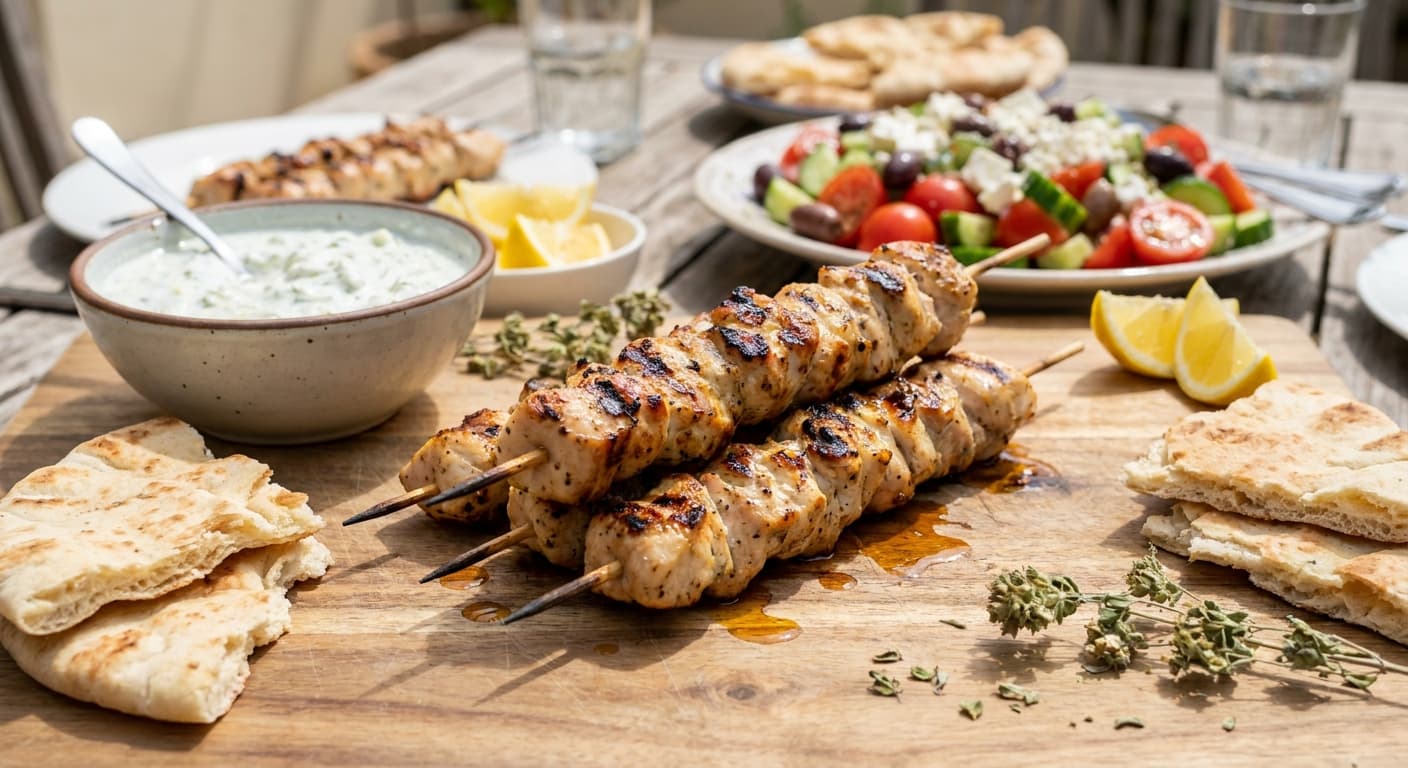
Chicken Souvlaki (Κοτόπουλο Σουβλάκι) — Greek Lemon-Oregano Grilled Skewers
Greek · Kebabs · 30 min
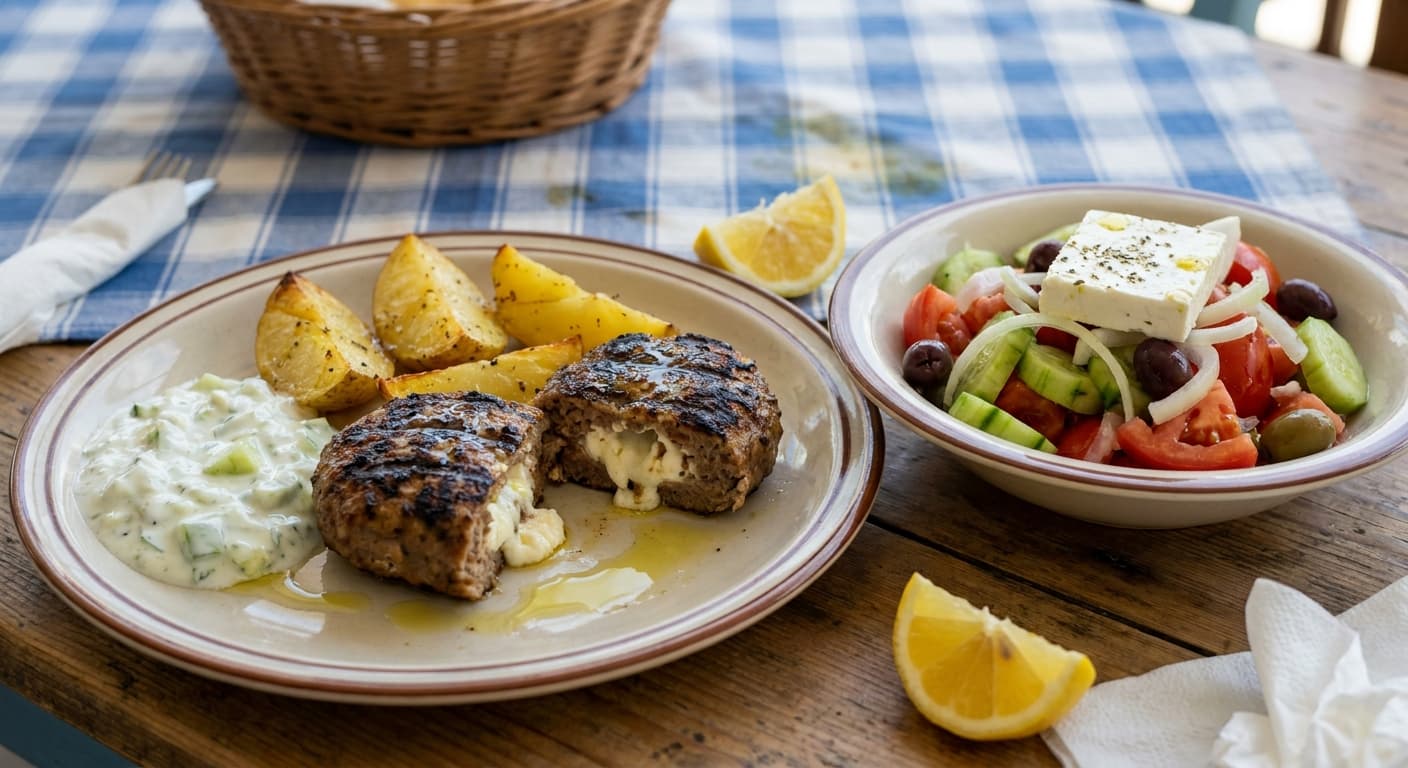
Bifteki (Μπιφτέκι) — Greek Grilled Beef Patties with Herbs
Greek · Main Courses · 39 min
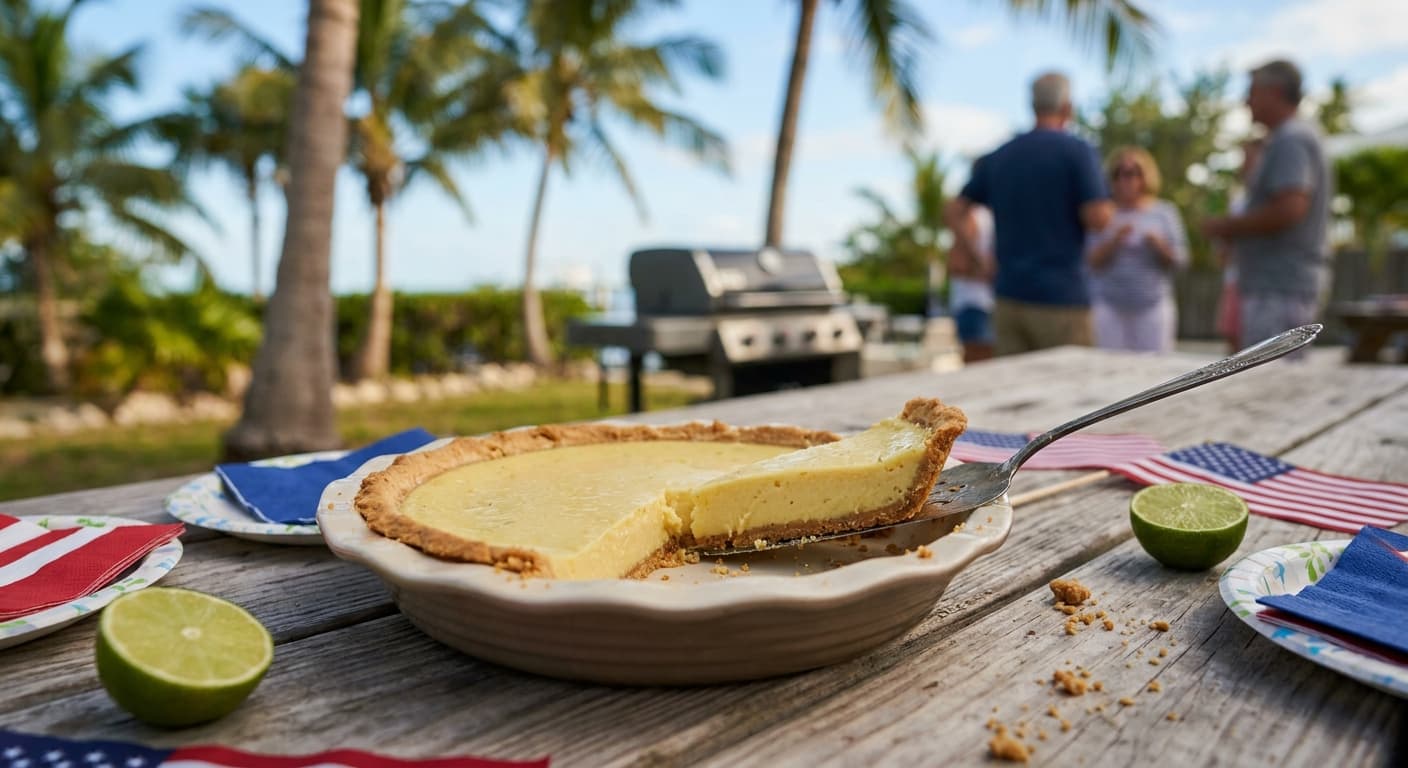
Key Lime Pie (Key Lime Pie) — Florida Keys Citrus Custard Pie
American · Desserts · 50 min
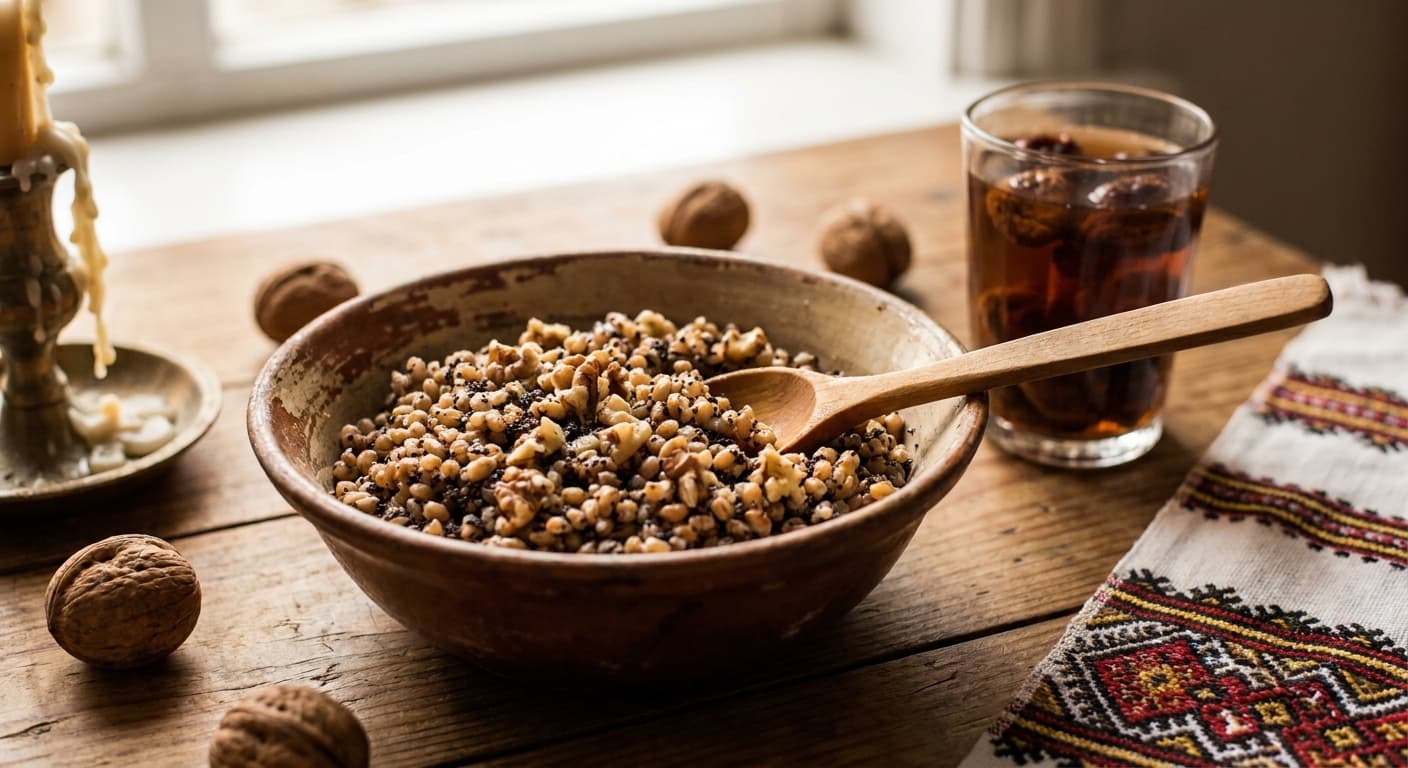
Kutia (Кутя) — Ukrainian Christmas Wheat Berry Pudding
Ukrainian · Desserts · 105 min
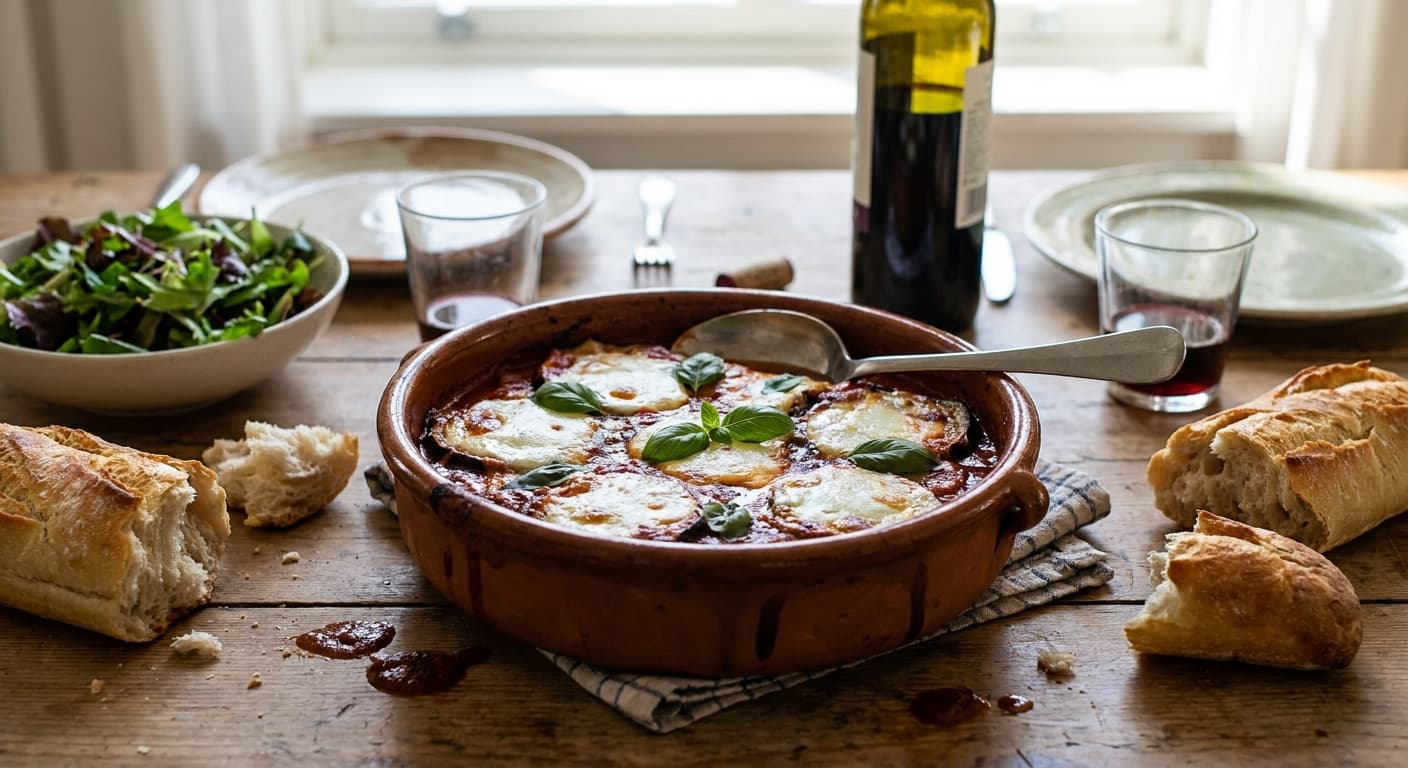
Eggplant Parmesan (Melanzane alla Parmigiana) — Southern Italian Baked Eggplant
Italian · Main Courses · 100 min
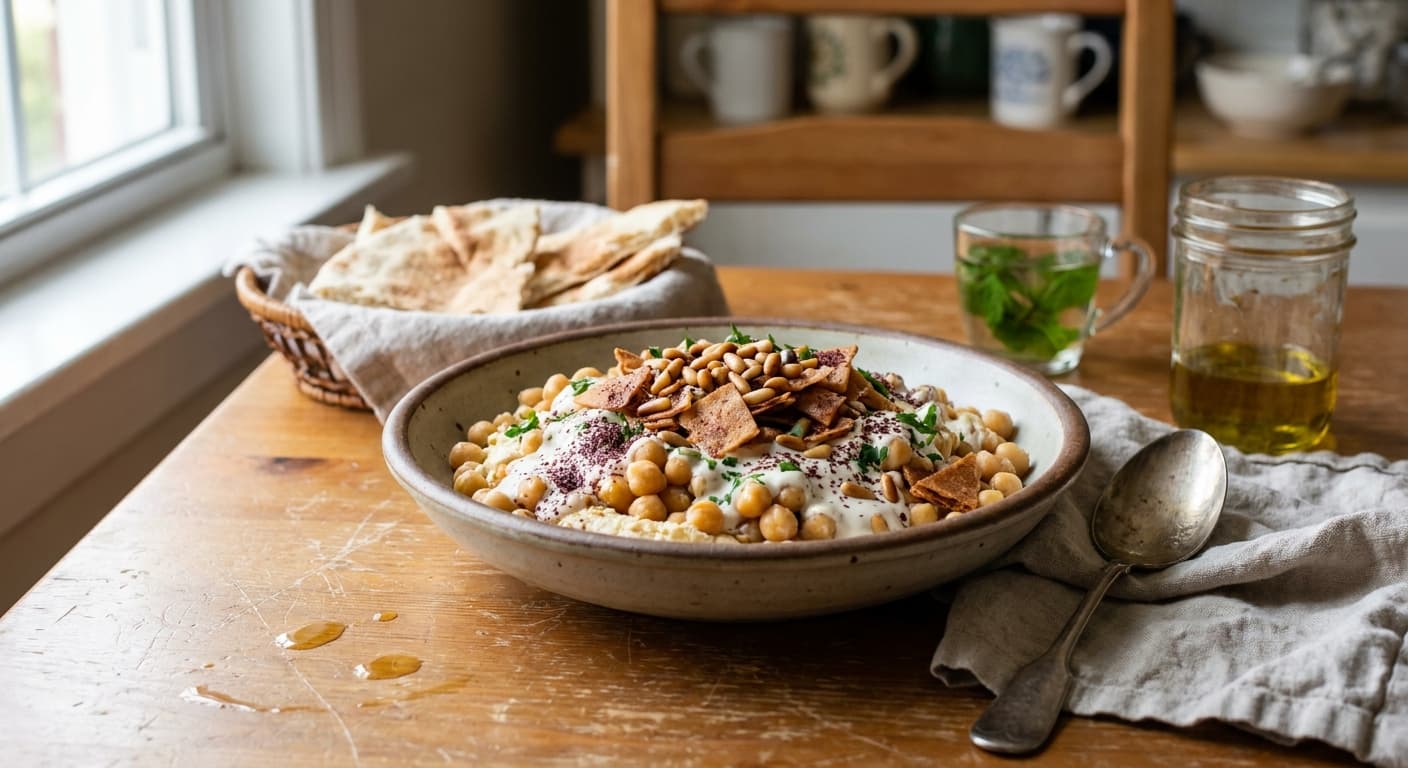
Fattet Hummus (فتة حمص) — Chickpeas with Yogurt and Crisp Bread
Lebanese · Main Courses · 30 min
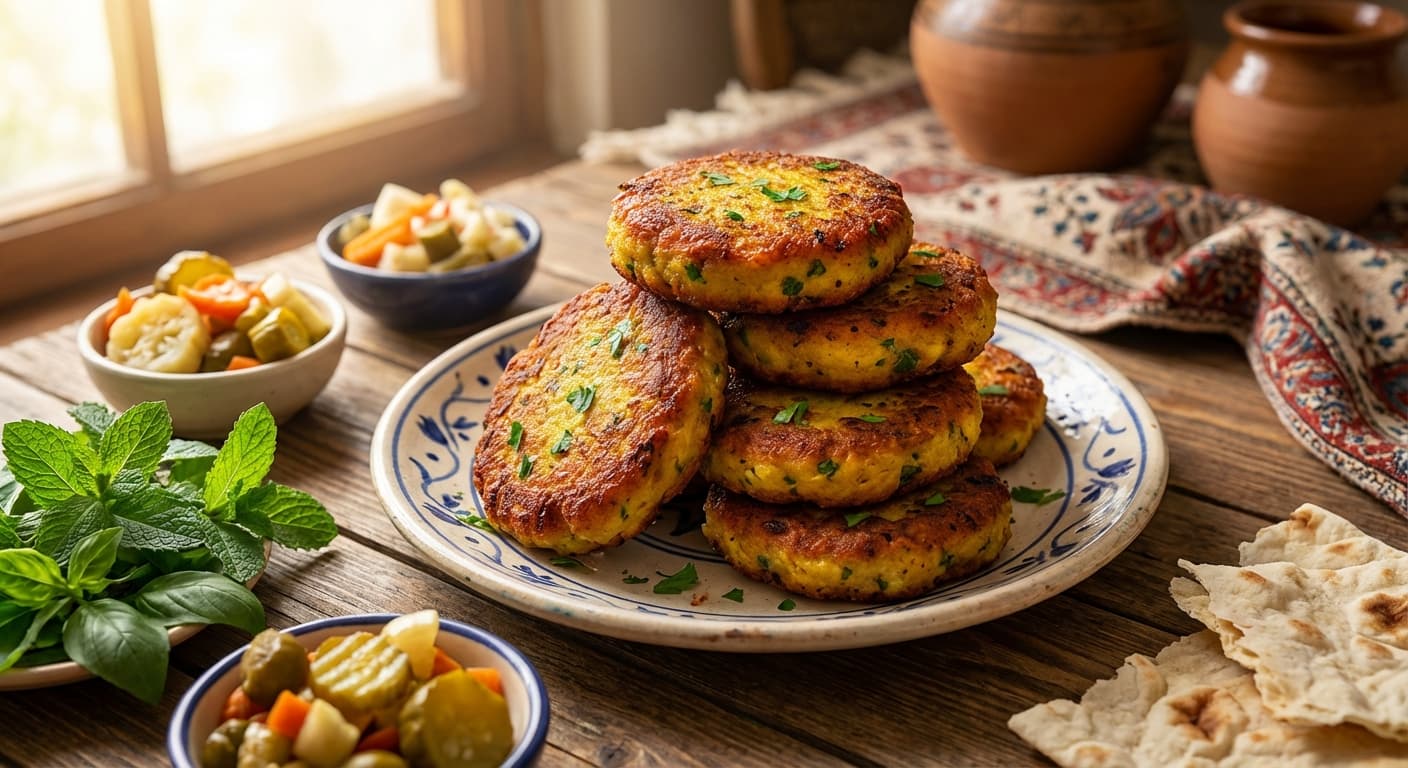
Persian Soy & Potato Cutlets (کتلت سویا) — Golden vegetarian kotlet with turmeric
Persian · Side Dishes · 50 min
Reviews
Cooked this recipe?
Tap the stars to rate it — that's all it takes. A few words are welcome but optional.
No ratings yet. Cooked this one? Be the first to rate it — it takes one tap.