Chermoula Marinade (شرمولة) — Moroccan Herb and Spice Paste for Fish and Meat
Chermoula is Morocco’s iconic herb-and-spice paste used to perfume fish, seafood, and grilled meats. Bright with lemon and cilantro and warmed by cumin, paprika, and saffron, it’s a foundational marinade from coastal kitchens to family barbecues.
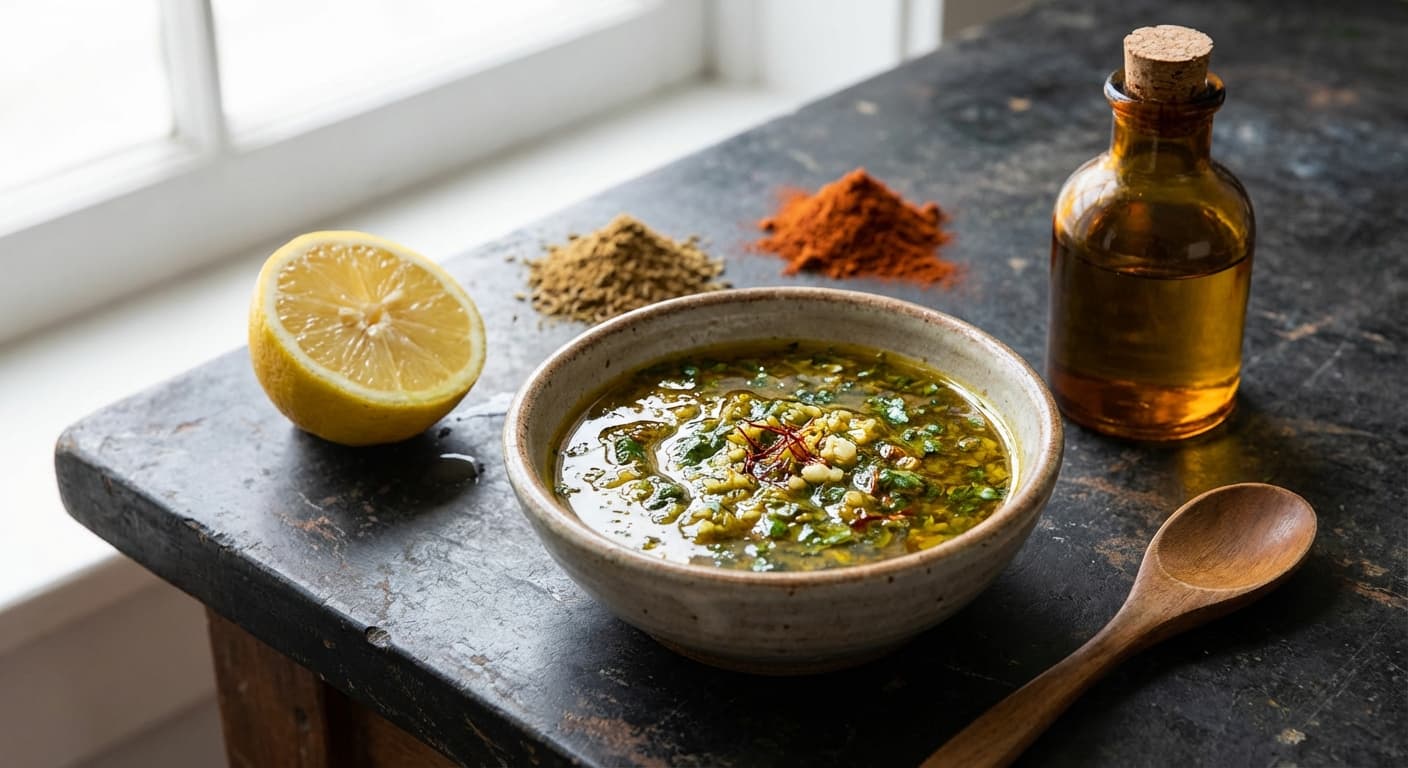
Printable Recipe Card
Servings: 8 · Total: 15 min · Difficulty: easy
Ingredients (quick list)
- 40 g fresh cilantro leaves and tender stems, finely chopped
- 30 g fresh flat-leaf parsley leaves and tender stems, finely chopped
- 18 g garlic, minced to a paste (about 5 cloves)
- 2 tsp ground cumin
- 2 tsp sweet paprika
- 1 tsp ground coriander
- 0.5 tsp ground turmeric
- 0.25 tsp cayenne pepper (for mild heat)
- 1.25 tsp fine sea salt (about 7.5 g)
- 0.5 tsp freshly ground black pepper
- 0.1 g saffron threads (a generous pinch)
- 15 ml warm water (to bloom saffron)
+ 3 more in the full ingredients section below.
Steps (summary)
- Bloom the saffron by crushing the threads lightly between your fingers, then stirring them into 15 ml warm water. Let it stand…
- In a bowl, combine cilantro, parsley, and the garlic paste, mixing until the herbs look evenly flecked with garlic. Add cumin,…
- Add the lemon zest and lemon juice, then pour in the bloomed saffron with all its liquid. Mix for 30 seconds to dissolve the sa…
- Stream in the olive oil while stirring to form a loose, spoonable paste rather than a dry rub. Let the chermoula rest for 10 mi…
- To use on fish, coat 900 g fish fillets or 1 whole fish (about 1 kg) with the full batch and marinate 20 minutes in the refrige…
Cultural Background
Chermoula is a cornerstone of Moroccan coastal cooking, especially with sardines and other daily-catch fish, and it also seasons grills and tagines inland. Families often adjust the herb ratio and heat level, making each household version a signature.
Equipment
💡 Tips
- For a smoother, more traditional paste, pulse the herbs and garlic with the spices in a food processor for 10 seconds, then add lemon juice and oil and pulse 5 seconds more.
- If using with delicate white fish, keep marination to 20 minutes to avoid the lemon juice tightening the flesh; for firm fish like sardines, 45 minutes is ideal.
- Reserve 2 tbsp (30 ml) of chermoula before marinating raw protein to spoon over the cooked dish as a fresh finishing sauce.
⚠️ Common Mistakes
❌ Marinating delicate fish too long so the surface turns chalky and tight.
✅ Fix: Limit marination to 15–20 minutes for tender fillets and apply extra chermoula after cooking from a reserved, uncontaminated portion.
❌ Using dry, coarse-chopped herbs that make the paste bitter and uneven.
✅ Fix: Wash and dry herbs thoroughly, then chop finely or pulse briefly so the paste becomes cohesive without over-blending into green sludge.
❌ Skipping saffron blooming and losing aroma and color.
✅ Fix: Steep saffron in 15 ml warm water for 5 minutes, then add both threads and liquid to the mixture.
🧊 How to Store
Store chermoula in an airtight jar in the refrigerator for up to 4 days, pressing plastic wrap directly on the surface to limit oxidation. For longer storage, freeze in 30 ml portions up to 2 months; thaw overnight in the fridge and stir well before using.
📅 Make Ahead
Chop herbs and mix the dry spices up to 24 hours ahead, storing herbs wrapped in a paper towel in the fridge. Combine with lemon, saffron water, and oil up to 4 days ahead for deeper flavor and faster weeknight cooking.
🍽️ Pairs Well With
- Grilled sardines
- baked white fish with preserved lemon
- chicken skewers
- couscous
- Moroccan salad
- warm khobz bread.
Regional Variations
- Coastal Moroccan chermoula for fish often leans heavier on cilantro and includes more lemon, sometimes with a touch of preserved lemon rind.
- A spicier variation adds 1 tsp harissa or increases cayenne to 0.5 tsp for grilled meats.
- Some home cooks add 1 tsp tomato paste for a redder, slightly sweeter marinade suited to roasting.
Ingredients
- 40 gfresh cilantro leaves and tender stems, finely chopped
- 30 gfresh flat-leaf parsley leaves and tender stems, finely chopped
- 18 ggarlic, minced to a paste (about 5 cloves)
- 2 tspground cumin
- 2 tspsweet paprika
- 1 tspground coriander
- 0.5 tspground turmeric
- 0.25 tspcayenne pepper (for mild heat)
- 1.25 tspfine sea salt (about 7.5 g)
- 0.5 tspfreshly ground black pepper
- 0.1 gsaffron threads (a generous pinch)
- 15 mlwarm water (to bloom saffron)
- 2 tsplemon zest
- 60 mlfresh lemon juice (about 1 large lemon)
- 80 mlextra-virgin olive oil
🔄 Substitutions
- fresh cilantro leaves and tender stems→
- saffron threads→
- extra-virgin olive oil→
Instructions
- 1
Bloom the saffron by crushing the threads lightly between your fingers, then stirring them into 15 ml warm water. Let it stand for 5 minutes so the color and aroma fully release into the liquid.
- 2
In a bowl, combine cilantro, parsley, and the garlic paste, mixing until the herbs look evenly flecked with garlic. Add cumin, paprika, coriander, turmeric, cayenne, salt, and black pepper, then stir again so the spices coat the herbs uniformly.
- 3
Add the lemon zest and lemon juice, then pour in the bloomed saffron with all its liquid. Mix for 30 seconds to dissolve the salt and distribute the saffron, which should tint the mixture golden.
- 4
Stream in the olive oil while stirring to form a loose, spoonable paste rather than a dry rub. Let the chermoula rest for 10 minutes so the herbs soften and the flavors meld before using.
- 5
To use on fish, coat 900 g fish fillets or 1 whole fish (about 1 kg) with the full batch and marinate 20 minutes in the refrigerator. To use on meat, coat 900 g chicken thighs or lamb chops and marinate 2 hours in the refrigerator, then cook as desired and discard any marinade that has touched raw protein.
🪪 Recipe Passport
Cultural Background
Chermoula is a cornerstone of Moroccan coastal cooking, especially with sardines and other daily-catch fish, and it also seasons grills and tagines inland. Families often adjust the herb ratio and heat level, making each household version a signature.
Regional Variations
Researched from multiple sources and validated by the Zaffaron editorial team. Every recipe is tested for accuracy, measurements, and cultural authenticity.
Nutrition per serving
Pairs well with
If you enjoyed this recipe, here are a few related Zaffaron recipes to try next.
Does your family make this differently?
Every family has their own version. Maybe your grandmother adds a secret ingredient, or your aunt has a completely different technique. Preserve your family's version — with their name on it, forever.
You Might Also Like
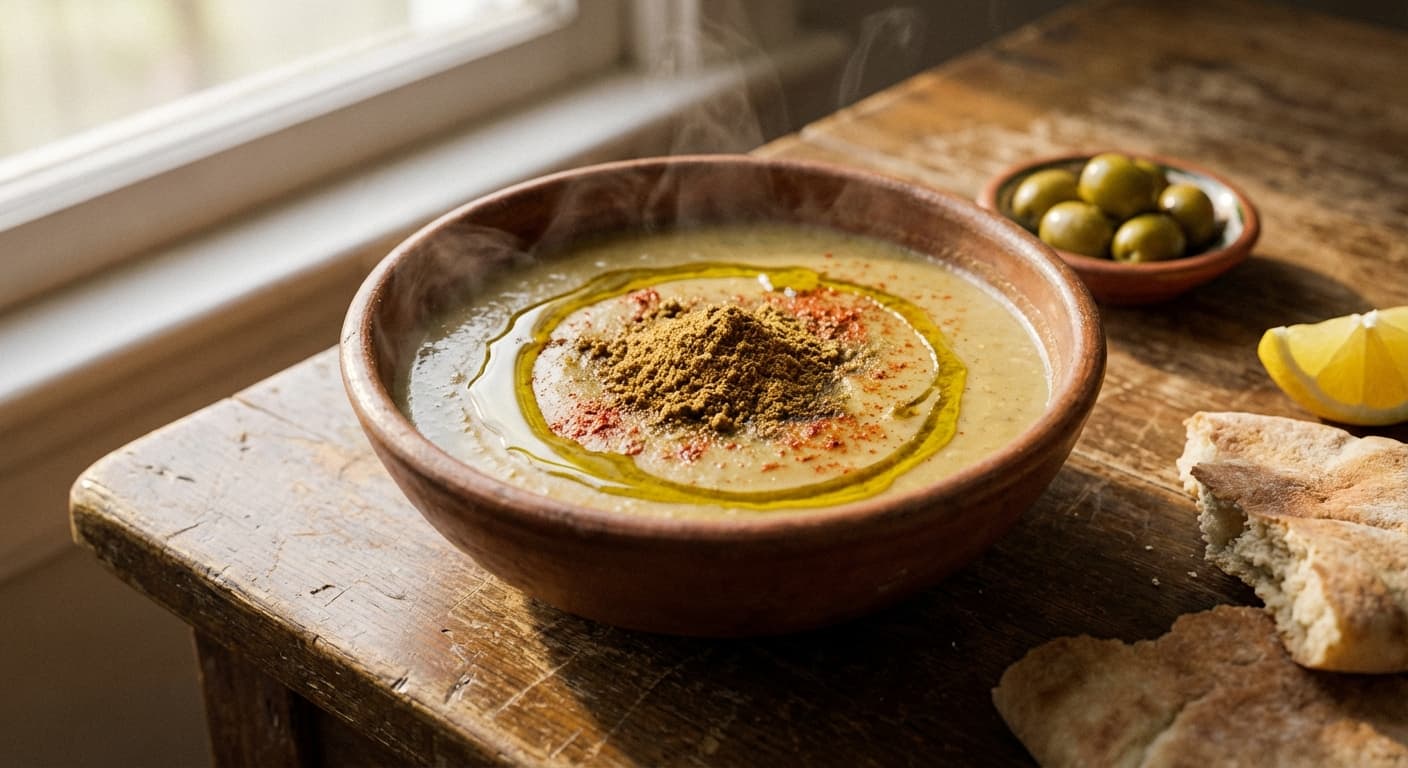
Bissara (بصارة) — Moroccan Fava Bean Soup with Cumin and Olive Oil
Moroccan · Soups · 80 min
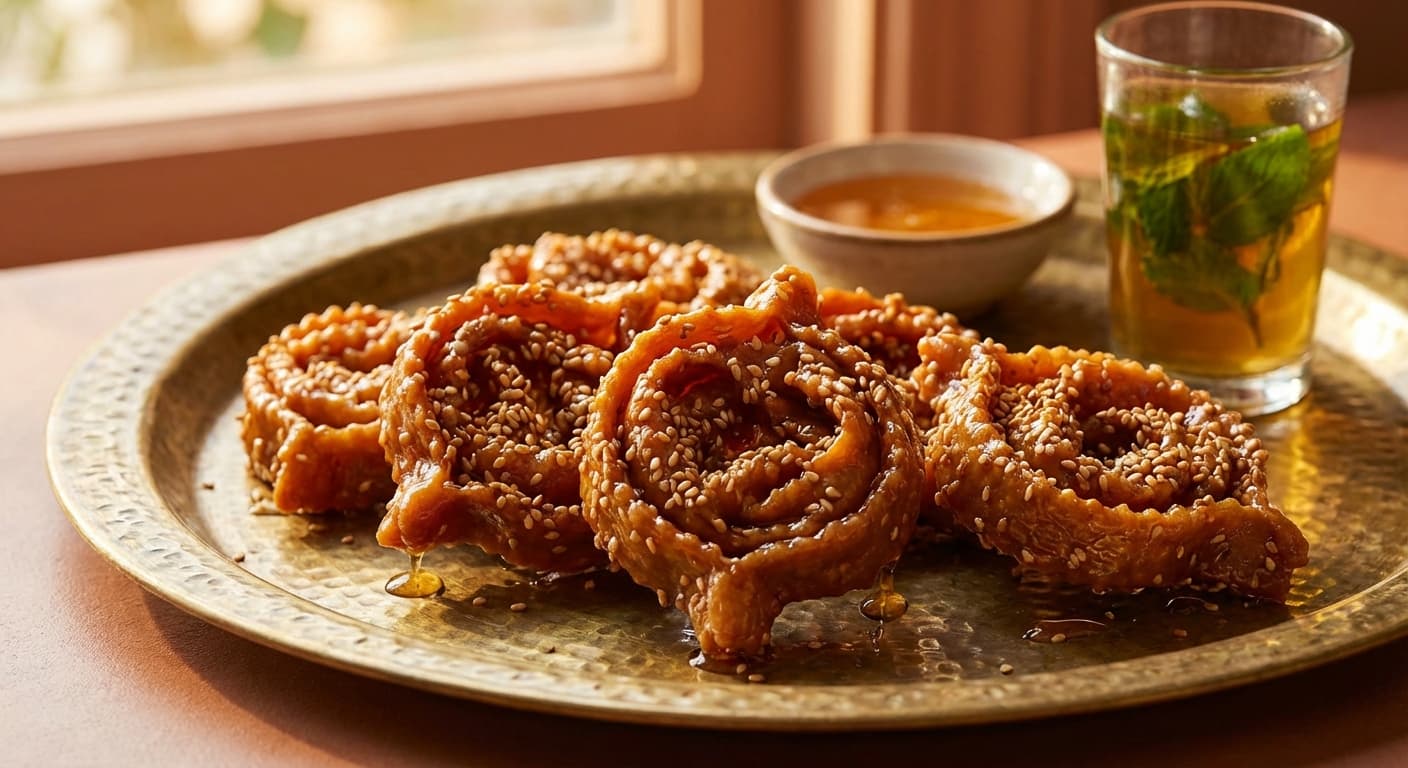
Chebakia (الشباكية) — Moroccan Sesame and Honey Cookie Roses
Moroccan · Desserts · 110 min
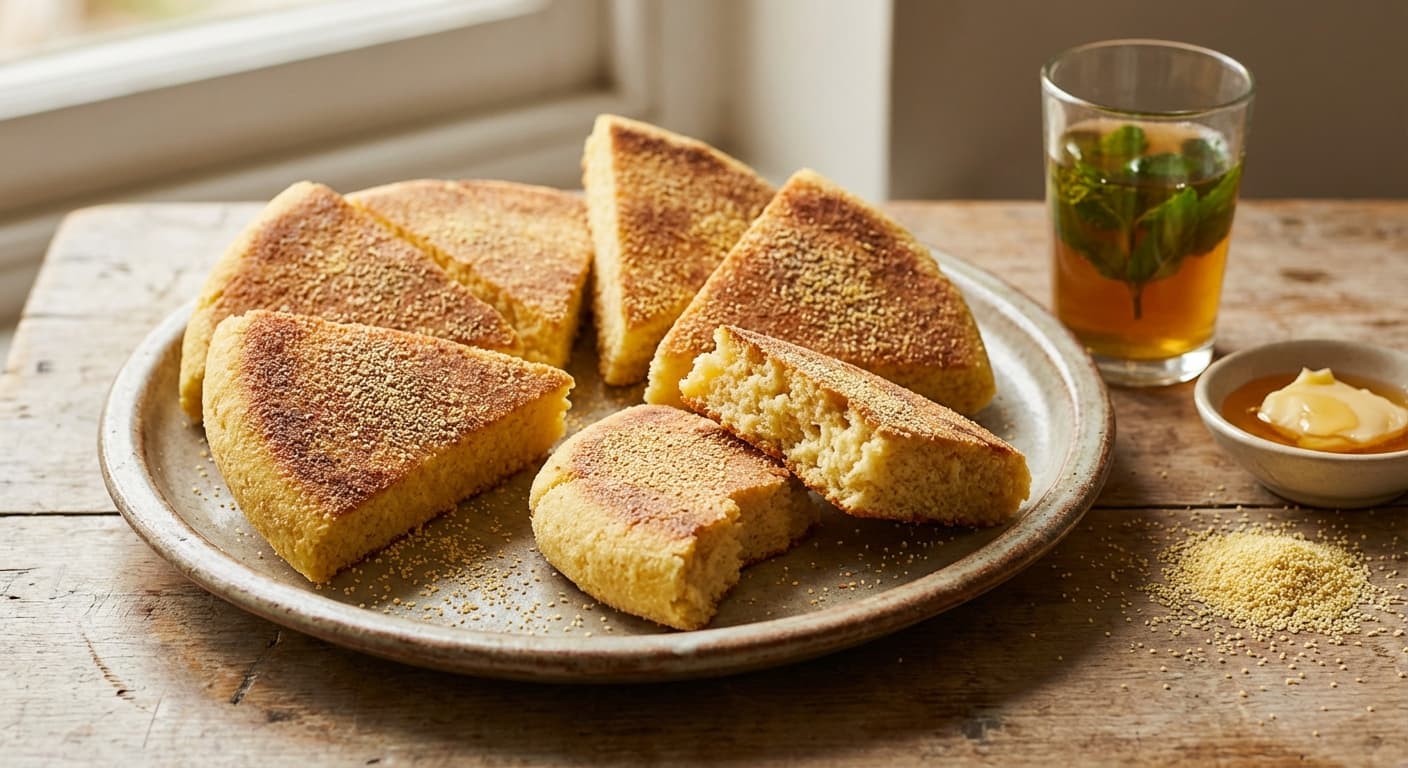
Harcha (حرشة) — Moroccan Semolina Griddle Bread
Moroccan · Breads · 35 min
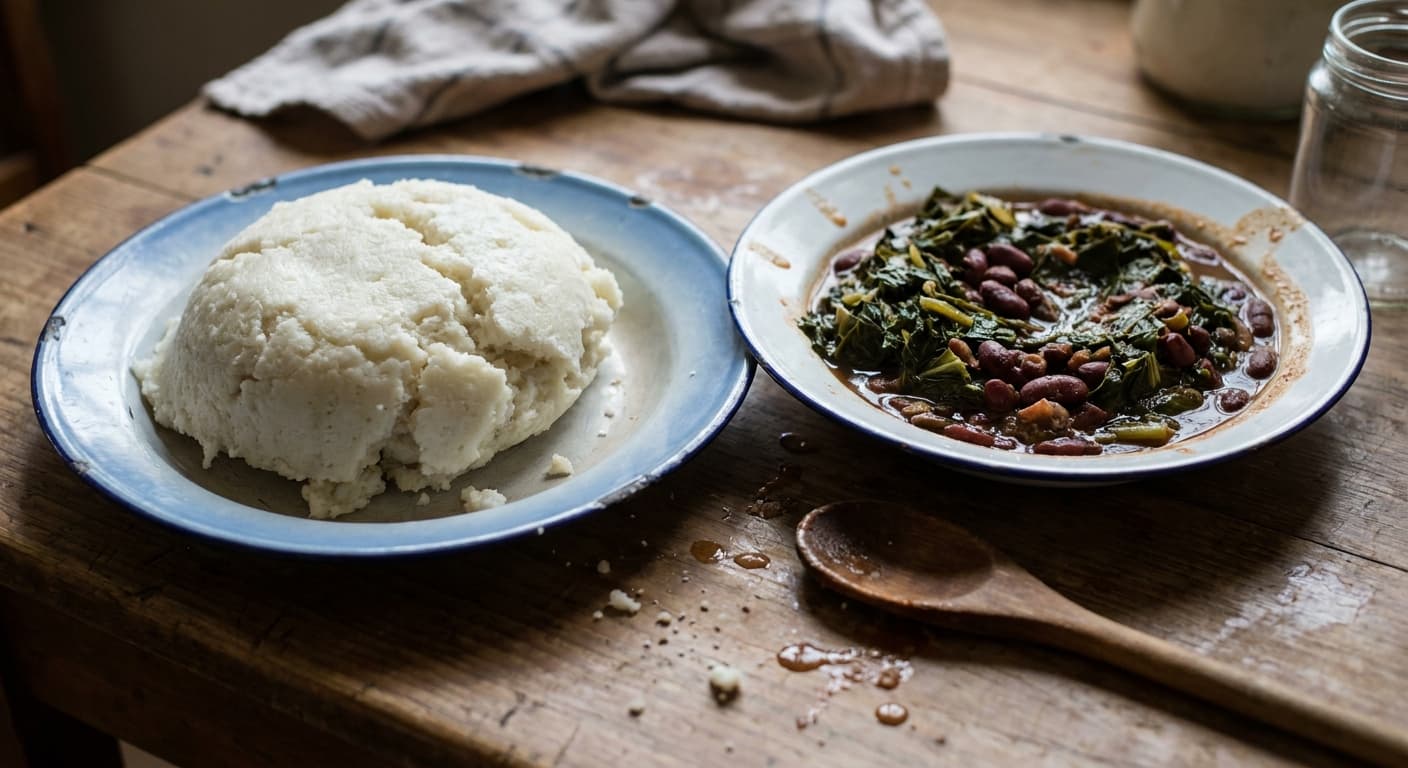
Tanzanian Ugali (Ugali) — Firm Cornmeal Porridge
Tanzanian · Side Dishes · 23 min
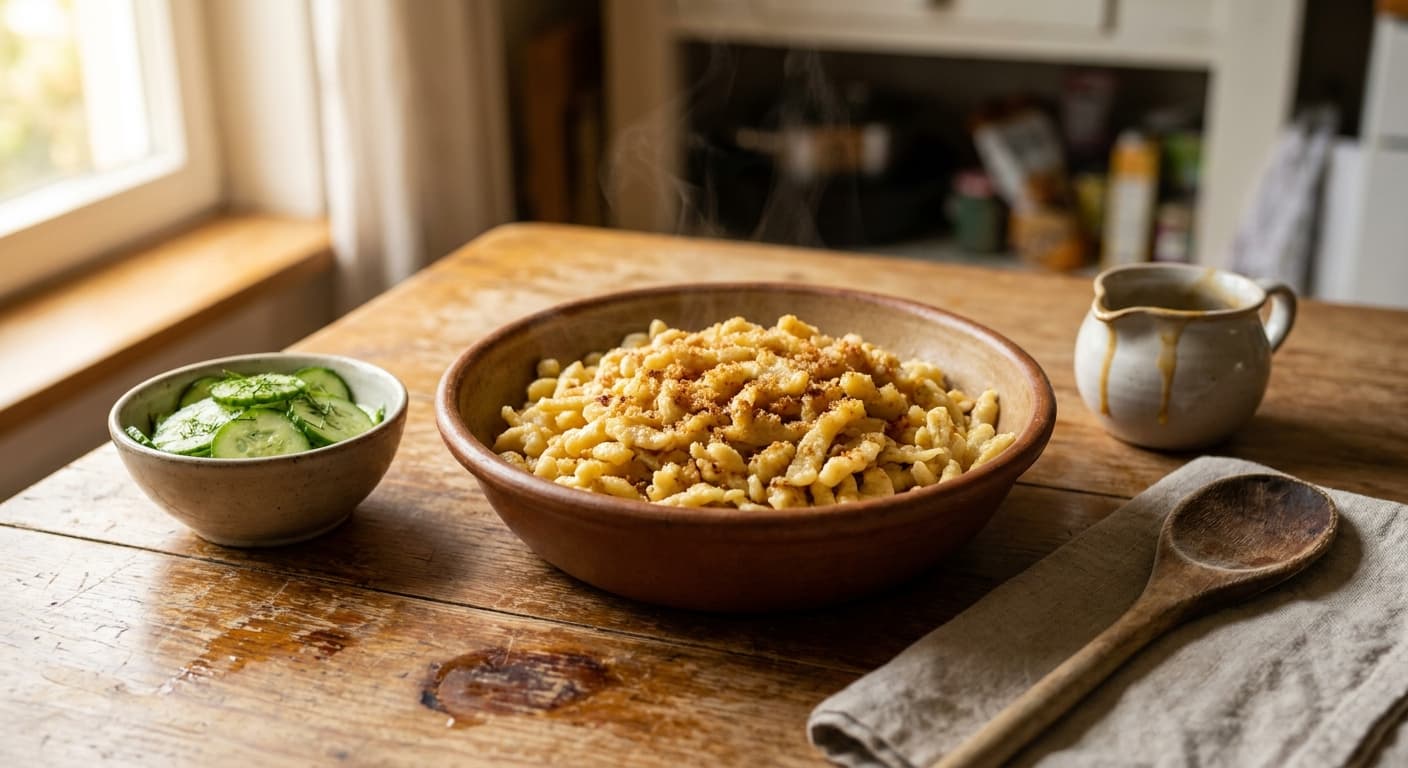
Spaetzle (Spätzle) — Tender German Egg Noodles
German · Side Dishes · 30 min
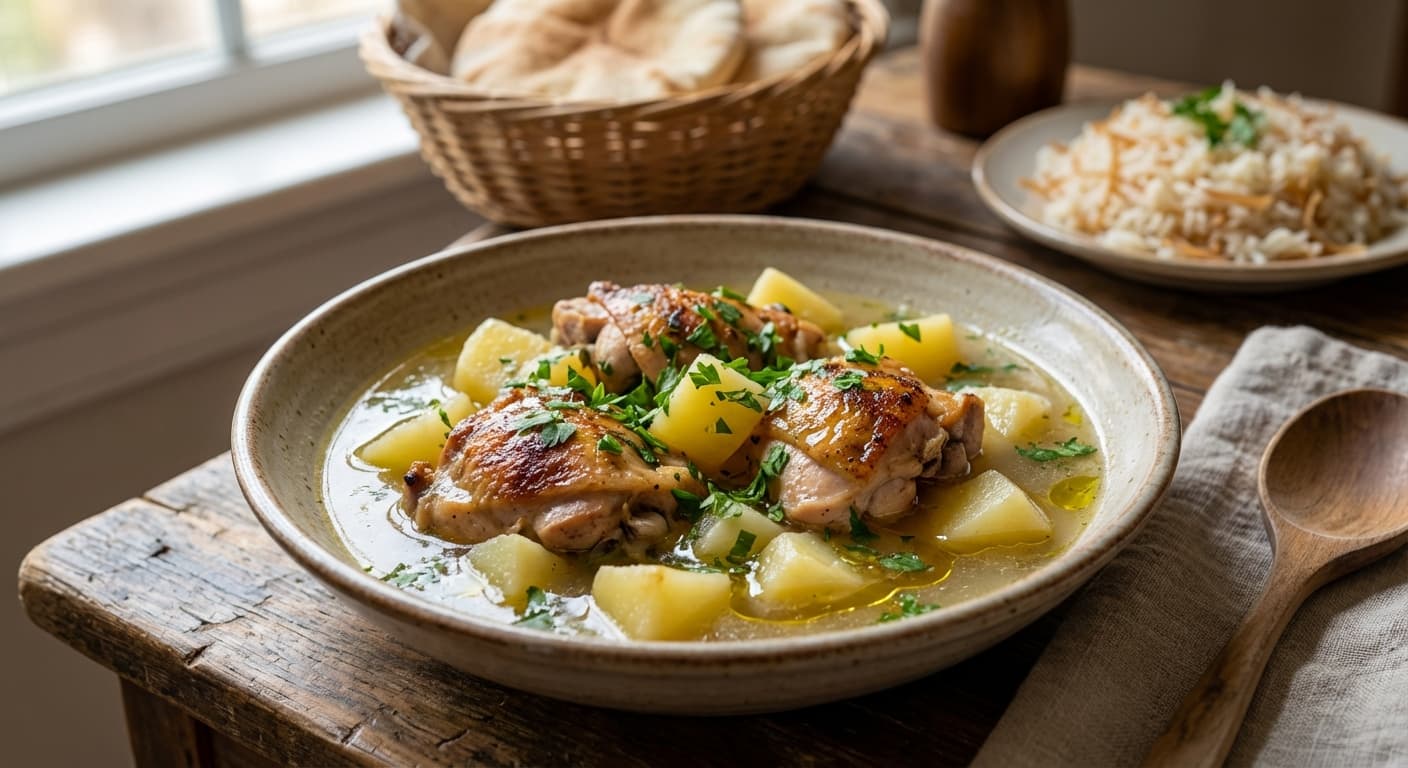
Djej Bi Batata (دجاج ببطاطا) — Lebanese Chicken Stew with Potatoes and Garlic
Lebanese · Stews · 75 min
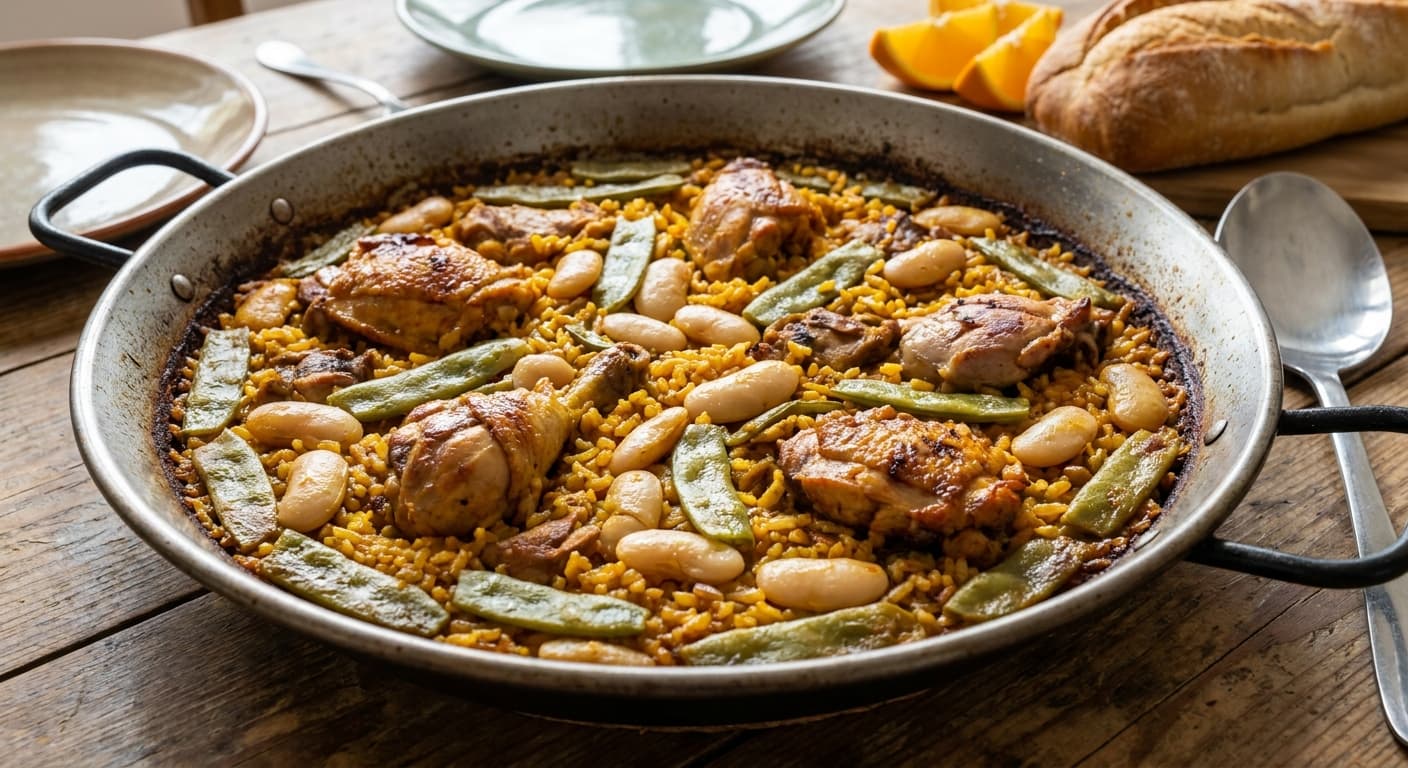
Valencian Paella (Paella Valenciana) — Saffron Rice with Rabbit, Chicken, and Beans
Spanish · Rice Dishes · 70 min
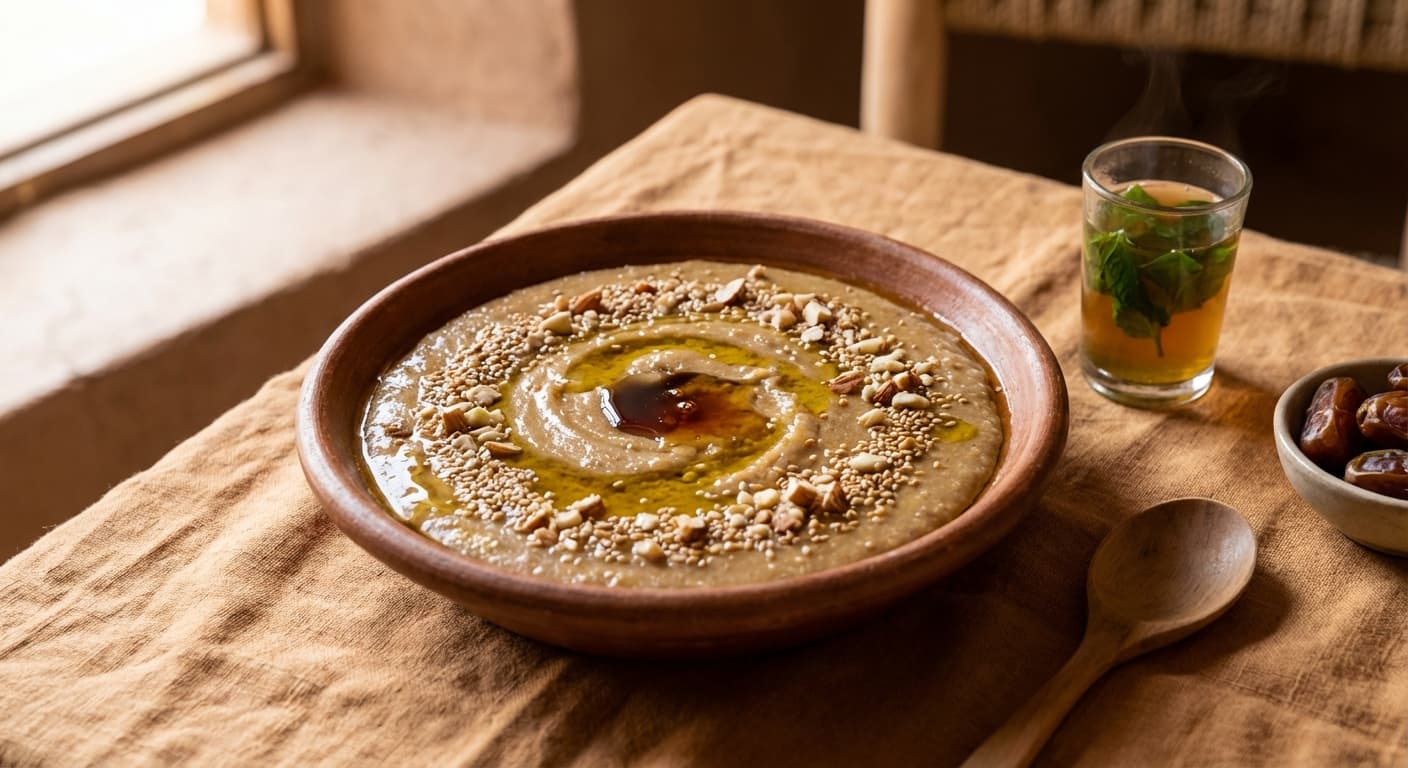
Zemita (زمّيطا) — Moroccan Roasted Flour Energy Porridge
Moroccan · Desserts · 30 min
Reviews
Cooked this recipe?
Tap the stars to rate it — that's all it takes. A few words are welcome but optional.
No ratings yet. Cooked this one? Be the first to rate it — it takes one tap.