Sardines Chermoula (سردين شرمولة) — Moroccan chermoula-marinated sardines, pan-fried
Sardines Chermoula is a beloved Moroccan coastal dish where fresh sardines are coated in chermoula—an herb, garlic, lemon, and spice marinade. Pan-frying creates crisp edges while keeping the fish juicy and fragrant.
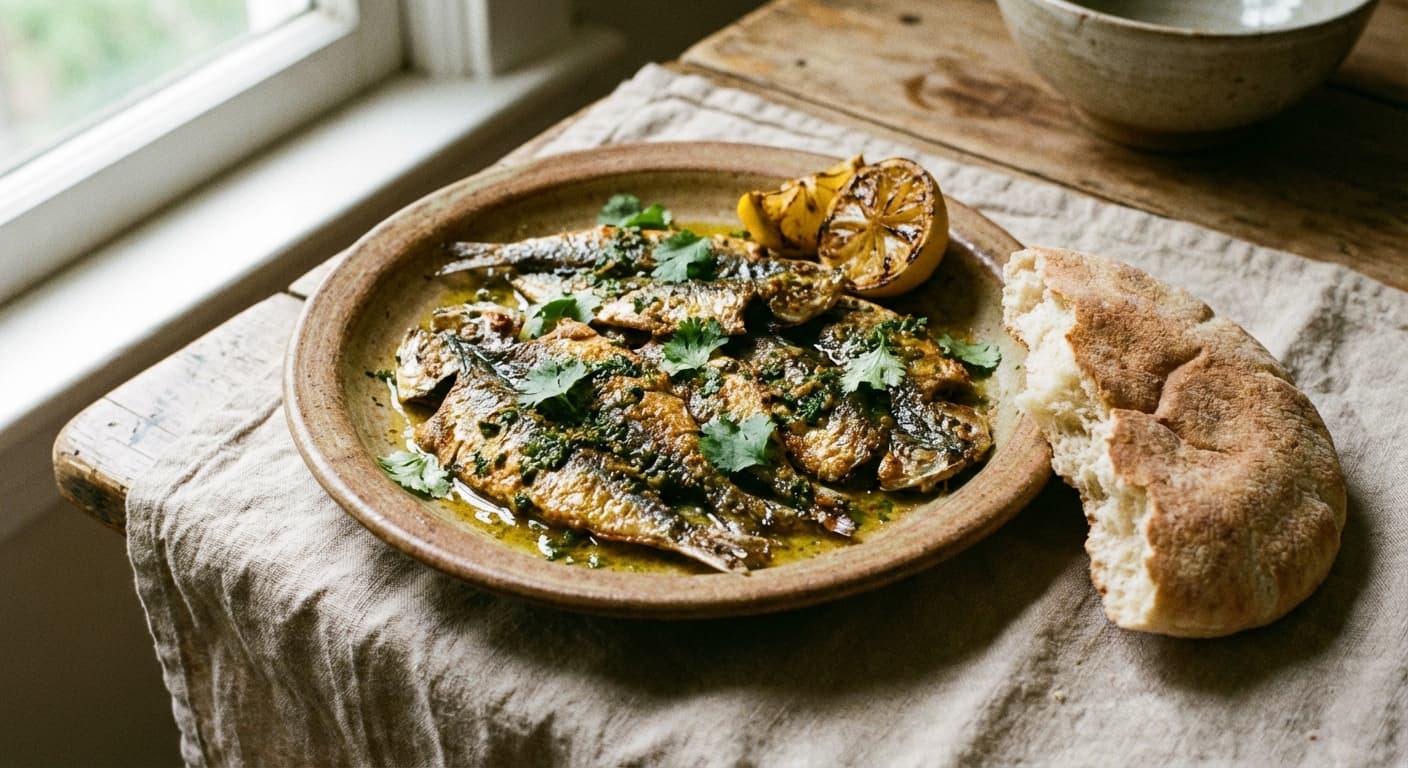
Printable Recipe Card
Servings: 4 · Total: 37 min · Difficulty: medium
Ingredients (quick list)
- 800 g fresh sardines, cleaned and butterflied (about 16–20 medium sardines, heads removed and deboned)
- 30 g fresh cilantro, finely chopped
- 20 g fresh parsley, finely chopped
- 18 g garlic, minced (about 6 cloves)
- 45 ml lemon juice (about 3 tbsp)
- 2 tsp lemon zest, finely grated
- 2 tsp ground cumin
- 2 tsp sweet paprika
- 1 tsp ground coriander
- 0.5 tsp ground turmeric
- 0.25 tsp cayenne pepper (for mild heat)
- 1.5 tsp fine sea salt (about 9 g)
+ 4 more in the full ingredients section below.
Steps (summary)
- Pat the sardines very dry with paper towels, then lay them open (butterflied) on a tray. Dry fish browns faster and prevents th…
- Make the chermoula by mixing cilantro, parsley, garlic, lemon juice, lemon zest, cumin, paprika, coriander, turmeric, cayenne,…
- Coat the sardines with the chermoula, rubbing it into the flesh side and any crevices. Cover and marinate in the refrigerator f…
- Place the flour in a shallow dish and lightly dredge each sardine, shaking off excess. This thin coating helps the exterior cri…
- Heat a large skillet over medium-high heat and add 45 ml neutral oil, swirling to coat the bottom. When the oil shimmers, lay t…
- Pan-fry for 2 to 3 minutes per side, turning carefully with a thin spatula, until deeply golden and just cooked through. Transf…
Cultural Background
Along Morocco’s Atlantic and Mediterranean coasts, sardines are everyday staples, often paired with chermoula to highlight their richness. This preparation is common in home kitchens and fish stalls, where quick frying makes a fragrant, affordable meal.
Equipment
💡 Tips
- For the cleanest flavor, remove the dark bloodline along the backbone when butterflying the sardines, then rinse quickly and dry thoroughly.
- If your chermoula looks dry, add 15 ml olive oil to loosen it; a paste that spreads easily coats the fish more evenly.
- Keep the pan at medium-high and fry in batches; overcrowding drops the temperature and makes the sardines steam instead of crisp.
⚠️ Common Mistakes
❌ Skipping thorough drying before marinating and dredging.
✅ Fix: Pat sardines dry until no surface moisture remains; this helps the chermoula adhere and improves browning.
❌ Over-marinating in lemon-heavy chermoula.
✅ Fix: Keep marination to 20 minutes; if you need longer, reduce lemon juice to 30 ml and add it fresh after frying.
❌ Crowding the pan so the fish steams.
✅ Fix: Fry in batches and let the oil return to a shimmer between batches for consistent crispness.
🧊 How to Store
Cool leftovers within 1 hour, then refrigerate in an airtight container for up to 2 days. Reheat on a skillet over medium heat with 5 ml oil for 1–2 minutes per side to re-crisp; avoid microwaving, which softens the coating and intensifies fish aroma.
📅 Make Ahead
Mix the chermoula up to 24 hours ahead and refrigerate it in a sealed jar; stir well before using. Clean and butterfly the sardines up to 6 hours ahead, keep them covered on ice in the fridge, and marinate only 20 minutes before frying.
🍽️ Pairs Well With
- Moroccan khobz
- lemon wedges
- zaalouk
- tomato and cucumber salad
- olives.
Regional Variations
- Tangier-style: add 1 tsp preserved-lemon pulp (finely minced) to the chermoula for deeper citrus and salinity.
- Essaouira-style: increase cumin to 3 tsp and add 1 tsp smoked paprika for a bolder, grill-like flavor.
- Stuffed sardines: sandwich two butterflied sardines around a thicker chermoula paste, then dredge and fry as “sardine sandwiches.”
Ingredients
- 800 gfresh sardines, cleaned and butterflied (about 16–20 medium sardines, heads removed and deboned)
- 30 gfresh cilantro, finely chopped
- 20 gfresh parsley, finely chopped
- 18 ggarlic, minced (about 6 cloves)
- 45 mllemon juice (about 3 tbsp)
- 2 tsplemon zest, finely grated
- 2 tspground cumin
- 2 tspsweet paprika
- 1 tspground coriander
- 0.5 tspground turmeric
- 0.25 tspcayenne pepper (for mild heat)
- 1.5 tspfine sea salt (about 9 g)
- 0.5 tspblack pepper, freshly ground
- 60 mlextra-virgin olive oil (4 tbsp)
- 60 gall-purpose flour (about 1/2 cup, for light dredging)
- 45 mlneutral frying oil (about 3 tbsp, sunflower or canola)
🔄 Substitutions
- fresh sardines→ fresh mackerel fillets
- all-purpose flour→ fine cornmeal
- cayenne pepper→ Aleppo pepper
Instructions
- 1
Pat the sardines very dry with paper towels, then lay them open (butterflied) on a tray. Dry fish browns faster and prevents the chermoula from sliding off during frying.
- 2
Make the chermoula by mixing cilantro, parsley, garlic, lemon juice, lemon zest, cumin, paprika, coriander, turmeric, cayenne, salt, black pepper, and olive oil in a bowl. Stir until it becomes a loose, spoonable paste and let it sit for 5 minutes so the garlic and spices bloom.
- 3
Coat the sardines with the chermoula, rubbing it into the flesh side and any crevices. Cover and marinate in the refrigerator for 20 minutes, which is enough to perfume the fish without “cooking” it in the lemon.
- 4
Place the flour in a shallow dish and lightly dredge each sardine, shaking off excess. This thin coating helps the exterior crisp while protecting the herbs from scorching in the pan.
- 5
Heat a large skillet over medium-high heat and add 45 ml neutral oil, swirling to coat the bottom. When the oil shimmers, lay the sardines in a single layer without crowding, working in batches if needed for even browning.
- 6
Pan-fry for 2 to 3 minutes per side, turning carefully with a thin spatula, until deeply golden and just cooked through. Transfer to a rack or paper towels for 2 minutes to drain, then serve immediately while the edges are crisp and the chermoula is aromatic.
🪪 Recipe Passport
Cultural Background
Along Morocco’s Atlantic and Mediterranean coasts, sardines are everyday staples, often paired with chermoula to highlight their richness. This preparation is common in home kitchens and fish stalls, where quick frying makes a fragrant, affordable meal.
Regional Variations
Researched from multiple sources and validated by the Zaffaron editorial team. Every recipe is tested for accuracy, measurements, and cultural authenticity.
Nutrition per serving
Pairs well with
If you enjoyed this recipe, here are a few related Zaffaron recipes to try next.
- Bessara (البسارة) — Moroccan Dried Fava Bean Soup with Cumin and Olive Oil
- Chicken Tagine with Preserved Lemons and Olives (طاجين الدجاج بالليمون المرقد والزيتون) — Moroccan Slow-Cooked Chicken with Bright Citrus and Briny Olives
- Tagine of Chicken with Olives and Artichokes (طاجين) — Moroccan Spring Chicken Tagine
- Tfaya (تفيا) — Moroccan Caramelized Onion and Raisin Relish
Does your family make this differently?
Every family has their own version. Maybe your grandmother adds a secret ingredient, or your aunt has a completely different technique. Preserve your family's version — with their name on it, forever.
You Might Also Like
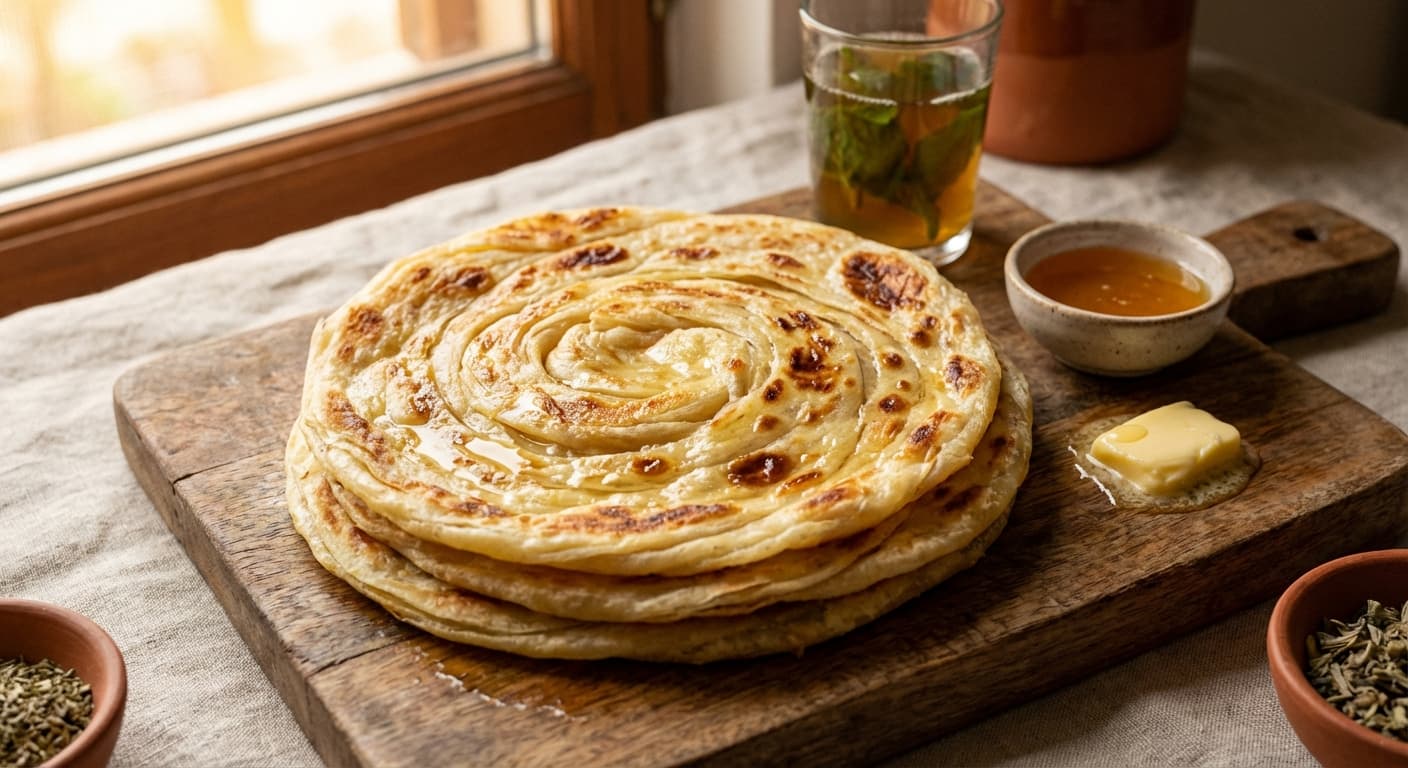
Meloui (ملوي) — Moroccan Spiral-Layered Pan-Fried Flatbread
Moroccan · Breads · 60 min
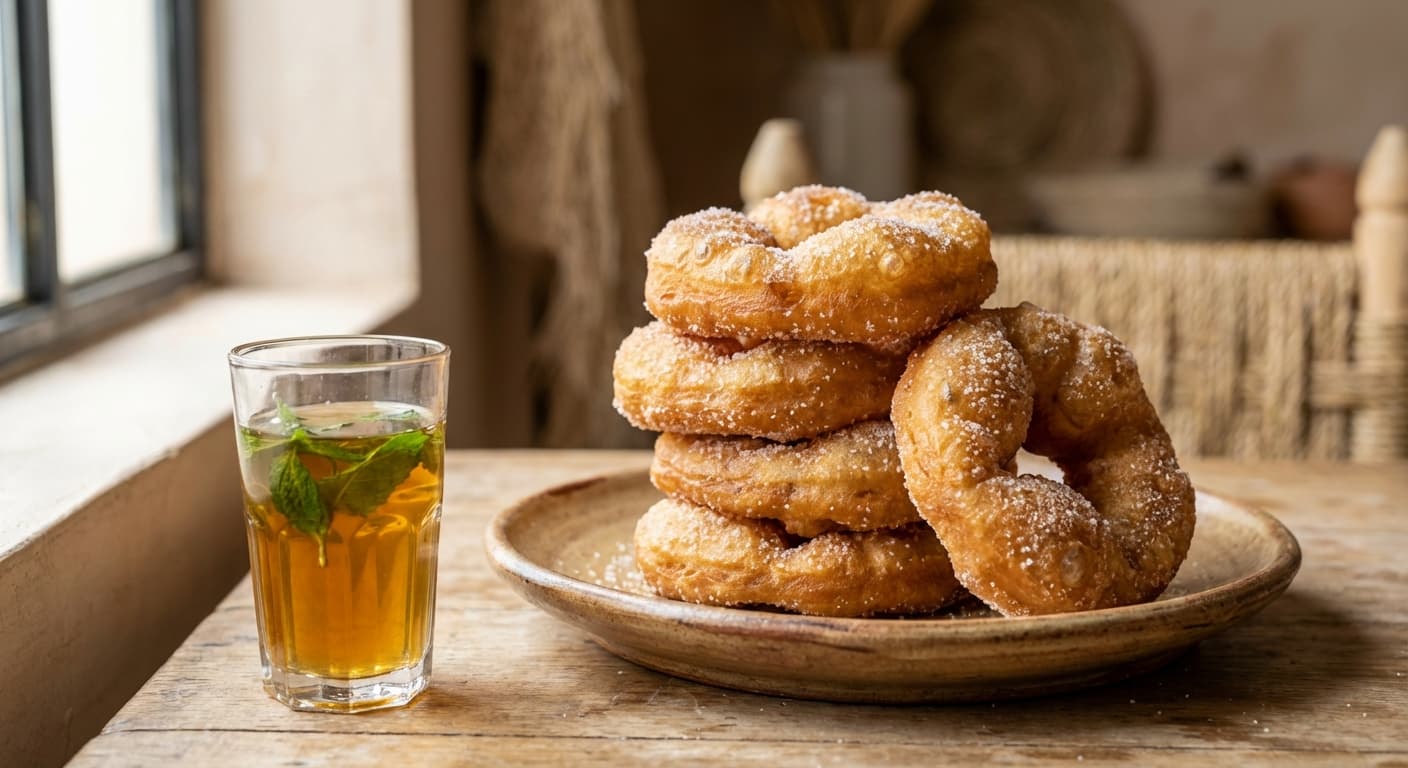
Sfenj (سفنج) — Moroccan Fried Doughnuts with Sugar
Moroccan · Desserts · 45 min
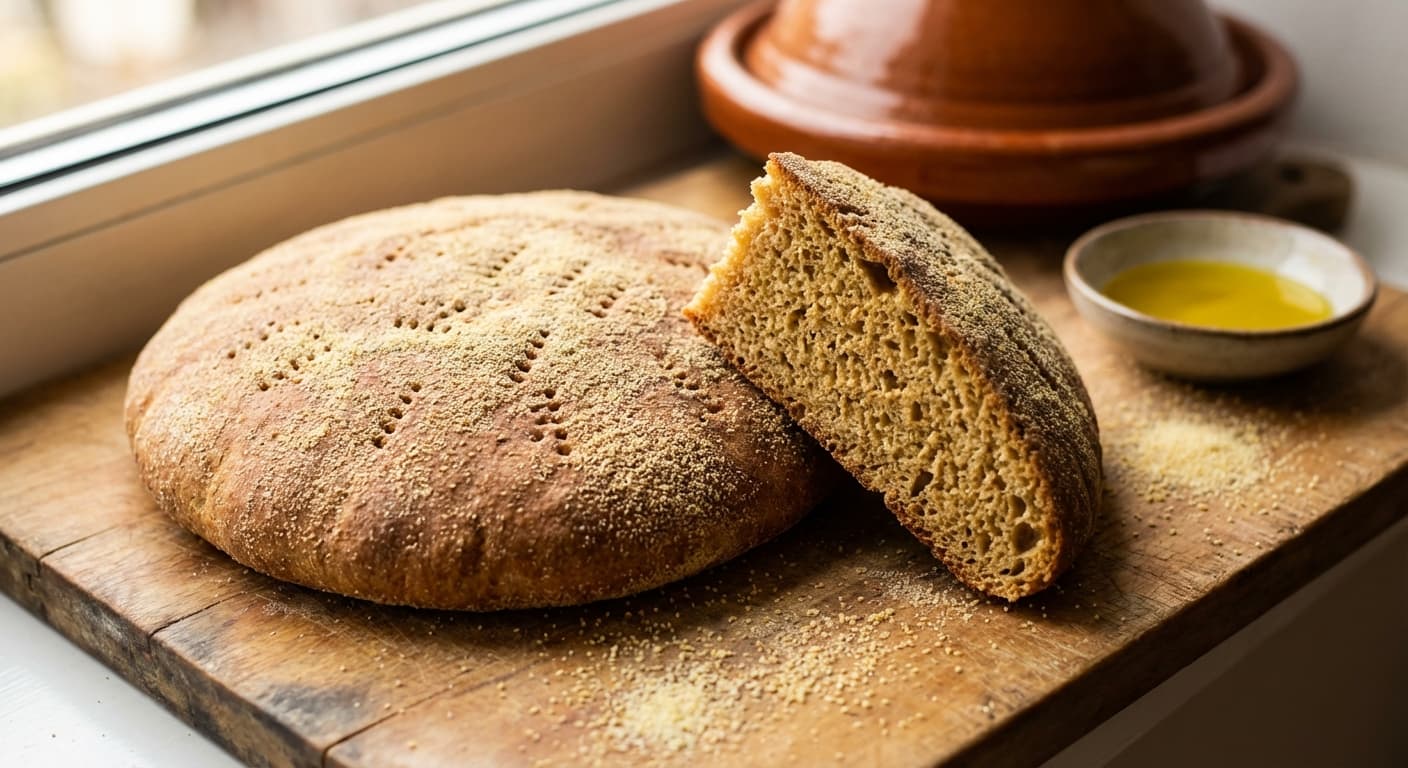
Khobz (خبز) — Moroccan Round Semolina Bread with a Golden Crust
Moroccan · Breads · 45 min
Charquicán (Charquicán) — Chilean Beef and Vegetable Hash
Chilean · Main Courses · 70 min
Chilean Beef Empanada (Empanada de pino) — Baked pastry filled with beef, onion, egg, olive, and raisins
Chilean · Main Courses · 125 min
Mloukhieh (ملوخية) — Lebanese Jew’s Mallow Stew with Chicken and Lemon
Lebanese · Stews · 90 min
Riz bi Sha'riyeh (رز بالشعيرية) — Lebanese Vermicelli Rice Pilaf
Lebanese · Rice Dishes · 30 min
Tempura Moriawase (天ぷら盛り合わせ) — Assorted Shrimp and Vegetable Tempura
Japanese · Main Courses · 60 min
Reviews
Cooked this recipe?
Tap the stars to rate it — that's all it takes. A few words are welcome but optional.
No ratings yet. Cooked this one? Be the first to rate it — it takes one tap.