Colombian Bandeja Paisa (Bandeja paisa) — Antioquia Mountain Platter
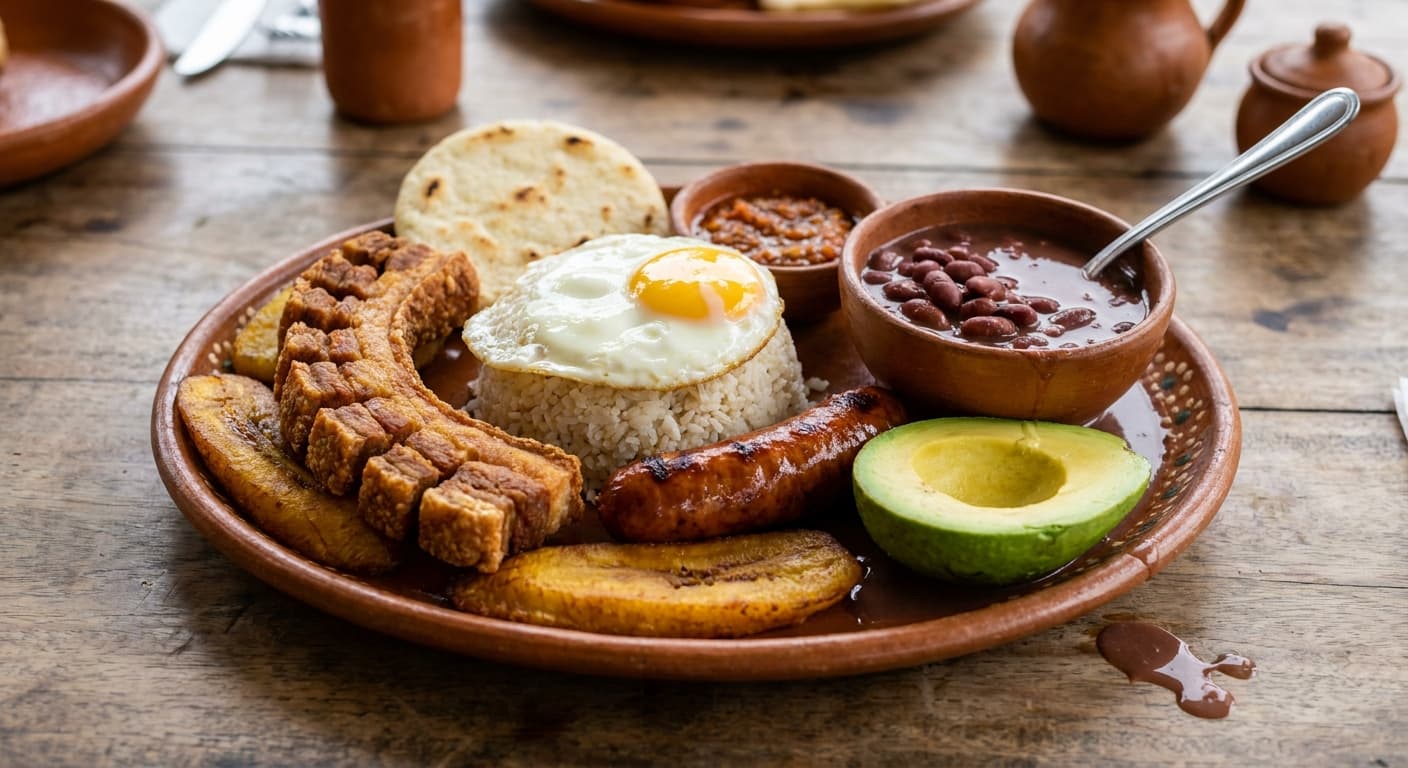
Bandeja paisa is the abundant platter of Antioquia, Colombia’s coffee-growing mountain region. Beans, rice, pork belly, chorizo, egg, plantain, avocado, and arepa are served together as a hearty farm-style meal.
Printable Recipe Card
Servings: 4 · Total: 225 min · Difficulty: hard
Ingredients (quick list)
- 500 g dried cargamanto beans (soaked in water for 8 to 12 hours and drained)
- 2 l water
- 1 green plantain (peeled and diced)
- 3 clove garlic (crushed)
- 2 leaf bay leaves
- 1 tsp ground cumin
- 12 g fine sea salt
- 4 ripe tomatoes (finely chopped)
- 6 scallions (finely chopped)
- 1 yellow onion (finely chopped)
- 45 ml vegetable oil
- 300 g long-grain white rice
+ 9 more in the full ingredients section below.
Steps (summary)
- Drain the soaked cargamanto beans and place them in a large heavy pot with 2 l water, the diced green plantain, 3 crushed garli…
- Stir 12 g salt into the beans only after they are tender, then continue simmering for 15 minutes so the seasoning penetrates th…
- Make the hogao while the beans cook. Heat 45 ml vegetable oil in a skillet over medium heat, add the tomatoes, scallions, onion…
- Transfer 120 g of the finished hogao into the pot of beans and stir well. Keep the remaining hogao warm for spooning over the b…
- Cook the rice in a separate saucepan by warming 15 ml oil over medium heat and briefly sizzling 1 crushed garlic clove for 30 s…
- Prepare the chicharrón by placing the pork belly strips skin-side up in a wide heavy skillet with 240 ml water and 10 g salt. S…
+ 6 more steps in the full instructions section below.
Cultural Background
Bandeja paisa reflects the generous mountain cooking of Antioquia and the old need for a filling meal after hard rural labor. Today it is a national emblem of Colombian abundance and regional pride.
Equipment
💡 Tips
- Salt the beans after they soften; salting too early can make older beans take much longer to become creamy.
- Use a wide skillet for chicharrón so the pork renders instead of steaming, and turn the strips often for even crisping.
- Assemble the platter at the last moment because the contrast of crisp pork, soft beans, hot rice, and cool avocado is essential.
⚠️ Common Mistakes
❌ Serving the components lukewarm after cooking them in sequence.
✅ Fix: Keep beans, rice, beef, and sausages warm over very low heat, and cook the eggs last.
❌ Crowding the pork belly while making chicharrón.
✅ Fix: Use a wide pan and leave space around each strip so the pork renders and crisps instead of steaming.
❌ Making the hogao too watery.
✅ Fix: Cook it until the tomatoes collapse and the oil separates slightly, creating a spoonable sauce.
🧊 How to Store
Store beans, rice, beef, chorizo, and plantains separately in airtight containers for up to 3 days. Reheat beans and rice with 30 ml water, crisp chicharrón in a 200°C oven, and fry eggs fresh before serving.
📅 Make Ahead
Soak and cook the beans 1 day ahead, and prepare the hogao in advance. Reheat both gently while cooking the rice, meats, plantains, and eggs fresh for the best texture.
🍽️ Pairs Well With
- Ají picante
- lime wedges
- Colombian hot chocolate
- cold aguapanela
- extra arepas.
Regional Variations
- In some Antioquian homes, carne en polvo, a finely pounded seasoned beef, replaces the ground beef.
- Some restaurants add grilled steak, morcilla, or extra avocado for an even larger platter.
- Beans may be cooked with green plantain, carrot, or pork depending on the household.
Ingredients
- 500 gdried cargamanto beans (soaked in water for 8 to 12 hours and drained)
- 2 lwater
- 1green plantain (peeled and diced)
- 3 clovegarlic (crushed)
- 2 leafbay leaves
- 1 tspground cumin
- 12 gfine sea salt
- 4ripe tomatoes (finely chopped)
- 6scallions (finely chopped)
- 1yellow onion (finely chopped)
- 45 mlvegetable oil
- 300 glong-grain white rice
- 900 gpork belly (skin-on, cut into 4 thick strips)
- 4Colombian chorizos
- 500 gground beef
- 0.5 tspground black pepper
- 4eggs
- 2ripe plantains (peeled and cut on the diagonal into 12 slices)
- 4small white corn arepas
- 2Hass avocados (halved, pitted, and sliced)
- 8 sprigcilantro
🔄 Substitutions
- dried cargamanto beans→ cranberry beans or pinto beans
- Colombian chorizos→ fresh Latin-style pork chorizos
- small white corn arepas→ plain yellow corn arepas
Instructions
- 1
Drain the soaked cargamanto beans and place them in a large heavy pot with 2 l water, the diced green plantain, 3 crushed garlic cloves, bay leaves, and 1 tsp cumin. Bring to a boil, then lower the heat and simmer partly covered for 90 to 120 minutes, until the beans are creamy and the plantain has softened into the broth.
- 2
Stir 12 g salt into the beans only after they are tender, then continue simmering for 15 minutes so the seasoning penetrates the broth. If the beans look dry, add 120 ml hot water and keep them loose enough to spoon generously over rice.
- 3
Make the hogao while the beans cook. Heat 45 ml vegetable oil in a skillet over medium heat, add the tomatoes, scallions, onion, 2 minced garlic cloves, 0.5 tsp cumin, and 6 g salt, and cook for 20 to 25 minutes until the mixture is soft, glossy, and saucy.
- 4
Transfer 120 g of the finished hogao into the pot of beans and stir well. Keep the remaining hogao warm for spooning over the beef and beans at serving time.
- 5
Cook the rice in a separate saucepan by warming 15 ml oil over medium heat and briefly sizzling 1 crushed garlic clove for 30 seconds. Add the rice, 600 ml water, and 5 g salt, bring to a boil, cover tightly, and cook over low heat for 18 minutes before resting off the heat for 10 minutes.
- 6
Prepare the chicharrón by placing the pork belly strips skin-side up in a wide heavy skillet with 240 ml water and 10 g salt. Simmer uncovered over medium heat until the water evaporates and the pork begins frying in its own rendered fat, then continue cooking for 25 to 35 minutes, turning often, until the skin is crisp and the meat is deeply golden.
- 7
Cook the chorizos in a small skillet with 60 ml water over medium heat for 8 minutes, turning once. Let the water evaporate, then brown the sausages in their released fat for 6 to 8 minutes until cooked through and lightly blistered.
- 8
Heat 15 ml oil in a skillet and add the ground beef, 6 g salt, 0.5 tsp cumin, and 0.5 tsp black pepper. Cook for 8 to 10 minutes, breaking it into fine crumbles, then stir in 80 g reserved hogao so the beef becomes moist but not soupy.
- 9
Fry the ripe plantain slices in 240 ml vegetable oil heated to 175°C. Cook them for 2 to 3 minutes per side until caramelized and golden, then drain on a rack or paper towel and keep warm.
- 10
Warm the arepas on a dry griddle for 3 to 4 minutes per side until lightly toasted. Fry the eggs sunny-side up or over easy in a lightly oiled skillet, cooking each egg until the whites are set and the yolks remain soft.
- 11
Assemble each bandeja paisa on a large plate or shallow platter. Place a mound of rice, a ladle of beans, one strip of chicharrón, one chorizo, one portion of sauced beef, one fried egg, several plantain slices, one arepa, and half an avocado on each plate.
- 12
Finish each platter with a spoonful of the remaining hogao and 2 cilantro sprigs. Serve immediately while the chicharrón is crisp, the egg is hot, and the beans are still saucy.
🪪 Recipe Passport
Cultural Background
Bandeja paisa reflects the generous mountain cooking of Antioquia and the old need for a filling meal after hard rural labor. Today it is a national emblem of Colombian abundance and regional pride.
Regional Variations
Researched from multiple sources and validated by the Zaffaron editorial team. Every recipe is tested for accuracy, measurements, and cultural authenticity.
📚 Sources & Cultural References
- Carlos Ordonez Caicedo — Gran Libro de la Cocina Colombiana — (1984)
- Oxford University Press — The Oxford Companion to Food — (2014)
Sources cited by the Zaffaron editorial team during recipe research. Cultural and culinary references supporting authenticity claims.
Nutrition per serving
Pairs well with
If you enjoyed this recipe, here are a few related Zaffaron recipes to try next.
- Colombian Sancocho (Sancocho Colombiano) — Hearty Three-Meat Root Vegetable Stew
- Colombian Chicken and Potato Soup (Ajiaco Santafereño) — Bogotá-Style Guascas Soup
- Changua (Changua) — Colombian Milk-and-Egg Breakfast Soup
- Colombian Cheese Arepas (Arepas de Queso) — Golden Corn Cakes Filled with Melted Cheese
Does your family make this differently?
Every family has their own version. Maybe your grandmother adds a secret ingredient, or your aunt has a completely different technique. Preserve your family's version — with their name on it, forever.
You Might Also Like
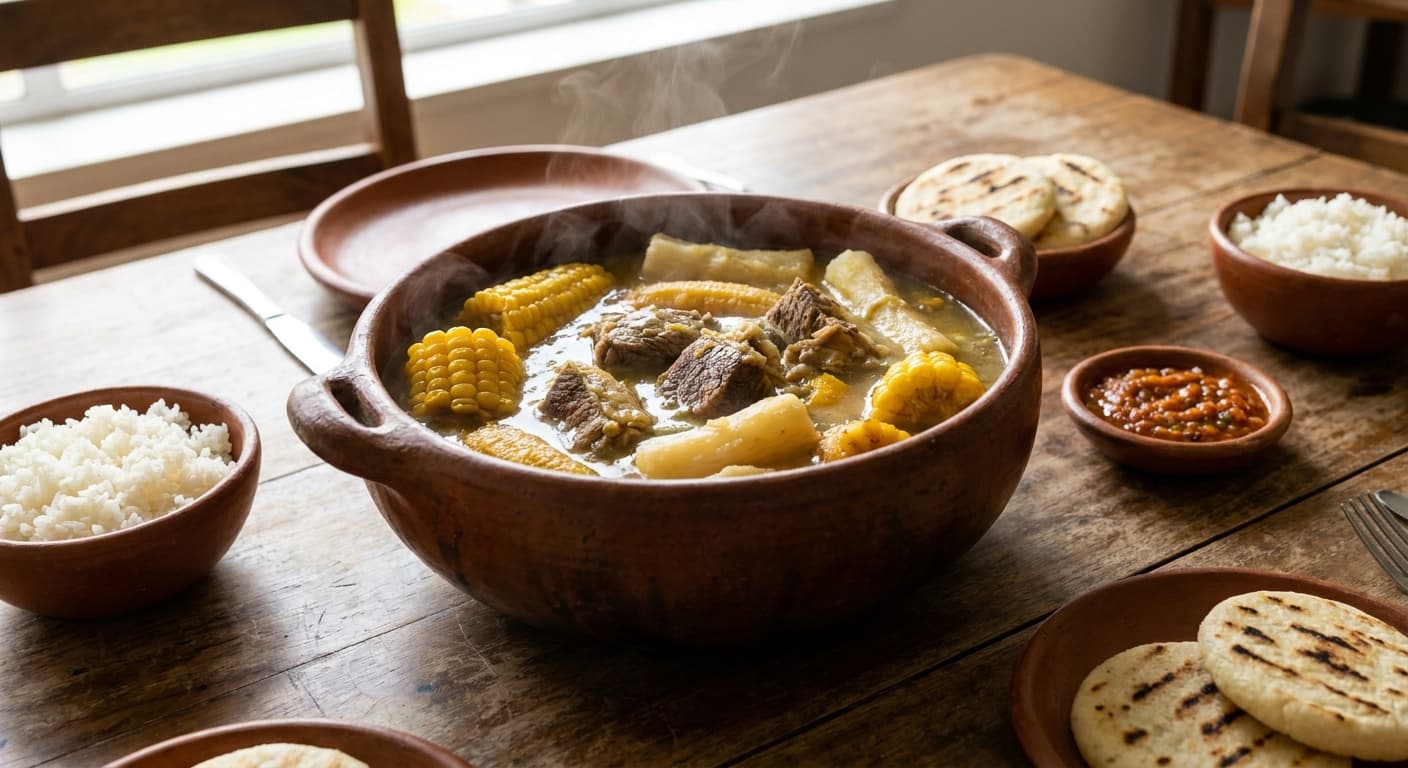
Colombian Sancocho (Sancocho Colombiano) — Hearty Three-Meat Root Vegetable Stew
Colombian · Stews · 170 min
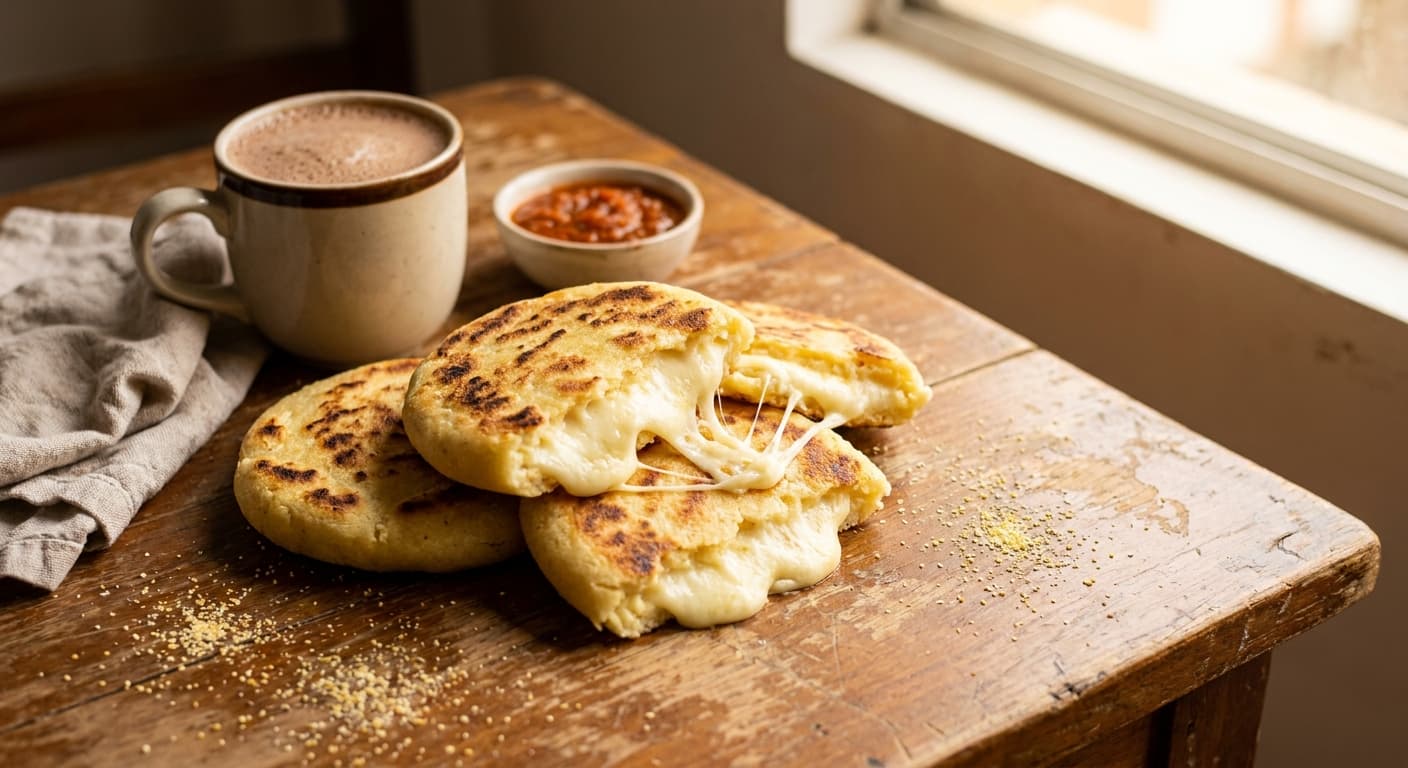
Colombian Cheese Arepas (Arepas de Queso) — Golden Corn Cakes Filled with Melted Cheese
Colombian · Breads · 38 min
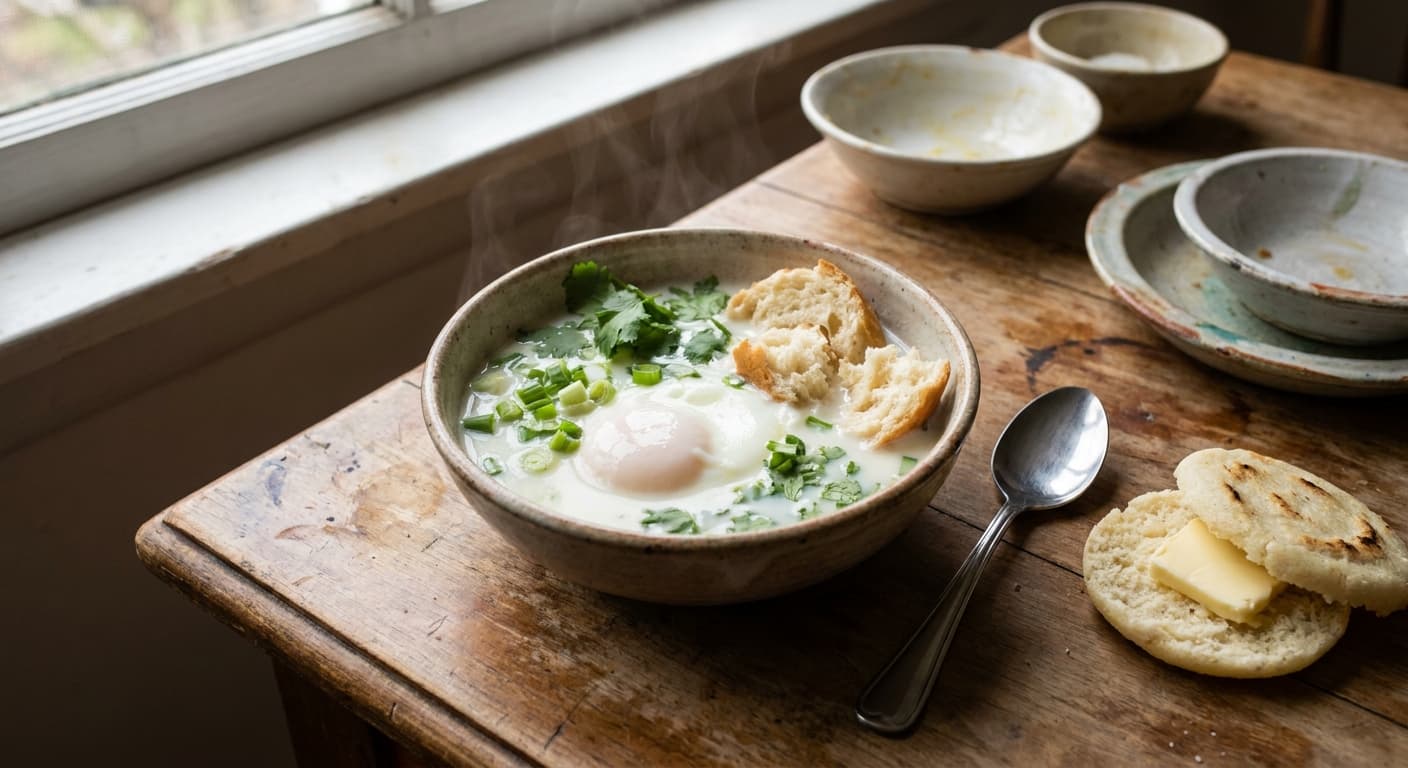
Changua (Changua) — Colombian Milk-and-Egg Breakfast Soup
Colombian · Soups · 25 min
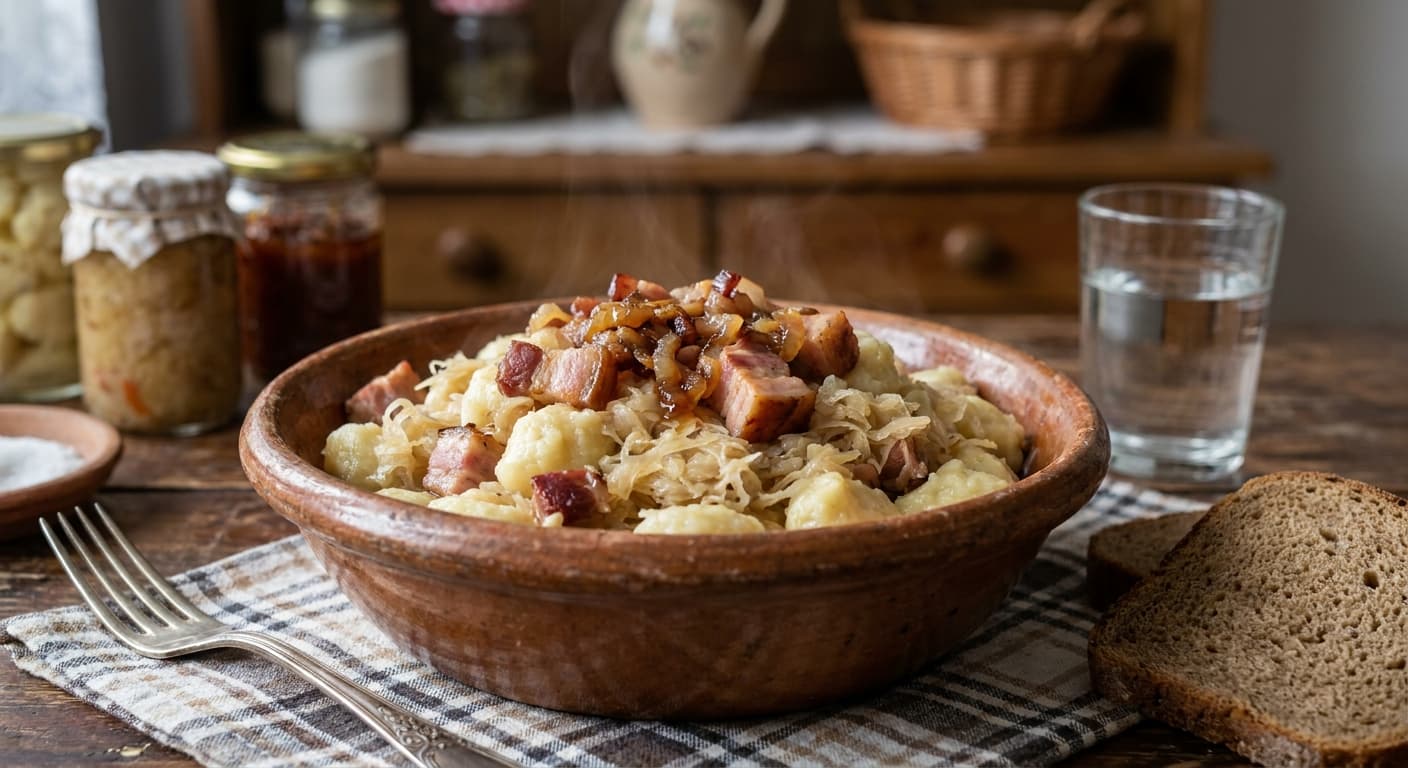
Potato Dumplings with Smoked Meat (Strapačky s údeným mäsom) — Rustic Slovak Halušky with Sauerkraut
Slovak · Main Courses · 70 min
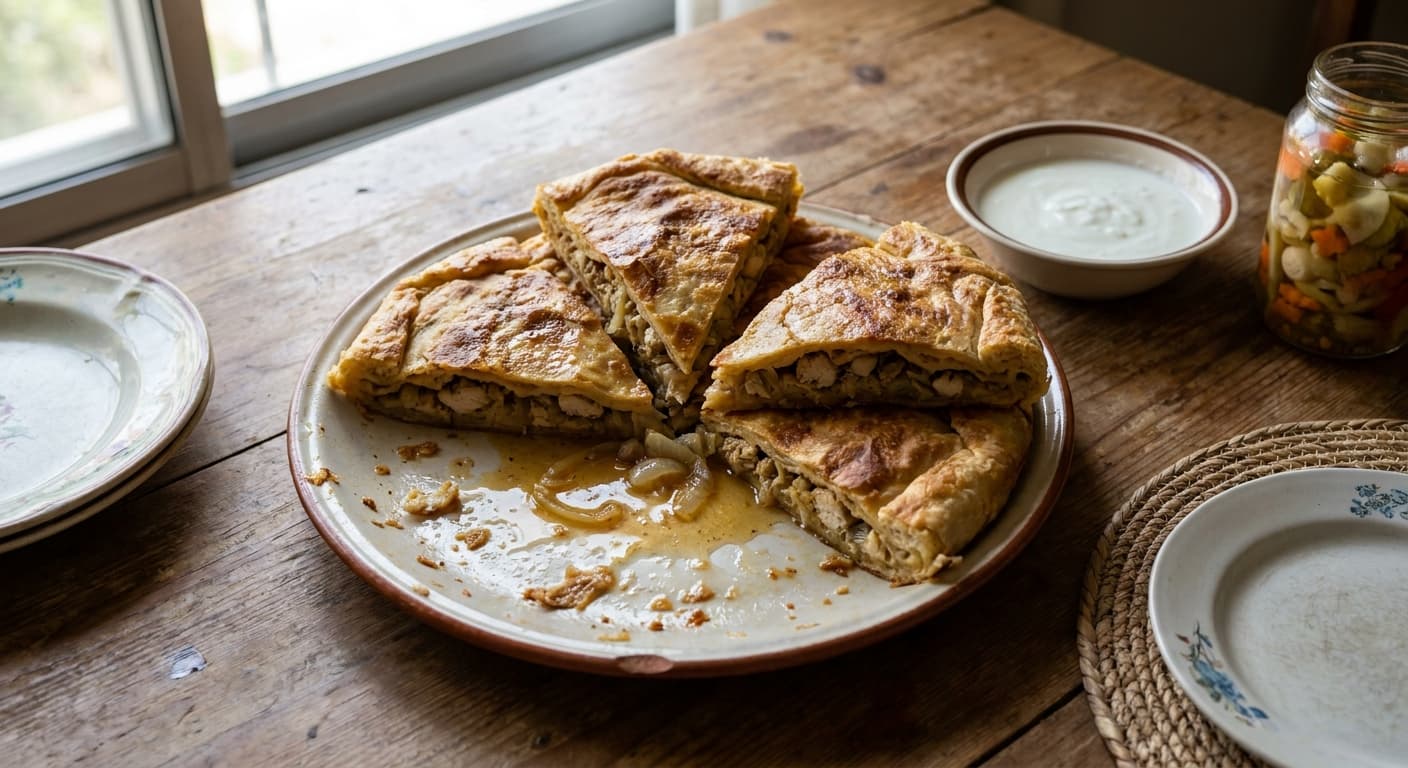
Makmoura (مكمورة) — Jordanian Layered Chicken Bread Pie
Jordanian · Main Courses · 185 min
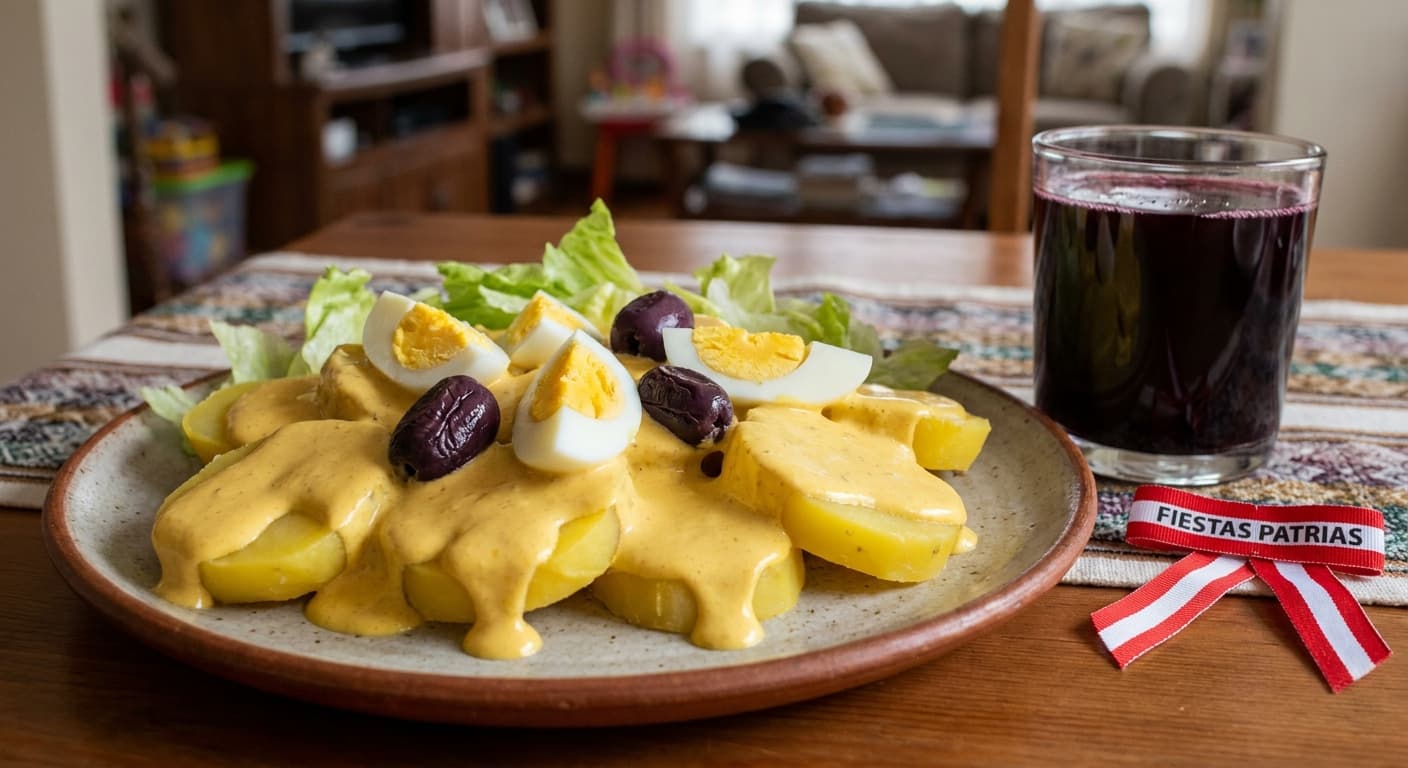
Huancayo-Style Potatoes (Papa a la Huancaína) — Peruvian Potatoes in Ají Amarillo Cheese Sauce
Peruvian · Appetizers · 45 min
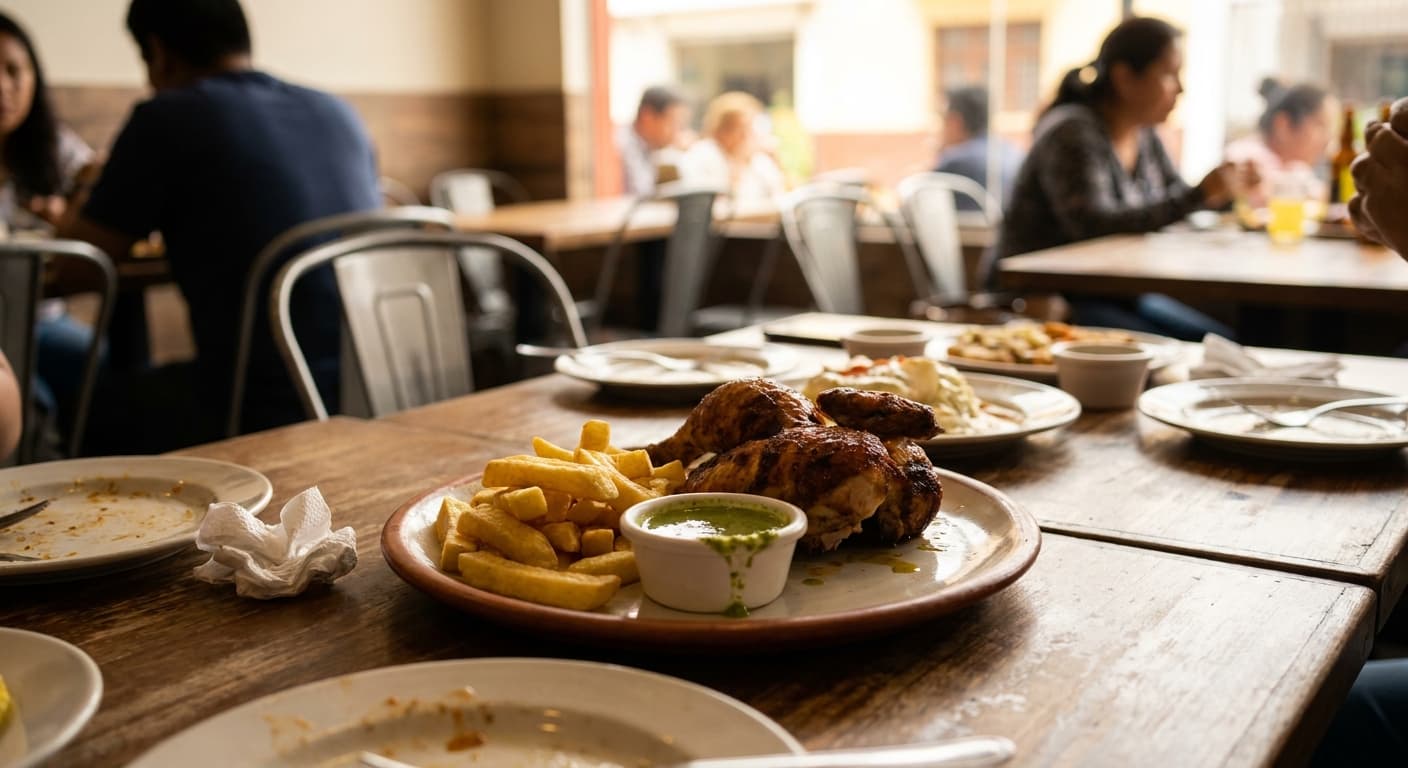
Peruvian Rotisserie Chicken (Pollo a la Brasa) — Charred Spice-Marinated Roast Chicken
Peruvian · Main Courses · 100 min
Fanesca (Fanesca) — Ecuadorian Holy Week Cod and Grain Soup
Ecuadorian · Soups · 180 min
Reviews
Cooked this recipe?
Tap the stars to rate it — that's all it takes. A few words are welcome but optional.
No ratings yet. Cooked this one? Be the first to rate it — it takes one tap.