Fanesca (Fanesca) — Ecuadorian Holy Week Cod and Grain Soup
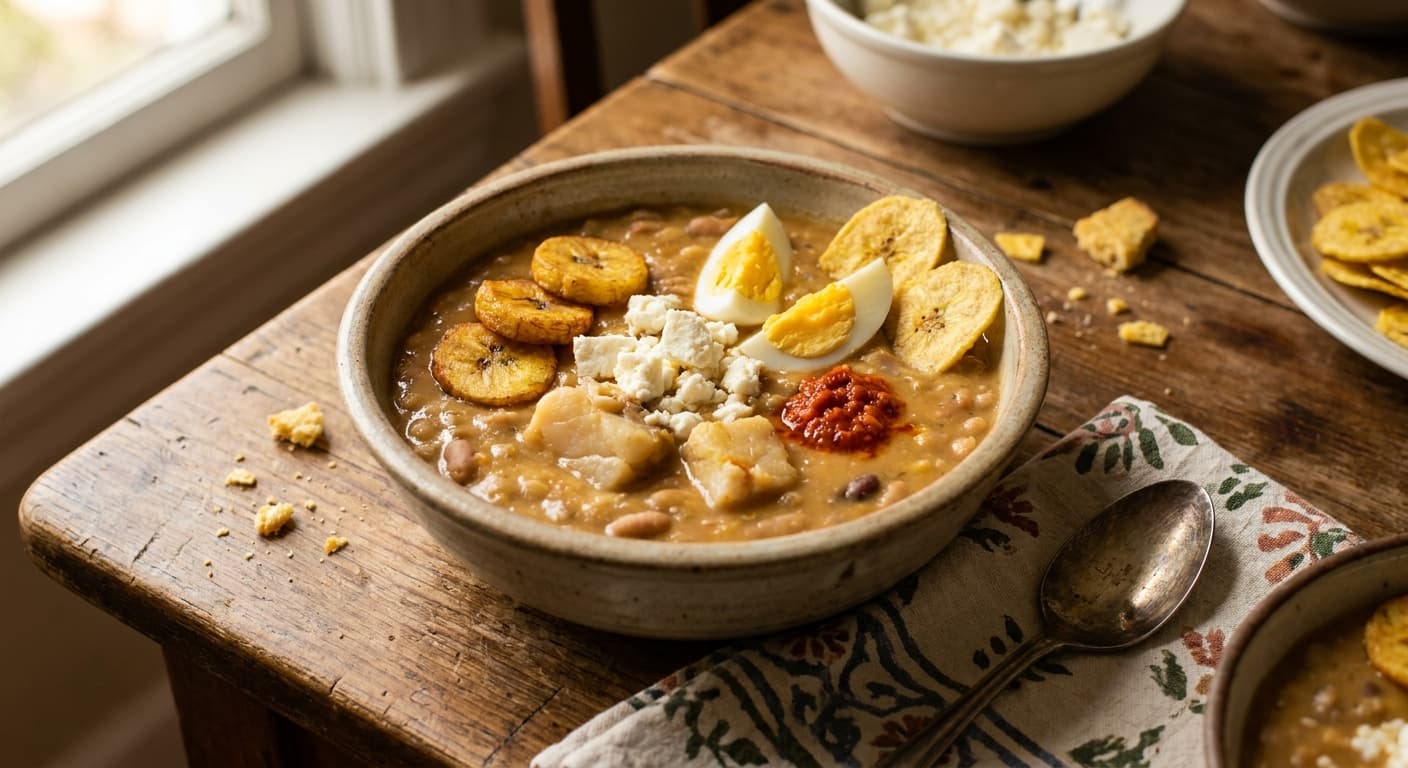
Fanesca is Ecuador’s emblematic Semana Santa soup, a lavish bowl of bacalao, milk, peanuts, zapallo, sambo, and many grains. Families often prepare it together, serving it with egg, queso fresco, fried ripe plantain, and aji criollo.
Printable Recipe Card
Servings: 8 · Total: 180 min · Difficulty: hard
Ingredients (quick list)
- 450 g boneless skinless salt cod (bacalao, soaked before cooking)
- 3000 ml cold water (for soaking and changing twice)
- 1500 ml whole milk
- 750 ml water
- 900 g zapallo or kabocha squash (peeled, seeded, and cut into chunks)
- 500 g sambo or zucchini (peeled if tough, seeded if needed, and diced)
- 160 g raw unsalted peanuts
- 45 ml achiote oil
- 2 white onion (finely diced)
- 5 clove garlic (minced)
- 2 tsp ground cumin
- 1 tsp dried oregano
+ 21 more in the full ingredients section below.
Steps (summary)
- Rinse the salt cod under cold running water, then place it in a nonreactive bowl with 3000 ml cold water. Refrigerate it for 24…
- Drain the soaked cod and place it in a saucepan with 750 ml water and 500 ml of the whole milk. Bring it just to a gentle simme…
- When the cod is cool enough to handle, flake it into generous bite-size pieces and remove any hidden bones. Keep the flakes cov…
- Put the zapallo and sambo in a large pot with the reserved cod cooking liquid. Simmer for 25 to 30 minutes, stirring occasional…
- Blend the peanuts with 500 ml of the remaining whole milk until very smooth. For a traditional creamy texture, blend for at lea…
- In a separate large heavy pot, warm the achiote oil over medium heat and add the diced onion. Cook for 8 minutes until soft and…
+ 5 more steps in the full instructions section below.
Cultural Background
Fanesca is Ecuador’s great Holy Week soup, often linked to abundance, family labor, and the symbolic use of many grains. Michelle Fried documents this kind of Ecuadorian home cooking in Comidas del Ecuador.
Equipment
💡 Tips
- Start soaking the bacalao one day ahead; rushing this step makes the soup harshly salty even after adding milk and squash.
- Use cooked grains and legumes that are tender but intact, because overcooked beans will make the fanesca pasty.
- Keep the simmer low after adding the peanut milk and dairy, since a hard boil can split the soup and dull its creamy texture.
⚠️ Common Mistakes
❌ Using salt cod without enough soaking time
✅ Fix: Soak it for 24 hours and change the water twice, then taste the cooked flakes before adding any measured salt.
❌ Boiling the soup hard after adding milk and peanuts
✅ Fix: Keep the heat at a gentle simmer and stir frequently from the bottom to prevent curdling and scorching.
❌ Adding fragile cooked beans too early and stirring aggressively
✅ Fix: Use fully cooked but firm legumes and fold them in gently so the soup stays hearty rather than gluey.
🧊 How to Store
Cool leftovers quickly and refrigerate in airtight containers for up to 3 days. Reheat gently over low heat with 30 to 60 ml milk per portion, stirring often, because the peanut, dairy, and grains thicken as they stand.
📅 Make Ahead
Soak and cook the bacalao 1 day ahead, and cook the grains and legumes up to 2 days ahead. The soup base can be prepared several hours before serving, but add herbs and garnishes at the end.
🍽️ Pairs Well With
- Aji criollo
- empanaditas de viento
- chifles
- avocado slices
- lime wedges.
Regional Variations
- Quito-style fanesca is often especially elaborate, with many grains and a generous garnish of egg, queso fresco, and fried ripe plantain.
- Coastal versions may taste slightly sweeter and richer, with more plantain garnish or a looser dairy base.
- Some families include small fried dough empanaditas de viento on top, while others serve them separately to keep the soup gluten-free.
Ingredients
- 450 gboneless skinless salt cod (bacalao, soaked before cooking)
- 3000 mlcold water (for soaking and changing twice)
- 1500 mlwhole milk
- 750 mlwater
- 900 gzapallo or kabocha squash (peeled, seeded, and cut into chunks)
- 500 gsambo or zucchini (peeled if tough, seeded if needed, and diced)
- 160 graw unsalted peanuts
- 45 mlachiote oil
- 2white onion (finely diced)
- 5 clovegarlic (minced)
- 2 tspground cumin
- 1 tspdried oregano
- 1 tspsweet paprika
- 5 gfine sea salt (use only after tasting the soaked cod base)
- 150 gcooked rice
- 260 gcooked mote (Ecuadorian hominy)
- 300 gcooked corn kernels
- 260 gcooked fava beans (peeled for a finer texture)
- 260 gcooked peas
- 260 gcooked lentils
- 260 gcooked white beans
- 260 gcooked chickpeas
- 220 gcooked chochos (lupini beans, rinsed well)
- 250 ggreen cabbage (finely shredded)
- 220 gqueso fresco (160 g crumbled into the soup, 60 g for garnish)
- 25 gunsalted butter
- 120 mlheavy cream
- 12 sprigcilantro (finely chopped)
- 8 sprigflat-leaf parsley (finely chopped)
- 4hard-boiled eggs (peeled and halved)
- 2ripe plantains (sliced on the diagonal)
- 60 mlneutral oil (for frying the plantain slices)
- 120 mlaji criollo (served at the table)
🔄 Substitutions
- sambo→ zucchini
- zapallo→ kabocha squash
- chochos→ additional cooked fava beans
Instructions
- 1
Rinse the salt cod under cold running water, then place it in a nonreactive bowl with 3000 ml cold water. Refrigerate it for 24 hours, changing the water twice during that time so the bacalao keeps its character but loses excess salt.
- 2
Drain the soaked cod and place it in a saucepan with 750 ml water and 500 ml of the whole milk. Bring it just to a gentle simmer, cook for 12 minutes, then lift the fish out and reserve the milky cooking liquid for the fanesca.
- 3
When the cod is cool enough to handle, flake it into generous bite-size pieces and remove any hidden bones. Keep the flakes covered so they do not dry out while you build the soup base.
- 4
Put the zapallo and sambo in a large pot with the reserved cod cooking liquid. Simmer for 25 to 30 minutes, stirring occasionally, until the squash is completely tender and beginning to collapse.
- 5
Blend the peanuts with 500 ml of the remaining whole milk until very smooth. For a traditional creamy texture, blend for at least 90 seconds and scrape down the blender jar once so no gritty peanut pieces remain.
- 6
In a separate large heavy pot, warm the achiote oil over medium heat and add the diced onion. Cook for 8 minutes until soft and golden at the edges, then stir in the garlic, cumin, oregano, and paprika for 1 minute to make an Ecuadorian-style refrito.
- 7
Mash the cooked zapallo and sambo directly in their liquid until the mixture is thick but not perfectly smooth. Add this squash base to the refrito pot, then stir in the peanut milk and the remaining 500 ml whole milk.
- 8
Add the cooked rice, mote, corn, fava beans, peas, lentils, white beans, chickpeas, chochos, and shredded cabbage. Simmer very gently for 30 minutes, stirring from the bottom every few minutes because fanesca thickens quickly and can scorch.
- 9
Fold in the flaked bacalao, 160 g crumbled queso fresco, butter, and cream. Simmer for 10 minutes more on low heat, then taste the soup and add the measured 5 g salt only if the cod has not seasoned the pot enough.
- 10
Heat 60 ml neutral oil in a skillet over medium heat and fry the ripe plantain slices for about 2 minutes per side until browned and soft. Drain them on a rack or paper towel so they stay sweet and tender rather than greasy.
- 11
Stir the chopped cilantro and most of the parsley into the hot soup just before serving. Ladle the fanesca into bowls and garnish each serving with half a hard-boiled egg, fried ripe plantain, reserved queso fresco, parsley, and a spoonful of aji criollo at the table.
🪪 Recipe Passport
Cultural Background
Fanesca is Ecuador’s great Holy Week soup, often linked to abundance, family labor, and the symbolic use of many grains. Michelle Fried documents this kind of Ecuadorian home cooking in Comidas del Ecuador.
Regional Variations
Researched from multiple sources and validated by the Zaffaron editorial team. Every recipe is tested for accuracy, measurements, and cultural authenticity.
📚 Sources & Cultural References
- Michelle Fried — Comidas del Ecuador — (1986)
- Maricel Presilla — Gran Cocina Latina — (2012)
Sources cited by the Zaffaron editorial team during recipe research. Cultural and culinary references supporting authenticity claims.
Nutrition per serving
Pairs well with
If you enjoyed this recipe, here are a few related Zaffaron recipes to try next.
Does your family make this differently?
Every family has their own version. Maybe your grandmother adds a secret ingredient, or your aunt has a completely different technique. Preserve your family's version — with their name on it, forever.
You Might Also Like
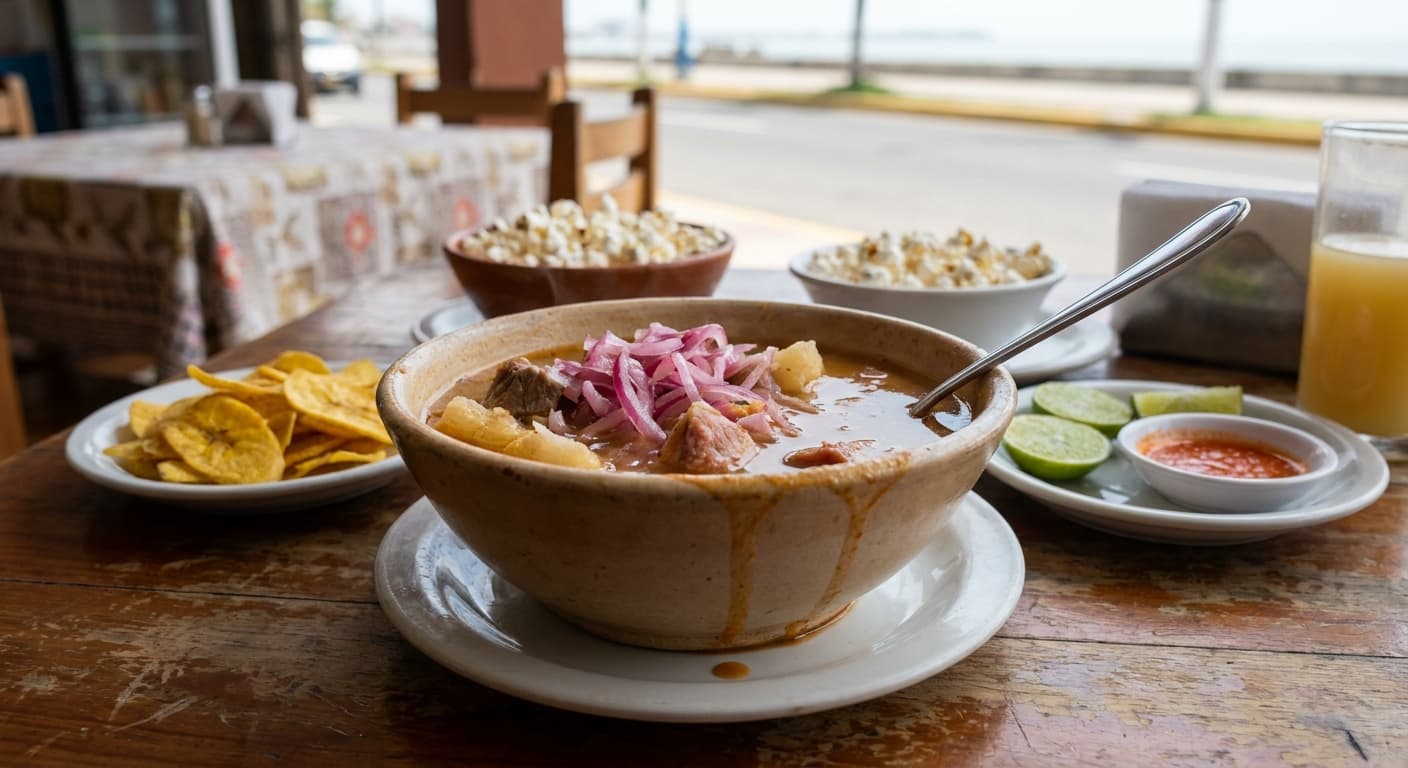
Ecuadorian Tuna Encebollado (Encebollado ecuatoriano) — Coastal Yuca and Tuna Soup
Ecuadorian · Soups · 85 min
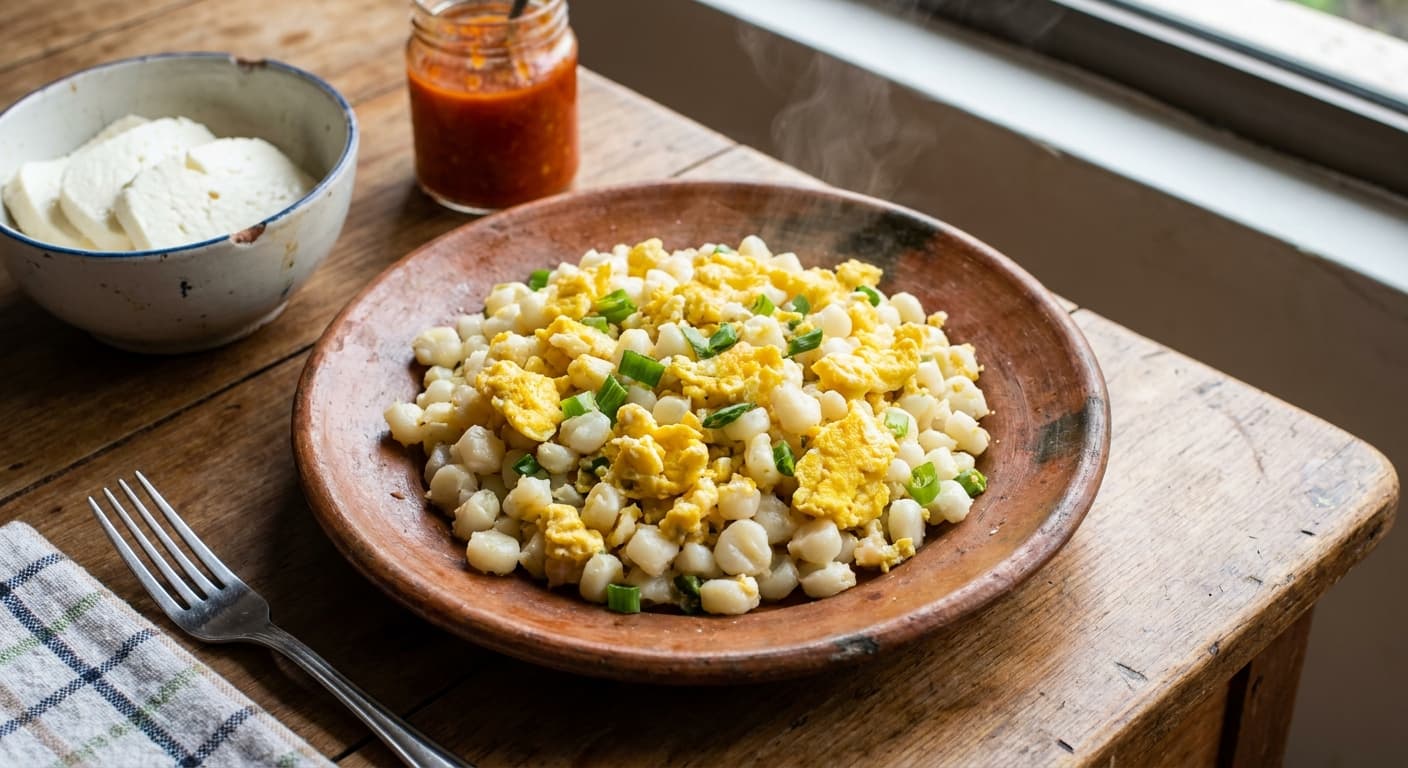
Scrambled Hominy and Eggs (Mote pillo) — Ecuadorian Highland Breakfast
Ecuadorian · Main Courses · 25 min
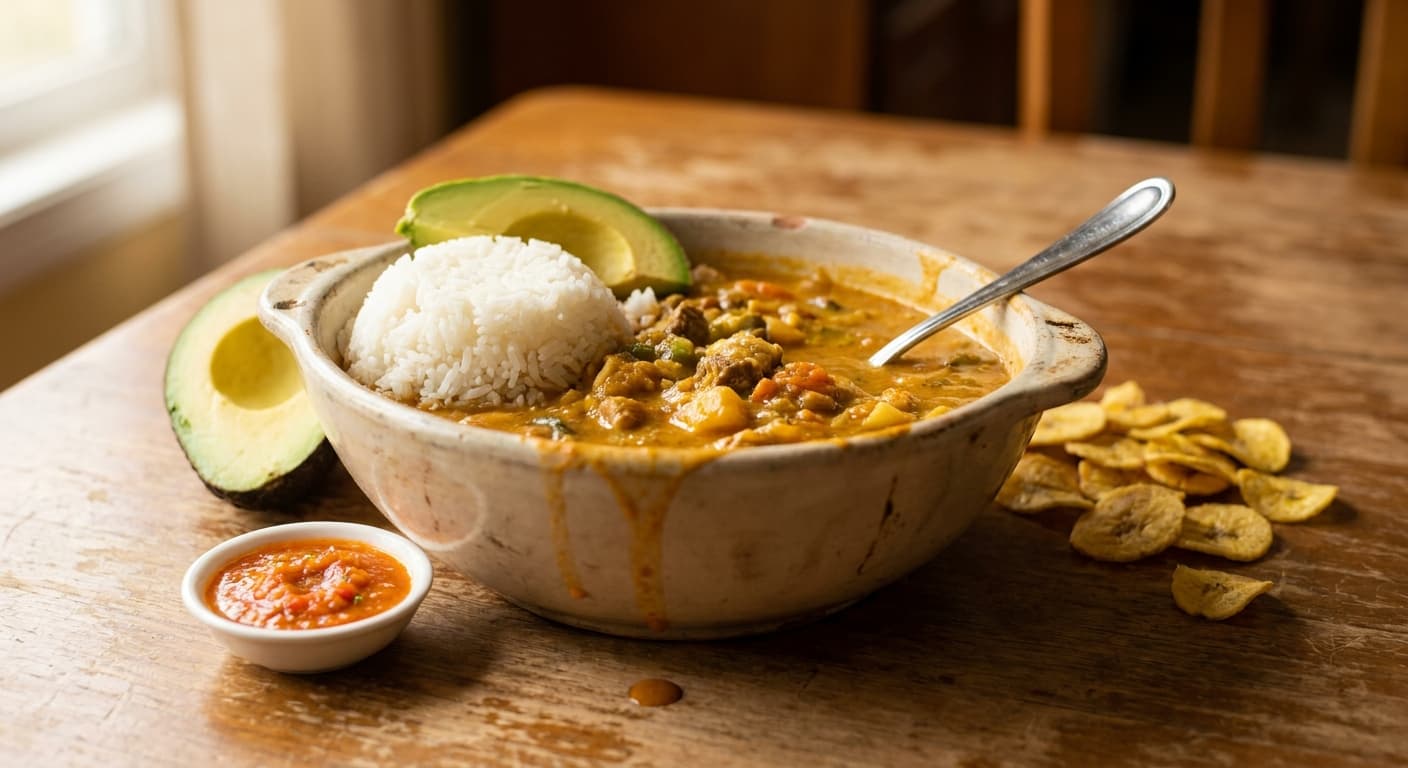
Ecuadorian Peanut Tripe Stew (Guatita) — Creamy Potato and Peanut Stew
Ecuadorian · Stews · 180 min
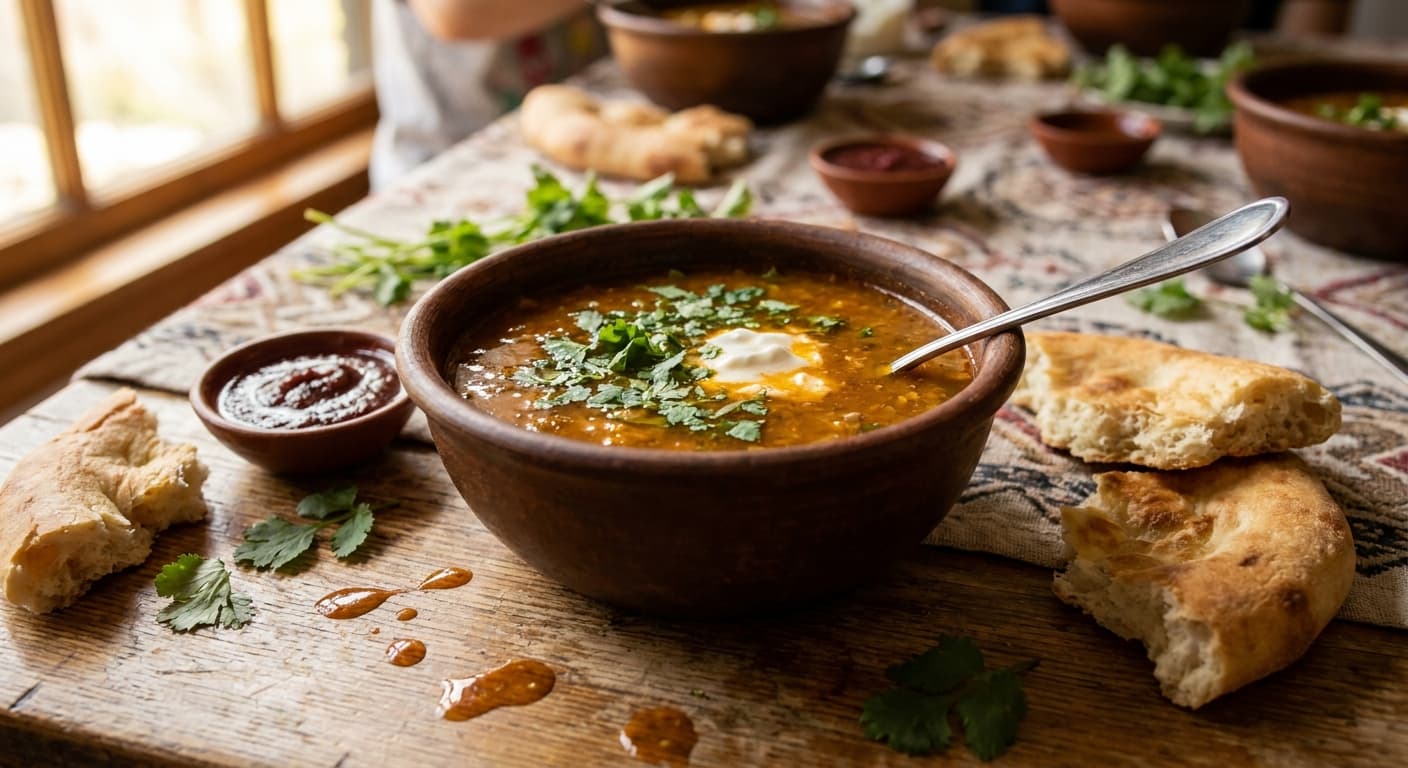
Kharcho (ხარჩო) — Georgian Beef, Walnut, and Sour Plum Soup
Georgian · Soups · 145 min
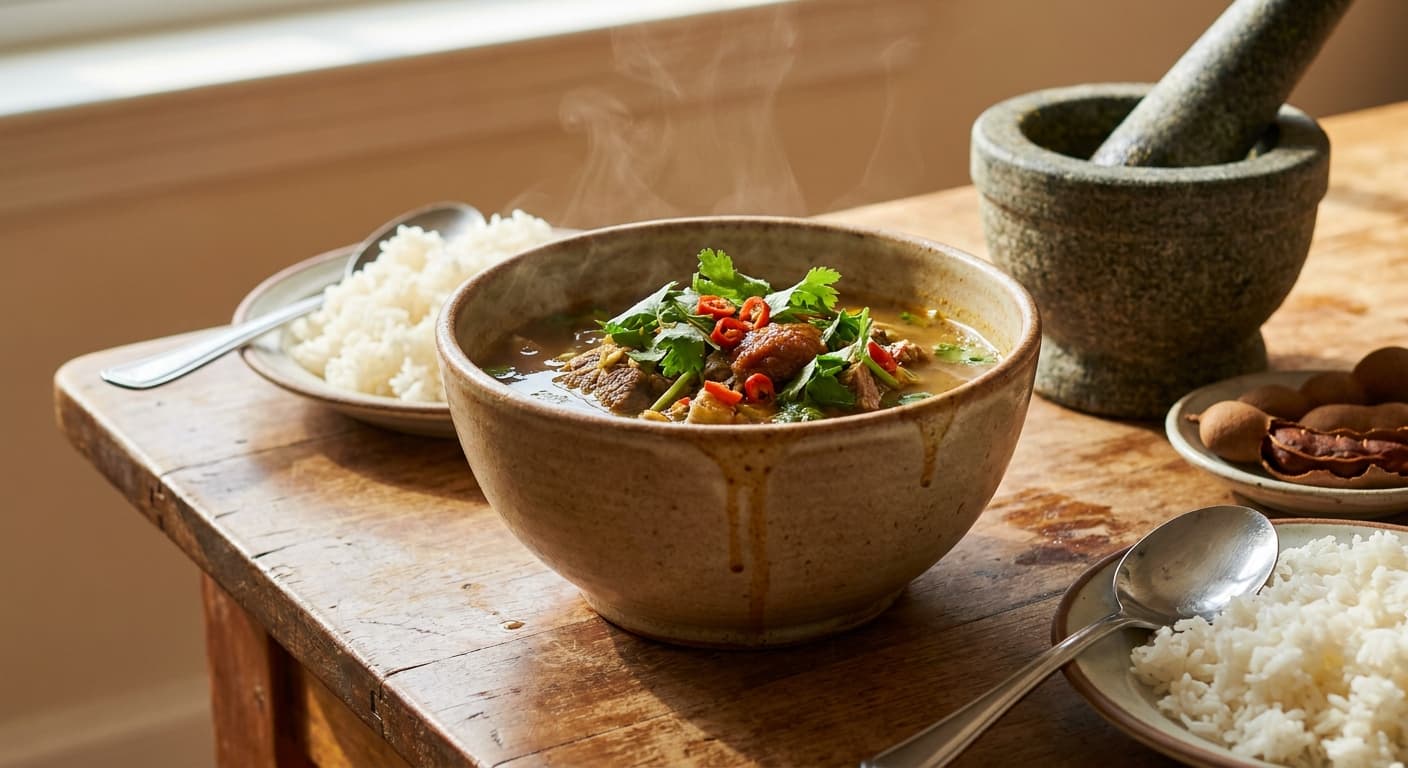
Samlor Machu Kroeung (សម្លម្ជូរគ្រឿង) — Cambodian Sour Kroeung Beef Soup
Cambodian · Soups · 130 min
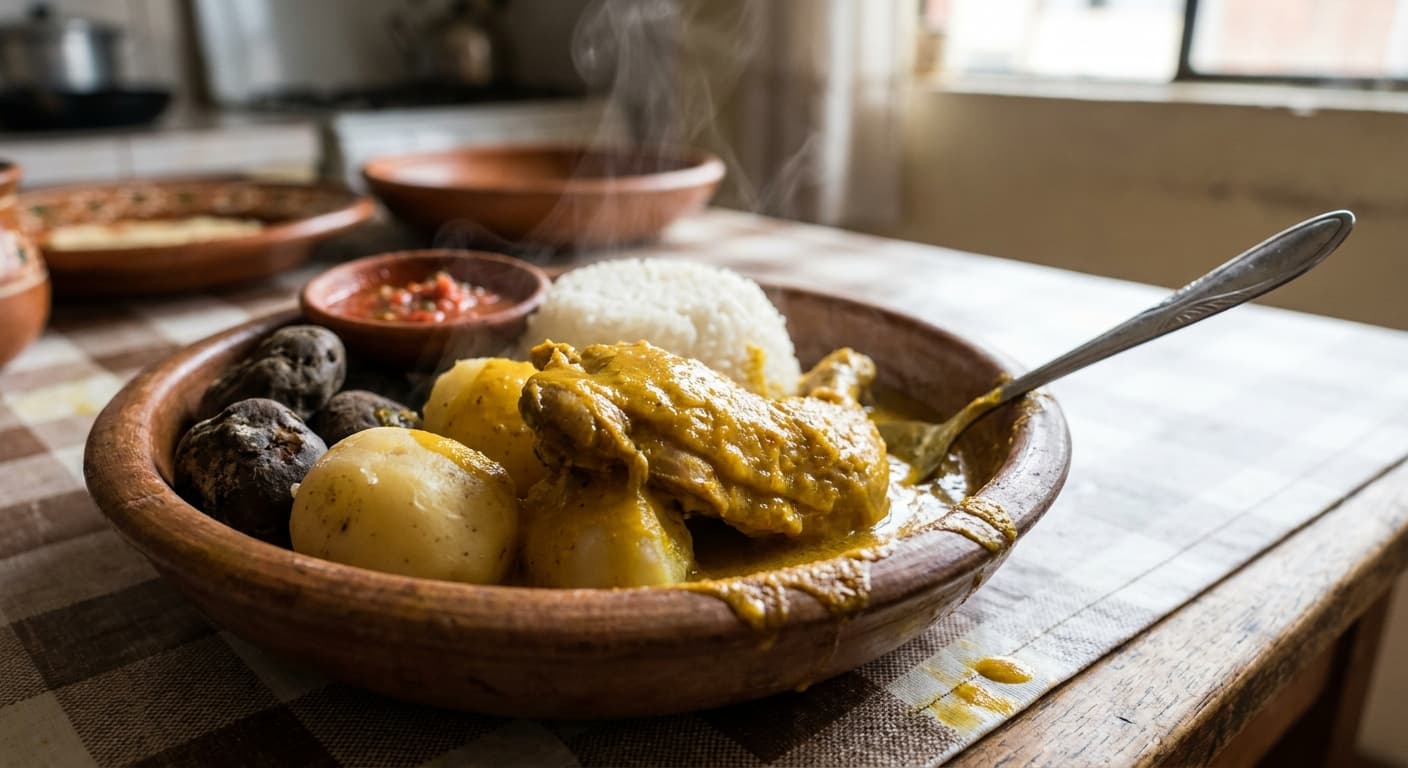
Bolivian Spicy Chicken Stew (Sajta de Pollo) — Aji Amarillo Chicken with Chuño
Bolivian · Main Courses · 95 min
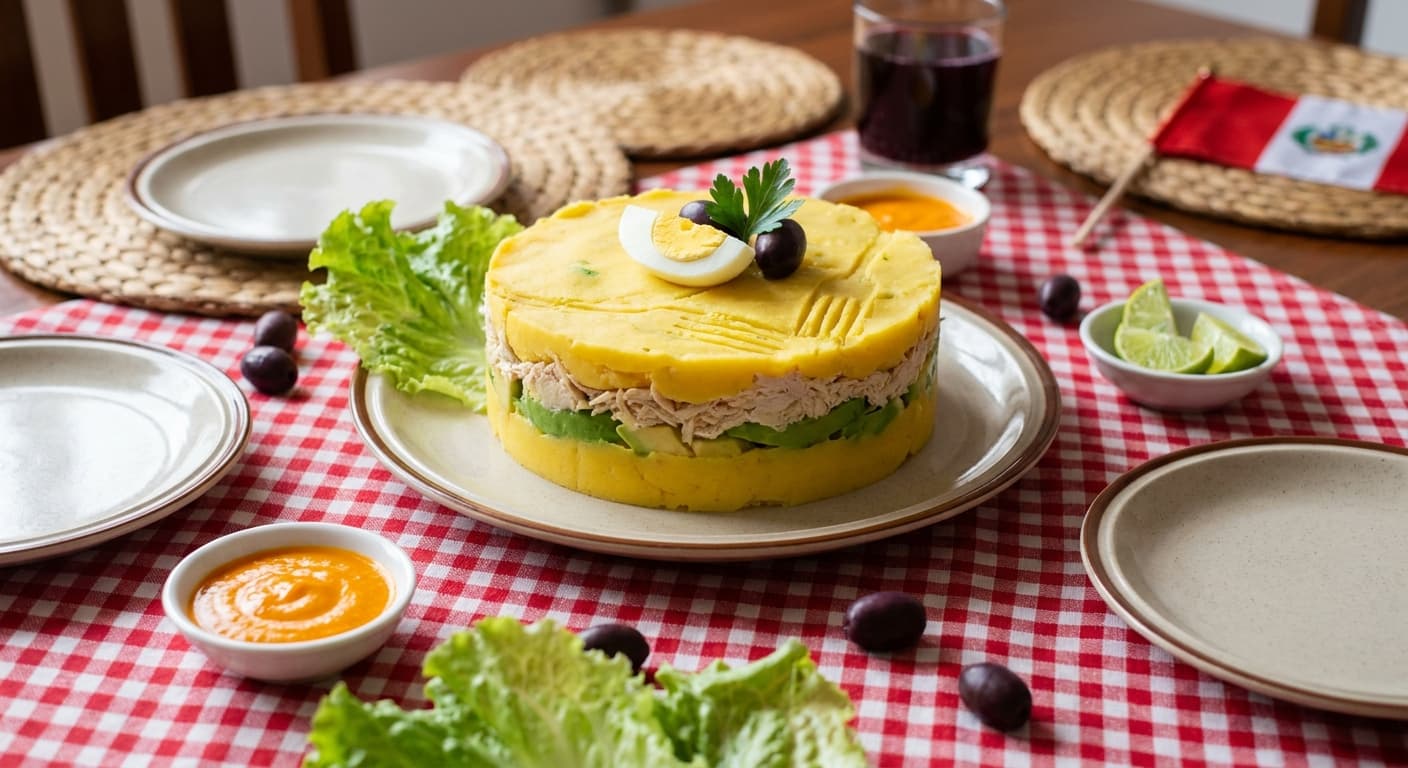
Lima-Style Causa (Causa Limeña) — Chilled Potato Terrine with Chicken and Avocado
Peruvian · Appetizers · 70 min
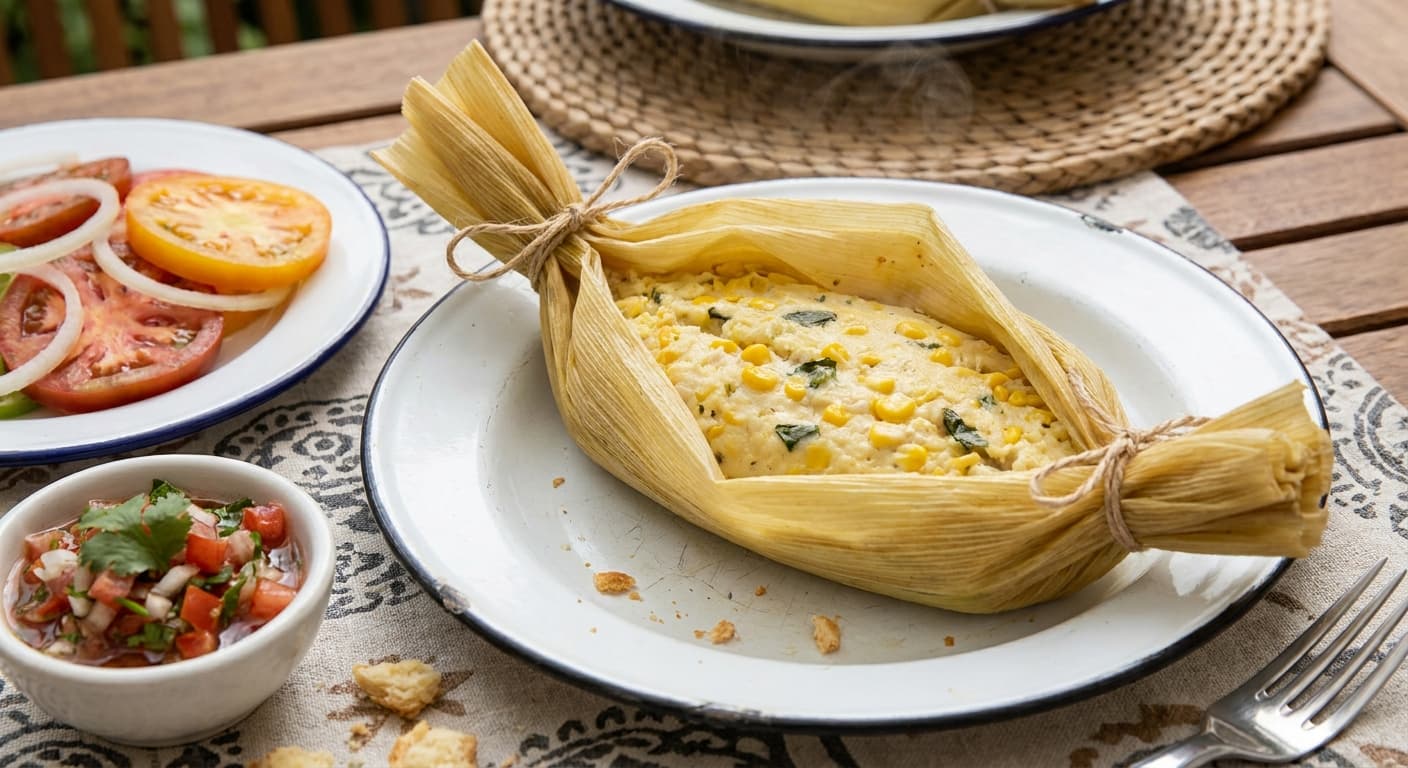
Chilean Humitas (Humitas) — Fresh Corn Parcels with Basil
Chilean · Main Courses · 90 min
Reviews
Cooked this recipe?
Tap the stars to rate it — that's all it takes. A few words are welcome but optional.
No ratings yet. Cooked this one? Be the first to rate it — it takes one tap.