Colombian Cheese Arepas (Arepas de Queso) — Golden Corn Cakes Filled with Melted Cheese
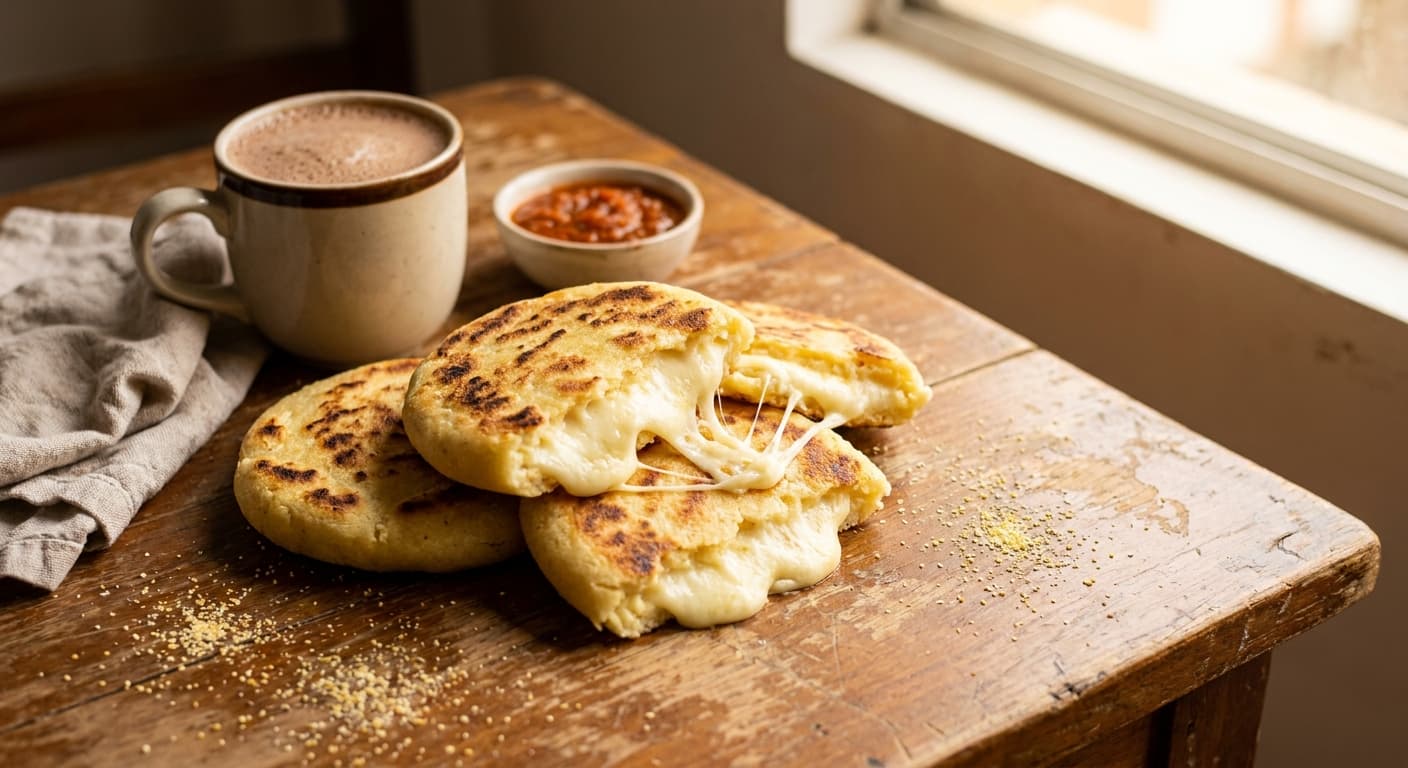
Arepas de queso are beloved Colombian corn cakes made with precooked maize flour and salty, melting cheese. They are served at breakfast, as an afternoon snack, or beside hot chocolate in many Colombian homes.
Printable Recipe Card
Servings: 4 · Total: 38 min · Difficulty: easy
Ingredients (quick list)
- 240 g precooked white cornmeal for arepas (Use masarepa, not masa harina for tortillas.)
- 300 ml whole milk (Warm to about 40°C.)
- 120 ml warm water
- 28 g unsalted butter (Melted, plus more for serving if desired.)
- 4 g fine sea salt
- 8 g granulated sugar
- 180 g queso fresco (Finely crumbled; queso costeño is traditional where available.)
- 120 g low-moisture mozzarella (Grated, for a stretchy center.)
- 15 ml vegetable oil
Steps (summary)
- Combine the warm milk, warm water, melted butter, salt, and sugar in a large mixing bowl. Stir until the salt and sugar dissolv…
- Add the precooked white cornmeal gradually while mixing with your fingers or a sturdy spoon. Knead for 2 minutes, then let the…
- Fold 120 g of the crumbled queso fresco into the dough and knead for 1 minute until evenly dispersed. The dough should feel moi…
- Mix the remaining 60 g queso fresco with the grated mozzarella in a separate bowl. Divide the dough into 8 equal balls, each ab…
- Flatten one dough ball into a disk about 10 cm wide and 1 cm thick. Place 30 g of the cheese mixture in the center, fold the ed…
- Heat a large cast-iron skillet or griddle over medium heat for 4 minutes, then brush it with the vegetable oil. Cook the arepas…
+ 2 more steps in the full instructions section below.
Cultural Background
Arepas are central to Colombian daily eating, varying by region, thickness, and filling. Cheese arepas are especially popular at breakfast and in street stalls, where they are griddled until golden and served hot.
Equipment
💡 Tips
- Use masarepa labeled for arepas; Mexican masa harina has a different texture and nixtamalized flavor.
- Seal the cheese filling completely before griddling so the center melts without leaking onto the pan.
- If the dough sticks to your palms, wet your hands with 5 ml water before shaping each arepa.
⚠️ Common Mistakes
❌ Using masa harina instead of masarepa
✅ Fix: Buy precooked cornmeal labeled masarepa or harina de maíz precocida, because tortilla masa flour hydrates and tastes differently.
❌ Cooking over heat that is too high
✅ Fix: Use medium heat first, then low heat, so the crust browns while the cheese melts and the center cooks through.
❌ Shaping dry dough with cracks around the edge
✅ Fix: Knead in 15 ml warm water at a time until the dough is supple and the edges stay smooth when flattened.
🧊 How to Store
Cool leftovers completely, wrap tightly, and refrigerate for up to 3 days. Reheat in a dry skillet over medium-low heat for 4 minutes per side, or in a 180°C oven for 8 minutes.
📅 Make Ahead
Shape the filled arepas up to 12 hours ahead, layer them between parchment paper, cover tightly, and refrigerate. Bring them to room temperature for 15 minutes before griddling.
🍽️ Pairs Well With
- Colombian hot chocolate
- hogao
- avocado slices
- scrambled eggs
- café con leche.
Regional Variations
- In coastal Colombia, queso costeño is often used for a saltier, more assertive cheese flavor.
- In Bogotá and the Andean interior, arepas de queso are commonly served with hot chocolate for breakfast or onces.
- Some cooks mix all the cheese directly into the dough instead of stuffing the center, making a thinner griddled arepa.
Ingredients
- 240 gprecooked white cornmeal for arepas (Use masarepa, not masa harina for tortillas.)
- 300 mlwhole milk (Warm to about 40°C.)
- 120 mlwarm water
- 28 gunsalted butter (Melted, plus more for serving if desired.)
- 4 gfine sea salt
- 8 ggranulated sugar
- 180 gqueso fresco (Finely crumbled; queso costeño is traditional where available.)
- 120 glow-moisture mozzarella (Grated, for a stretchy center.)
- 15 mlvegetable oil
🔄 Substitutions
- queso fresco→ queso costeño
- low-moisture mozzarella→ Oaxaca cheese
- whole milk→ water
Instructions
- 1
Combine the warm milk, warm water, melted butter, salt, and sugar in a large mixing bowl. Stir until the salt and sugar dissolve fully so the seasoning distributes evenly through the arepa dough.
- 2
Add the precooked white cornmeal gradually while mixing with your fingers or a sturdy spoon. Knead for 2 minutes, then let the dough rest for 8 minutes so the cornmeal hydrates and becomes soft rather than gritty.
- 3
Fold 120 g of the crumbled queso fresco into the dough and knead for 1 minute until evenly dispersed. The dough should feel moist and pliable, like soft modeling clay; if it cracks badly, add 15 ml warm water and knead again.
- 4
Mix the remaining 60 g queso fresco with the grated mozzarella in a separate bowl. Divide the dough into 8 equal balls, each about 105 g, and keep them covered with a damp towel while you shape each arepa.
- 5
Flatten one dough ball into a disk about 10 cm wide and 1 cm thick. Place 30 g of the cheese mixture in the center, fold the edges over the cheese, seal completely, and gently flatten again into a neat disk about 9 cm wide and 1.5 cm thick.
- 6
Heat a large cast-iron skillet or griddle over medium heat for 4 minutes, then brush it with the vegetable oil. Cook the arepas in batches for 5 to 6 minutes per side, pressing lightly with a spatula, until deeply golden with small toasted patches.
- 7
Reduce the heat to low and cook the arepas for 2 additional minutes per side if they are browning faster than the center melts. This gentle finish helps the cheese soften fully while keeping the corn crust crisp and fragrant.
- 8
Transfer the arepas to a rack and rest them for 3 minutes before serving. Serve warm, when the exterior is crisp and the cheese inside is melted but still held neatly inside the corn cake.
🪪 Recipe Passport
Cultural Background
Arepas are central to Colombian daily eating, varying by region, thickness, and filling. Cheese arepas are especially popular at breakfast and in street stalls, where they are griddled until golden and served hot.
Regional Variations
Researched from multiple sources and validated by the Zaffaron editorial team. Every recipe is tested for accuracy, measurements, and cultural authenticity.
📚 Sources & Cultural References
- Patricia McCausland-Gallo — Secrets of Colombian Cooking — (2004)
- Mariana Velásquez — Colombiana — (2021)
Sources cited by the Zaffaron editorial team during recipe research. Cultural and culinary references supporting authenticity claims.
Nutrition per serving
Pairs well with
If you enjoyed this recipe, here are a few related Zaffaron recipes to try next.
Does your family make this differently?
Every family has their own version. Maybe your grandmother adds a secret ingredient, or your aunt has a completely different technique. Preserve your family's version — with their name on it, forever.
You Might Also Like
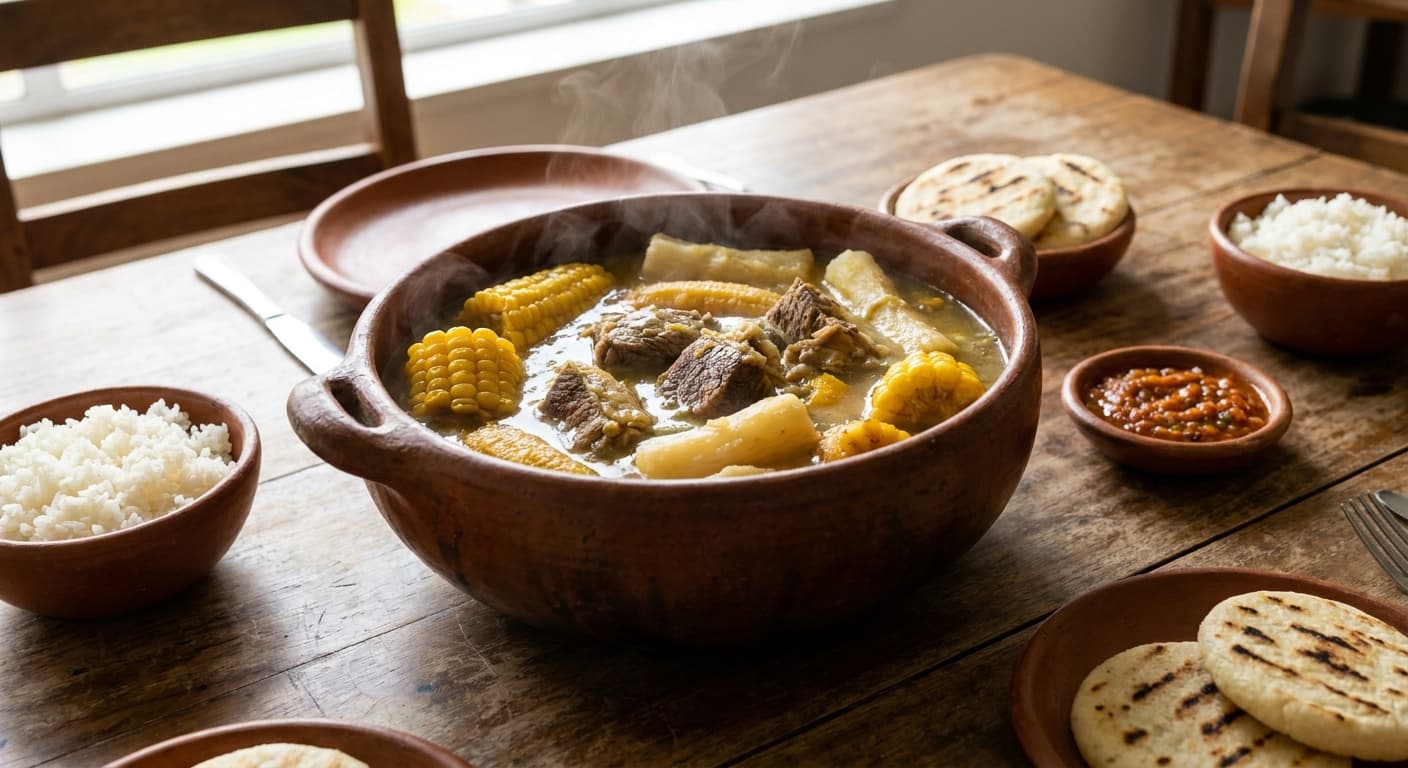
Colombian Sancocho (Sancocho Colombiano) — Hearty Three-Meat Root Vegetable Stew
Colombian · Stews · 170 min
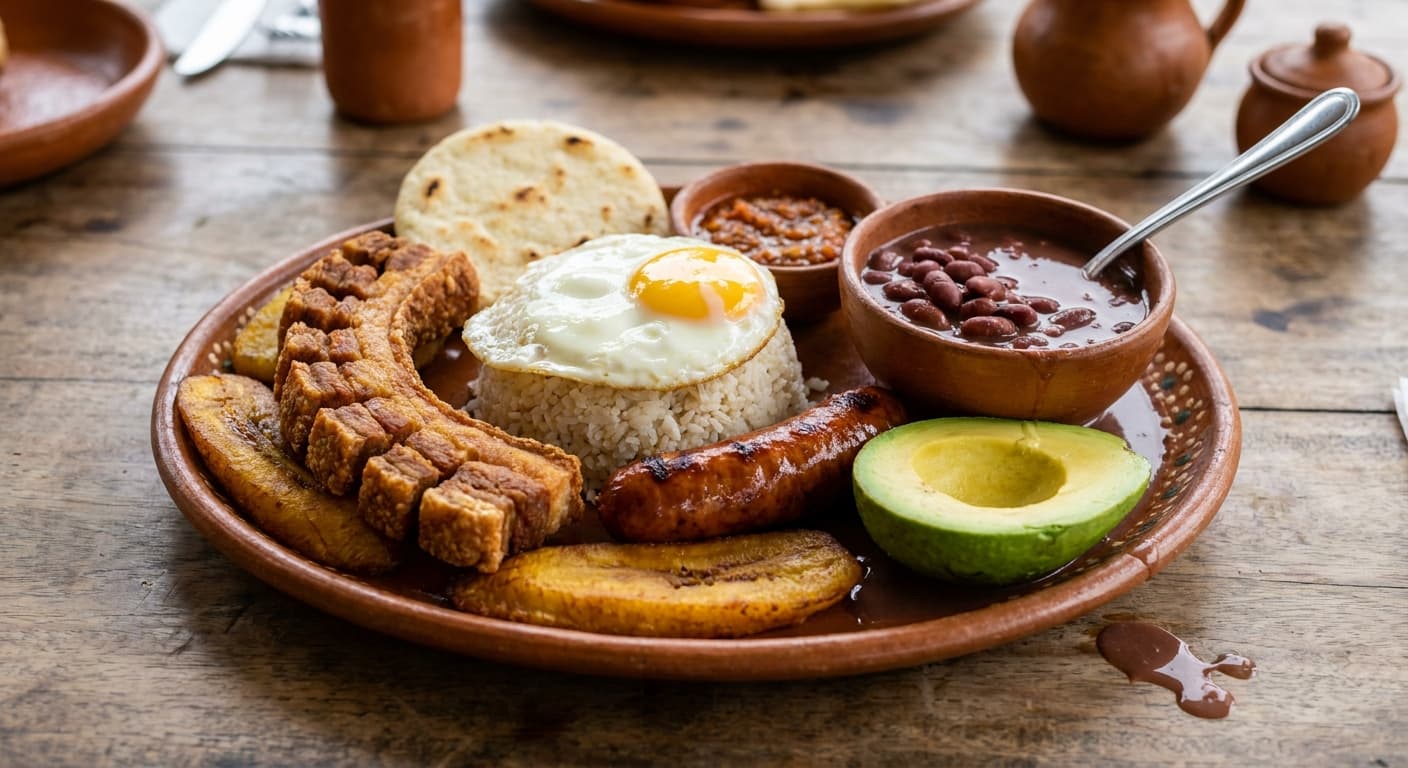
Colombian Bandeja Paisa (Bandeja paisa) — Antioquia Mountain Platter
Colombian · Main Courses · 225 min
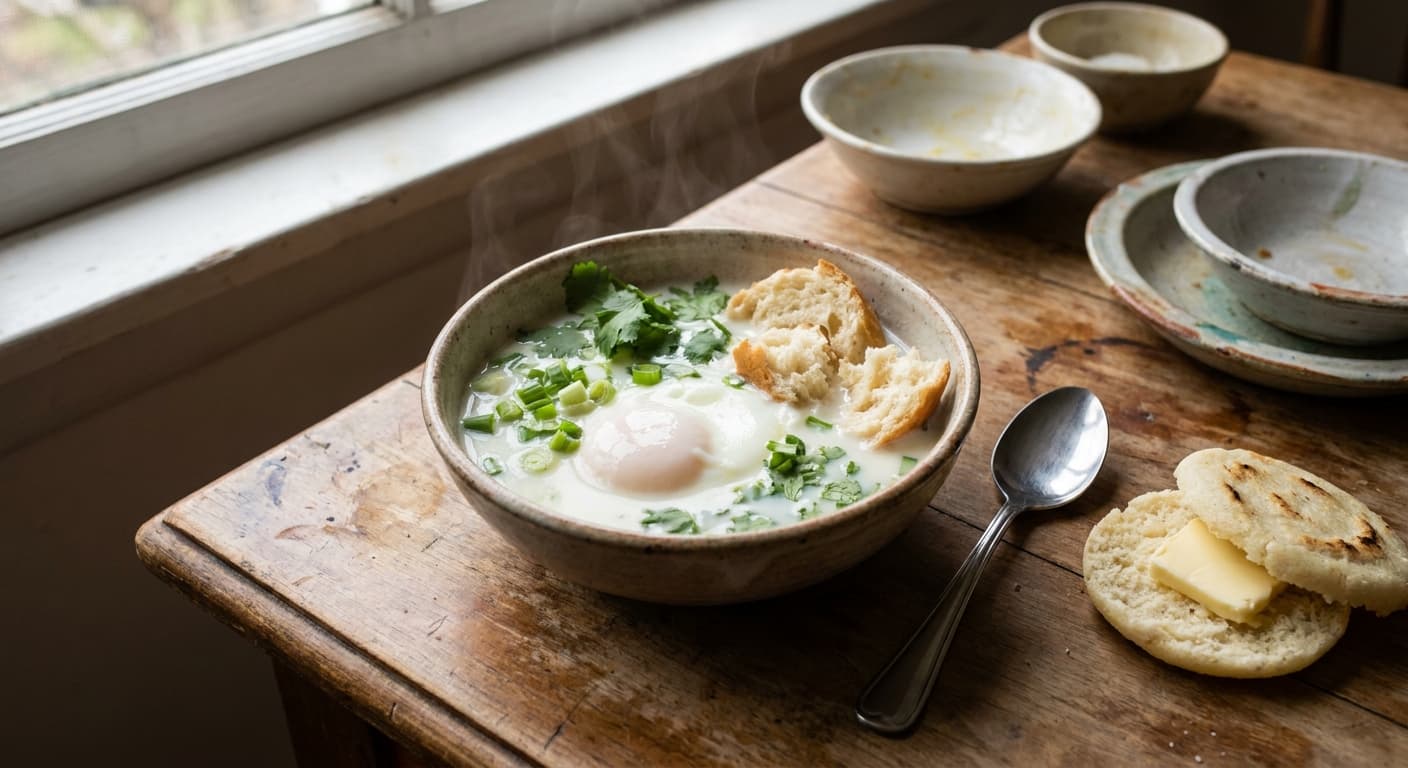
Changua (Changua) — Colombian Milk-and-Egg Breakfast Soup
Colombian · Soups · 25 min
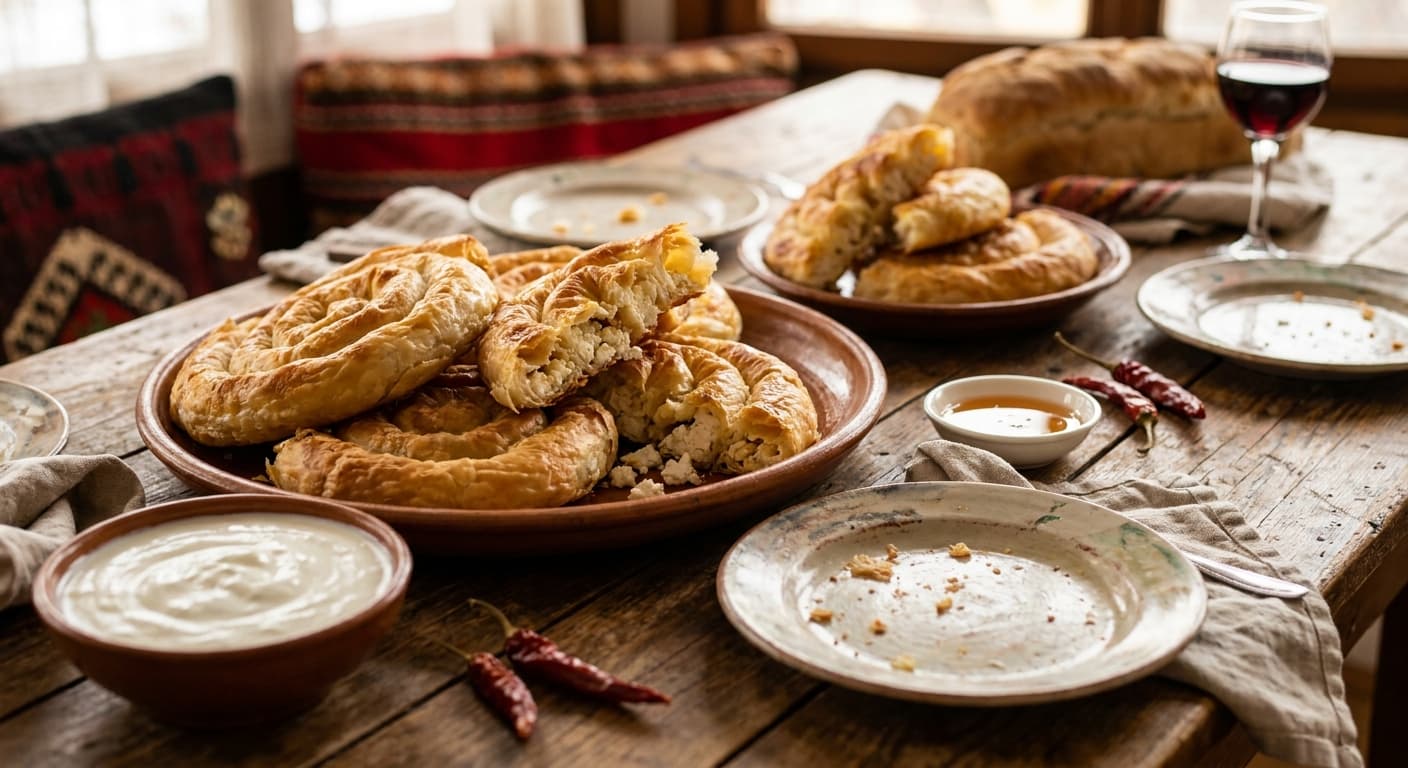
Bulgarian Banitsa (Баница) — Flaky Sirene-Filled Phyllo Pie
Bulgarian · Breads · 68 min
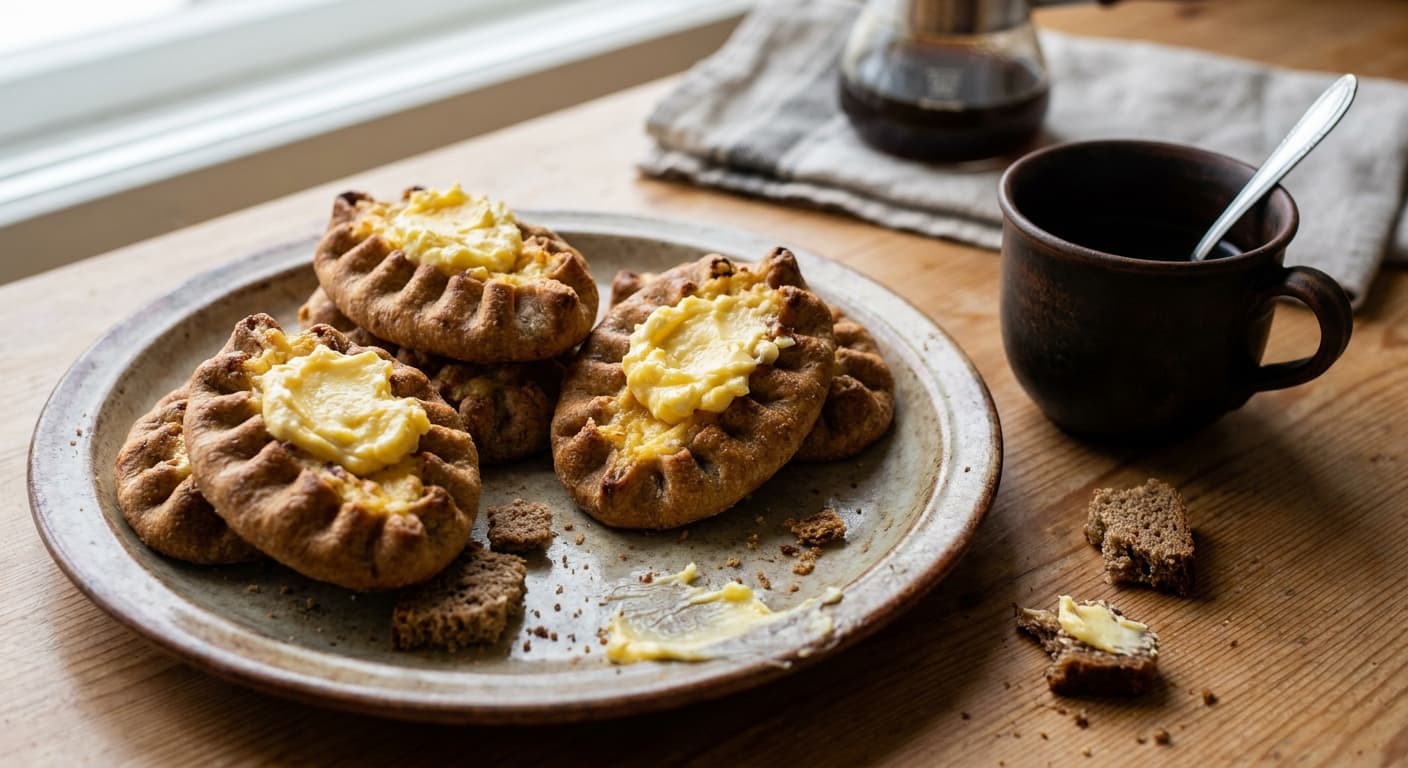
Karelian Pasties (Karjalanpiirakka) — Rye Crusts Filled with Rice Porridge
Finnish · Breads · 115 min
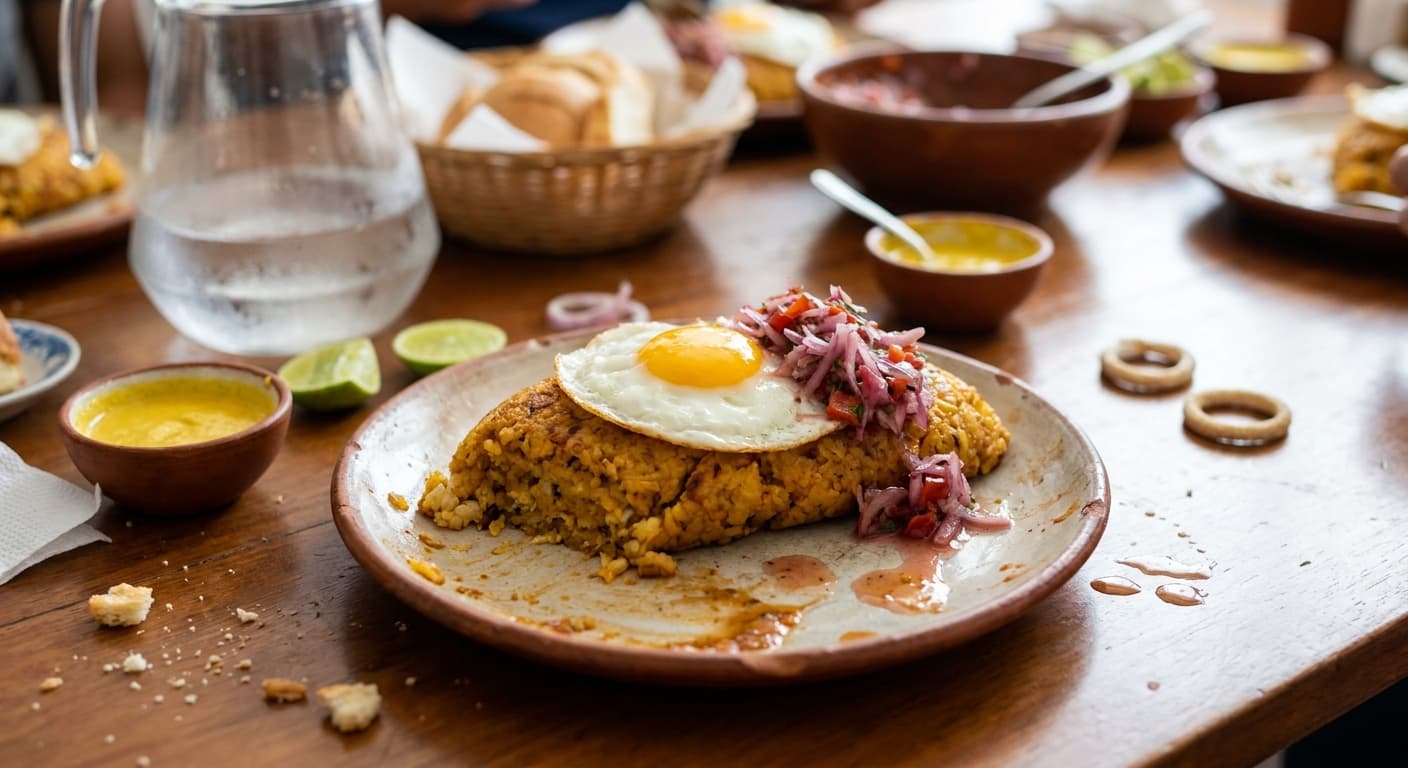
Tacu Tacu (Tacu Tacu) — Peruvian Rice and Bean Skillet Cake
Peruvian · Main Courses · 55 min
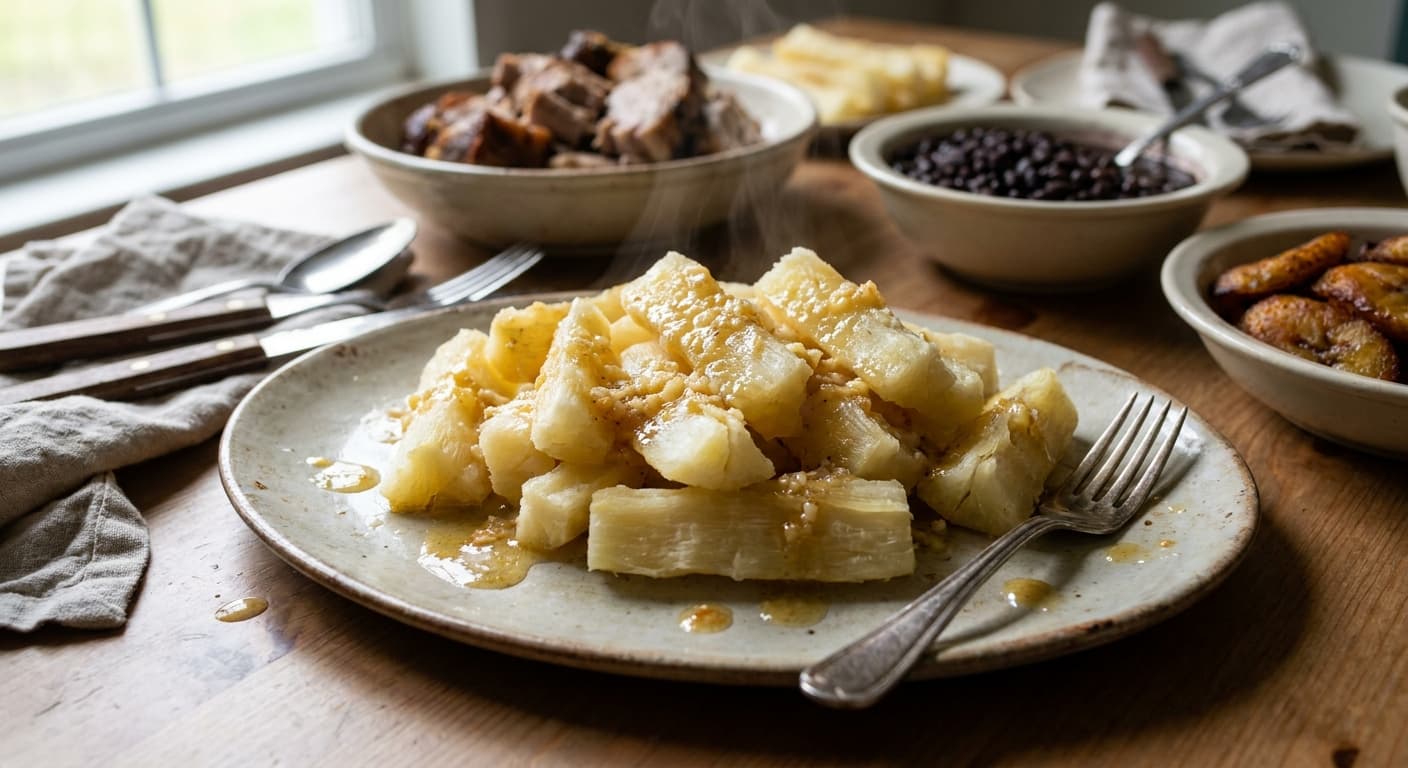
Yuca with Mojo (Yuca con mojo) — Cuban Cassava with Garlic Citrus Sauce
Cuban · Side Dishes · 55 min
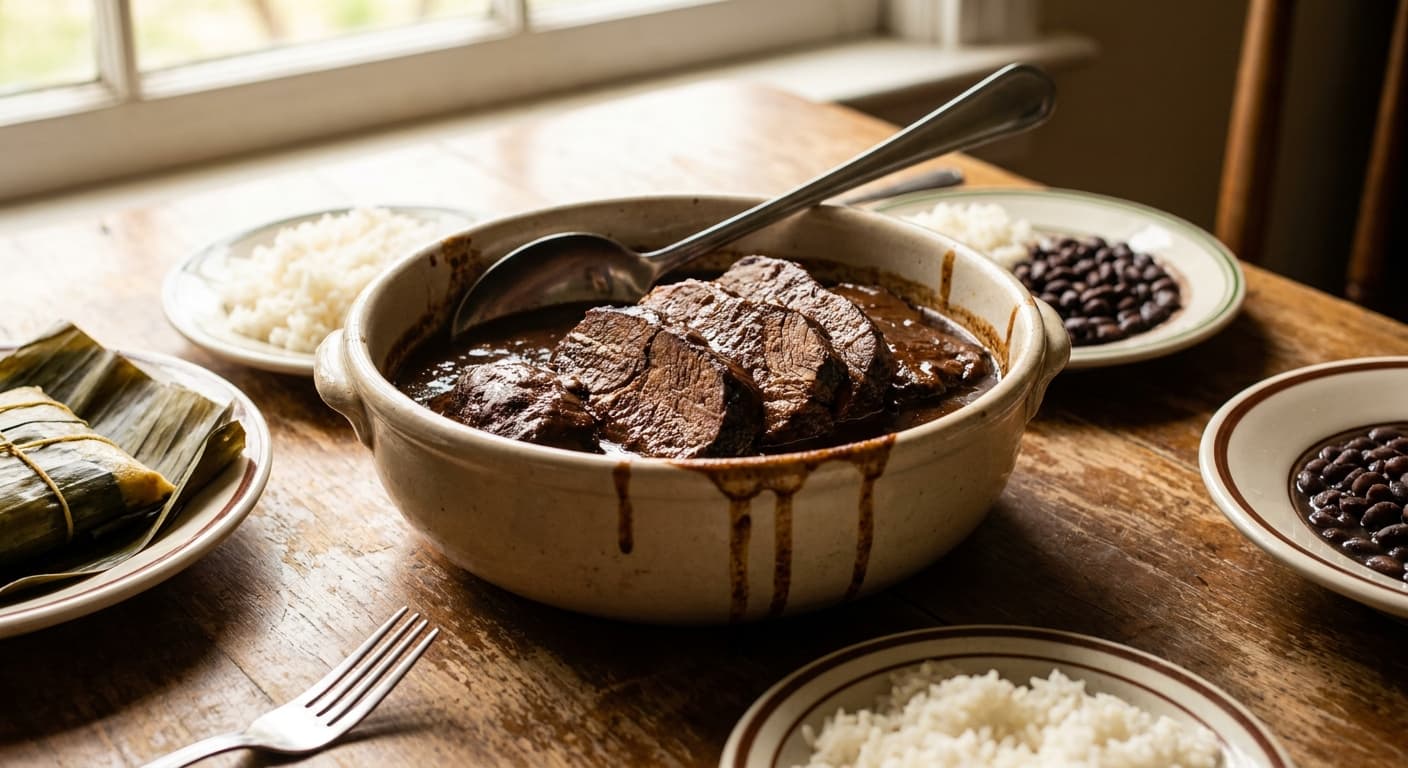
Asado Negro (Asado negro) — Venezuelan Dark-Caramel Beef Roast
Venezuelan · Main Courses · 245 min
Reviews
Cooked this recipe?
Tap the stars to rate it — that's all it takes. A few words are welcome but optional.
No ratings yet. Cooked this one? Be the first to rate it — it takes one tap.