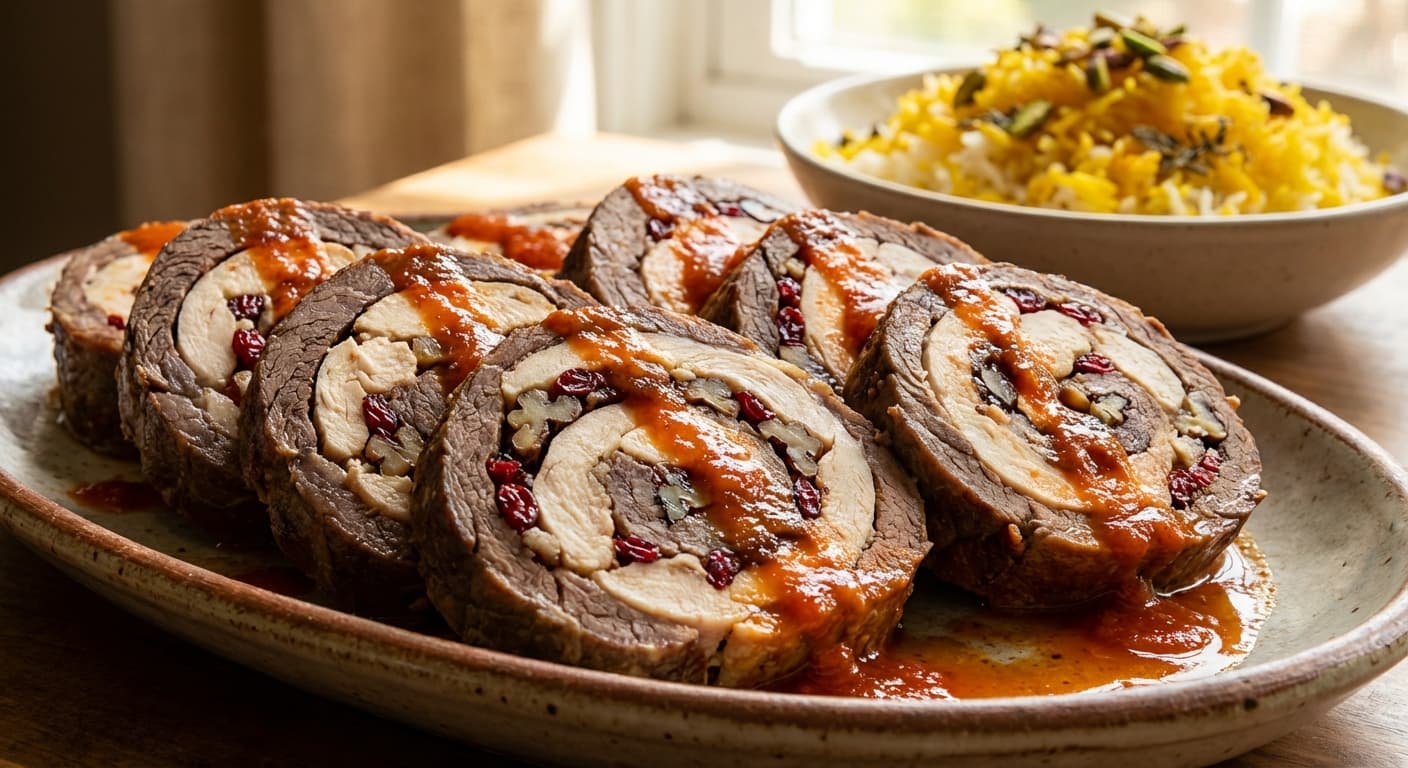
Du-Rang Meat Roulade (رولت گوشت دورنگ) with Zereshk & Walnuts
A showstopping Persian du-rang roulade: a two-colored spiral of seasoned beef and chicken, studded with tart zereshk and crunchy walnuts, gently braised in an aromatic tomato sauce until sliceable, juicy, and elegant.
Printable Recipe Card
Servings: 6 · Total: 135 min · Difficulty: hard
Ingredients (quick list)
- 500 g Ground beef (85–90% lean) (cold)
- 180 g Yellow onion (finely grated, excess juice squeezed out)
- 30 g Fresh parsley (finely chopped)
- 1 large Egg (about 50 g without shell)
- 8 g Fine sea salt (about 1 1/4 tsp)
- 1 tsp Black pepper (freshly ground)
- 1 tsp Ground turmeric
- 0.5 tsp Ground cumin
- 450 g Chicken breast (minced very finely or ground)
- 120 g White onion (finely grated, excess juice squeezed out)
- 0.25 tsp Ground saffron (bloomed in 2 tbsp hot water)
- 15 ml Lemon juice (1 tbsp, freshly squeezed)
+ 6 more in the full ingredients section below.
Steps (summary)
- Soak the barberries in cool water for 10 minutes, then drain and spread on a towel to dry. Meanwhile, grate the onions for both…
- Make the beef layer: in a bowl, combine ground beef, grated onion, parsley, egg, salt, pepper, turmeric, and cumin. Knead vigor…
- Make the chicken layer: in a second bowl, mix minced chicken, grated onion, parsley, salt, pepper, bloomed saffron water, and 1…
- Prepare the filling: warm 2 tbsp vegetable oil in a small skillet over medium heat. Add the julienned carrot and sauté 4 minute…
- Assemble: lay a 45 cm sheet of parchment on the counter. With wet hands, press the beef mixture into a 28×22 cm rectangle, abou…
- Roll tightly: using the parchment to help, roll away from you into a compact log, compressing gently to avoid air pockets. Pinc…
+ 5 more steps in the full instructions section below.
Cultural Background
Du-rang roulades reflect Persian hospitality: dramatic presentation with familiar kebab-style flavors in a refined, sliceable form. Zereshk and saffron echo celebratory rice dishes, bringing a festive tartness and perfume to a centerpiece meat course.
Equipment
💡 Tips
- Squeezing grated onion dry is the difference between a firm roulade and a crumbly one; aim to remove at least 60–80 ml onion juice total.
- Kneading until sticky creates a meat “paste” that binds like koobideh; this prevents the spiral from separating in the pot.
- If your walnuts are very oily, toast them dry in a pan for 2 minutes and cool before adding to the filling for a cleaner slice.
- For extra contrast, keep the chicken layer slightly thinner than the beef layer so the two colors read clearly in the spiral.
⚠️ Common Mistakes
❌ Skipping the onion squeeze
💡 Why: Excess liquid weakens the bind and causes the roulade to crack or leak during braising.
✅ Fix: Grate onion, then squeeze in a towel until mostly dry; if already mixed, add 15–20 g fine breadcrumbs or 20 g ground walnuts to absorb moisture.
❌ Rolling loosely with air pockets
💡 Why: Air gaps expand with heat, leading to separation between layers and uneven slices.
✅ Fix: Use parchment to roll tightly, compress gently as you roll, and chill 20 minutes before cooking to set the shape.
❌ Boiling the sauce hard
💡 Why: Vigorous bubbling breaks the roulade and toughens the outside before the center sets.
✅ Fix: Maintain a quiet simmer on low; if needed, use a heat diffuser and keep the pot partially covered to control evaporation.
❌ Slicing immediately after cooking
💡 Why: Hot juices run out, making slices crumble and the spiral smear.
✅ Fix: Rest 15 minutes before slicing; use a sharp knife and wipe between cuts.
🧊 How to Store
Cool completely, then refrigerate slices with sauce in an airtight container for up to 3 days. Reheat covered in a saucepan over low heat with 2–3 tbsp water for 8–10 minutes, or microwave at 50% power in 1-minute bursts until hot. Freeze up to 2 months; thaw overnight in the fridge before reheating.
📅 Make Ahead
Assemble and wrap the roulade up to 24 hours ahead and refrigerate. The next day, prepare the sauce and braise as written, adding 5 minutes if the roulade is very cold. You can also fully cook, cool, and refrigerate; reheat gently in sauce for best slices.
🍽️ Pairs Well With
- Zereshk polo (barberry rice)
- Steamed Persian rice with saffron tahdig
- Shirazi salad
- Mast-o-khiar (yogurt with cucumber and herbs)
Regional Variations
- Tehran-style banquet versionOften enriched with a touch of bloomed saffron in both layers and served with a thicker tomato glaze; sometimes includes thin strips of pickled cucumber for extra tang.
- Azeri (Northwest) inspiredLeans more heavily on walnuts and tart fruit; barberries may be increased and the sauce finished with a small spoon of pomegranate molasses for deeper sweet-sour character.
Ingredients
- 500 gGround beef (85–90% lean) (cold)
- 180 gYellow onion (finely grated, excess juice squeezed out)
- 30 gFresh parsley (finely chopped)
- 1 largeEgg (about 50 g without shell)
- 8 gFine sea salt (about 1 1/4 tsp)
- 1 tspBlack pepper (freshly ground)
- 1 tspGround turmeric
- 0.5 tspGround cumin
- 450 gChicken breast (minced very finely or ground)
- 120 gWhite onion (finely grated, excess juice squeezed out)
- 0.25 tspGround saffron (bloomed in 2 tbsp hot water)
- 15 mlLemon juice (1 tbsp, freshly squeezed)
- 120 gCarrot (cut into thin matchsticks (julienne), 6–7 cm long)
- 45 gBarberries (zereshk) (rinsed, soaked 10 minutes, drained well)
- 70 gWalnuts (coarsely chopped)
- 30 mlVegetable oil (2 tbsp)
- 45 gTomato paste (3 tbsp)
- 480 mlWater (2 cups, plus more as needed)
🔄 Substitutions
- Chicken breast (minced)→ Chicken thigh meat (minced)
- Walnuts→ Pistachios (coarsely chopped)
- Barberries (zereshk)→ Dried cranberries (unsweetened), chopped
Instructions
- 1
Soak the barberries in cool water for 10 minutes, then drain and spread on a towel to dry. Meanwhile, grate the onions for both mixtures and squeeze firmly to remove excess juice; this prevents a watery roulade. Julienne the carrot into thin matchsticks so it cooks through during braising.
- 2
Make the beef layer: in a bowl, combine ground beef, grated onion, parsley, egg, salt, pepper, turmeric, and cumin. Knead vigorously for 3–4 minutes until tacky and cohesive (it should cling to your hand). Cover and refrigerate 15 minutes to firm up for easier rolling.
- 3
Make the chicken layer: in a second bowl, mix minced chicken, grated onion, parsley, salt, pepper, bloomed saffron water, and 1 tbsp lemon juice. Knead 2–3 minutes until sticky and uniform. Refrigerate 10 minutes; cold mixtures hold their shape and create clean spirals.
- 4
Prepare the filling: warm 2 tbsp vegetable oil in a small skillet over medium heat. Add the julienned carrot and sauté 4 minutes until slightly softened but still bright. Add drained barberries and cook 60–90 seconds, just to wake their aroma. Off heat, stir in chopped walnuts and let cool 5 minutes.
- 5
Assemble: lay a 45 cm sheet of parchment on the counter. With wet hands, press the beef mixture into a 28×22 cm rectangle, about 8–10 mm thick. Spread the chicken mixture evenly over the beef, leaving a 2 cm border at the far edge for sealing. Scatter the carrot–zereshk–walnut filling in a line along the near edge.
- 6
Roll tightly: using the parchment to help, roll away from you into a compact log, compressing gently to avoid air pockets. Pinch the seam closed and tuck the ends under. Wrap the log snugly in the parchment, then in a second layer of foil, twisting the ends like a candy wrapper to secure the shape.
- 7
Set the shape: place the wrapped roulade on a tray and refrigerate 20 minutes. This short rest helps the proteins bind and makes the roulade less likely to crack during braising. During this time, slice the sauce onion and measure the tomato paste and spices.
- 8
Build the tomato braising sauce: in a wide, lidded pot (28–30 cm), heat 2 tbsp vegetable oil over medium heat. Add sliced onion and sauté 8–10 minutes until golden. Add tomato paste and cook 2–3 minutes, stirring constantly, until it darkens slightly and smells sweet, not raw.
- 9
Simmer the sauce: add 2 cups (480 ml) water, salt, pepper, and turmeric. Bring to a gentle boil, then reduce to a steady simmer. Stir in 2 tsp lemon juice for brightness. The sauce should be loose; it will reduce during braising and lightly glaze the roulade.
- 10
Braise: unwrap only the outer foil, keeping the roulade in parchment so it stays intact, and set it seam-side down in the simmering sauce. Cover and cook on low for 55 minutes, turning carefully once at the 30-minute mark. Keep the sauce at a quiet simmer (small bubbles), adding 60–120 ml water if it gets too thick.
- 11
Finish and set for slicing: remove the roulade to a board and rest 15 minutes, still loosely wrapped, so juices redistribute. Simmer the sauce uncovered for 5–8 minutes to thicken slightly. Unwrap, spoon a little sauce over the roulade, and slice into 2 cm rounds with a sharp knife, wiping between cuts for clean spirals.
🪪 Recipe Passport
Cultural Background
Du-rang roulades reflect Persian hospitality: dramatic presentation with familiar kebab-style flavors in a refined, sliceable form. Zereshk and saffron echo celebratory rice dishes, bringing a festive tartness and perfume to a centerpiece meat course.
Regional Variations
Researched from multiple sources and validated by the Zaffaron editorial team. Every recipe is tested for accuracy, measurements, and cultural authenticity.
Nutrition per serving
Pairs well with
If you enjoyed this recipe, here are a few related Zaffaron recipes to try next.
Does your family make this differently?
Every family has their own version. Maybe your grandmother adds a secret ingredient, or your aunt has a completely different technique. Preserve your family's version — with their name on it, forever.
You Might Also Like
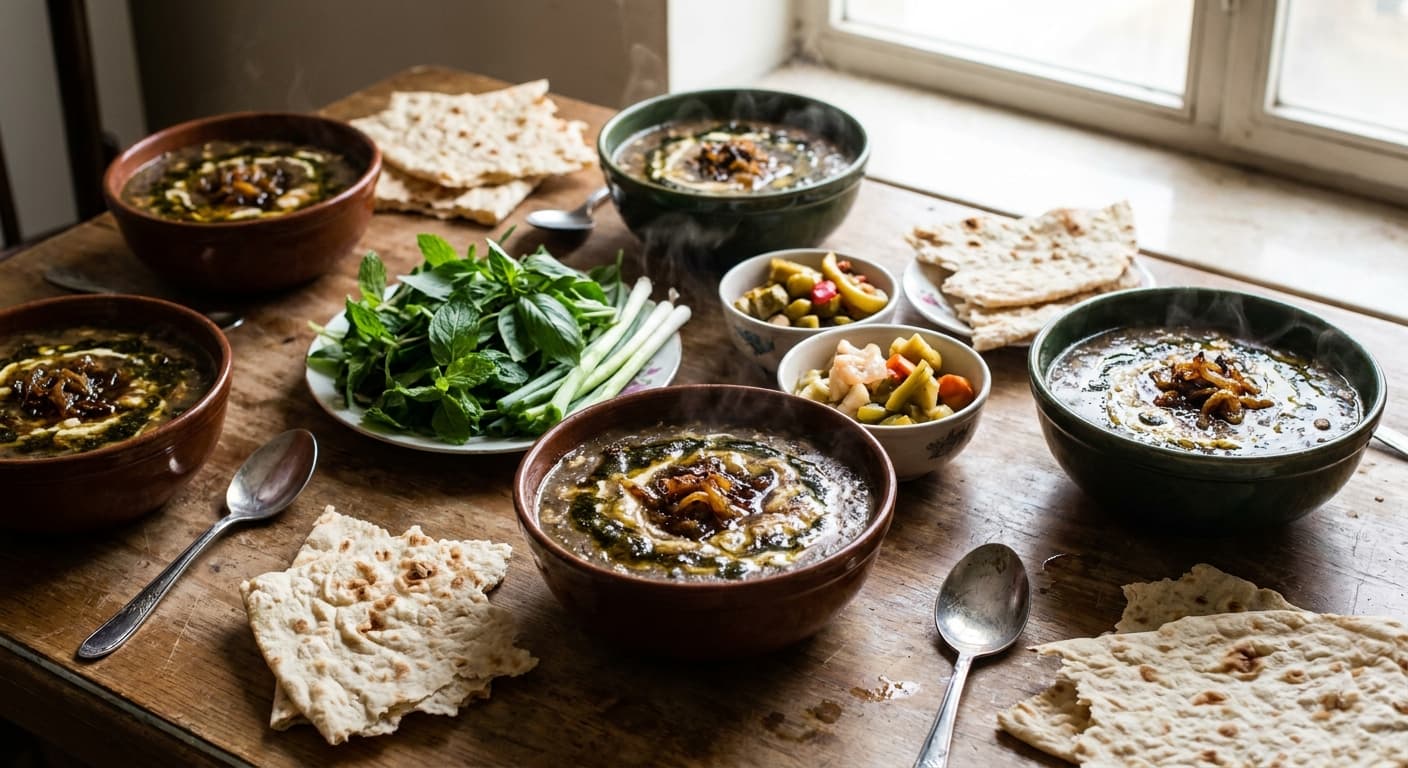
Ash-e Torsh (آش ترش) — Sour Herb and Legume Soup
Persian · Soups · 145 min
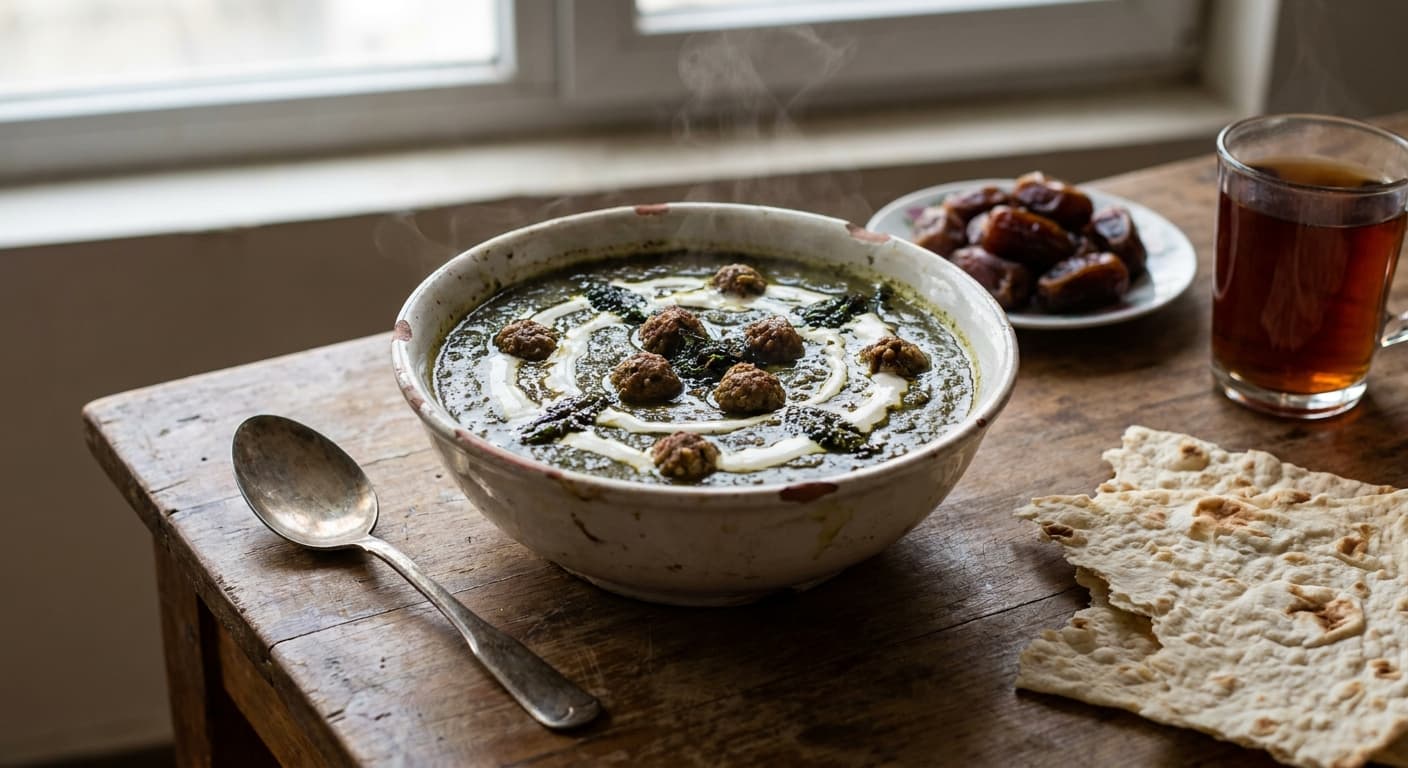
Ash-e Sak (آش ساک) — Golestani Spinach, Legume, and Meatball Soup
Persian · Soups · 175 min
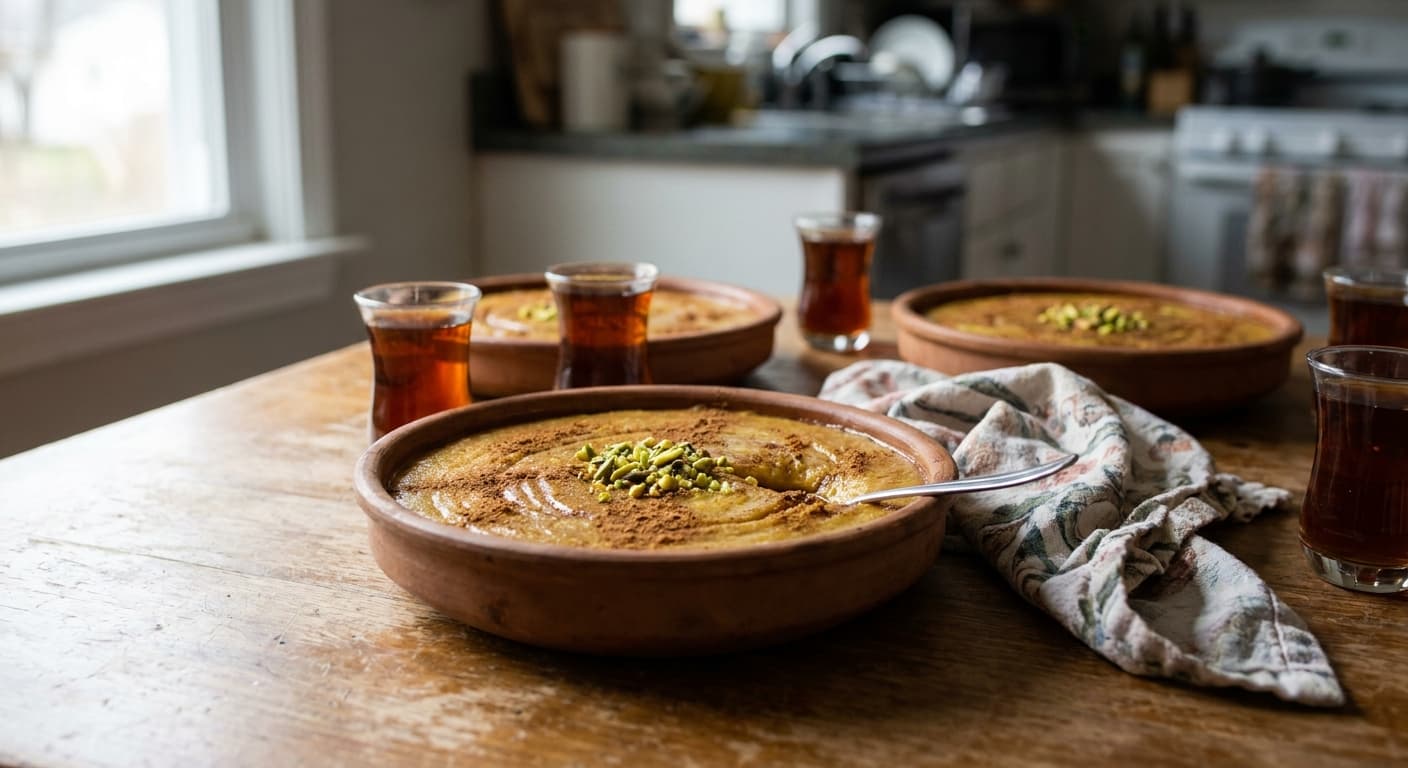
Persian Kachi (کاچی) — Saffron Rosewater Pudding
Persian · Desserts · 45 min
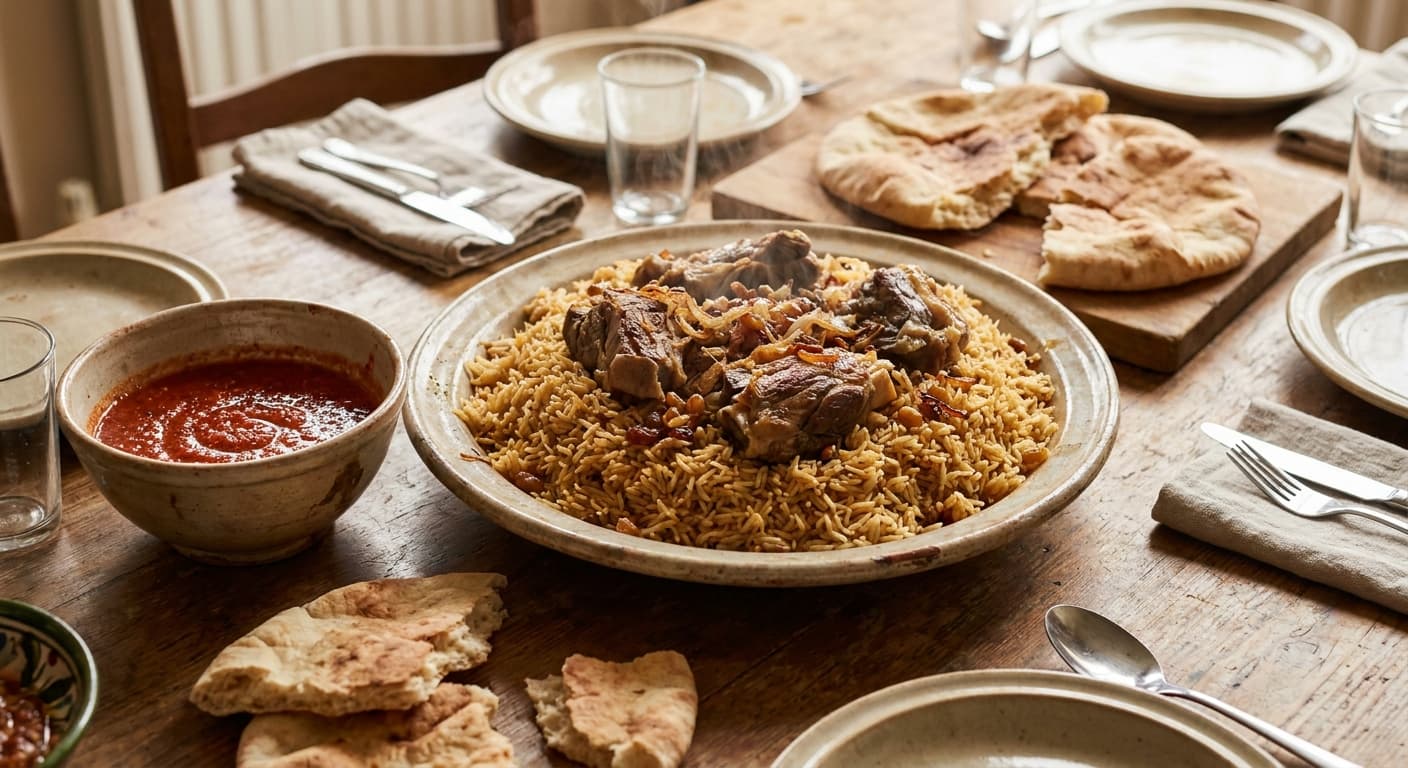
Yemeni Mandi (مندي) — Smoke-Scented Spiced Rice and Lamb
Yemeni · Main Courses · 170 min
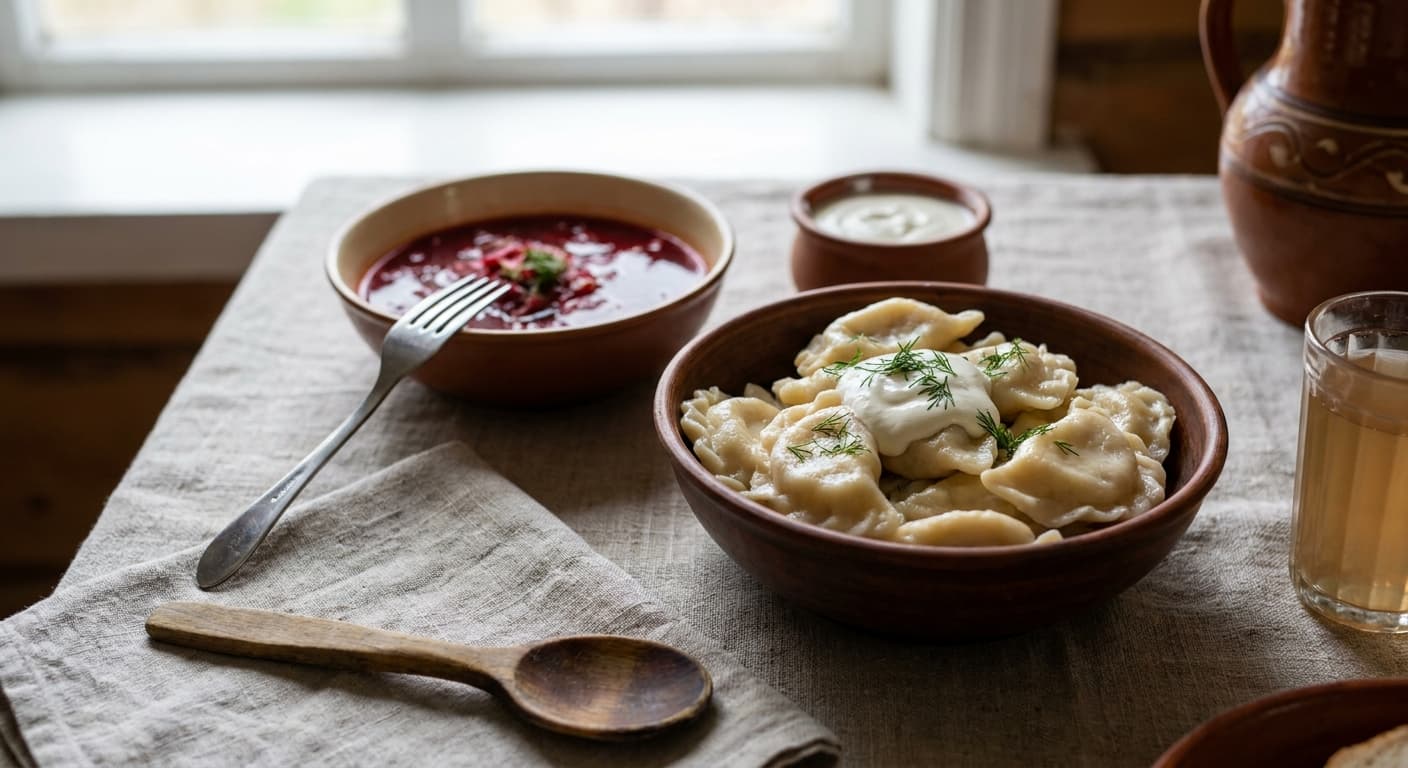
Varenyky (Вареники) — Ukrainian Potato-Cheese Dumplings
Ukrainian · Main Courses · 95 min
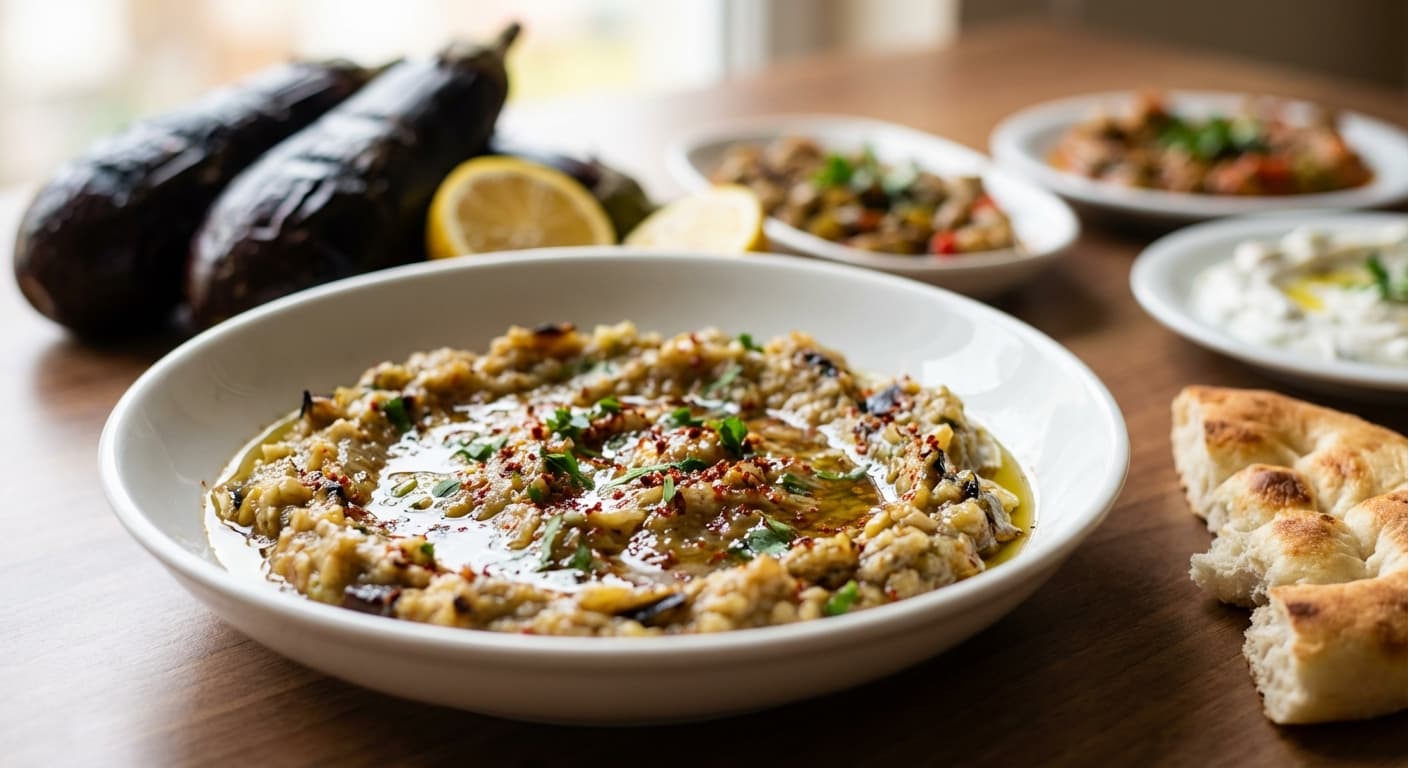
Smoky Eggplant Salad (Patlıcan Salatası) — Turkish charred eggplant with garlic and olive oil
Turkish · Salads · 40 min
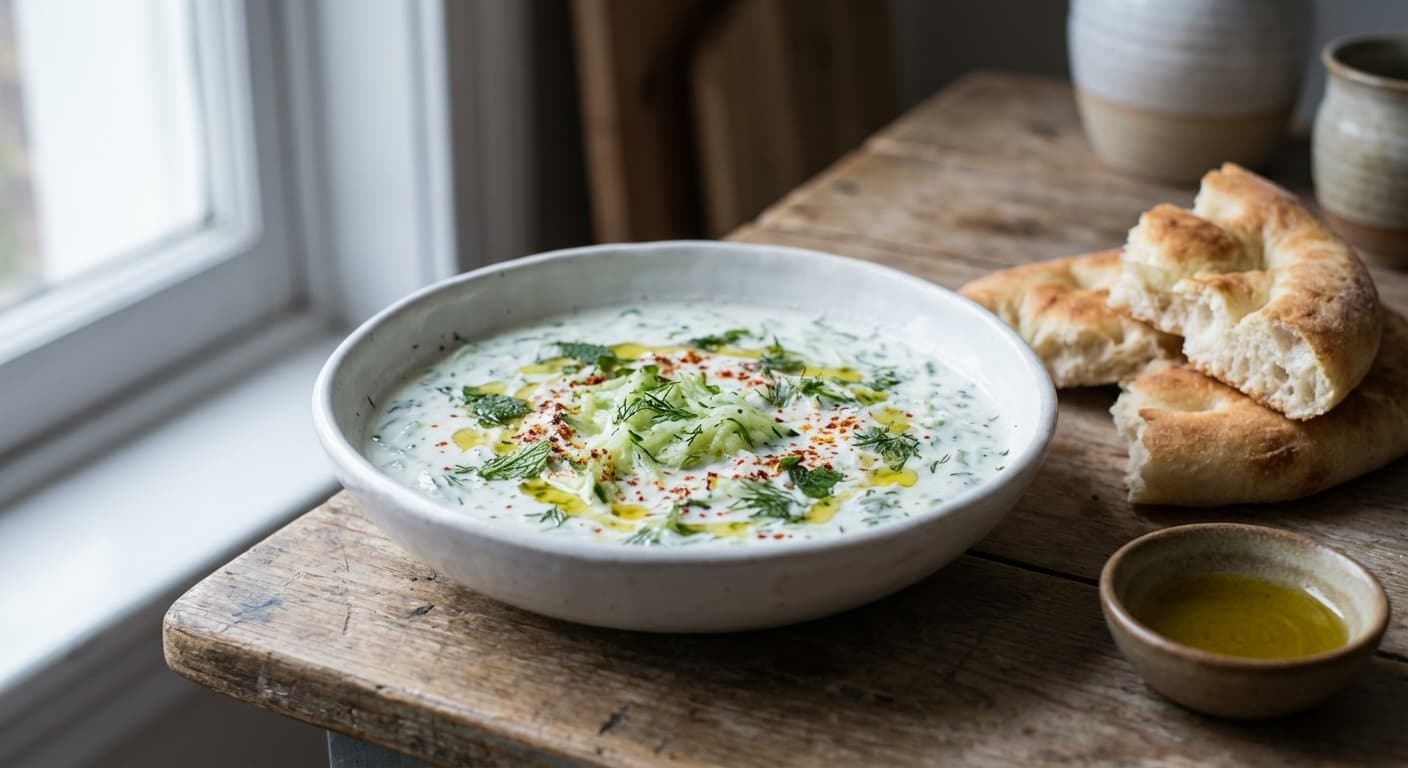
Cacık (Yoğurtlu Salatalık Mezesi) — Chilled Turkish Yogurt, Cucumber & Mint Dip
Turkish · Appetizers · 15 min
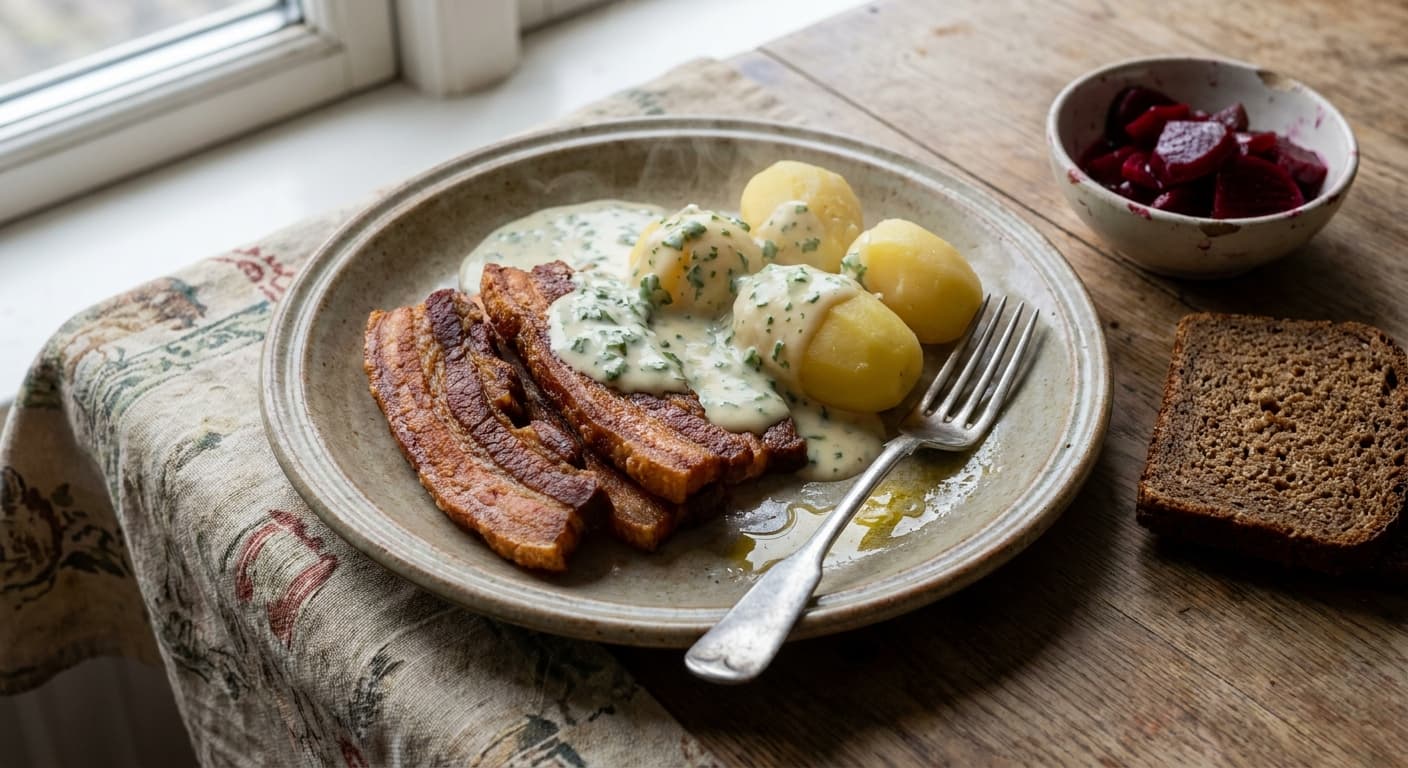
Danish Fried Pork Belly (Stegt flæsk med persillesovs) — Crisp Pork with Parsley Sauce
Danish · Main Courses · 60 min
Reviews
Cooked this recipe?
Tap the stars to rate it — that's all it takes. A few words are welcome but optional.
No ratings yet. Cooked this one? Be the first to rate it — it takes one tap.