Grey Peas with Speck (Pelēkie zirņi ar speķi) — Latvian Christmas Peas
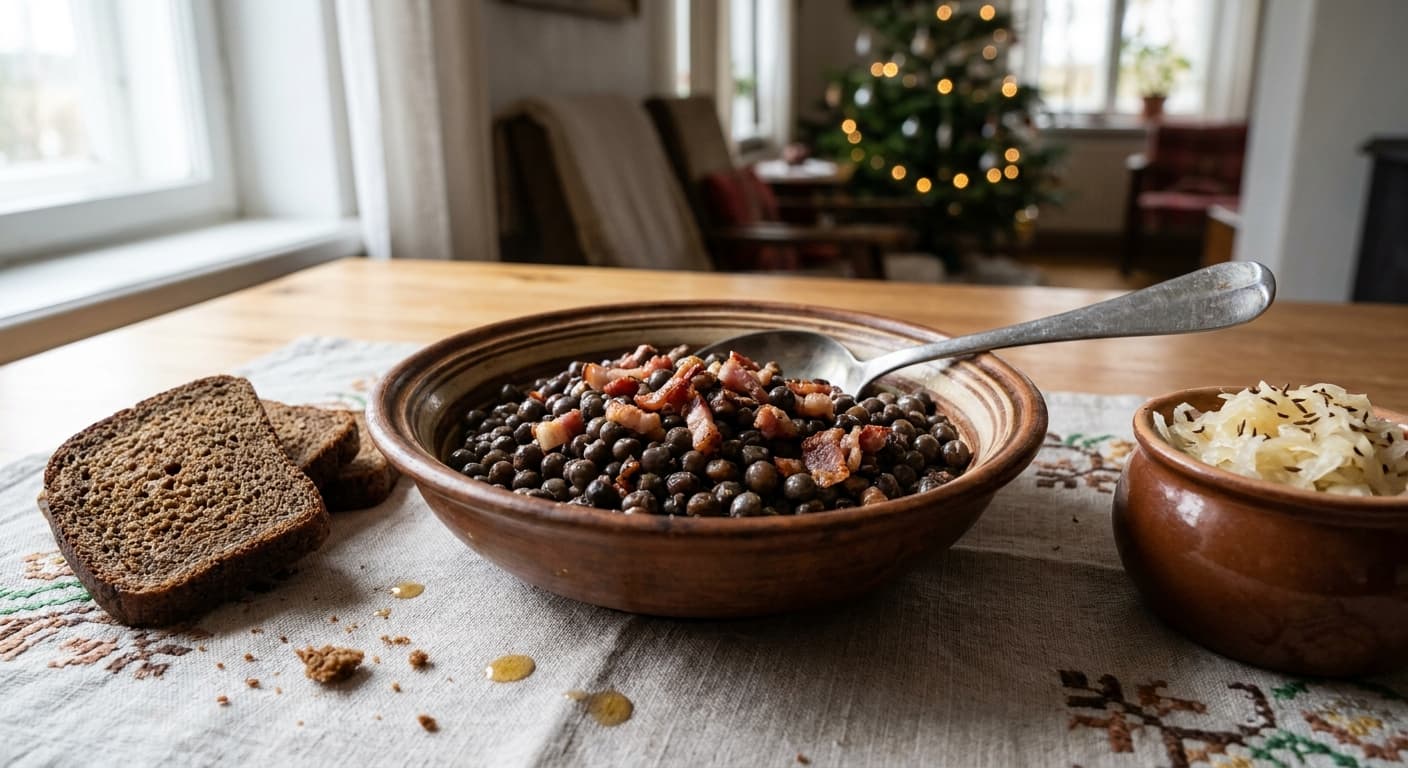
Grey peas with speck is Latvia's hearty pelēkie zirņi ar speķi, made from earthy grey peas, sometimes called pēku zirņi, and smoky diced pork. It is especially tied to Christmas Eve and is often served with rupjmaize.
Printable Recipe Card
Servings: 6 · Total: 110 min · Difficulty: easy
Ingredients (quick list)
- 500 g dried Latvian grey peas (pelēkie zirņi, also known in some homes as pēku zirņi)
- 1500 ml cold water
- 2 leaf bay leaves
- 12 g fine sea salt
- 250 g smoked speck (Latvian-style speķis or smoked pork belly, rind removed, not Italian dry-cured speck)
- 2 yellow onions (about 220 g total, finely diced)
- 10 g pork lard
- 1 tsp ground black pepper
Steps (summary)
- Sort through the dried Latvian grey peas and remove any small stones or damaged peas. Rinse them under cold running water, then…
- Drain the soaked peas and place them in a heavy pot with 1800 ml fresh cold water and 2 bay leaves. Bring to a boil, skim off a…
- Continue simmering the peas for another 30 to 45 minutes, checking them every 10 minutes after the first hour of cooking. They…
- While the peas finish cooking, cut the smoked speck into 6 mm cubes and place it in a wide skillet with 10 g pork lard. Cook ov…
- Add the finely diced onions to the skillet and cook for 10 to 12 minutes until soft, golden, and sweet. Stir in 1 tsp ground bl…
- Reserve 240 ml of the pea cooking liquid, then drain the peas and discard the bay leaves. Add the hot peas to the skillet with…
+ 2 more steps in the full instructions section below.
Cultural Background
Grey peas with speck is a cherished Latvian winter dish, especially at Christmas Eve, where eating all the peas is said to keep away tears in the coming year. Inese Rīdere's Latvian National Cuisine records it as a core expression of Latvian home cooking.
Equipment
💡 Tips
- Use true dried Latvian grey peas if possible; ordinary green or yellow split peas cook too quickly and will not give the correct firm, nutty texture.
- Salt the peas after the first 45 minutes of simmering, not at the beginning, so their skins soften without becoming tough.
- Dice the speck small enough to render properly; 6 mm cubes give crisp edges while leaving a little chew.
⚠️ Common Mistakes
❌ Using split peas instead of whole grey peas
✅ Fix: Use whole dried grey peas and soak them overnight so they become tender while keeping their rounded shape.
❌ Boiling the peas hard
✅ Fix: Keep the pot at a gentle simmer, because vigorous boiling breaks the skins and makes the dish mushy.
❌ Adding the speck without rendering it
✅ Fix: Cook the speck slowly until the fat melts and the edges crisp, then use that rendered fat to season the peas.
🧊 How to Store
Cool leftovers within 2 hours and refrigerate in a covered container for up to 3 days. Reheat gently in a skillet with 30 ml water per serving, stirring until hot; the peas also freeze well for 2 months.
📅 Make Ahead
Soak the peas 1 day ahead and refrigerate them after draining. The cooked peas can also be made 24 hours ahead, then reheated with the freshly rendered speck and onions.
🍽️ Pairs Well With
- Rupjmaize
- sauerkraut
- pickled cucumbers
- pīrāgi
- chilled kefir.
Regional Variations
- Some Vidzeme households serve the peas very simply with only rendered speķis and onions, keeping the flavor earthy and direct.
- In parts of Latgale, cooks may use a saltier smoked pork belly and serve the peas with more pickled vegetables.
- Modern tavern versions sometimes add a spoonful of sour cream at the table, though the classic home version is usually dairy-free.
Ingredients
- 500 gdried Latvian grey peas (pelēkie zirņi, also known in some homes as pēku zirņi)
- 1500 mlcold water
- 2 leafbay leaves
- 12 gfine sea salt
- 250 gsmoked speck (Latvian-style speķis or smoked pork belly, rind removed, not Italian dry-cured speck)
- 2yellow onions (about 220 g total, finely diced)
- 10 gpork lard
- 1 tspground black pepper
🔄 Substitutions
- dried Latvian grey peas→ whole dried marrowfat peas
- smoked speck→ thick-cut smoked bacon
- pork lard→ rapeseed oil
Instructions
- 1
Sort through the dried Latvian grey peas and remove any small stones or damaged peas. Rinse them under cold running water, then soak them in 1500 ml cold water for 10 to 12 hours so the pelēkie zirņi cook evenly and keep their shape.
- 2
Drain the soaked peas and place them in a heavy pot with 1800 ml fresh cold water and 2 bay leaves. Bring to a boil, skim off any foam, then reduce the heat and simmer gently for 45 minutes before stirring in 12 g fine sea salt.
- 3
Continue simmering the peas for another 30 to 45 minutes, checking them every 10 minutes after the first hour of cooking. They should be tender all the way through but still intact, because authentic grey peas with speck should not collapse into a puree.
- 4
While the peas finish cooking, cut the smoked speck into 6 mm cubes and place it in a wide skillet with 10 g pork lard. Cook over medium heat for 8 minutes, stirring often, until the fat renders and the edges of the speck begin to crisp.
- 5
Add the finely diced onions to the skillet and cook for 10 to 12 minutes until soft, golden, and sweet. Stir in 1 tsp ground black pepper, then lower the heat so the speck and onions stay warm without scorching.
- 6
Reserve 240 ml of the pea cooking liquid, then drain the peas and discard the bay leaves. Add the hot peas to the skillet with the speck and onions, pour in 120 ml reserved cooking liquid, and fold gently for 5 minutes so the peas absorb the smoky pork fat.
- 7
If the mixture looks dry after 5 minutes, add the remaining 120 ml reserved cooking liquid and warm for 2 more minutes. Let the dish rest off the heat for 10 minutes before serving, which helps the smoky speķis flavor settle into the peas.
- 8
Serve the grey peas hot in warm bowls with rupjmaize on the side, and add sauerkraut or pickled cucumbers for contrast. For a larger Latvian holiday table, place them alongside pīrāgi and other simple winter dishes.
🪪 Recipe Passport
Cultural Background
Grey peas with speck is a cherished Latvian winter dish, especially at Christmas Eve, where eating all the peas is said to keep away tears in the coming year. Inese Rīdere's Latvian National Cuisine records it as a core expression of Latvian home cooking.
Regional Variations
Researched from multiple sources and validated by the Zaffaron editorial team. Every recipe is tested for accuracy, measurements, and cultural authenticity.
📚 Sources & Cultural References
- Inese Rīdere — Latvian National Cuisine
- Māra Brašmane — Tastes of Latvia
Sources cited by the Zaffaron editorial team during recipe research. Cultural and culinary references supporting authenticity claims.
Nutrition per serving
Pairs well with
If you enjoyed this recipe, here are a few related Zaffaron recipes to try next.
Does your family make this differently?
Every family has their own version. Maybe your grandmother adds a secret ingredient, or your aunt has a completely different technique. Preserve your family's version — with their name on it, forever.
You Might Also Like
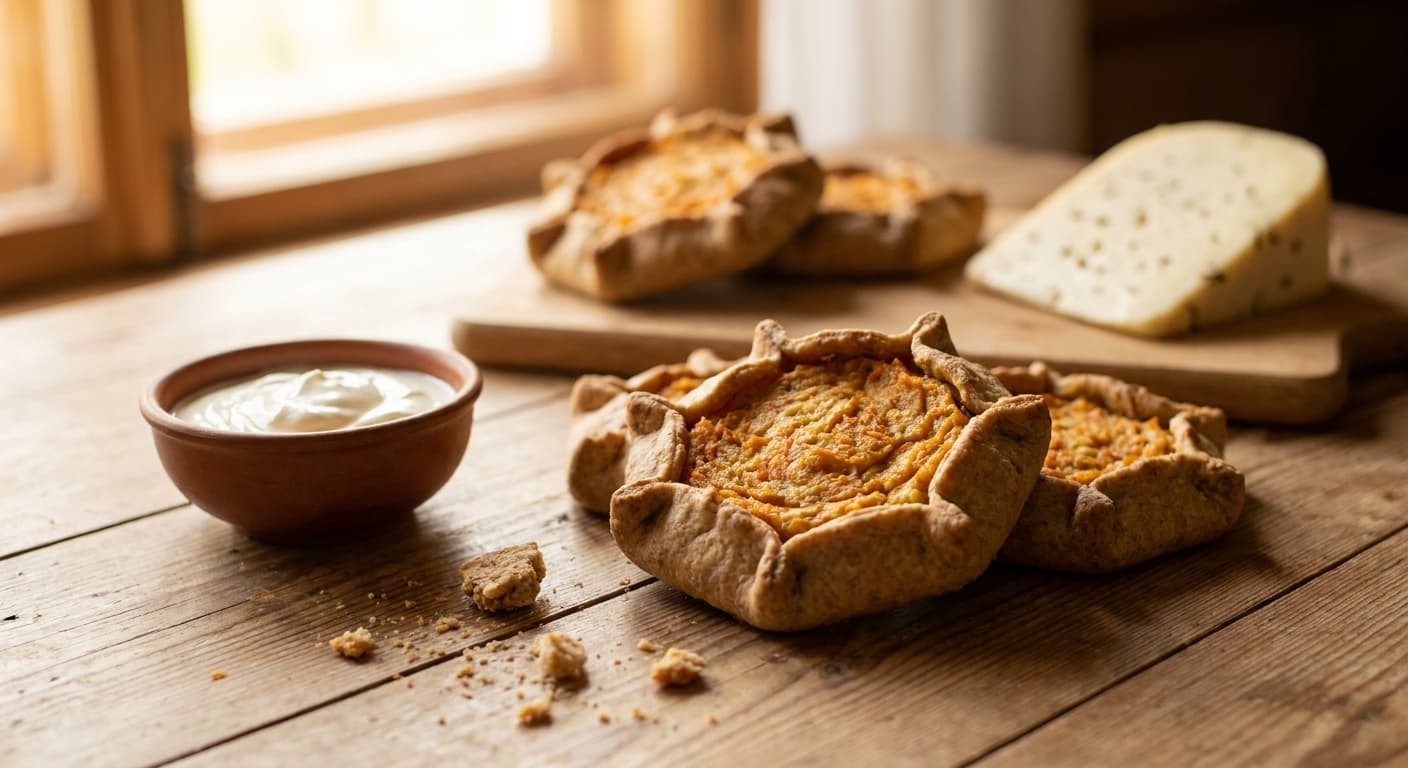
Sklandrausis (Sklandrausis) — Latvian Rye Carrot-Potato Tart
Latvian · Desserts · 100 min
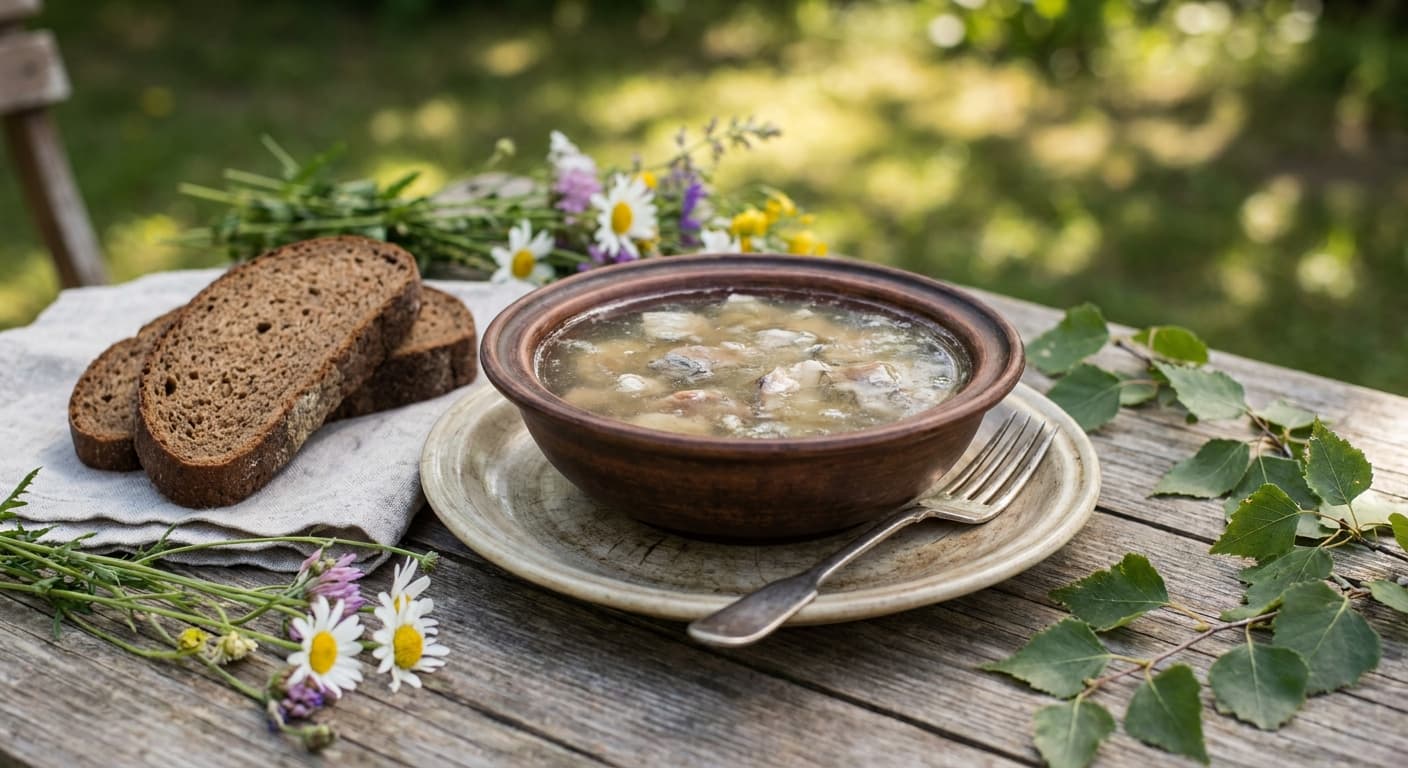
Latvian Fish Aspic (Zivju galerts) — Clear Dill-Scented Baltic Fish Jelly
Latvian · Appetizers · 90 min
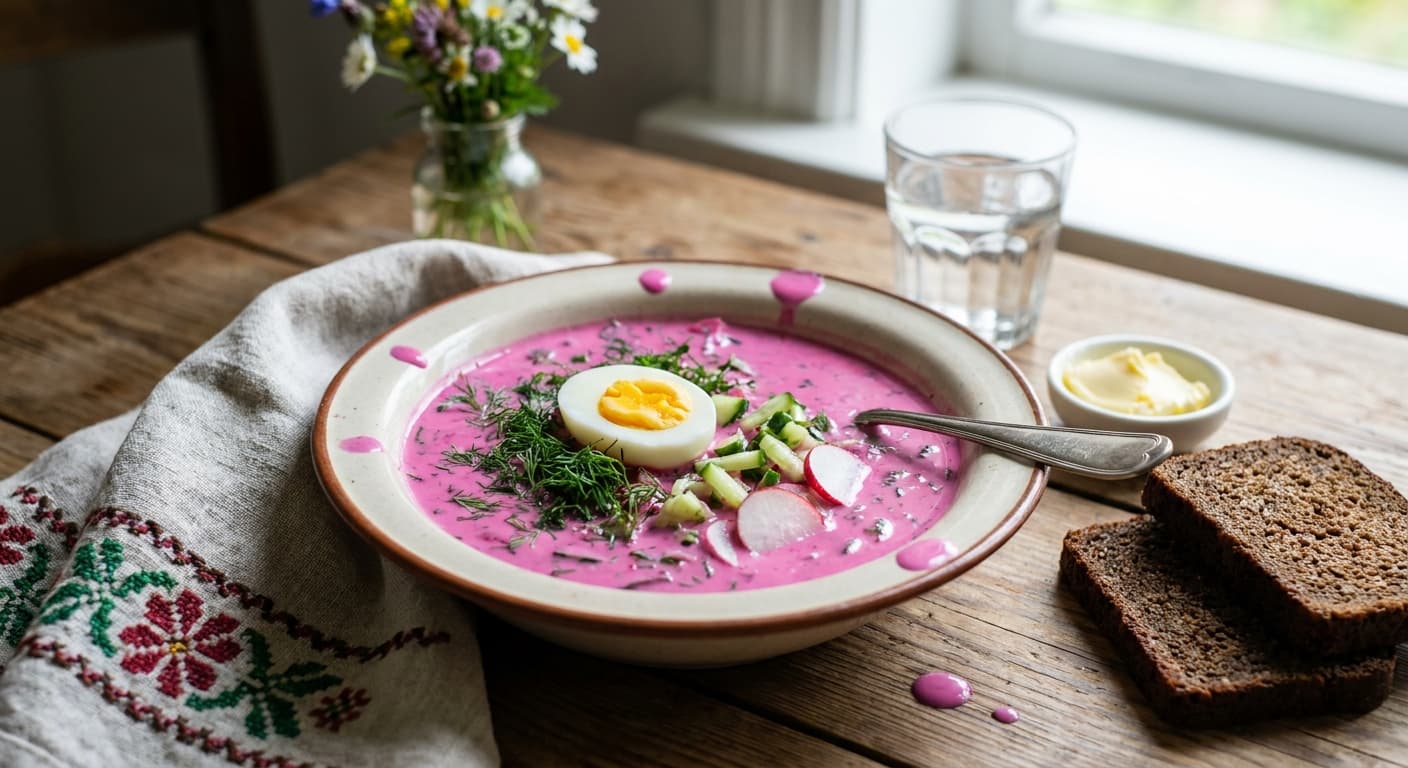
Cold Beet Soup (Aukstā zupa) — Latvian Kefir Beet Summer Soup
Latvian · Soups · 45 min
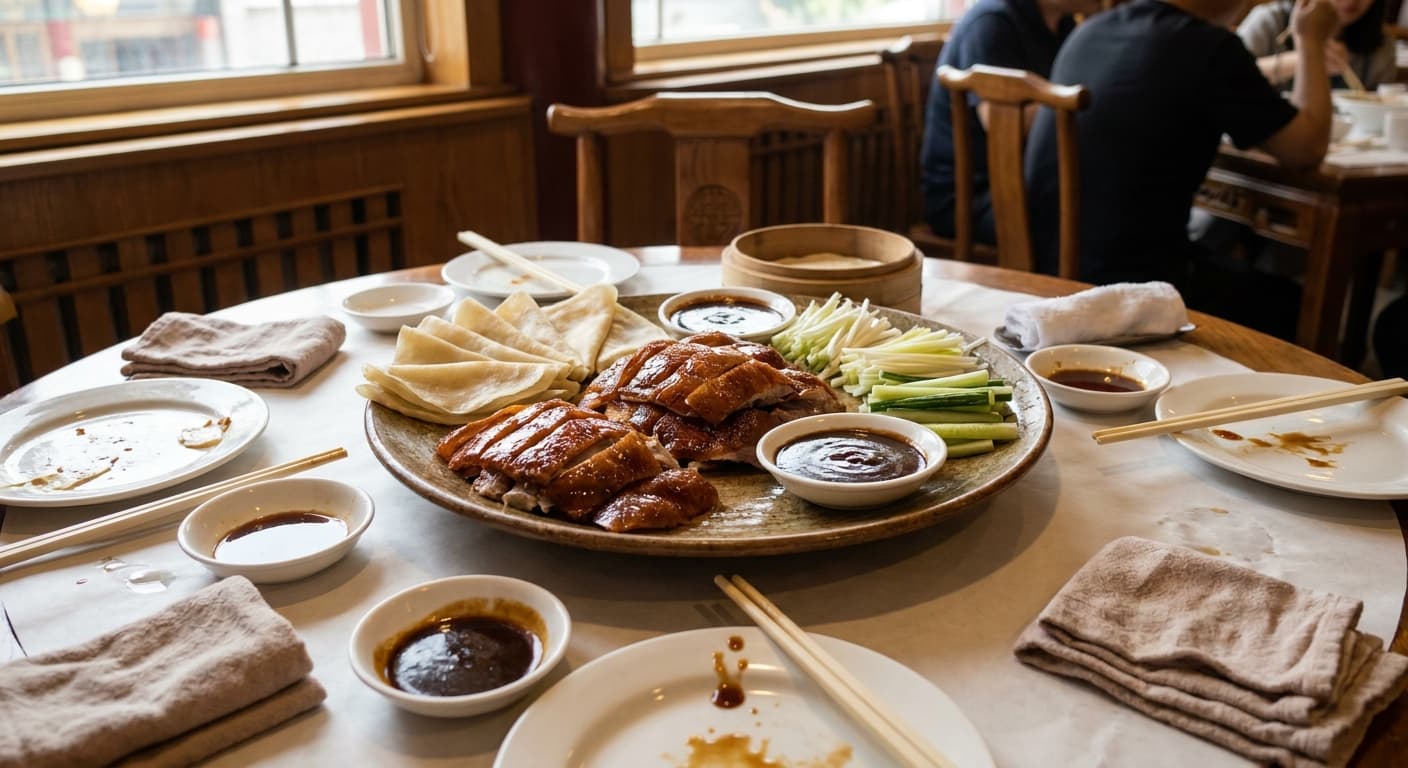
Peking Duck (北京烤鸭) — Crisp-Skinned Beijing Roast Duck
Chinese · Main Courses · 180 min
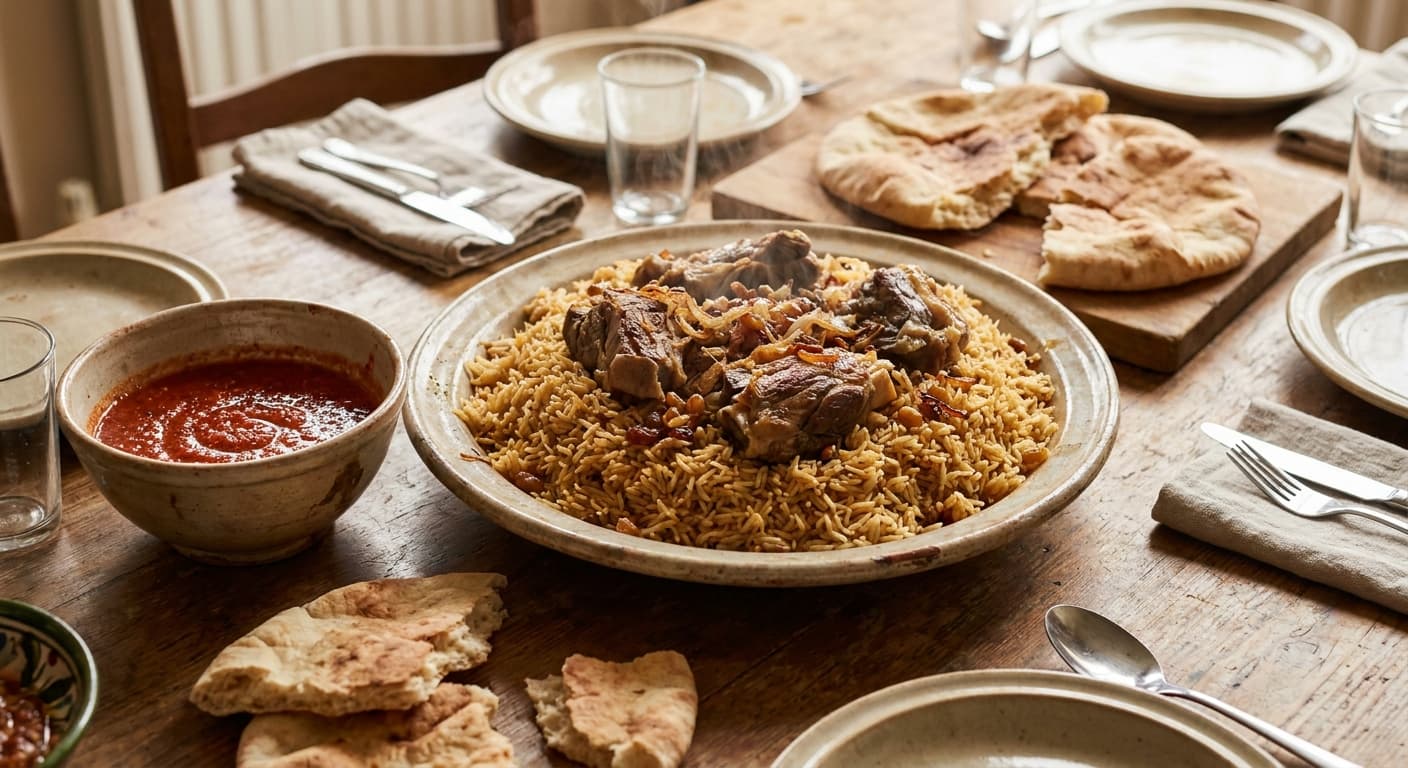
Yemeni Mandi (مندي) — Smoke-Scented Spiced Rice and Lamb
Yemeni · Main Courses · 170 min
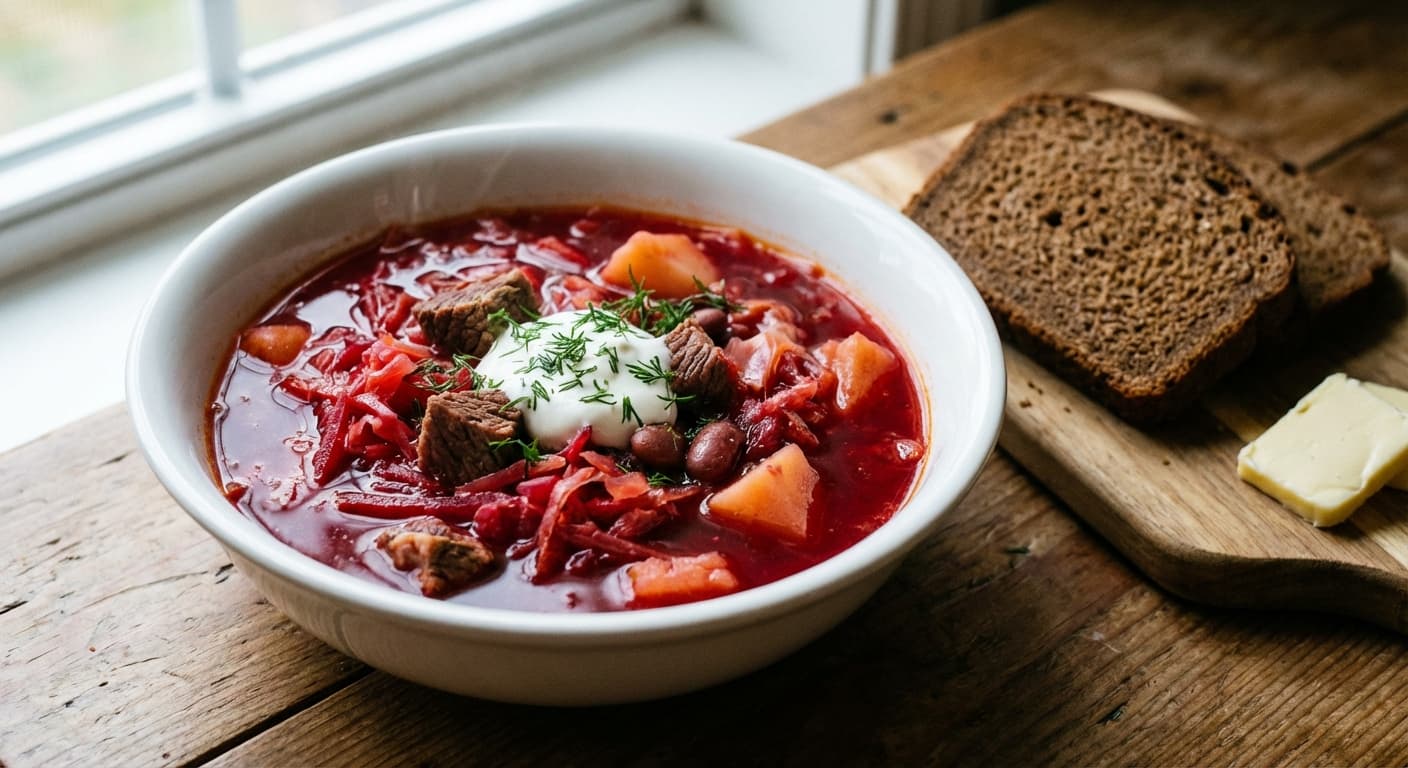
Borscht (Борщ) — Russian Beet and Beef Soup
Russian · Soups · 185 min
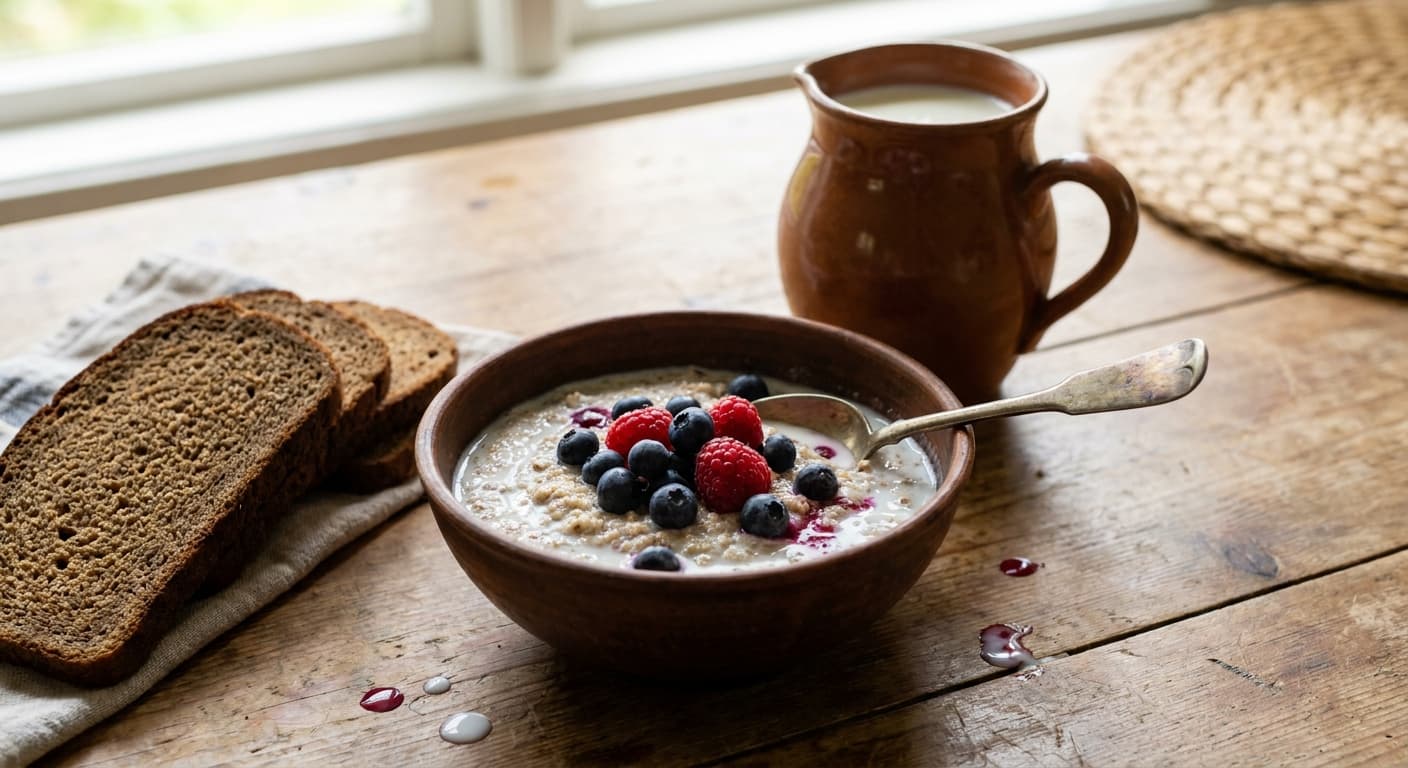
Kama (Kama) — Estonian Toasted Grain Kefir Drink
Estonian · Drinks · 10 min
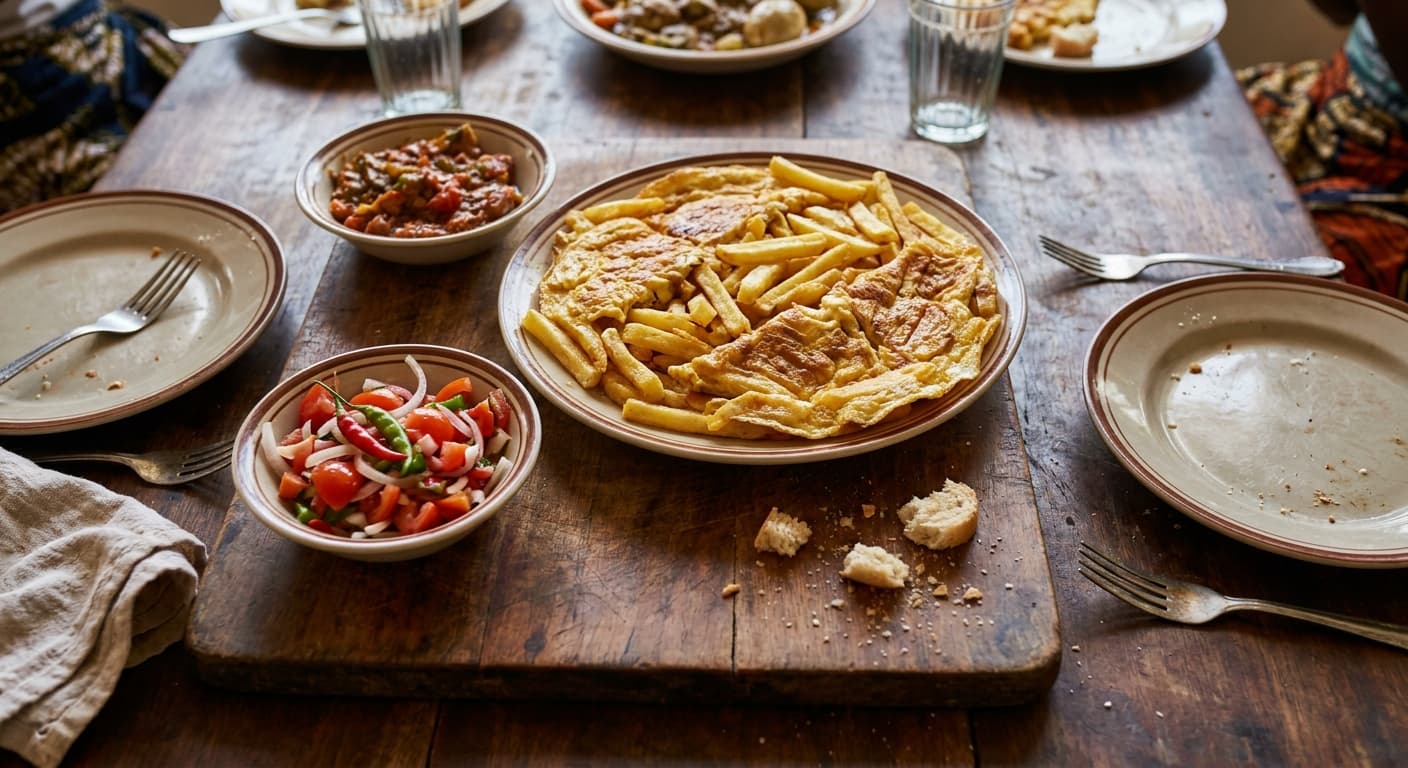
Chips and Egg Omelet (Chipsi Mayai) — Tanzanian Street-Food Classic
Tanzanian · Main Courses · 50 min
Reviews
Cooked this recipe?
Tap the stars to rate it — that's all it takes. A few words are welcome but optional.
No ratings yet. Cooked this one? Be the first to rate it — it takes one tap.