Lithuanian Tree Cake (Šakotis) — Spit-Baked Celebration Cake
Šakotis, also spelled sakotis, is Lithuania's dramatic spit-baked tree cake, built in buttery layers as batter drips over a rotating spit. It crowns wedding and Christmas tables, often beside savory icons such as ruginė duona and skilandis.
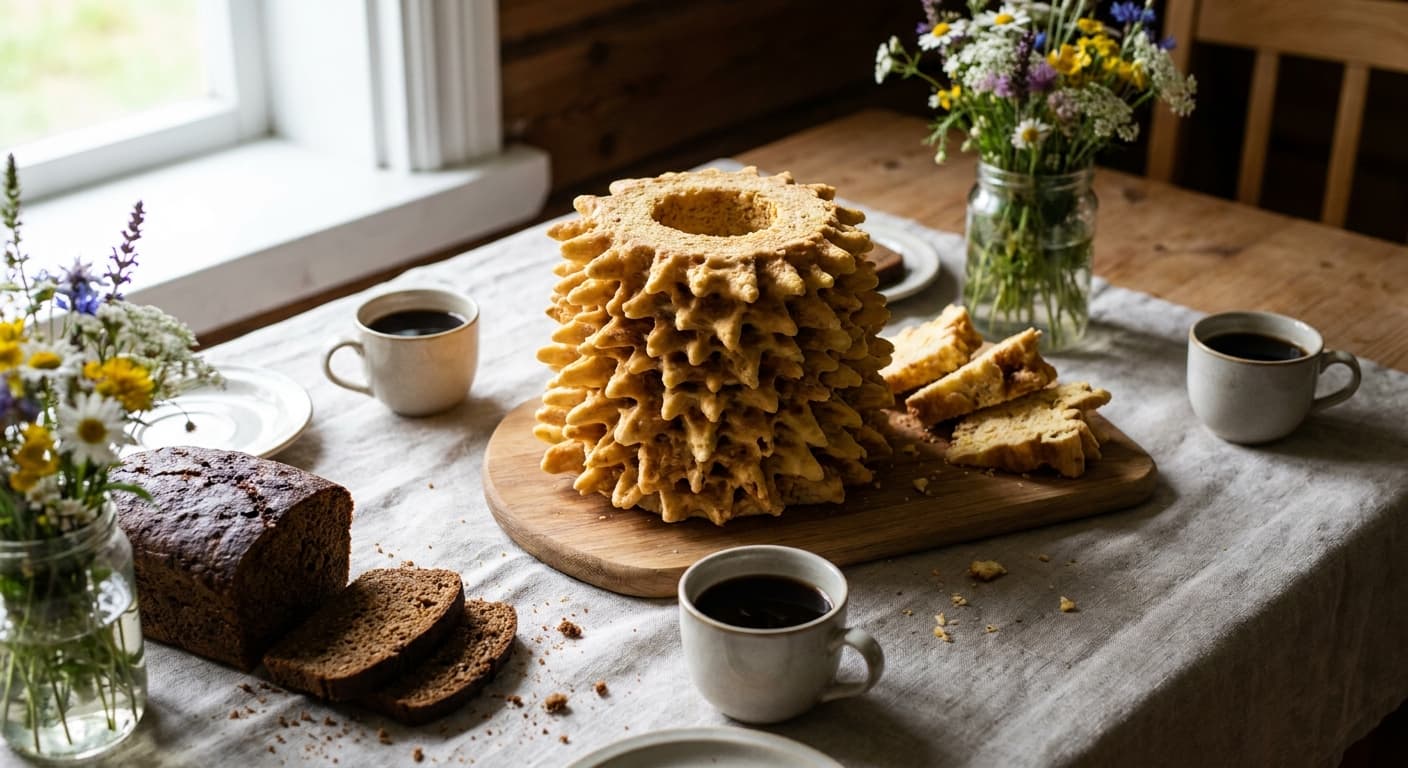
Printable Recipe Card
Servings: 24 · Total: 230 min · Difficulty: expert
Ingredients (quick list)
- 30 large eggs (separated into yolks and whites)
- 750 g unsalted butter (melted and cooled to 35 C)
- 720 g caster sugar
- 680 g all-purpose flour (sifted)
- 250 ml heavy cream
- 200 g sour cream
- 16 g vanilla sugar
- 6 g fine sea salt
- 8 g lemon zest (finely grated)
Steps (summary)
- Prepare a dedicated šakotis spit oven, charcoal rotisserie, or gas-fired horizontal spit with a clean tapered wooden or metal s…
- Brush the wrapped spindle evenly with 40 g softened butter and dust it with 30 g flour, turning it slowly so the coating is eve…
- Beat the egg yolks with the caster sugar, vanilla sugar, salt, and lemon zest for 8 to 10 minutes, until pale, thick, and ribbo…
- Mix the heavy cream and sour cream together, then add them to the yolk mixture in 3 additions, alternating with the sifted flou…
- Whip the egg whites to firm but not dry peaks, then fold them into the batter in 4 additions with a large spatula. The finished…
- Start the spindle rotating steadily and ladle a thin stream of batter over the top, allowing excess batter to drip into the tra…
+ 2 more steps in the full instructions section below.
Cultural Background
Birutė Imbrasienė records šakotis among Lithuania's emblematic festive foods. Its branch shape, patient spit-baking, and ceremonial cutting make it a wedding, Christmas, and Easter centerpiece rather than an everyday cake.
Equipment
💡 Tips
- Use eggs and dairy at 20 C to 22 C so the butter emulsifies smoothly into the yolks.
- Keep the heat moderate and steady; excessive heat burns the outer ridges before the inner layers bake through.
- Strain and reuse only clean batter from the drip tray during the first hour, before it contains dark crumbs or scorched bits.
⚠️ Common Mistakes
❌ Pouring batter onto a cold spindle
✅ Fix: Preheat the buttered and floured spindle for 5 minutes so the first layer sets immediately and anchors the cake.
❌ Using heat that is too fierce
✅ Fix: Hold the cooking zone near 180 C and move the fire back if the ridges darken in under 45 seconds.
❌ Making the batter too thin
✅ Fix: Keep the flour amount exact and fold gently; thin batter runs off before forming the recognizable šakotis branches.
🧊 How to Store
Store cooled šakotis loosely wrapped in parchment inside an airtight tin at room temperature for up to 7 days. To refresh, warm slices on a tray at 150 C for 5 minutes, then cool for 3 minutes so the ridges regain crispness.
📅 Make Ahead
Separate the eggs, sift the flour, and measure the dairy up to 6 hours ahead, keeping eggs and dairy chilled until 1 hour before mixing. Bake the šakotis 1 to 3 days before serving for easier slicing.
🍽️ Pairs Well With
- Strong black coffee
- Lithuanian herbal tea
- fresh berries
- lightly whipped cream
- honey liqueur for non-halal tables.
Regional Variations
- Lithuanian wedding šakotis is often tall and sharply branched, baked slowly over open heat for dramatic presentation.
- Smaller home versions may be baked on a shorter rotisserie spindle, producing a denser cake with fewer spikes.
- Some festive versions add a measured splash of rum or brandy, but this alcohol-free version keeps the cake suitable for halal guests.
Ingredients
- 30large eggs (separated into yolks and whites)
- 750 gunsalted butter (melted and cooled to 35 C)
- 720 gcaster sugar
- 680 gall-purpose flour (sifted)
- 250 mlheavy cream
- 200 gsour cream
- 16 gvanilla sugar
- 6 gfine sea salt
- 8 glemon zest (finely grated)
🔄 Substitutions
- heavy cream→ double cream
- sour cream→ crème fraîche
- vanilla sugar→ caster sugar and vanilla powder
Instructions
- 1
Prepare a dedicated šakotis spit oven, charcoal rotisserie, or gas-fired horizontal spit with a clean tapered wooden or metal spindle wrapped in food-safe cotton cloth. Heat the fire or burners until the cooking zone holds about 180 C near the spindle, then place a clean drip tray underneath to catch falling batter.
- 2
Brush the wrapped spindle evenly with 40 g softened butter and dust it with 30 g flour, turning it slowly so the coating is even. Warm the spindle over the heat for 5 minutes before battering, because the first coating must seize quickly and grip the surface.
- 3
Beat the egg yolks with the caster sugar, vanilla sugar, salt, and lemon zest for 8 to 10 minutes, until pale, thick, and ribboning. With the mixer running on low speed, stream in the cooled melted butter gradually so the emulsion stays smooth rather than greasy.
- 4
Mix the heavy cream and sour cream together, then add them to the yolk mixture in 3 additions, alternating with the sifted flour. Scrape the bowl thoroughly after each addition, because an uneven batter makes heavy ridges and weak branches on the finished šakotis.
- 5
Whip the egg whites to firm but not dry peaks, then fold them into the batter in 4 additions with a large spatula. The finished batter should be thick enough to fall in ribbons from a ladle yet fluid enough to drip; if measured, it should resemble a heavy pound-cake batter rather than pancake batter.
- 6
Start the spindle rotating steadily and ladle a thin stream of batter over the top, allowing excess batter to drip into the tray as the surface bakes. Wait 60 to 90 seconds between additions so each coat browns lightly, then continue layering for about 2 hours and 30 minutes until the cake has a deep golden shell and a firm core.
- 7
To form the characteristic branch-like spikes, pour several slightly heavier ribbons of batter during the final 30 minutes, letting gravity pull points downward before they set. Keep the rotation constant, because stopping the spit causes one-sided branches and can make the warm cake tear under its own weight.
- 8
Remove the spindle from the heat and let the šakotis cool upright for at least 45 minutes before loosening it from the cloth-wrapped form. Slice into rings or vertical shards with a serrated knife and serve at room temperature, when the buttery aroma and crisp edges are most pronounced.
🪪 Recipe Passport
Cultural Background
Birutė Imbrasienė records šakotis among Lithuania's emblematic festive foods. Its branch shape, patient spit-baking, and ceremonial cutting make it a wedding, Christmas, and Easter centerpiece rather than an everyday cake.
Regional Variations
Researched from multiple sources and validated by the Zaffaron editorial team. Every recipe is tested for accuracy, measurements, and cultural authenticity.
📚 Sources & Cultural References
- Birutė Imbrasienė — Lithuanian Traditional Foods — (2008)
- Alan Davidson — The Oxford Companion to Food — (2014)
Sources cited by the Zaffaron editorial team during recipe research. Cultural and culinary references supporting authenticity claims.
Nutrition per serving
Pairs well with
If you enjoyed this recipe, here are a few related Zaffaron recipes to try next.
Does your family make this differently?
Every family has their own version. Maybe your grandmother adds a secret ingredient, or your aunt has a completely different technique. Preserve your family's version — with their name on it, forever.
You Might Also Like
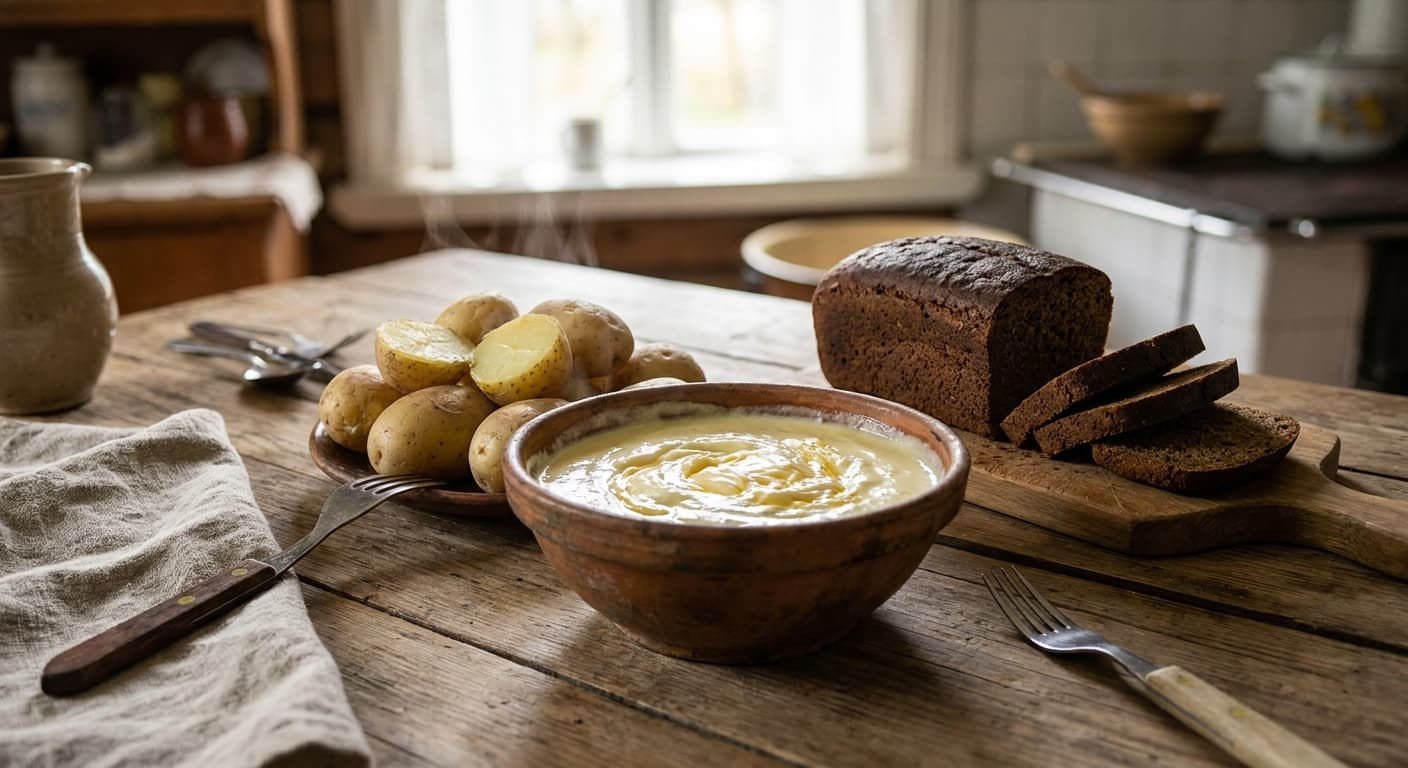
Samogitian Kastinys (Žemaičių kastinys) — Warm Cultured Cream Spread
Lithuanian · Side Dishes · 45 min
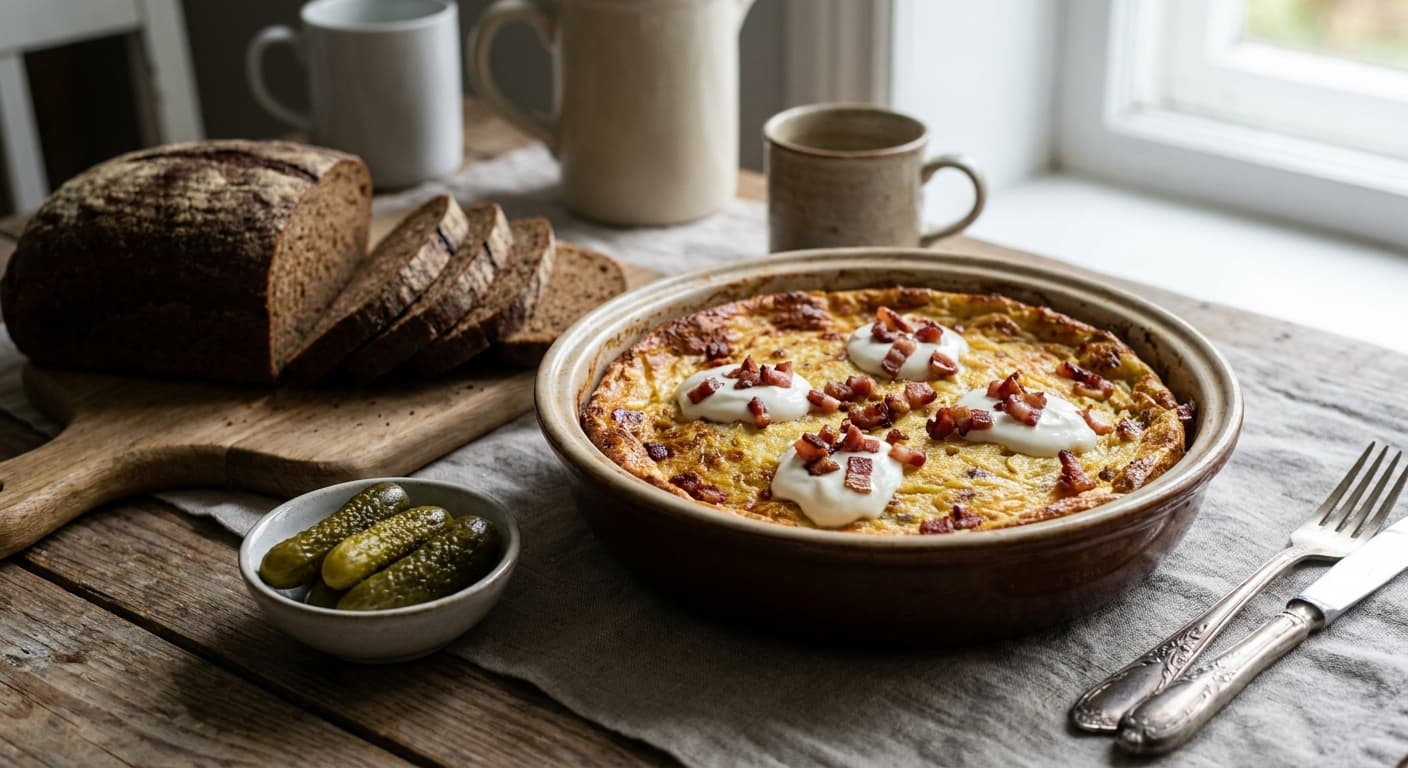
Lithuanian Kugelis (Kugelis) — Savory Baked Potato Pudding
Lithuanian · Main Courses · 115 min
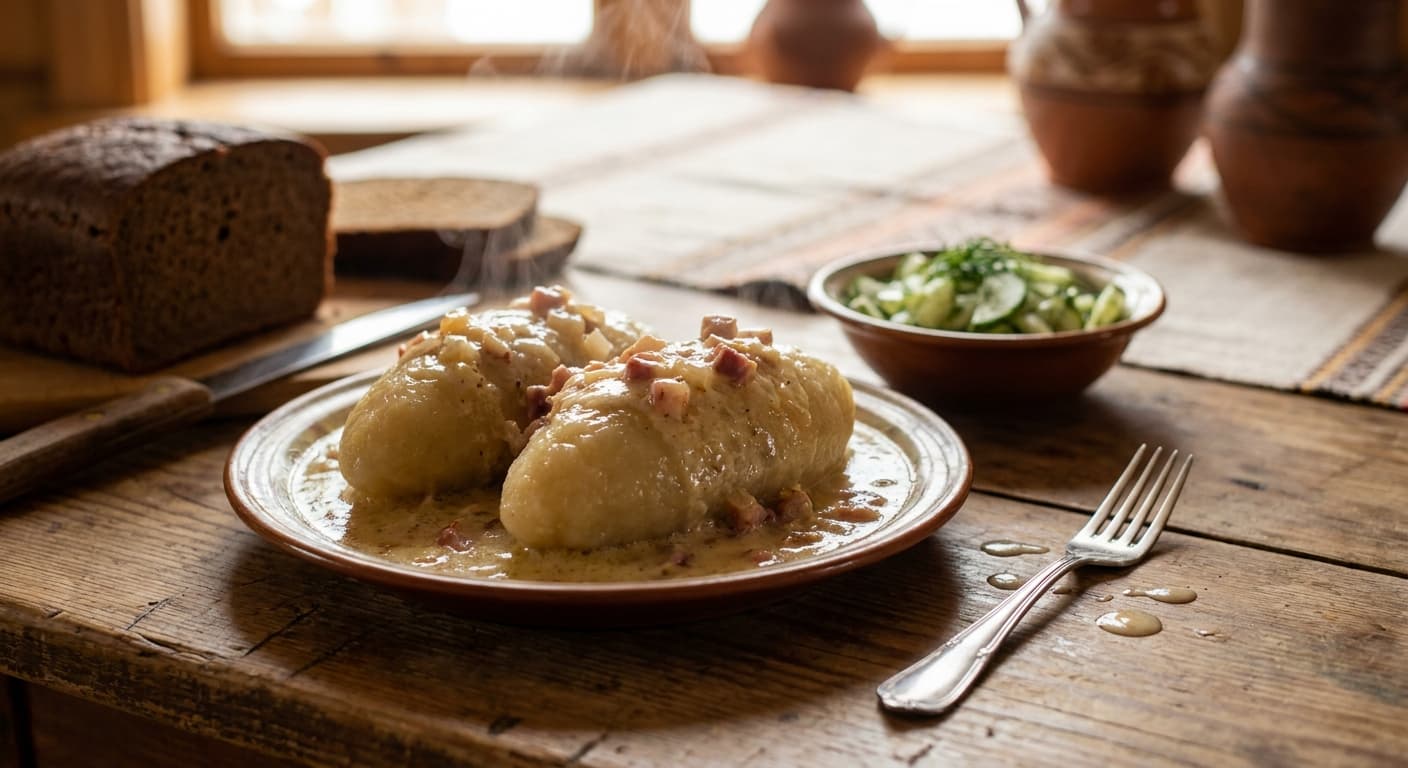
Lithuanian Cepelinai (Cepelinai) — Potato Dumplings with Pork and Sour Cream Sauce
Lithuanian · Main Courses · 115 min
Crème Brûlée (Crème brûlée) — Classic Vanilla Custard with Caramelized Sugar
French · Desserts · 60 min
Tiramisu (Tiramisù) — Classic Coffee-Mascarpone Layered Dessert
Italian · Desserts · 35 min
Polish Bigos (Bigos) — Hunter's Stew with Sauerkraut, Cabbage, and Smoked Meats
Polish · Stews · 215 min
Kama (Kama) — Estonian Toasted Grain Kefir Drink
Estonian · Drinks · 10 min
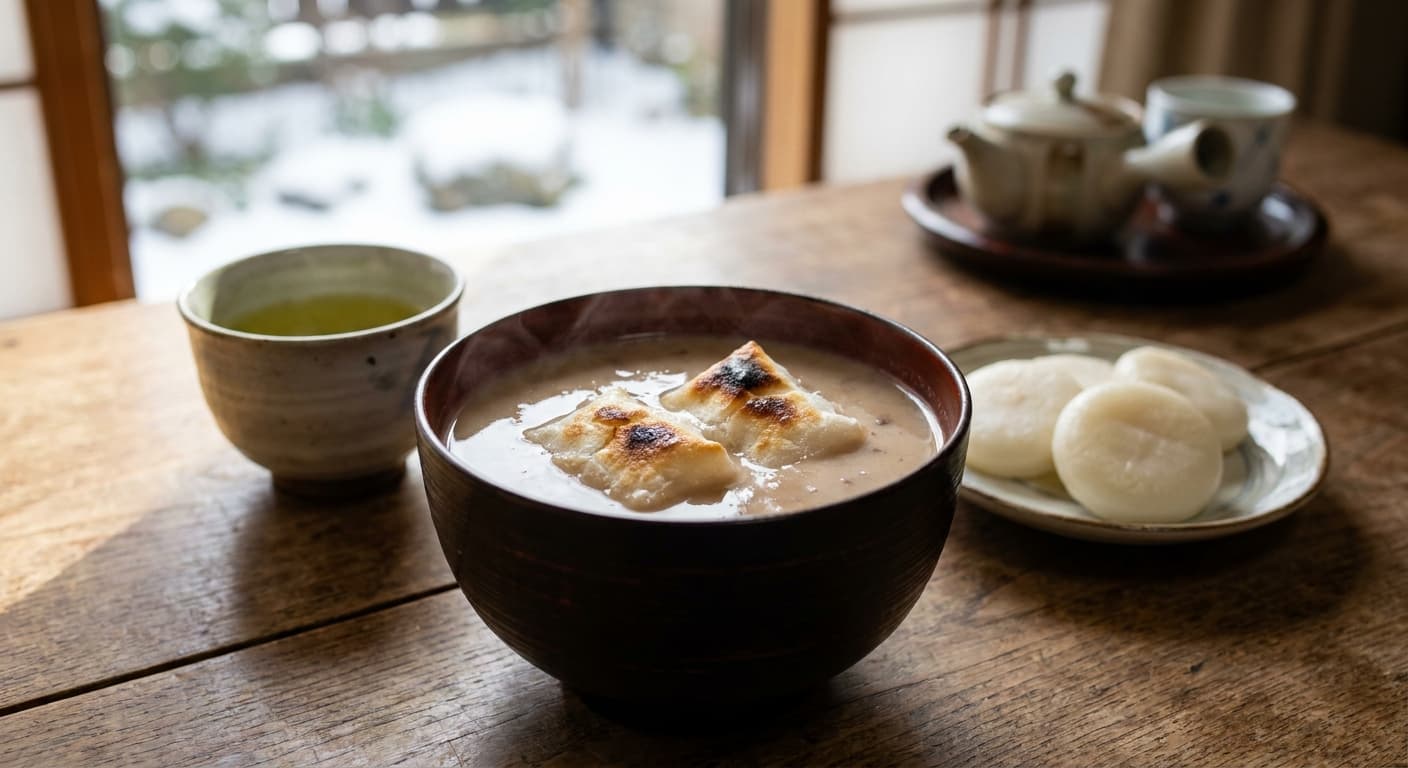
Kurumi Shiruko (くるみ汁粉) — Sendai-Style Sweet Walnut Azuki Soup with Mochi
Japanese · Desserts · 120 min
Reviews
Cooked this recipe?
Tap the stars to rate it — that's all it takes. A few words are welcome but optional.
No ratings yet. Cooked this one? Be the first to rate it — it takes one tap.