Gulab Jamun (गुलाब जामुन) — Indian Rose-Scented Milk Dumplings in Cardamom Syrup
Gulab Jamun are beloved Indian milk-based dumplings fried until mahogany and soaked in cardamom-rose syrup. Served at weddings and festivals, they balance rich dairy with fragrant aromatics in every bite.
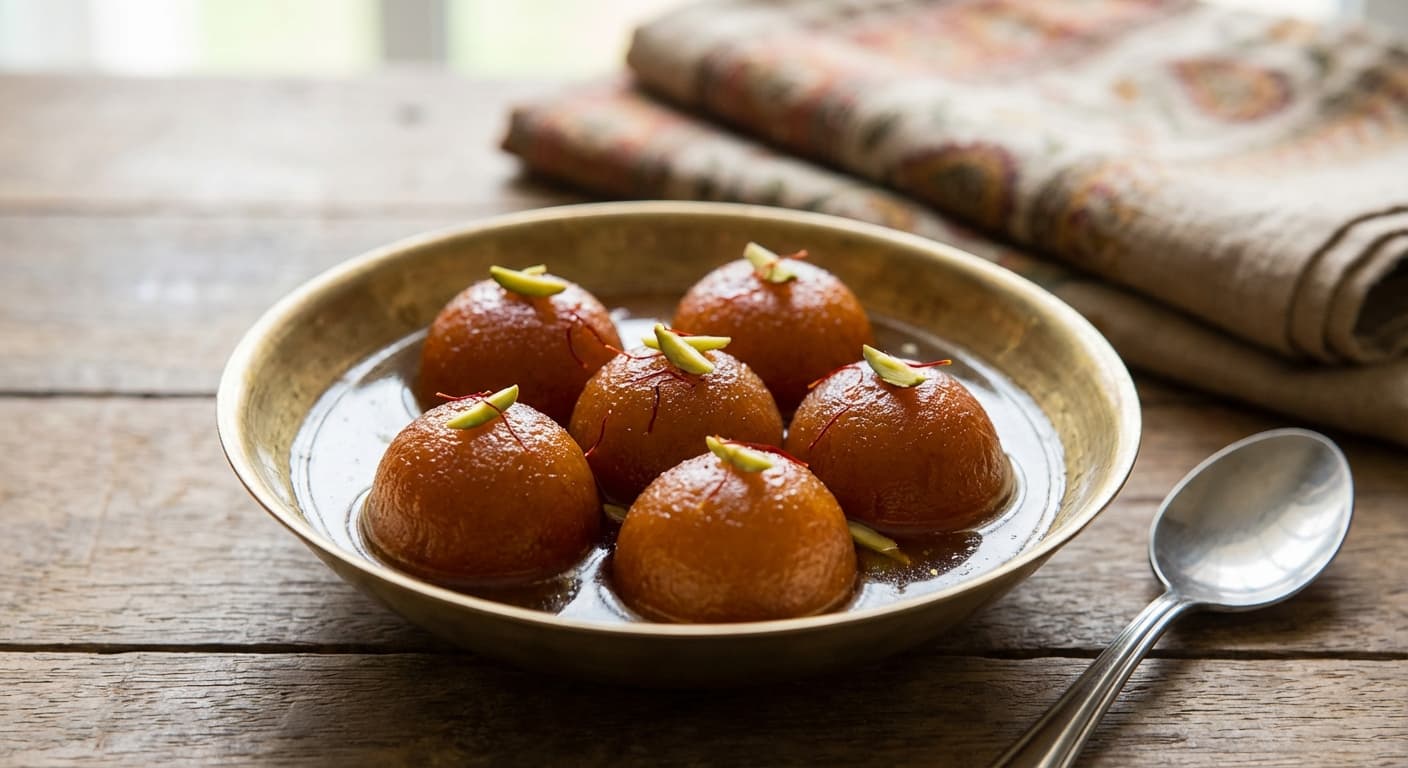
Printable Recipe Card
Servings: 12 · Total: 60 min · Difficulty: medium
Ingredients (quick list)
- 200 g milk powder (full-fat)
- 60 g all-purpose flour
- 4 g baking powder (about 1 tsp)
- 1 g fine salt (about 1/4 tsp)
- 30 g ghee (melted, for the dough)
- 60 g plain yogurt (full-fat) (room temperature)
- 90 ml whole milk (use as needed to form a soft dough)
- 350 g granulated sugar
- 300 ml water
- 6 pod green cardamom pods (lightly crushed)
- 10 ml rose water (about 2 tsp)
- 5 ml lemon juice (about 1 tsp, helps prevent crystallization)
+ 2 more in the full ingredients section below.
Steps (summary)
- Make the syrup first so it is ready to soak the dumplings. Combine sugar, water, crushed cardamom, saffron threads, and lemon j…
- Boil the syrup for 6 minutes until it reaches a light, sticky consistency (no thick threading is needed). Turn the heat to low,…
- Prepare the dough by whisking milk powder, flour, baking powder, and salt in a bowl until evenly mixed. Add melted ghee and yog…
- Add whole milk gradually, starting with 60 ml, and gently bring the dough together without kneading hard. The dough should be v…
- Portion the dough into 24 equal pieces (about 15 g each) for 12 servings of two dumplings. Roll each piece between lightly grea…
- Heat the frying ghee in a deep pot to 150°C and maintain that temperature steadily. Fry in small batches of 6–8 balls, stirring…
+ 3 more steps in the full instructions section below.
Cultural Background
A centerpiece sweet across North India, gulab jamun is closely tied to celebrations like Diwali, Eid, and weddings. Its rose-cardamom syrup reflects Mughal-era dessert traditions where floral waters and dairy sweets signaled hospitality and joy.
Equipment
💡 Tips
- Keep the syrup warm (55–65°C) rather than boiling; very hot syrup can toughen the outer layer before the center absorbs.
- Fry low and slow at 150°C; higher heat browns the outside too quickly and leaves a dense center.
- Roll perfectly smooth balls; even tiny cracks can expand in the fryer and cause oil to seep in.
⚠️ Common Mistakes
❌ Dumplings crack while rolling or frying.
✅ Fix: Rest the dough 10 minutes, then add 5–10 ml milk and reroll gently until perfectly smooth.
❌ Outside is dark but the center is dense.
✅ Fix: Lower frying temperature to 150°C and extend frying time; keep dumplings moving for even cooking.
❌ Syrup crystallizes after cooling.
✅ Fix: Add 5 ml lemon juice while boiling and avoid stirring once the syrup reaches a boil.
🧊 How to Store
Store gulab jamun fully submerged in syrup in an airtight container for up to 4 days in the refrigerator. Reheat gently in a saucepan over low heat or microwave at 50% power in 20-second bursts until just warm; avoid boiling, which can toughen them.
📅 Make Ahead
Prepare the syrup up to 2 days ahead and refrigerate, then rewarm to 55–65°C before soaking. You can also roll the dough balls and refrigerate covered for up to 8 hours; bring to room temperature for 20 minutes before frying.
🍽️ Pairs Well With
- Masala chai
- saffron milk
- vanilla ice cream
- rabri.
Regional Variations
- Kala jamun: fry longer to a deeper color and add 10 g khoya or paneer for a richer, darker dumpling.
- Stuffed gulab jamun: insert 0.5 g chopped pistachio and 0.2 g raisins into each ball before sealing and rolling smooth.
- South Indian-style: add 1 g edible camphor (optional) to the syrup for a temple-sweet aroma.
Ingredients
- 200 gmilk powder (full-fat)
- 60 gall-purpose flour
- 4 gbaking powder (about 1 tsp)
- 1 gfine salt (about 1/4 tsp)
- 30 gghee (melted, for the dough)
- 60 gplain yogurt (full-fat) (room temperature)
- 90 mlwhole milk (use as needed to form a soft dough)
- 350 ggranulated sugar
- 300 mlwater
- 6 podgreen cardamom pods (lightly crushed)
- 10 mlrose water (about 2 tsp)
- 5 mllemon juice (about 1 tsp, helps prevent crystallization)
- 0.1 gsaffron threads (optional, about a pinch)
- 15 gpistachios (thinly sliced)
🔄 Substitutions
- ghee (for frying)→ neutral frying oil (sunflower or canola)
- rose water→ orange blossom water
- plain yogurt (full-fat)→ heavy cream
Instructions
- 1
Make the syrup first so it is ready to soak the dumplings. Combine sugar, water, crushed cardamom, saffron threads, and lemon juice in a saucepan and bring to a boil over medium heat.
- 2
Boil the syrup for 6 minutes until it reaches a light, sticky consistency (no thick threading is needed). Turn the heat to low, stir in the rose water, and keep the syrup warm at 55–65°C so it soaks quickly without cooking the dumplings.
- 3
Prepare the dough by whisking milk powder, flour, baking powder, and salt in a bowl until evenly mixed. Add melted ghee and yogurt, then mix with your fingers until the mixture looks like damp sand.
- 4
Add whole milk gradually, starting with 60 ml, and gently bring the dough together without kneading hard. The dough should be very soft, smooth, and slightly tacky; rest it covered for 10 minutes so the milk powder hydrates fully.
- 5
Portion the dough into 24 equal pieces (about 15 g each) for 12 servings of two dumplings. Roll each piece between lightly greased palms into a crack-free ball; if cracks appear, dab 5–10 ml milk into the dough and reroll gently.
- 6
Heat the frying ghee in a deep pot to 150°C and maintain that temperature steadily. Fry in small batches of 6–8 balls, stirring and turning constantly so they color evenly without forming a hard crust.
- 7
Fry for 7–9 minutes per batch until deep golden-brown to mahogany, as they will look lighter once soaked. Lift with a slotted spoon and drain for 30 seconds; do not cool completely, because warm dumplings absorb syrup best.
- 8
Slide the warm fried dumplings into the warm syrup and gently press them down to submerge. Soak for at least 90 minutes, turning once halfway, until they swell and become tender all the way through.
- 9
Serve two gulab jamun per person with 2–3 tbsp syrup and a sprinkle of sliced pistachios. For the most authentic texture, serve slightly warm or at room temperature after a full soak.
🪪 Recipe Passport
Cultural Background
A centerpiece sweet across North India, gulab jamun is closely tied to celebrations like Diwali, Eid, and weddings. Its rose-cardamom syrup reflects Mughal-era dessert traditions where floral waters and dairy sweets signaled hospitality and joy.
Regional Variations
Researched from multiple sources and validated by the Zaffaron editorial team. Every recipe is tested for accuracy, measurements, and cultural authenticity.
Nutrition per serving
Pairs well with
If you enjoyed this recipe, here are a few related Zaffaron recipes to try next.
Does your family make this differently?
Every family has their own version. Maybe your grandmother adds a secret ingredient, or your aunt has a completely different technique. Preserve your family's version — with their name on it, forever.
You Might Also Like
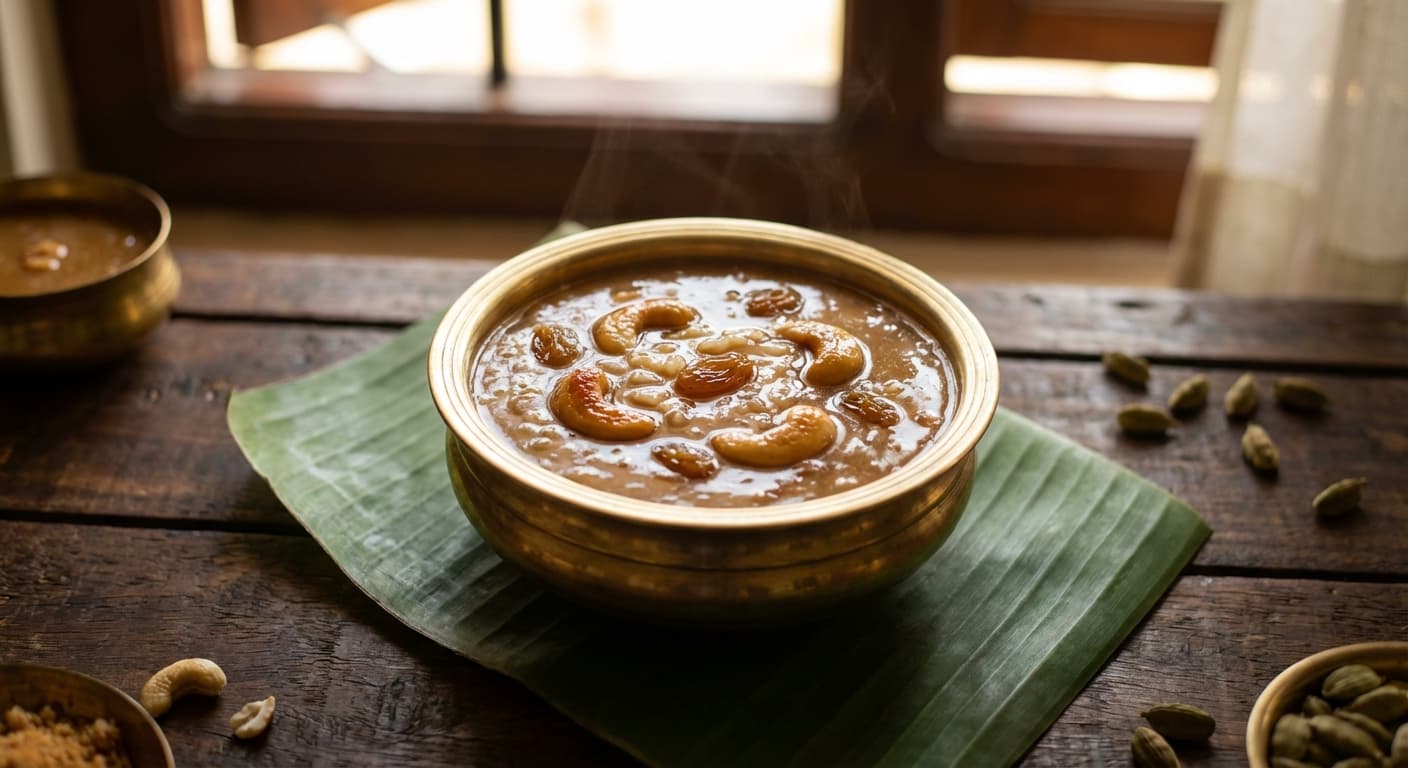
Jaggery Payasam (പായസം) — South Indian milk dessert with ghee and cardamom
Indian · Desserts · 45 min
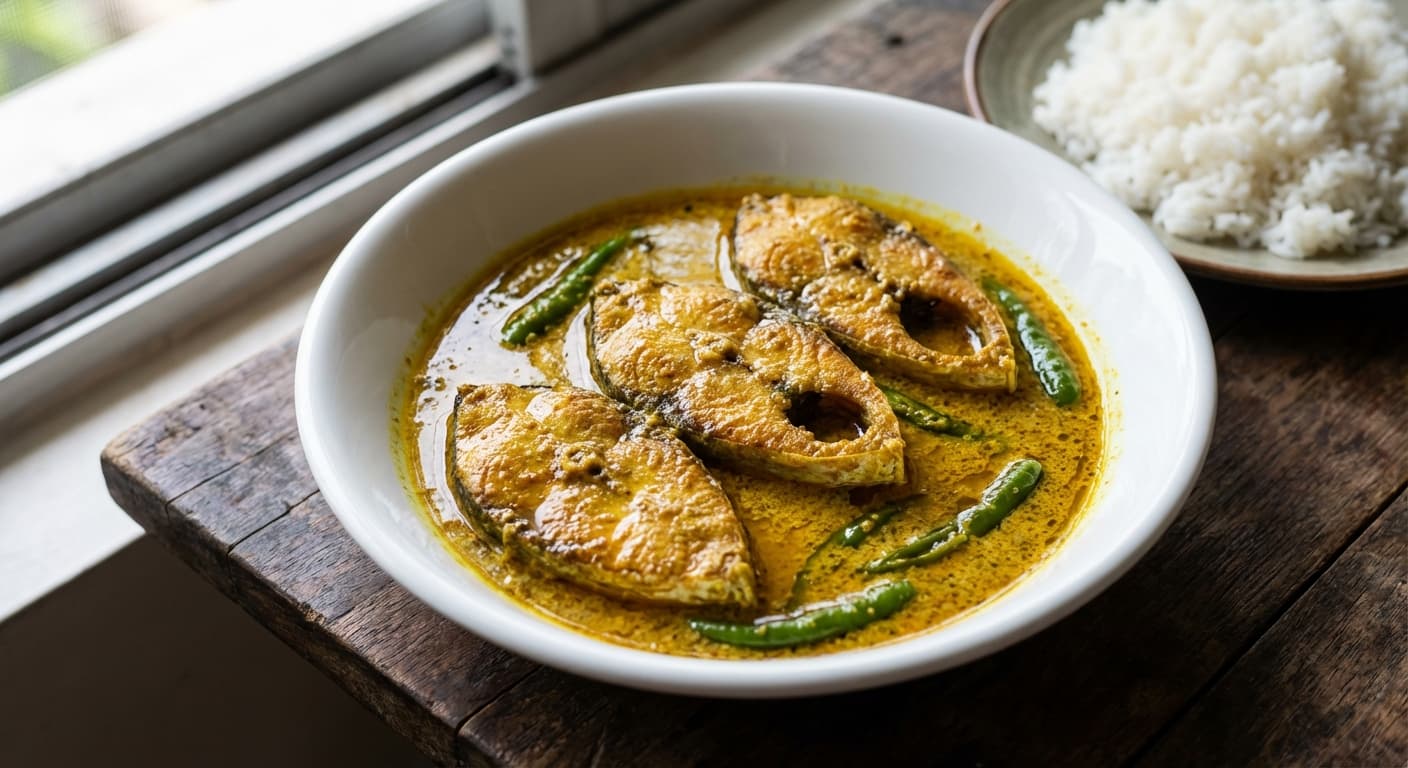
Shorshe Ilish (শরষে ইলিশ) — Hilsa in Mustard-Grreen Chili Gravy
Indian · Main Courses · 38 min
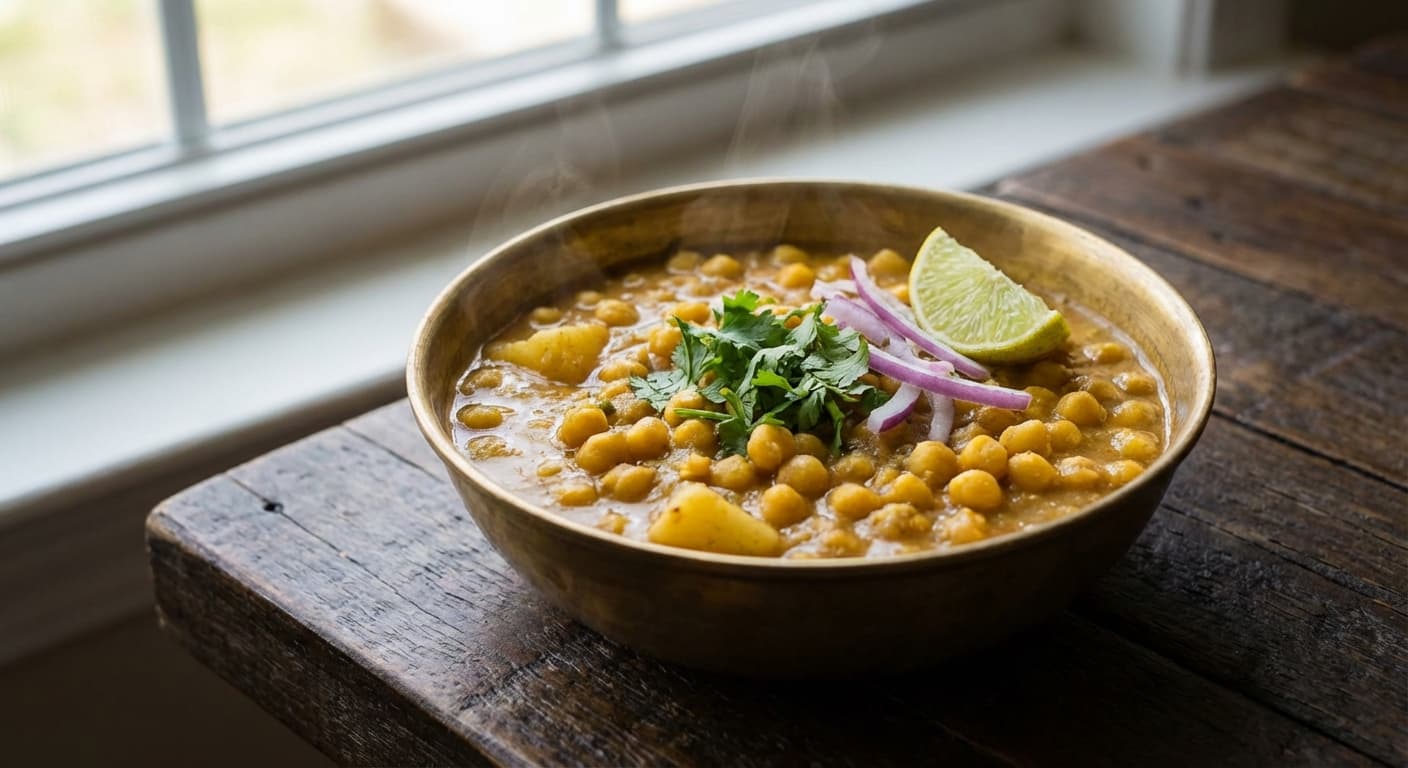
Ghugni (ঘুগনি) — Indian Spiced Yellow Peas Curry with Onions
Indian · Stews · 70 min
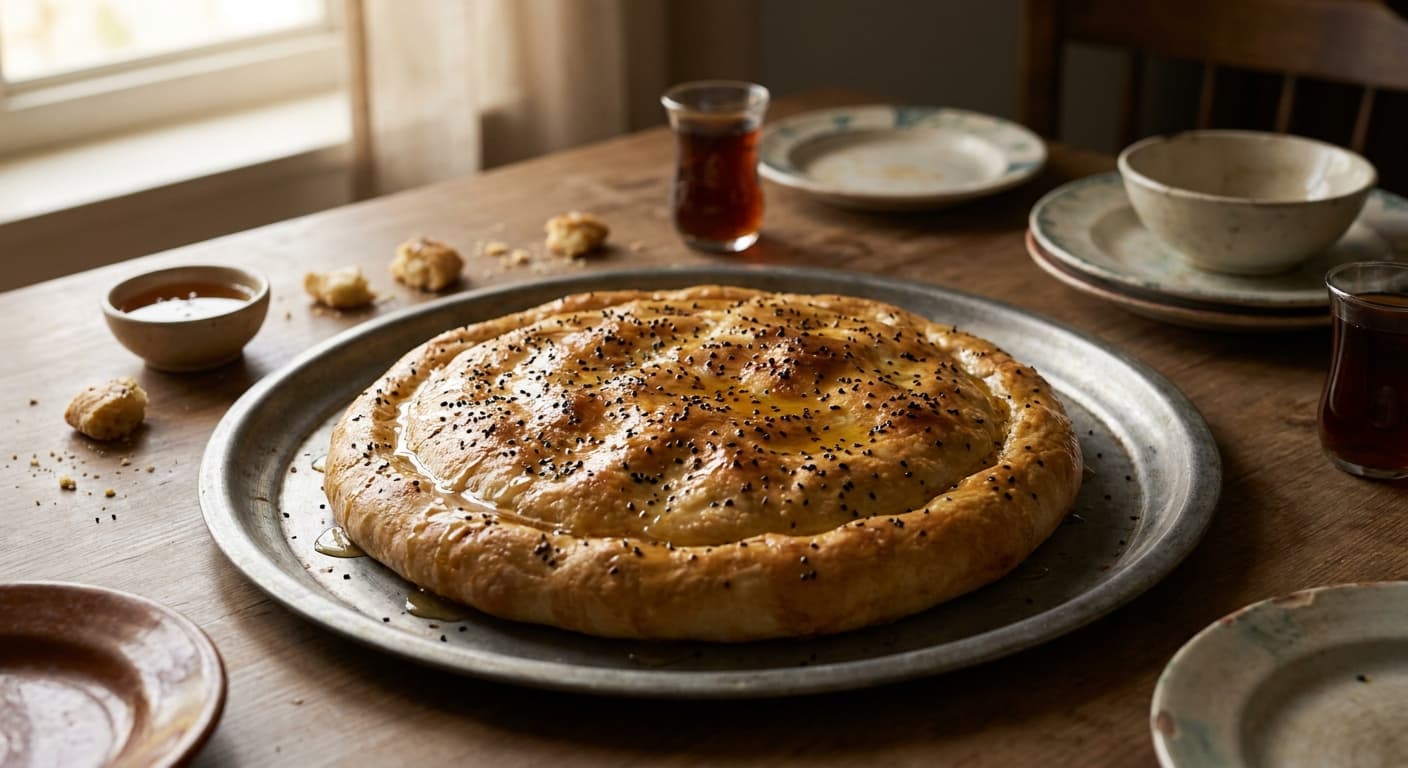
Bint al-Sahn (بنت الصحن) — Yemeni Honey Layer Bread
Yemeni · Desserts · 70 min
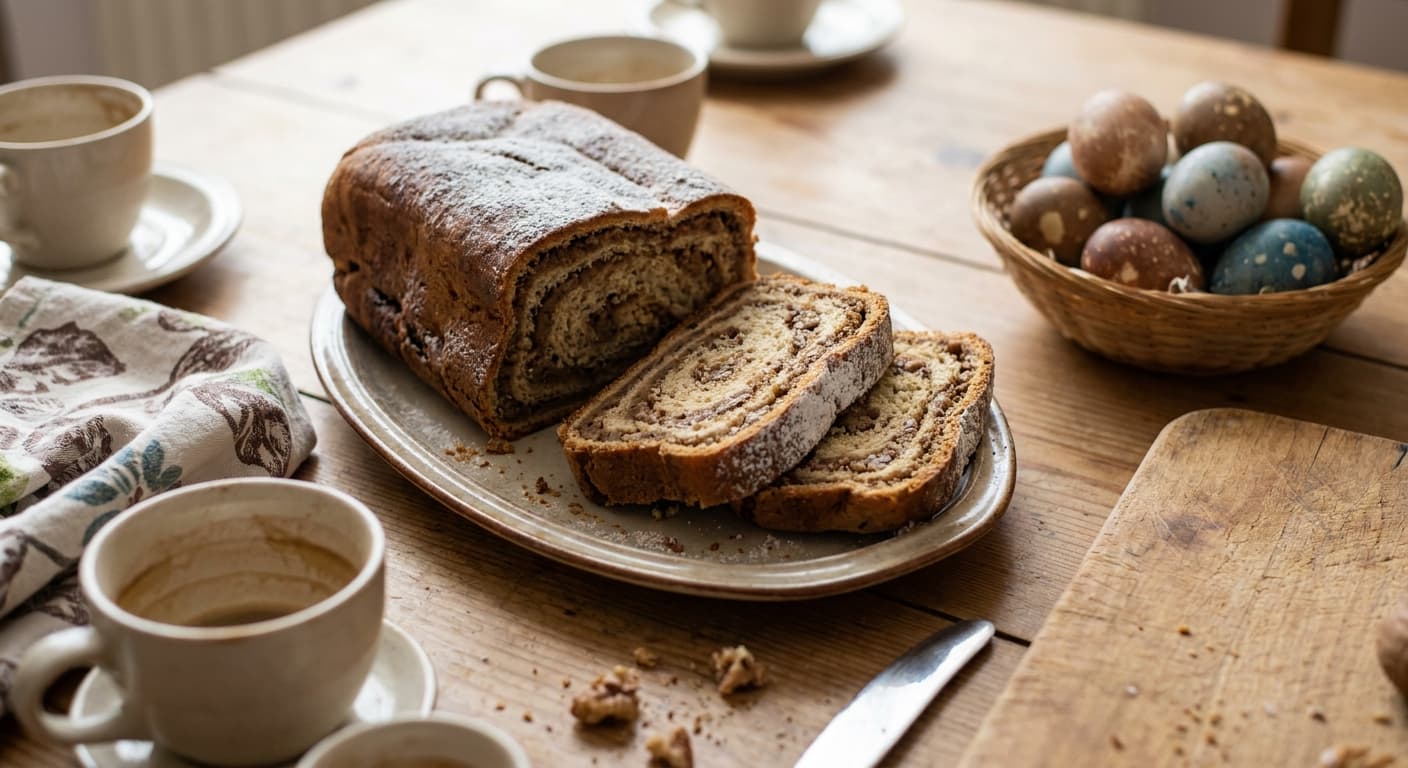
Potica (Potica) — Slovenian Walnut Holiday Roll
Slovenian · Desserts · 100 min
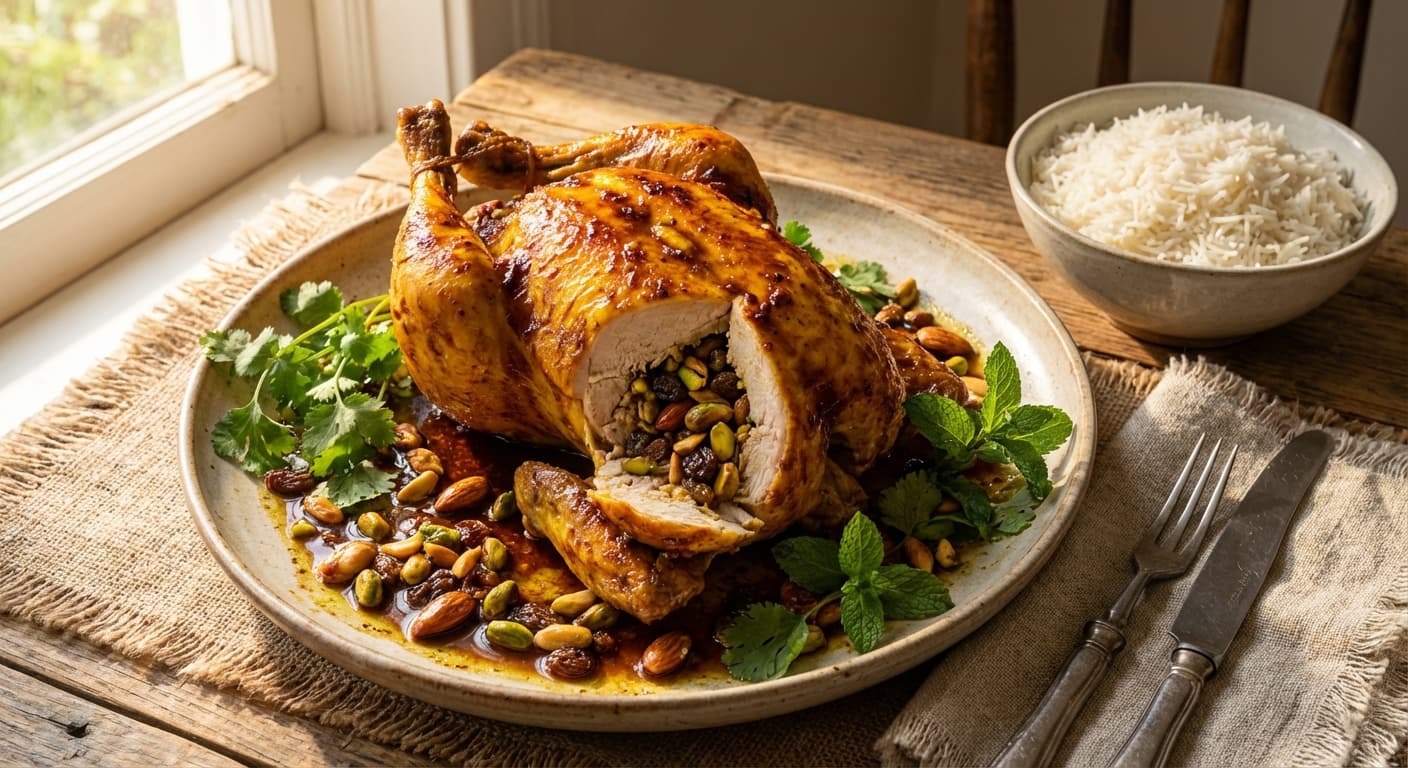
Lawang (لاونگ) — Afghan Stuffed Chicken with Raisins, Nuts, and Warm Spices
Afghan · Main Courses · 120 min
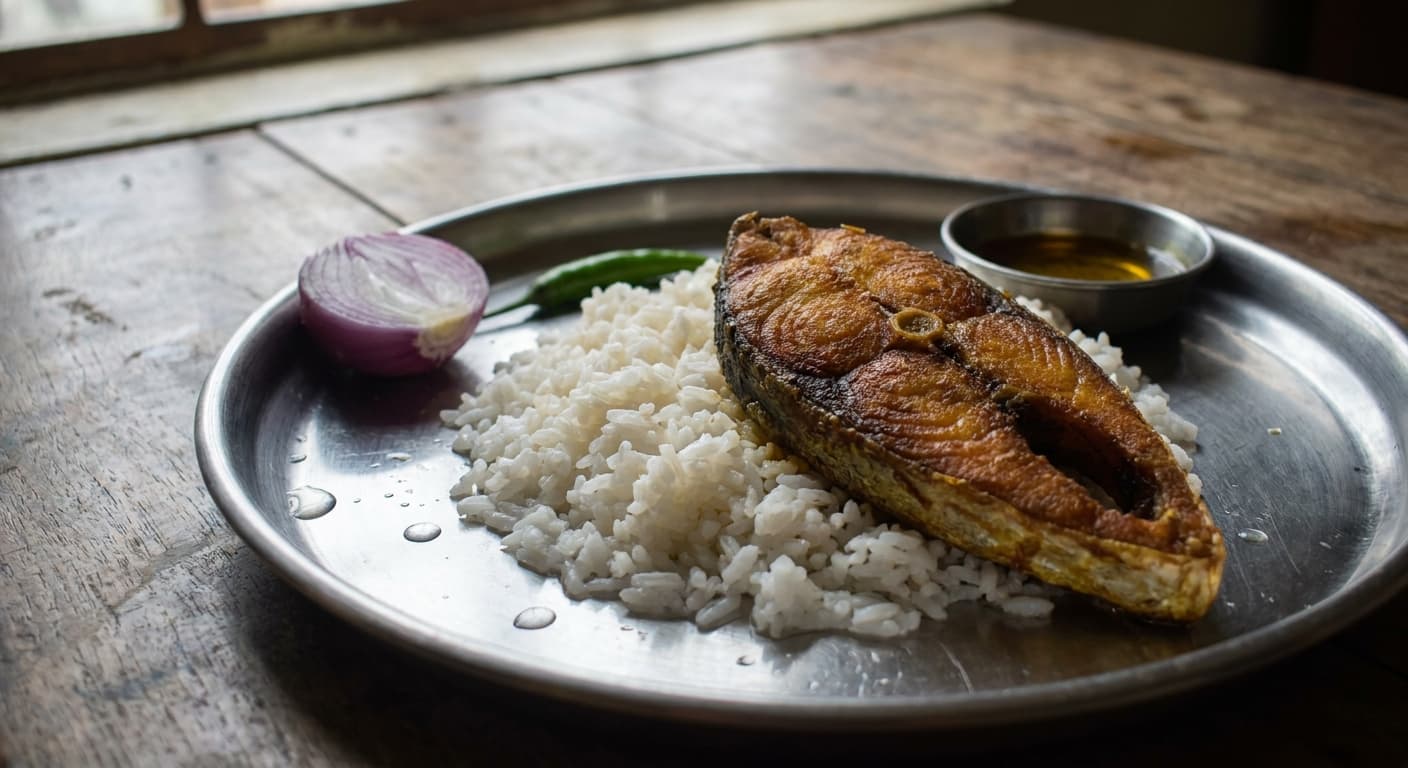
Panta Bhat (পান্তা ভাত) — Overnight Fermented Rice with Fried Ilish
Bangladeshi · Rice Dishes · 35 min
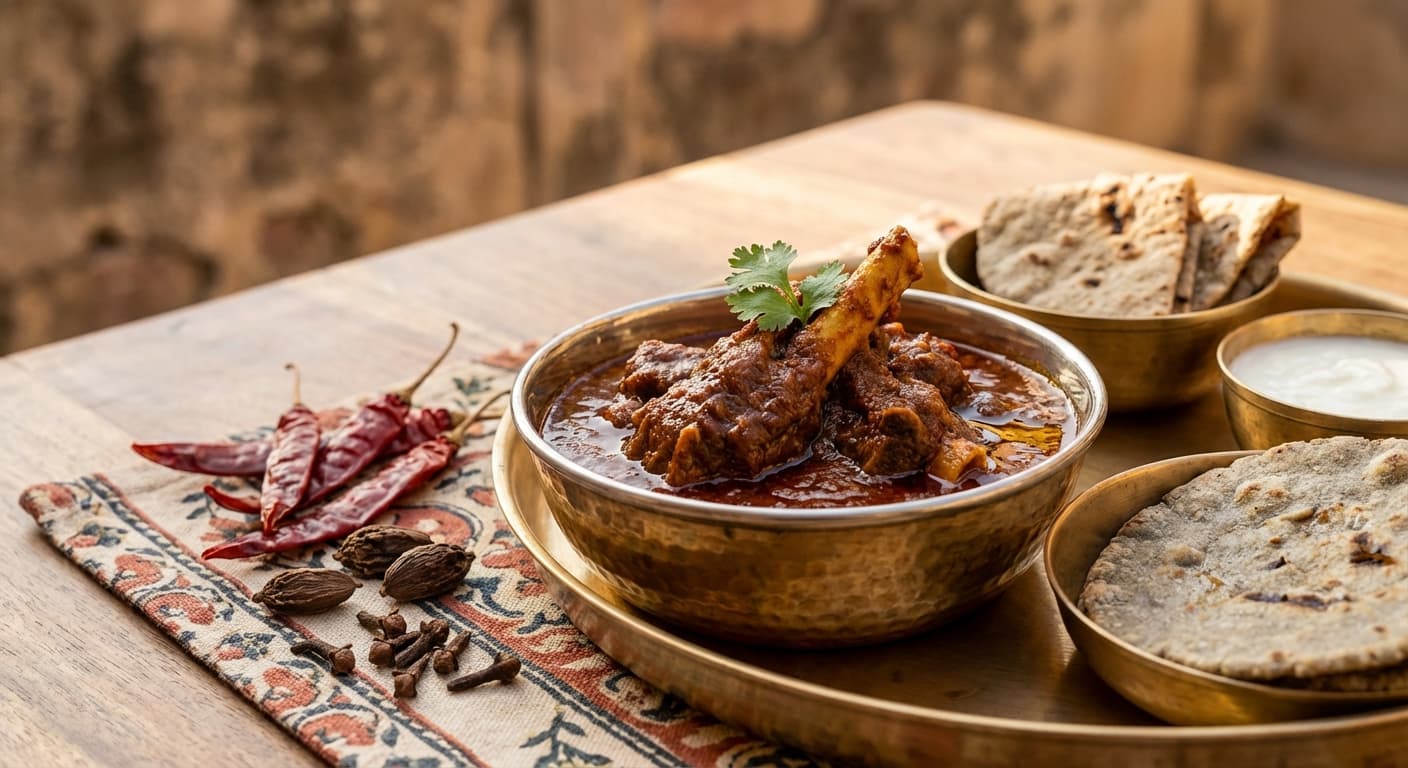
Laal Maas (लाल मांस) — Indian Fiery Rajasthani mutton curry with red chilies
Indian · Stews · 110 min
Reviews
Cooked this recipe?
Tap the stars to rate it — that's all it takes. A few words are welcome but optional.
No ratings yet. Cooked this one? Be the first to rate it — it takes one tap.