Hindbeh bil Zeit (هندبة بالزيت) — Lebanese Sautéed Dandelion Greens with Olive Oil and Onion
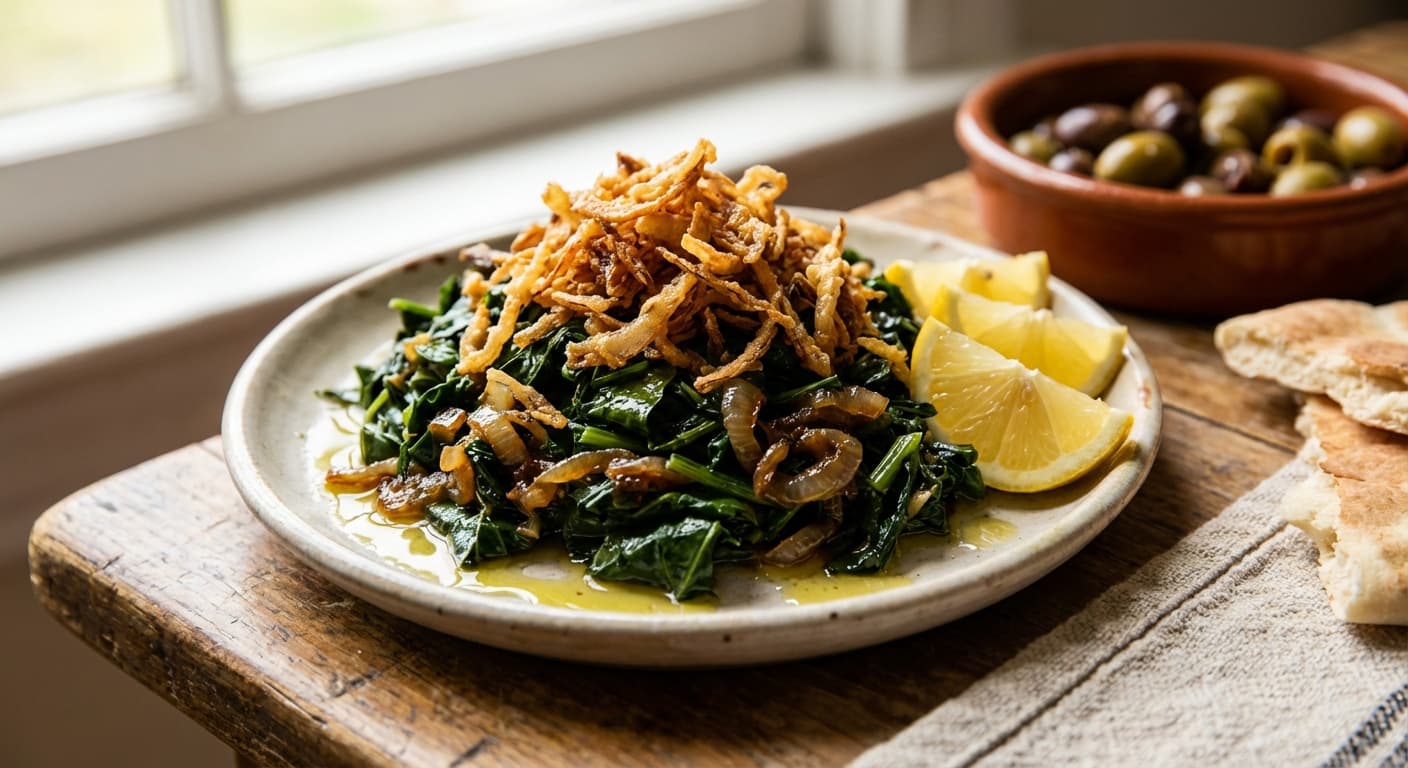
Hindbeh bil Zeit is a beloved Lebanese mezze made from dandelion greens, slowly sautéed with onions and olive oil, then brightened with lemon. It’s a humble, seasonal dish rooted in foraging traditions across the Levant.
Printable Recipe Card
Servings: 4 · Total: 45 min · Difficulty: easy
Ingredients (quick list)
- 500 g Dandelion greens, trimmed and washed (Use young greens for less bitterness)
- 2000 ml Water (For blanching)
- 4 g Fine sea salt (For blanching water)
- 300 g Yellow onions, thinly sliced (About 2 medium onions)
- 75 ml Extra-virgin olive oil (Plus more for serving if desired)
- 2 g Ground cumin (Optional but common in many Lebanese homes)
- 30 ml Fresh lemon juice (About 2 tbsp)
- 6 g Garlic cloves, finely grated (About 2 small cloves)
Steps (summary)
- Bring 2000 ml of water to a rolling boil in a pot and dissolve 4 g salt in it. Add the dandelion greens and blanch for 2 minute…
- Drain the greens immediately and rinse under cold running water for 30 seconds to stop the cooking. Squeeze the greens very fir…
- Heat 60 ml of the olive oil in a wide skillet over medium heat for 1 minute until it shimmers. Add the sliced onions and cook f…
- Transfer about two-thirds of the onions to a plate, leaving the rest in the skillet to flavor the greens. Add the chopped, well…
- Season the greens with 3 g salt and 2 g ground cumin, then sauté for 6–8 minutes over medium-low heat. Stir every minute so moi…
- In a small bowl, mix the lemon juice with the grated garlic until fragrant. Turn off the heat, drizzle the mixture over the gre…
+ 1 more steps in the full instructions section below.
Cultural Background
Often served as part of a Lebanese mezze spread, hindbeh bil zeit reflects the region’s tradition of cooking foraged greens with olive oil and citrus. It’s especially associated with springtime markets and home kitchens that celebrate simple, plant-forward dishes.
Equipment
💡 Tips
- Squeeze the blanched greens until they feel almost dry; excess water is the main reason hindbeh turns soupy instead of silky.
- For sweeter onions, cook them over medium-low heat for the full 15 minutes and stir frequently; rushing on high heat makes them bitter.
- If your greens are very bitter, extend blanching to 3 minutes and rinse longer, but keep squeezing hard to avoid diluting flavor.
⚠️ Common Mistakes
❌ Skipping the squeeze after blanching, leaving the greens waterlogged.
✅ Fix: Squeeze in handfuls until no more water drips; if needed, press in a clean towel before sautéing.
❌ Burning the onions by cooking on high heat.
✅ Fix: Use medium to medium-low heat and stir often; aim for deep gold, not dark brown.
❌ Adding garlic too early so it turns sharp or bitter.
✅ Fix: Mix garlic with lemon and stir it in off-heat so it perfumes the dish without frying.
🧊 How to Store
Cool leftovers within 1 hour, then refrigerate in an airtight container for up to 3 days. Reheat gently in a skillet over low heat with 10 ml water, or serve at room temperature; add 5 ml fresh lemon juice after reheating to refresh.
📅 Make Ahead
Blanch, squeeze, and chop the greens up to 24 hours ahead and refrigerate tightly covered. You can also caramelize the onions a day in advance; rewarm them briefly, then sauté the greens just before serving for best texture.
🍽️ Pairs Well With
- Warm pita
- hummus
- baba ghanoush
- labneh
- olives
- sliced tomatoes
- grilled halloumi.
Regional Variations
- Some Lebanese cooks top hindbeh with pomegranate seeds (about 60 g) for sweet-tart contrast.
- In coastal areas, a pinch of sumac (2 g) is sometimes added with the lemon for extra tang and color.
- A few households serve it with boiled chickpeas (150 g drained) folded in for a heartier mezze plate.
Ingredients
- 500 gDandelion greens, trimmed and washed (Use young greens for less bitterness)
- 2000 mlWater (For blanching)
- 4 gFine sea salt (For blanching water)
- 300 gYellow onions, thinly sliced (About 2 medium onions)
- 75 mlExtra-virgin olive oil (Plus more for serving if desired)
- 2 gGround cumin (Optional but common in many Lebanese homes)
- 30 mlFresh lemon juice (About 2 tbsp)
- 6 gGarlic cloves, finely grated (About 2 small cloves)
🔄 Substitutions
- Dandelion greens→ Chicory or escarole
- Ground cumin→ Ground caraway
- Fresh lemon juice→ White wine vinegar
Instructions
- 1
Bring 2000 ml of water to a rolling boil in a pot and dissolve 4 g salt in it. Add the dandelion greens and blanch for 2 minutes to soften the leaves and tame some bitterness.
- 2
Drain the greens immediately and rinse under cold running water for 30 seconds to stop the cooking. Squeeze the greens very firmly with your hands to remove as much water as possible, then roughly chop them into 2–3 cm pieces.
- 3
Heat 60 ml of the olive oil in a wide skillet over medium heat for 1 minute until it shimmers. Add the sliced onions and cook for 12–15 minutes, stirring often, until deeply golden and sweet; reduce heat slightly if edges brown too fast.
- 4
Transfer about two-thirds of the onions to a plate, leaving the rest in the skillet to flavor the greens. Add the chopped, well-squeezed dandelion greens to the skillet and stir for 1 minute to coat them in the onion-scented oil.
- 5
Season the greens with 3 g salt and 2 g ground cumin, then sauté for 6–8 minutes over medium-low heat. Stir every minute so moisture evaporates and the greens become glossy and concentrated rather than watery.
- 6
In a small bowl, mix the lemon juice with the grated garlic until fragrant. Turn off the heat, drizzle the mixture over the greens, and stir for 30 seconds so the heat mellows the garlic without making it harsh.
- 7
Transfer the hindbeh to a serving plate and mound the reserved caramelized onions on top. Finish with the remaining 15 ml olive oil for a classic mezze-style sheen, then let it rest 5 minutes before serving so flavors settle.
🪪 Recipe Passport
Cultural Background
Often served as part of a Lebanese mezze spread, hindbeh bil zeit reflects the region’s tradition of cooking foraged greens with olive oil and citrus. It’s especially associated with springtime markets and home kitchens that celebrate simple, plant-forward dishes.
Regional Variations
Researched from multiple sources and validated by the Zaffaron editorial team. Every recipe is tested for accuracy, measurements, and cultural authenticity.
Nutrition per serving
Pairs well with
If you enjoyed this recipe, here are a few related Zaffaron recipes to try next.
Does your family make this differently?
Every family has their own version. Maybe your grandmother adds a secret ingredient, or your aunt has a completely different technique. Preserve your family's version — with their name on it, forever.
You Might Also Like
Kousa Mahshi (كوسا محشي) — Lebanese Stuffed Zucchini in Tangy Tomato Broth
Lebanese · Main Courses · 105 min
Shish Barak (شيش برك) — Lebanese Lamb Dumplings in Warm Yogurt Sauce
Lebanese · Main Courses · 105 min
Shawarma Djaj (شاورما دجاج) — Lebanese Chicken Shawarma with Toum
Lebanese · Kebabs · 45 min
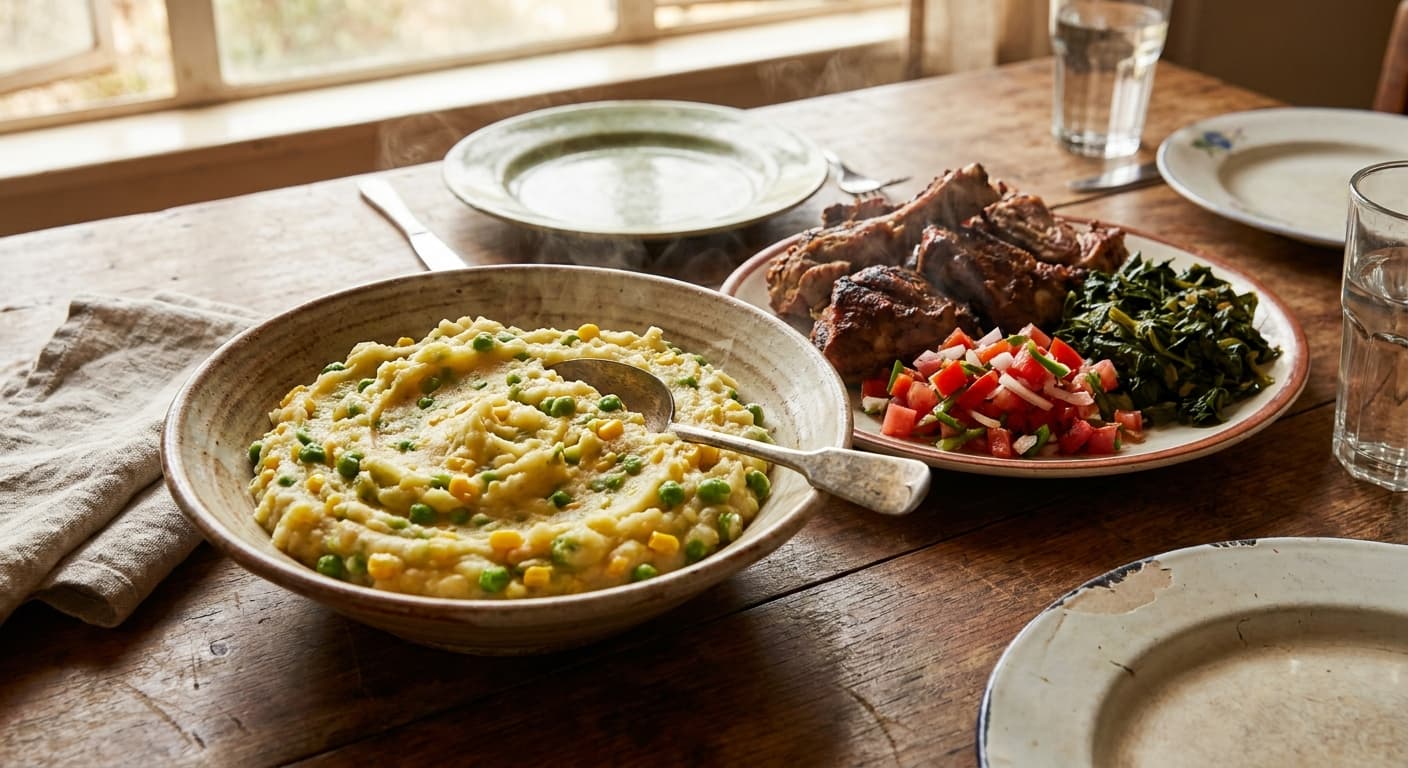
Irio (Mukimo) — Kenyan Mashed Potatoes, Peas, Corn, and Greens
Kenyan · Side Dishes · 55 min
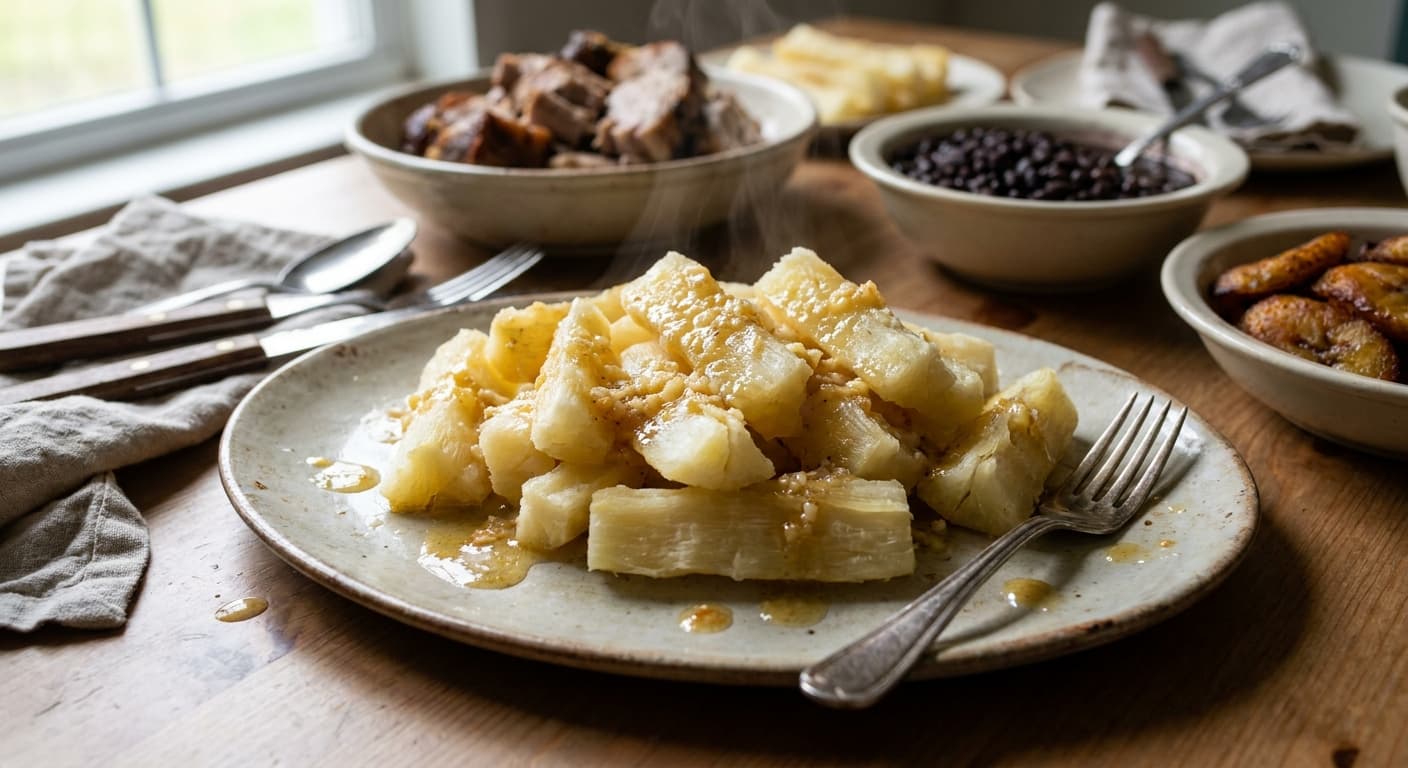
Yuca with Mojo (Yuca con mojo) — Cuban Cassava with Garlic Citrus Sauce
Cuban · Side Dishes · 55 min
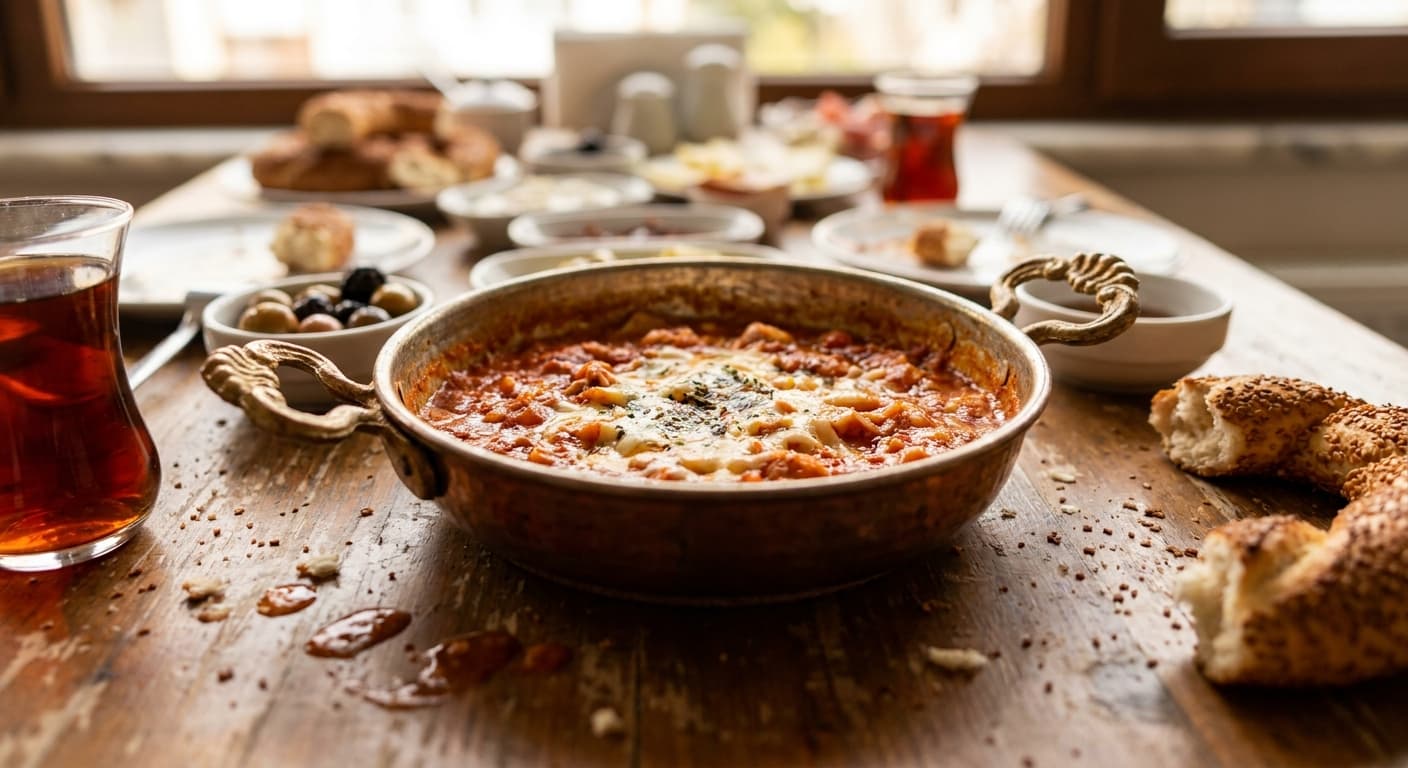
Turkish Menemen (Menemen) — Soft Eggs with Tomatoes and Peppers
Turkish · Main Courses · 37 min
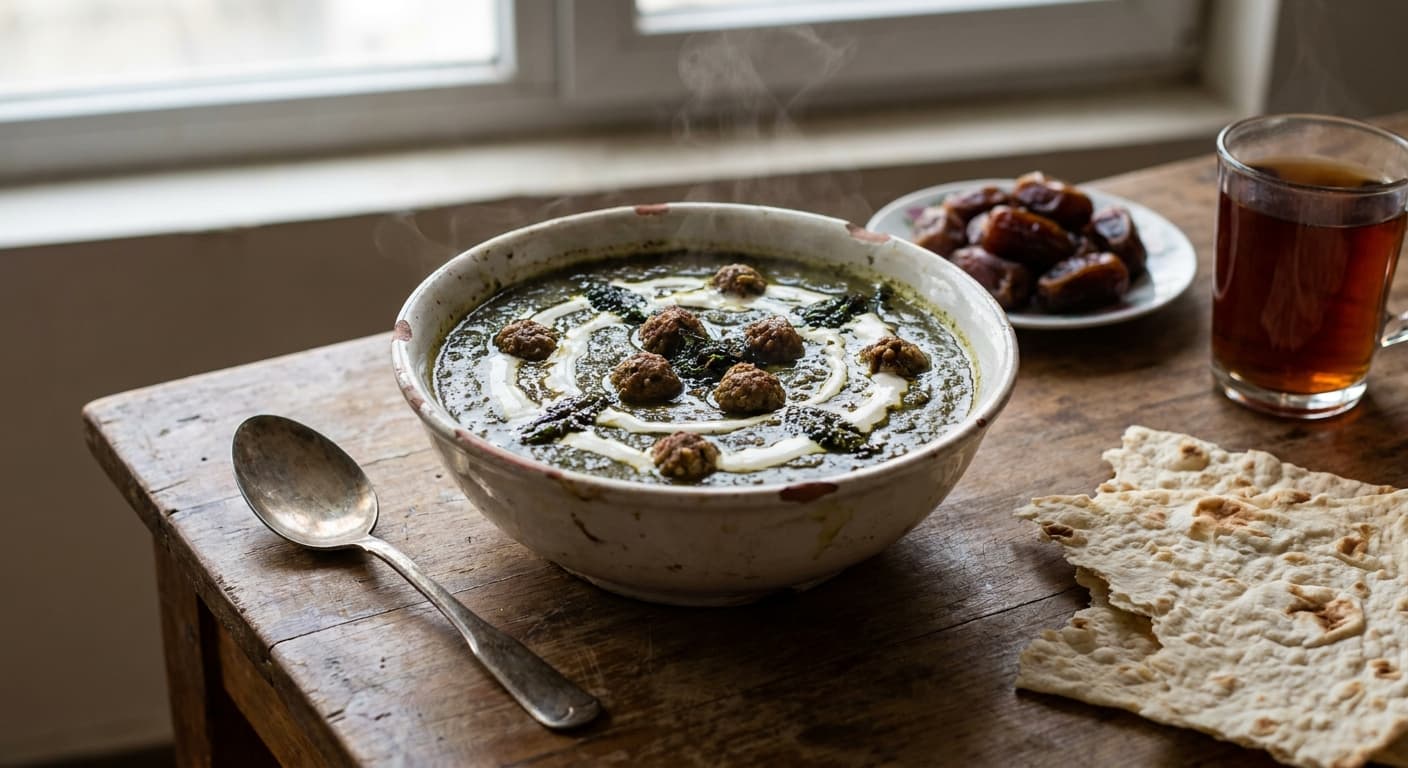
Ash-e Sak (آش ساک) — Golestani Spinach, Legume, and Meatball Soup
Persian · Soups · 175 min
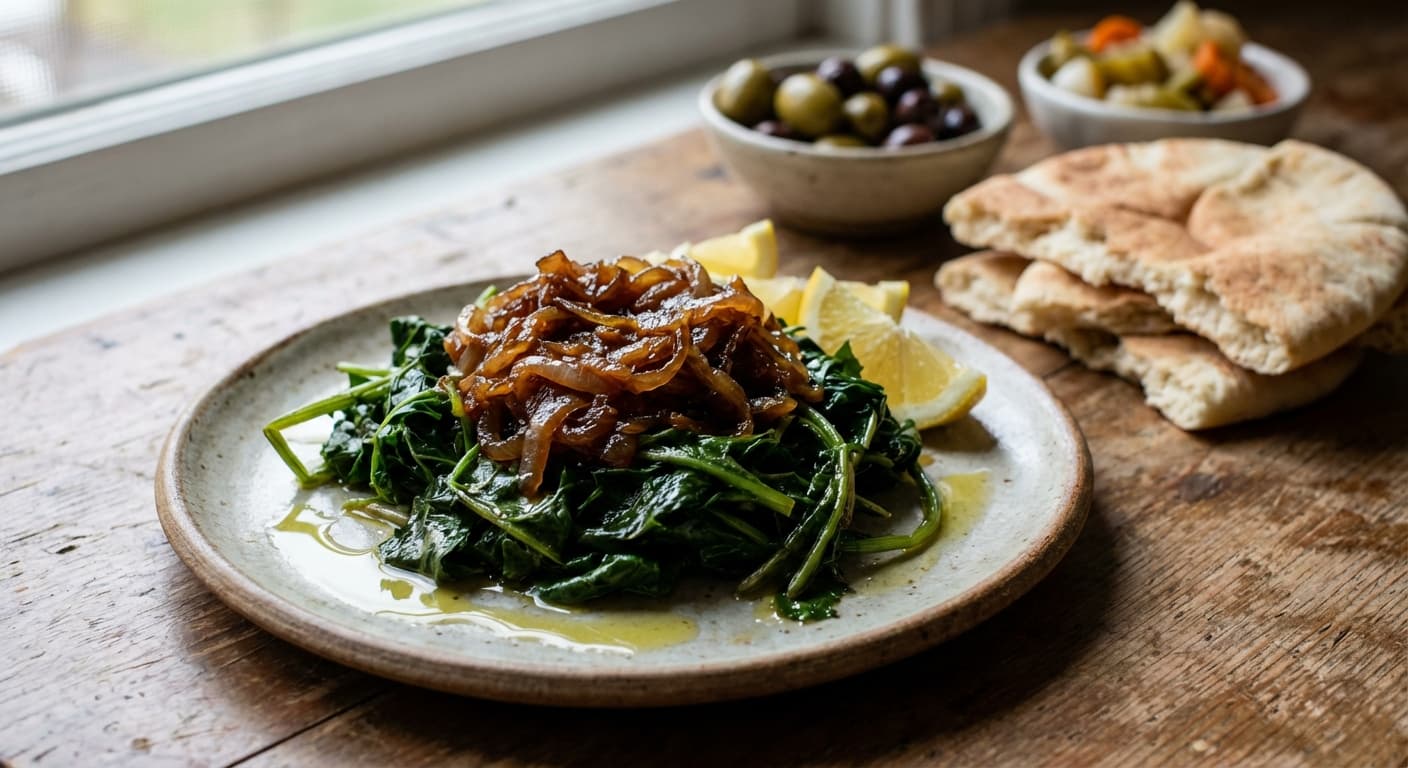
Hindbeh b Zeit (هندبة بزيت) — Lebanese dandelion greens with onions and olive oil
Lebanese · Side Dishes · 55 min
Reviews
Cooked this recipe?
Tap the stars to rate it — that's all it takes. A few words are welcome but optional.
No ratings yet. Cooked this one? Be the first to rate it — it takes one tap.