Ashta (قشطة) — Lebanese Clotted Cream with Rose & Orange Blossom
Ashta is a beloved Lebanese milk cream used to fill desserts like qatayef and knefeh. Gently thickened with starch and perfumed with rose and orange blossom water, it’s silky, lightly sweet, and unmistakably Levantine.
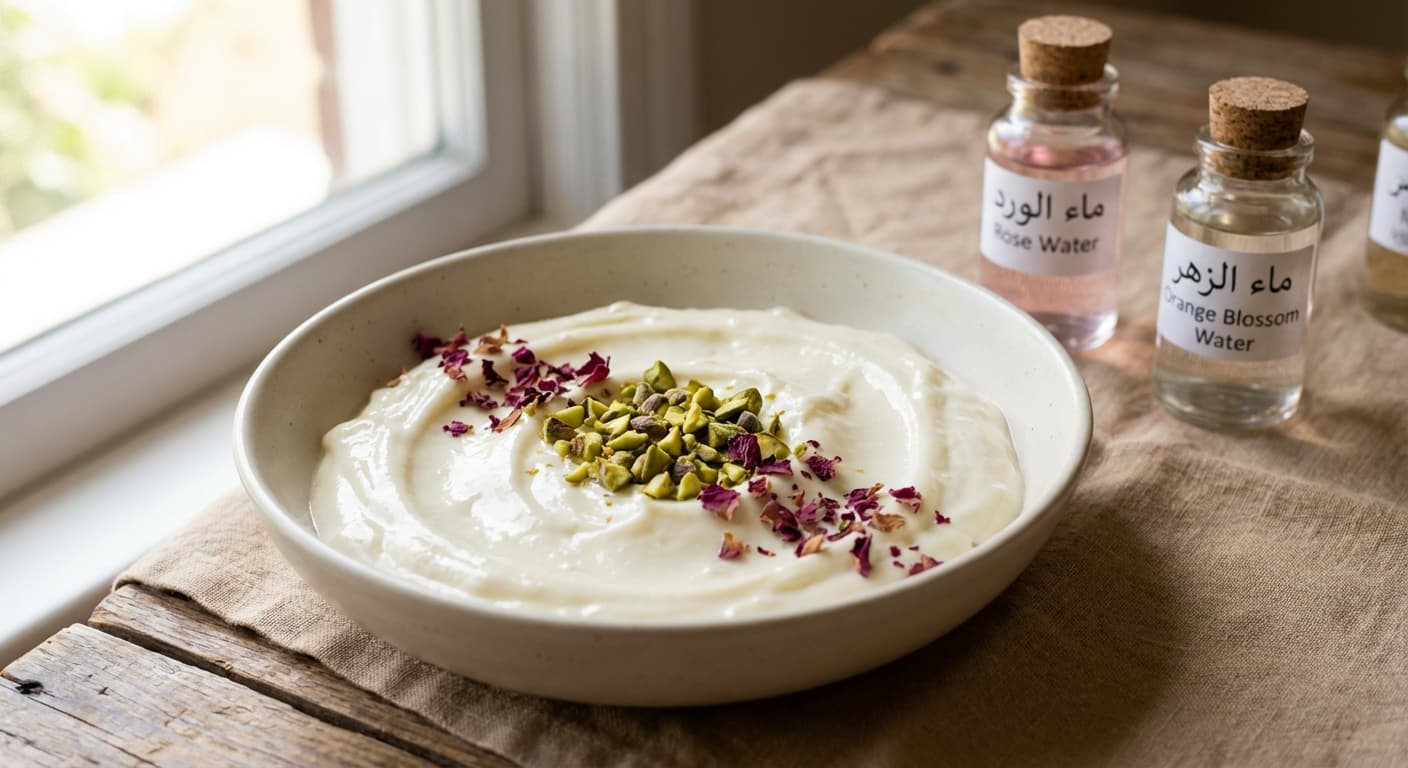
Printable Recipe Card
Servings: 8 · Total: 30 min · Difficulty: medium
Ingredients (quick list)
- 750 ml whole milk
- 250 ml heavy cream (35% fat)
- 50 g granulated sugar
- 30 g cornstarch (about 4 tbsp)
- 15 g rice flour (about 2 tbsp; adds traditional body)
- 10 ml orange blossom water (2 tsp)
- 5 ml rose water (1 tsp)
- 1 g fine sea salt (about 1/6 tsp)
- 10 g unsalted butter (for extra gloss; optional but traditional in many homes)
Steps (summary)
- In a small bowl, whisk the cornstarch and rice flour with 120 ml of the cold milk until completely smooth and lump-free. This s…
- In a heavy-bottomed saucepan, combine the remaining milk (630 ml), heavy cream, sugar, and salt. Set over medium heat and stir…
- While whisking constantly, slowly pour the starch slurry into the hot milk mixture in a thin stream. Keep whisking as the mixtu…
- Cook for 6–8 minutes, whisking and scraping the bottom and corners, until the ashta becomes thick and glossy like loose custard…
- Remove the pot from the heat and immediately whisk in the butter until fully melted and emulsified. Let the mixture cool for 2…
- Pour the ashta into a shallow dish to cool quickly and smooth the top with a spatula. Press plastic wrap directly onto the surf…
+ 1 more steps in the full instructions section below.
Cultural Background
In Lebanon and across the Levant, ashta is a foundational cream for celebratory sweets, especially during Ramadan and family gatherings. Its signature rose and orange blossom waters reflect the region’s love of floral aromatics in dessert-making.
Equipment
💡 Tips
- For the cleanest floral flavor, use high-quality orange blossom water and rose water and add them off-heat after a short 2-minute cool-down.
- If you want a thicker filling for qatayef, cook 2 minutes longer and chill overnight; for a looser cream, reduce cornstarch to 25 g.
- To avoid scorching, use a heavy-bottomed pot and whisk all the way into the corners where starch likes to stick.
⚠️ Common Mistakes
❌ Adding starch directly to hot milk without dissolving it first, causing lumps.
✅ Fix: Always whisk starch with cold milk into a smooth slurry before adding, then pour in slowly while whisking.
❌ Boiling hard, which can scorch the bottom and make the cream taste cooked.
✅ Fix: Keep heat at a gentle simmer and whisk continuously, scraping the pot’s corners and base.
❌ Adding rose/orange blossom water while the mixture is very hot, leading to weak aroma.
✅ Fix: Cool for about 2 minutes off-heat first, then whisk in the floral waters.
🧊 How to Store
Refrigerate ashta in an airtight container with plastic wrap pressed on the surface for up to 3 days. Do not freeze, as it can weep and turn grainy. To refresh, whisk cold briefly; if overly firm, whisk in 15–30 ml cold milk.
📅 Make Ahead
Ashta is ideal for making ahead because it needs chilling to set. Prepare it up to 2 days in advance, store airtight with plastic wrap on the surface, and whisk briefly before filling pastries or serving.
🍽️ Pairs Well With
- Qatayef
- knafeh
- fruit and toasted pistachios
- atay (mint tea).
Regional Variations
- Beirut-style: slightly sweeter and more aromatic, sometimes finished with a touch more orange blossom water.
- Tripoli-style: thicker, often used as a sturdy filling for pastries and paired with more pistachio.
- Levant-wide shortcut: some cooks omit rice flour and rely only on cornstarch for a faster, smoother set.
Ingredients
- 750 mlwhole milk
- 250 mlheavy cream (35% fat)
- 50 ggranulated sugar
- 30 gcornstarch (about 4 tbsp)
- 15 grice flour (about 2 tbsp; adds traditional body)
- 10 mlorange blossom water (2 tsp)
- 5 mlrose water (1 tsp)
- 1 gfine sea salt (about 1/6 tsp)
- 10 gunsalted butter (for extra gloss; optional but traditional in many homes)
🔄 Substitutions
- rice flour→ cornstarch
- heavy cream→ half-and-half
- granulated sugar→ honey
Instructions
- 1
In a small bowl, whisk the cornstarch and rice flour with 120 ml of the cold milk until completely smooth and lump-free. This slurry prevents scorching and ensures the cream thickens evenly, so take a full minute to whisk.
- 2
In a heavy-bottomed saucepan, combine the remaining milk (630 ml), heavy cream, sugar, and salt. Set over medium heat and stir steadily until the sugar dissolves and the mixture is steaming but not boiling.
- 3
While whisking constantly, slowly pour the starch slurry into the hot milk mixture in a thin stream. Keep whisking as the mixture returns to a gentle simmer, because the starch will begin thickening quickly and can clump if left unstirred.
- 4
Cook for 6–8 minutes, whisking and scraping the bottom and corners, until the ashta becomes thick and glossy like loose custard. You should see slow bubbles breaking the surface; continue cooking for 60 seconds after the first bubbles to fully cook out the starch taste.
- 5
Remove the pot from the heat and immediately whisk in the butter until fully melted and emulsified. Let the mixture cool for 2 minutes so the aromatics don’t evaporate, then whisk in the orange blossom water and rose water.
- 6
Pour the ashta into a shallow dish to cool quickly and smooth the top with a spatula. Press plastic wrap directly onto the surface to prevent a skin, then chill for at least 2 hours until set and spoonable.
- 7
Before using, stir the chilled ashta briefly to restore a silky texture and portion as needed. Use it as a filling or serve it in bowls, and keep it cold until the moment you plate for the cleanest texture.
🪪 Recipe Passport
Cultural Background
In Lebanon and across the Levant, ashta is a foundational cream for celebratory sweets, especially during Ramadan and family gatherings. Its signature rose and orange blossom waters reflect the region’s love of floral aromatics in dessert-making.
Regional Variations
Researched from multiple sources and validated by the Zaffaron editorial team. Every recipe is tested for accuracy, measurements, and cultural authenticity.
Nutrition per serving
Pairs well with
If you enjoyed this recipe, here are a few related Zaffaron recipes to try next.
- Loubieh bil Zeit (لوبيا بالزيت) — Lebanese Green Beans Braised in Olive Oil and Tomato
- Djej Bi Batata (دجاج ببطاطا) — Lebanese Chicken Stew with Potatoes and Garlic
- Frikeh Djej (فريكة دجاج) — Lebanese Freekeh Pilaf with Roasted Chicken Pieces
- Kebbeh bil Sanieh (كبة بالصينية) — Lebanese Baked Bulgur and Lamb Casserole
Does your family make this differently?
Every family has their own version. Maybe your grandmother adds a secret ingredient, or your aunt has a completely different technique. Preserve your family's version — with their name on it, forever.
You Might Also Like
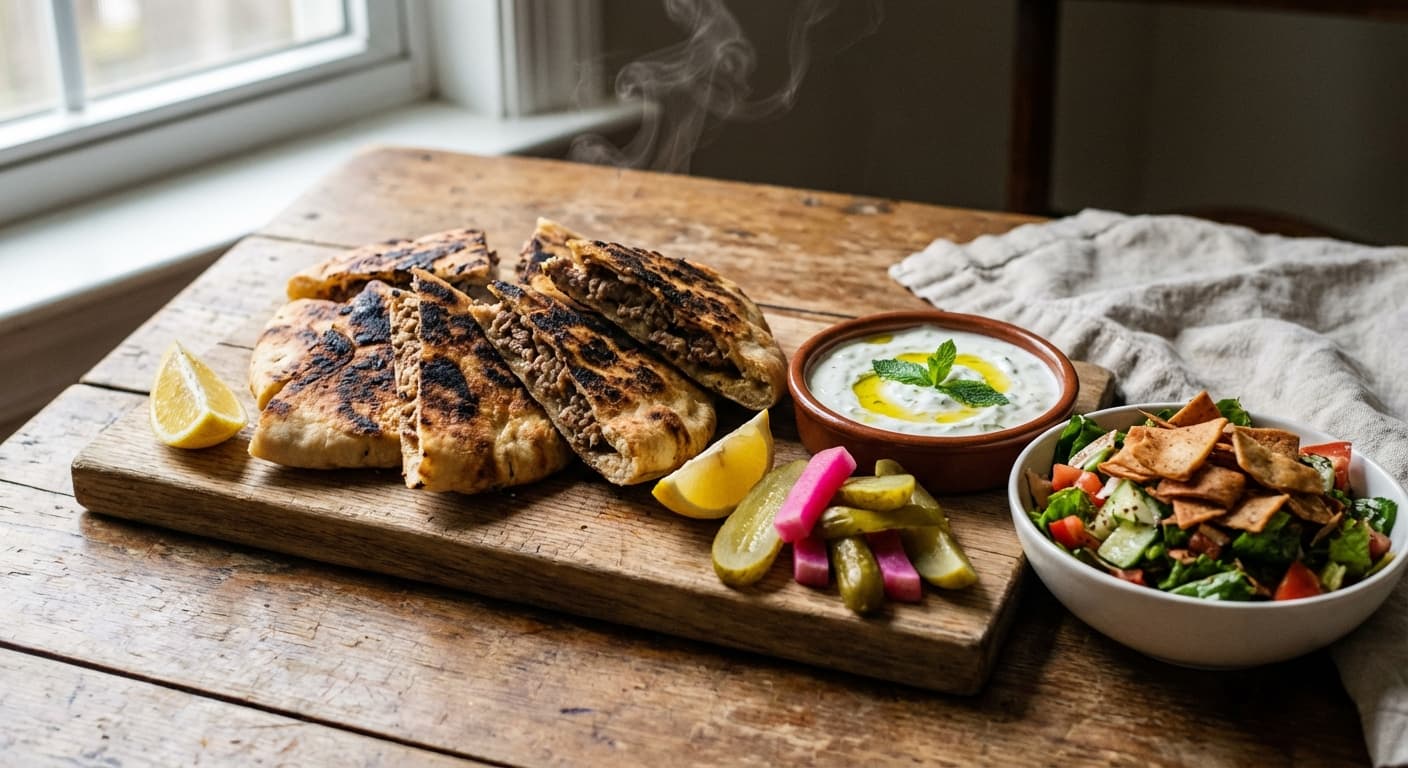
Arayess (عرايس) — Lebanese Grilled Stuffed Pita with Spiced Meat
Lebanese · Kebabs · 34 min
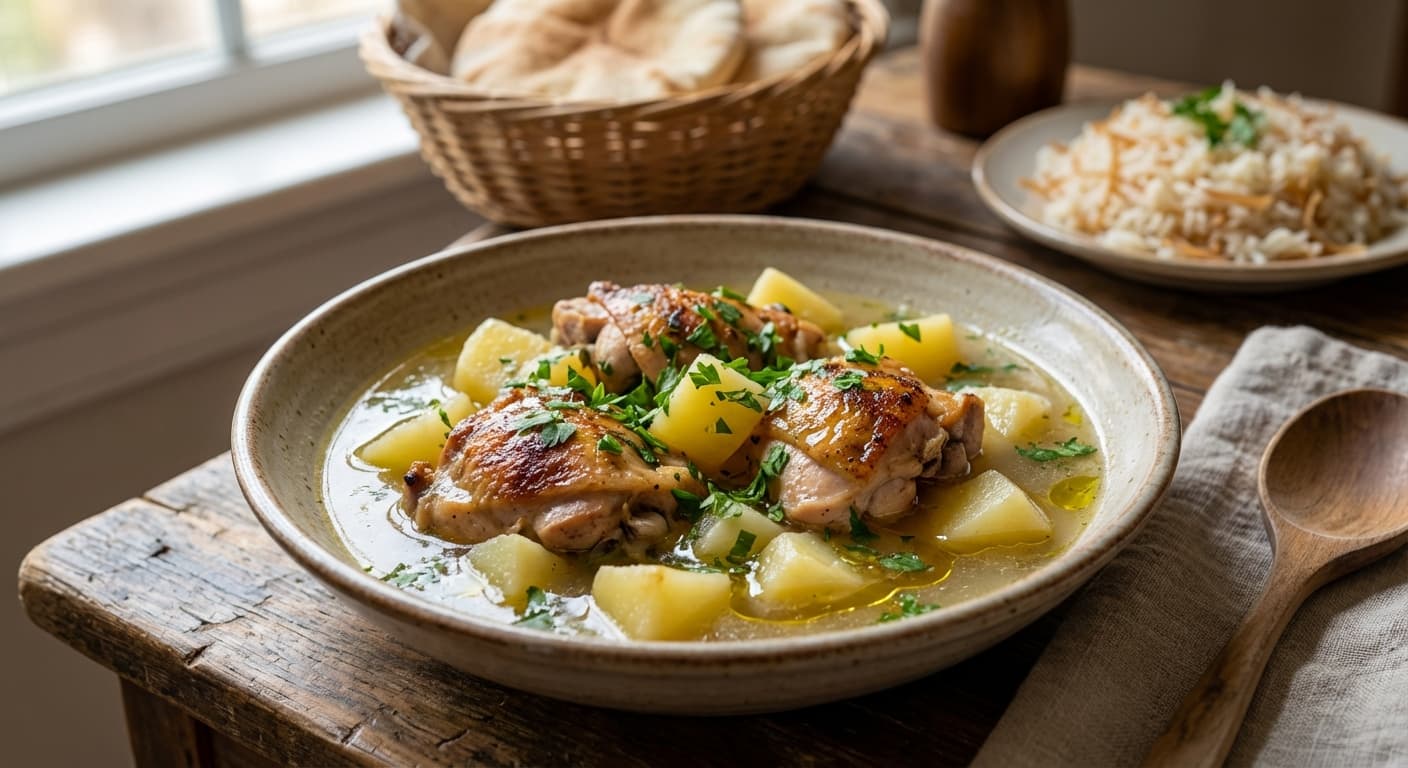
Djej Bi Batata (دجاج ببطاطا) — Lebanese Chicken Stew with Potatoes and Garlic
Lebanese · Stews · 75 min
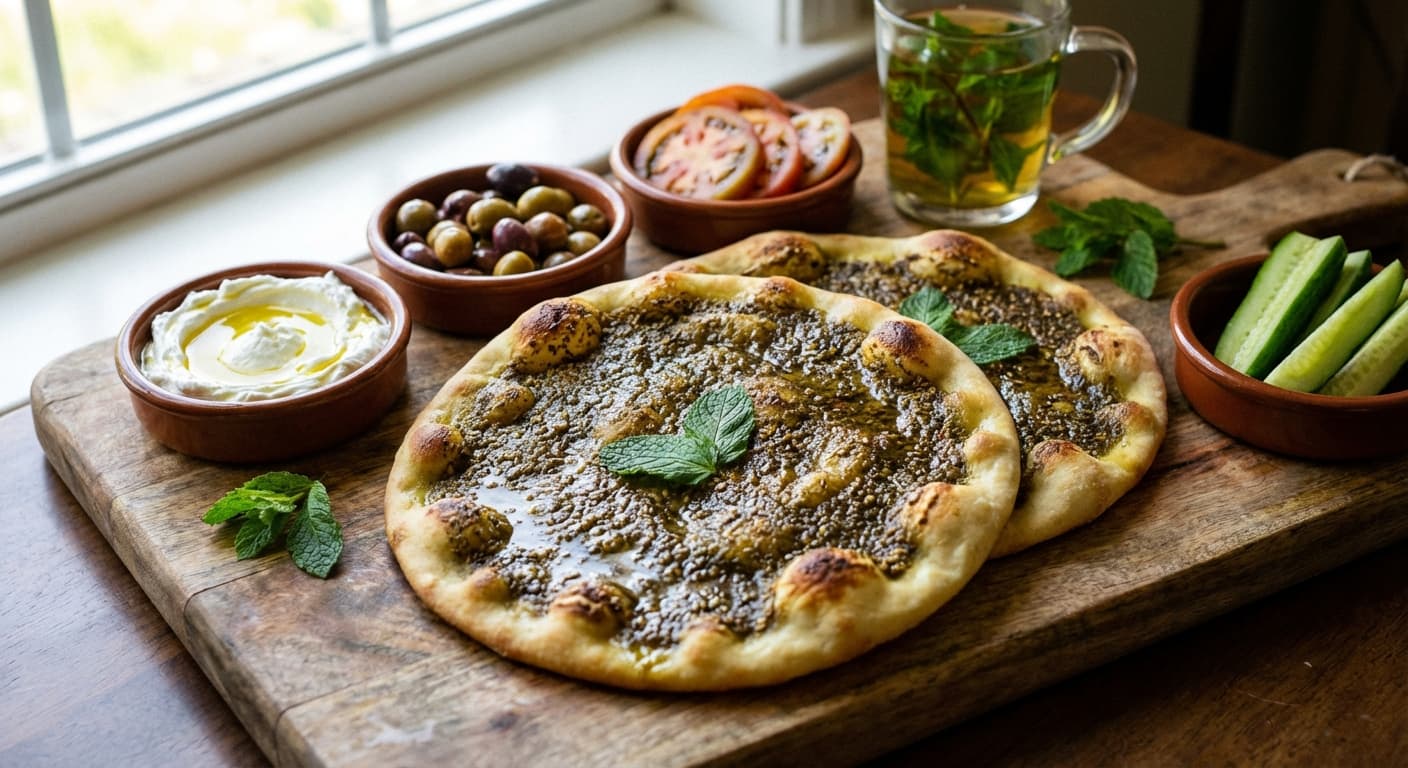
Man’oushe Za’atar (منقوشة زعتر) — Lebanese Za’atar Flatbread
Lebanese · Breads · 37 min
Crème Brûlée (Crème brûlée) — Classic Vanilla Custard with Caramelized Sugar
French · Desserts · 60 min
Tiramisu (Tiramisù) — Classic Coffee-Mascarpone Layered Dessert
Italian · Desserts · 35 min
Smoky Eggplant Salad (Patlıcan Salatası) — Turkish charred eggplant with garlic and olive oil
Turkish · Salads · 40 min
Cacık (Yoğurtlu Salatalık Mezesi) — Chilled Turkish Yogurt, Cucumber & Mint Dip
Turkish · Appetizers · 15 min
Noodle ba Soy va Felfel (نودل با سویا و فلفل) — Persian-Style Noodles with Soy and Peppers
Persian · Main Courses · 43 min
Reviews
Cooked this recipe?
Tap the stars to rate it — that's all it takes. A few words are welcome but optional.
No ratings yet. Cooked this one? Be the first to rate it — it takes one tap.