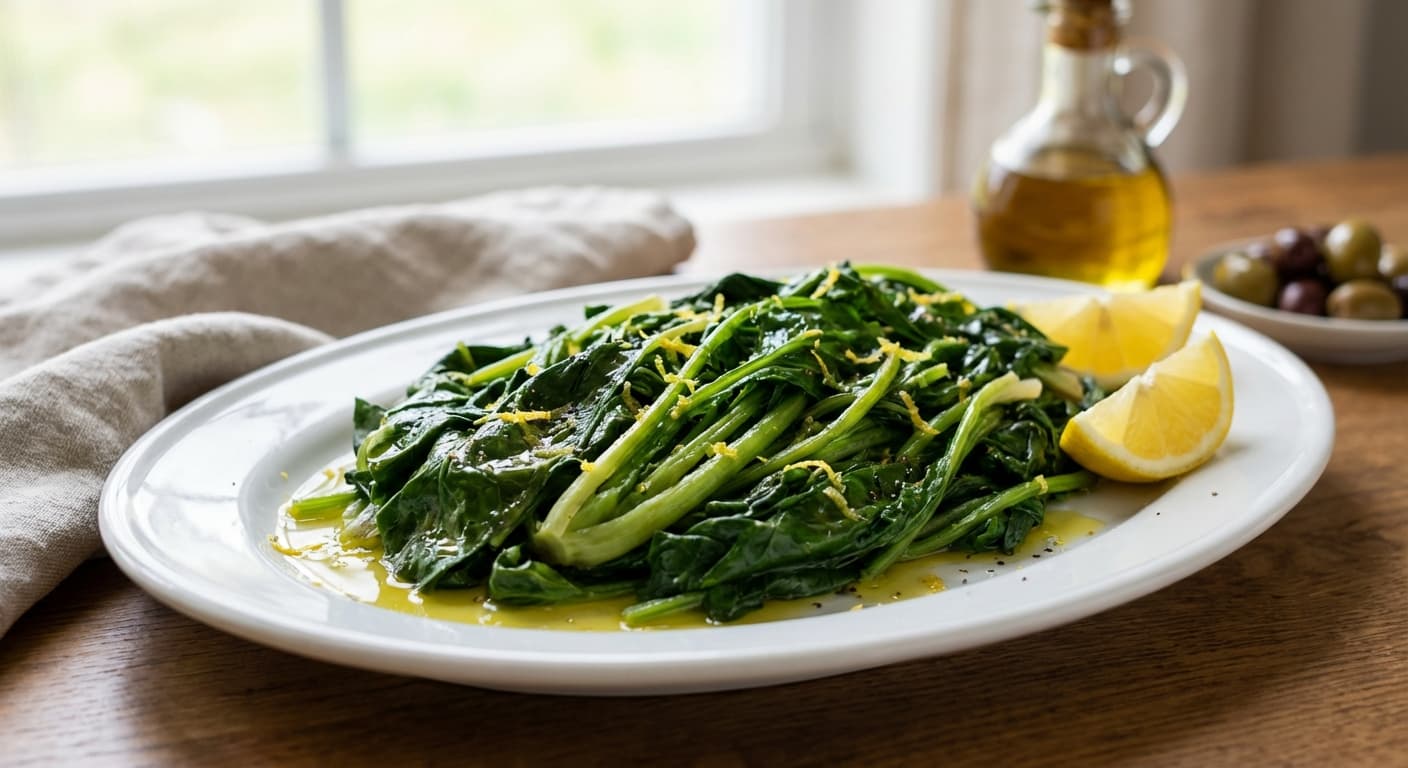
Horta Vrasta (Χόρτα Βραστά) — Greek boiled wild greens with olive oil and lemon
Horta Vrasta is a classic Greek way to enjoy wild or bitter greens, simply boiled until tender and dressed with olive oil and lemon. It’s a staple of the Greek table and taverna mezze, highlighting the Mediterranean love of seasonal foraged vegetables.
Printable Recipe Card
Servings: 4 · Total: 35 min · Difficulty: easy
Ingredients (quick list)
- 800 g wild greens (dandelion greens, chicory, or mixed horta), cleaned (Use a mix for best flavor; tough stems trimmed)
- 2500 ml water (Enough to keep greens submerged)
- 10 g sea salt (About 1.75 tsp fine sea salt)
- 60 ml extra-virgin olive oil (About 4 tbsp)
- 45 ml lemon juice, freshly squeezed (About 3 tbsp)
- 1 tsp lemon zest (Optional but traditional for extra aroma)
- 0.5 tsp black pepper, freshly ground
Steps (summary)
- Wash the greens thoroughly in several changes of cold water to remove grit, then drain well. Trim away any very thick stems and…
- Bring the water to a rolling boil in a wide pot and dissolve the salt completely. Add the greens in batches, pressing them down…
- Boil uncovered until the greens are tender but still vibrant, 12–18 minutes depending on the variety and maturity. Taste a leaf…
- Drain the greens in a colander and let them steam-dry for 2 minutes so the dressing will cling. If you want a brighter green co…
- Transfer the warm greens to a serving platter and spread them out so they don’t clump. Drizzle evenly with the olive oil, then…
- Let the horta rest for 3 minutes so the oil and lemon absorb into the greens. Serve warm or at room temperature, with extra lem…
Cultural Background
Horta Vrasta reflects Greece’s long tradition of foraging and Lenten cooking, where wild greens are treated with respect and minimal seasoning. Served in homes and tavernas alike, it showcases the Greek philosophy that great olive oil and lemon can elevate humble vegetables.
Equipment
💡 Tips
- For less bitterness, use 12 g salt in the boiling water and cook the greens closer to 18 minutes; salt and time both mellow sharp flavors.
- Steam-drying after draining is key: wait 2 minutes before dressing so the olive oil doesn’t slide off into the plate.
- Save 60 ml of the cooking water to loosen the greens if they seem dry after dressing; add 15 ml at a time and toss.
⚠️ Common Mistakes
❌ Not washing the greens thoroughly, leaving grit in the final dish.
✅ Fix: Wash in at least 3 changes of cold water and lift greens out each time so sand stays at the bottom of the bowl.
❌ Overcooking until the greens turn dull and mushy.
✅ Fix: Start tasting at 12 minutes and stop as soon as stems are tender; different greens cook at different speeds.
❌ Dressing the greens while they are dripping wet, making the plate watery.
✅ Fix: Drain well and steam-dry for 2 minutes before adding olive oil and lemon, then toss gently.
🧊 How to Store
Cool leftovers within 1 hour, then refrigerate in an airtight container for up to 3 days. Reheat gently in a pan over low heat for 3–4 minutes with 15 ml water, or serve cold and refresh with 10 ml olive oil and 10 ml lemon juice.
📅 Make Ahead
Wash and trim the greens up to 24 hours ahead, then store wrapped in a towel inside a sealed container in the refrigerator. Boil up to 2 days ahead and refrigerate; dress with olive oil and lemon just before serving for the freshest flavor.
🍽️ Pairs Well With
- Grilled fish
- feta
- olives
- crusty bread
- boiled potatoes
- lentil soup.
Regional Variations
- Crete: Often served with extra lemon and very robust peppery olive oil, sometimes alongside dakos and olives.
- Northern Greece: A mix heavy in chicory is common, with slightly longer boiling to soften bitterness.
- Taverna style: Greens are piled high and finished with a heavier olive oil drizzle, sometimes with a few capers (10 g) on top.
Ingredients
- 800 gwild greens (dandelion greens, chicory, or mixed horta), cleaned (Use a mix for best flavor; tough stems trimmed)
- 2500 mlwater (Enough to keep greens submerged)
- 10 gsea salt (About 1.75 tsp fine sea salt)
- 60 mlextra-virgin olive oil (About 4 tbsp)
- 45 mllemon juice, freshly squeezed (About 3 tbsp)
- 1 tsplemon zest (Optional but traditional for extra aroma)
- 0.5 tspblack pepper, freshly ground
🔄 Substitutions
- wild greens (dandelion greens, chicory, or mixed horta)→ Swiss chard
- lemon juice, freshly squeezed→ red wine vinegar
Instructions
- 1
Wash the greens thoroughly in several changes of cold water to remove grit, then drain well. Trim away any very thick stems and tear large leaves into 2–3 pieces so they cook evenly.
- 2
Bring the water to a rolling boil in a wide pot and dissolve the salt completely. Add the greens in batches, pressing them down with tongs so they are submerged as they wilt.
- 3
Boil uncovered until the greens are tender but still vibrant, 12–18 minutes depending on the variety and maturity. Taste a leaf at 12 minutes and continue cooking in 2-minute increments until the stems are soft and the bitterness is pleasantly mellow.
- 4
Drain the greens in a colander and let them steam-dry for 2 minutes so the dressing will cling. If you want a brighter green color, briefly rinse with 250 ml cold water, then shake very well to remove excess moisture.
- 5
Transfer the warm greens to a serving platter and spread them out so they don’t clump. Drizzle evenly with the olive oil, then add the lemon juice, lemon zest, and black pepper, tossing gently to coat every leaf.
- 6
Let the horta rest for 3 minutes so the oil and lemon absorb into the greens. Serve warm or at room temperature, with extra lemon wedges on the side if you want a sharper finish.
🪪 Recipe Passport
Cultural Background
Horta Vrasta reflects Greece’s long tradition of foraging and Lenten cooking, where wild greens are treated with respect and minimal seasoning. Served in homes and tavernas alike, it showcases the Greek philosophy that great olive oil and lemon can elevate humble vegetables.
Regional Variations
Researched from multiple sources and validated by the Zaffaron editorial team. Every recipe is tested for accuracy, measurements, and cultural authenticity.
Nutrition per serving
Pairs well with
If you enjoyed this recipe, here are a few related Zaffaron recipes to try next.
Does your family make this differently?
Every family has their own version. Maybe your grandmother adds a secret ingredient, or your aunt has a completely different technique. Preserve your family's version — with their name on it, forever.
You Might Also Like
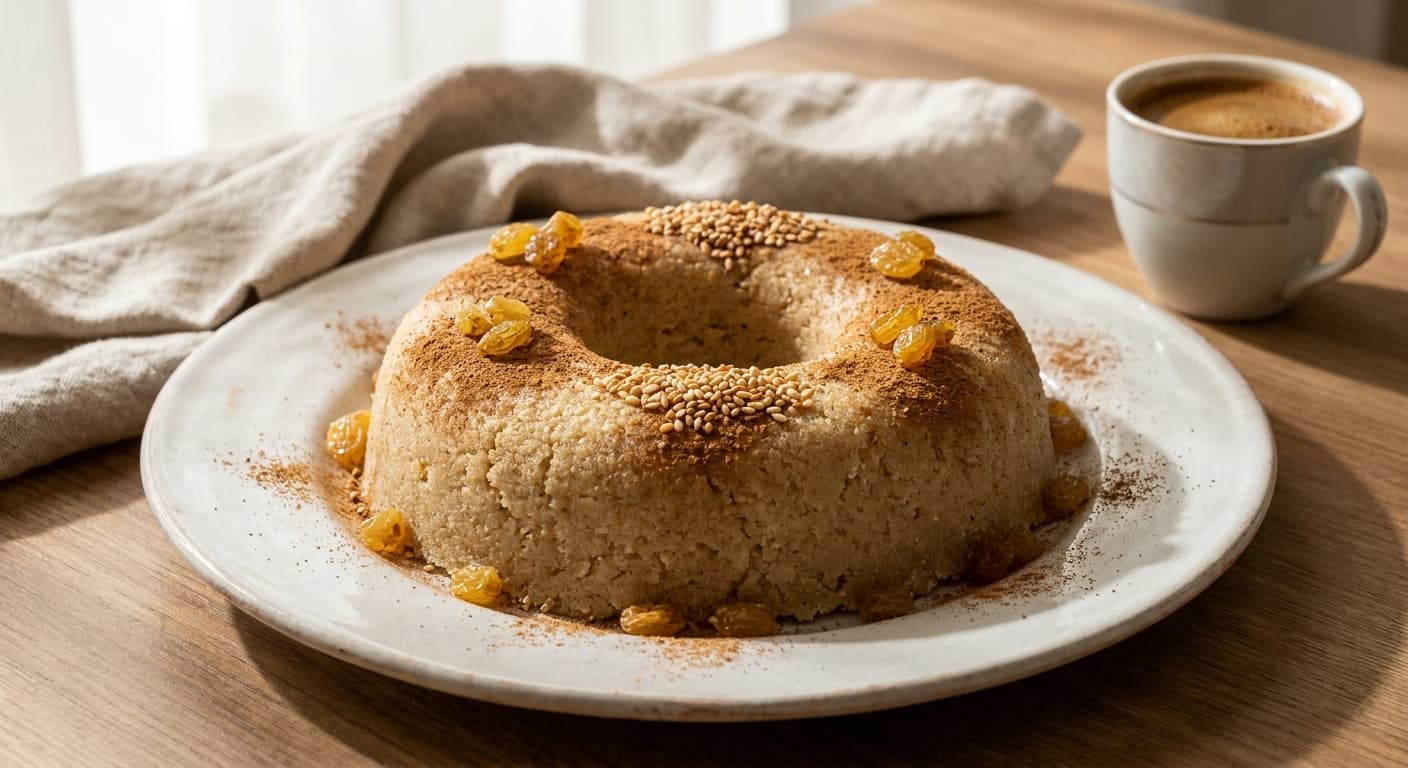
Greek Semolina Halva (Χαλβάς σιμιγδαλένιος) — Toasted semolina pudding with cinnamon and raisins
Greek · Desserts · 35 min

Vasilopita (Βασιλόπιτα) — Greek New Year’s Sweet Cake with a Coin
Greek · Desserts · 80 min
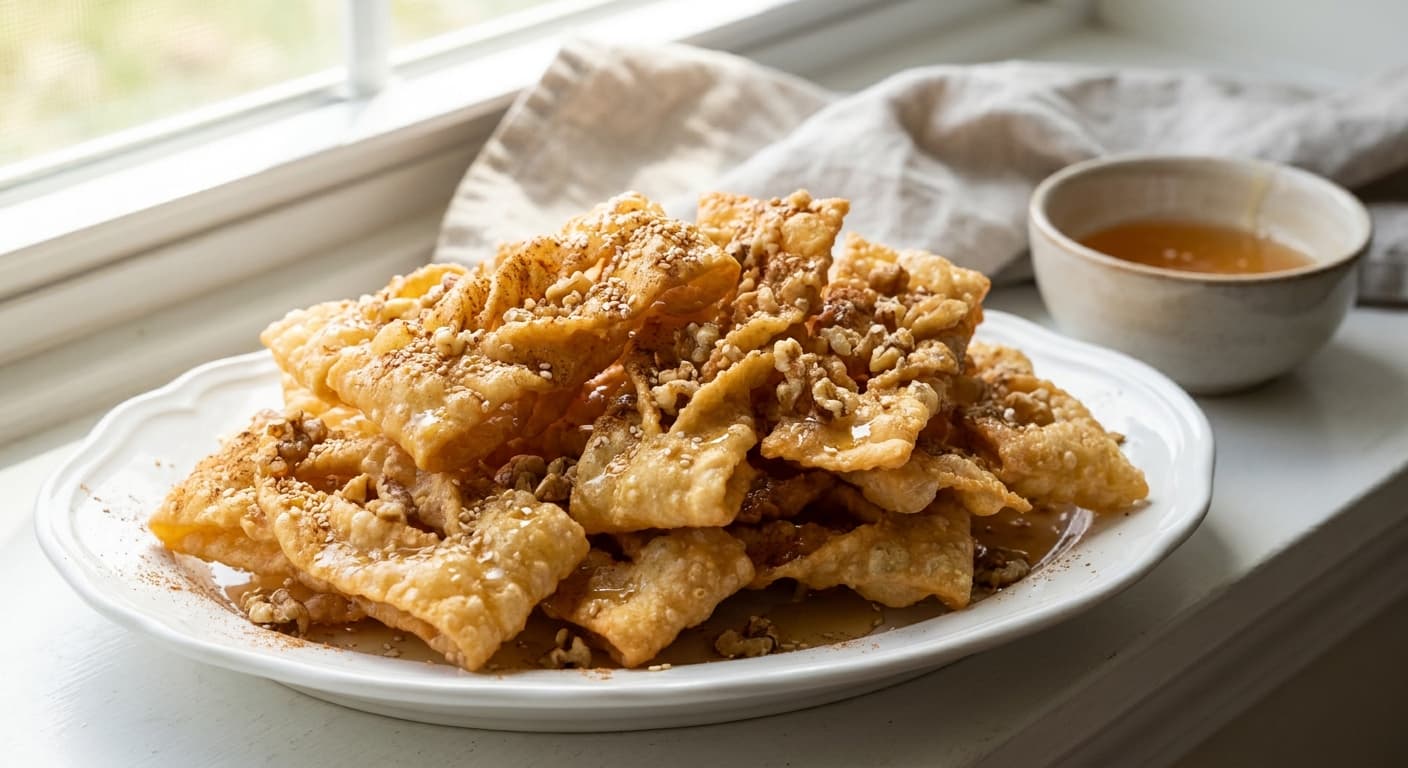
Diples (Δίπλες) — Crispy Honey-Walnut Ribbon Pastries
Greek · Desserts · 80 min
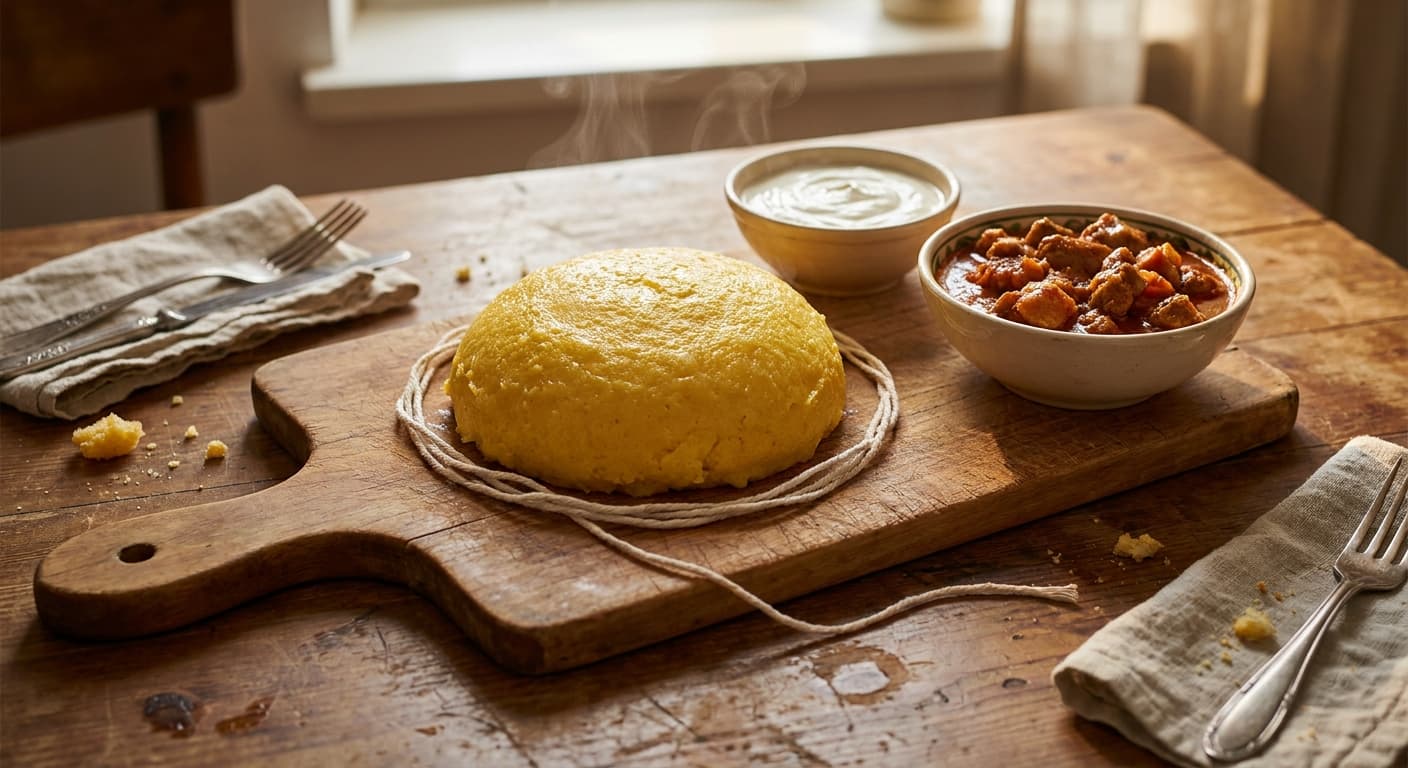
Romanian Polenta (Mămăligă) — Firm Cornmeal Porridge
Romanian · Side Dishes · 30 min
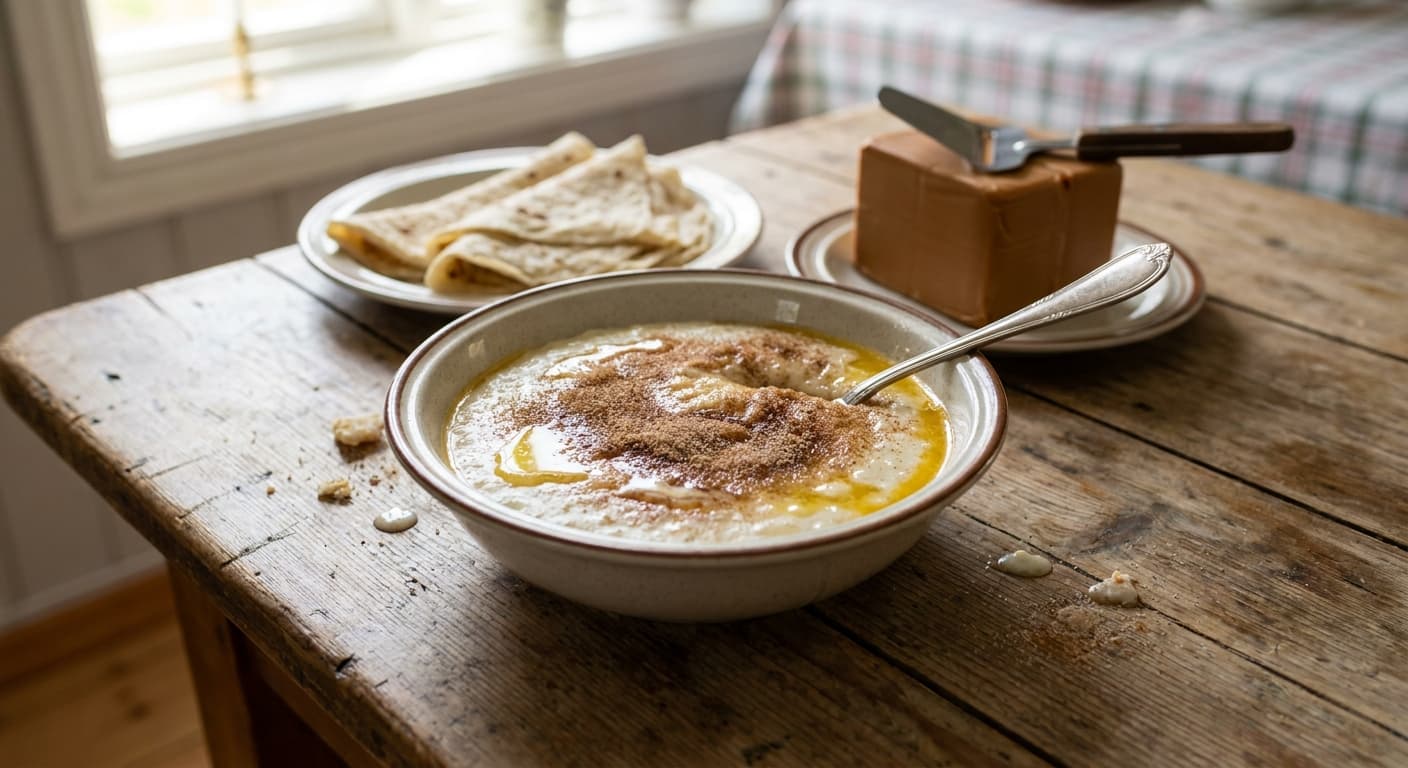
Norwegian Sour Cream Porridge (Rømmegrøt) — Festive Dairy Porridge with Cinnamon Sugar
Norwegian · Side Dishes · 35 min
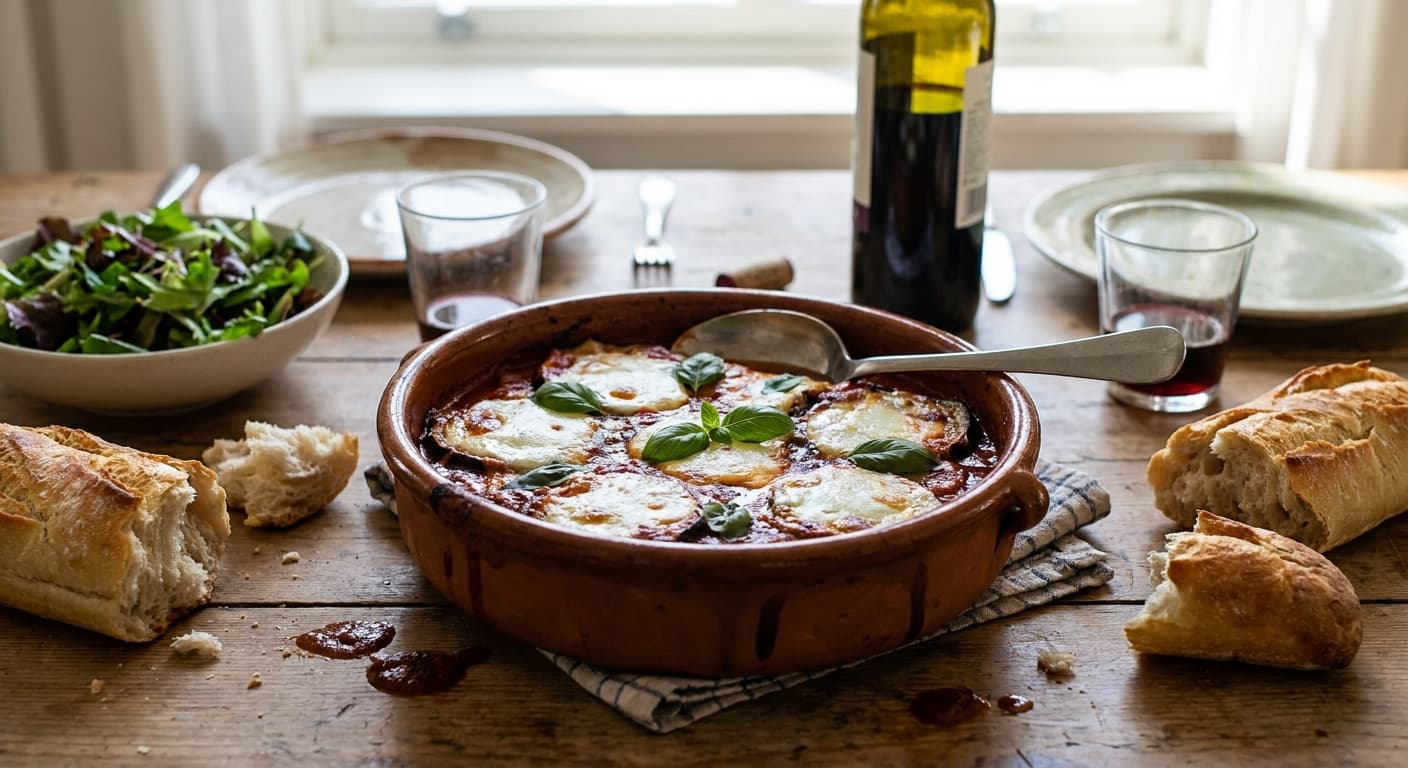
Eggplant Parmesan (Melanzane alla Parmigiana) — Southern Italian Baked Eggplant
Italian · Main Courses · 100 min
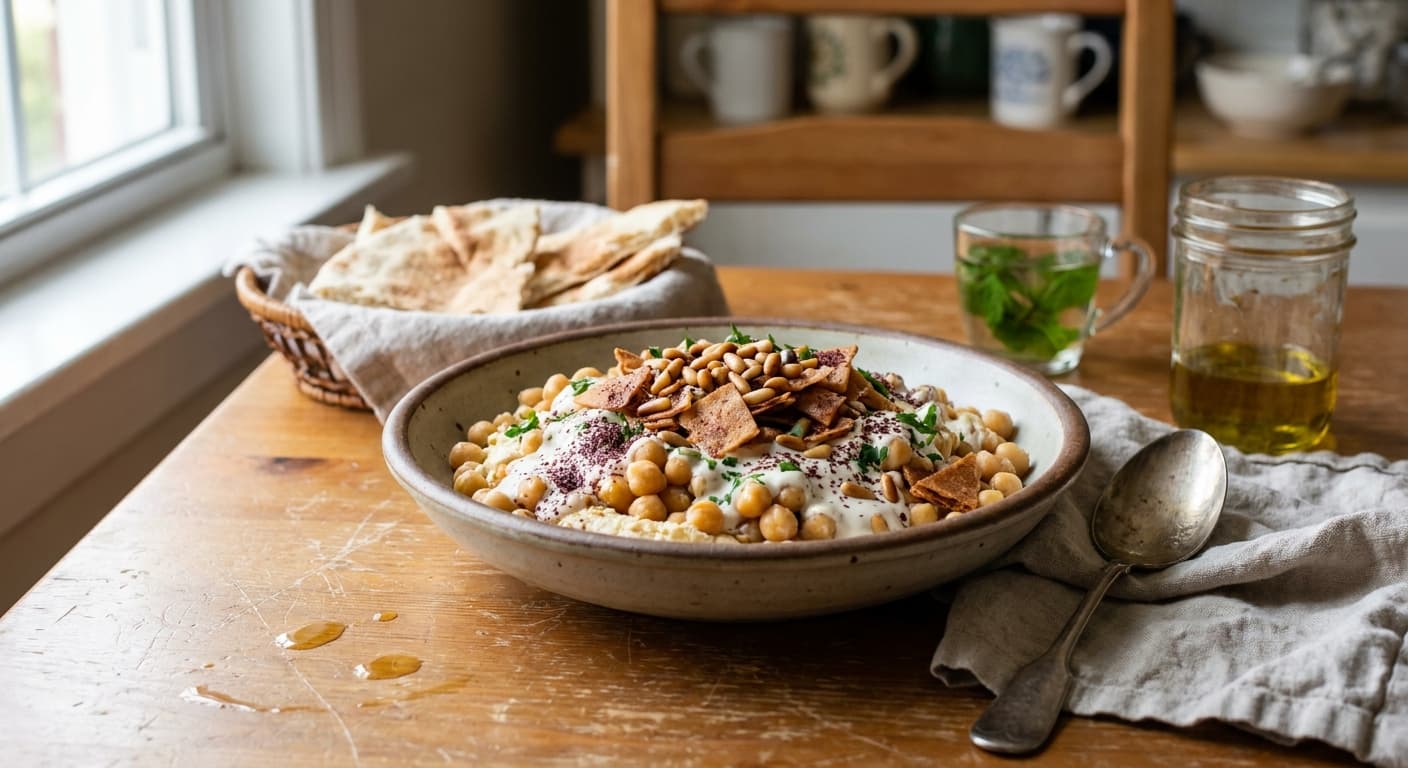
Fattet Hummus (فتة حمص) — Chickpeas with Yogurt and Crisp Bread
Lebanese · Main Courses · 30 min
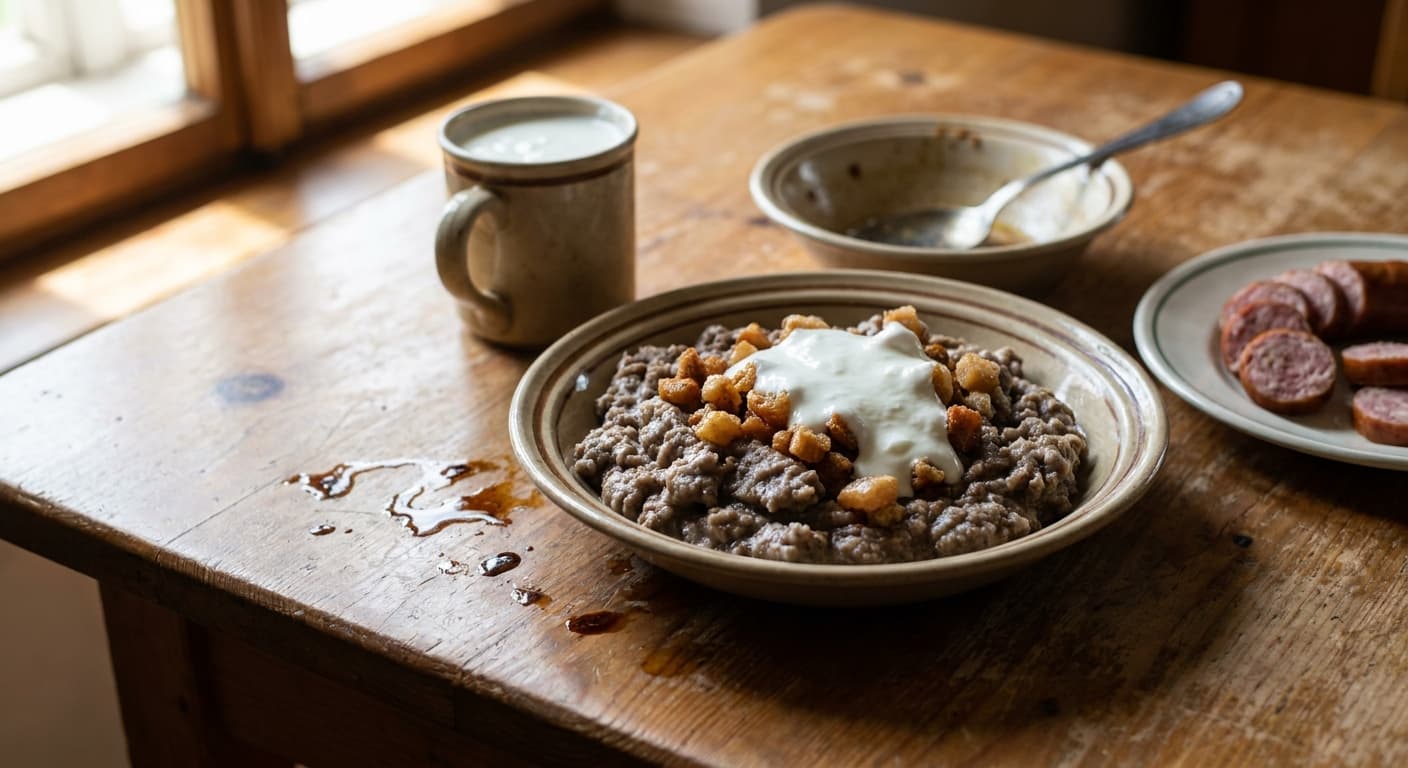
Buckwheat Žganci (Ajdovi žganci) — Slovenian Buckwheat Crumbs with Cracklings
Slovenian · Side Dishes · 45 min
Reviews
Cooked this recipe?
Tap the stars to rate it — that's all it takes. A few words are welcome but optional.
No ratings yet. Cooked this one? Be the first to rate it — it takes one tap.