Fattet Hummus (فتة حمص) — Chickpeas with Yogurt and Crisp Bread
Fattet hummus is a beloved Lebanese breakfast or mezze dish layering crisp pita, warm hummus chickpeas, garlicky yogurt, tahini, buttered pine nuts, and sumac. It is generous, quick, and meant to be served immediately while the contrasts are vivid.
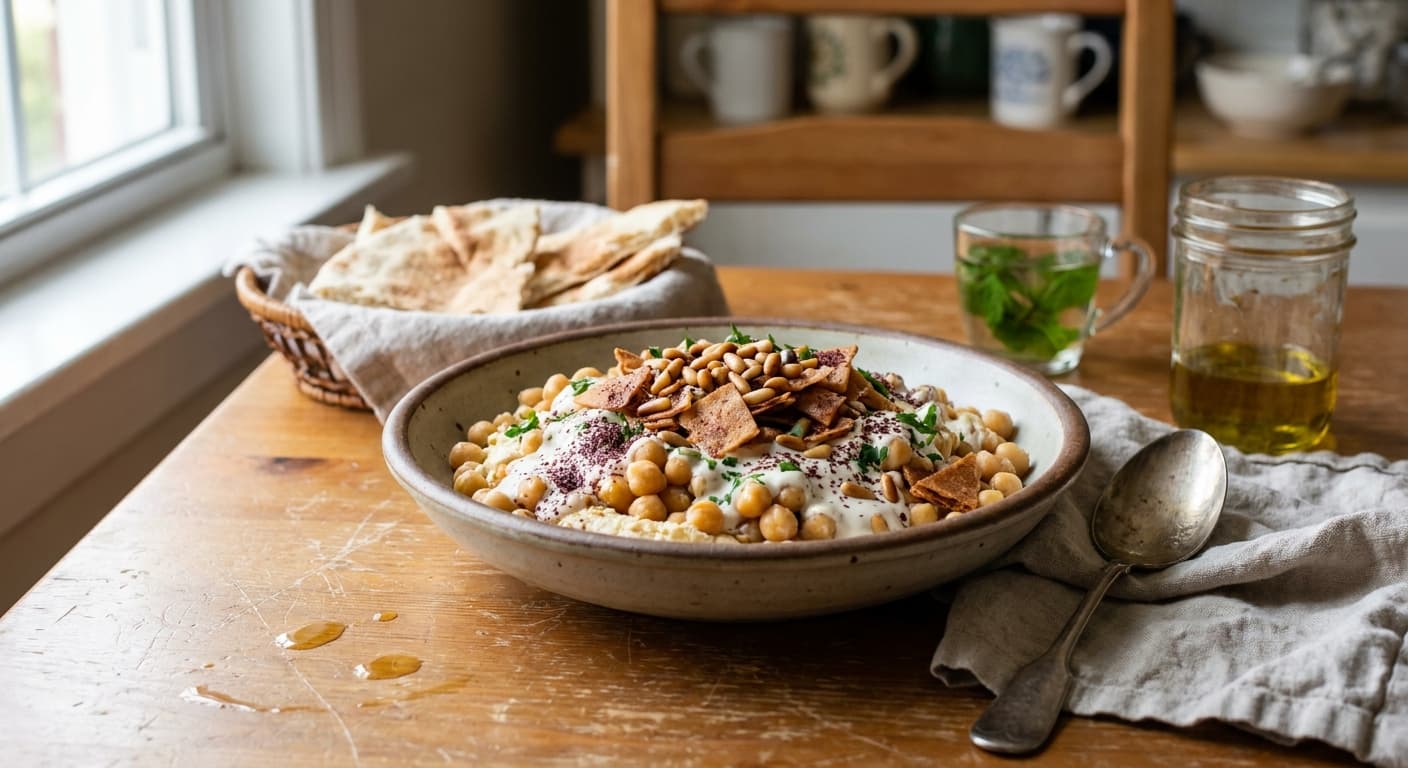
Printable Recipe Card
Servings: 4 · Total: 30 min · Difficulty: easy
Ingredients (quick list)
- 2 Lebanese pita bread (about 110 g total, split and cut into 3 cm squares)
- 15 ml extra-virgin olive oil
- 1 g fine sea salt
- 480 g cooked chickpeas (drained weight)
- 240 ml chickpea cooking liquid (or water if using canned chickpeas)
- 0.5 tsp ground cumin
- 350 g plain whole-milk Greek yogurt
- 60 g tahini
- 30 ml fresh lemon juice
- 2 clove garlic (finely grated)
- 15 g unsalted butter
- 30 g pine nuts
+ 3 more in the full ingredients section below.
Steps (summary)
- Heat the oven to 190°C. Toss the pita squares with 15 ml olive oil and 1 g salt on a baking sheet, then bake for 8 to 10 minute…
- Put the cooked chickpeas, chickpea cooking liquid, cumin, and 2 g salt in a saucepan over medium heat. Simmer for 6 to 8 minute…
- Whisk the Greek yogurt, tahini, lemon juice, grated garlic, and 3 g salt in a bowl until smooth and pourable. If the sauce is t…
- Melt the butter in a small skillet over medium heat and add the pine nuts. Cook for 2 to 3 minutes, shaking the pan often, unti…
- Spread the crisp pita across the bottom of a warm serving bowl or four individual bowls. Spoon over the hot chickpeas with abou…
- Pour the yogurt tahini sauce over the chickpeas in a thick blanket. Finish immediately with the hot buttered pine nuts, sumac,…
Cultural Background
In the Lebanese home-cooking tradition documented by Salma Hage, fatteh turns bread, pulses, dairy, and nuts into a shared table dish. Fattet hummus is especially loved for breakfast, brunch, and mezze gatherings.
Equipment
💡 Tips
- Use chickpeas that are tender enough to crush easily between two fingers; firm chickpeas make the layers feel separate rather than creamy.
- Assemble only at serving time, because the crisp pita should soften unevenly rather than become fully soggy.
- Warm the serving bowl with hot water for 2 minutes, then dry it well before layering to keep the chickpeas and sauce pleasantly warm.
⚠️ Common Mistakes
❌ Assembling the dish too early.
✅ Fix: Prepare each component ahead, but layer everything in the final 3 minutes before serving so the pita keeps both crisp and soaked textures.
❌ Using cold chickpeas straight from the refrigerator.
✅ Fix: Simmer the chickpeas until fully hot, because their heat gently warms the yogurt tahini sauce and carries the aroma of cumin and garlic.
❌ Burning the pine nuts.
✅ Fix: Toast them over medium heat while shaking the pan constantly, and remove the skillet from the burner as soon as the nuts turn golden.
🧊 How to Store
Store chickpeas, yogurt tahini sauce, and toasted pita separately for up to 2 days in airtight containers. Reheat chickpeas gently with 30 ml water per serving, keep the sauce chilled, and re-crisp pita for 3 minutes at 180°C.
📅 Make Ahead
Toast the pita, cook the chickpeas, and whisk the yogurt tahini sauce up to 1 day ahead. Keep all three separate, then reheat only the chickpeas before final assembly.
🍽️ Pairs Well With
- Cucumber and tomato salad
- olives
- pickled turnips
- fresh mint tea
- labneh.
Regional Variations
- Some Beirut home cooks add a spoonful of extra tahini on top for a stronger sesame flavor.
- A festive version may include spiced minced lamb browned with cinnamon and allspice, making the dish non-vegetarian.
- In some Levantine kitchens, the same fatteh structure is made with eggplant, chicken, or lamb instead of chickpeas.
Ingredients
- 2Lebanese pita bread (about 110 g total, split and cut into 3 cm squares)
- 15 mlextra-virgin olive oil
- 1 gfine sea salt
- 480 gcooked chickpeas (drained weight)
- 240 mlchickpea cooking liquid (or water if using canned chickpeas)
- 0.5 tspground cumin
- 350 gplain whole-milk Greek yogurt
- 60 gtahini
- 30 mlfresh lemon juice
- 2 clovegarlic (finely grated)
- 15 gunsalted butter
- 30 gpine nuts
- 1 tspground sumac
- 0.5 tspAleppo pepper
- 6 sprigflat-leaf parsley (leaves chopped)
🔄 Substitutions
- plain whole-milk Greek yogurt→ plain whole-milk yogurt strained for 30 minutes
- pine nuts→ slivered almonds
- Lebanese pita bread→ thin flatbread
Instructions
- 1
Heat the oven to 190°C. Toss the pita squares with 15 ml olive oil and 1 g salt on a baking sheet, then bake for 8 to 10 minutes until crisp, dry, and golden at the edges.
- 2
Put the cooked chickpeas, chickpea cooking liquid, cumin, and 2 g salt in a saucepan over medium heat. Simmer for 6 to 8 minutes until the chickpeas are very hot and the liquid is savory, then keep them warm because fattet hummus is best assembled hot.
- 3
Whisk the Greek yogurt, tahini, lemon juice, grated garlic, and 3 g salt in a bowl until smooth and pourable. If the sauce is thicker than softly whipped cream, whisk in 30 ml of the hot chickpea liquid from the saucepan to loosen it without chilling the dish.
- 4
Melt the butter in a small skillet over medium heat and add the pine nuts. Cook for 2 to 3 minutes, shaking the pan often, until the nuts are evenly golden and the butter smells nutty but not browned to bitterness.
- 5
Spread the crisp pita across the bottom of a warm serving bowl or four individual bowls. Spoon over the hot chickpeas with about 120 ml of their liquid so the bread softens in places while some edges stay crisp.
- 6
Pour the yogurt tahini sauce over the chickpeas in a thick blanket. Finish immediately with the hot buttered pine nuts, sumac, Aleppo pepper, and chopped parsley so the contrast of warm chickpeas, cool yogurt, and crisp pita remains clear.
🪪 Recipe Passport
Cultural Background
In the Lebanese home-cooking tradition documented by Salma Hage, fatteh turns bread, pulses, dairy, and nuts into a shared table dish. Fattet hummus is especially loved for breakfast, brunch, and mezze gatherings.
Regional Variations
Researched from multiple sources and validated by the Zaffaron editorial team. Every recipe is tested for accuracy, measurements, and cultural authenticity.
📚 Sources & Cultural References
- Salma Hage — The Lebanese Kitchen — (2012)
- Claudia Roden — The New Book of Middle Eastern Food — (2000)
Sources cited by the Zaffaron editorial team during recipe research. Cultural and culinary references supporting authenticity claims.
Nutrition per serving
Pairs well with
If you enjoyed this recipe, here are a few related Zaffaron recipes to try next.
- Frikeh Djej (فريكة دجاج) — Lebanese Freekeh Pilaf with Roasted Chicken Pieces
- Kebbeh bil Sanieh (كبة بالصينية) — Lebanese Baked Bulgur and Lamb Casserole
- Loubieh bil Zeit (لوبيا بالزيت) — Lebanese Green Beans Braised in Olive Oil and Tomato
- Mdardara (مجدّرة) — Lebanese Lentil-Rice with Deep Caramelized Onions
Does your family make this differently?
Every family has their own version. Maybe your grandmother adds a secret ingredient, or your aunt has a completely different technique. Preserve your family's version — with their name on it, forever.
You Might Also Like
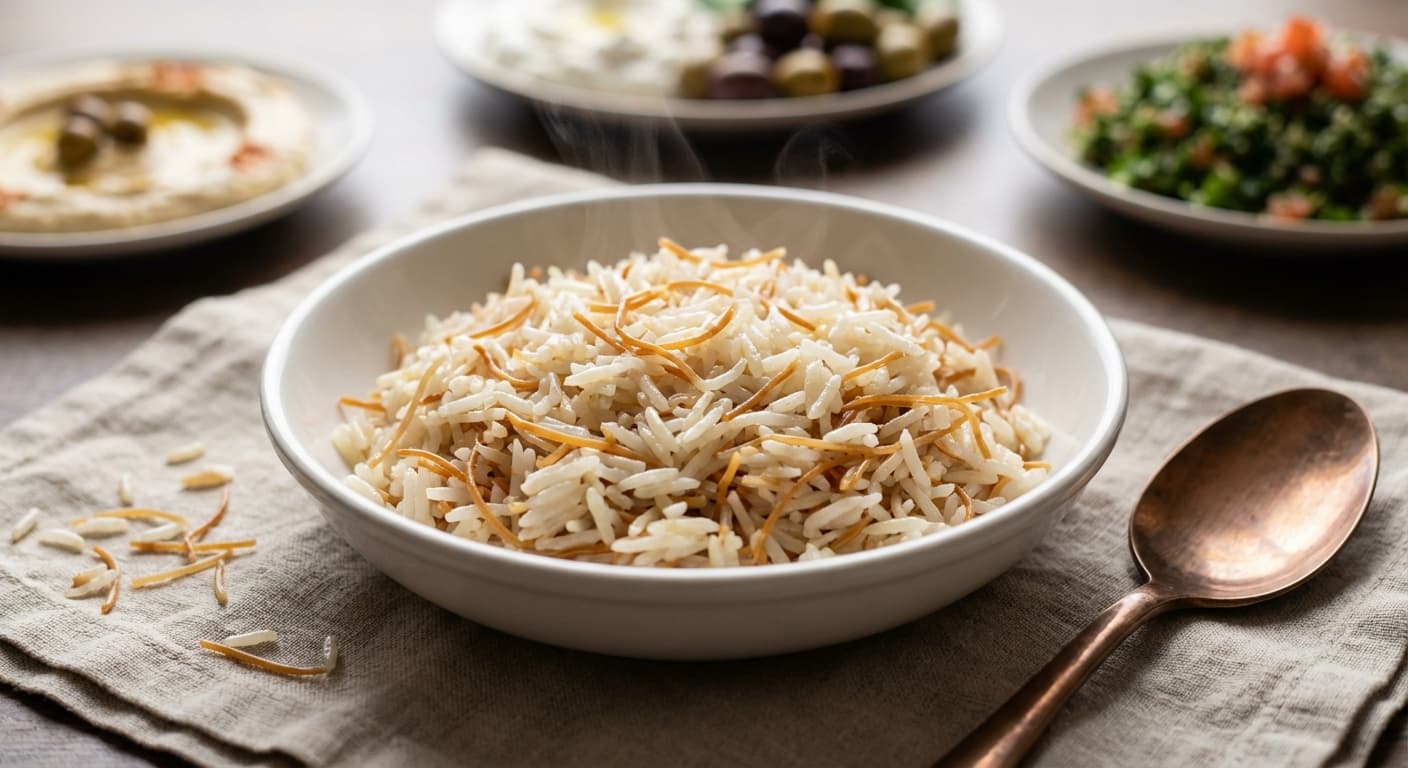
Riz bi Sha'riyeh (رز بالشعيرية) — Lebanese Vermicelli Rice Pilaf
Lebanese · Rice Dishes · 30 min
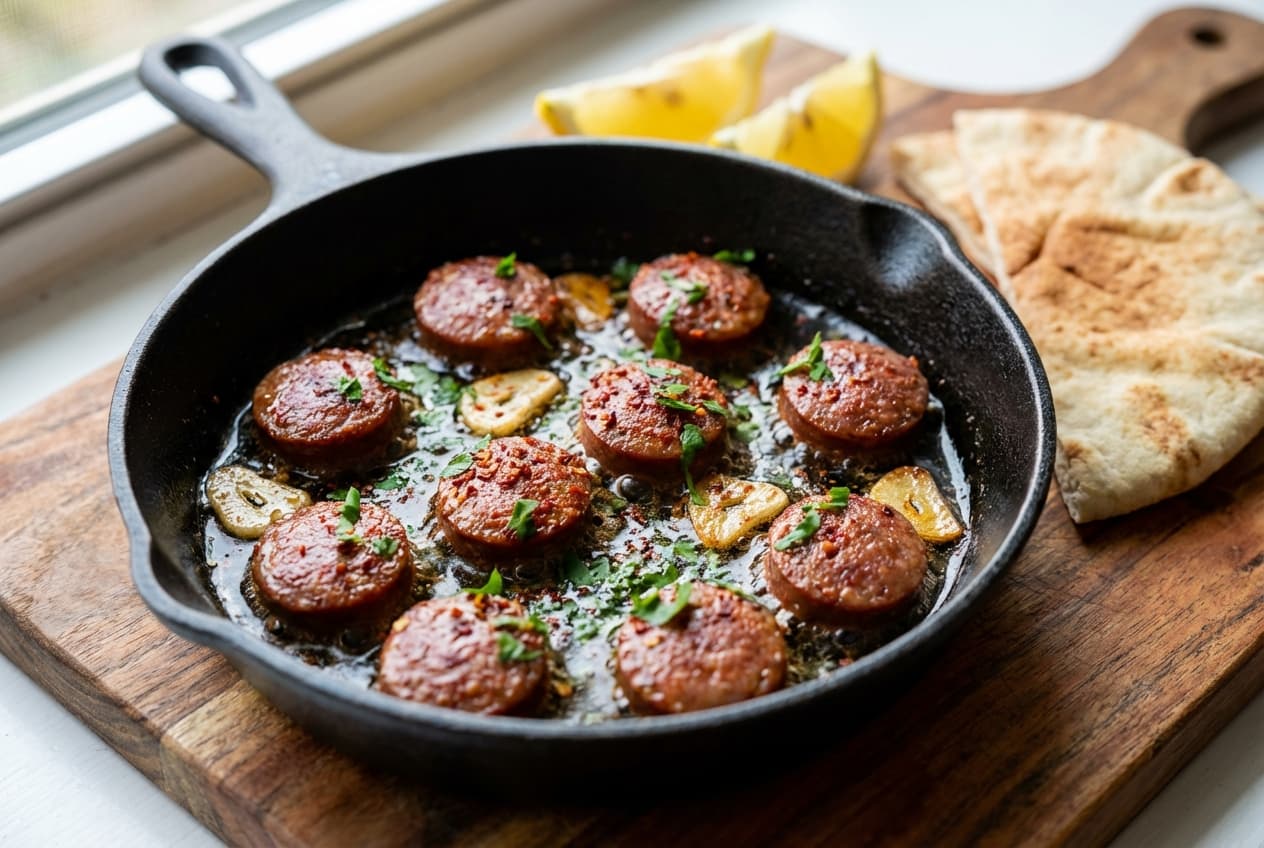
Soujouk (سجق) — Lebanese Spicy Sausage Served Sizzling with Lemon
Lebanese · Appetizers · 22 min
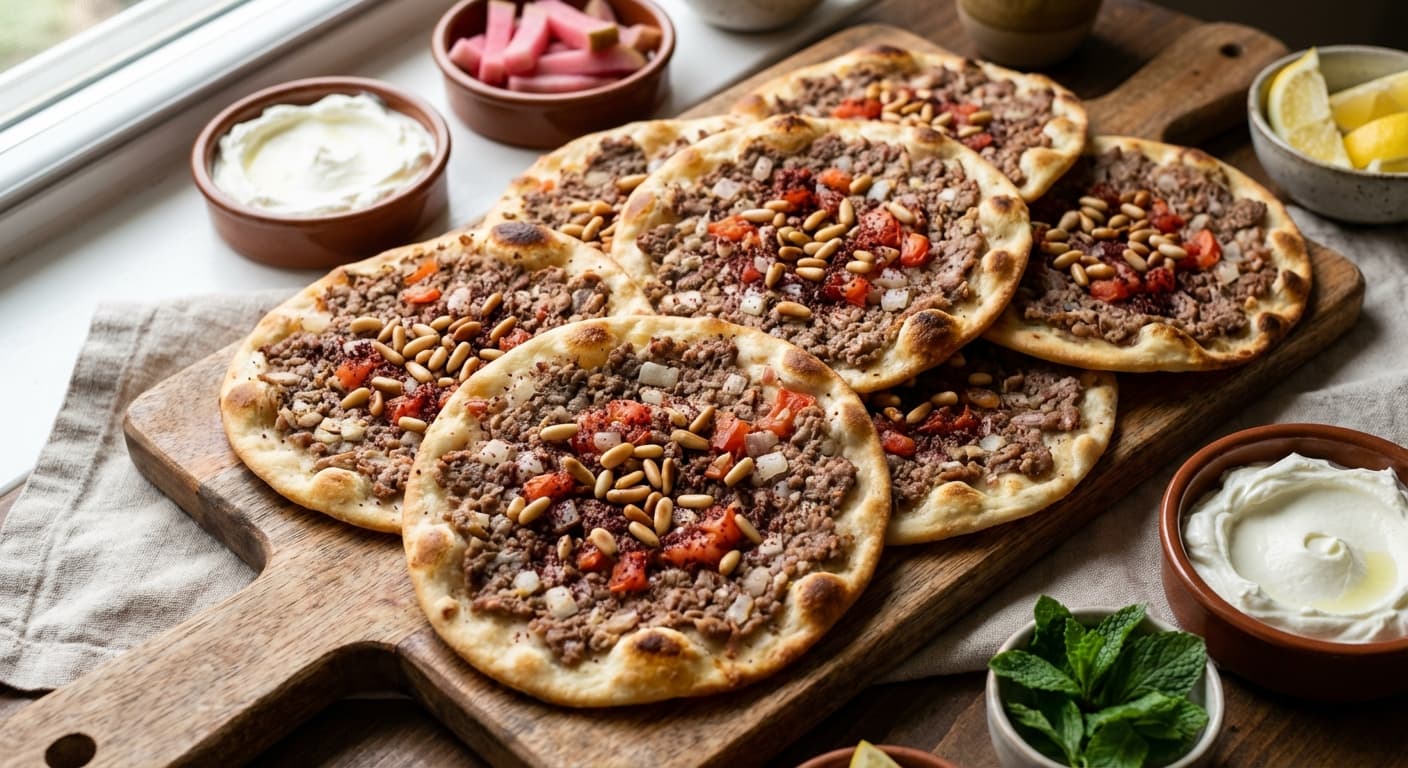
Sfiha Baalbekiye (صفيحة بعلبكية) — Lebanese Open Meat Pies from Baalbek
Lebanese · Main Courses · 63 min
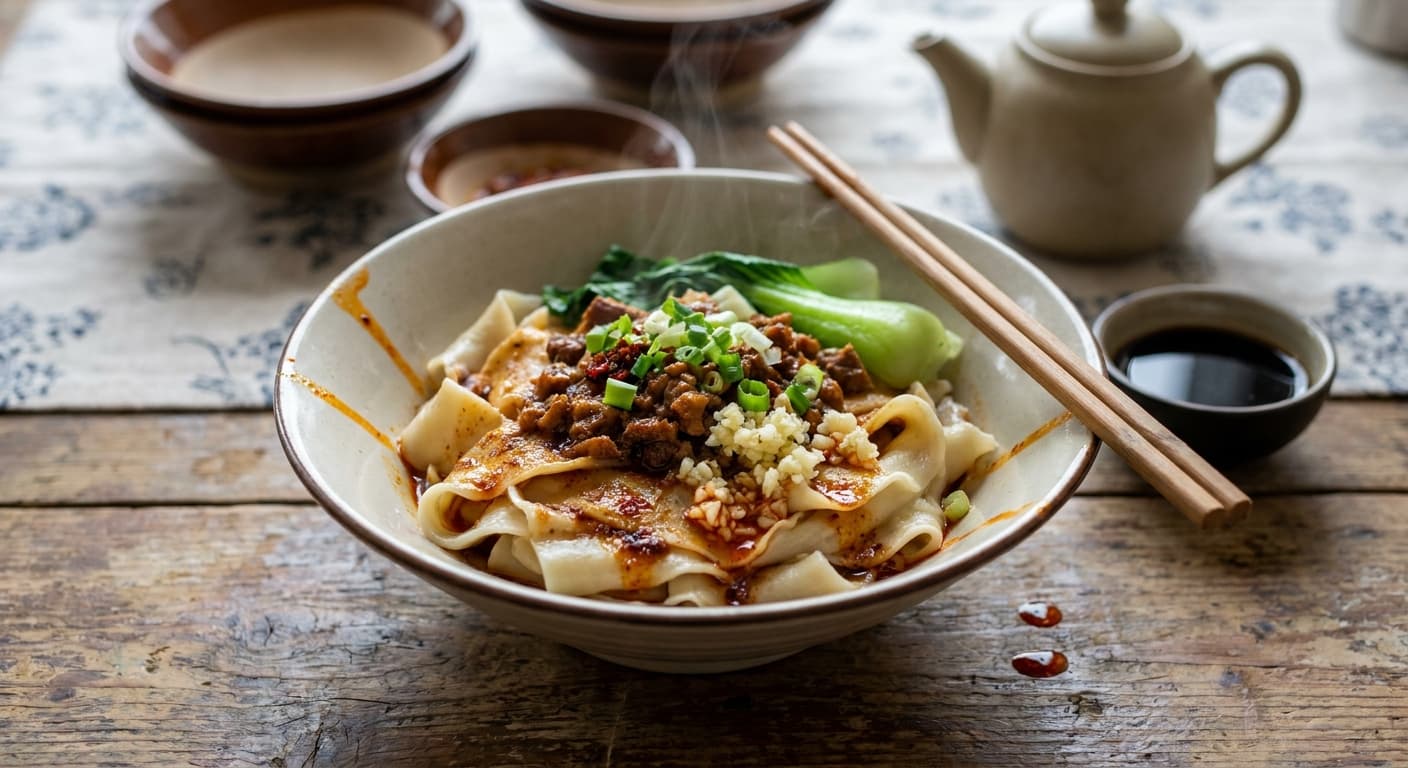
Biangbiang Noodles (油泼扯面) — Xi'an Hand-Pulled Belt Noodles
Chinese · Main Courses · 65 min
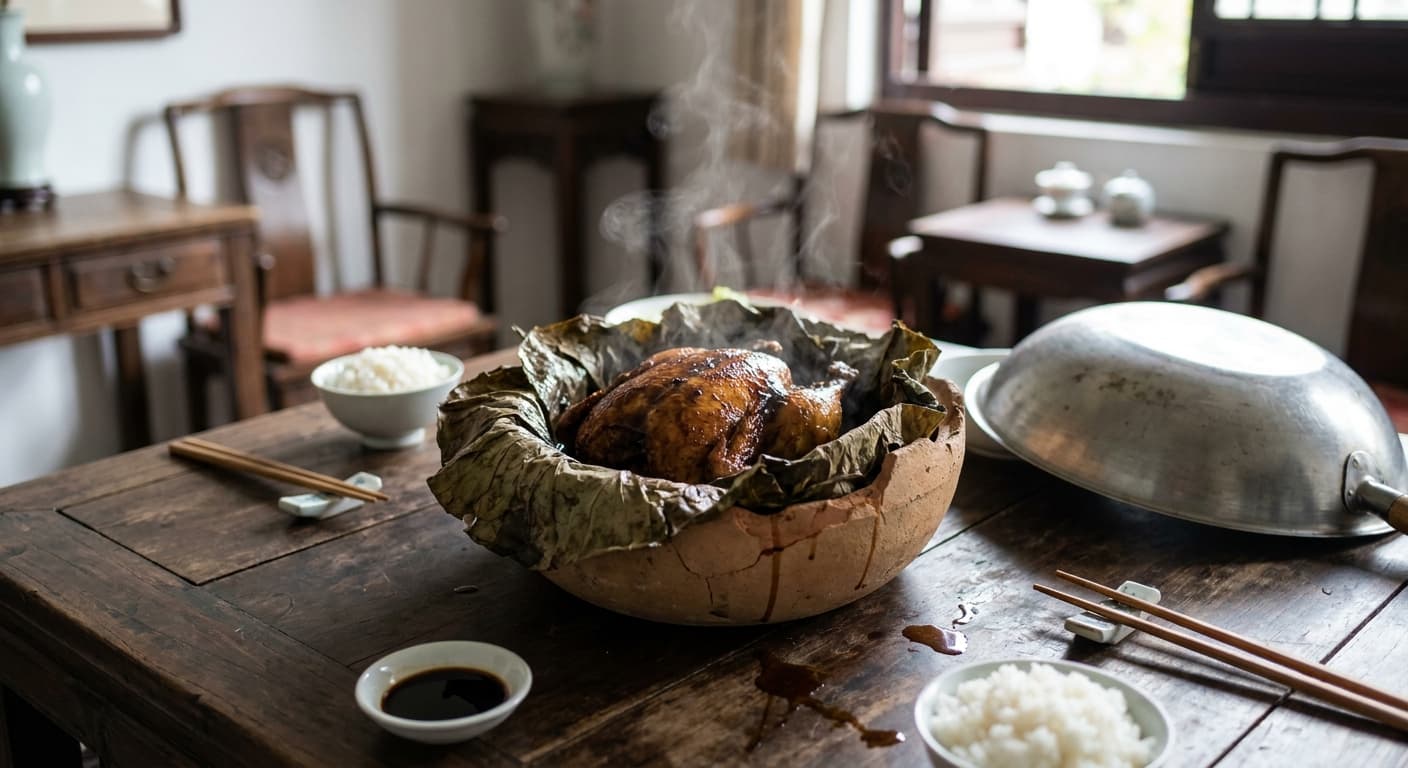
Beggar's Chicken (叫化鸡) — Lotus-Wrapped Clay-Baked Jiangnan Chicken
Chinese · Main Courses · 240 min
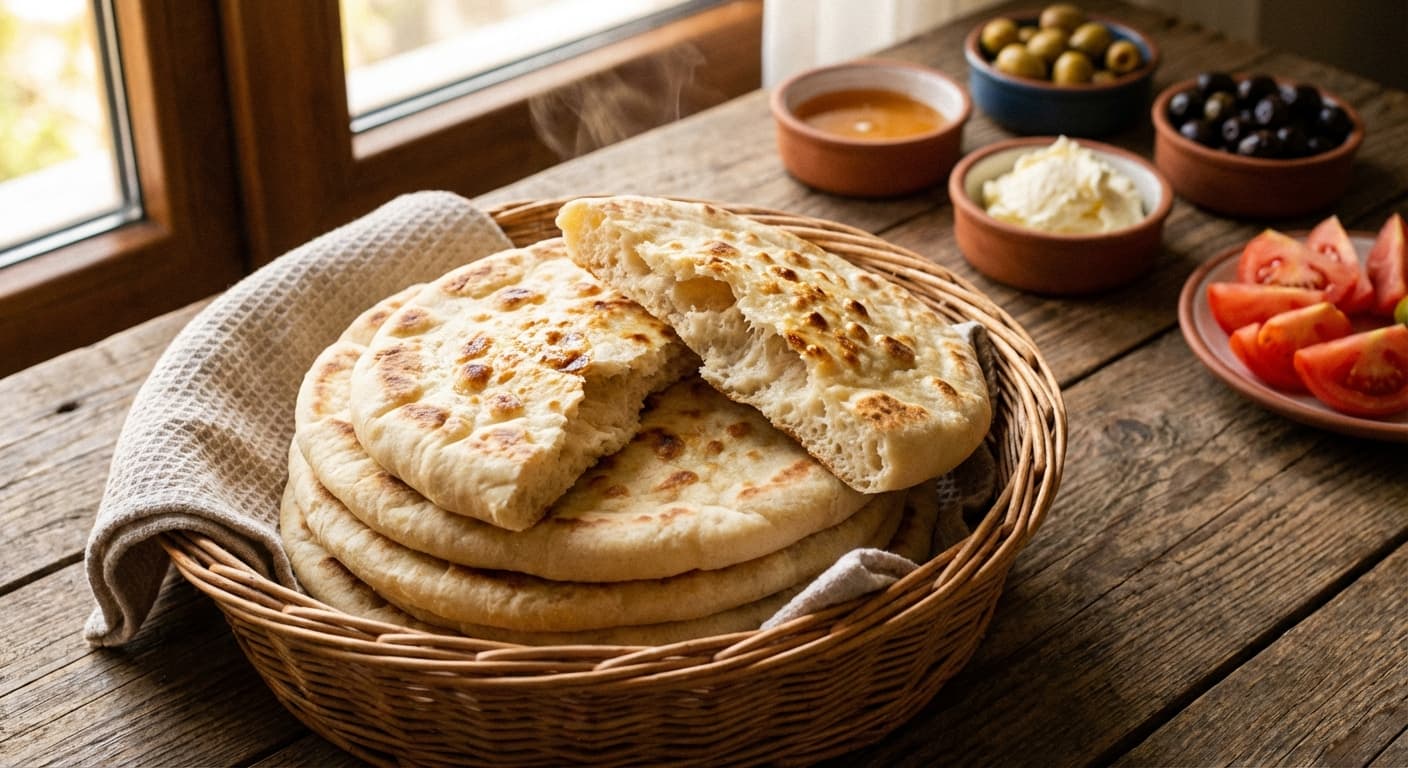
Bazlama (بازلاما) — Puffy Turkish Village Flatbread Cooked on a Saj
Turkish · Breads · 38 min
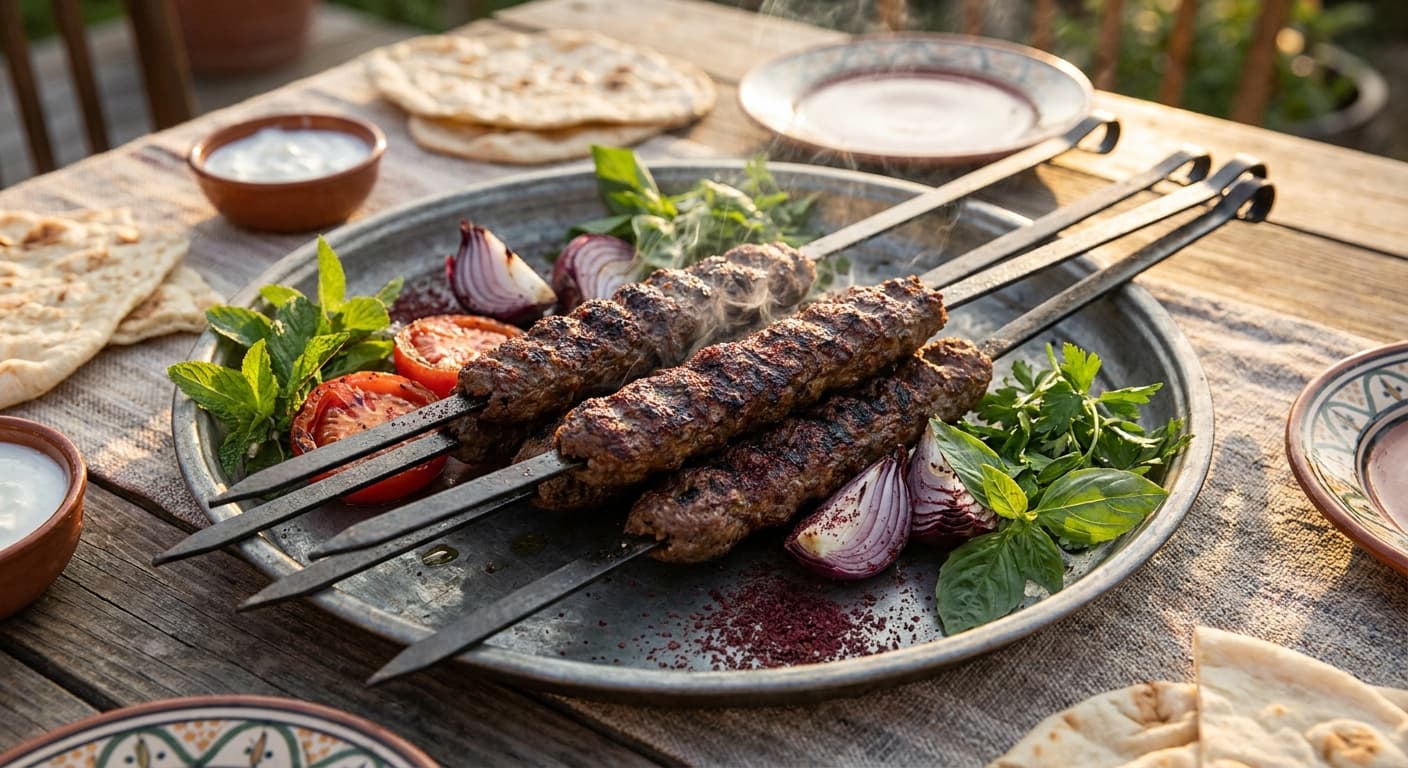
Authentic Kabab Koobideh (کباب کوبیده) — Persian Minced Lamb Skewers
Persian · Kebabs · 40 min
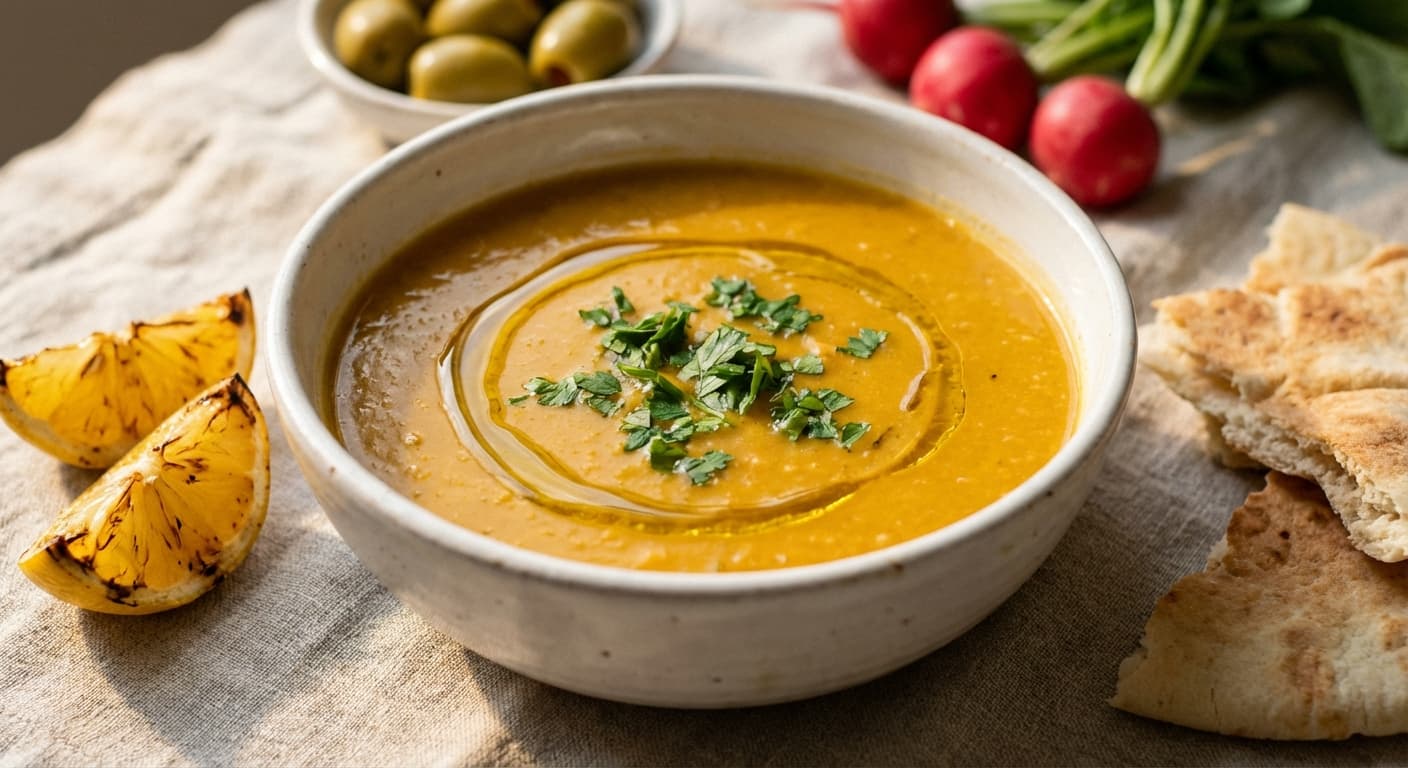
Shorbet Adas (شوربة عدس) — Lebanese Lentil Soup with Cumin and Lemon
Lebanese · Soups · 45 min
Reviews
Cooked this recipe?
Tap the stars to rate it — that's all it takes. A few words are welcome but optional.
No ratings yet. Cooked this one? Be the first to rate it — it takes one tap.