Indonesian Beef Rendang (Rendang Daging) — Slow-Cooked Minangkabau Coconut Beef
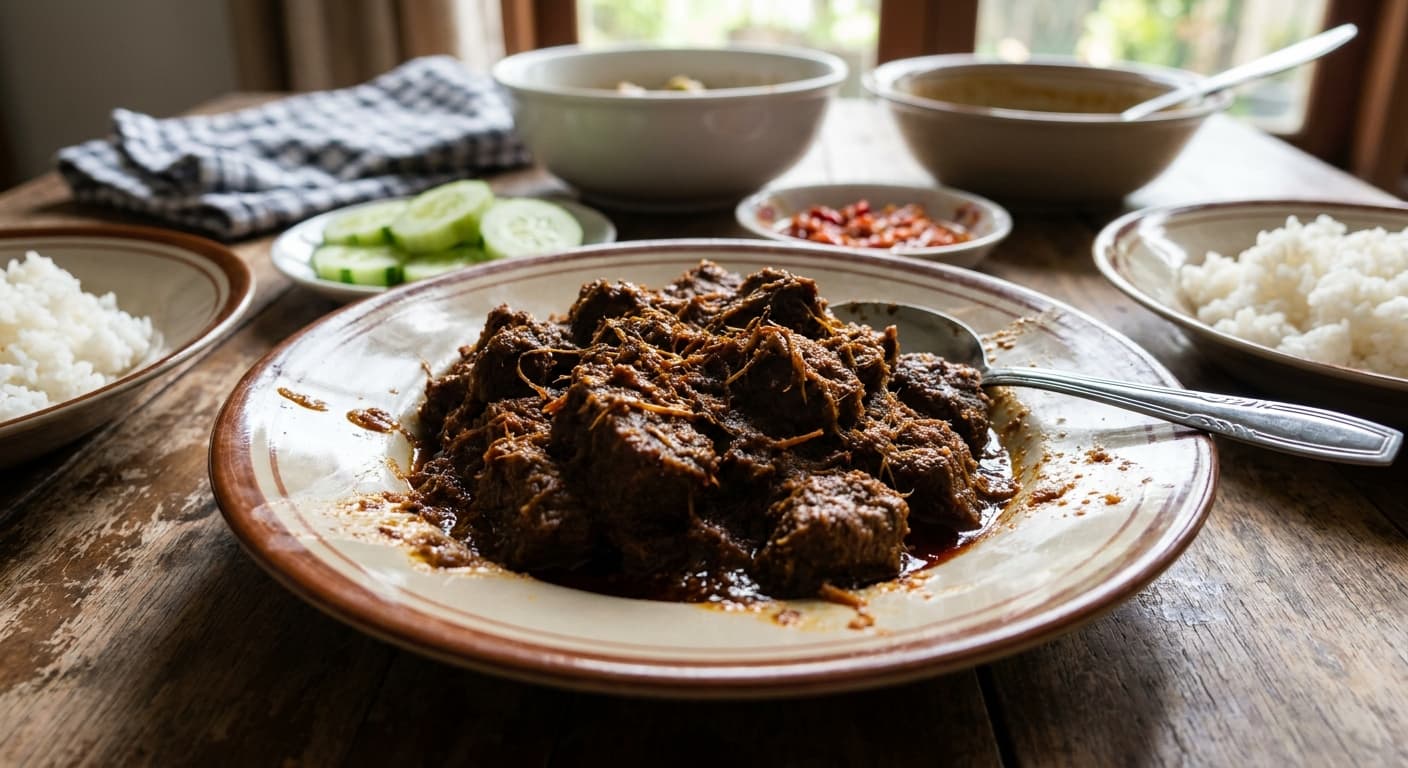
Beef rendang is a celebrated Minangkabau dish from West Sumatra, cooked slowly until coconut milk reduces into a dark, aromatic coating. It is traditionally served for ceremonies, feast days, and family gatherings.
Printable Recipe Card
Servings: 6 · Total: 245 min · Difficulty: hard
Ingredients (quick list)
- 1200 g beef chuck (cut into 5 cm cubes)
- 800 ml full-fat coconut milk
- 250 ml water
- 2 tbsp neutral oil
- 60 g grated coconut (unsweetened, toasted and pounded to a paste)
- 12 Asian shallots (peeled and roughly chopped)
- 6 clove garlic
- 8 fresh red chiles (stems removed; deseed 4 for medium heat)
- 6 dried red chiles (soaked in hot water for 15 minutes and drained)
- 2 inch fresh galangal (peeled and sliced)
- 1 inch fresh ginger (peeled and sliced)
- 1 inch fresh turmeric (peeled and sliced)
+ 10 more in the full ingredients section below.
Steps (summary)
- Toast the grated coconut in a dry skillet over medium-low heat for 8 to 10 minutes, stirring constantly until it turns deep gol…
- Make the spice paste by grinding the shallots, garlic, fresh chiles, soaked dried chiles, galangal, ginger, turmeric, candlenut…
- Heat the oil in a heavy Dutch oven or wide clay pot over medium heat. Add the spice paste and cook for 10 to 12 minutes, stirri…
- Add the lemongrass, kaffir lime leaves, turmeric leaf, and Indonesian bay leaves to the pot. Stir for 2 minutes so the hot past…
- Add the beef cubes and stir until every surface is coated with the cooked spice paste. Cook for 5 minutes, turning the beef sev…
- Pour in the coconut milk and water, then add the tamarind paste, salt, and palm sugar. Bring the mixture to a gentle simmer ove…
+ 3 more steps in the full instructions section below.
Cultural Background
Rendang is rooted in Minangkabau cooking, where slow reduction preserves meat and concentrates coconut and spices. It is a proud feast dish often linked with hospitality, weddings, Eid meals, and communal celebration.
Equipment
💡 Tips
- Use a wide, heavy pot so evaporation is steady and the coconut milk reduces instead of boiling aggressively.
- Rendang should finish almost dry, with oil visible around the spice-coated beef rather than a soupy sauce.
- For deeper flavor, cook the dish one day ahead and rewarm it gently before serving.
⚠️ Common Mistakes
❌ Stopping while the sauce is still pale and soupy
✅ Fix: Keep cooking uncovered over low heat until the liquid reduces, the oil separates, and the paste coats the beef.
❌ Using high heat to speed up reduction
✅ Fix: Maintain a slow simmer and stir often, because coconut milk scorches easily during the final hour.
❌ Leaving the spice paste coarse
✅ Fix: Grind it finely so the aromatics cook into the coconut milk and form a smooth, clingy rendang coating.
🧊 How to Store
Cool completely and refrigerate in an airtight container for up to 4 days, or freeze for up to 3 months. Reheat gently in a covered pan with 2 tbsp water per serving, then uncover to re-thicken.
📅 Make Ahead
Prepare the spice paste and toast the coconut up to 2 days ahead. Finished rendang improves after 24 hours in the refrigerator and can be reheated slowly before serving.
🍽️ Pairs Well With
- Steamed jasmine rice
- lontong
- cucumber slices
- sambal ijo
- boiled cassava leaves.
Regional Variations
- West Sumatran rendang is often cooked very dry and dark, with a concentrated spice coating.
- Malaysian-style rendang commonly includes more kerisik and may finish slightly wetter and sweeter.
- Some Minangkabau cooks omit palm sugar entirely and rely on coconut reduction for natural sweetness.
Ingredients
- 1200 gbeef chuck (cut into 5 cm cubes)
- 800 mlfull-fat coconut milk
- 250 mlwater
- 2 tbspneutral oil
- 60 ggrated coconut (unsweetened, toasted and pounded to a paste)
- 12Asian shallots (peeled and roughly chopped)
- 6 clovegarlic
- 8fresh red chiles (stems removed; deseed 4 for medium heat)
- 6dried red chiles (soaked in hot water for 15 minutes and drained)
- 2 inchfresh galangal (peeled and sliced)
- 1 inchfresh ginger (peeled and sliced)
- 1 inchfresh turmeric (peeled and sliced)
- 5candlenuts (lightly toasted)
- 2 tspcoriander seeds (toasted)
- 1 tspcumin seeds (toasted)
- 3lemongrass stalks (white parts bruised)
- 6 leafkaffir lime leaves (torn to release aroma)
- 1 leafturmeric leaf (tied into a knot, if available)
- 3 leafIndonesian bay leaves (daun salam)
- 1 tbsptamarind paste
- 2 tspfine sea salt
- 1 tbsppalm sugar (optional in many Minangkabau homes, but balances bitterness from toasted spices)
🔄 Substitutions
- candlenuts→ macadamia nuts
- turmeric leaf→ additional kaffir lime leaves
- fresh turmeric→ ground turmeric
Instructions
- 1
Toast the grated coconut in a dry skillet over medium-low heat for 8 to 10 minutes, stirring constantly until it turns deep golden brown. Pound it in a mortar or process it while warm until the oils release and it becomes a coarse, damp paste called kerisik.
- 2
Make the spice paste by grinding the shallots, garlic, fresh chiles, soaked dried chiles, galangal, ginger, turmeric, candlenuts, coriander seeds, and cumin seeds. Add 2 tbsp of the measured coconut milk only if needed to help the paste move, and blend until very fine rather than chunky.
- 3
Heat the oil in a heavy Dutch oven or wide clay pot over medium heat. Add the spice paste and cook for 10 to 12 minutes, stirring often, until it darkens slightly, smells rounded and fragrant, and the oil begins to separate at the edges.
- 4
Add the lemongrass, kaffir lime leaves, turmeric leaf, and Indonesian bay leaves to the pot. Stir for 2 minutes so the hot paste coats the leaves and bruised lemongrass, which helps release their oils into the rendang base.
- 5
Add the beef cubes and stir until every surface is coated with the cooked spice paste. Cook for 5 minutes, turning the beef several times, so the meat loses its raw color but does not brown hard.
- 6
Pour in the coconut milk and water, then add the tamarind paste, salt, and palm sugar. Bring the mixture to a gentle simmer over medium heat, then reduce the heat to low so the liquid bubbles slowly and evenly.
- 7
Cook uncovered for about 2 hours, stirring every 15 minutes at first and every 8 minutes once the liquid thickens. Keep the heat low enough that the coconut milk reduces without scorching, because a burnt coconut base will make the finished rendang bitter.
- 8
Stir in the kerisik once the sauce has reduced to a thick gravy and the beef is nearly tender. Continue cooking for 45 to 70 minutes, stirring more frequently, until the sauce clings to the meat, the oil separates, and the color becomes dark reddish brown.
- 9
Remove the lemongrass, turmeric leaf, and bay leaves before serving. Rest the rendang for 20 minutes off the heat, because the flavor deepens as the coconut oil settles and the spice paste tightens around the beef.
🪪 Recipe Passport
Cultural Background
Rendang is rooted in Minangkabau cooking, where slow reduction preserves meat and concentrates coconut and spices. It is a proud feast dish often linked with hospitality, weddings, Eid meals, and communal celebration.
Regional Variations
Researched from multiple sources and validated by the Zaffaron editorial team. Every recipe is tested for accuracy, measurements, and cultural authenticity.
📚 Sources & Cultural References
- Sri Owen — Indonesian Regional Food and Cookery — (1999)
- William Wongso — Flavors of Indonesia: William Wongso's Culinary Wonders — (2016)
Sources cited by the Zaffaron editorial team during recipe research. Cultural and culinary references supporting authenticity claims.
Nutrition per serving
Pairs well with
If you enjoyed this recipe, here are a few related Zaffaron recipes to try next.
Does your family make this differently?
Every family has their own version. Maybe your grandmother adds a secret ingredient, or your aunt has a completely different technique. Preserve your family's version — with their name on it, forever.
You Might Also Like
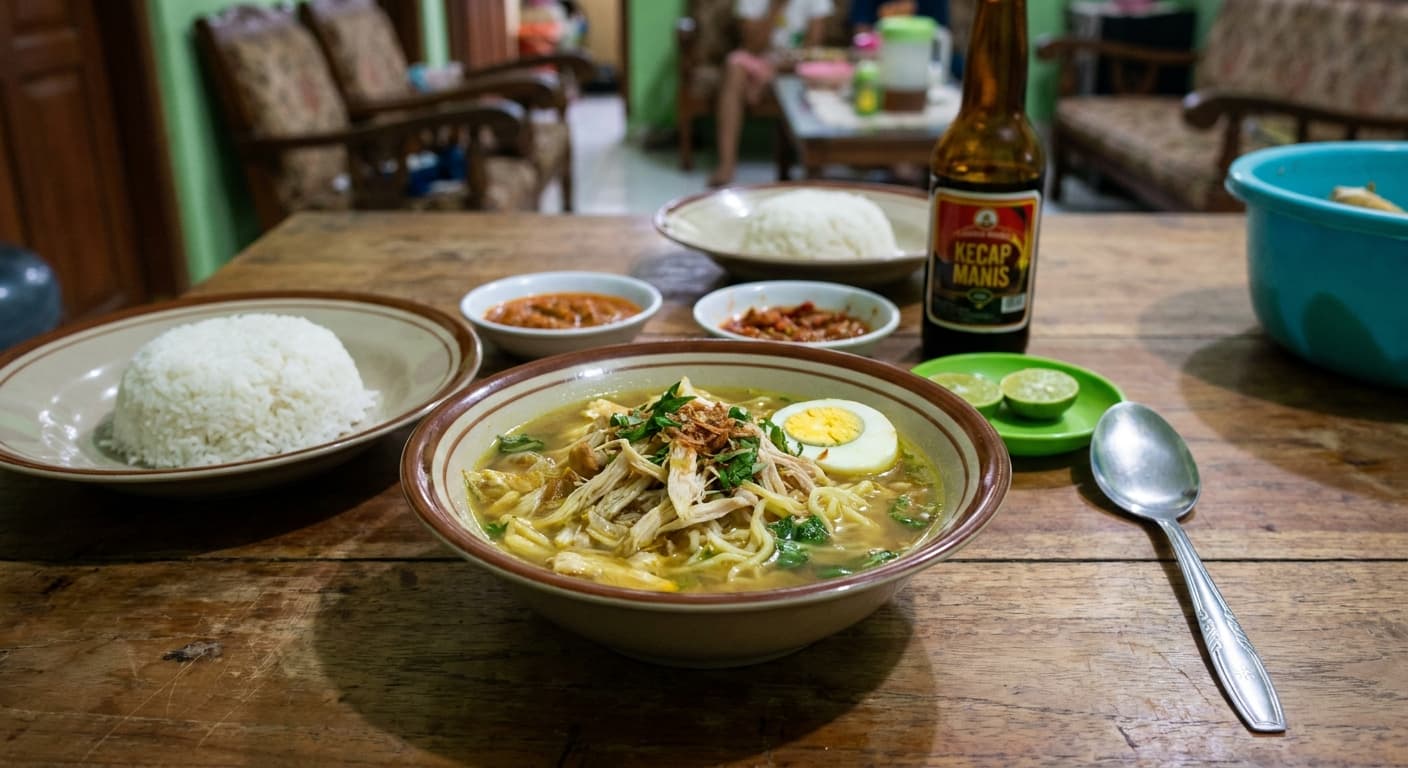
Indonesian Turmeric Chicken Soup (Soto Ayam) — Fragrant Shredded Chicken Broth
Indonesian · Soups · 100 min
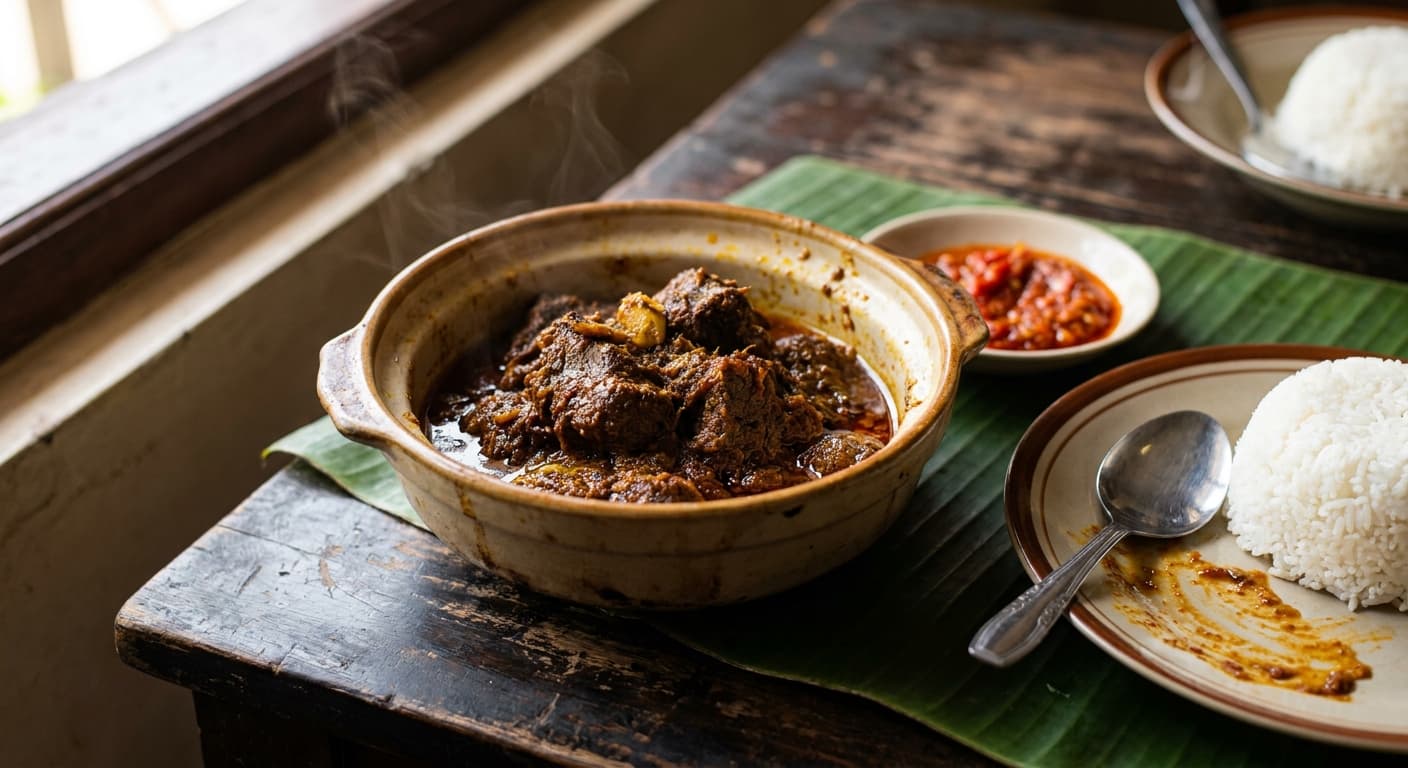
Beef Rendang (Rendang Daging) — Slow-Braised Coconut Beef
Indonesian · Main Courses · 245 min
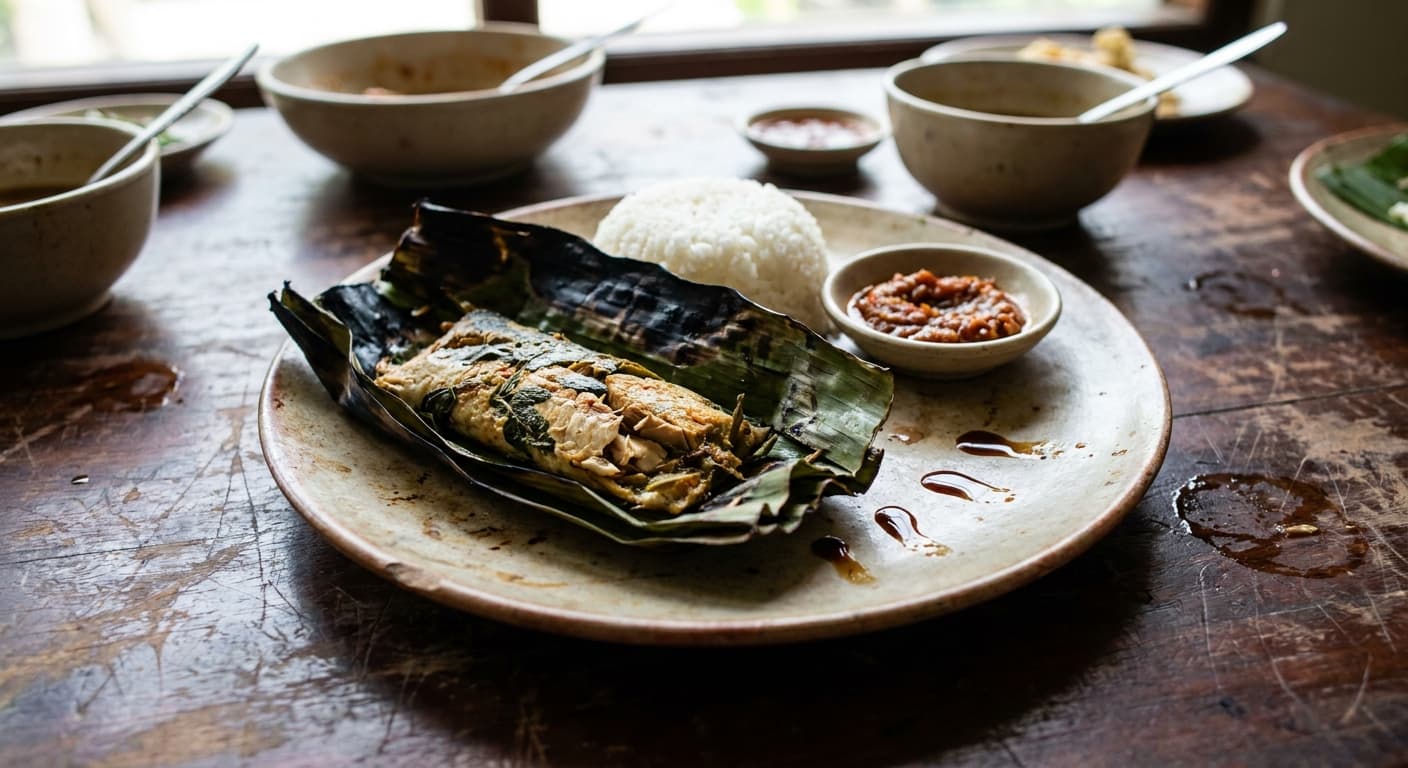
Pepes Ikan (Pepes Ikan) — Indonesian Banana-Leaf Steamed Fish
Indonesian · Main Courses · 65 min
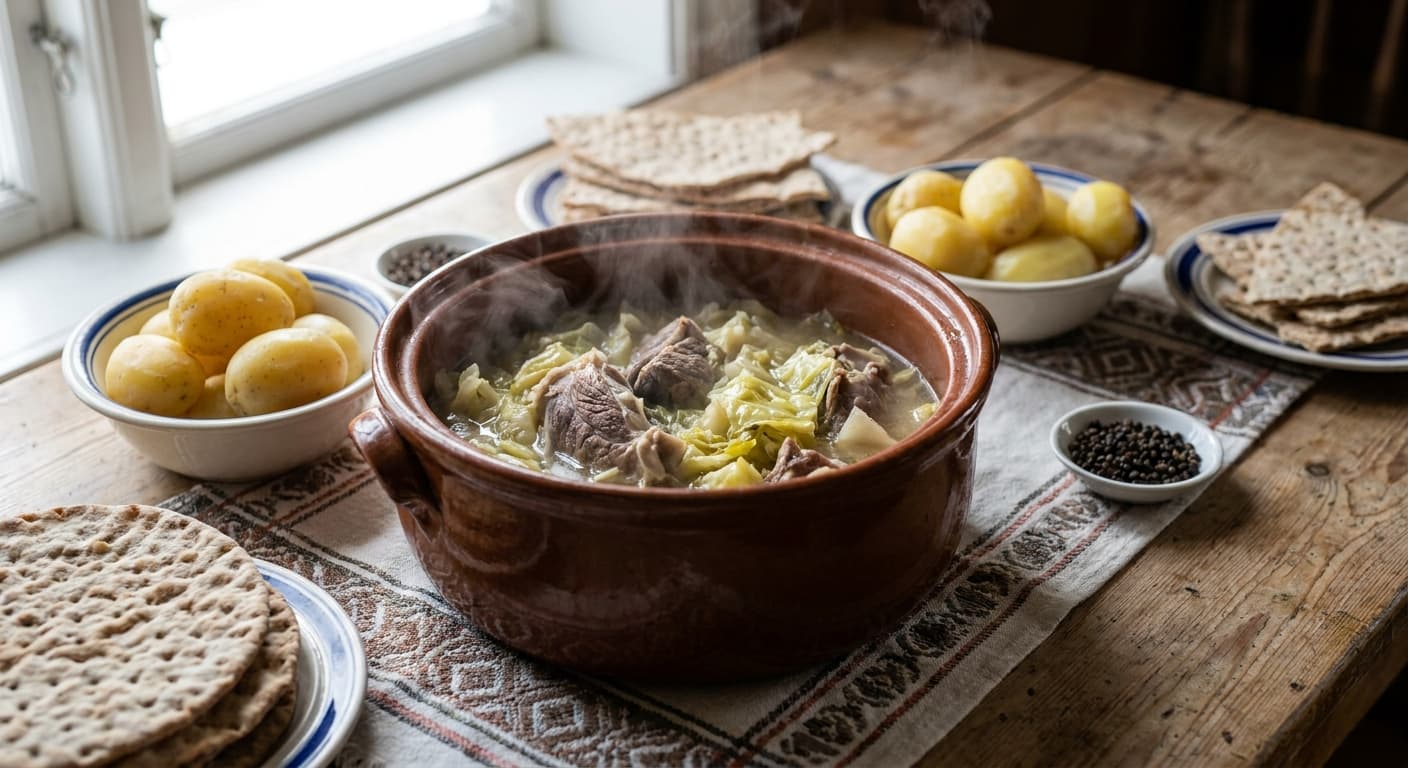
Norwegian Lamb and Cabbage Stew (Fårikål) — Peppery Autumn National Dish
Norwegian · Stews · 170 min
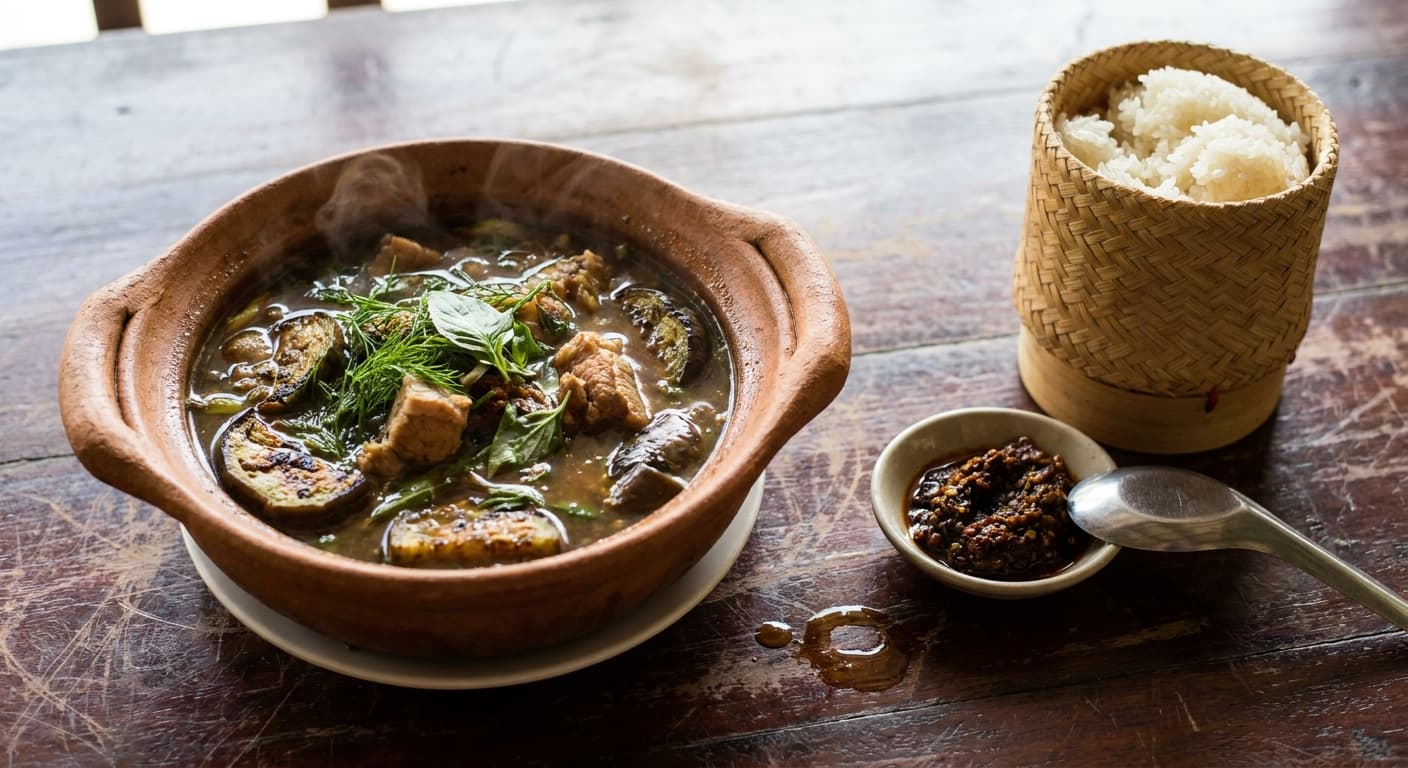
Or Lam (ເອາະຫຼາມ) — Luang Prabang Herb Stew
Laotian · Stews · 155 min
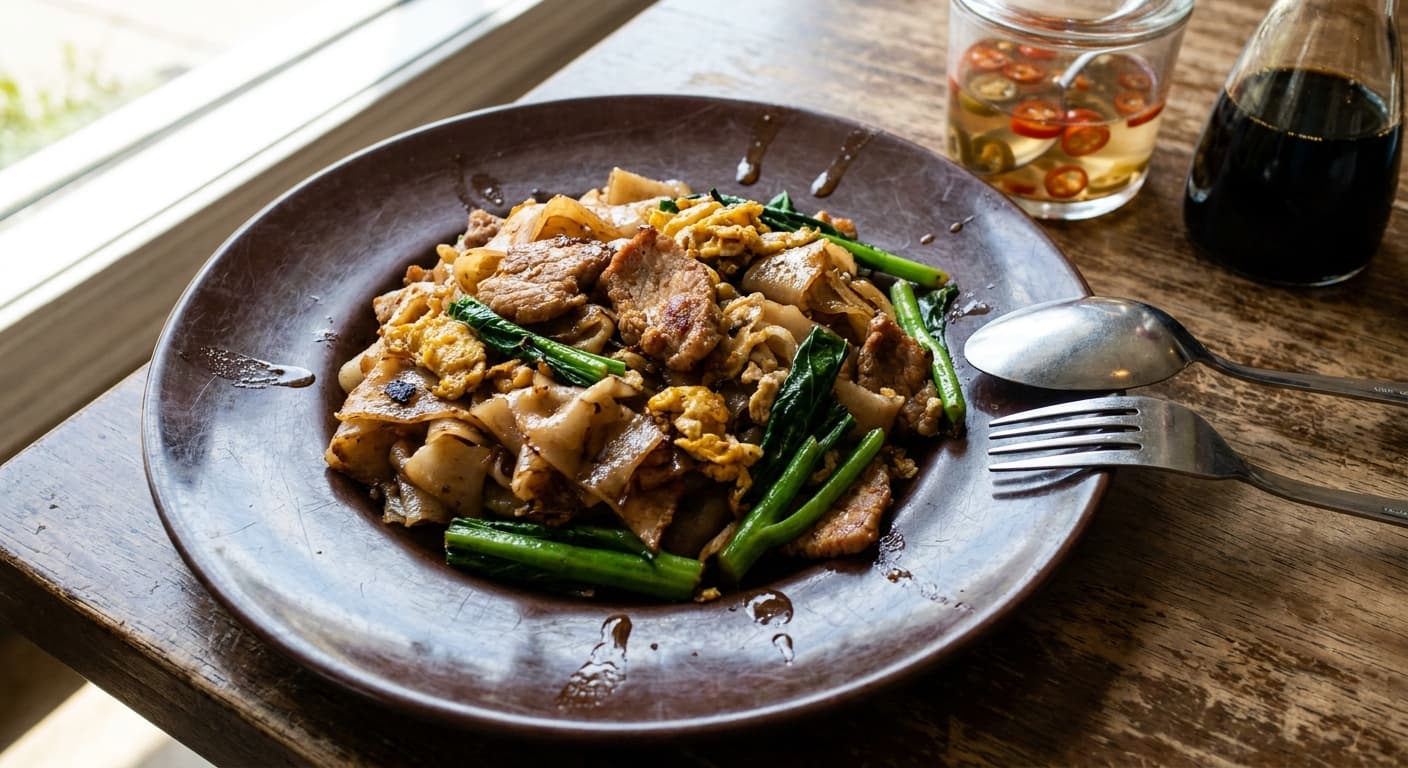
Thai Pad See Ew (ผัดซีอิ๊ว) — Charred Wide Rice Noodles with Pork and Chinese Broccoli
Thai · Main Courses · 30 min
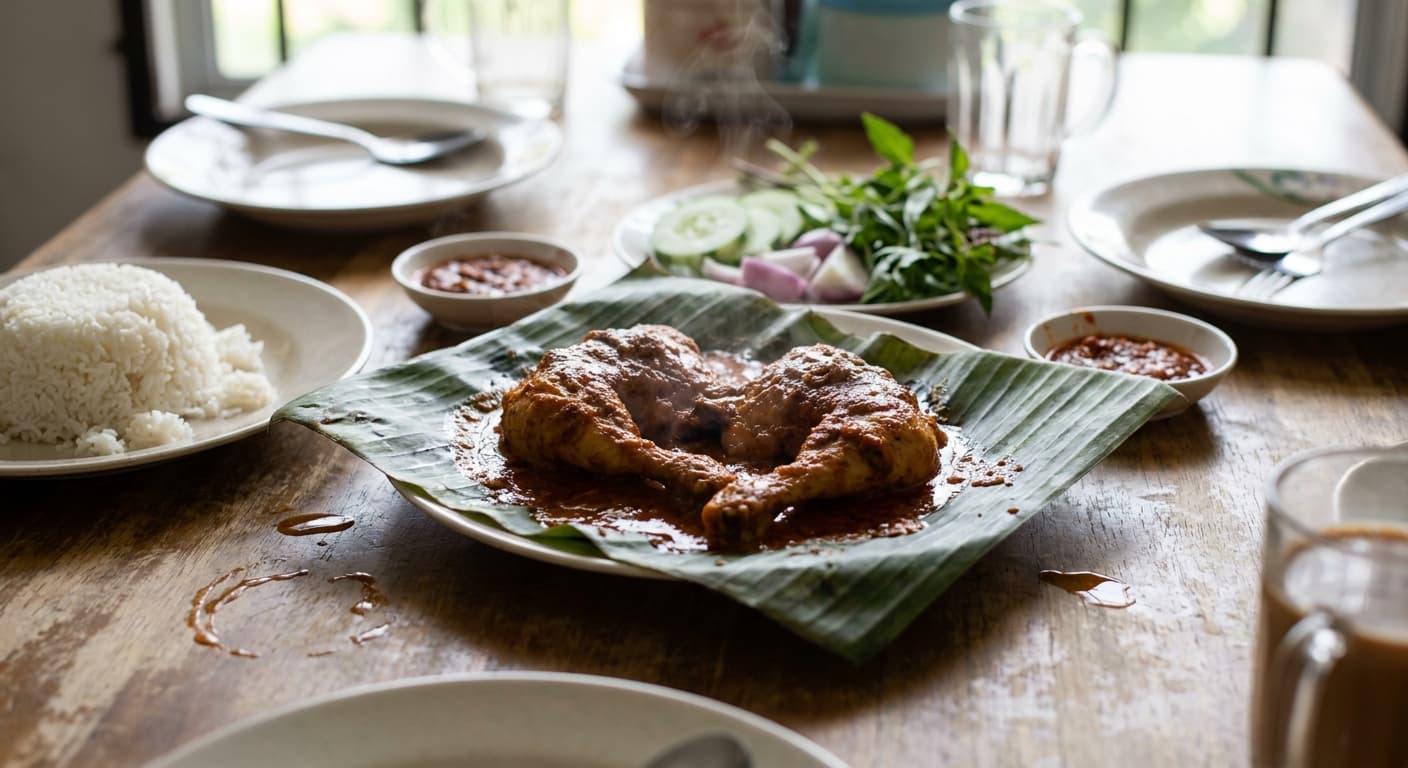
Ayam Percik (Ayam Percik) — Malaysian Coconut-Glazed Grilled Chicken
Malaysian · Main Courses · 80 min
Watalappan (වටලප්පන්) — Sri Lankan Coconut Jaggery Custard
Sri lankan · Desserts · 70 min
Reviews
Cooked this recipe?
Tap the stars to rate it — that's all it takes. A few words are welcome but optional.
No ratings yet. Cooked this one? Be the first to rate it — it takes one tap.