Gado-Gado (Gado-Gado) — Indonesian Salad with Peanut Sauce
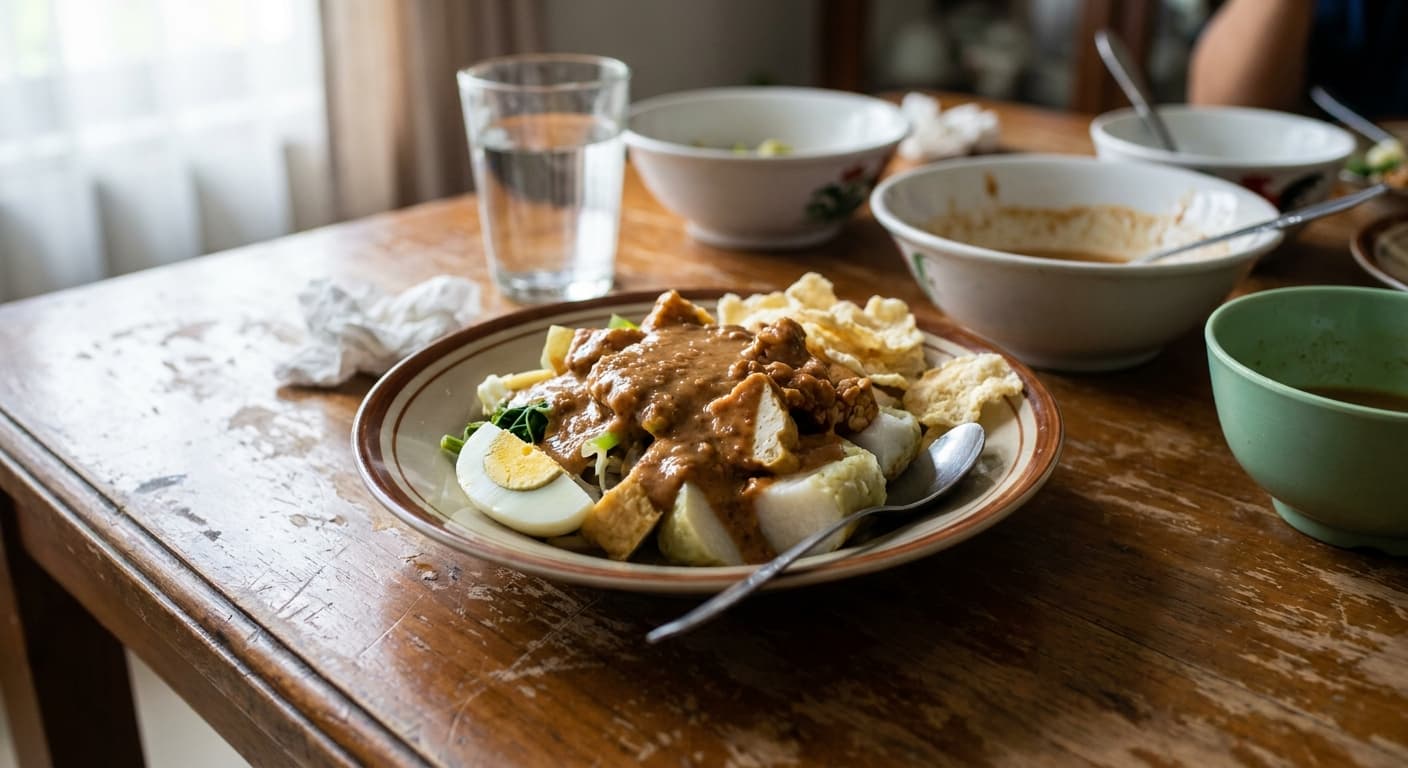
Gado-gado is a beloved Indonesian composed salad of blanched vegetables, tofu, tempeh, eggs, rice cake, and a bold peanut dressing. Jakarta-style versions often include sweet soy sauce, tamarind, palm sugar, and a little toasted shrimp paste for depth.
Printable Recipe Card
Servings: 4 · Total: 60 min · Difficulty: medium
Ingredients (quick list)
- 250 g firm tofu (drained and cut into 2.5 cm cubes)
- 200 g tempeh (cut into 1 cm slices)
- 45 ml neutral oil (for pan-frying)
- 4 large eggs
- 300 g waxy potatoes (peeled and cut into 2 cm chunks)
- 200 g green cabbage (cut into wide shreds)
- 160 g long beans (cut into 5 cm lengths)
- 160 g bean sprouts
- 200 g cucumber (halved lengthwise and sliced)
- 300 g lontong rice cakes (cut into bite-size pieces)
- 120 g roasted unsalted peanuts
- 3 clove garlic (roughly chopped)
+ 10 more in the full ingredients section below.
Steps (summary)
- Bring a medium saucepan of water to a gentle boil and lower in the eggs. Cook for 9 minutes, then transfer the eggs to cold wat…
- Put the potato chunks in a separate saucepan, cover with water by 2 cm, and simmer for 12 to 15 minutes until tender but not co…
- Bring a large pot of salted water to a boil for the vegetables. Blanch the cabbage for 1 minute, the long beans for 2 minutes,…
- Heat the neutral oil in a wide skillet over medium-high heat until it shimmers. Fry the tofu cubes for 6 to 8 minutes and the t…
- Make the peanut sauce by grinding the roasted peanuts, garlic, chiles, toasted terasi, palm sugar, tamarind paste, lime juice,…
- Taste the sauce and adjust only with measured additions if needed: 1 teaspoon lime juice for brightness, 1 teaspoon palm sugar…
+ 2 more steps in the full instructions section below.
Cultural Background
Gado-gado is one of Indonesia's iconic vegetable dishes, especially associated with Jakarta and Java. Its name suggests a mixture, reflecting the everyday skill of turning market vegetables, legumes, rice cake, and peanut sauce into a complete meal.
Equipment
💡 Tips
- Blanch each vegetable separately because cabbage, long beans, and bean sprouts soften at different speeds.
- Keep the peanut sauce slightly coarse; a little texture is traditional and helps it cling to the salad.
- Toast the terasi briefly in a dry pan or wrapped in foil over a flame before using to mellow its aroma and deepen the sauce.
⚠️ Common Mistakes
❌ Overcooking all the vegetables together.
✅ Fix: Blanch each vegetable separately and cool it quickly so the salad keeps color, crunch, and clear flavors.
❌ Making the peanut sauce too thin.
✅ Fix: Add water gradually and stop when the sauce coats a spoon; it should be pourable but not watery.
❌ Skipping the balance of sweet, sour, salty, and savory.
✅ Fix: Use palm sugar, tamarind, lime, salt, sweet soy sauce, and terasi in measured amounts so the sauce tastes rounded.
🧊 How to Store
Store vegetables, sauce, eggs, crackers, and fried tofu-tempeh separately in airtight containers for up to 3 days. Rewarm tofu and tempeh in a 180°C oven for 8 minutes, and loosen chilled peanut sauce with 1 to 2 tablespoons warm water.
📅 Make Ahead
Boil the eggs, cook the potatoes, blanch the vegetables, and make the peanut sauce up to 1 day ahead. Keep all parts separate and assemble only before serving.
🍽️ Pairs Well With
- Emping melinjo crackers
- krupuk
- sambal
- iced jasmine tea
- fresh lime wedges.
Regional Variations
- Jakarta-style gado-gado often uses a thick freshly ground peanut sauce with sweet soy sauce and sometimes terasi.
- Sundanese versions may be lighter, with more raw cucumber and blanched greens.
- Some home versions include chayote, spinach, bitter melon, or boiled corn depending on the market and season.
Ingredients
- 250 gfirm tofu (drained and cut into 2.5 cm cubes)
- 200 gtempeh (cut into 1 cm slices)
- 45 mlneutral oil (for pan-frying)
- 4large eggs
- 300 gwaxy potatoes (peeled and cut into 2 cm chunks)
- 200 ggreen cabbage (cut into wide shreds)
- 160 glong beans (cut into 5 cm lengths)
- 160 gbean sprouts
- 200 gcucumber (halved lengthwise and sliced)
- 300 glontong rice cakes (cut into bite-size pieces)
- 120 groasted unsalted peanuts
- 3 clovegarlic (roughly chopped)
- 2red Thai chiles (stems removed; seed 1 chile for a milder sauce)
- 1 tsptoasted terasi shrimp paste
- 35 gpalm sugar (finely shaved)
- 1 tbsptamarind paste
- 1 tbspfresh lime juice
- 2 tbspIndonesian sweet soy sauce (kecap manis)
- 1 tspfine sea salt
- 180 mlwarm water
- 20 gfried shallots
- 40 gemping melinjo crackers
🔄 Substitutions
- long beans→ green beans
- lontong rice cakes→ steamed jasmine rice
- toasted terasi shrimp paste→ white miso
Instructions
- 1
Bring a medium saucepan of water to a gentle boil and lower in the eggs. Cook for 9 minutes, then transfer the eggs to cold water for 5 minutes before peeling and halving them.
- 2
Put the potato chunks in a separate saucepan, cover with water by 2 cm, and simmer for 12 to 15 minutes until tender but not collapsing. Drain them well and spread them on a tray so excess steam can escape.
- 3
Bring a large pot of salted water to a boil for the vegetables. Blanch the cabbage for 1 minute, the long beans for 2 minutes, and the bean sprouts for 20 seconds, lifting each vegetable out with a spider and rinsing briefly under cool water to stop the cooking.
- 4
Heat the neutral oil in a wide skillet over medium-high heat until it shimmers. Fry the tofu cubes for 6 to 8 minutes and the tempeh slices for 4 to 5 minutes, turning them until lightly golden on the edges, then drain them on a rack or paper towel.
- 5
Make the peanut sauce by grinding the roasted peanuts, garlic, chiles, toasted terasi, palm sugar, tamarind paste, lime juice, sweet soy sauce, and salt in a mortar or food processor. Add the warm water gradually and blend until the sauce is thick, spoonable, and slightly textured rather than completely smooth.
- 6
Taste the sauce and adjust only with measured additions if needed: 1 teaspoon lime juice for brightness, 1 teaspoon palm sugar for sweetness, or 1 tablespoon warm water for a looser texture. The finished sauce should be savory, sweet, tangy, and nutty, with enough thickness to coat the vegetables.
- 7
Arrange the potatoes, cabbage, long beans, bean sprouts, cucumber, tofu, tempeh, lontong, and egg halves on a large platter or individual plates. Spoon the peanut sauce generously over the top just before serving so the vegetables stay fresh and distinct.
- 8
Finish the gado-gado with fried shallots and emping melinjo crackers. Serve immediately while the fried tofu and tempeh still have some texture and the blanched vegetables remain bright.
🪪 Recipe Passport
Cultural Background
Gado-gado is one of Indonesia's iconic vegetable dishes, especially associated with Jakarta and Java. Its name suggests a mixture, reflecting the everyday skill of turning market vegetables, legumes, rice cake, and peanut sauce into a complete meal.
Regional Variations
Researched from multiple sources and validated by the Zaffaron editorial team. Every recipe is tested for accuracy, measurements, and cultural authenticity.
📚 Sources & Cultural References
- Sri Owen — Indonesian Food — (2008)
- William Wongso — Flavors of Indonesia: William Wongso's Culinary Wonders — (2016)
Sources cited by the Zaffaron editorial team during recipe research. Cultural and culinary references supporting authenticity claims.
Nutrition per serving
Pairs well with
If you enjoyed this recipe, here are a few related Zaffaron recipes to try next.
Does your family make this differently?
Every family has their own version. Maybe your grandmother adds a secret ingredient, or your aunt has a completely different technique. Preserve your family's version — with their name on it, forever.
You Might Also Like
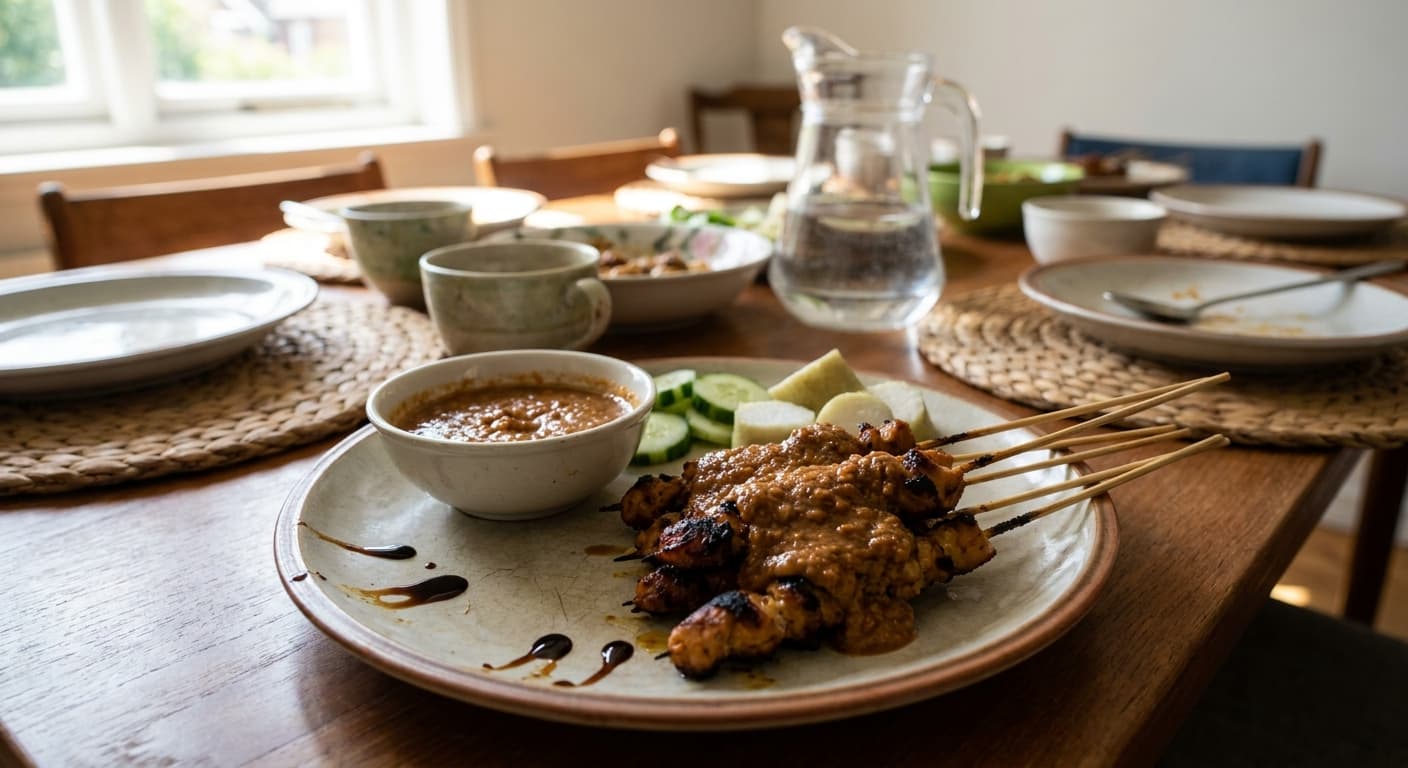
Chicken Satay (Sate Ayam) — Indonesian Skewers with Peanut Sauce
Indonesian · Kebabs · 55 min
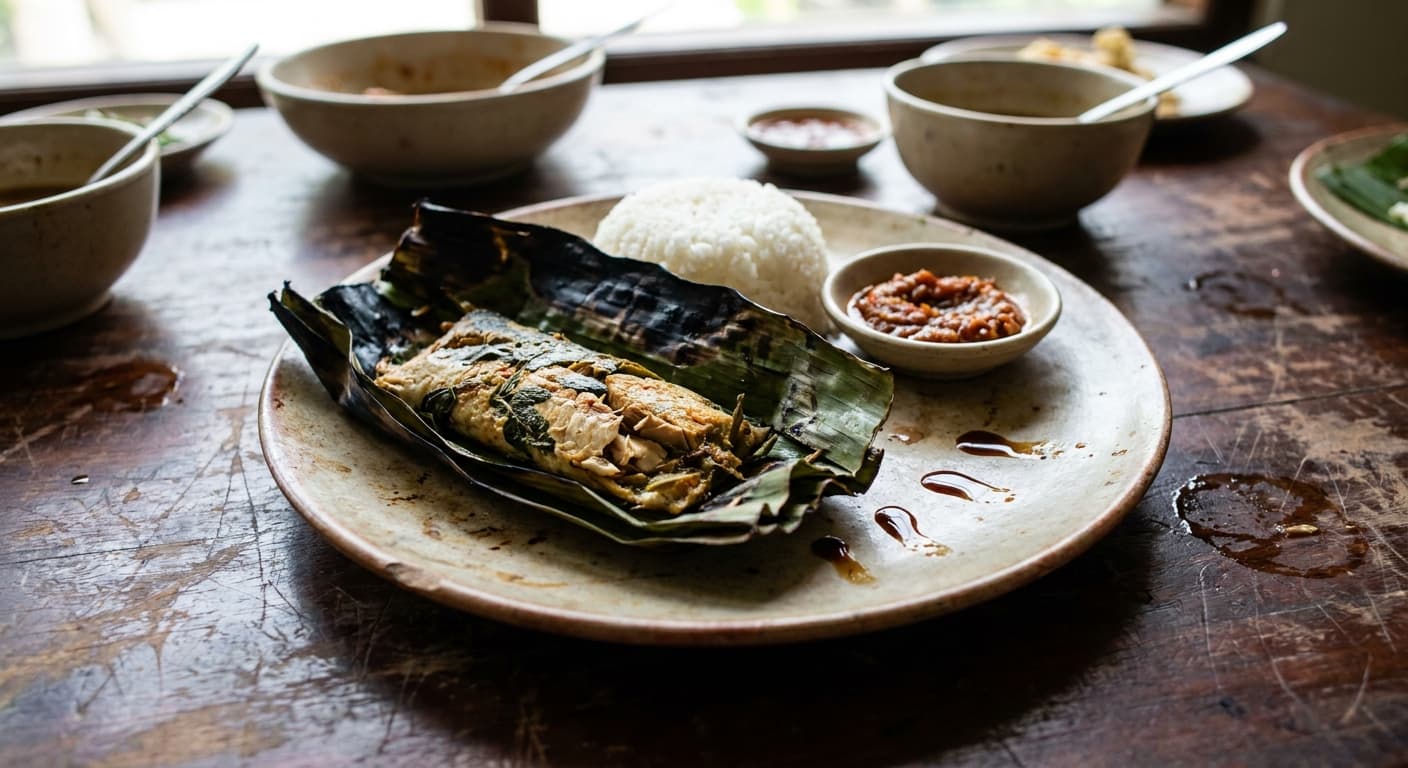
Pepes Ikan (Pepes Ikan) — Indonesian Banana-Leaf Steamed Fish
Indonesian · Main Courses · 65 min
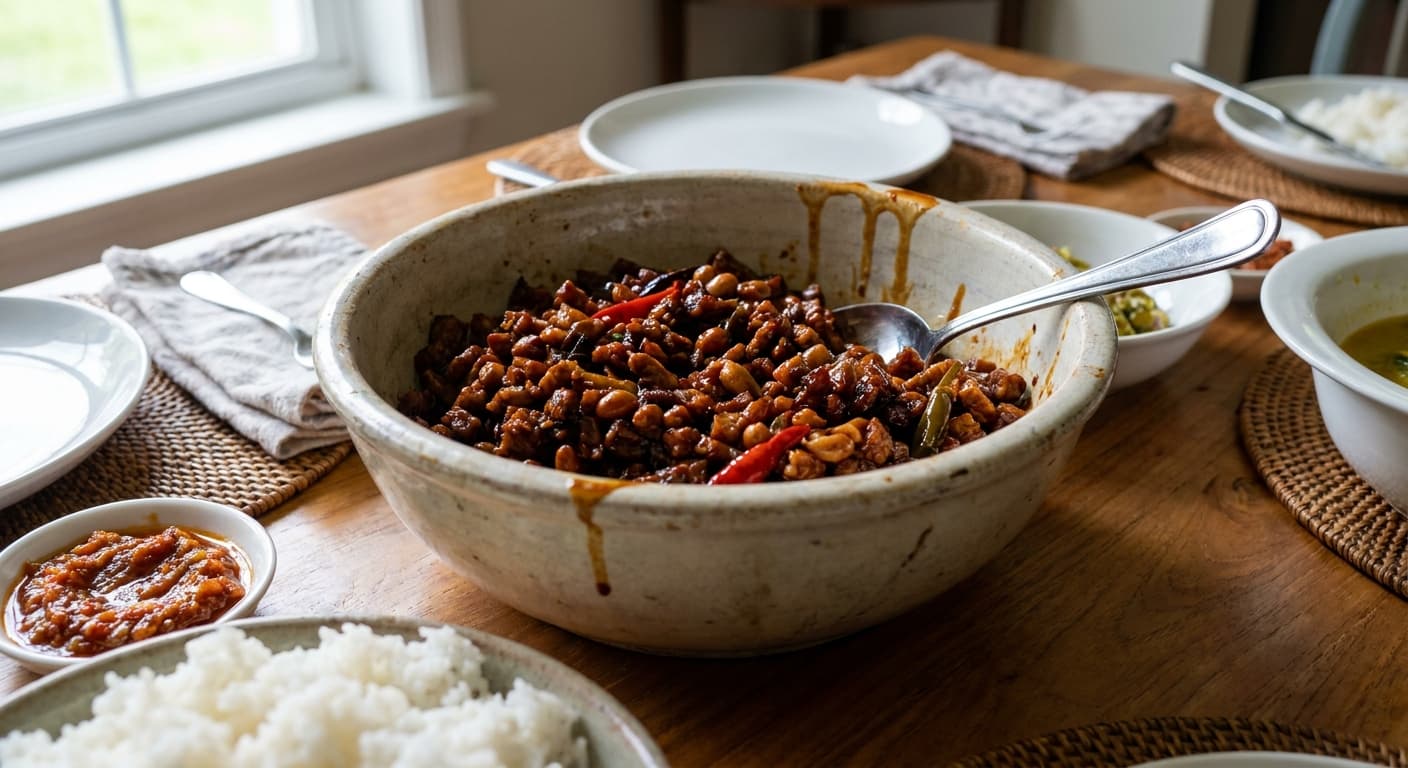
Sweet-Spiced Tempeh Stir-Fry (Tempe Orek) — Crisp Indonesian Soy-Glazed Tempeh
Indonesian · Side Dishes · 45 min
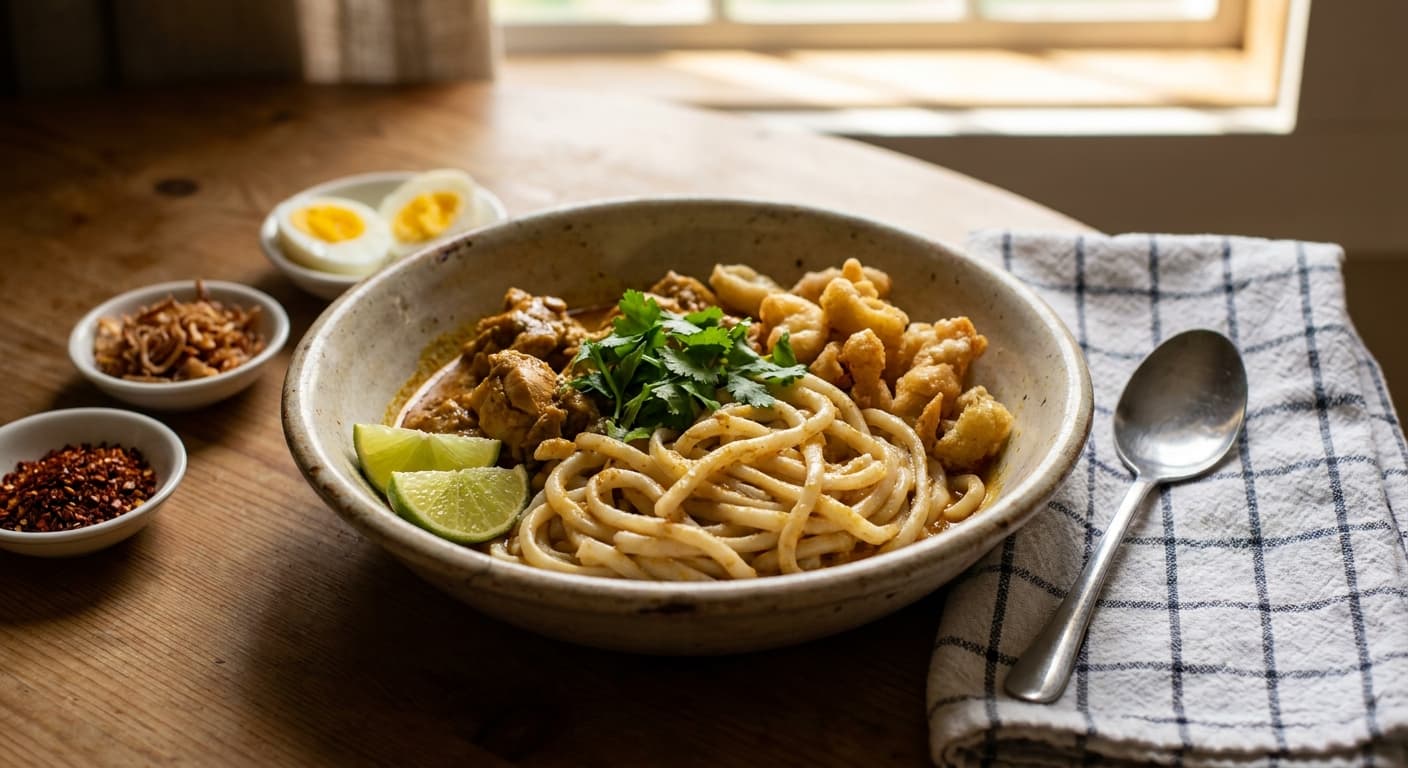
Nan Gyi Thoke (နန်းကြီးသုပ်) — Burmese Thick Rice Noodle Salad
Burmese · Salads · 80 min
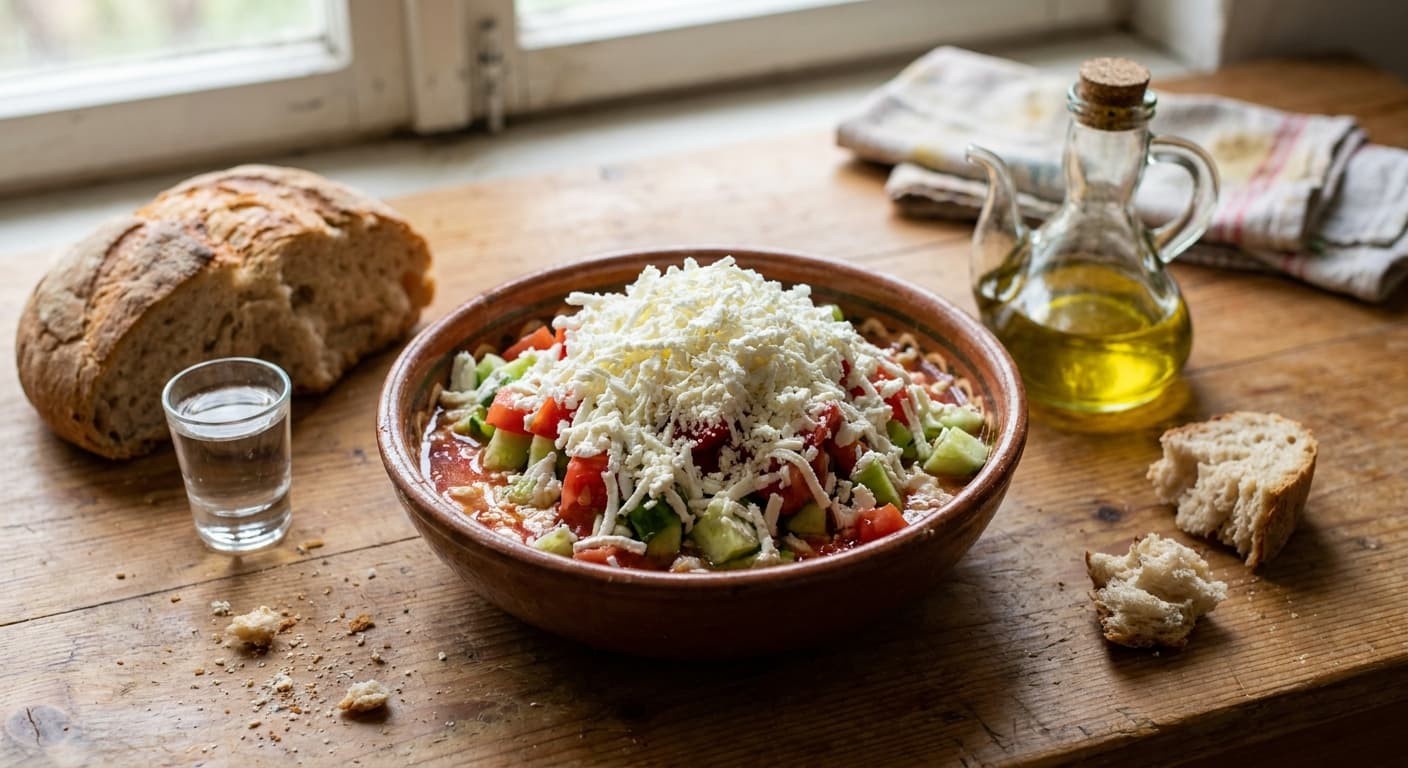
Shopska Salad (Шопска салата) — Tomato-Cucumber Salad with Sirene
Bulgarian · Salads · 20 min
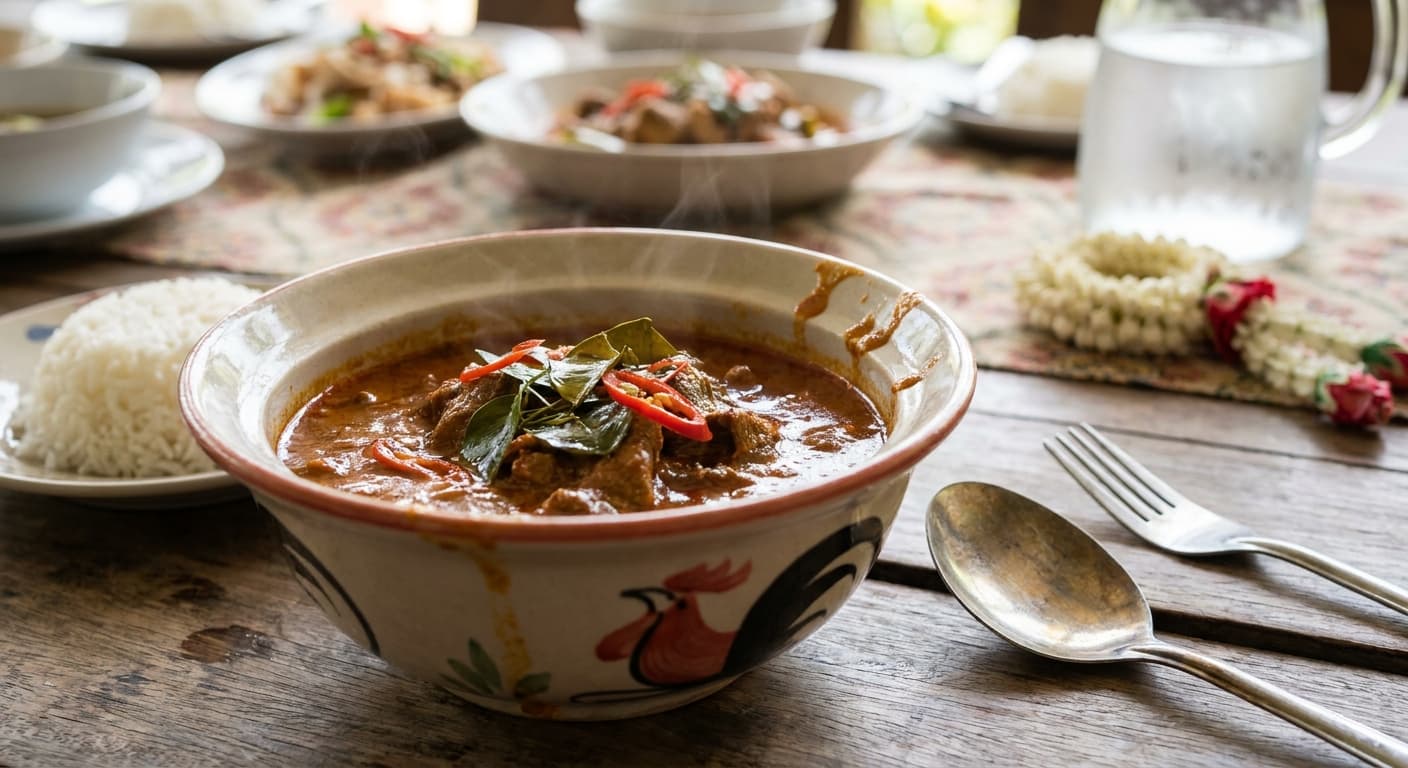
Panang Curry (แกงแพนง) — Rich Thai Coconut Beef Curry
Thai · Main Courses · 75 min
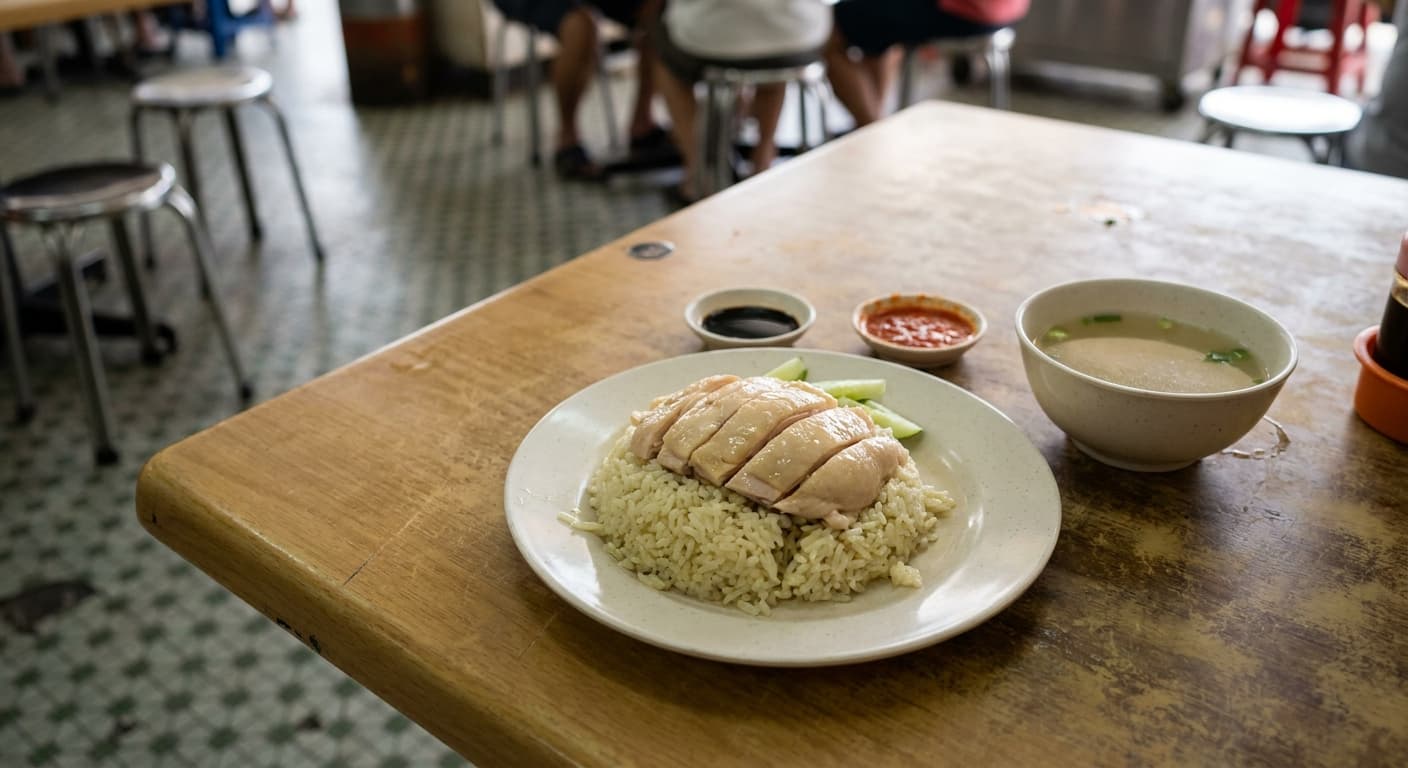
Hainanese Chicken Rice (Nasi Ayam Hainan) — Malaysian Kopitiam Classic
Malaysian · Main Courses · 110 min
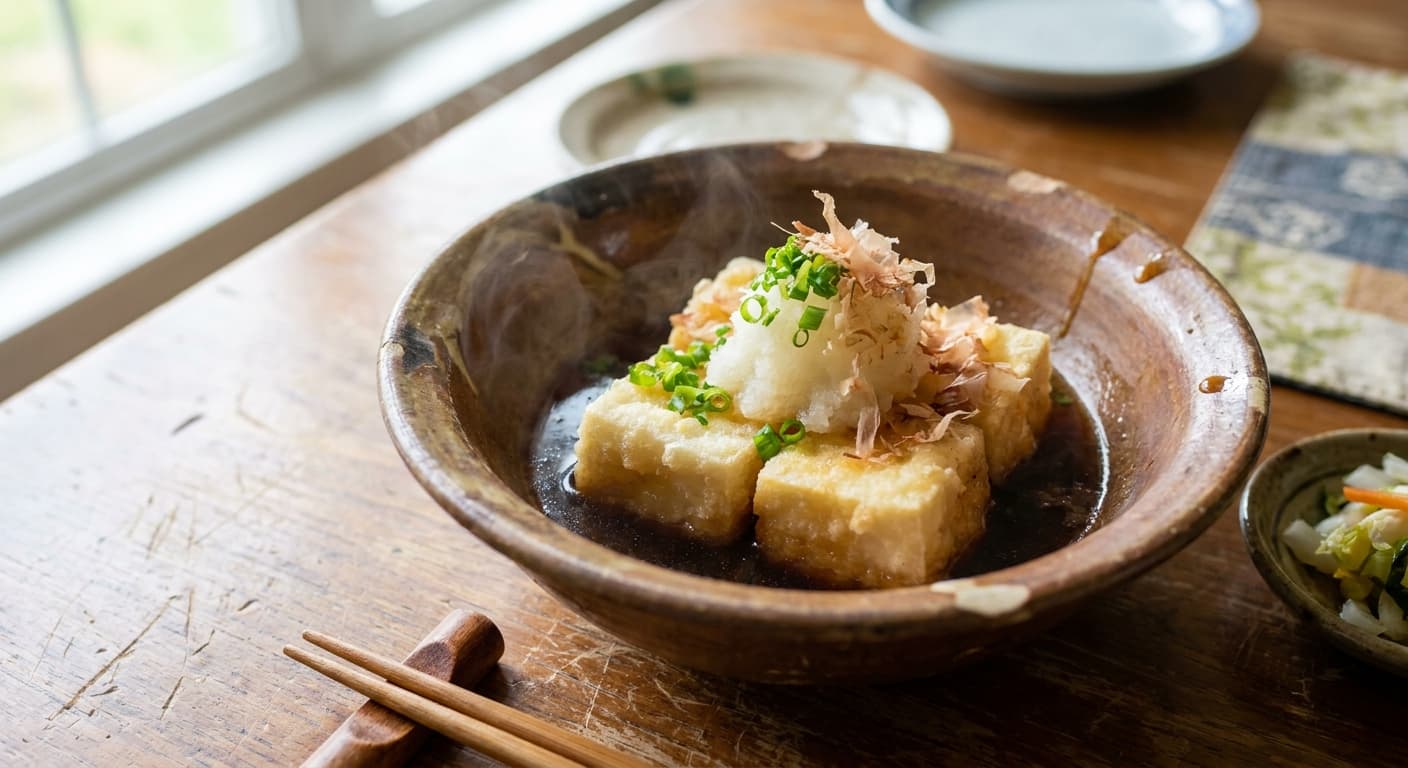
Agedashi Tofu (揚げ出し豆腐) — Crisp Tofu in Savory Broth
Japanese · Appetizers · 40 min
Reviews
Cooked this recipe?
Tap the stars to rate it — that's all it takes. A few words are welcome but optional.
No ratings yet. Cooked this one? Be the first to rate it — it takes one tap.