Mombar (ممبار) — Egyptian Rice-and-Herb Stuffed Intestines
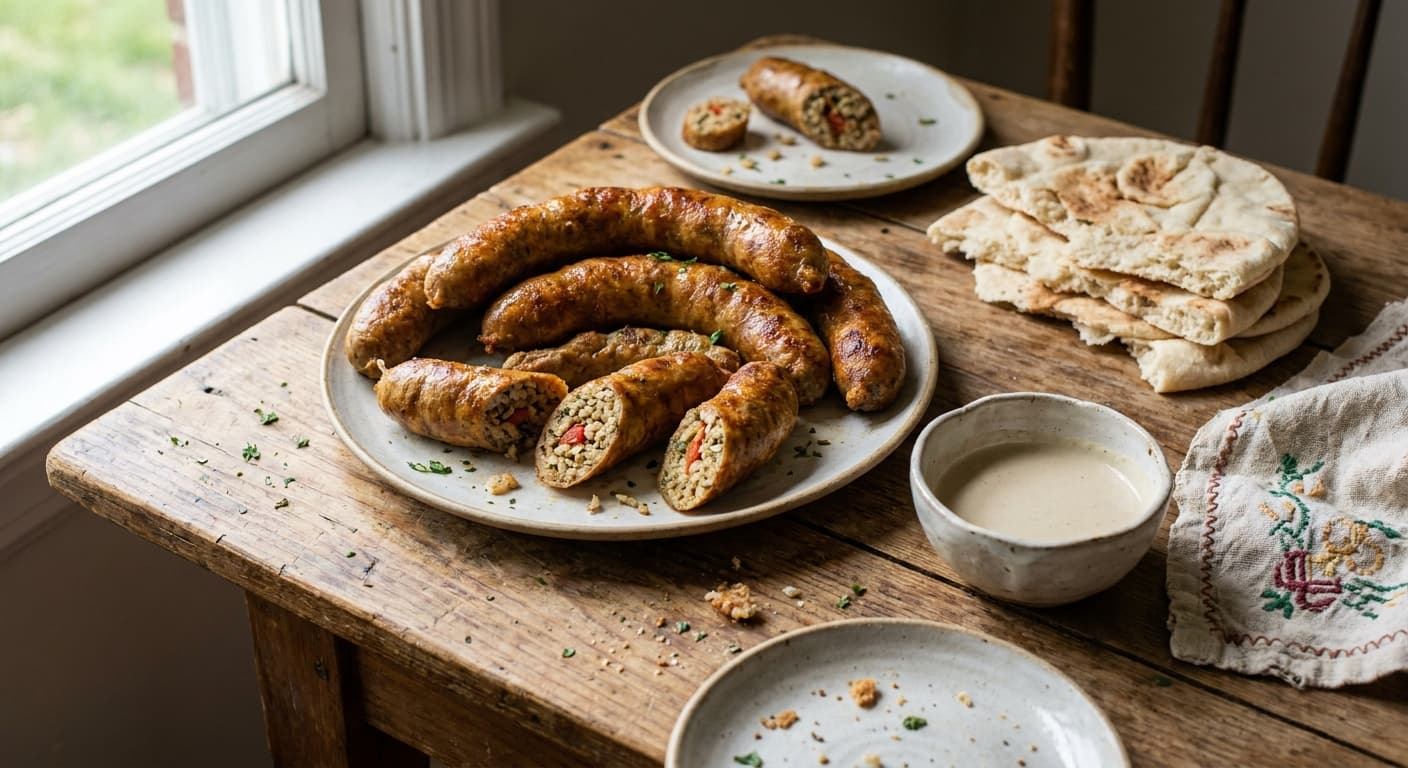
Mombar is an Egyptian favorite of beef intestines filled with fragrant rice, tomatoes, and fresh herbs, then simmered and fried until golden. Its filling belongs to the rice-and-herb mahshi tradition, making it a richly flavored centerpiece for family gatherings.
Printable Recipe Card
Servings: 6 · Total: 135 min · Difficulty: hard
Ingredients (quick list)
- 500 g beef intestines (Food-grade, professionally cleaned, unsalted, and ready for stuffing; approximately 2–3 meters of medium-width casing. Buy from a reputable halal butcher.)
- 300 g Egyptian short-grain white rice (Rinsed and thoroughly drained; do not precook.)
- 1 large onion (Approximately 180 g before peeling; finely grated.)
- 3 ripe tomatoes (Approximately 300 g total; finely chopped, retaining their juices.)
- 1 bunch flat-leaf parsley (Use 30 g of leaves and tender stems, finely chopped.)
- 1 bunch fresh cilantro (Use 30 g of leaves and tender stems, finely chopped.)
- 1 bunch fresh dill (Use 30 g of tender fronds and stems, finely chopped.)
- 3 clove garlic (Finely minced.)
- 30 g tomato paste
- 30 ml sunflower oil
- 2 tsp ground cumin
- 1 tsp ground coriander
+ 6 more in the full ingredients section below.
Steps (summary)
- Keep the professionally cleaned intestines refrigerated at 4°C or below until preparation begins. Check that the butcher has su…
- Follow the supplier's rinsing instructions, gently flushing the casings with cold potable water inside a deep bowl to contain s…
- Combine the drained raw rice, grated onion, tomatoes and their juices, parsley, cilantro, dill, garlic, tomato paste, and 30 ml…
- Secure one end of each casing with cotton kitchen string and use a wide funnel or sausage-stuffing attachment to introduce the…
- Bring the 3 l water, quartered onion, bay leaves, cardamom, and remaining 6 g salt to a boil in a wide 6–8 l pot. Lower the hea…
- Partially cover and simmer gently for 45–60 minutes, turning the casings carefully after 25 minutes. Check one thick section: t…
+ 3 more steps in the full instructions section below.
Cultural Background
Mombar reflects Egypt's resourceful use of offal and its affection for herb-rich rice stuffings. Samia Abdennour's Egyptian Cooking documents the broader home-cooking tradition surrounding such dishes; mombar is especially welcome at generous family meals and Eid al-Adha gatherings.
Equipment
💡 Tips
- Ask specifically for cleaned beef intestines suitable for Egyptian mombar; narrow sausage casings are not an equivalent replacement.
- Keep the filling loose enough that you can flatten each stuffed casing gently between your fingers before cooking.
- Use a gentle simmer rather than a rolling boil to protect the casings while the rice expands.
⚠️ Common Mistakes
❌ Packing the casing firmly with raw rice filling.
✅ Fix: Fill loosely to approximately half the expanded casing diameter and leave 3 cm empty at the open end before tying.
❌ Boiling vigorously, causing the casings to burst.
✅ Fix: Maintain a gentle simmer with small, steady bubbles and turn the mombar carefully.
❌ Frying wet mombar directly from the cooking pot.
✅ Fix: Drain for 10 minutes and pat completely dry before lowering it into the hot oil.
❌ Assuming browned casing means the rice and offal are fully cooked.
✅ Fix: Complete the poaching stage first, checking for tender rice, tender casing, and a center temperature of at least 74°C.
🧊 How to Store
Refrigerate cooked mombar in shallow covered containers within 2 hours and use within 3 days. Reheat at 190°C for 15–20 minutes, until the center reaches 74°C. Freeze cooled, poached mombar for up to 2 months; thaw overnight in the refrigerator before reheating and browning.
📅 Make Ahead
Poach the mombar up to 1 day ahead, cool promptly in a single layer, and refrigerate within 2 hours. Reheat to 74°C, dry thoroughly, and fry just before serving for the best exterior.
🍽️ Pairs Well With
- Aish baladi
- tahini sauce
- tomato-cucumber salad
- lemon wedges
- Egyptian pickled vegetables
Regional Variations
- Egyptian household versions vary the balance of dill, parsley, and cilantro, with tomato quantity also differing between cooks.
- Some Egyptian family recipes add minced beef to the rice filling, while others retain the rice-and-herb preparation used here.
- Related stuffed-intestine dishes elsewhere in the region use different names, seasonings, and grain mixtures; this version follows the Egyptian rice-and-herb style.
Ingredients
- 500 gbeef intestines (Food-grade, professionally cleaned, unsalted, and ready for stuffing; approximately 2–3 meters of medium-width casing. Buy from a reputable halal butcher.)
- 300 gEgyptian short-grain white rice (Rinsed and thoroughly drained; do not precook.)
- 1large onion (Approximately 180 g before peeling; finely grated.)
- 3ripe tomatoes (Approximately 300 g total; finely chopped, retaining their juices.)
- 1 bunchflat-leaf parsley (Use 30 g of leaves and tender stems, finely chopped.)
- 1 bunchfresh cilantro (Use 30 g of leaves and tender stems, finely chopped.)
- 1 bunchfresh dill (Use 30 g of tender fronds and stems, finely chopped.)
- 3 clovegarlic (Finely minced.)
- 30 gtomato paste
- 30 mlsunflower oil
- 2 tspground cumin
- 1 tspground coriander
- 0.5 tspground black pepper
- 6 gfine salt
- 3 lwater
- 1small onion (Approximately 100 g; peeled and quartered.)
- 2 leafbay leaves
- 4 podgreen cardamom (Lightly cracked.)
🔄 Substitutions
- Egyptian short-grain white rice→ 300 g medium-grain white rice
- Sunflower oil→ 30 ml refined corn oil for the filling and 500 ml for frying
- Fresh cilantro→ 1 additional bunch flat-leaf parsley, using 30 g trimmed leaves and tender stems
Instructions
- 1
Keep the professionally cleaned intestines refrigerated at 4°C or below until preparation begins. Check that the butcher has supplied ready-to-stuff casings rather than unprocessed intestines; home rinsing cannot make inadequately processed offal safe.
- 2
Follow the supplier's rinsing instructions, gently flushing the casings with cold potable water inside a deep bowl to contain splashes. Drain, trim away loose external fat, and cut into approximately 25–30 cm lengths, discarding any torn sections. Clean and sanitize the sink, utensils, and work surface after handling the raw intestines.
- 3
Combine the drained raw rice, grated onion, tomatoes and their juices, parsley, cilantro, dill, garlic, tomato paste, and 30 ml sunflower oil in a large bowl. Add the cumin, coriander, black pepper, and 6 g filling salt, then mix thoroughly so the herbs and seasonings are evenly distributed.
- 4
Secure one end of each casing with cotton kitchen string and use a wide funnel or sausage-stuffing attachment to introduce the filling. Fill loosely, leaving the casing pliable and approximately half its potential expanded diameter rather than tightly rounded, because the rice will swell considerably. Leave 3 cm empty at the open end and tie securely without compressing the filling.
- 5
Bring the 3 l water, quartered onion, bay leaves, cardamom, and remaining 6 g salt to a boil in a wide 6–8 l pot. Lower the heat to a gentle simmer and carefully add the stuffed casings, arranging them without tight packing. Keep the mombar submerged with a small heatproof plate if necessary.
- 6
Partially cover and simmer gently for 45–60 minutes, turning the casings carefully after 25 minutes. Check one thick section: the center must reach at least 74°C, the casing should be tender, and the rice should have no chalky core. If necessary, continue simmering in 10-minute increments until all three conditions are met.
- 7
Lift the cooked mombar onto a rack set over a tray and allow it to drain for 10 minutes. Pat every surface thoroughly dry with paper towels, then remove the kitchen string once the ends have set. Handle gently to avoid splitting the softened casings.
- 8
Heat the 500 ml sunflower oil in a 24 cm deep-sided skillet to 175°C, keeping the pan no more than half full. Fry the dry mombar in three batches for 4–6 minutes per batch, turning carefully until golden on all sides. Return the oil to 175°C between batches and drain the fried pieces on a clean rack.
- 9
Let the mombar rest for 3 minutes before serving so the filling settles. Serve whole or cut into thick sections, with aish baladi, tahini sauce, and a tomato-cucumber salad offered separately.
🪪 Recipe Passport
Cultural Background
Mombar reflects Egypt's resourceful use of offal and its affection for herb-rich rice stuffings. Samia Abdennour's Egyptian Cooking documents the broader home-cooking tradition surrounding such dishes; mombar is especially welcome at generous family meals and Eid al-Adha gatherings.
Regional Variations
Researched from multiple sources and validated by the Zaffaron editorial team. Every recipe is tested for accuracy, measurements, and cultural authenticity.
📚 Sources & Cultural References
- Samia Abdennour — Egyptian Cooking: A Practical Guide — (1988)
Sources cited by the Zaffaron editorial team during recipe research. Cultural and culinary references supporting authenticity claims.
Nutrition per serving
Pairs well with
If you enjoyed this recipe, here are a few related Zaffaron recipes to try next.
Does your family make this differently?
Every family has their own version. Maybe your grandmother adds a secret ingredient, or your aunt has a completely different technique. Preserve your family's version — with their name on it, forever.
You Might Also Like
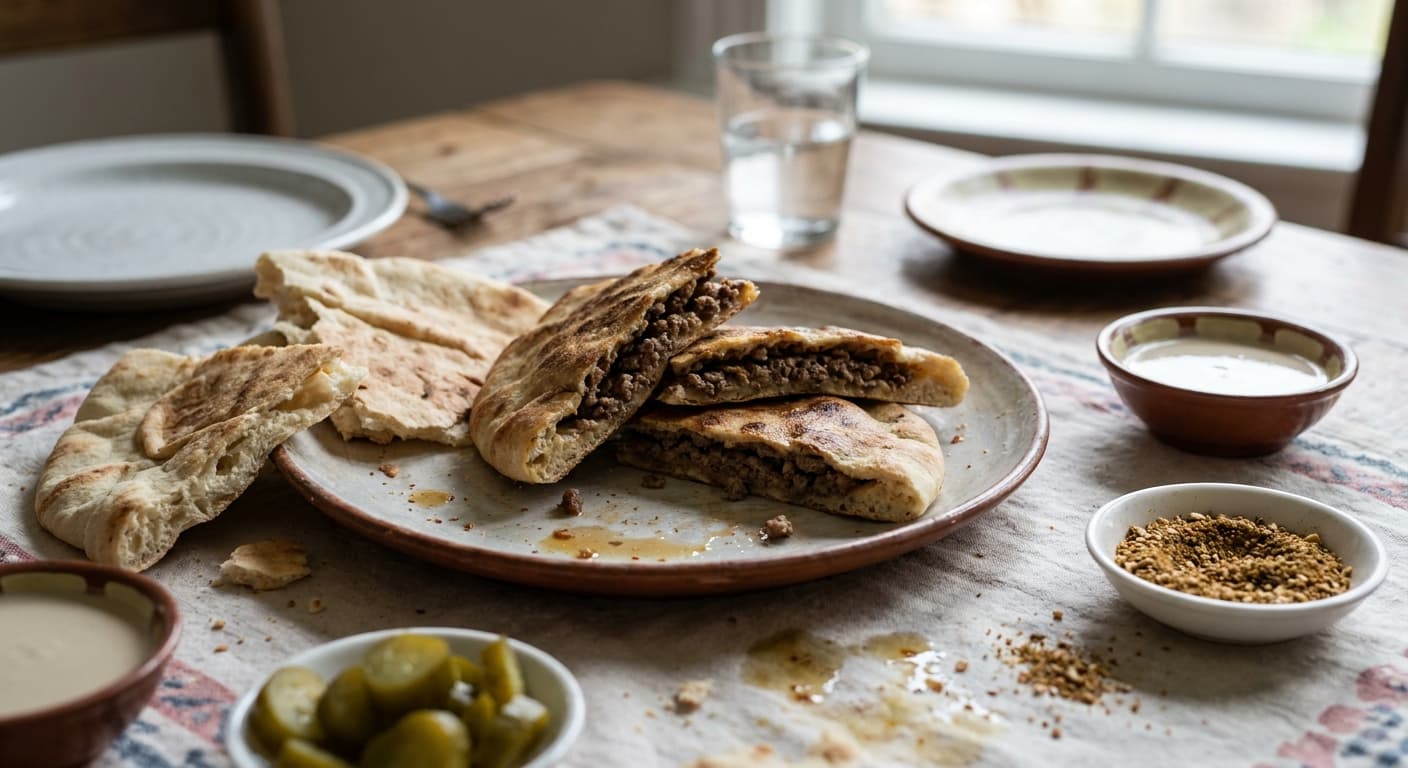
Hawawshi (حواوشي) — Egyptian Spiced Meat-Stuffed Baladi Bread
Egyptian · Main Courses · 55 min
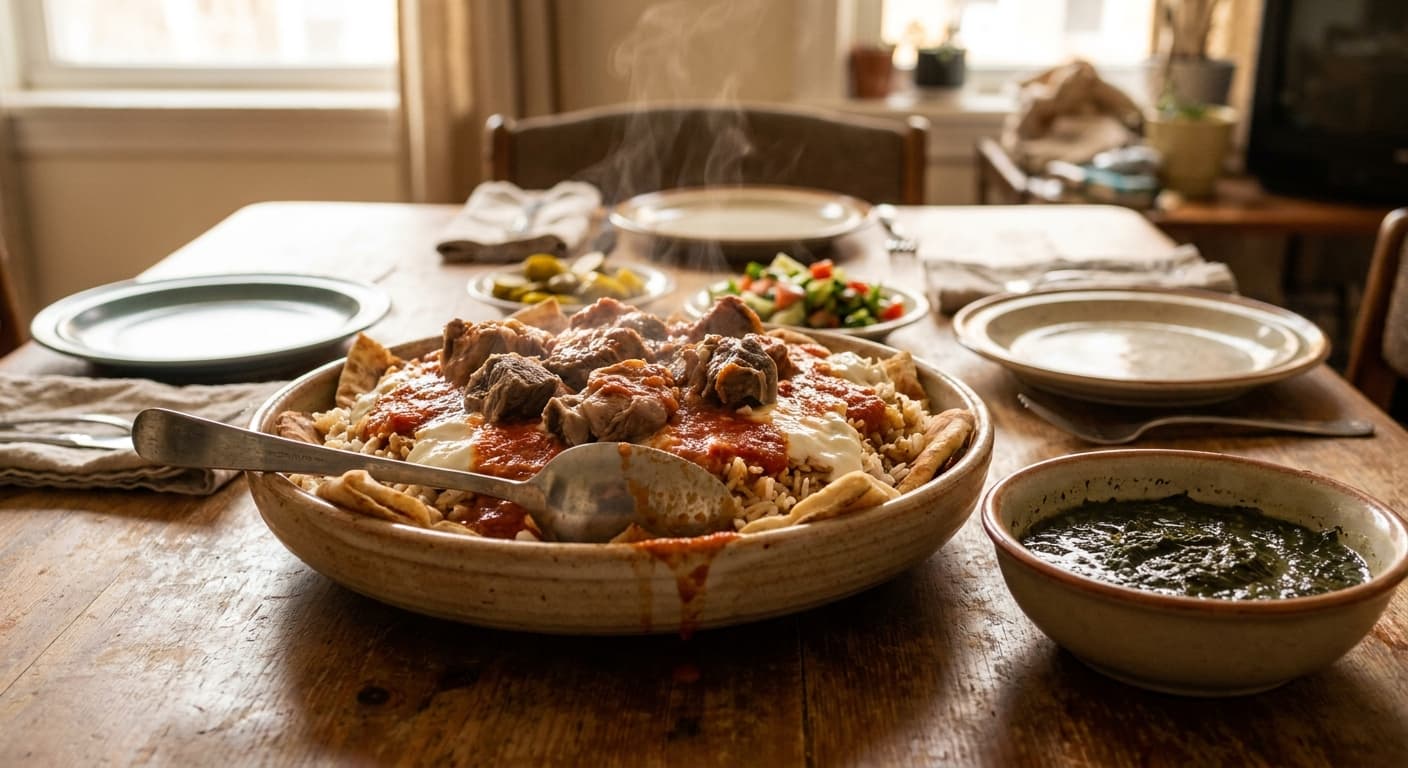
Egyptian Fatta (فتة) — Layered Meat, Rice, and Crisp Bread
Egyptian · Main Courses · 145 min
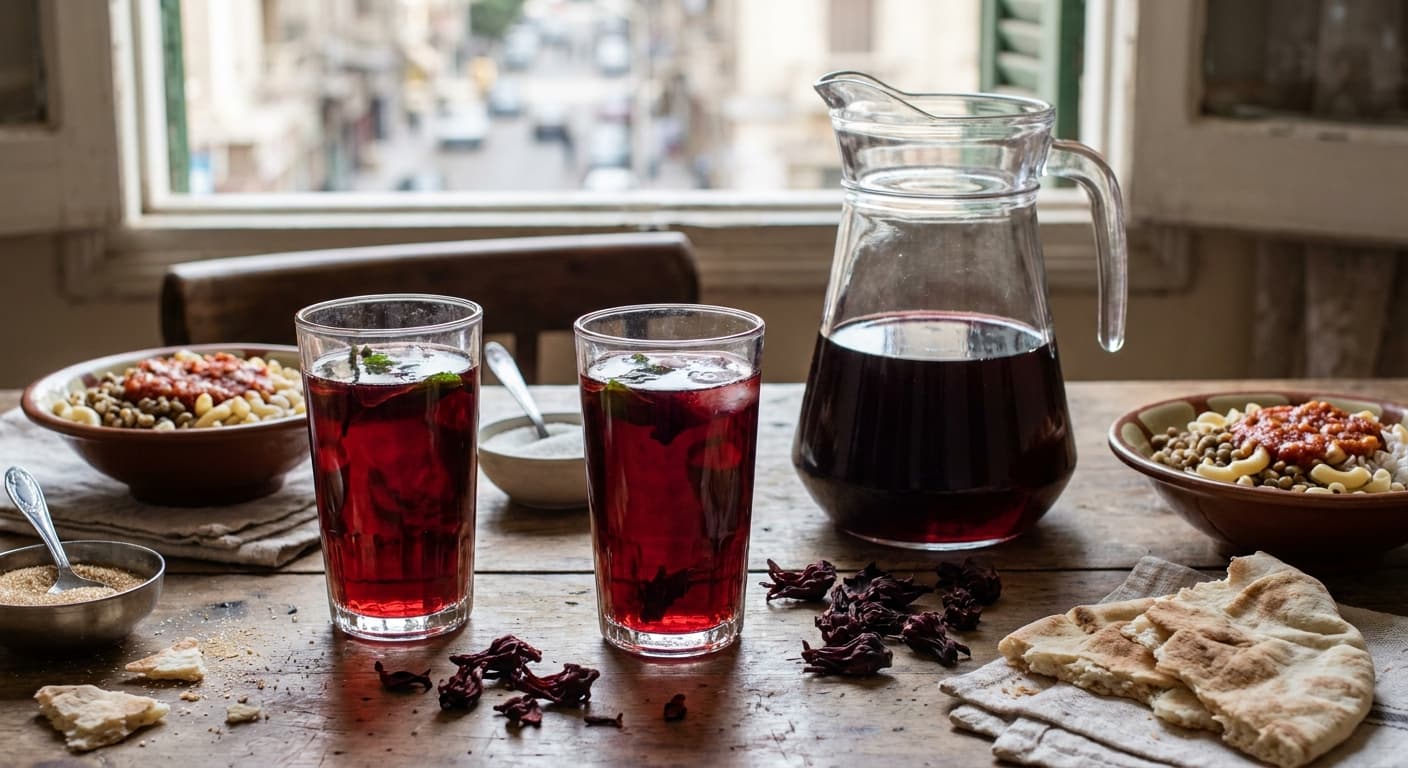
Egyptian Karkadeh (كركديه) — Chilled Hibiscus Tea
Egyptian · Drinks · 18 min
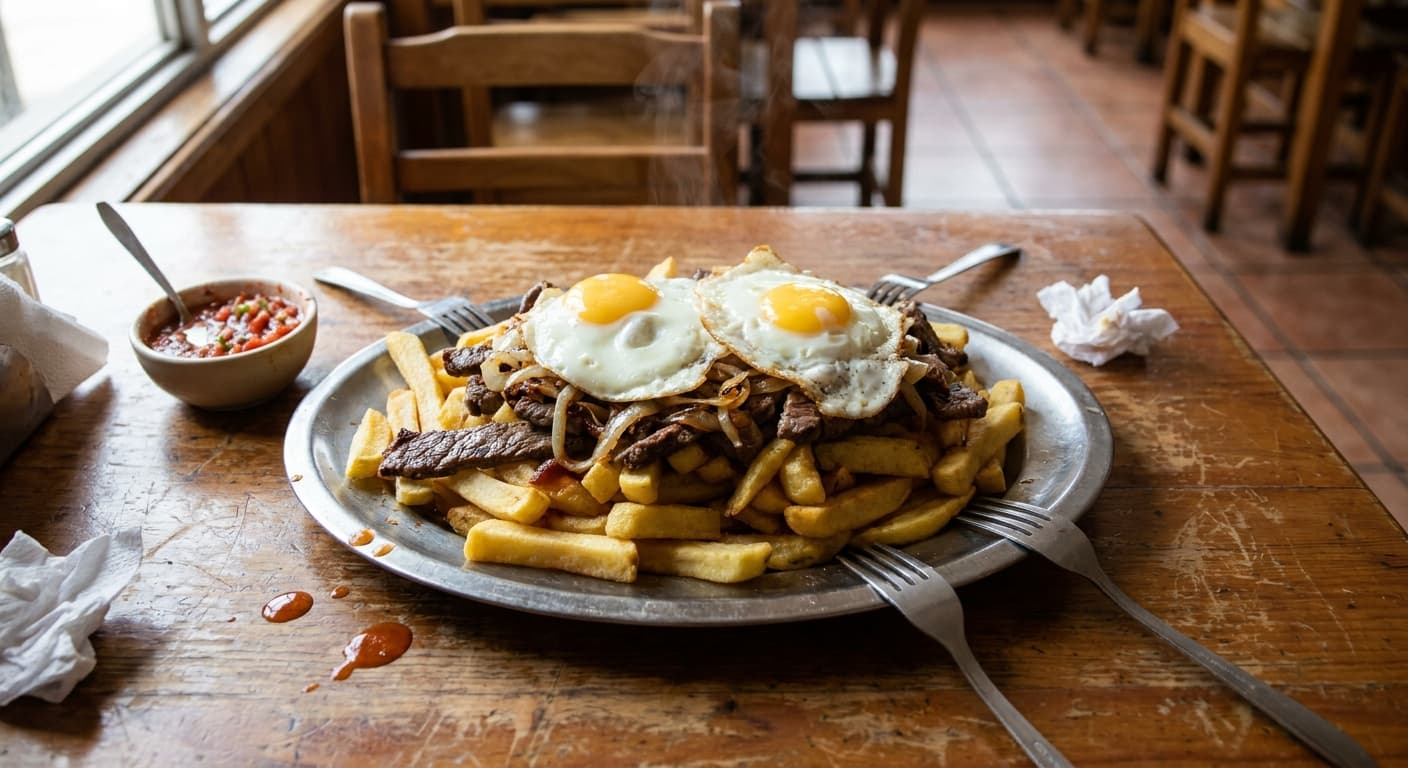
Chorrillana (Chorrillana) — Chilean Loaded Fries with Beef and Eggs
Chilean · Main Courses · 60 min
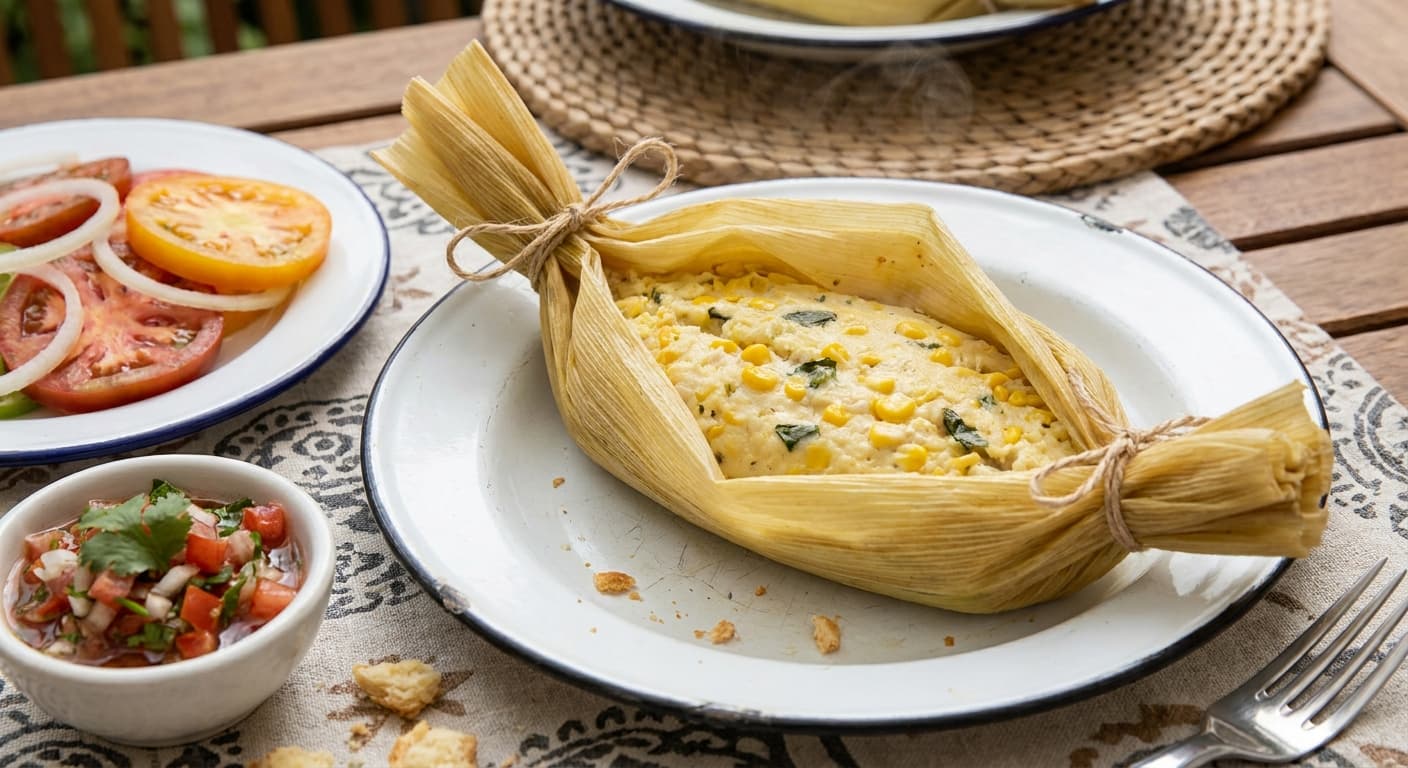
Chilean Humitas (Humitas) — Fresh Corn Parcels with Basil
Chilean · Main Courses · 90 min
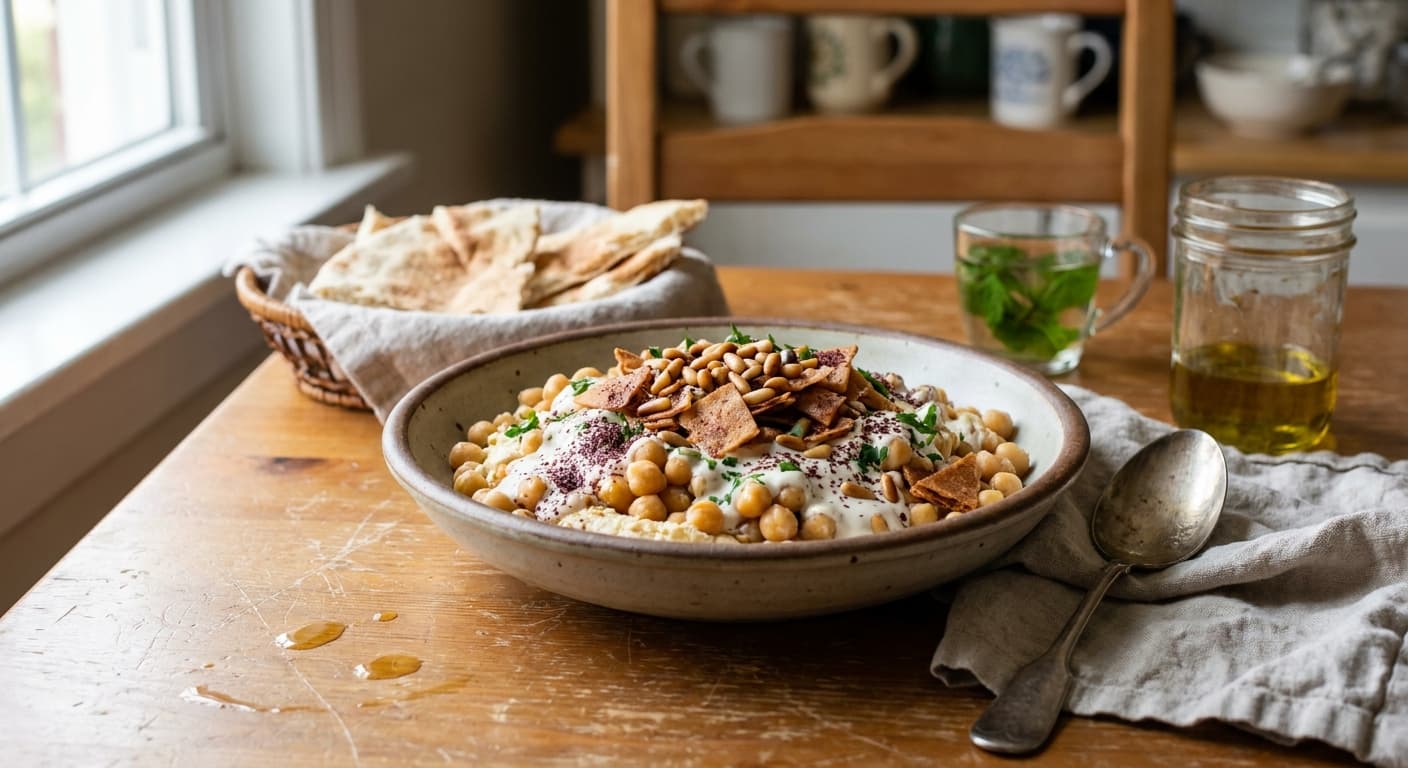
Fattet Hummus (فتة حمص) — Chickpeas with Yogurt and Crisp Bread
Lebanese · Main Courses · 30 min
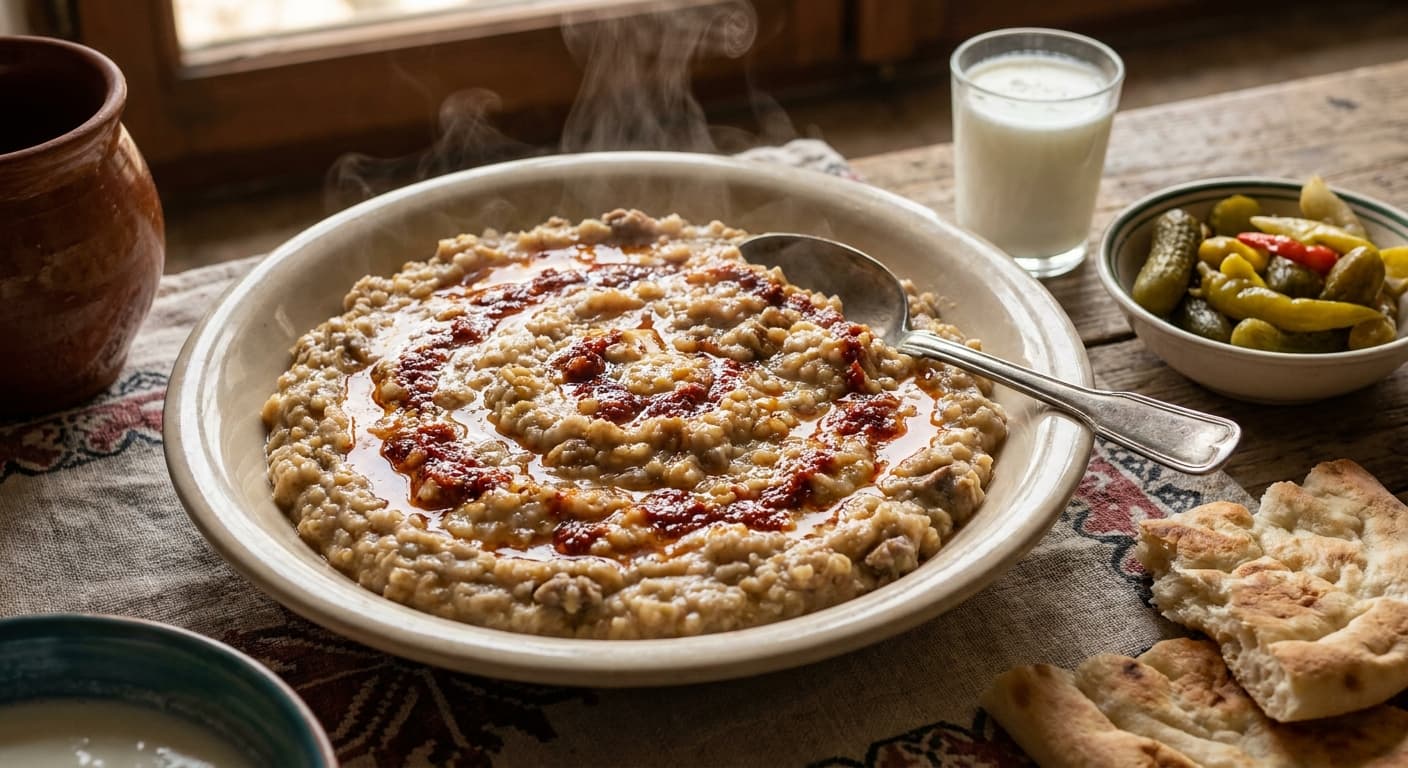
Keshkek (Keşkek) — Creamy Ceremonial Wheat and Lamb Stew
Turkish · Stews · 240 min
Pone Yay Gyi Curry (ပုန်းရည်ကြီးဟင်း) — Burmese Pork and Fermented Bean Paste
Burmese · Main Courses · 115 min
Reviews
Cooked this recipe?
Tap the stars to rate it — that's all it takes. A few words are welcome but optional.
No ratings yet. Cooked this one? Be the first to rate it — it takes one tap.