Halo-Halo (Halo-Halo) — Filipino Shaved Ice Dessert
Halo-halo is the Philippines’ exuberant shaved ice dessert, layered with sweet beans, fruits, jellies, milk, ube, flan, and ice cream. Its name means “mix-mix,” because every spoonful is stirred before eating.

Printable Recipe Card
Servings: 4 · Total: 40 min · Difficulty: easy
Ingredients (quick list)
- 4 ripe saba bananas (peeled and sliced 1 cm thick)
- 240 ml water
- 120 g light brown sugar
- 0.5 tsp fine sea salt
- 1 leaf pandan leaf (knotted)
- 160 g sweetened red mung beans (drained)
- 120 g sweetened garbanzo beans (drained)
- 120 g nata de coco (drained)
- 120 g macapuno strings (drained)
- 120 g kaong sugar palm fruit (drained)
- 100 g sweetened jackfruit (drained and cut into strips)
- 160 g ube halaya
+ 5 more in the full ingredients section below.
Steps (summary)
- Combine the water, brown sugar, salt, and pandan leaf in a small saucepan, then bring the mixture to a simmer over medium heat.…
- Add the sliced saba bananas and simmer gently for 10 to 12 minutes, until the fruit is tender but still holds its shape. Remove…
- Set out 4 tall glasses or dessert bowls and divide the sweetened mung beans, garbanzo beans, nata de coco, macapuno, kaong, jac…
- Pack 180 g of finely shaved ice into each glass, pressing lightly so the ice sits above the colorful layers without crushing th…
- Top each glass with 40 g of leche flan, 60 g of ube ice cream, and 6 g of toasted pinipig. Serve immediately with long spoons,…
Cultural Background
Halo-halo reflects Filipino layering of local preserves, tropical fruits, milk, and shaved ice into a communal warm-weather treat. It is especially loved as merienda, at fiestas, and in neighborhood refreshment shops.
Equipment
💡 Tips
- Use the finest shaved ice you can make, because coarse crushed ice melts unevenly and makes the dessert watery.
- Chill all jarred toppings, milk, glasses, and cooked saba before assembly so the halo-halo stays icy longer.
- Drain syrupy preserves well, then add only 1 tbsp of syrup per glass if you prefer a sweeter, more liquid dessert.
⚠️ Common Mistakes
❌ Using large, hard ice chunks
✅ Fix: Shave the ice finely or pulse crushed ice until fluffy, because halo-halo should mix into a slushy dessert rather than a crunchy drink.
❌ Adding too much syrup from the preserves
✅ Fix: Drain the toppings before measuring them, then add extra syrup only in measured spoonfuls if the finished dessert needs more sweetness.
❌ Assembling too far ahead
✅ Fix: Prepare the components early, but build the glasses at the last minute so the ice, milk, flan, and ice cream stay distinct.
🧊 How to Store
Store each component separately in airtight containers. The sweetened saba keeps refrigerated for 5 days, and drained jarred toppings keep for 3 days. Assemble only just before serving because shaved ice cannot be stored or reheated.
📅 Make Ahead
Cook the saba bananas up to 5 days ahead and keep them chilled in their syrup. Drain and portion the jarred toppings up to 1 day ahead, but shave the ice and assemble only when ready to serve.
🍽️ Pairs Well With
- Puto
- bibingka
- turon
- salabat
- strong iced coffee.
Regional Variations
- Razon-style halo-halo is famously spare, often built around sweetened saba, macapuno, finely shaved ice, milk, and leche flan.
- Some versions add sweet corn, gulaman cubes, sago pearls, or langka depending on the household and the season.
- Fiesta versions may be served in large bowls for sharing, with extra leche flan and multiple ice cream flavors.
Ingredients
- 4ripe saba bananas (peeled and sliced 1 cm thick)
- 240 mlwater
- 120 glight brown sugar
- 0.5 tspfine sea salt
- 1 leafpandan leaf (knotted)
- 160 gsweetened red mung beans (drained)
- 120 gsweetened garbanzo beans (drained)
- 120 gnata de coco (drained)
- 120 gmacapuno strings (drained)
- 120 gkaong sugar palm fruit (drained)
- 100 gsweetened jackfruit (drained and cut into strips)
- 160 gube halaya
- 720 gfinely shaved ice
- 300 mlevaporated milk (well chilled)
- 160 gleche flan (cut into 4 equal slices)
- 240 gube ice cream (4 small scoops)
- 24 gtoasted pinipig
🔄 Substitutions
- saba bananas→ ripe plantains
- ube ice cream→ mango ice cream
- pinipig→ toasted young rice flakes
Instructions
- 1
Combine the water, brown sugar, salt, and pandan leaf in a small saucepan, then bring the mixture to a simmer over medium heat. Stir until the sugar dissolves completely, which should take about 2 minutes.
- 2
Add the sliced saba bananas and simmer gently for 10 to 12 minutes, until the fruit is tender but still holds its shape. Remove the pandan leaf, transfer the bananas and syrup to a bowl, and cool them completely before assembling the dessert.
- 3
Set out 4 tall glasses or dessert bowls and divide the sweetened mung beans, garbanzo beans, nata de coco, macapuno, kaong, jackfruit, sweetened saba, and ube halaya evenly among them. Layering the heavier ingredients first keeps the shaved ice from collapsing too quickly.
- 4
Pack 180 g of finely shaved ice into each glass, pressing lightly so the ice sits above the colorful layers without crushing them. Pour 75 ml of chilled evaporated milk over each portion, allowing it to seep down through the ice.
- 5
Top each glass with 40 g of leche flan, 60 g of ube ice cream, and 6 g of toasted pinipig. Serve immediately with long spoons, and instruct diners to mix thoroughly from bottom to top before eating.
🪪 Recipe Passport
Cultural Background
Halo-halo reflects Filipino layering of local preserves, tropical fruits, milk, and shaved ice into a communal warm-weather treat. It is especially loved as merienda, at fiestas, and in neighborhood refreshment shops.
Regional Variations
Researched from multiple sources and validated by the Zaffaron editorial team. Every recipe is tested for accuracy, measurements, and cultural authenticity.
📚 Sources & Cultural References
- Amy Besa and Romy Dorotan — Memories of Philippine Kitchens — (2006)
- Doreen G. Fernandez — Tikim: Essays on Philippine Food and Culture — (1994)
Sources cited by the Zaffaron editorial team during recipe research. Cultural and culinary references supporting authenticity claims.
Nutrition per serving
Pairs well with
If you enjoyed this recipe, here are a few related Zaffaron recipes to try next.
Does your family make this differently?
Every family has their own version. Maybe your grandmother adds a secret ingredient, or your aunt has a completely different technique. Preserve your family's version — with their name on it, forever.
You Might Also Like
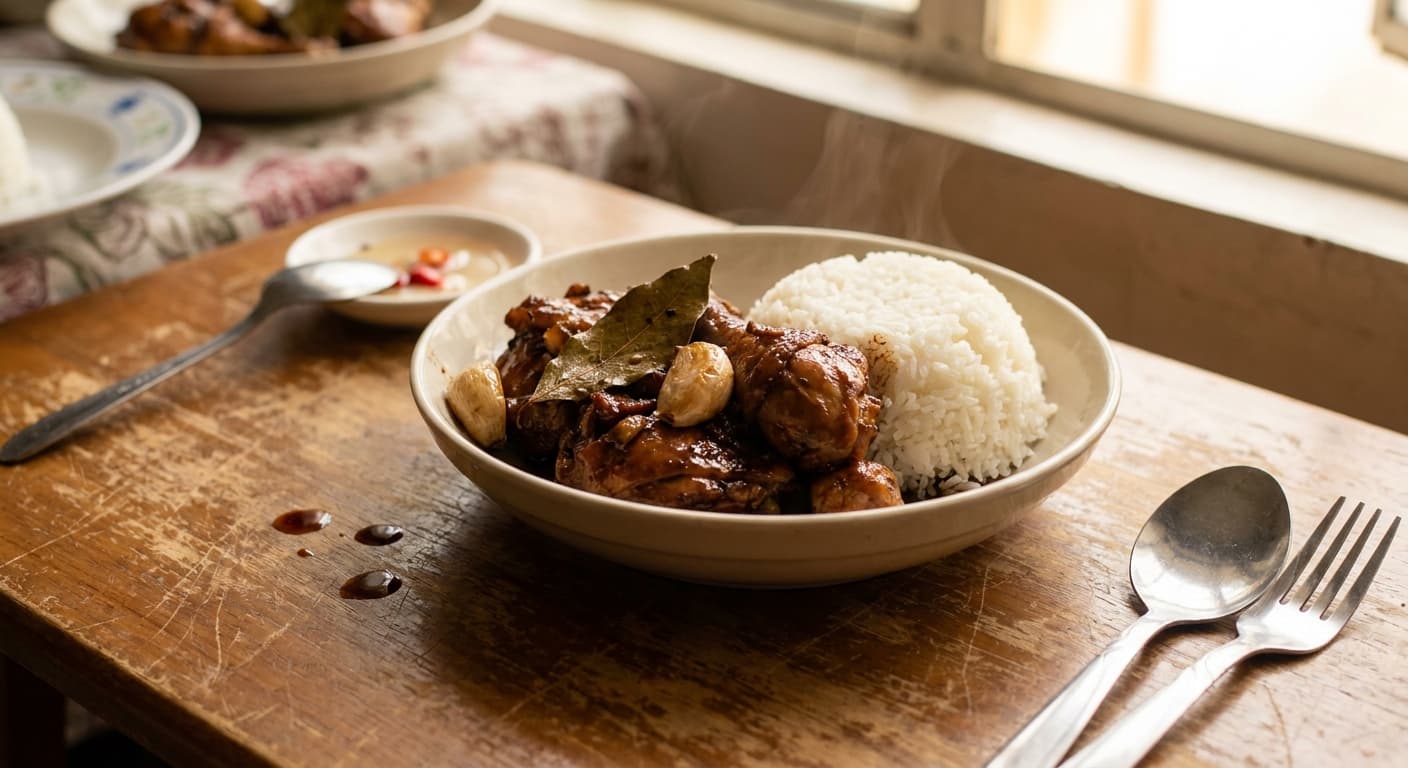
Chicken Adobo (Adobong Manok) — Filipino Soy-Vinegar Braised Chicken
Filipino · Main Courses · 90 min
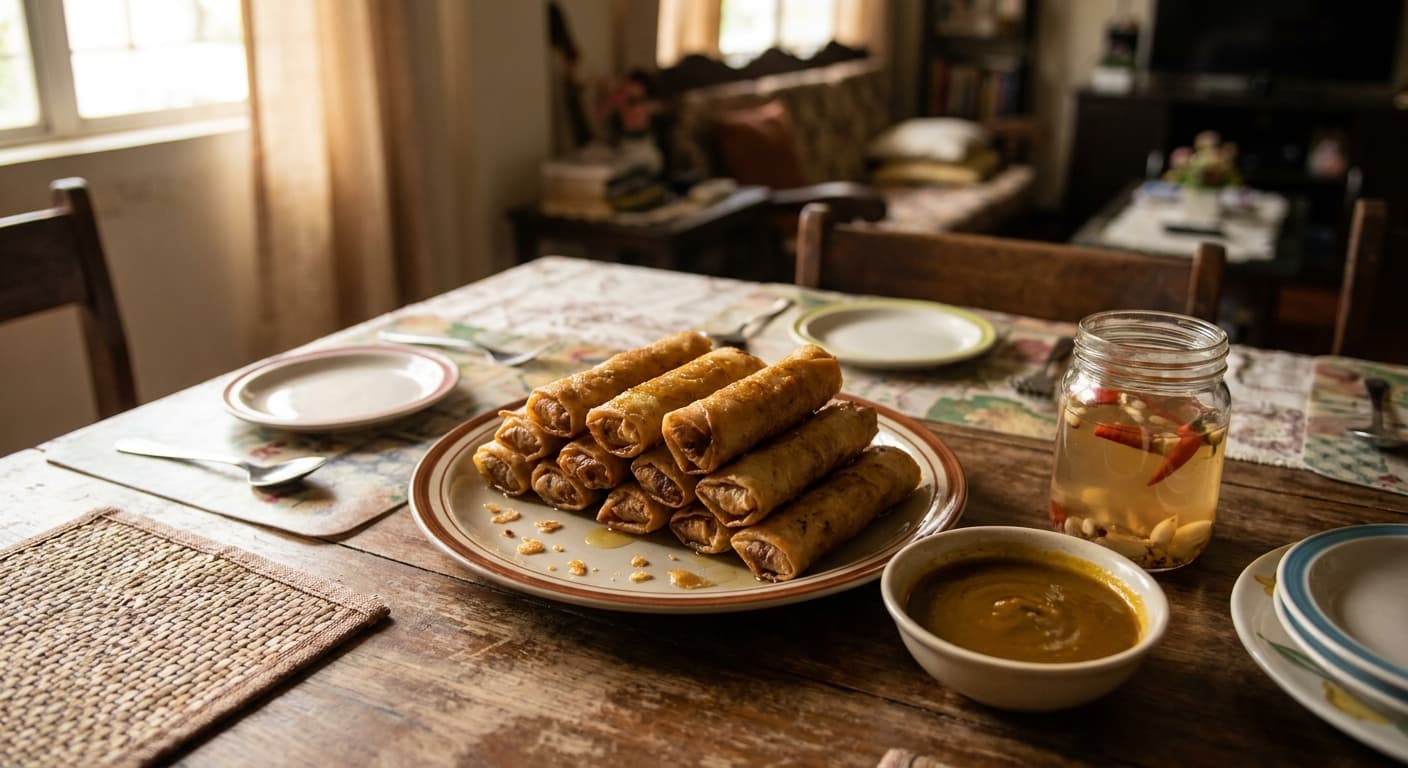
Lumpia Shanghai (Lumpiang Shanghai) — Crispy Filipino Pork Spring Rolls
Filipino · Appetizers · 65 min
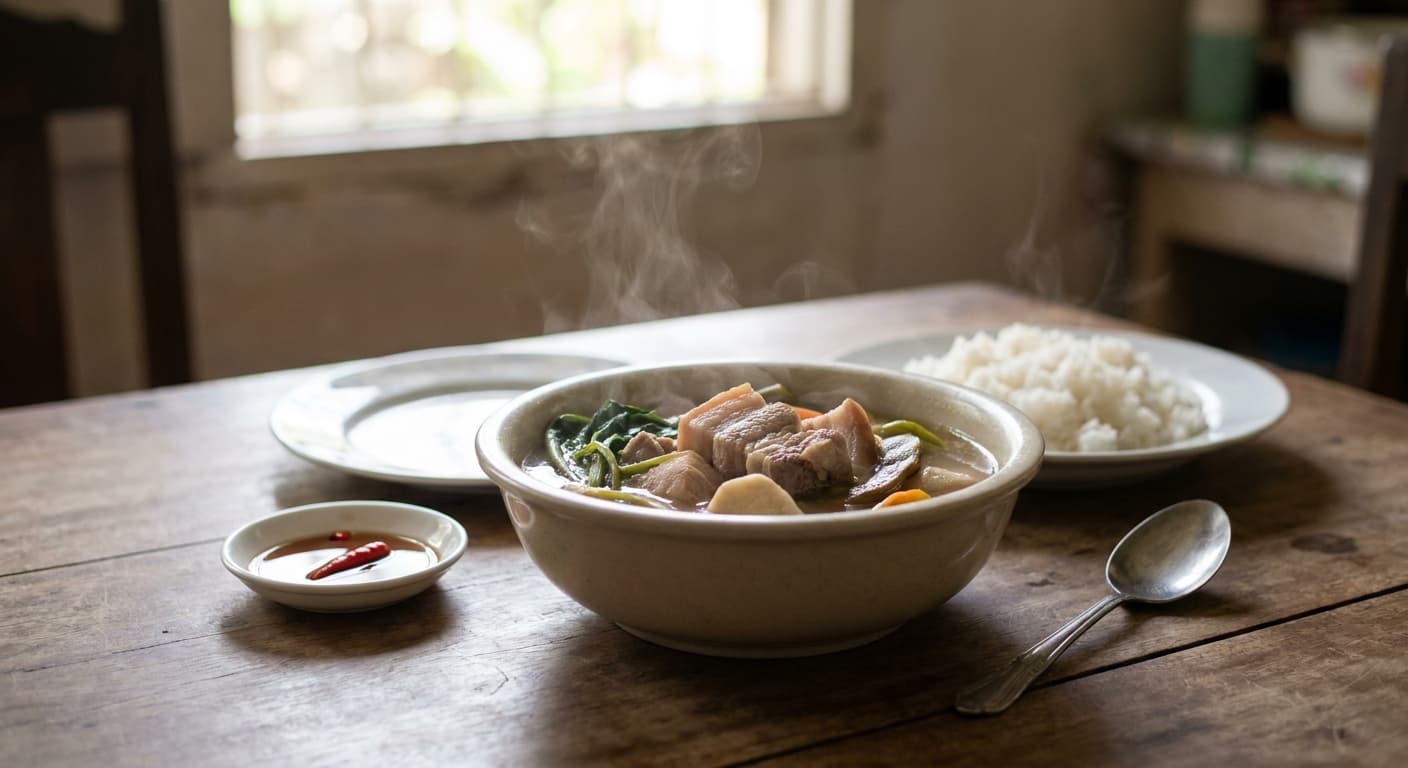
Pork Sinigang (Sinigang na Baboy) — Filipino Tamarind-Sour Pork Soup
Filipino · Soups · 120 min
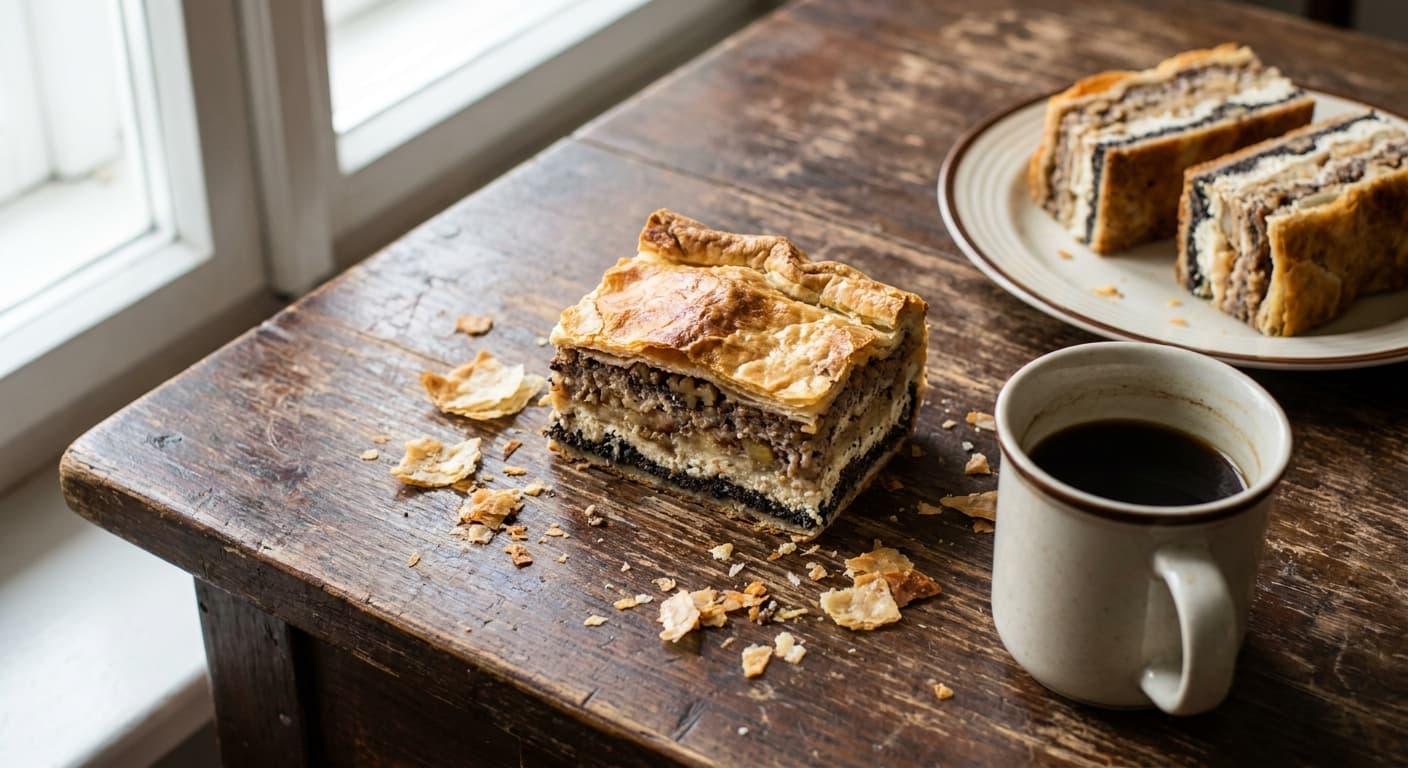
Prekmurje Layer Cake (Prekmurska gibanica) — Slovenian Festival Layer Pastry
Slovenian · Desserts · 185 min

Chimney Cake (Kürtőskalács) — Hungarian Spiral Pastry with Cinnamon Sugar
Hungarian · Desserts · 59 min
Beef Rendang (Rendang Daging) — Slow-Braised Coconut Beef
Indonesian · Main Courses · 245 min
Roti Canai (Roti Canai) — Flaky Malaysian Griddle Flatbread
Malaysian · Breads · 330 min
Saba Shioyaki (鯖の塩焼き) — Japanese Salt-Grilled Mackerel
Japanese · Main Courses · 35 min
Reviews
Cooked this recipe?
Tap the stars to rate it — that's all it takes. A few words are welcome but optional.
No ratings yet. Cooked this one? Be the first to rate it — it takes one tap.