Kabab-e Digi (کباب دیگی) — Persian Slow-Braised Sumac Kebab
A comforting Persian home-style kebab made by layering beef, onions, and potatoes, then slow-braising until tender. Sumac adds a signature tartness and rosy color, creating a deeply savory, family-style one-pot meal.
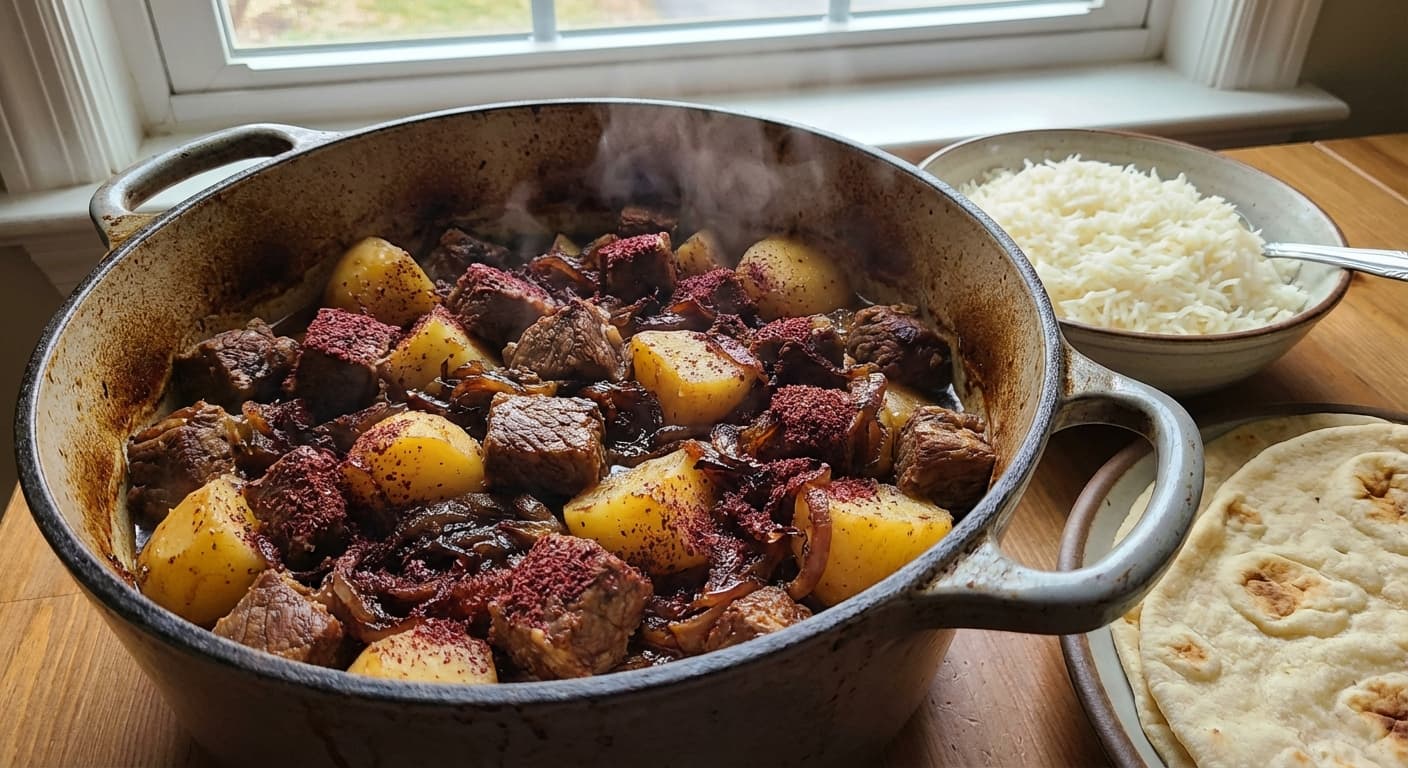
Printable Recipe Card
Servings: 4 · Total: 130 min · Difficulty: medium
Ingredients (quick list)
- 700 g Beef sirloin, cut into 3 cm cubes (Trim excess surface fat; keep some marbling for tenderness)
- 450 g Yellow onions, thinly sliced (About 3 medium; slice into half-moons)
- 650 g Potatoes, peeled and cut into 2.5 cm chunks (Waxy or all-purpose potatoes hold shape best)
- 14 g Ground sumac (About 2 tablespoons; use fresh, bright-red sumac for best tartness)
- 10 g Fine sea salt (About 1 3/4 teaspoons; adjust at the end to taste)
- 2 g Black pepper, freshly ground (About 1 teaspoon)
- 45 ml Neutral cooking oil (About 3 tablespoons; sunflower, canola, or grapeseed)
- 360 ml Water (About 1 1/2 cups; add more only if needed during braise)
Steps (summary)
- Prepare the ingredients for even cooking: slice the onions into thin half-moons and cut the potatoes into 2.5 cm chunks. Pat th…
- Heat a heavy pot or Dutch oven (4–5 L) over medium-high heat for 2 minutes. Add the oil and warm 30 seconds. Add the beef in a…
- Add the sliced onions to the same pot and sauté over medium heat for 8–10 minutes, stirring often, until softened and lightly g…
- Layer for a traditional slow braise: spread half the onions across the bottom, then add half the potatoes. Return all seared be…
- Pour in 360 ml water around the edges (avoid washing seasoning off the top). Bring to a gentle simmer over medium heat, about 6…
- After 75 minutes, check tenderness: the beef should yield easily to a fork and the potatoes should be soft but not disintegrati…
+ 1 more steps in the full instructions section below.
Cultural Background
Kabab-e Digi is a home-style Persian dish often cooked in a single pot, where layering helps flavors meld during a slow braise. Sumac is widely used across the Middle East and neighboring regions, valued for its tart, citrus-like taste and its ability to brighten rich meats and onions.
Equipment
💡 Tips
- Use a heavy-bottomed pot with a tight lid; steady low heat prevents scorching and keeps the beef tender.
- Fresh sumac should smell citrusy and look deep red; dull brown sumac tastes dusty and less tart.
- If your potatoes tend to break down, cut them slightly larger (3 cm) and avoid vigorous boiling.
- For a deeper color and tartness, reserve 1 teaspoon sumac and sprinkle it on the finished dish right before serving.
⚠️ Common Mistakes
❌ Boiling hard instead of gently simmering
💡 Why: A rolling boil can toughen the beef and break potatoes into the sauce.
✅ Fix: Once simmering, reduce to low so only small bubbles appear; use a heat diffuser if your burner runs hot.
❌ Skipping the beef sear
💡 Why: Without browning, the dish can taste flat and watery.
✅ Fix: Sear in batches over medium-high heat until browned, then proceed with onions to dissolve the browned bits.
❌ Adding too much water at the start
💡 Why: Excess liquid dilutes sumac’s tartness and prevents the sauce from becoming glossy.
✅ Fix: Start with 360 ml, then add only 60 ml at a time if the pot is drying out during the braise.
❌ Using old, stale sumac
💡 Why: Stale sumac loses its citrus aroma and can taste dusty, reducing the dish’s signature brightness.
✅ Fix: Buy from a high-turnover spice source, store airtight away from heat, and refresh if aroma is weak.
🧊 How to Store
Cool to room temperature within 2 hours, then refrigerate in an airtight container for up to 3 days. Reheat covered on the stovetop over low heat with 30–60 ml water until hot throughout, 10–15 minutes. Freeze up to 2 months; thaw overnight in the refrigerator before reheating.
📅 Make Ahead
You can slice onions and cut potatoes up to 12 hours ahead; store onions refrigerated and keep potatoes submerged in cold water, then drain and dry before cooking. The finished dish tastes even better the next day; refrigerate overnight and reheat gently on the stovetop.
🍽️ Pairs Well With
- Steamed basmati rice
- Plain yogurt or cucumber yogurt
- Fresh herbs and radishes
- Pickles and sliced tomatoes
Regional Variations
- Tehran-style home cookingOften uses a heavier onion layer to create a more abundant sauce, with sumac added both during cooking and again at the table for extra tartness.
- Northwestern Iran (Azerbaijan region)May lean more heavily on sour notes by increasing sumac slightly and allowing a longer uncovered reduction to concentrate the tangy onion gravy.
Ingredients
- 700 gBeef sirloin, cut into 3 cm cubes (Trim excess surface fat; keep some marbling for tenderness)
- 450 gYellow onions, thinly sliced (About 3 medium; slice into half-moons)
- 650 gPotatoes, peeled and cut into 2.5 cm chunks (Waxy or all-purpose potatoes hold shape best)
- 14 gGround sumac (About 2 tablespoons; use fresh, bright-red sumac for best tartness)
- 10 gFine sea salt (About 1 3/4 teaspoons; adjust at the end to taste)
- 2 gBlack pepper, freshly ground (About 1 teaspoon)
- 45 mlNeutral cooking oil (About 3 tablespoons; sunflower, canola, or grapeseed)
- 360 mlWater (About 1 1/2 cups; add more only if needed during braise)
🔄 Substitutions
- Beef sirloin→ Beef chuck (boneless), cut into 3 cm cubes
- Neutral cooking oil→ Ghee or clarified butter
- Potatoes→ Turnips, cut into 2.5 cm chunks
Instructions
- 1
Prepare the ingredients for even cooking: slice the onions into thin half-moons and cut the potatoes into 2.5 cm chunks. Pat the beef dry with paper towels so it browns instead of steaming. In a small bowl, mix the sumac, salt, and black pepper so seasoning distributes evenly during layering.
- 2
Heat a heavy pot or Dutch oven (4–5 L) over medium-high heat for 2 minutes. Add the oil and warm 30 seconds. Add the beef in a single layer (work in 2 batches if needed) and sear 3–4 minutes per side until browned. Transfer browned beef to a plate; keep the pot over medium heat.
- 3
Add the sliced onions to the same pot and sauté over medium heat for 8–10 minutes, stirring often, until softened and lightly golden. If the pot looks dry, add 1 tablespoon water and scrape up browned bits. These caramelized bits deepen the braising liquid and prevent a flat, boiled flavor.
- 4
Layer for a traditional slow braise: spread half the onions across the bottom, then add half the potatoes. Return all seared beef in an even layer, then top with the remaining potatoes and onions. Sprinkle the sumac-salt-pepper mixture evenly over the top so it perfumes the steam as the dish cooks.
- 5
Pour in 360 ml water around the edges (avoid washing seasoning off the top). Bring to a gentle simmer over medium heat, about 6–8 minutes. Once you see steady small bubbles, reduce heat to low, cover tightly, and braise for 75 minutes, maintaining a quiet simmer rather than a rolling boil.
- 6
After 75 minutes, check tenderness: the beef should yield easily to a fork and the potatoes should be soft but not disintegrating. If needed, continue cooking 10–20 minutes more on low. If the pot is drying out, add 60 ml water, cover, and return to a gentle simmer.
- 7
Uncover and cook 8–12 minutes over medium-low to reduce the liquid into a glossy sauce that clings to the onions. Taste and adjust salt if needed. Rest off heat, covered, for 10 minutes so juices settle. Serve family-style, spooning some of the tangy onion-sumac sauce over each portion.
🪪 Recipe Passport
Cultural Background
Kabab-e Digi is a home-style Persian dish often cooked in a single pot, where layering helps flavors meld during a slow braise. Sumac is widely used across the Middle East and neighboring regions, valued for its tart, citrus-like taste and its ability to brighten rich meats and onions.
Regional Variations
Researched from multiple sources and validated by the Zaffaron editorial team. Every recipe is tested for accuracy, measurements, and cultural authenticity.
Nutrition per serving
Pairs well with
If you enjoyed this recipe, here are a few related Zaffaron recipes to try next.
Does your family make this differently?
Every family has their own version. Maybe your grandmother adds a secret ingredient, or your aunt has a completely different technique. Preserve your family's version — with their name on it, forever.
You Might Also Like
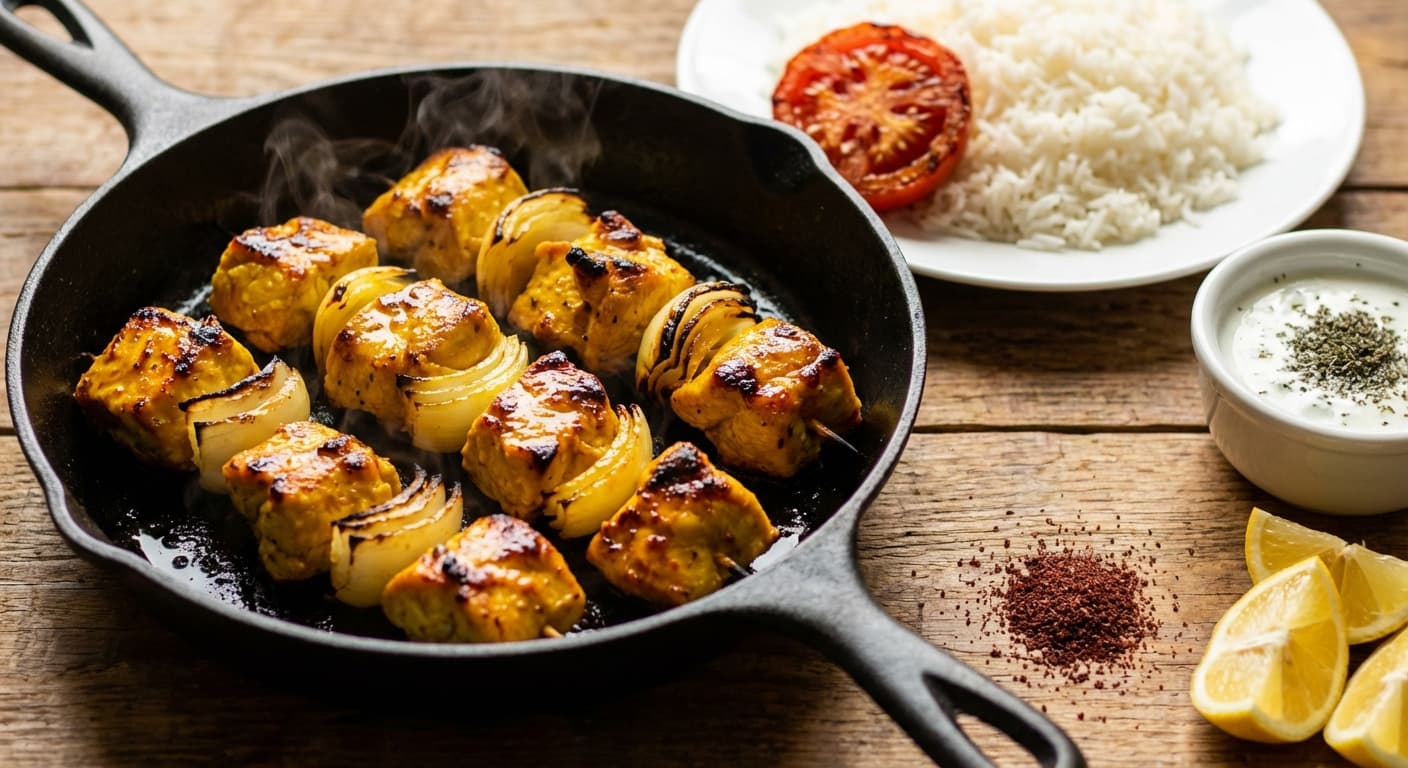
Pan-Seared Joojeh Kebab (جوجه کباب تابهای) — Persian Saffron Skillet Chicken
Persian · Kebabs · 34 min
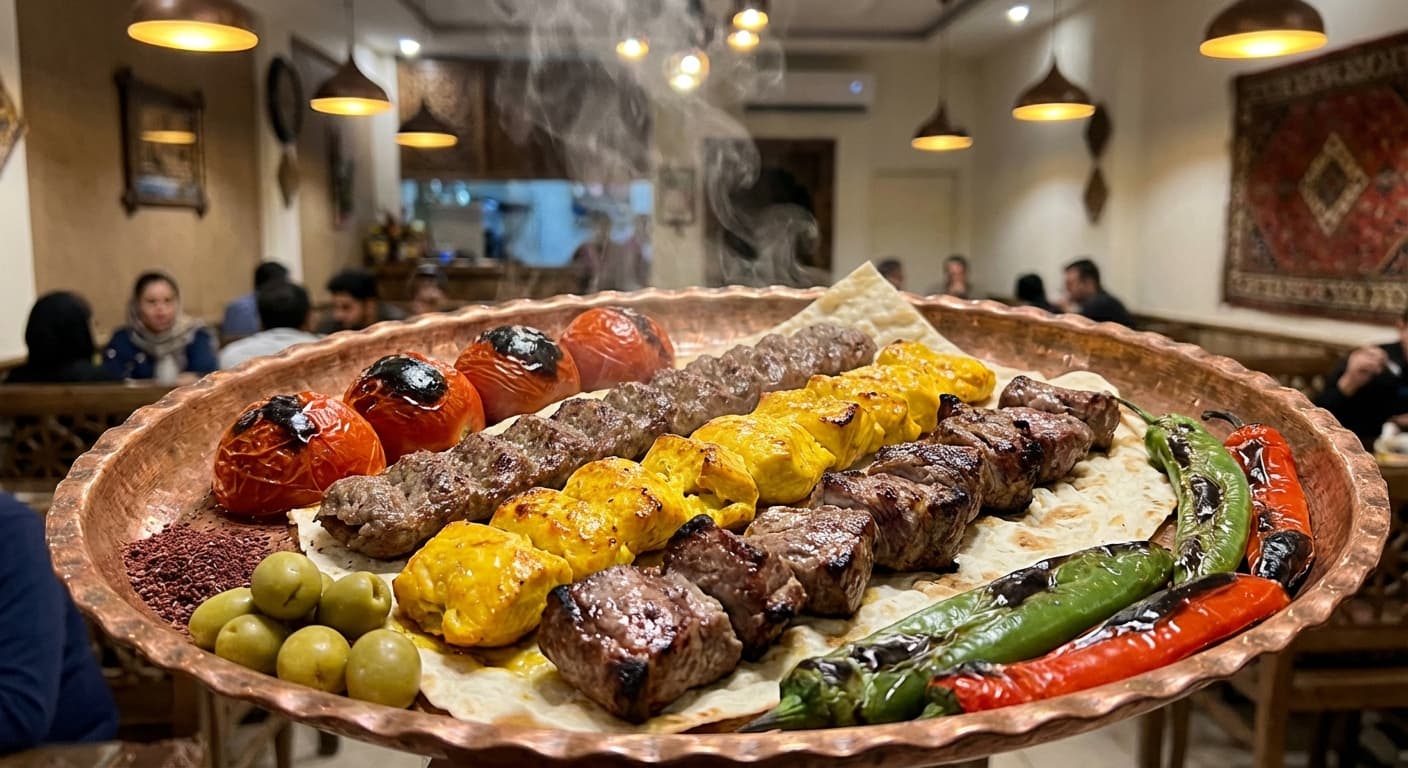
Kabab Vijeh (کباب ویژه) — Royal Persian Mixed Grill Platter
Persian · Kebabs · 70 min
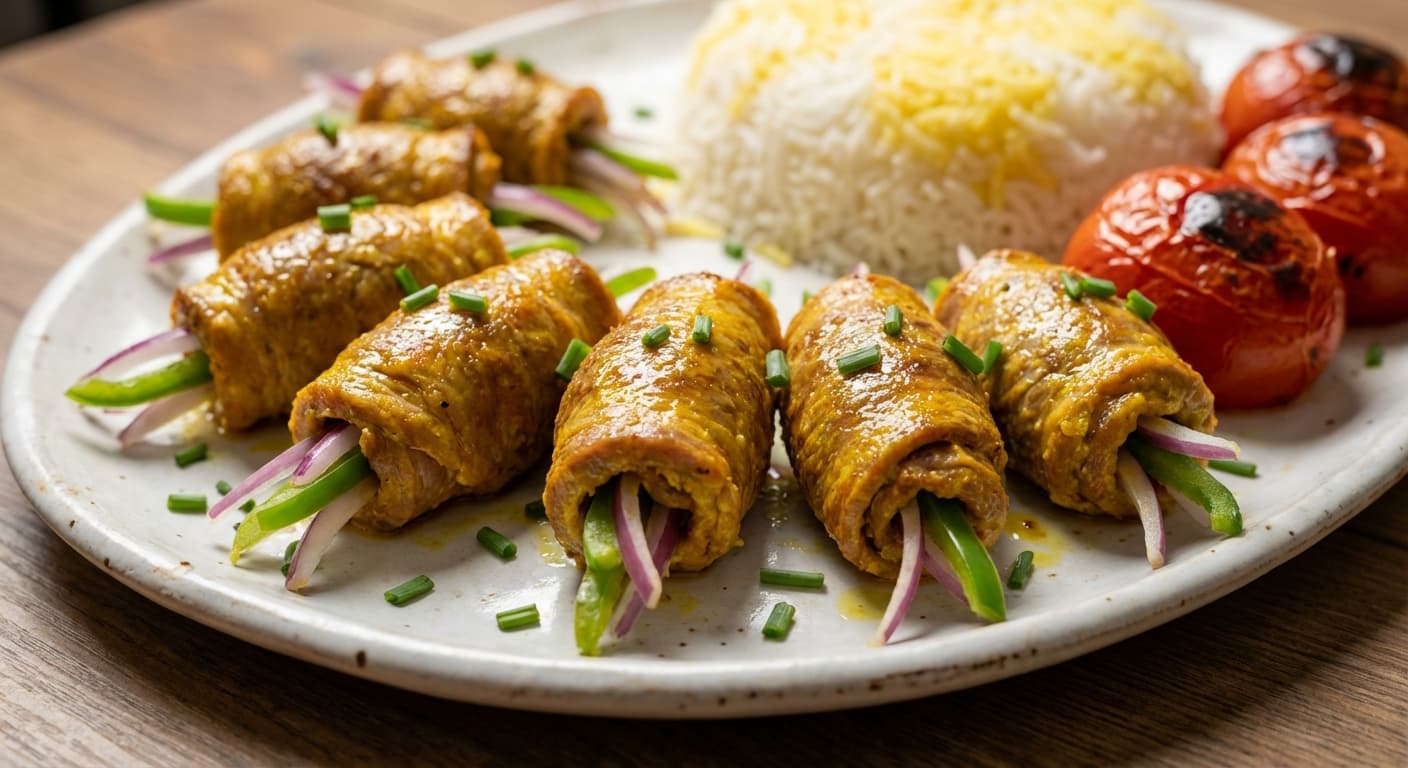
Bulgar Kabab (کباب بلغار) — Persian Rolled Saffron Fillets
Persian · Kebabs · 37 min
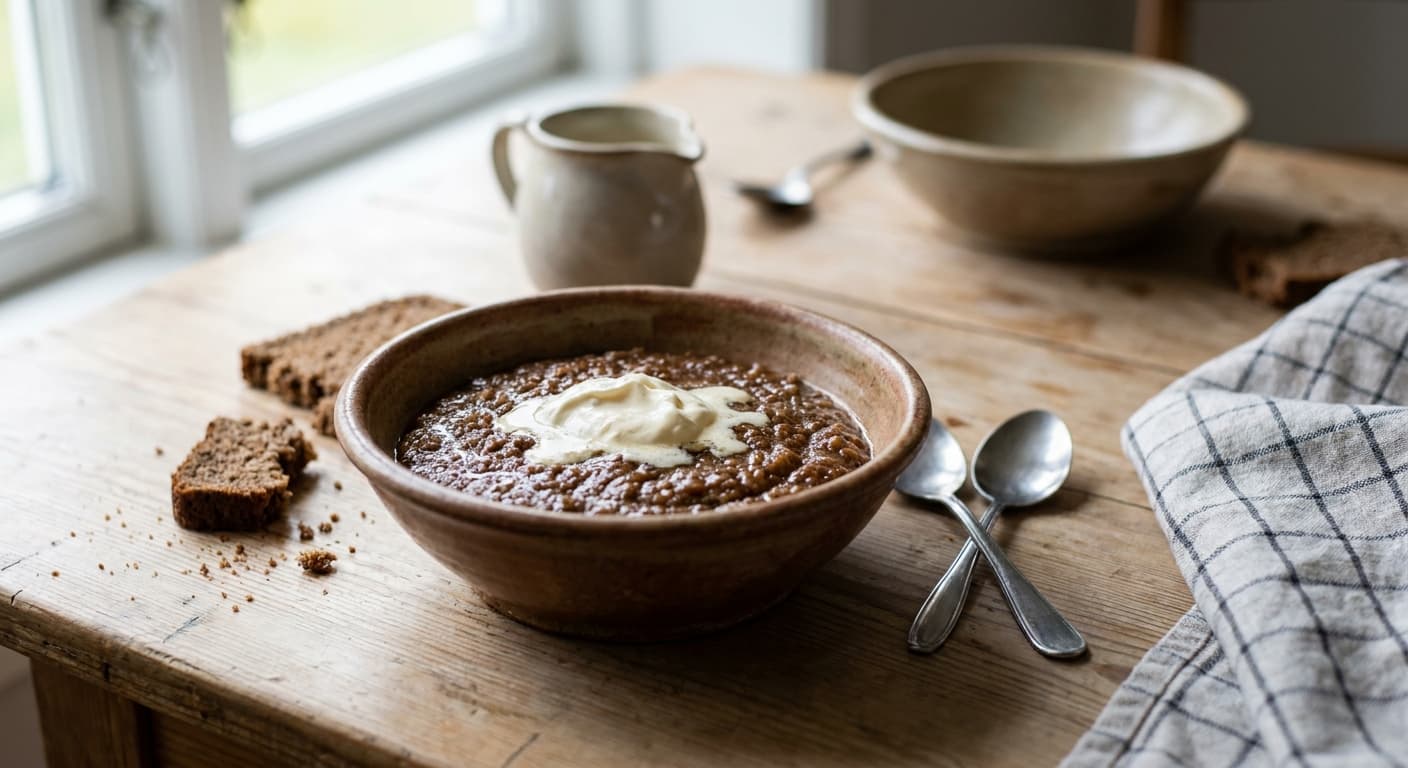
Rye Bread and Beer Porridge (Øllebrød) — Traditional Danish Breakfast
Danish · Main Courses · 65 min
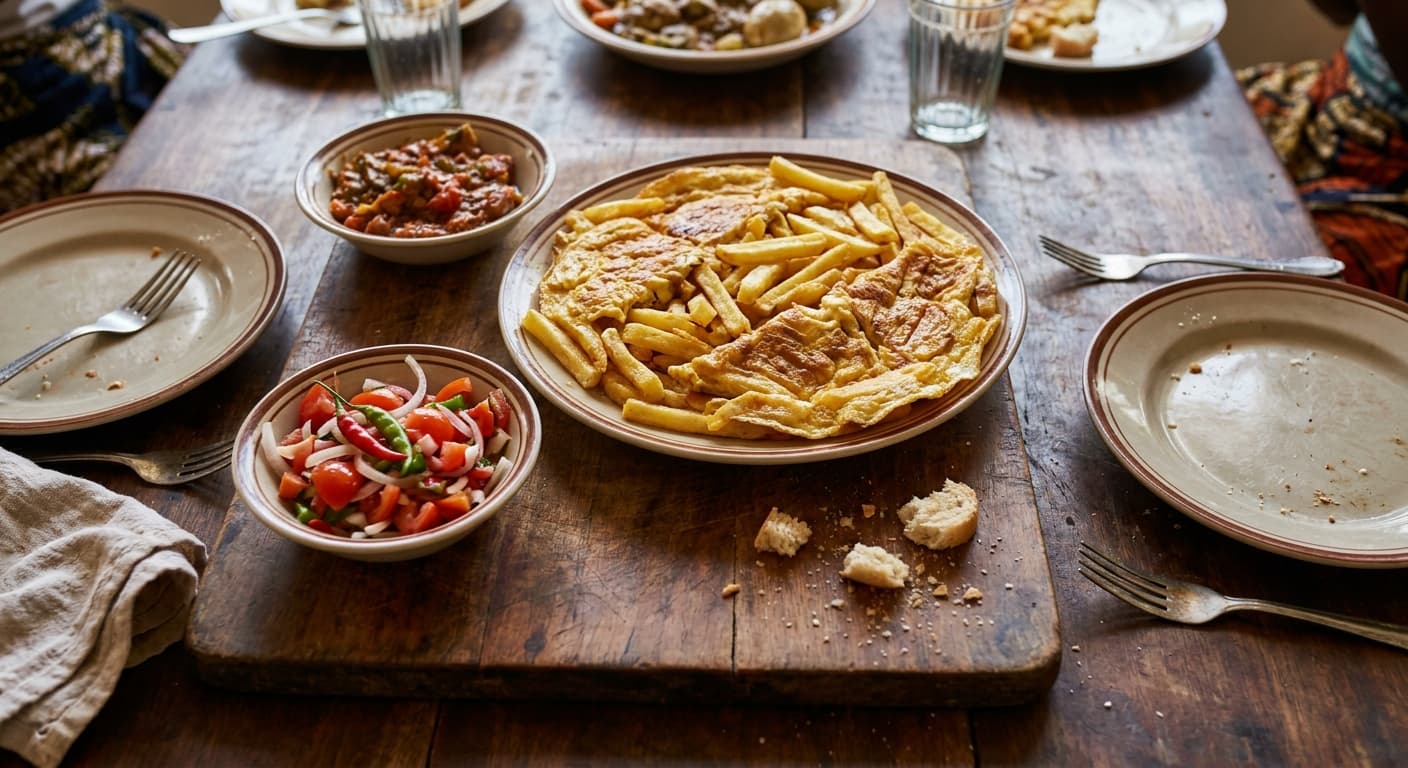
Chips and Egg Omelet (Chipsi Mayai) — Tanzanian Street-Food Classic
Tanzanian · Main Courses · 50 min
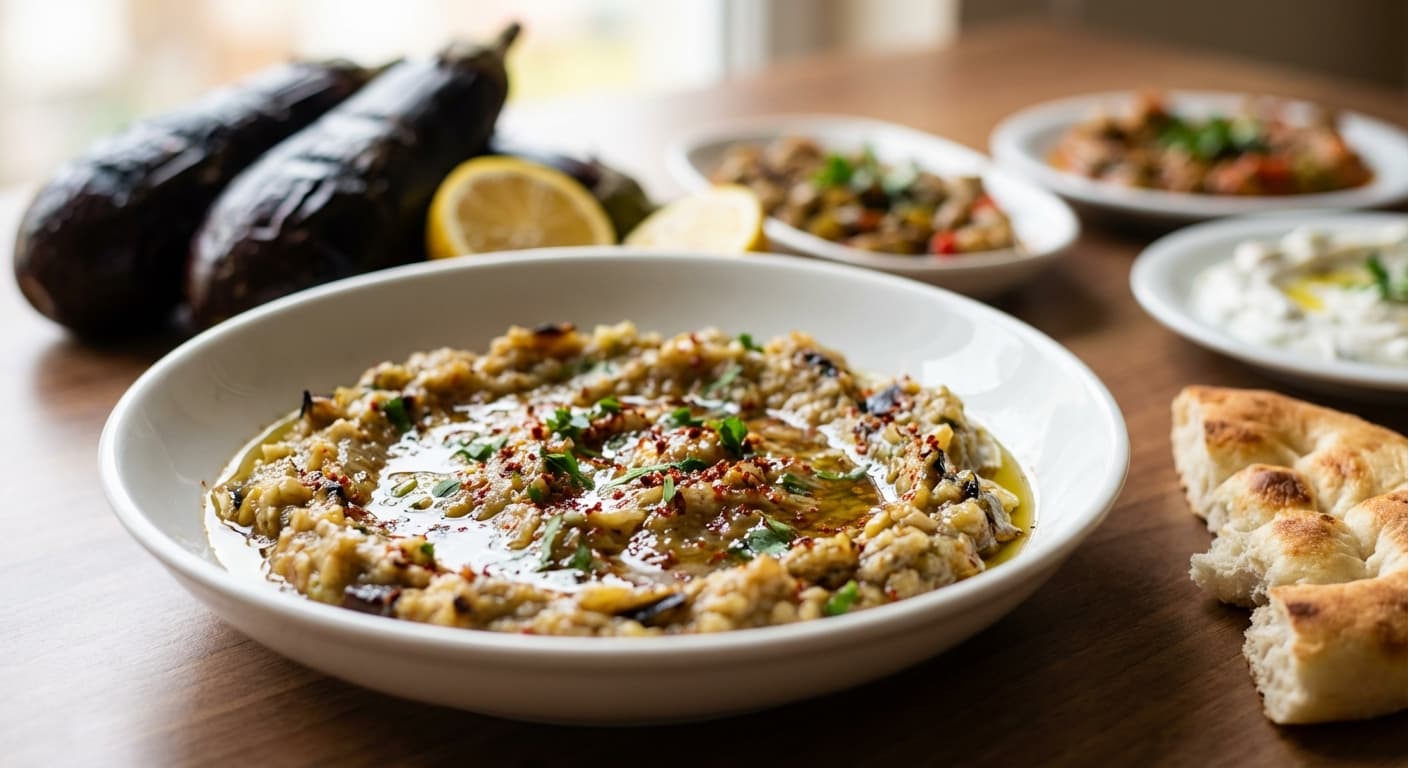
Smoky Eggplant Salad (Patlıcan Salatası) — Turkish charred eggplant with garlic and olive oil
Turkish · Salads · 40 min
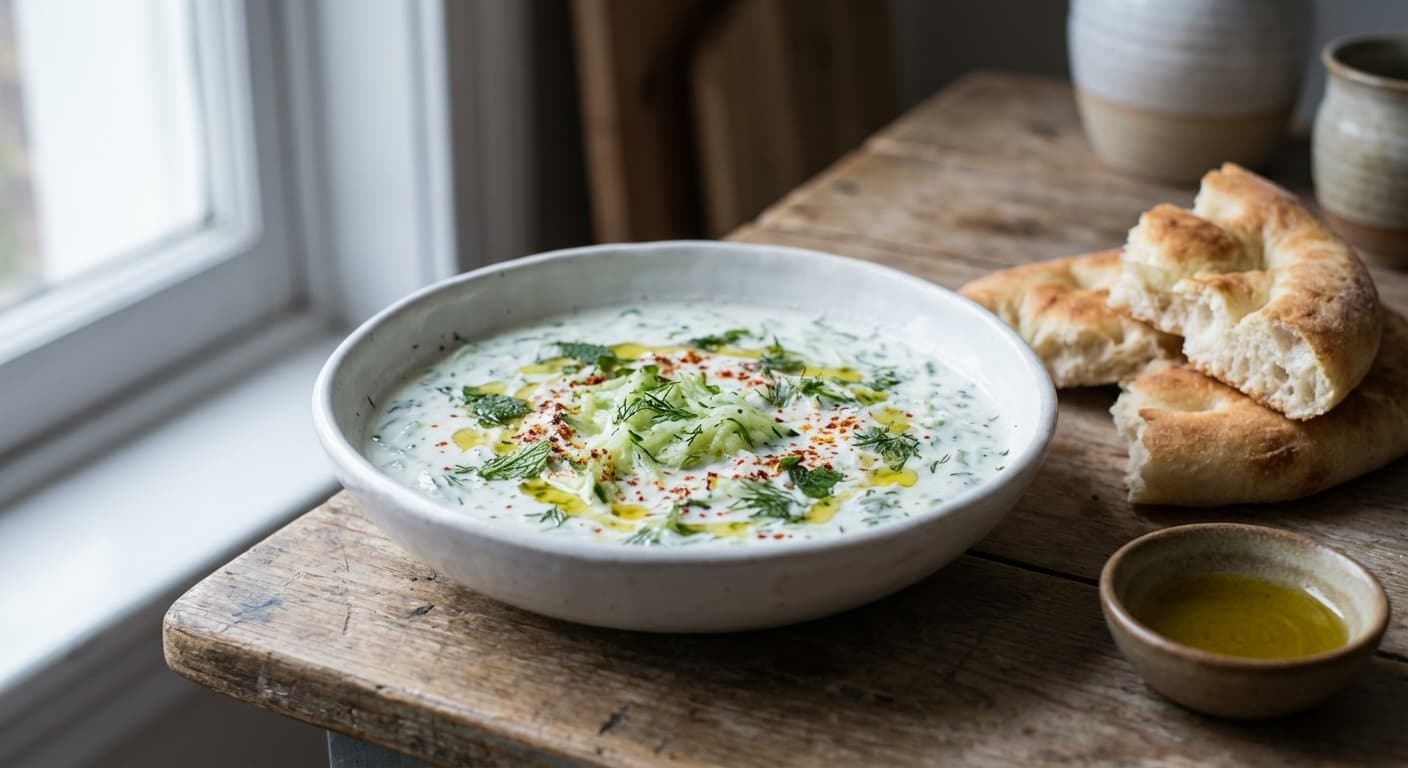
Cacık (Yoğurtlu Salatalık Mezesi) — Chilled Turkish Yogurt, Cucumber & Mint Dip
Turkish · Appetizers · 15 min
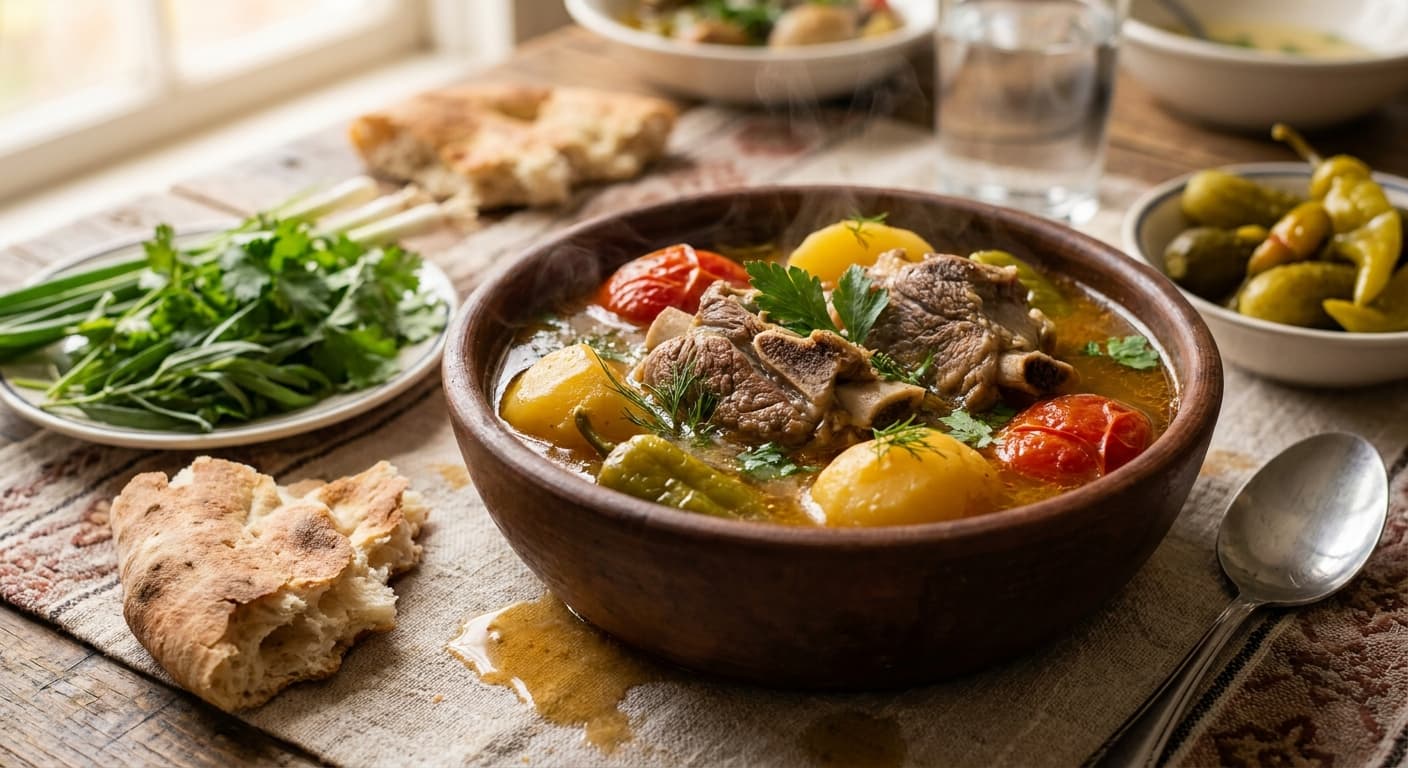
Khashlama (Խաշլամա) — Armenian Lamb and Vegetable Stew
Armenian · Stews · 160 min
Reviews
Cooked this recipe?
Tap the stars to rate it — that's all it takes. A few words are welcome but optional.
No ratings yet. Cooked this one? Be the first to rate it — it takes one tap.