Khorak-e Sirabi (خوراک سیرابی) — Persian Slow-Cooked Tripe and Potato Stew
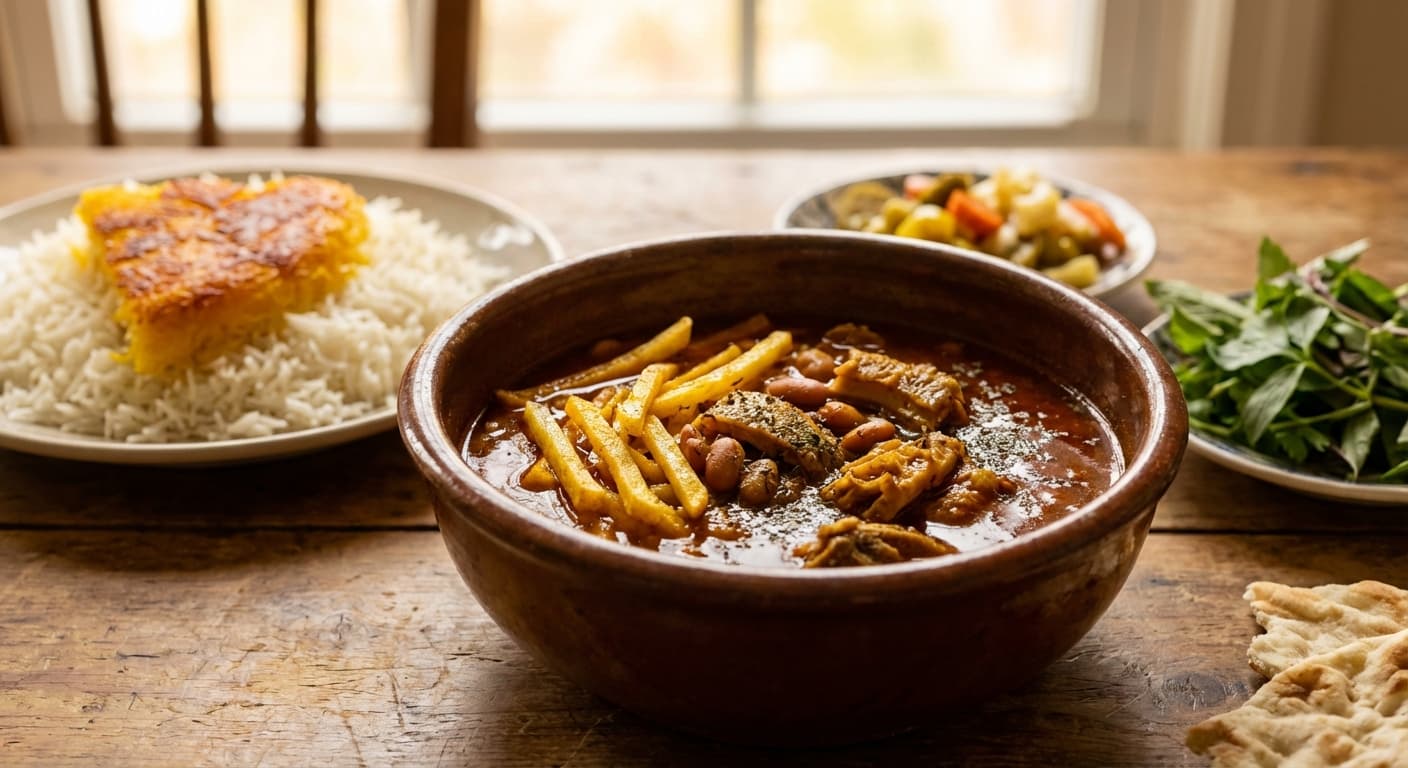
Khorak-e Sirabi is a comforting Persian stew of slow-simmered lamb tripe, pinto beans, and golden matchstick potatoes. Turmeric, advieh, and tomato paste create a rich, earthy broth ideal for cold days.
Printable Recipe Card
Servings: 6 · Total: 1020 min · Difficulty: medium
Ingredients (quick list)
- 1200 g Lamb tripe (cleaned, honeycomb or mixed) (Rinsed and trimmed of excess fat)
- 60 ml White vinegar (For deodorizing soak)
- 2500 ml Water (Plus more as needed to keep tripe submerged)
- 250 g Yellow onion (1 large, thinly sliced)
- 18 g Garlic (5–6 cloves, finely grated or minced)
- 45 ml Vegetable oil (3 tablespoons, divided)
- 45 g Tomato paste (3 tablespoons)
- 4 g Ground turmeric (2 teaspoons)
- 3 g Advieh (Persian spice blend) (1 1/2 teaspoons)
- 12 g Sea salt (2 teaspoons, plus more to taste)
- 220 g Pinto beans (dry) (Soaked overnight and drained)
- 2 g Baking soda (1/2 teaspoon, optional; helps soften beans)
+ 1 more in the full ingredients section below.
Steps (summary)
- Clean and deodorize the tripe: rinse under cold running water for 2–3 minutes, rubbing the surface to remove residue. Soak in a…
- Parboil for a cleaner broth: place tripe in a pot, cover with fresh water, and bring to a full boil over high heat. Boil 10 min…
- Start the slow simmer: return tripe to the pot with 2500 ml water. Bring to a boil, then lower to a gentle simmer (small bubble…
- Cook the beans separately for better texture: in a second pot, add soaked pinto beans and enough water to cover by 5 cm. Add ba…
- Build the stew base: in a heavy pot or deep sauté pan, heat 30 ml vegetable oil over medium heat. Add sliced onion and cook 10–…
- Fry the tomato paste to remove rawness: add tomato paste to the onion mixture and cook 3–4 minutes, stirring constantly, until…
+ 3 more steps in the full instructions section below.
Cultural Background
Khorak-e Sirabi is a traditional home-style dish in Iran, often associated with cold-weather comfort and long, slow cooking. It is commonly enjoyed in casual eateries and family kitchens, where careful cleaning and simmering are valued for achieving a mild, savory result.
Equipment
💡 Tips
- Ask your butcher for pre-cleaned lamb tripe; it saves time and improves consistency.
- Keeping the simmer gentle prevents the tripe from tightening and turning chewy.
- Frying tomato paste in oil until it darkens removes bitterness and adds depth.
- For extra-crisp potatoes, dry them thoroughly and avoid crowding the pan.
- If you prefer a lighter stew, skim surface fat during the last 30 minutes of simmering.
⚠️ Common Mistakes
❌ Skipping the parboil step
💡 Why: Tripe can carry strong aromas and impurities that cloud the broth.
✅ Fix: Boil tripe in fresh water for 10 minutes, then drain and rinse thoroughly before the long simmer.
❌ Boiling hard instead of simmering gently
💡 Why: Aggressive boiling can make tripe tighten and turn chewy while evaporating broth too quickly.
✅ Fix: Maintain a low simmer with small bubbles and partially cover; add hot water as needed.
❌ Adding potatoes into the stew too early
💡 Why: They can disintegrate and thicken the broth unevenly, losing the signature crisp topping.
✅ Fix: Fry matchstick potatoes separately and add only at serving time.
❌ Not cooking tomato paste long enough
💡 Why: Raw tomato paste tastes sharp and can leave a metallic edge.
✅ Fix: Fry in oil 3–4 minutes until darker and fragrant, stirring constantly.
🧊 How to Store
Cool completely, then refrigerate in an airtight container for up to 3 days. Reheat gently at a simmer, adding 60–120 ml water if needed. Store fried potatoes separately at room temperature for 1 day; re-crisp in a 200°C oven for 6–8 minutes.
📅 Make Ahead
The stew base (tripe and beans in spiced tomato broth) can be made up to 2 days ahead; refrigerate, then reheat gently. Fry the potatoes shortly before serving for best crunch, or re-crisp in a hot oven.
🍽️ Pairs Well With
- Warm flatbread (such as lavash or pita)
- Fresh herbs and radishes
- Pickles or torshi
- A simple salad of cucumber and tomato
Regional Variations
- Tehran and central IranOften served with a generous topping of fried matchstick potatoes and a slightly thicker broth from longer uncovered simmering near the end.
- Northwest Iran (Azerbaijan region)Some cooks increase warm spices in the base and keep the stew more brothy, serving it with plenty of bread for dipping.
- Southern IranA touch more turmeric and a deeper tomato color are common, with the stew simmered longer for a richer, more concentrated broth.
Ingredients
- 1200 gLamb tripe (cleaned, honeycomb or mixed) (Rinsed and trimmed of excess fat)
- 60 mlWhite vinegar (For deodorizing soak)
- 2500 mlWater (Plus more as needed to keep tripe submerged)
- 250 gYellow onion (1 large, thinly sliced)
- 18 gGarlic (5–6 cloves, finely grated or minced)
- 45 mlVegetable oil (3 tablespoons, divided)
- 45 gTomato paste (3 tablespoons)
- 4 gGround turmeric (2 teaspoons)
- 3 gAdvieh (Persian spice blend) (1 1/2 teaspoons)
- 12 gSea salt (2 teaspoons, plus more to taste)
- 220 gPinto beans (dry) (Soaked overnight and drained)
- 2 gBaking soda (1/2 teaspoon, optional; helps soften beans)
- 700 gPotatoes (all-purpose, such as Yukon Gold) (Peeled and cut into 6 mm matchsticks)
🔄 Substitutions
- Lamb tripe→ Beef tripe
- Pinto beans (dry)→ Canned pinto beans
- Advieh (Persian spice blend)→ Ground cumin + ground cinnamon + ground cardamom
Instructions
- 1
Clean and deodorize the tripe: rinse under cold running water for 2–3 minutes, rubbing the surface to remove residue. Soak in a bowl with 1 liter cold water and the vinegar for 30 minutes, then drain and rinse again. Cut into 3–4 cm pieces so they cook evenly.
- 2
Parboil for a cleaner broth: place tripe in a pot, cover with fresh water, and bring to a full boil over high heat. Boil 10 minutes, then drain and rinse the pot and tripe well. This step reduces strong aromas and keeps the final stew tasting clean and savory.
- 3
Start the slow simmer: return tripe to the pot with 2500 ml water. Bring to a boil, then lower to a gentle simmer (small bubbles) and partially cover. Cook 90 minutes, checking every 20 minutes to ensure the tripe stays submerged; add hot water if needed to maintain the level.
- 4
Cook the beans separately for better texture: in a second pot, add soaked pinto beans and enough water to cover by 5 cm. Add baking soda if using. Bring to a boil, skim foam for 5 minutes, then simmer 45–60 minutes until mostly tender but not falling apart; drain and set aside.
- 5
Build the stew base: in a heavy pot or deep sauté pan, heat 30 ml vegetable oil over medium heat. Add sliced onion and cook 10–12 minutes until deeply golden. Stir in garlic for 60 seconds, then add turmeric and advieh and toast 30 seconds to bloom the spices without burning.
- 6
Fry the tomato paste to remove rawness: add tomato paste to the onion mixture and cook 3–4 minutes, stirring constantly, until it darkens slightly and the oil turns brick-red. Stir in sea salt. This step deepens color and gives the stew a round, cooked tomato flavor.
- 7
Combine and slow-cook until tender: scrape the onion-tomato mixture into the tripe pot. Add the drained beans. Bring back to a gentle simmer, partially cover, and cook 90–120 minutes, stirring every 25–30 minutes. The tripe should become tender and the broth should look slightly thickened.
- 8
Prepare and fry the potatoes: rinse cut potatoes briefly to remove surface starch, then drain and pat very dry. Heat remaining 15 ml oil in a skillet over medium-high. Fry potatoes 8–10 minutes, turning often, until golden and crisp at the edges; transfer to a paper-lined plate.
- 9
Finish and serve: taste the stew and adjust salt. If the broth is too thin, simmer uncovered 10–15 minutes; if too thick, add 100–200 ml hot water. Ladle into bowls and top each serving with a generous handful of fried matchstick potatoes for contrast in texture.
🪪 Recipe Passport
Cultural Background
Khorak-e Sirabi is a traditional home-style dish in Iran, often associated with cold-weather comfort and long, slow cooking. It is commonly enjoyed in casual eateries and family kitchens, where careful cleaning and simmering are valued for achieving a mild, savory result.
Regional Variations
Researched from multiple sources and validated by the Zaffaron editorial team. Every recipe is tested for accuracy, measurements, and cultural authenticity.
Nutrition per serving
Pairs well with
If you enjoyed this recipe, here are a few related Zaffaron recipes to try next.
- Khorak Goosht Zanjabili (خوراک گوشت زنجبیلی) — Persian Ginger Beef Stew
- Khorak Macaroni ba Mahi (خوراک ماکارونی با ماهی) — Iranian-Inspired Smoked Fish Pasta Salad
- Khorak Makaroni va Broccoli (خوراک ماکارونی و بروکلی) — Persian-Style Pasta in Garlic Tomato Sauce
- Khorak-e Tond Ba Lubia (خوراک تند با لوبیا) — Spicy Two-Bean Meat Stew
Does your family make this differently?
Every family has their own version. Maybe your grandmother adds a secret ingredient, or your aunt has a completely different technique. Preserve your family's version — with their name on it, forever.
You Might Also Like
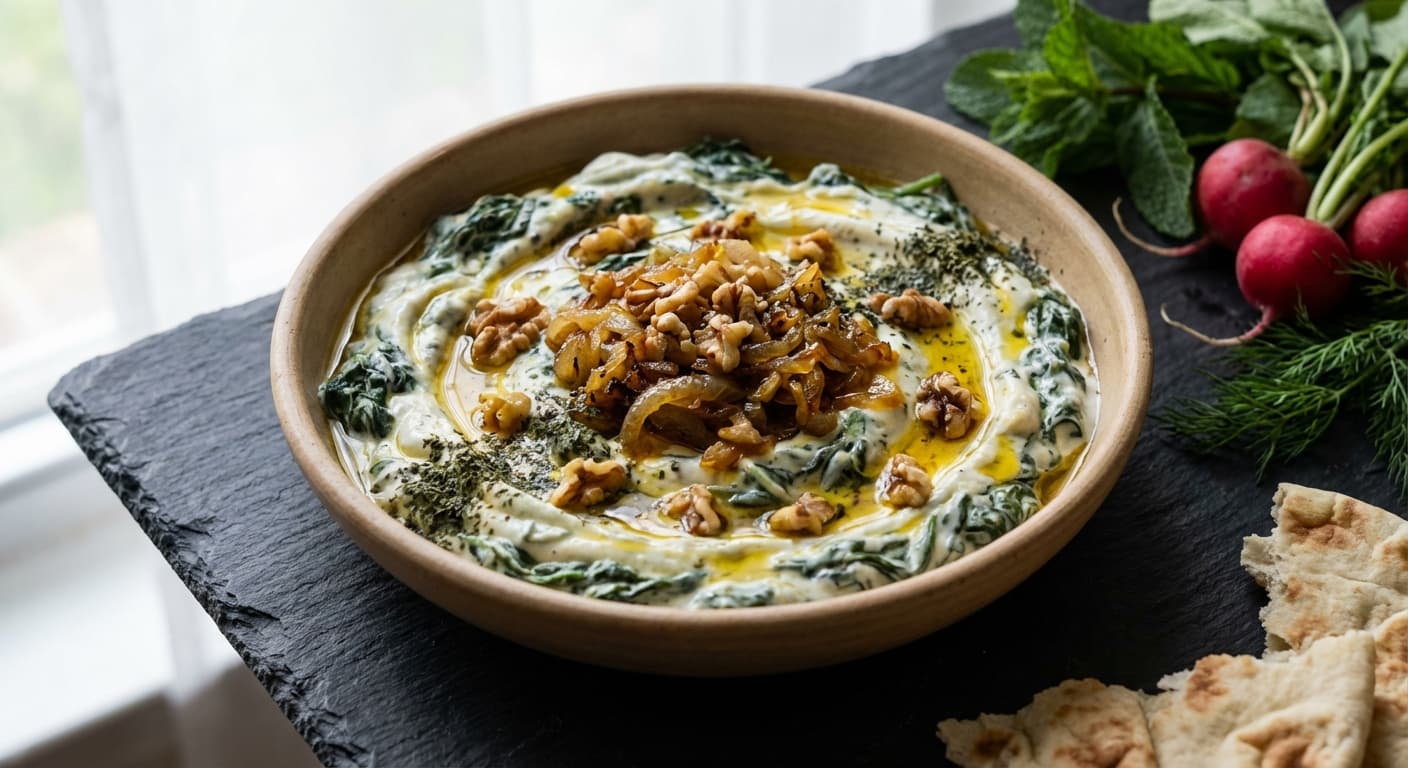
Borani Esfenaj (بورانی اسفناج) — Persian Spinach and Yogurt Dip with Saffron and Walnuts
Persian · Appetizers · 40 min
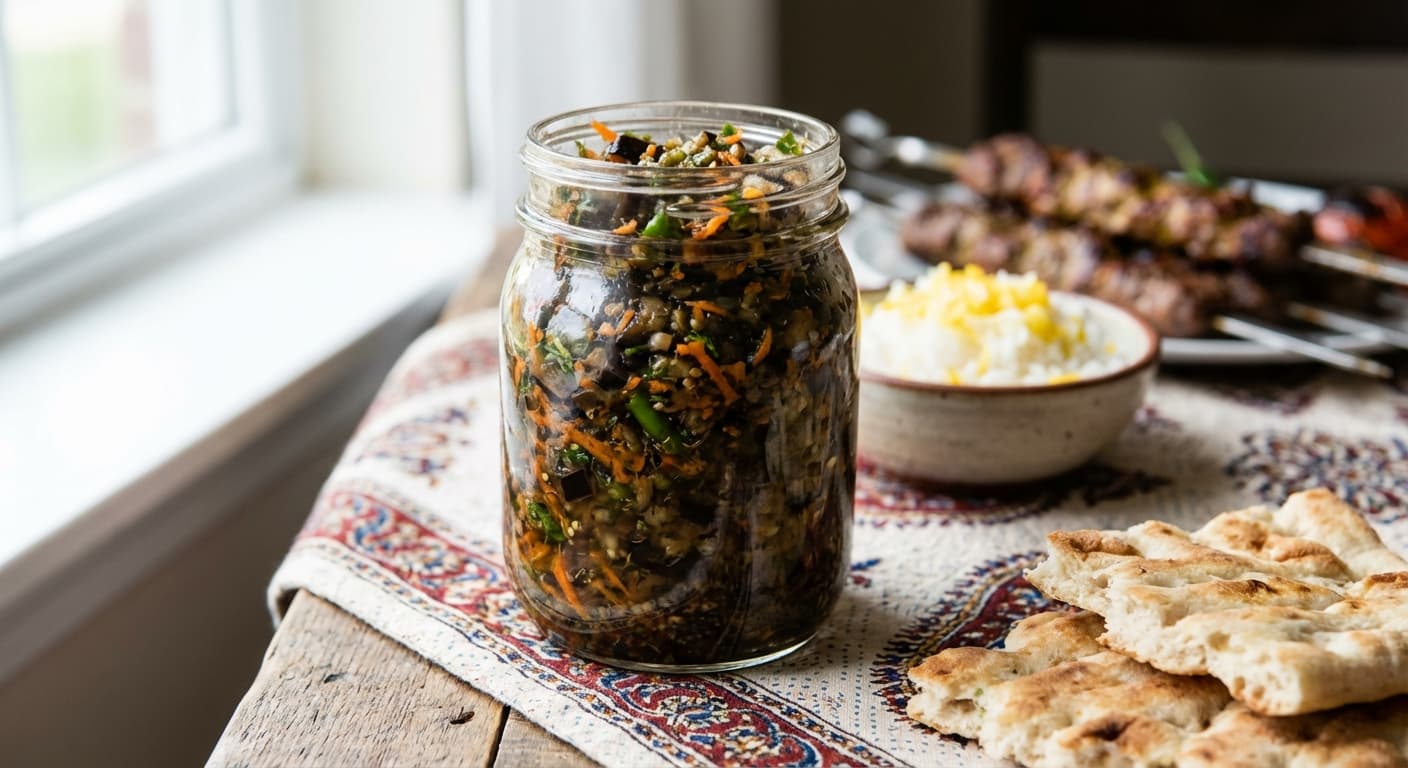
Persian Smoked Torshi Liteh (ترشی لیته) — Caspian-style smoky mixed vegetable pickle
Persian · Side Dishes · 60 min
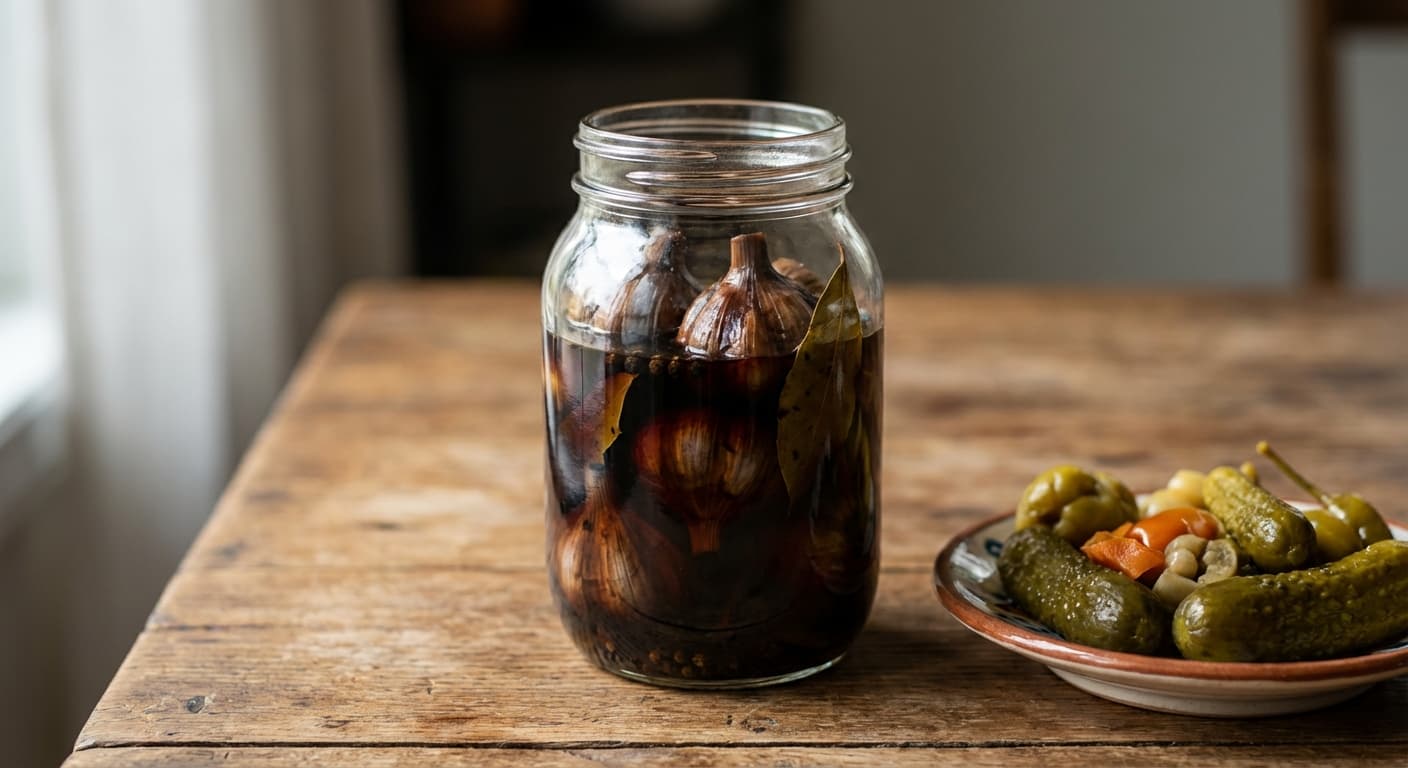
Aged Garlic Pickle (سیر ترشی) — Gilan’s seven-year-style black garlic torshi
Persian · Side Dishes · 45 min
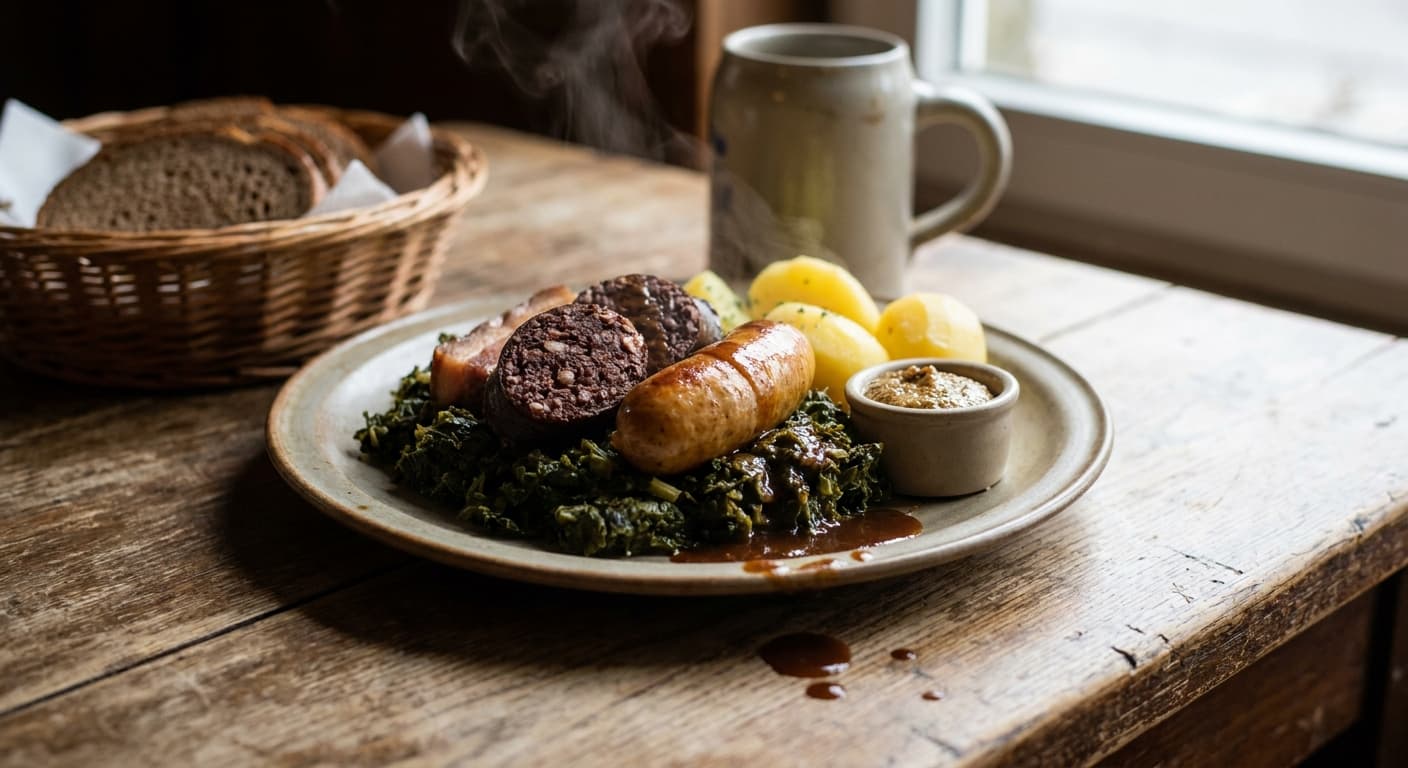
Kale with Pinkel Sausage (Grünkohl mit Pinkel) — North German Winter Stew
German · Stews · 130 min
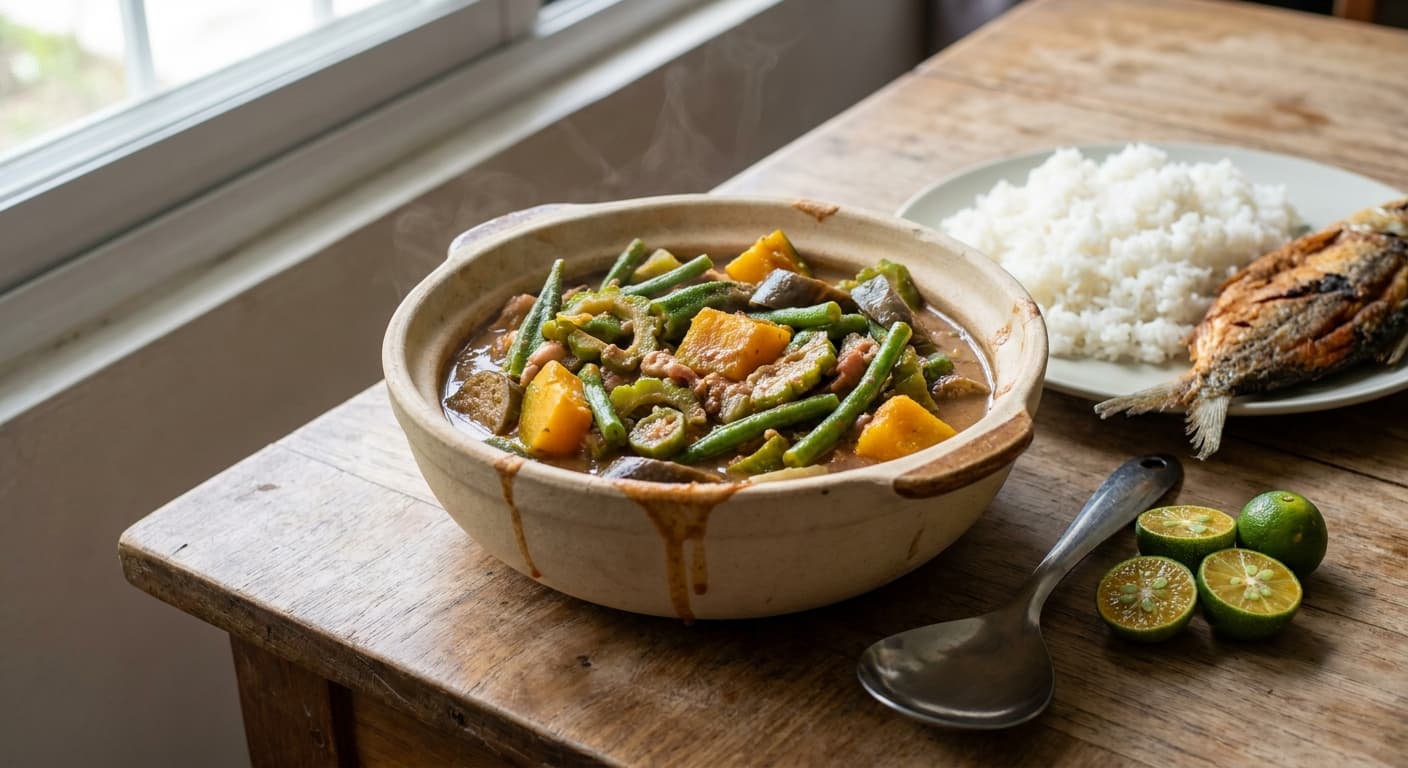
Pinakbet (Pinakbet) — Ilocano Vegetable Stew with Bagoong
Filipino · Stews · 60 min
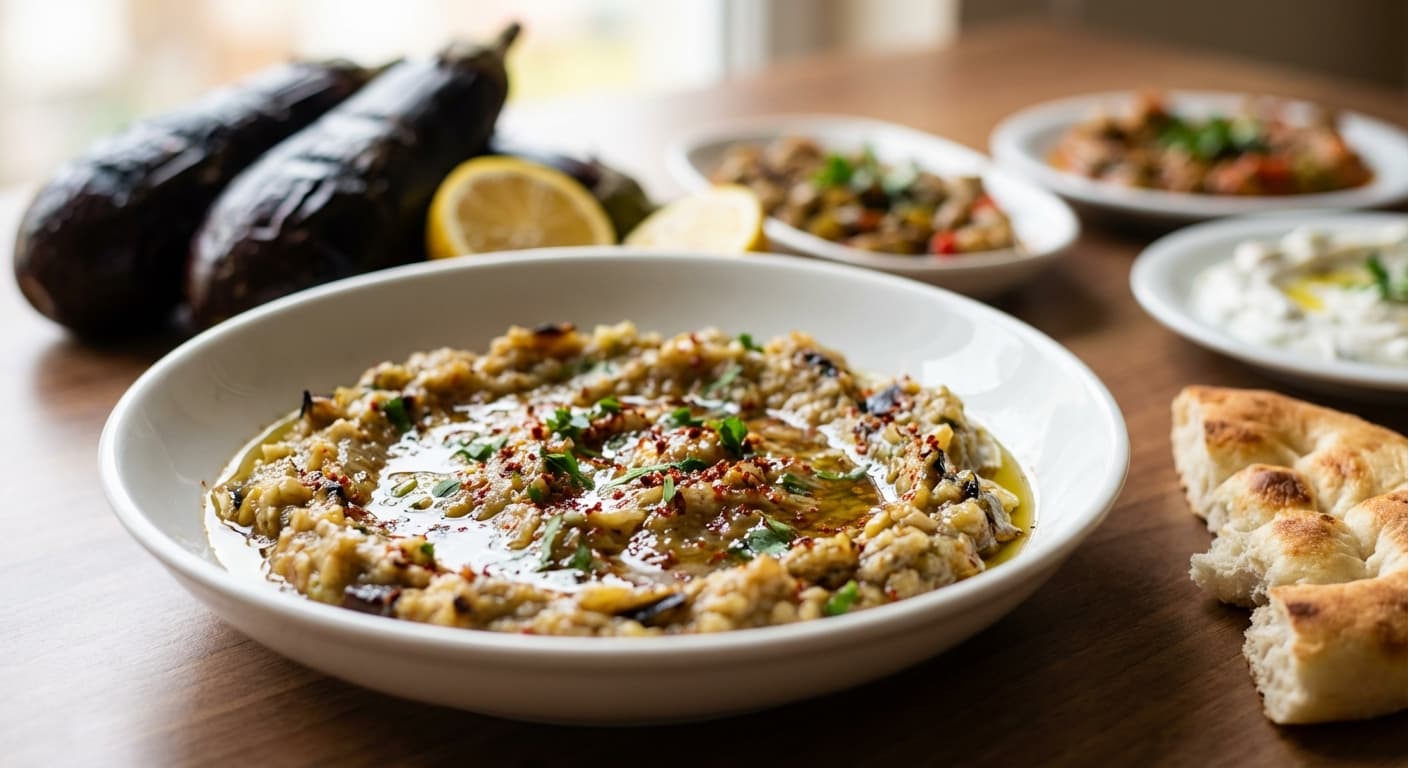
Smoky Eggplant Salad (Patlıcan Salatası) — Turkish charred eggplant with garlic and olive oil
Turkish · Salads · 40 min
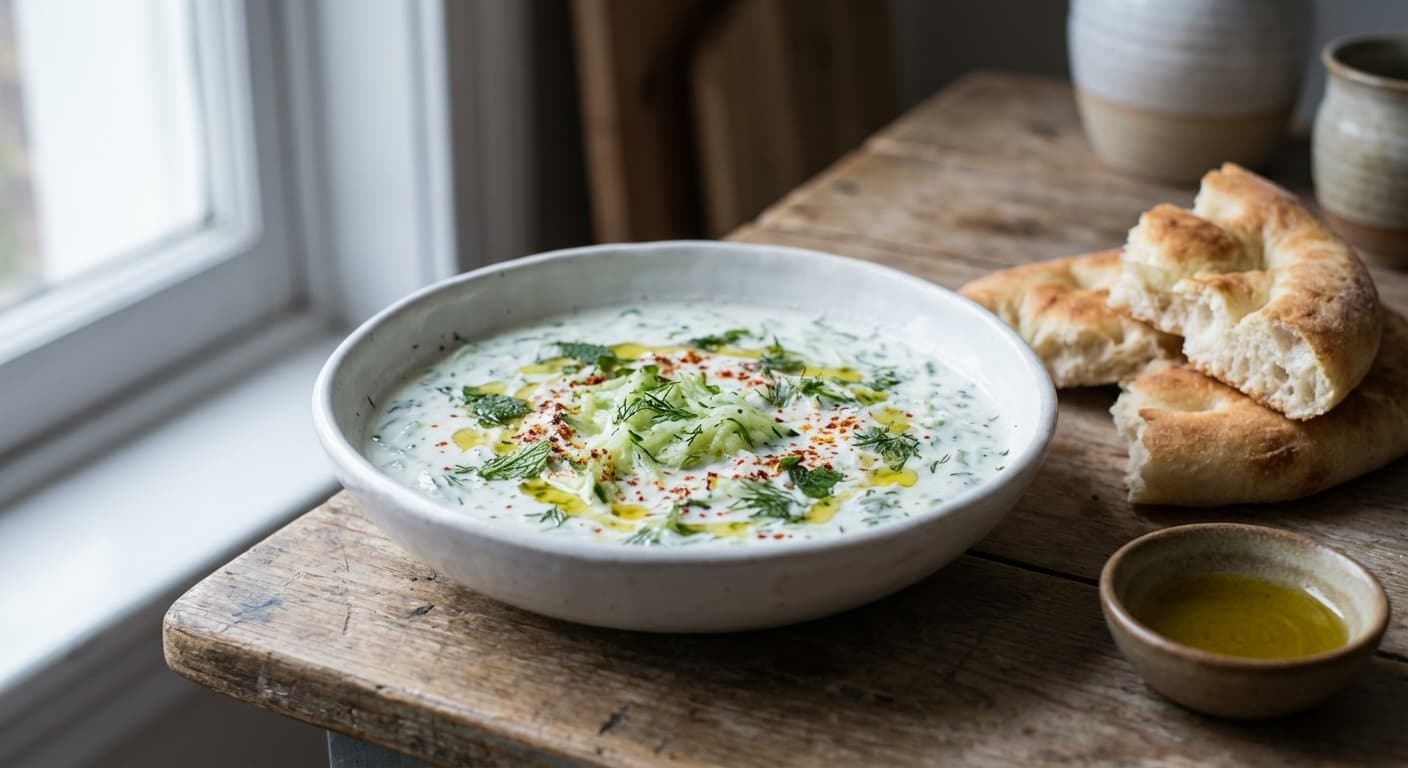
Cacık (Yoğurtlu Salatalık Mezesi) — Chilled Turkish Yogurt, Cucumber & Mint Dip
Turkish · Appetizers · 15 min
Shakarob (Шакароб) — Tajik Tomato-Onion Bread Salad
Tajik · Salads · 25 min
Reviews
Cooked this recipe?
Tap the stars to rate it — that's all it takes. A few words are welcome but optional.
No ratings yet. Cooked this one? Be the first to rate it — it takes one tap.