Bulgarian Pork Kavarma (Каварма) — Clay-Pot Pepper and Pork Stew
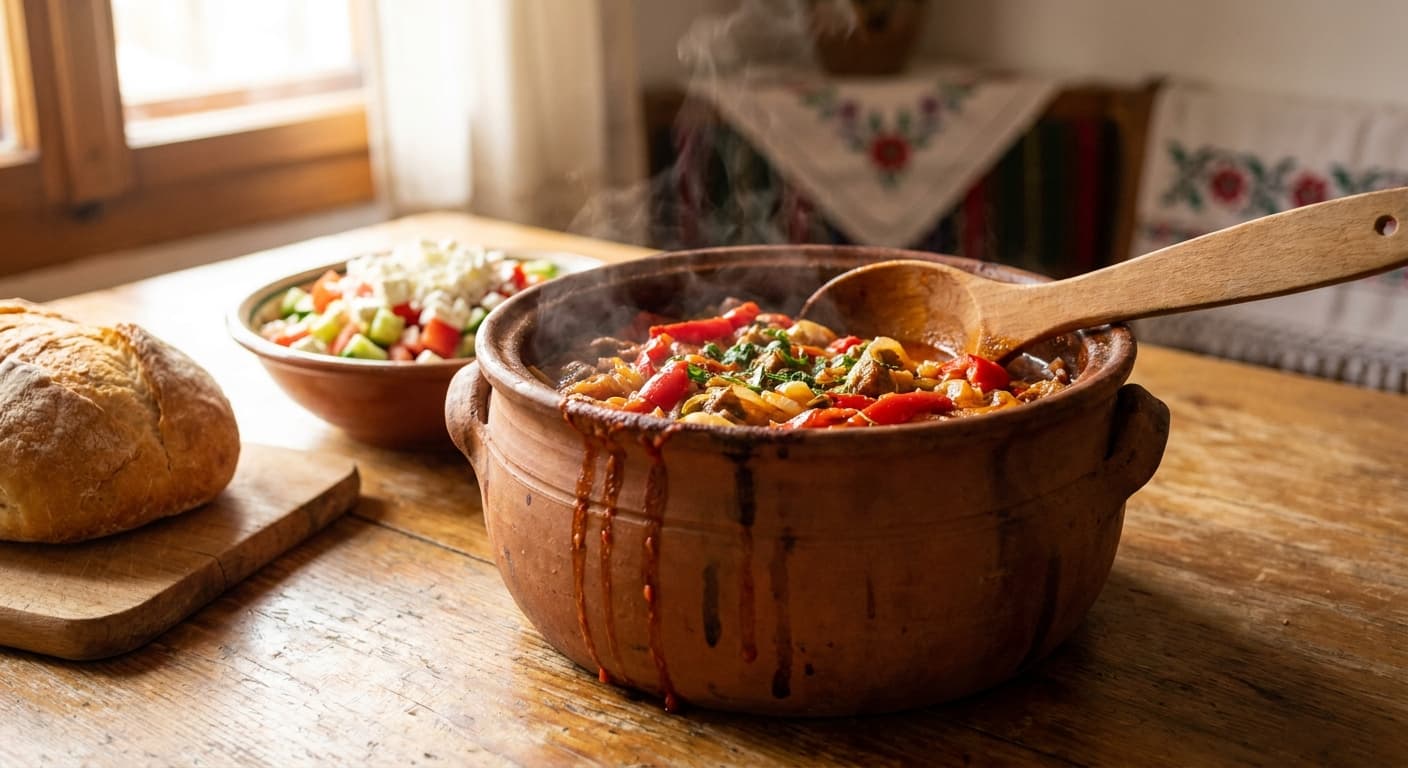
Kavarma is a beloved Bulgarian braise of pork, peppers, onion, tomato, wine, and chubritsa. It is often finished in a clay gyuvech, which concentrates the sauce and gives the stew its rustic mehana character.
Printable Recipe Card
Servings: 4 · Total: 115 min · Difficulty: medium
Ingredients (quick list)
- 700 g pork shoulder (cut into 3 cm cubes)
- 2 tbsp sunflower oil
- 2 large yellow onions (thinly sliced)
- 1 leek (white and pale green parts, sliced)
- 2 red bell peppers (cut into strips)
- 1 green bell pepper (cut into strips)
- 250 g button mushrooms (quartered)
- 4 clove garlic (minced)
- 2 tbsp tomato paste
- 400 g chopped tomatoes
- 150 ml dry red wine
- 2 tsp sweet paprika
+ 7 more in the full ingredients section below.
Steps (summary)
- Pat the pork shoulder cubes dry with paper towels so they brown rather than steam. Sprinkle the meat evenly with 4 g of the sal…
- Heat the sunflower oil in a heavy Dutch oven over medium-high heat until it shimmers. Brown the pork in two batches for about 4…
- Lower the heat to medium and add the onions and leek to the same pot. Cook for 8 minutes, stirring often and scraping up the br…
- Add the red peppers, green pepper, mushrooms, and garlic, then cook for 7 minutes until the mushrooms release moisture and the…
- Return the browned pork and any accumulated juices to the pot. Pour in the red wine and simmer for 3 minutes, then add the chop…
- Cover the pot, reduce the heat to low, and simmer for 55 minutes, stirring every 15 minutes so the sauce does not catch on the…
+ 2 more steps in the full instructions section below.
Cultural Background
Kavarma is a tavern and home-cooking staple across Bulgaria, especially when baked in a gyuvech. Silvena Rowe's Feasting reflects the same Bulgarian affection for generous clay-pot dishes shared at family tables.
Equipment
💡 Tips
- Use pork shoulder rather than loin, because shoulder has enough collagen and fat to stay tender during the long braise.
- Do not rush the onion and leek stage; their sweetness balances the tomato, wine, paprika, and chubritsa.
- A clay gyuvech gives the most traditional finish, but a covered cast-iron casserole works well if it is uncovered for the final bake.
⚠️ Common Mistakes
❌ Crowding the pork in the pot
✅ Fix: Brown the meat in two batches so moisture evaporates quickly and the cubes develop a deep savory crust.
❌ Adding paprika over very high heat
✅ Fix: Lower the heat before adding paprika and stir for only 1 minute so it blooms without turning bitter.
❌ Serving straight from the oven
✅ Fix: Rest the kavarma for 10 minutes so the sauce settles and the clay pot cools to a safer serving temperature.
🧊 How to Store
Cool leftovers within 2 hours and refrigerate in an airtight container for up to 3 days. Reheat gently in a covered saucepan with 30 ml water, or bake covered at 170 C until hot throughout.
📅 Make Ahead
Prepare the stew through the covered stovetop simmer up to 2 days ahead and refrigerate it. Transfer to a gyuvech and bake just before serving, adding 50 ml water if the sauce has thickened too much.
🍽️ Pairs Well With
- Crusty bread
- shopska salad with sirene
- roasted peppers
- pickled vegetables
- Bulgarian red wine.
Regional Variations
- Chicken kavarma is common in home kitchens and is usually lighter and quicker than the pork version.
- Kavarma po radomirski may include more leeks and a richer baked finish.
- Some restaurant versions are topped with a cracked egg during the final minutes in individual clay pots.
Ingredients
- 700 gpork shoulder (cut into 3 cm cubes)
- 2 tbspsunflower oil
- 2large yellow onions (thinly sliced)
- 1leek (white and pale green parts, sliced)
- 2red bell peppers (cut into strips)
- 1green bell pepper (cut into strips)
- 250 gbutton mushrooms (quartered)
- 4 clovegarlic (minced)
- 2 tbsptomato paste
- 400 gchopped tomatoes
- 150 mldry red wine
- 2 tspsweet paprika
- 1.5 tspdried chubritsa (Bulgarian summer savory)
- 0.5 tspground cumin
- 2 leafbay leaves
- 8 gfine sea salt
- 0.75 tspblack pepper (freshly ground)
- 250 mlhot water
- 8 sprigflat-leaf parsley (chopped)
🔄 Substitutions
- pork shoulder→ chicken thighs
- dry red wine→ beef stock with 1 tbsp red wine vinegar
- dried chubritsa→ dried summer savory
Instructions
- 1
Pat the pork shoulder cubes dry with paper towels so they brown rather than steam. Sprinkle the meat evenly with 4 g of the salt and 0.25 tsp of the black pepper, then let it stand at room temperature for 15 minutes while you prepare the vegetables.
- 2
Heat the sunflower oil in a heavy Dutch oven over medium-high heat until it shimmers. Brown the pork in two batches for about 4 minutes per side, transferring each batch to a plate once the edges are deeply golden.
- 3
Lower the heat to medium and add the onions and leek to the same pot. Cook for 8 minutes, stirring often and scraping up the browned pork juices, until the onions soften and begin to turn lightly golden.
- 4
Add the red peppers, green pepper, mushrooms, and garlic, then cook for 7 minutes until the mushrooms release moisture and the peppers begin to slump. Stir in the tomato paste, paprika, chubritsa, cumin, bay leaves, remaining 4 g salt, and remaining 0.5 tsp black pepper, and cook for 1 minute to bloom the spices without burning them.
- 5
Return the browned pork and any accumulated juices to the pot. Pour in the red wine and simmer for 3 minutes, then add the chopped tomatoes and hot water and stir until the sauce is evenly combined.
- 6
Cover the pot, reduce the heat to low, and simmer for 55 minutes, stirring every 15 minutes so the sauce does not catch on the bottom. The pork should be tender but not falling apart, and the sauce should be thick enough to cling to the vegetables.
- 7
Heat the oven to 190 C and transfer the kavarma to one large clay gyuvech or four individual clay pots. Bake uncovered for 20 minutes until the top darkens slightly and the sauce bubbles around the edges.
- 8
Remove the bay leaves and rest the kavarma for 10 minutes before serving, because the clay pot stays very hot. Scatter the chopped parsley over the top and bring it to the table with bread for scooping up the peppery tomato-wine sauce.
🪪 Recipe Passport
Cultural Background
Kavarma is a tavern and home-cooking staple across Bulgaria, especially when baked in a gyuvech. Silvena Rowe's Feasting reflects the same Bulgarian affection for generous clay-pot dishes shared at family tables.
Regional Variations
Researched from multiple sources and validated by the Zaffaron editorial team. Every recipe is tested for accuracy, measurements, and cultural authenticity.
📚 Sources & Cultural References
- Silvena Rowe — Feasting
Sources cited by the Zaffaron editorial team during recipe research. Cultural and culinary references supporting authenticity claims.
Nutrition per serving
Pairs well with
If you enjoyed this recipe, here are a few related Zaffaron recipes to try next.
Does your family make this differently?
Every family has their own version. Maybe your grandmother adds a secret ingredient, or your aunt has a completely different technique. Preserve your family's version — with their name on it, forever.
You Might Also Like
Bulgarian Tarator (Таратор) — Cold Yogurt Cucumber Soup
Bulgarian · Soups · 15 min
Shopska Salad (Шопска салата) — Tomato-Cucumber Salad with Sirene
Bulgarian · Salads · 20 min
Patatnik (Пататник) — Rhodope Potato Skillet Cake
Bulgarian · Main Courses · 60 min
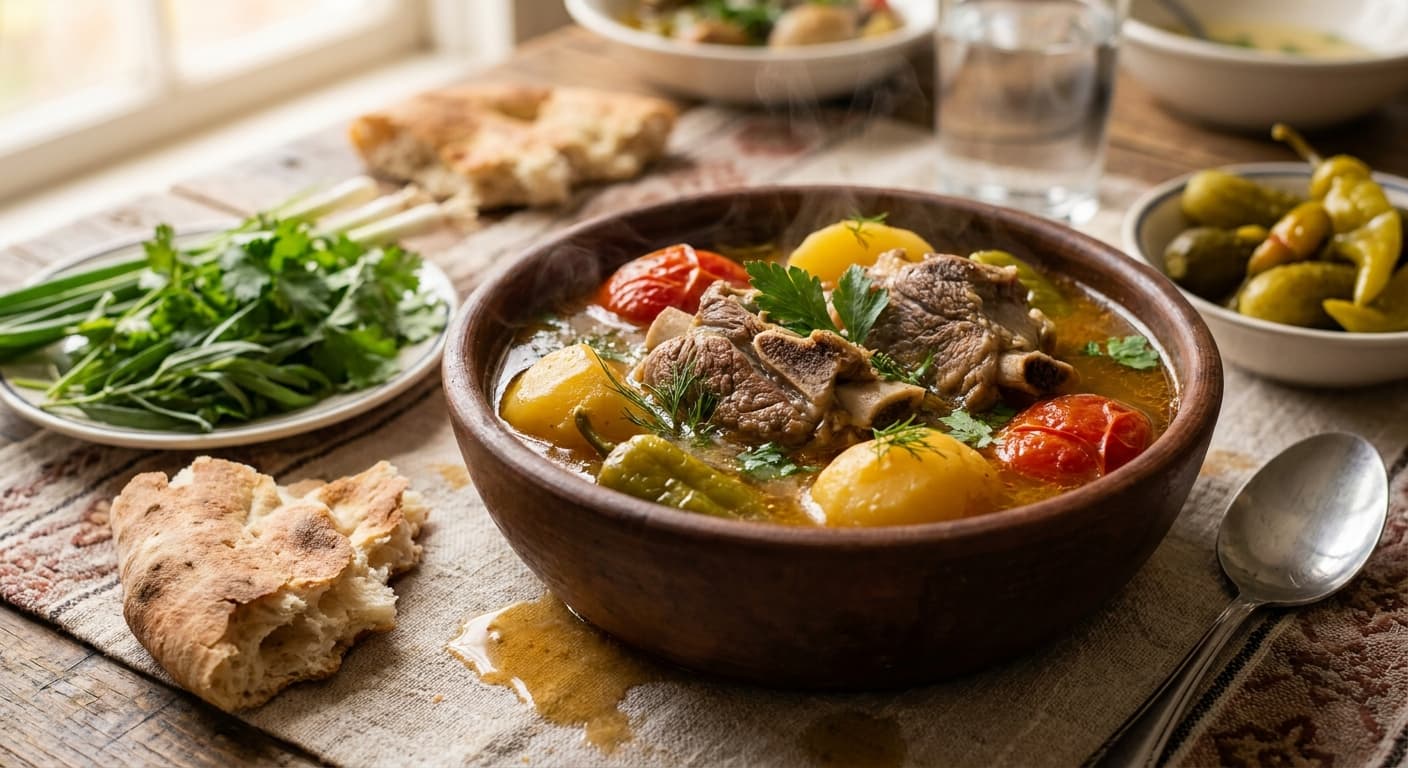
Khashlama (Խաշլամա) — Armenian Lamb and Vegetable Stew
Armenian · Stews · 160 min
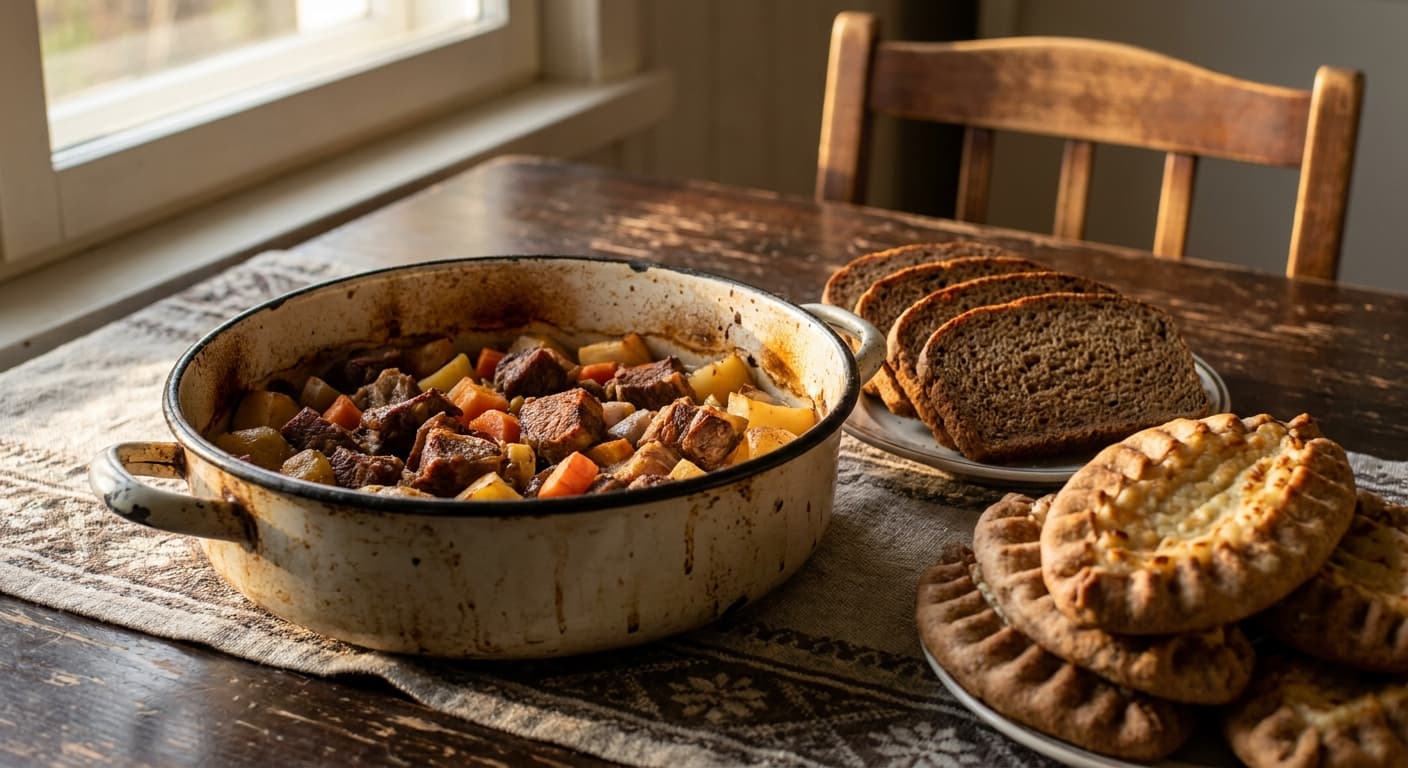
Karelian Hot Pot (Karjalanpaisti) — Finnish Oven-Braised Meat Stew
Finnish · Stews · 230 min
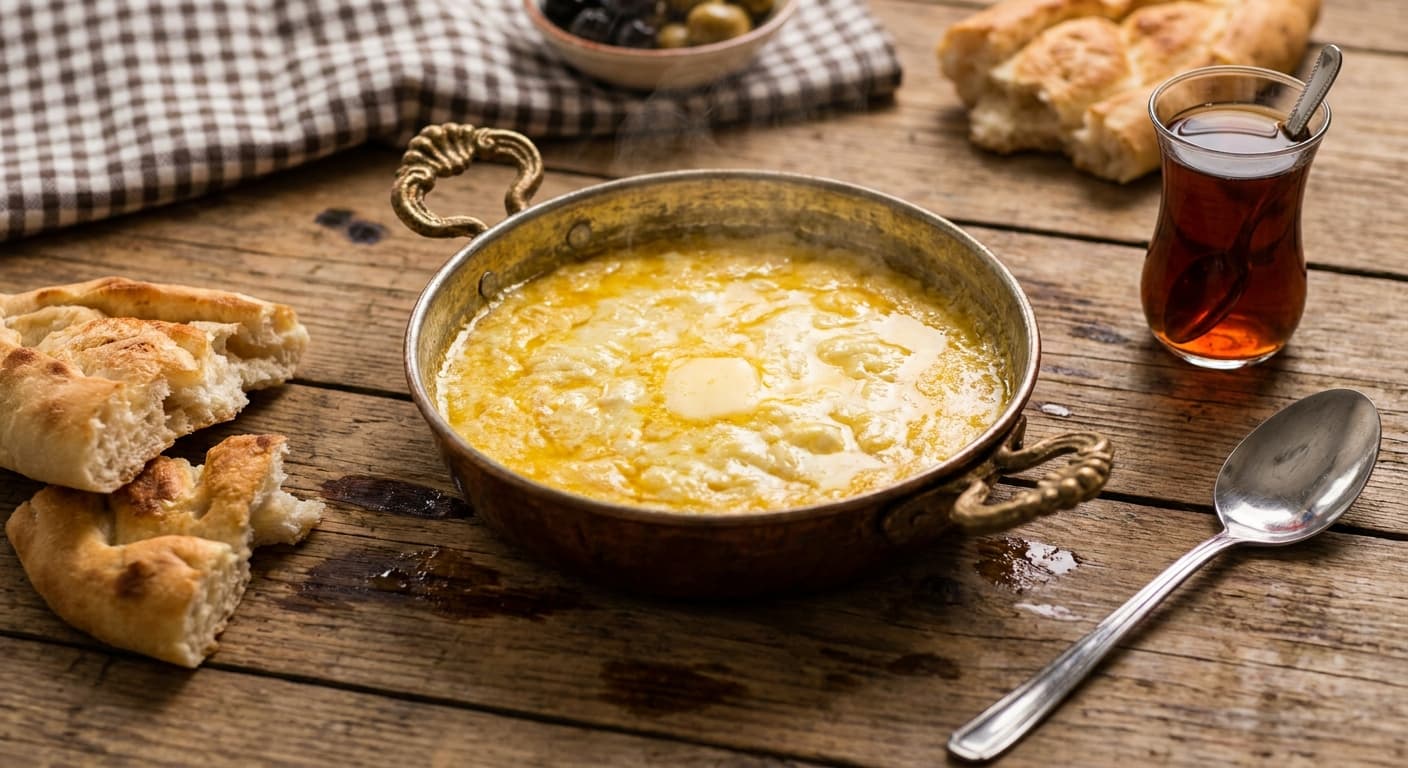
Mıhlama (Mıhlama) — Black Sea Cornmeal and Cheese Skillet
Turkish · Main Courses · 25 min
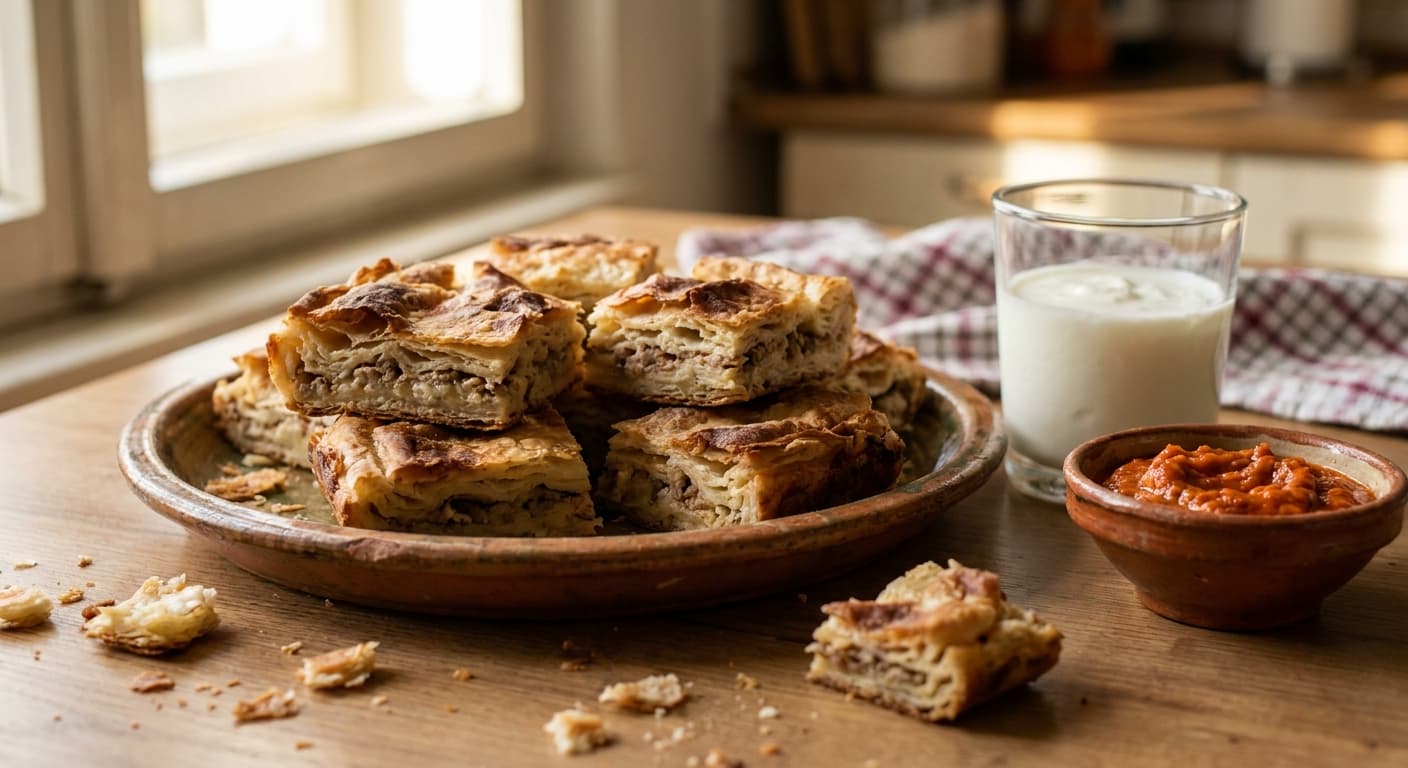
Serbian Cheese Gibanica (Гибаница) — Crumpled Filo Pie with White Cheese
Serbian · Appetizers · 65 min
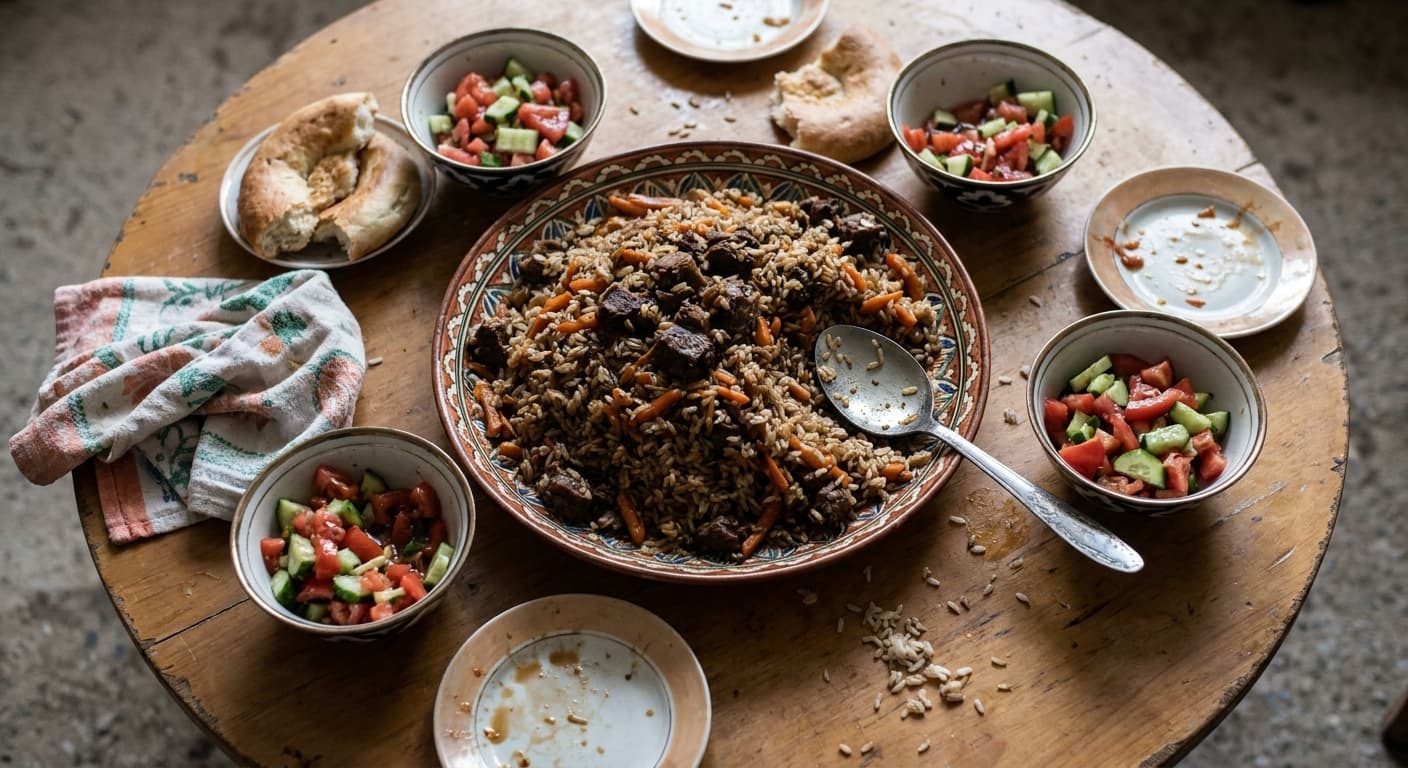
Oshi Siyoh (Оши сиёҳ) — Bukhara-Style Dark Pilaf
Tajik · Rice Dishes · 125 min
Reviews
Cooked this recipe?
Tap the stars to rate it — that's all it takes. A few words are welcome but optional.
No ratings yet. Cooked this one? Be the first to rate it — it takes one tap.