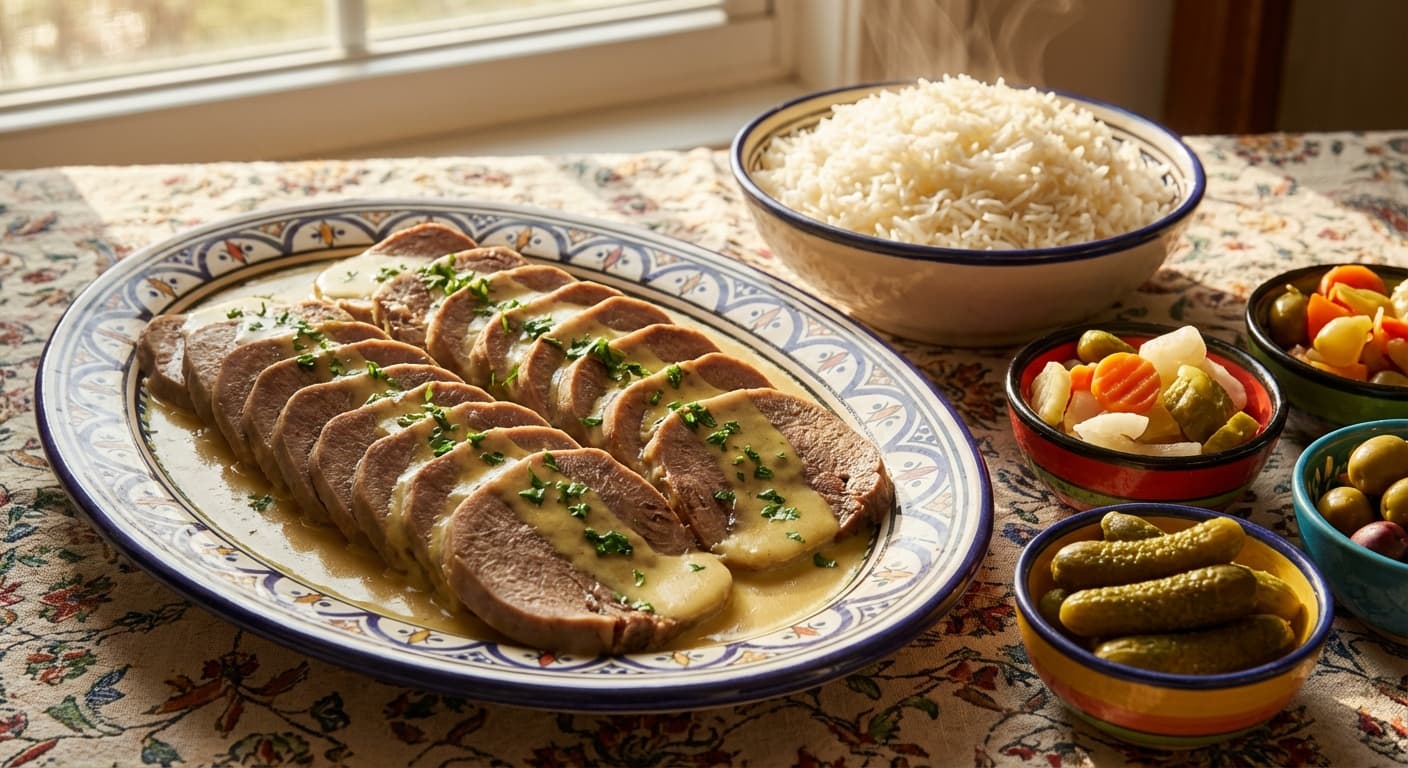
Khorak-e Zaban (خوراک زبان) — Persian Braised Beef Tongue with Mushroom Sauce
Tender, slow-braised beef tongue served with a silky mushroom velouté, scented with saffron. This Persian banquet-style centerpiece balances deep savory flavor with a refined, creamy sauce.
Printable Recipe Card
Servings: 6 · Total: 280 min · Difficulty: hard
Ingredients (quick list)
- 1200 g Beef tongue, whole (rinsed well; trim only loose fat)
- 250 g Yellow onion (1 large, quartered)
- 180 g Carrots (2 medium, cut into large chunks)
- 120 g Celery stalks (2 stalks, cut into large chunks)
- 18 g Garlic cloves (4 cloves, lightly crushed)
- 2 leaf Bay leaves
- 2 tsp Whole black peppercorns
- 2 tsp Sea salt (for the braise; plus more to taste)
- 2500 ml Water (or as needed to cover tongue by 2–3 cm)
- 0.25 tsp Saffron threads (finely crushed)
- 60 ml Hot water (just off the boil)
- 45 g Unsalted butter
+ 7 more in the full ingredients section below.
Steps (summary)
- Rinse the beef tongue under cold running water for 2 minutes, scrubbing any residue. Place it in a large pot and add the onion,…
- Reduce heat to a gentle simmer (small bubbles, not a rolling boil). Cover with the lid slightly ajar and braise for 3 hours, tu…
- While the tongue braises, make the saffron infusion: crush saffron threads to a fine powder, then stir in 60 ml hot water. Cove…
- When the tongue is tender, transfer it to a tray. Strain the braising liquid through a fine sieve; reserve 600 ml for the sauce…
- Slice the peeled tongue across the grain into 1 cm slices. Return slices to a shallow pan with 300 ml of the strained braising…
- For the mushroom velouté, heat butter and olive oil in a saucepan over medium heat. Add minced shallot and cook 3 minutes until…
+ 2 more steps in the full instructions section below.
Cultural Background
Braised tongue is served in many Iranian homes and restaurants as a formal, celebratory dish, often presented in neat slices with a rich sauce. Its long, gentle cooking reflects a banquet tradition of preparing impressive cuts ahead of time for guests and family gatherings.
Equipment
💡 Tips
- Peel the tongue while it is warm; once fully cold, the skin clings and is harder to remove cleanly.
- Keep the braise at a gentle simmer; a hard boil can tighten proteins and make the tongue less tender.
- For an extra-smooth velouté, blend half the sauce for 20–30 seconds and return it to the pot, then rewarm gently.
- If the sauce thickens too much while standing, whisk in 30–60 ml hot braising liquid to loosen without diluting flavor.
- Skim fat from the strained broth for a cleaner, more refined sauce and more accurate seasoning.
⚠️ Common Mistakes
❌ Boiling the tongue aggressively for the full cook
💡 Why: A hard boil can tighten meat fibers and make the texture less tender, while also clouding the broth.
✅ Fix: After the initial boil, keep it at a gentle simmer with the lid slightly ajar; adjust heat so only small bubbles break the surface.
❌ Letting the tongue cool completely before peeling
💡 Why: The outer skin adheres as it cools, making peeling slow and causing ragged slices.
✅ Fix: Peel while warm; if it has cooled, rewarm in hot broth for 5 minutes to loosen the skin.
❌ Adding flour and liquid too quickly for the velouté
💡 Why: This can create lumps and a pasty texture instead of a silky sauce.
✅ Fix: Cook the flour in the fat for 2 minutes, then whisk in warm liquid gradually in several additions until smooth.
❌ Boiling the finished sauce after adding milk and saffron
💡 Why: High heat can cause dairy to split and can mute saffron aroma.
✅ Fix: Keep the sauce below a simmer; reheat gently and whisk frequently.
🧊 How to Store
Refrigerate sliced tongue and sauce separately in airtight containers for up to 3 days. Reheat tongue covered with a splash of broth at 80–90°C (gentle heat) until hot, 10–15 minutes. Rewarm sauce over low heat, whisking; do not boil. Freeze tongue and sauce up to 2 months; thaw overnight in the fridge.
📅 Make Ahead
Braise the tongue up to 2 days ahead, peel and slice, then store with a little broth to keep it moist. Prepare the mushroom velouté up to 1 day ahead and rewarm gently. For best texture, assemble and heat the slices in broth just before serving, then spoon over freshly loosened sauce.
🍽️ Pairs Well With
- Steamed basmati rice or saffron rice
- Pickled vegetables (torshi-style mixed pickles)
- Fresh herbs and radishes
- Simple salad with lemon and olive oil
Regional Variations
- Tehran-style restaurant platingOften served in uniform slices with a glossy, broth-based sauce; mushrooms may be added for a more modern, velvety finish and the dish is commonly paired with rice and pickles.
- Northern Iran (Caspian-influenced)Cooks may lean into deeper aromatics by using more black pepper and serving alongside herb-heavy sides; the sauce is sometimes lighter, relying more on reduced broth than on milk.
Ingredients
- 1200 gBeef tongue, whole (rinsed well; trim only loose fat)
- 250 gYellow onion (1 large, quartered)
- 180 gCarrots (2 medium, cut into large chunks)
- 120 gCelery stalks (2 stalks, cut into large chunks)
- 18 gGarlic cloves (4 cloves, lightly crushed)
- 2 leafBay leaves
- 2 tspWhole black peppercorns
- 2 tspSea salt (for the braise; plus more to taste)
- 2500 mlWater (or as needed to cover tongue by 2–3 cm)
- 0.25 tspSaffron threads (finely crushed)
- 60 mlHot water (just off the boil)
- 45 gUnsalted butter
- 15 mlOlive oil (helps prevent butter from browning too fast)
- 450 gCremini mushrooms (cleaned and thinly sliced)
- 60 gShallot (1 large, finely minced)
- 30 gAll-purpose flour (about 1/4 cup)
- 600 mlReserved braising liquid (strained; skim excess fat)
- 240 mlWhole milk (about 1 cup, warmed)
- 1 tspFreshly ground black pepper (plus more to taste)
🔄 Substitutions
- Cremini mushrooms→ Button mushrooms
- Whole milk→ Unsweetened oat milk
- All-purpose flour→ Cornstarch
Instructions
- 1
Rinse the beef tongue under cold running water for 2 minutes, scrubbing any residue. Place it in a large pot and add the onion, carrots, celery, garlic, bay leaves, peppercorns, and 2 teaspoons sea salt. Pour in 2,500 ml water (or enough to cover by 2–3 cm). Bring to a boil over high heat, about 12–15 minutes.
- 2
Reduce heat to a gentle simmer (small bubbles, not a rolling boil). Cover with the lid slightly ajar and braise for 3 hours, turning the tongue once halfway through. Skim foam and excess fat during the first 30 minutes. The tongue is ready when a skewer slides in with little resistance (internal temperature about 93°C/200°F).
- 3
While the tongue braises, make the saffron infusion: crush saffron threads to a fine powder, then stir in 60 ml hot water. Cover and steep for 15 minutes to bloom color and aroma. Set aside at room temperature; do not boil saffron directly, as it can dull the fragrance.
- 4
When the tongue is tender, transfer it to a tray. Strain the braising liquid through a fine sieve; reserve 600 ml for the sauce and cool the rest for later use if desired. While the tongue is still warm (but safe to handle), peel off the thick outer skin starting at the tip; use a small knife only where needed.
- 5
Slice the peeled tongue across the grain into 1 cm slices. Return slices to a shallow pan with 300 ml of the strained braising liquid and keep warm over low heat for 10 minutes. This prevents drying and seasons the meat evenly. Taste the liquid and adjust salt lightly if needed.
- 6
For the mushroom velouté, heat butter and olive oil in a saucepan over medium heat. Add minced shallot and cook 3 minutes until translucent. Add sliced mushrooms and cook 10–12 minutes, stirring often, until they release liquid and begin to brown. This step concentrates flavor and avoids a watery sauce.
- 7
Sprinkle flour over the mushrooms and stir continuously for 2 minutes to cook out raw flour taste. Slowly whisk in 600 ml reserved braising liquid in 3 additions, smoothing lumps each time. Simmer gently for 8 minutes, stirring, until thick enough to coat a spoon. Whisk in warm milk and simmer 3 more minutes.
- 8
Stir in the bloomed saffron infusion, 1 teaspoon sea salt, and 1 teaspoon freshly ground black pepper. Simmer 2 minutes, then taste and adjust seasoning. To serve banquet-style, arrange warm tongue slices on a platter and spoon the velouté over or alongside. Keep sauce below a simmer so it stays silky.
🪪 Recipe Passport
Cultural Background
Braised tongue is served in many Iranian homes and restaurants as a formal, celebratory dish, often presented in neat slices with a rich sauce. Its long, gentle cooking reflects a banquet tradition of preparing impressive cuts ahead of time for guests and family gatherings.
Regional Variations
Researched with AI assistance from culinary references and checked by Zaffaron's automated quality pipeline. Recipes are not individually kitchen-tested; see our editorial policy.
Nutrition per serving
Pairs well with
If you enjoyed this recipe, here are a few related Zaffaron recipes to try next.
Does your family make this differently?
Every family has their own version. Maybe your grandmother adds a secret ingredient, or your aunt has a completely different technique. Preserve your family's version — with their name on it, forever.
You Might Also Like
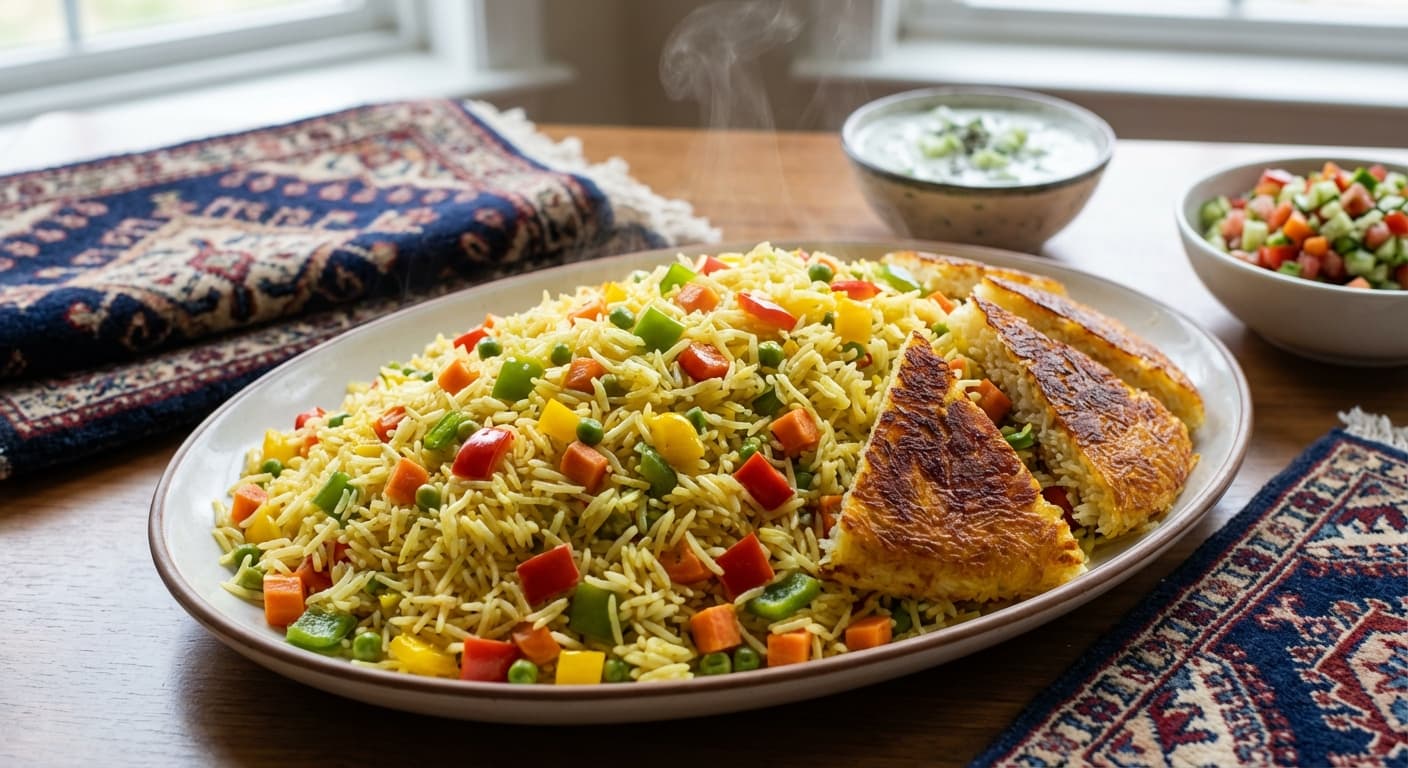
Mixed Vegetable Rice (برنج با مخلوط سبزیجات) — Persian-Style Aromatic Pilaf
Persian · Rice Dishes · 75 min
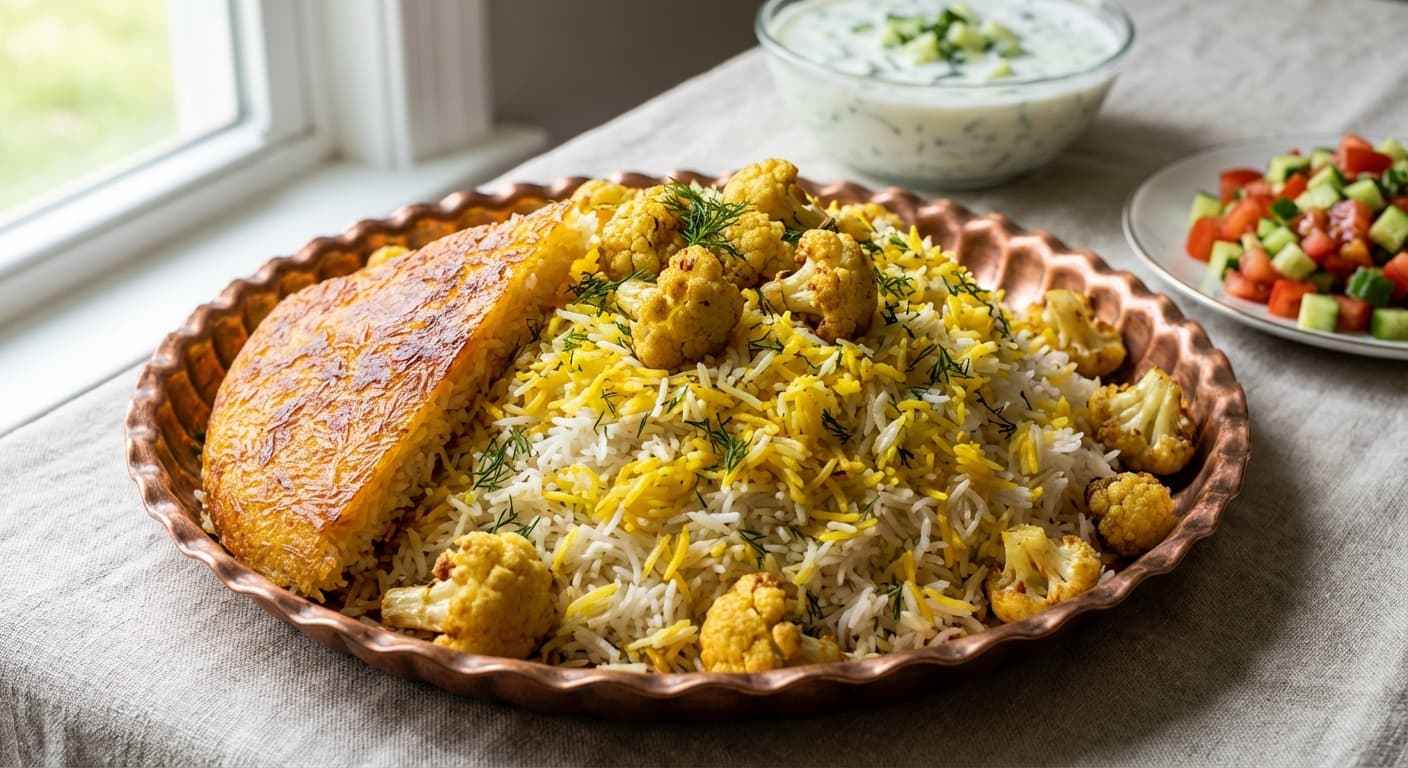
Gol Kalam Polow (پلو گل کلم) — Persian Cauliflower Pilaf with Saffron and Dill
Persian · Rice Dishes · 80 min
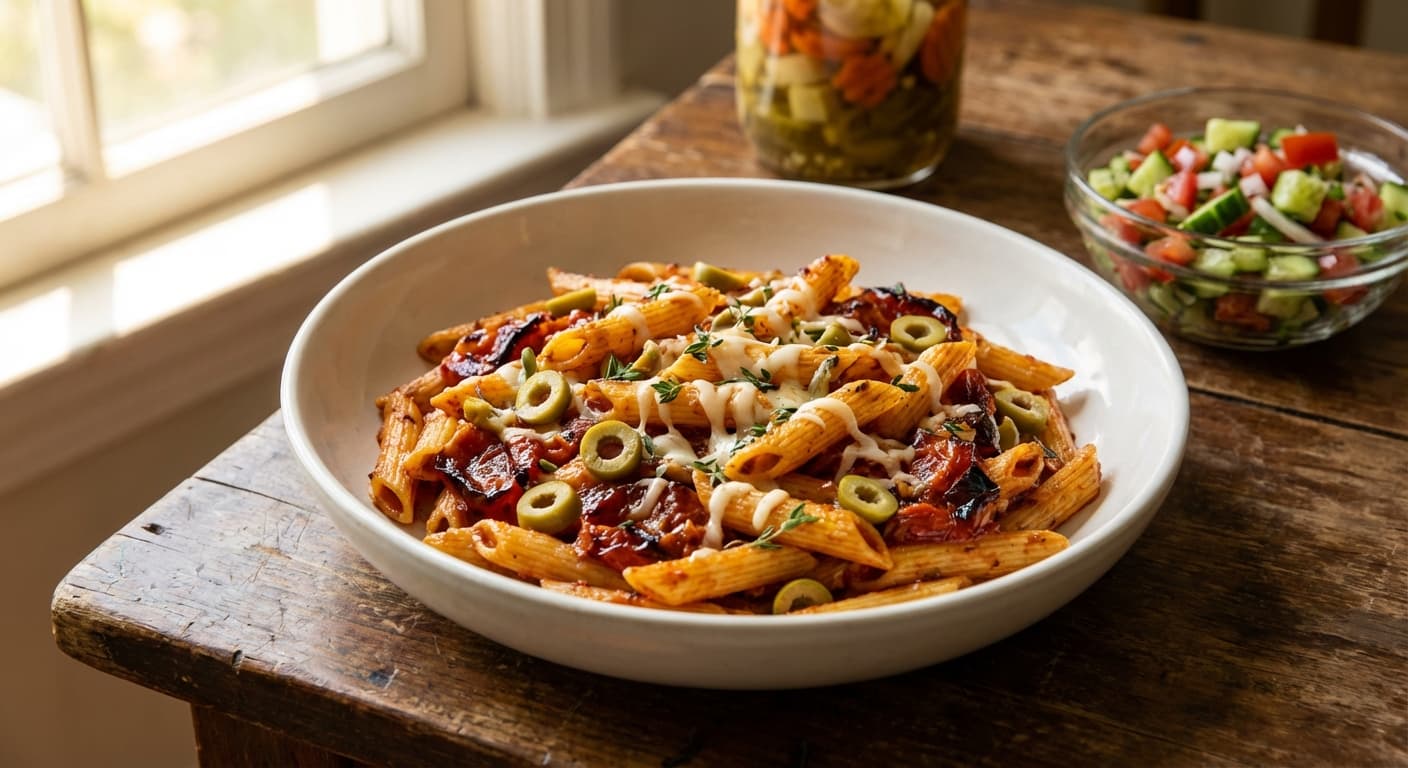
Persian-Style Tomato Pasta (پاستا با گوجه فرنگی) — Roasted tomato, thyme, and olive pasta with mozzarella
Persian · Main Courses · 50 min
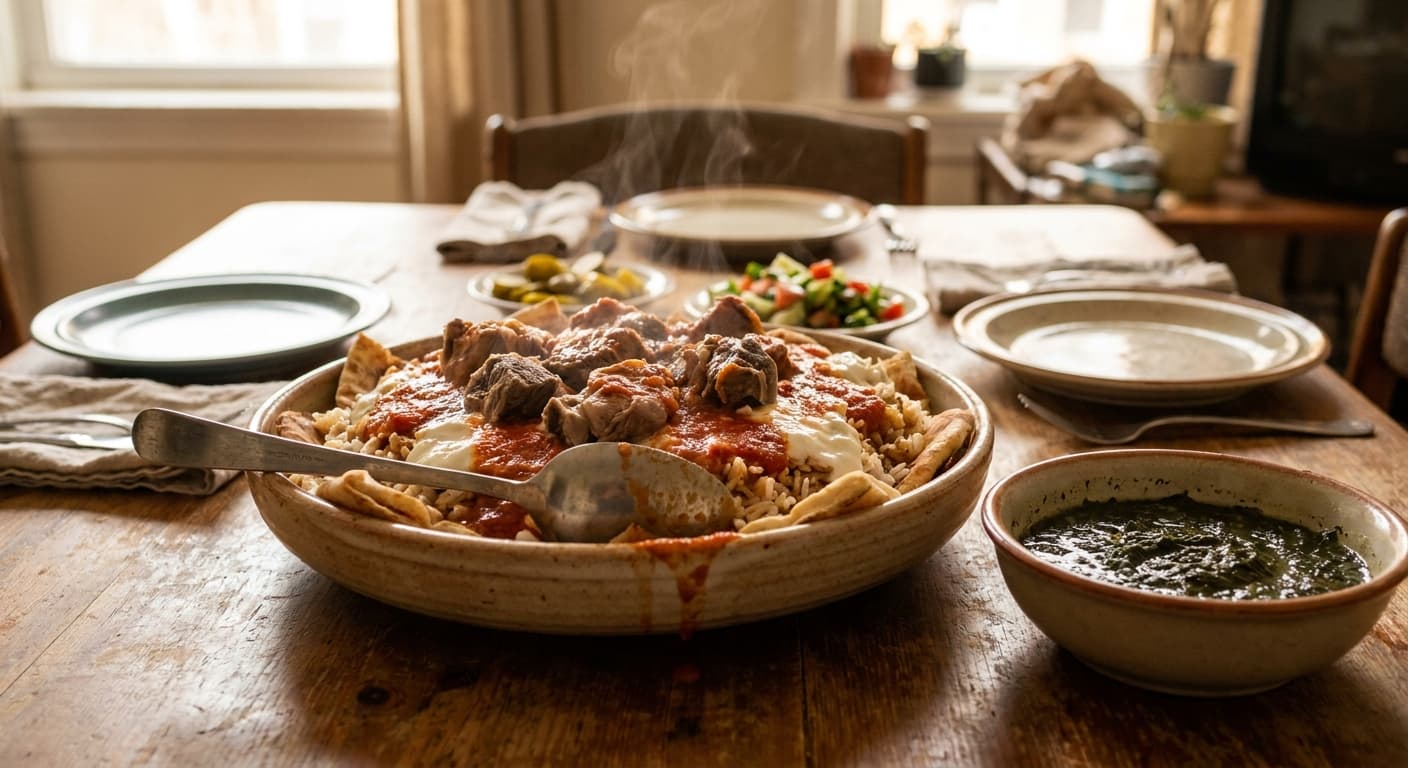
Egyptian Fatta (فتة) — Layered Meat, Rice, and Crisp Bread
Egyptian · Main Courses · 145 min
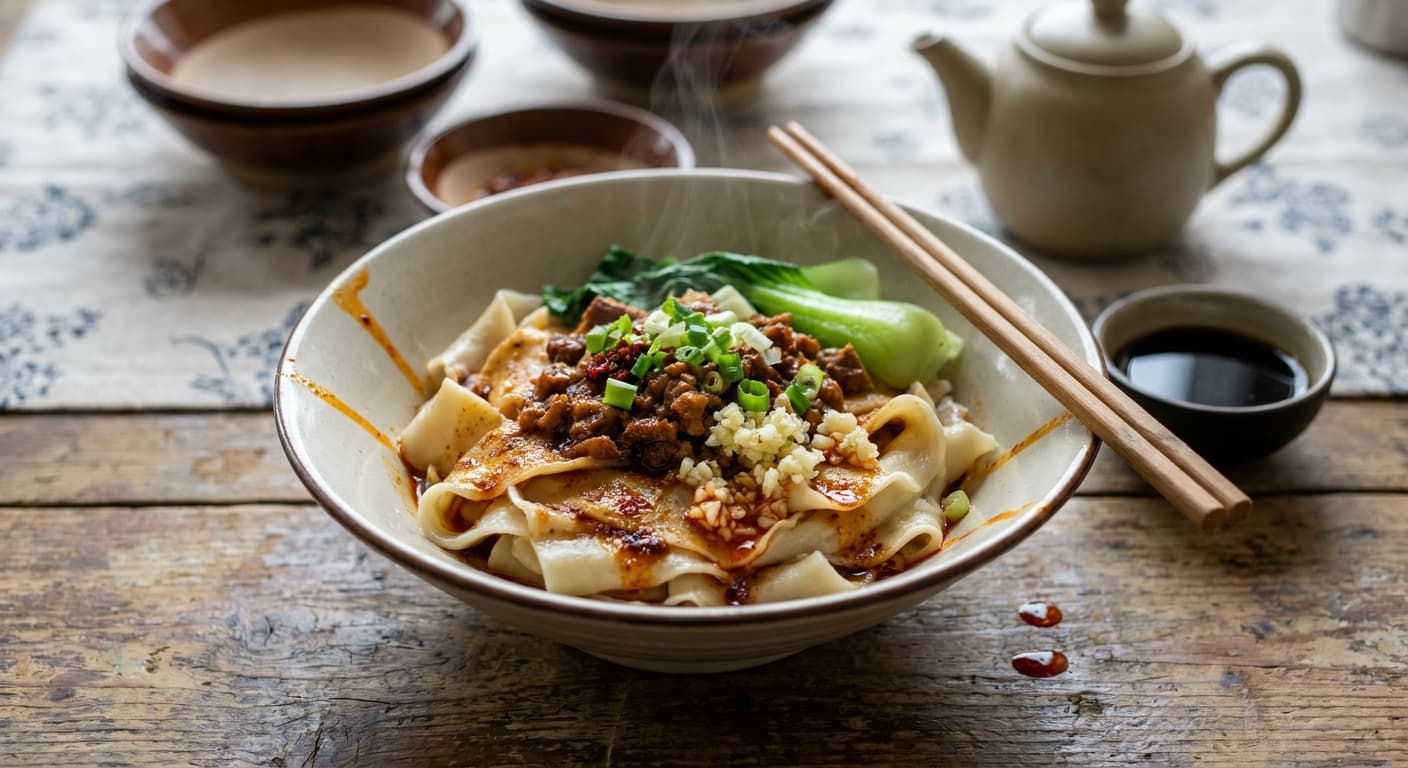
Biangbiang Noodles (油泼扯面) — Xi'an Hand-Pulled Belt Noodles
Chinese · Main Courses · 65 min
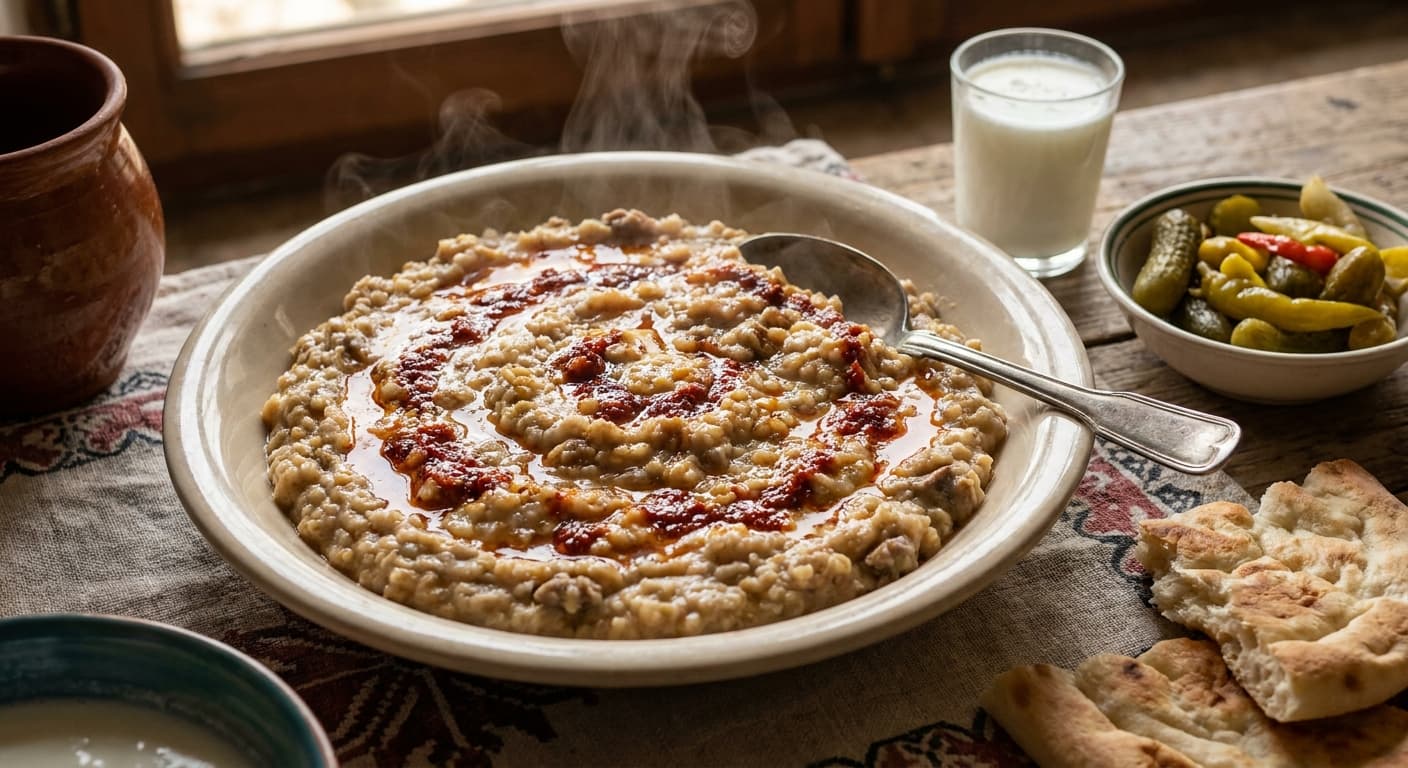
Keshkek (Keşkek) — Creamy Ceremonial Wheat and Lamb Stew
Turkish · Stews · 240 min
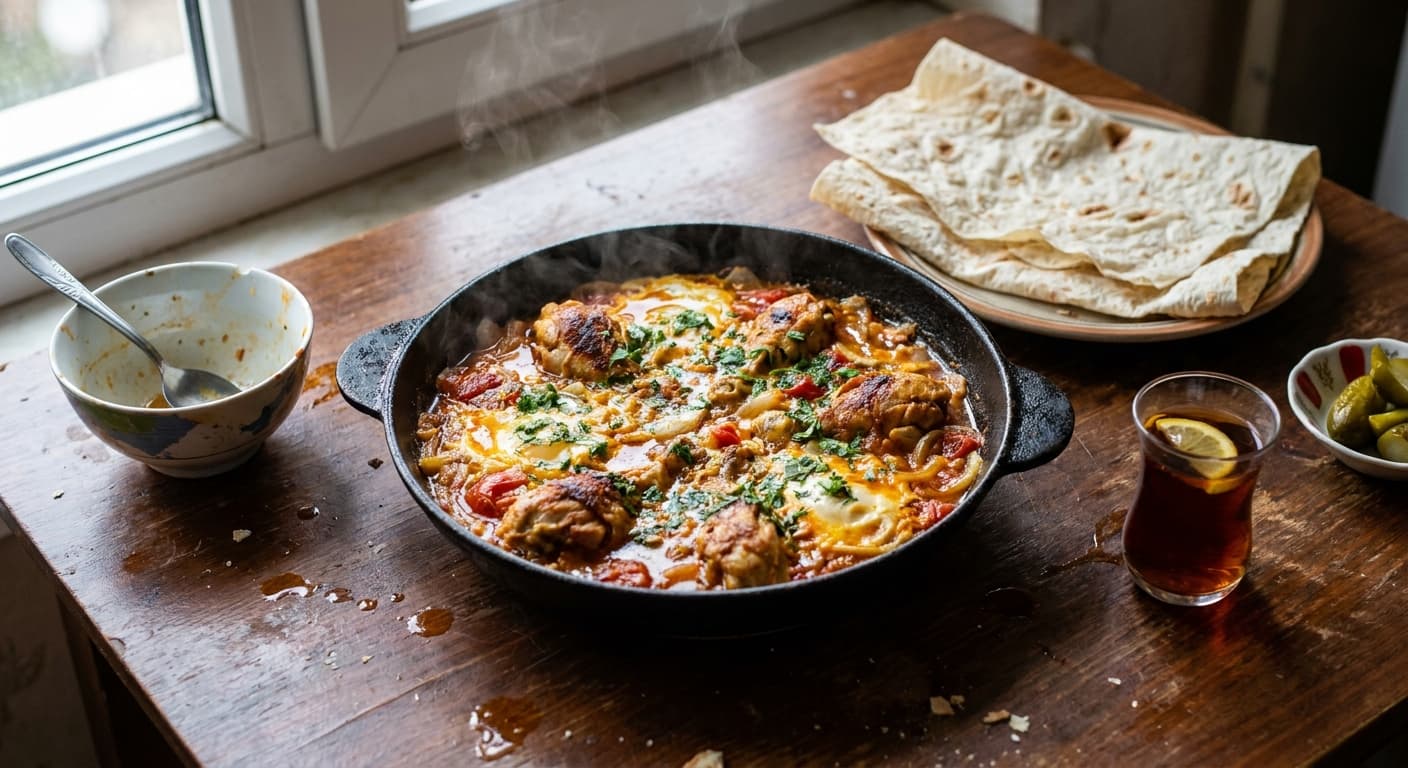
Chicken Chygyrtma (Toyuq Çığırtması) — Azerbaijani Chicken with Eggs and Tomatoes
Azerbaijani · Main Courses · 65 min
Khashlama (Խաշլամա) — Armenian Lamb and Vegetable Stew
Armenian · Stews · 160 min
Reviews
Cooked this recipe?
Tap the stars to rate it — that's all it takes. A few words are welcome but optional.
No ratings yet. Cooked this one? Be the first to rate it — it takes one tap.